How Nutrition Supports a Cat’s Immune System: Your Complete Guide
Have you ever watched your cat zoom around the house and wondered what keeps that playful energy going, even as they dodge the sniffles? That tireless curiosity and resilience are powered by a remarkable biological shield: a robust immune system. While we can’t see this defense network at work, every scratch from a fallen tree branch, every encounter with a new feline friend, and every sneaky bug they might eat is a test of its strength. The foundation of this powerful, invisible army isn’t found in medicine or supplements, but in the bowl you fill each day.
Nutrition is the single most significant factor you can control to optimize your cat’s immune health. From essential amino acids to powerful antioxidants, the right food builds resilient white blood cells, maintains vital gut health, and creates a body that’s less hospitable to invaders. This article will serve as your detailed guide, translating complex science into actionable steps. You’ll learn exactly which nutrients are non-negotiable, how to read a cat food label for immune support, and the practical dietary choices you can make from kittenhood to the senior years to build a lifetime of robust health.
Key Takeaways
- A cat’s immune health is built on four nutritional pillars: high-quality animal protein, specific vitamins (A, C, E, D), essential minerals (zinc, selenium), and beneficial functional nutrients like prebiotics and omega-3s.
- The gut is a critical immune organ; a healthy digestive system, supported by prebiotics, probiotics, and easily digestible food, is fundamental to overall immunity.
- Nutritional needs for immune support change throughout a cat’s life, requiring tailored approaches for kittens, adults, and seniors to address specific vulnerabilities.
- Choosing the right food involves scrutinizing labels for high animal protein content, named fat sources, and essential supplements, while being wary of excessive carbohydrates and vague ingredients.
- Beyond diet, consistent hydration, maintaining an ideal weight, and reducing stress through enrichment are indispensable partners to nutrition in supporting a strong immune system.
The Gut: Your Cat’s First Line of Defense
It may surprise you, but a significant portion of your cat’s immune system resides not in their blood or bone marrow, but in their gastrointestinal tract. Think of the gut as a bustling, intelligent command center. A healthy gut lining acts as a sophisticated barrier, deciding what nutrients to absorb and what potential pathogens to block. This “gut-associated lymphoid tissue” (GALT) is packed with immune cells constantly sampling and reacting to the gut’s contents.
Nutrition directly shapes this environment. Diets rich in high-quality, easily digestible animal proteins put less strain on the digestive system, allowing it to function optimally. Conversely, diets high in fillers and hard-to-digest ingredients can cause inflammation and weaken this crucial barrier. Furthermore, specific nutrients act as fuel for the beneficial bacteria (the microbiome) that live in the gut. A balanced microbiome is essential for training the immune system and crowding out harmful bacteria. You can support this by looking for foods that include:
- Prebiotics: These are specialized fibers (like chicory root or beet pulp) that act as food for the good gut bacteria.
- Probiotics: These are the beneficial live bacteria themselves, which can be added to some foods to directly supplement the microbiome.
A cat struggling with chronic soft stool, frequent hairballs, or a lack of appetite may be showing signs of a gut imbalance, which can directly compromise their immune readiness. For more on identifying subtle health issues, our guide on cat sick signs can be a helpful resource.
The Four Pillars of Immune-Supportive Cat Nutrition
To build a formidable immune system, your cat’s diet must provide the right raw materials. These can be broken down into four essential categories.
1. High-Quality Animal Protein: The Building Blocks
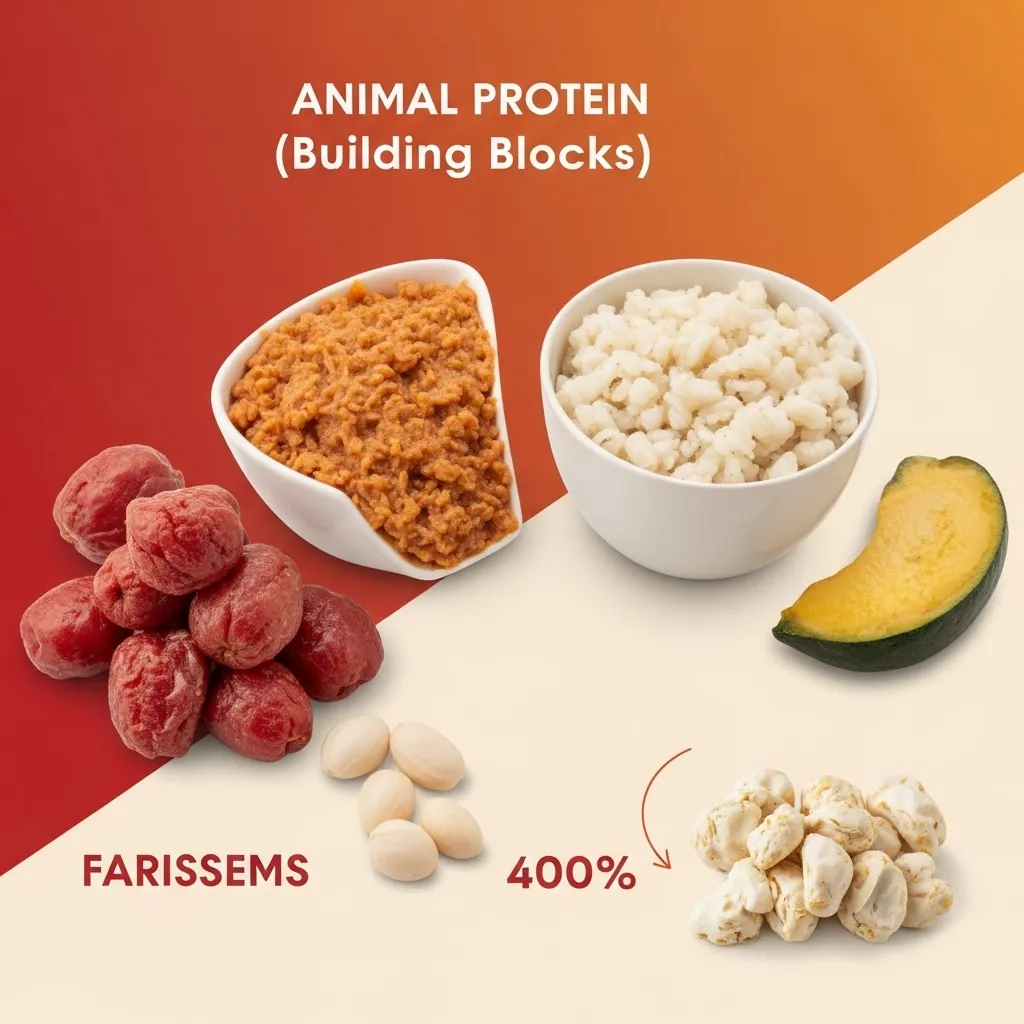
Cats are obligate carnivores. Their bodies are evolutionarily designed to thrive on meat, and protein is the literal building block of their immune system. Antibodies, the specialized proteins that target specific invaders, are made from amino acids derived from dietary protein.
Taurine, an essential amino acid found only in animal tissue, is critical for vision and heart health, but also supports proper immune cell function. A deficiency can lead to serious health decline. Arginine, another crucial amino acid, is involved in wound healing and immune response. When evaluating food, the source and quality of protein are paramount. Named meat meals (like chicken meal or salmon meal) and whole meats should be at the very top of the ingredients list.
2. Essential Vitamins: The Antioxidant Army
Vitamins act as managers and protectors for the immune system.
- Vitamin A: Maintains the health of skin and mucosal linings (in the gut and respiratory tract), which are physical barriers to infection.
- Vitamin E: A powerful antioxidant that protects immune cells from damage caused by free radicals generated during the body’s fight against infection.
- Vitamin C: While cats produce their own vitamin C, additional amounts from food can provide antioxidant support during times of stress or illness.
- Vitamin D: Plays a role in regulating immune responses and reducing inappropriate inflammation.
These vitamins often work synergistically. A high-quality cat food will have these in proper balance. Excessive supplementation can be harmful, so it’s best to provide them through a complete and balanced diet.
3. Critical Minerals: The Spark Plugs
Minerals are required in smaller amounts but are no less vital. They often act as “cofactors,” enabling immune-related enzymes and proteins to function.
- Zinc: Essential for the development and function of many immune cells. Zinc deficiency can lead to impaired wound healing and increased susceptibility to infections.
- Selenium: Works alongside Vitamin E as a key antioxidant, protecting cells from damage.
4. Functional Fats & Nutrients: The Special Forces
Beyond the basics, certain nutrients provide targeted, powerful support.
- Omega-3 Fatty Acids (EPA/DHA): Found in fish oil, these are potent anti-inflammatories. They help modulate the immune system, calming excessive or chronic inflammation that can be damaging.
- Beta-Glucans: Natural compounds derived from yeast or mushrooms that help “prime” the immune system, enhancing the activity of white blood cells called macrophages.
Choosing the Right Food: A Practical Label-Reading Guide
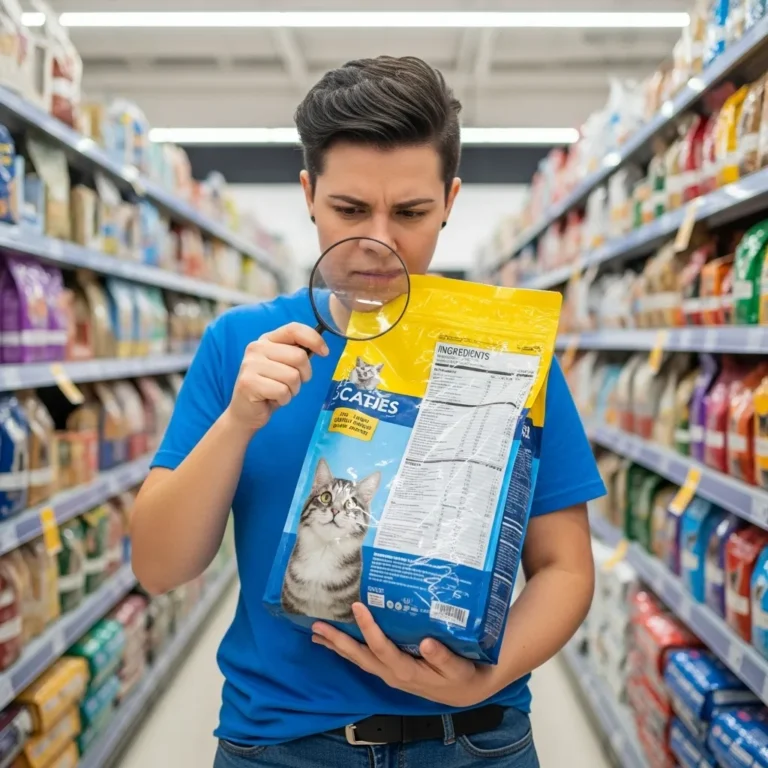
Walking down the pet food aisle can feel overwhelming. Use this checklist to cut through the marketing and find a food that genuinely supports immunity.
What TO Look For:
- Named Animal Protein First: The first ingredient should be a specific animal protein (e.g., deboned chicken, turkey, salmon, lamb meal). “Meat meal” is a concentrated protein source but should still be named.
- Named Fat Sources: Look for specific fats like chicken fat or salmon oil.
- Whole Foods and Recognizable Ingredients: Ingredients like sweet potatoes, peas, blueberries, and cranberries provide natural vitamins and antioxidants.
- Probiotics or Prebiotics Listed: Often noted as “dried Lactobacillus acidophilus fermentation product” or “chicory root.”
- Omega-3 Supplementation: Look for “fish oil” or explicit mention of EPA/DHA.
- AAFCO Statement: The label must state the food is “complete and balanced” for your cat’s life stage (kitten, adult, senior) as per the Association of American Feed Control Officials.
What to Be WARY Of:
- Excessive Carbohydrates: Cats have no nutritional requirement for carbs. High levels of corn, wheat, rice, or potatoes can promote inflammation and obesity.
- Vague Ingredients: “Animal by-products,” “meat and bone meal,” or “animal digest” are low-quality and inconsistent.
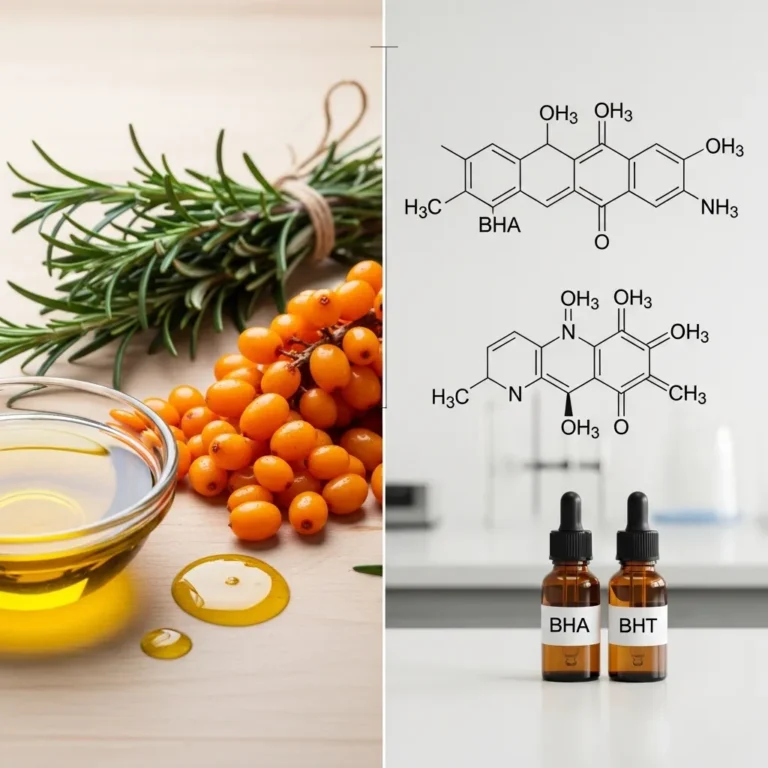
- Artificial Colors, Flavors, or Preservatives: Such as BHA, BHT, or ethoxyquin. Seek foods preserved with mixed tocopherols (a form of Vitamin E).
- “With” vs. “Dinner” vs. “Flavor”: Understand labeling laws. A “Chicken Cat Food” must be 95% chicken. A “Chicken Dinner” may only be 25%. A “With Chicken Flavor” may contain very little.
For a deep dive into selecting the best forms of nutrition, our article on the best wet cat food explores the benefits of moisture-rich diets.
Life Stage Nutrition: Tailoring Support from Kitten to Senior
A one-size-fits-all approach doesn’t work for feline nutrition. The immune system has different needs and vulnerabilities at each stage of life.
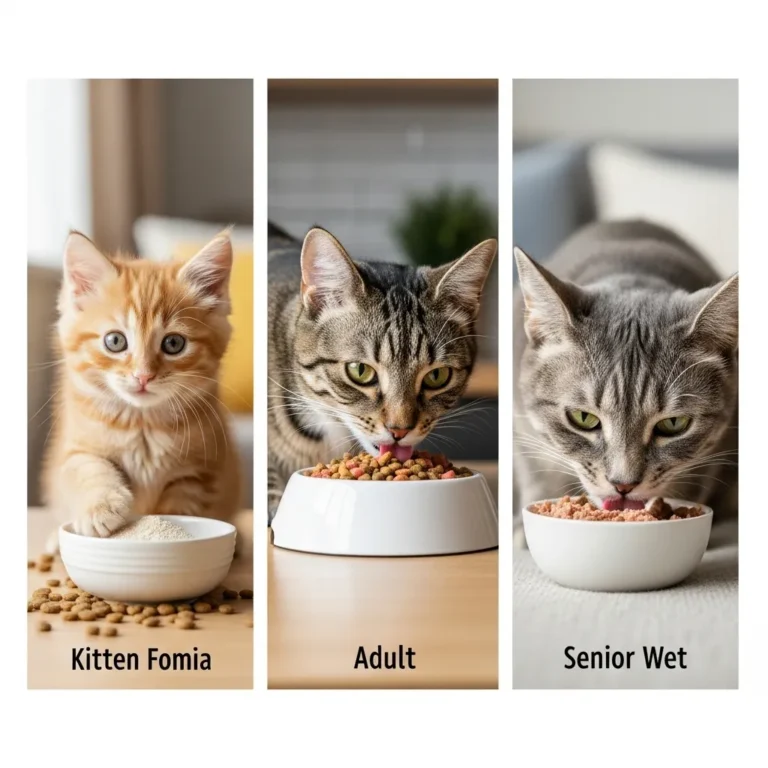
- Kittenhood (0-1 year): This is a period of rapid immune system development. Kittens receive antibodies from their mother’s milk, but this protection wanes. They need energy-dense food rich in DHA (for brain and immune development) and highly digestible protein to support their growth and build a robust immune foundation. Frequent, small meals are key.
- Adulthood (1-7 years): The goal here is maintenance and prevention. A high-quality, balanced diet that maintains lean body mass and avoids obesity is crucial. Obesity creates a state of chronic, low-grade inflammation that directly taxes and weakens the immune system. This is the time to solidify healthy eating habits.
- Senior Years (7+ years): Immune function naturally declines with age, a process called immunosenescence. Senior cats may need:
- Easier-to-digest proteins to support kidney health.
- Increased antioxidant levels (Vitamins C & E, beta-carotene) to combat increased oxidative stress.
- Supplemental omega-3s to manage age-related inflammation and support cognitive function.
- Palatable, aromatic food to combat a declining sense of smell and taste. Learn more about catering to older cats in our guide on senior cat care.
Beyond the Bowl: The Holistic Picture
While nutrition is the cornerstone, other lifestyle factors work in concert with diet to support immunity.
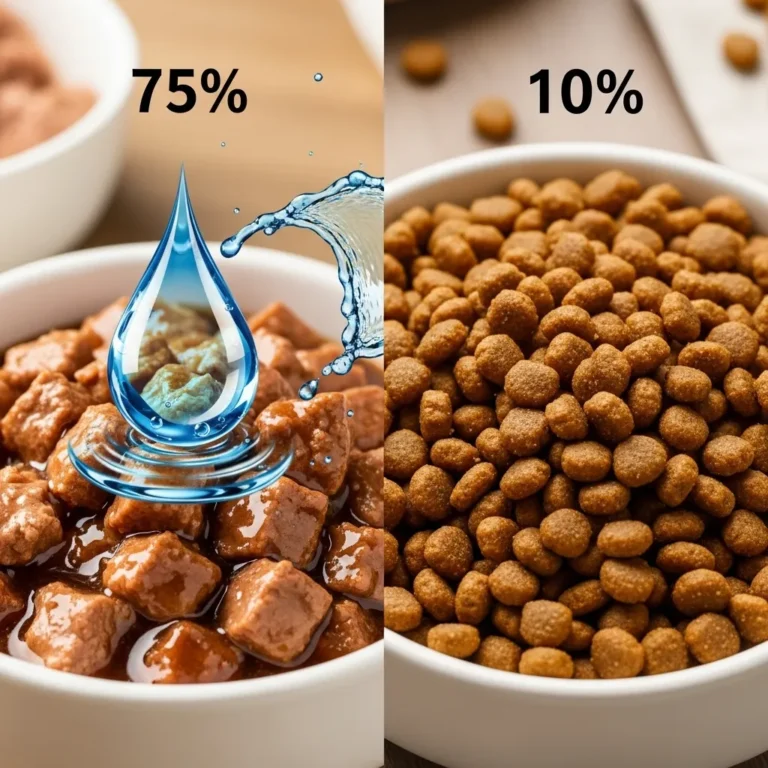
- Hydration is Non-Negotiable: Water is essential for every metabolic process, including flushing toxins and transporting immune cells. Wet food is an excellent way to increase moisture intake. Encourage drinking with clean, fresh water in multiple bowls or a cat fountain.
- Maintain a Healthy Weight: An overweight cat is an immunocompromised cat. Excess fat tissue produces inflammatory hormones. Follow feeding guidelines, measure portions, and limit treats.
- Minimize Stress: Chronic stress elevates cortisol, a hormone that suppresses immune function. Provide a predictable routine, safe hiding spaces, vertical territory, and engaging play. A stressed cat is more susceptible to illness; our article on cat stress signs helps you identify the signals.
- Partner with Your Veterinarian: Regular check-ups allow for early detection of issues. Discuss your cat’s diet with your vet, especially if considering a major change or if your cat has specific health conditions. They can recommend therapeutic diets for immune-related issues.
Frequently Asked Questions
Can I just give my cat immune-boosting supplements?
You should never supplement without consulting your veterinarian. More is not better. An excess of certain vitamins and minerals can be toxic, and supplements can interfere with medications. The best approach is to feed a complete and balanced diet designed for immune health. Supplements should only be used to address a diagnosed deficiency or specific condition under veterinary guidance.
Is a raw diet better for my cat’s immune system?
This is a contentious topic. Proponents argue raw diets mirror a cat’s natural evolutionary diet. However, significant risks include bacterial contamination (like Salmonella or E. coli) for both you and your cat, nutritional imbalances if not formulated correctly, and potential for parasites. Most veterinary nutritionists agree that a high-quality, commercially prepared diet (especially one that is gently cooked) provides all the necessary nutrients for immune health without the risks.
My cat is a picky eater. How can I improve their diet?
Transition slowly. Mix a small amount of the new food with their current food, gradually increasing the ratio over 7-10 days. Ensure the new food is appropriately palatable for their life stage. Warming wet food slightly can enhance its aroma. Most importantly, rule out underlying dental pain or illness with your vet, as pickiness can be a sign of a health problem.
What are the signs of a weakened immune system in cats?
Be alert to chronic or recurring issues: frequent upper respiratory infections, persistent skin or ear infections, slow-healing wounds, chronic diarrhea, or general lethargy and poor coat condition. If you notice these signs, a veterinary visit is essential to rule out underlying causes like FIV, FeLV, or other chronic conditions.
Conclusion: Building a Foundation for a Vibrant Life
Supporting your cat’s immune system through nutrition is one of the most profound acts of care you can provide. It’s a daily investment in their long-term vitality, resilience, and quality of life. By focusing on high-quality animal protein, essential vitamins and minerals, and gut-healthy ingredients, you are providing the raw materials their body needs to defend itself naturally.
Remember, there is no single “magic bullet.” Lasting health is built through consistent, thoughtful choices selecting the right food for their life stage, ensuring they drink enough water, keeping them active and at a healthy weight, and partnering with a trusted veterinarian. It’s a holistic strategy where nutrition is the powerful, essential foundation.
For more expert guidance on every aspect of feline well-being, from understanding quirky behaviors to managing health concerns, explore our full library of cat care and behavior guides here on Cat Bloom Haven.