Raw Diets for Cats: What Owners Should Know
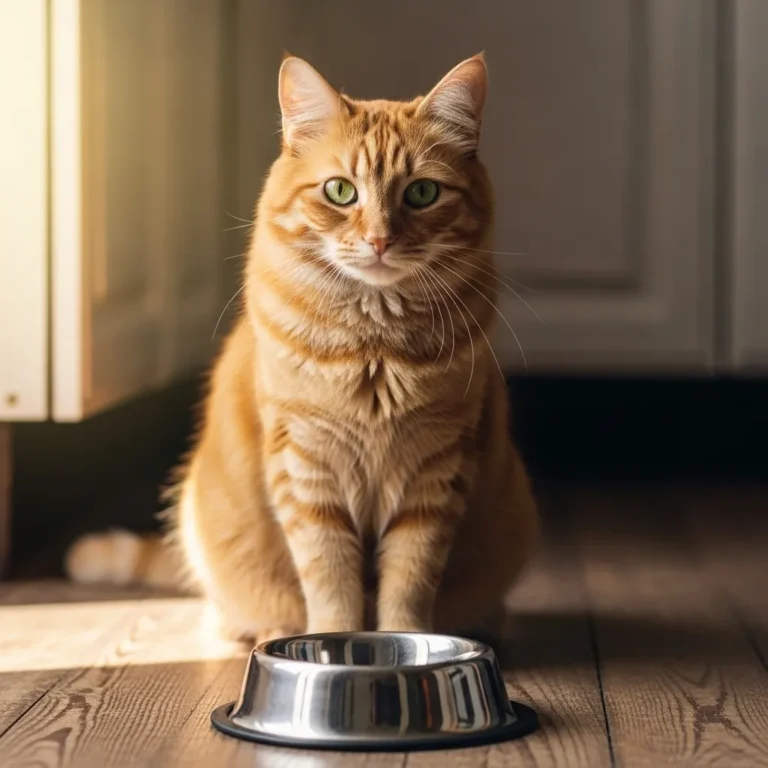
Have you ever watched your cat fixate on a passing bird with a primal intensity? That deep-seated instinct isn’t just about the hunt; it’s a biological whisper from their wild ancestors about what they’re designed to eat. This natural fascination with fresh prey has fueled a significant shift in feline nutrition: the rise of raw diets for cats.
Moving your cat to a raw food diet is one of the most debated and impactful decisions a pet owner can make. Proponents champion shinier coats, higher energy levels, and species-appropriate nutrition, while skeptics point to risks like bacterial contamination and nutritional imbalances. The truth, as always, lies in a nuanced understanding of the science, the practicalities, and the individual cat in front of you.
This comprehensive guide cuts through the hype. We’ll explore what a raw diet truly entails, weigh the evidence-based benefits against the real risks, and provide a practical, step-by-step framework for making an informed decision. Whether you’re a curious newcomer or seeking to optimize your current raw feeding protocol, this article delivers the expert insights and actionable advice you need.
Key Takeaways:
- Raw diets aim to mimic a cat’s natural, evolutionary diet, typically consisting of muscle meat, organs, bone, and supplements.
- Potential benefits may include improved digestion, dental health, coat quality, and energy levels, though scientific consensus is still evolving.
- Significant risks include bacterial pathogens (like Salmonella and E. coli), parasitic exposure, and the danger of severe nutritional imbalances if not formulated correctly.
- A successful transition requires careful planning, sourcing high-quality ingredients, and likely involves consultation with a veterinarian or feline nutritionist.
- Not all cats are ideal candidates for raw diets; age, health status, and household composition are critical deciding factors.
What is a Raw Diet for Cats?
At its core, a raw diet for cats is an attempt to replicate the nutritional profile of the prey animals felines would consume in the wild. This isn’t simply about feeding chunks of raw chicken from the grocery store. A complete and balanced raw diet is a carefully calculated combination of components designed to meet all of a cat’s unique nutritional needs.
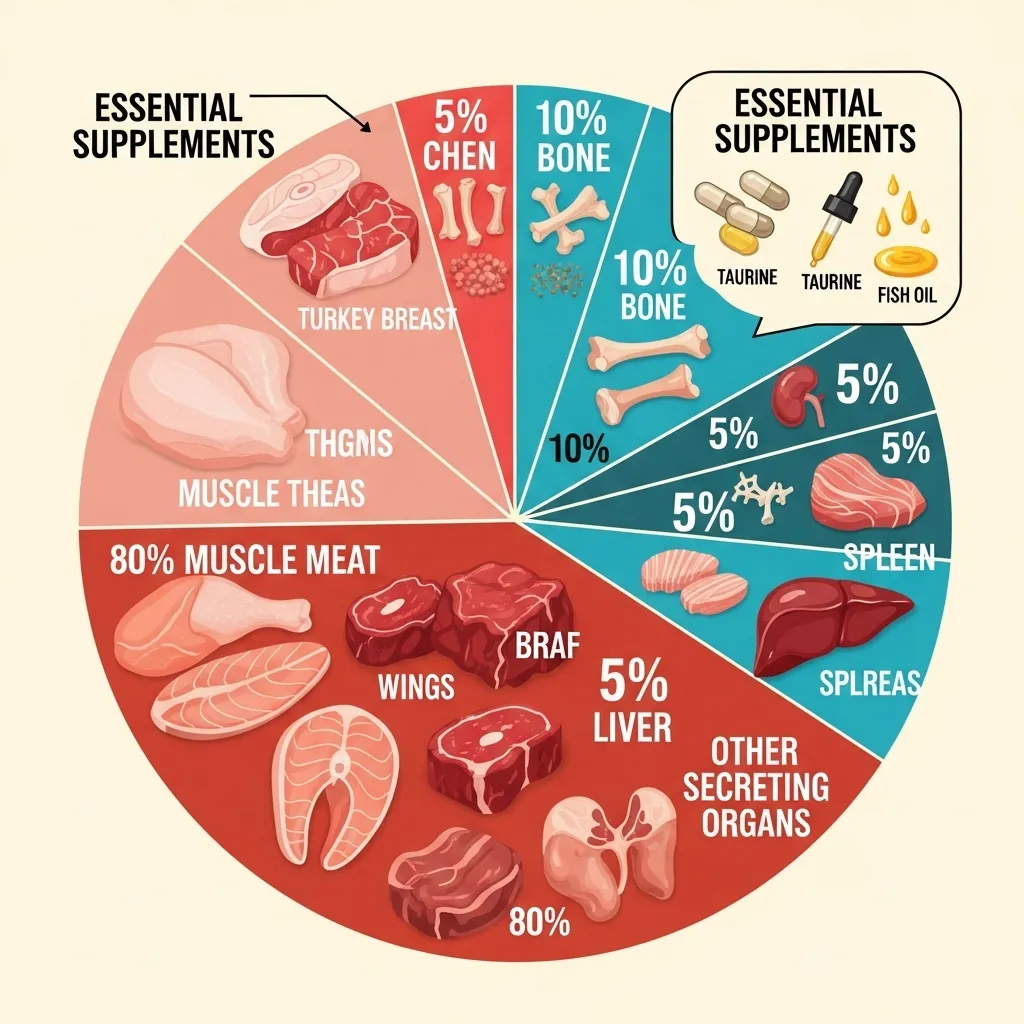
A properly formulated raw meal typically includes:
- Muscle Meat: The foundation, providing essential protein and amino acids. Examples: chicken thigh, rabbit, beef heart.
- Organ Meats: Particularly liver (a non-negotiable source of Vitamin A) and other secreting organs like kidney or spleen, which provide a dense concentration of vitamins and minerals.
- Raw Edible Bone: A crucial natural source of calcium and phosphorus. This must be ground or fed as soft, consumable bones (like chicken necks or wings) to prevent choking or dental damage.
- Essential Supplements: This is where DIY recipes get complex. Most homemade raw diets require added taurine (absolutely critical for heart and eye health), fish oil (for omega-3 fatty acids), Vitamin E, and often a specific vitamin B complex.
It’s important to distinguish between the main approaches to raw feeding:
- Prey Model Raw (PMR): Aims to closely mimic whole prey, often using whole animals or chunks of meat, bone, and organ.
- BARF (Biologically Appropriate Raw Food or Bones And Raw Food): Created by Dr. Ian Billinghurst, this model often includes additional elements like pureed vegetables, fruits, seeds, and supplements to create a more rounded nutritional profile.
- Commercial Raw: These are pre-made, frozen, freeze-dried, or dehydrated products. They offer convenience and are formulated to be nutritionally complete, but quality and ingredients vary drastically between brands. Discover more tips in our guide on how to read cat food labels.
Understanding these definitions is the first step. The next is understanding why this dietary philosophy has gained such a passionate following.
The Proposed Benefits of Raw Diets: Separating Anecdote from Evidence
Advocates for raw feeding often report transformative changes in their cats’ health. While large-scale, long-term clinical studies in cats are still limited, the proposed benefits are grounded in observable biology and a growing body of anecdotal and preliminary evidence.
- Improved Digestive Health: Cats have short, acidic digestive tracts designed to process protein and fat quickly, minimizing bacterial fermentation. A high-protein, low-carbohydrate raw diet aligns with this physiology. Many owners report smaller, less odorous stools, which suggests higher digestibility and nutrient absorption. For cats with chronic digestive issues, this change can be significant.
- Dental Health: The act of chewing and tearing at raw, meaty bones can provide a natural abrasive cleaning action on teeth, potentially reducing plaque and tartar buildup. However, it’s not a substitute for veterinary dental care, and hard bones can fracture teeth.
- Skin and Coat Quality: The optimal balance of fatty acids and high-quality protein in a well-made raw diet often manifests as a noticeably softer, thicker coat with reduced shedding and less dander. Learn about the link between diet and coat in our article on the best cat food for a shiny coat.
- Healthy Weight and Muscle Tone: Raw diets are naturally high in protein and low in fillers and carbohydrates, which can help cats maintain lean muscle mass and a healthy weight, reducing the risk of obesity-related diseases.
- Increased Energy and Vitality: Owners frequently describe their cats as becoming more playful, alert, and energetic after switching to raw. This is likely tied to stabilized blood sugar levels and the bioavailability of nutrients in their unprocessed form.
- Reduced Allergy Symptoms: For some cats with food sensitivities, eliminating common allergens found in commercial kibble (like certain grains, additives, or rendered proteins) can alleviate symptoms like itchy skin, ear infections, and gastrointestinal upset.
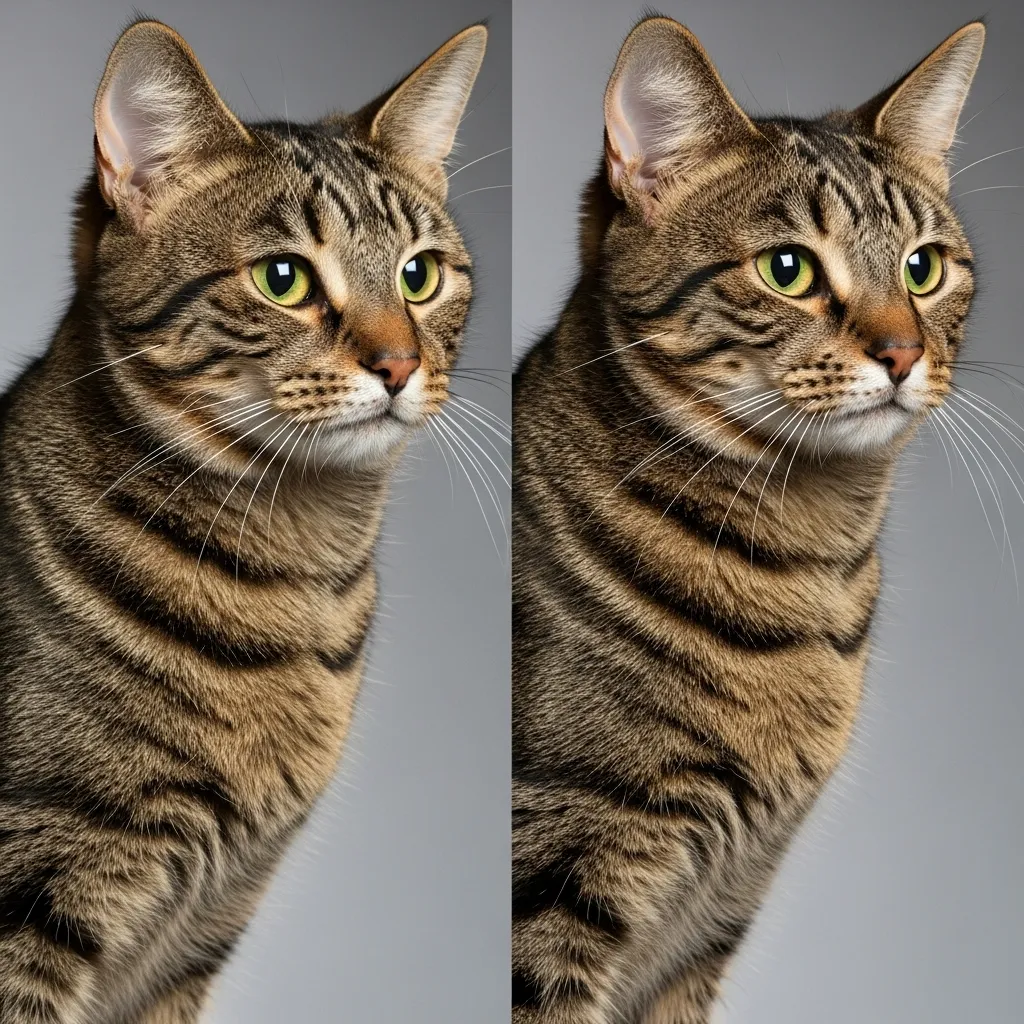
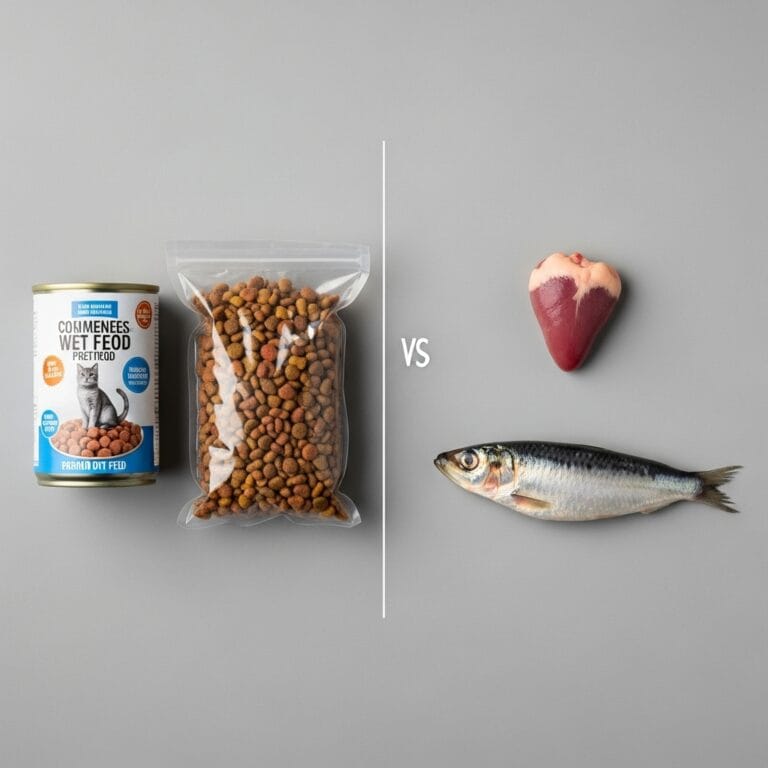
It’s crucial to interpret these benefits with balance. Many can also be achieved with a high-quality, minimally processed wet food diet. The allure of raw is its claim to be the most “natural” and bioavailable option. However, this potential comes paired with a set of risks that cannot be ignored.
The Real Risks and Challenges of Feeding Raw
A clear-eyed view of raw feeding requires an honest assessment of the dangers. These risks are not mere speculation; they are well-documented by veterinary associations like the American Veterinary Medical Association (AVMA) and the FDA.
- Bacterial and Parasitic Contamination: This is the foremost concern. Raw meat can harbor pathogens like Salmonella, Listeria, E. coli, and Toxoplasma gondii. While cats have robust digestive acids, they can still become ill, often acting as asymptomatic carriers and shedding these bacteria in their feces. This poses a severe zoonotic risk especially to immunocompromised humans, children, and the elderly in the household.
- Nutritional Imbalance: This is the silent, slow-acting risk. Formulating a homemade raw diet is complex. Deficiencies in calcium, taurine, or specific vitamins can lead to devastating, irreversible conditions like metabolic bone disease, dilated cardiomyopathy (DCM), or neurological issues. Excesses can be equally harmful.
- Internal Injury from Bones: Cooked bones are brittle and dangerous, but even raw bones can splinter or cause intestinal blockages or perforations, especially if a cat gulps them without proper chewing. Explore related health concerns in our guide on cat swallowing issues.
- Practical Inconvenience and Cost: Sourcing human-grade ingredients, grinding, portioning, and storing frozen food is time-consuming. High-quality commercial raw diets are often significantly more expensive than premium canned food. The cost of potential veterinary care for diet-related issues must also be considered.
| Risk Factor | Potential Consequence | Mitigation Strategy |
|---|---|---|
| Bacterial Contamination | Illness in cats or humans (zoonosis) | Source from reputable suppliers; practice strict hygiene (separate utensils, surfaces); handle frozen food safely. |
| Nutritional Imbalance | Organ failure, bone disease, death | Use a vet-formulated recipe; add essential supplements; consider a commercial complete raw product. |
| Bone Hazards | Choking, dental fracture, GI obstruction | Use ground bone or appropriate soft, raw bones; supervise all bone-in meals. |
| Transition Issues | Digestive upset, food refusal | Transition slowly over 7-10 days; use probiotics; be patient. |
Managing these risks isn’t impossible, but it requires a commitment to education, meticulous hygiene, and often, professional guidance.
How to Safely Transition Your Cat to a Raw Diet
If you’ve weighed the pros and cons and decided to proceed, a slow, deliberate transition is key to success. Abrupt changes almost guarantee digestive upset.
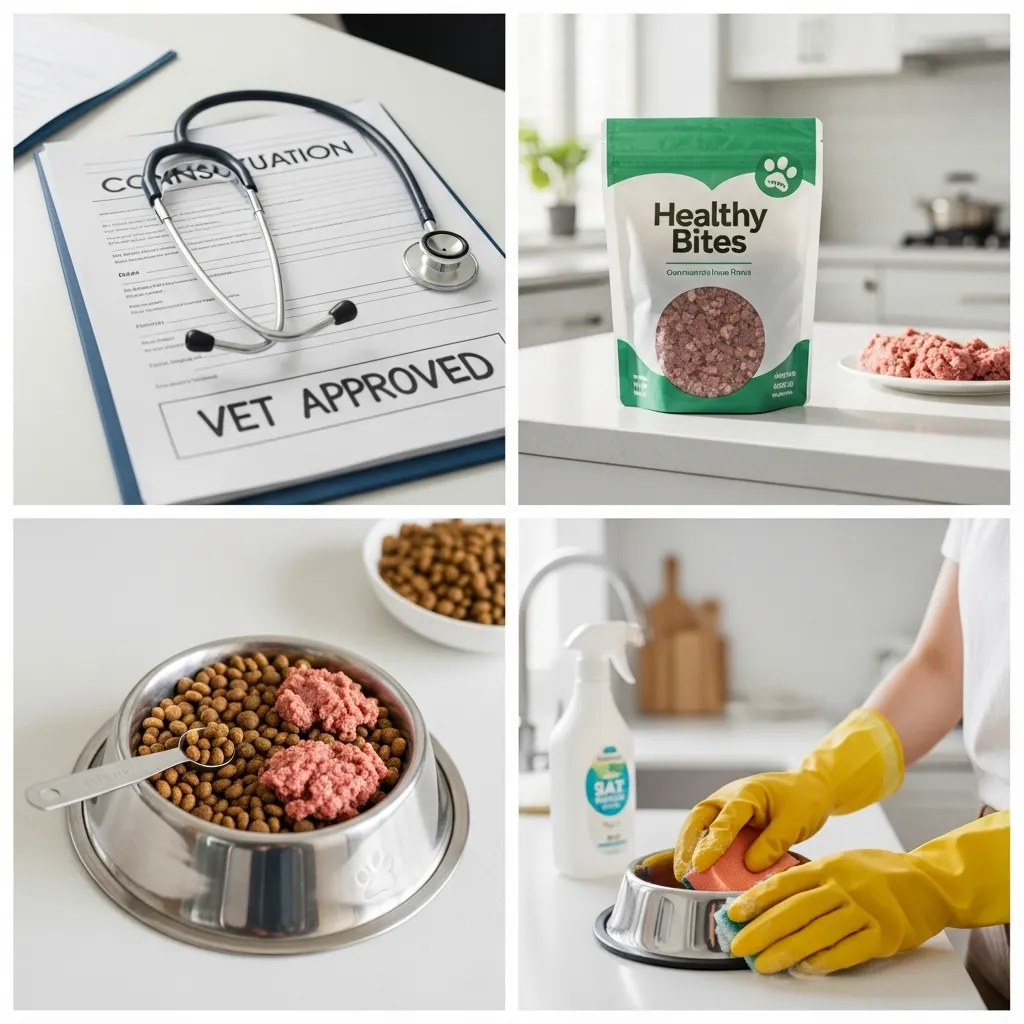
Step 1: Consult Your Veterinarian. This is non-negotiable. Discuss your cat’s complete health history. Cats with compromised immune systems, kidney disease, or cancer may not be suitable candidates. You may want to seek out a vet who is knowledgeable about or supportive of raw feeding.
Step 2: Choose Your Path: DIY vs. Commercial. Be brutally honest about your time, budget, and comfort level.
- Commercial Raw: The safest starting point. Choose a reputable brand that meets AAFCO guidelines for “complete and balanced nutrition” for the appropriate life stage. Look for products that are high-pressure pasteurized (HPP) to reduce pathogens while retaining nutritional integrity.
- DIY Raw: Only for the dedicated. You must follow a recipe from a certified feline nutritionist (like those from the Academy of Veterinary Nutrition Technicians or similar). Never wing it. Invest in a reliable meat grinder, a dedicated freezer, and precise scales.
Step 3: The Slow Introduction. Start by offering a tiny amount (a teaspoon) of the new raw food as a “treat” alongside their regular meal for a few days. Gradually increase the raw portion while decreasing the old food over 7-10 days. Monitor stool consistency, energy, and appetite closely. A temporary probiotic supplement can ease the transition. For more on feline digestion, see our article on cat food and nutrition.
Step 4: Master Hygiene Protocols. Designate specific cutting boards, bowls, and utensils for raw prep. Clean all surfaces with a bleach solution after use. Wash your hands thoroughly. Store raw food securely in the freezer and thaw in the refrigerator, never on the counter.
Is a Raw Diet Right for Your Cat? Key Considerations
Raw isn’t a one-size-fits-all solution. Consider these factors:
- Your Cat’s Health: Kittens, seniors, and cats with chronic illnesses require specialized nutrition. The margin for error is slim.
- Your Household: Are there young children, pregnant individuals, or immunocompromised people? The zoonotic risk may be unacceptable.
- Your Lifestyle: Do you have the time, freezer space, and budget to commit long-term?
- Your Cat’s Preference: Some cats are notoriously neophobic and may outright reject the new texture and temperature. Patience is essential.
For many, a high-quality wet food diet serves as an excellent, lower-risk compromise, offering high moisture content and quality protein without the hazards of raw. Learn about the benefits in our guide to the best wet cat food.
Frequently Asked Questions (FAQ)
Q: Are raw diets for cats more natural?
A: In the sense that they mimic the macronutrient profile (high protein, moderate fat, very low carb) of a wild cat’s prey, yes. However, “natural” does not automatically mean “safer” or “more balanced” in a domestic setting.
Q: Can I just feed my cat raw chicken from the supermarket?
A: No. Feeding only raw muscle meat will lead to severe, life-threatening nutritional deficiencies. A complete diet requires precise ratios of organ meats, bone, and supplements.
Q: What’s the difference between freeze-dried raw and frozen raw?
A: Freeze-dried raw is dehydrated, shelf-stable, and must be rehydrated before feeding. It retains most nutrients and is convenient. Frozen raw is just that frozen fresh. Both must be from complete, balanced formulas.
Q: How do I handle raw food safely?
A: Treat it like you would raw meat for your own consumption: keep it frozen until use, thaw in the fridge, use dedicated tools, clean everything with a disinfectant, and wash hands thoroughly.
Q: Will a raw diet stop my cat from shedding?
A: It can significantly reduce shedding by improving coat health and reducing inflammation, but all cats shed to some degree. For more on managing shedding, see our cat shedding summer solutions guide.
Conclusion: An Informed Choice for Your Feline Family Member
The decision to feed a raw diet is a profound one, rooted in a desire to provide the best possible care for your cat. It is a path that offers potential rewards in vitality and health but demands respect for its inherent complexities and risks. There is no universal “right” answer.
Success lies in abandoning ideology for education, replacing enthusiasm with meticulous practice, and prioritizing your individual cat’s well-being above all trends. Whether you choose to embark on a raw feeding journey, opt for premium wet food, or find a balanced middle ground, let your decision be guided by evidence, veterinary counsel, and a clear-eyed understanding of your own capacity to execute the plan safely.
Your cat’s health is the ultimate goal. By becoming an informed advocate for their nutrition, you are taking one of the most significant steps toward ensuring a long, vibrant life together.
Explore more expert guides on feline nutrition, behavior, and care to support your cat’s wellness journey at Cat Bloom Haven. From understanding cat food sensitivities to mastering portion control, we provide the resources you need to make confident decisions for your feline friend.