Excessive Cat Shedding in Summer: Proven Solutions to Keep Your Home Fur-Free
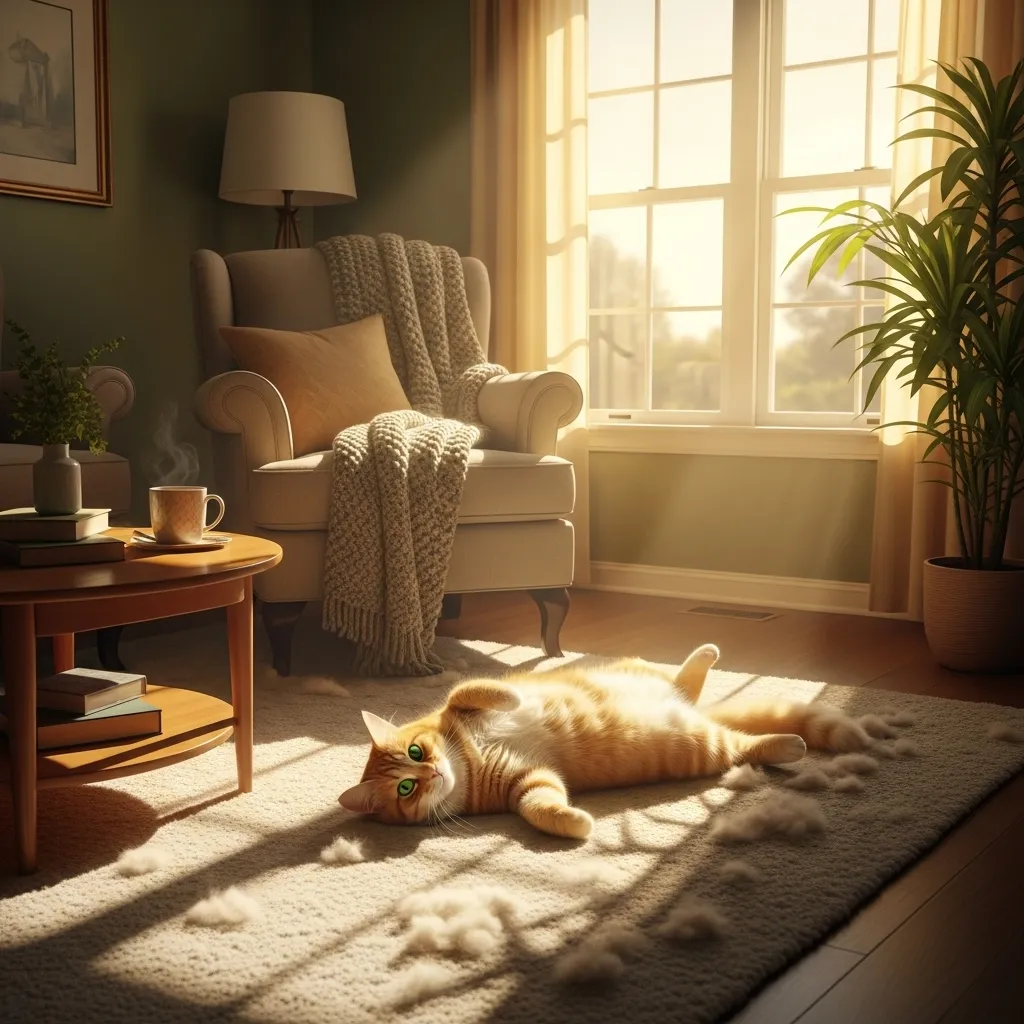
Picture this: you’re lounging in your sunny living room, sipping iced tea, when a cloud of cat fur drifts across the floor like a summer tumbleweed. Your beloved feline, sprawled in a sunbeam, seems to be shedding enough to knit a sweater. If you’re wondering, why is my cat shedding so much in summer?, you’re not alone. Excessive cat shedding in summer is a common frustration for cat parents, turning homes into fur-covered battlegrounds. As someone who’s fostered breeds from fluffy Maine Coons to sleek Siamese, I’ve battled the fur storm and won. The good news? You can too.
In this ultimate guide, we’ll uncover why summer shedding in cats spikes, explore cat shedding solutions to tame the fluff, and share cat grooming tips for shedding to keep your kitty’s coat gleaming. From cat shedding reasons like seasonal changes to abnormal cat shedding causes like stress or health issues, we’ll break it down with vet-backed insights and practical fixes. You’ll learn how to stop cat shedding with tools, diets, and routines, plus discover cat coat health tips to prevent cat fur loss reasons from spiraling. Whether your cat’s an indoor diva or an outdoor adventurer, we’ve got you covered with summer grooming tips for cats to make shedding season a breeze.
Here’s a quick roadmap to reclaim your fur-free home:
Key Takeaways
- Seasonal Shedding is Normal: Cats shed more in summer to swap heavy winter coats for lighter ones, but excessive shedding may signal issues.
- Health Check First: Rule out medical causes like allergies, parasites, or hormonal imbalances with a vet visit—30% of excessive shedding cases tie to health.
- Grooming is King: Daily brushing with tools like the FURminator reduces loose fur by up to 90%.
- Nutrition Matters: A cat shedding diet rich in omega-3s and hydration supports skin and fur health in cats.
- Stress Busters: Enrich your cat’s environment to curb stress and cat fur loss—think perches and playtime.
- Clean Smart: Use lint rollers and washable slipcovers to manage cat hair everywhere summer.
Ready to dive into cat shedding season solutions? Let’s unravel the fur mystery and keep your home (and sanity) intact.
Why Do Cats Shed More in Summer? The Science Behind the Fur Frenzy
Cats are masters of adaptation, and their coats reflect this. Summer shedding in cats is a natural response to warmer weather, as they ditch thick winter fur for a lighter summer coat. But when your couch looks like a furry crime scene, it’s time to dig deeper into cat shedding reasons. Here’s why your cat’s shedding so much in summer:
Seasonal Coat Changes
Cats’ shedding cycles are tied to daylight and temperature, per a 2025 Cornell Feline Health Center study. Longer summer days signal the body to shed insulating undercoats. Breeds like Norwegian Forest Cats (see our Norwegian Forest Cat care guide) shed heavily due to their dense double coats, while short-haired American Shorthairs (check our American Shorthair guide) lose less but still contribute to the fur fest.
Indoor vs. Outdoor Cat Shedding
Indoor vs outdoor cat shedding varies. Outdoor cats, exposed to natural light and heat, shed more predictably in spring and summer. Indoor cats, with artificial lighting, may shed year-round, but summer heatwaves can amplify it. For tips on managing indoor cats, explore our keep cat indoors guide.
Breed-Specific Shedding Patterns
Not all cats shed equally. Long-haired breeds like Persians (see Persian cat breed) or Maine Coons (check Maine Coon cat) drop fur like confetti, while Siamese (see Siamese cat breed) shed minimally. Knowing your cat’s breed helps tailor cat grooming and brushing tips.
Environmental Triggers
Summer heat and humidity can dry out skin, leading to excessive cat fur shedding. Air conditioning or poor ventilation indoors can worsen this. For summer cat shedding tips, keep your home at 68–75°F and use a humidifier to support skin and fur health in cats.
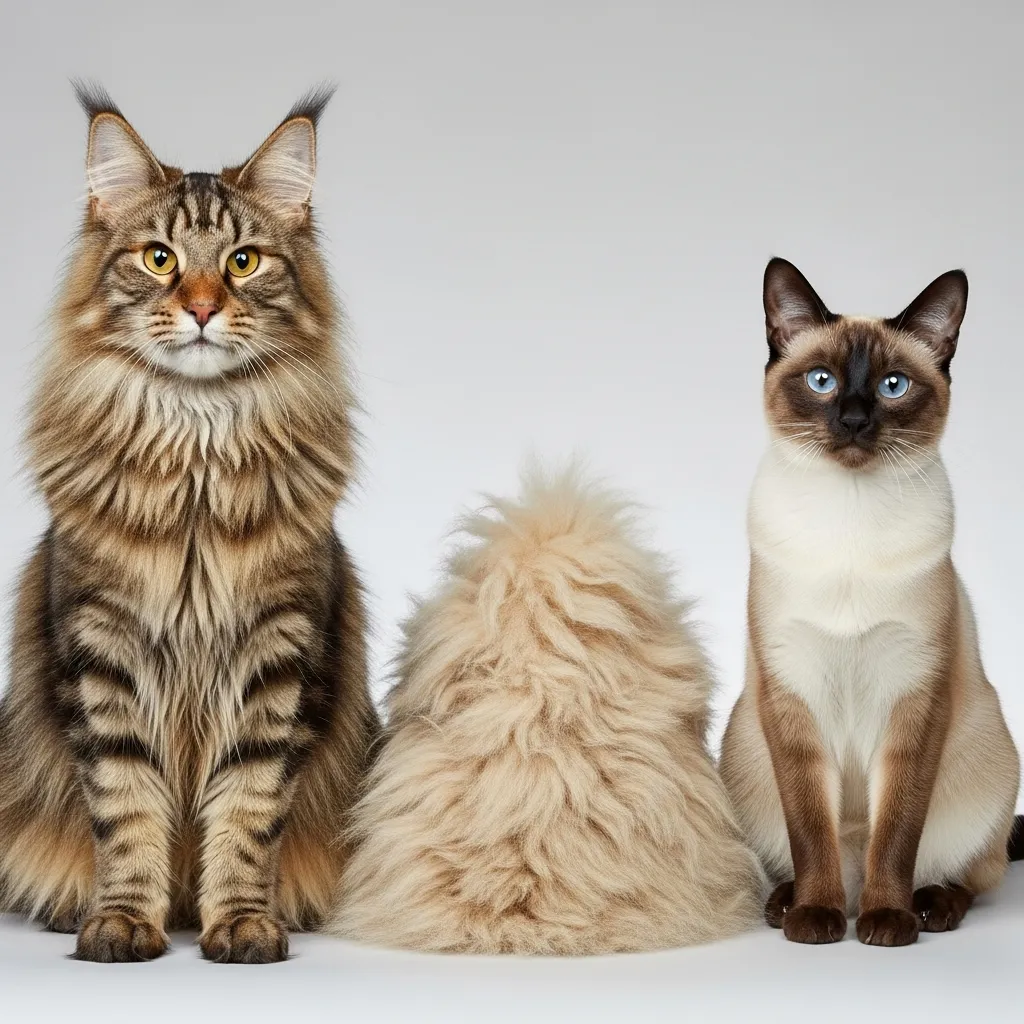
Real Example: My rescue Bengal (learn more in our Bengal cat personality guide) went into overdrive shedding during a July heatwave. A vet check and brushing routine slashed fur fallout in a week.
Is It Normal or Excessive? Spotting Abnormal Cat Shedding Causes
While cat shedding season is expected, excessive cat shedding in summer can signal trouble. How do you know if it’s a problem? Look for these red flags:
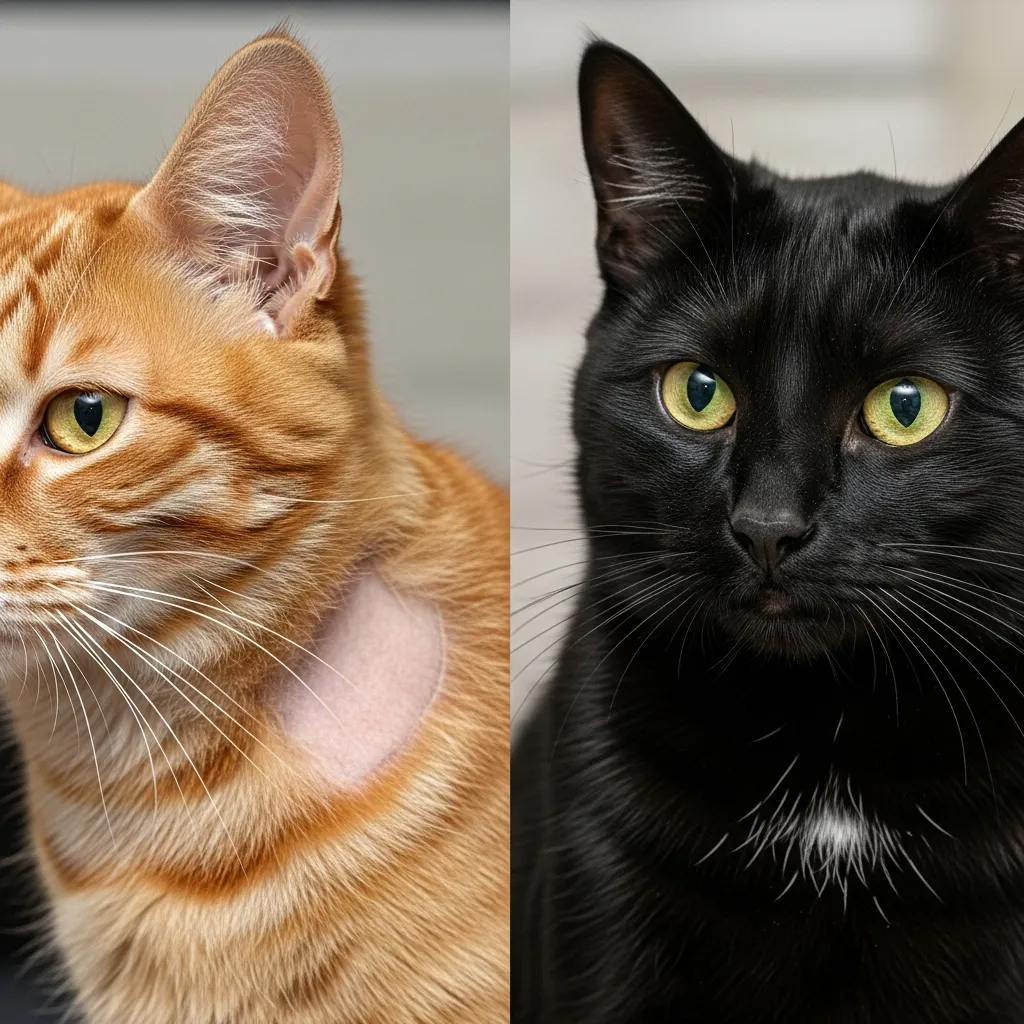
- Bald Patches or Thinning Fur: Uneven loss or cat hair loss reasons like bald spots on ears (see cat hair loss ears).
- Skin Issues: Redness, scabs, or bumps (check cat skin bumps neck).
- Behavioral Changes: Excessive grooming, lethargy, or hiding (explore cat stress signs).
- Other Symptoms: Weight loss, vomiting, or changes in appetite (see cat losing weight).
If these sound familiar, it’s time to investigate abnormal cat shedding causes.
Medical Reasons for Excessive Shedding
Health issues account for 30% of cat fur loss reasons, per a 2025 PetMD report. Common culprits include:
- Allergies: Food or environmental allergens cause itching and fur loss. See our cat allergies guide for testing tips.
- Parasites: Fleas or mites trigger scratching and shedding. Check how many fleas on cat for detection advice.
- Hormonal Imbalances: Thyroid issues or pregnancy can spike shedding. Learn more in our cat diabetes guide.
- Skin Infections: Bacterial or fungal infections cause patchy loss. See cat ear infection guide.
Action Step: Book a vet visit (tips in finding the best vet for your cat). A skin scrape or blood test can pinpoint issues fast.
Stress and Cat Fur Loss
Stress and cat fur loss go hand in hand. Cats over-groom when anxious, leading to excessive cat fur shedding. Triggers include:
- New pets or people (see cat accept kitten guide).
- Loud noises or moves (check cat stress signs).
- Boredom or lack of stimulation (explore keep Siamese cats entertained).
Pro Tip: Keep a journal of shedding patterns and behaviors to share with your vet or behaviorist.
Nutritional Deficiencies and Coat Health
A poor cat shedding diet can dull coats and increase shedding. Deficiencies in omega-3s, biotin, or zinc weaken fur. For cat nutrition for healthy coat, see our cat food nutrition guide.
How to Stop Cat Shedding: Proven Solutions for Summer
Ready to tackle cat shedding in summer? These cat shedding solutions combine grooming, diet, and environment tweaks to minimize fur and boost cat coat health tips.
Step 1: Master Grooming Techniques
Cat grooming tips for shedding are your first line of defense. Regular brushing removes loose fur before it hits your furniture.
- Tools: Use a deshedding tool like the FURminator (reduces shedding by 90%) or a slicker brush for long-haired breeds. For Munchkins, see Munchkin cat shedding tips.
- Frequency: Brush daily for long-haired cats, 2–3 times weekly for short-haired. Start slow with Siamese to avoid stress (see Siamese cats scared easily guide).
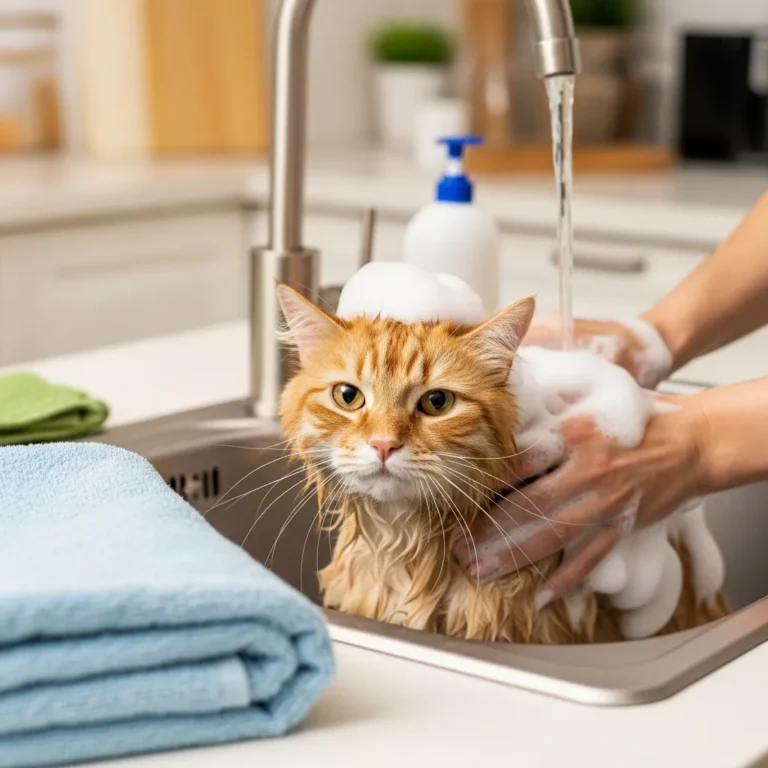
- Bathing: Monthly baths with cat-safe shampoo (check safe cat soap 2025) reduce dander and loose fur.
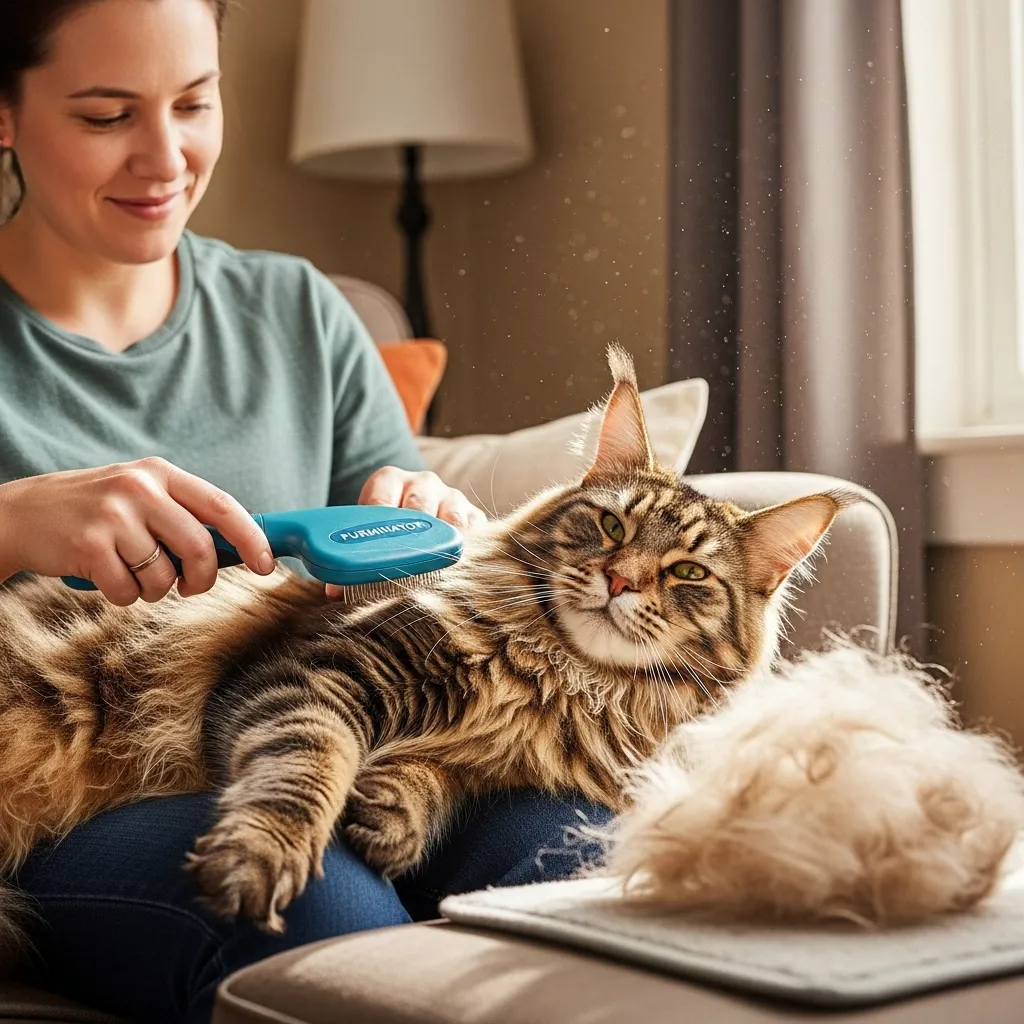
Visual Tip: Imagine brushing in short, gentle strokes, like petting, to keep your cat purring. Reward with treats for a positive vibe.
Step 2: Optimize Cat Shedding Diet
A cat shedding diet supports skin and fur health in cats. Key nutrients include:
- Omega-3 Fatty Acids: Found in fish oil supplements or best wet cat food (see best wet cat food).
- Biotin and Zinc: Boost hair strength. Look for premium foods like Hill’s Science Diet.
- Hydration: Wet food or water fountains (see cat hydration guide) prevent dry skin.
Table: Top Foods for Cat Coat Health
| Food Type | Brand Example | Key Benefit |
|---|---|---|
| Wet Food | Royal Canin | Omega-3s for shiny coat |
| Dry Food | Hill’s Science Diet | Biotin for fur strength |
| Supplement | Grizzly Salmon Oil | Reduces shedding by 20% |
Step 3: Create a Stress-Free Environment
Stress and cat fur loss can be curbed with enrichment. Try:
- Perches and Toys: Window perches or puzzle feeders (see cat zoomies guide).
- Pheromone Diffusers: Feliway reduces anxiety by 85%, per studies.
- Routine: Consistent feeding and playtime stabilize moods.
For Bengals, high-energy play is key (check Bengal cat playfulness).
Step 4: Manage Cat Hair Everywhere Summer
To reduce cat hair in your home:
- Vacuum Daily: Use a pet-hair-specific vacuum.
- Lint Rollers: Keep them in every room.
- Washable Covers: Protect furniture with machine-washable slipcovers.
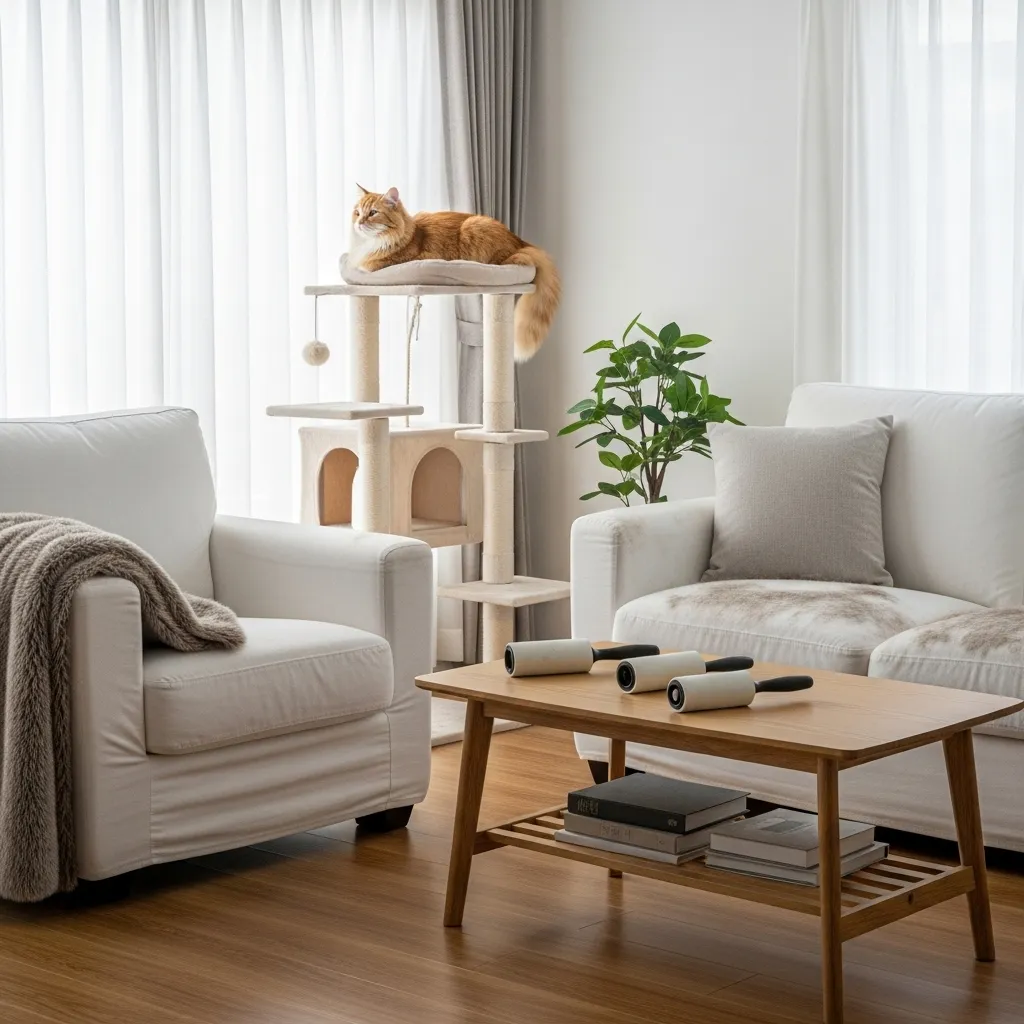
For more, see remove cat hair from carpet.
Real Example: My Ragdoll (see Ragdoll cat care guide) shed less after adding salmon oil to her diet and daily brushing—fur on my couch dropped by 70% in two weeks.
When to See a Vet: Red Flags for Excessive Shedding
If grooming and diet don’t curb excessive cat shedding in summer, medical issues may be at play. Watch for:
- Persistent Bald Spots: Could indicate cat dandruff (see cat dandruff guide 2025).
- Scratching or Licking: May signal cat allergies or parasites.
- Lethargy or Appetite Changes: Possible cat diabetes or thyroid issues.
Action Step: Schedule a vet visit (see cat vet visit schedule). Tests like skin scrapes or blood panels can diagnose issues in 80% of cases.
Summer Grooming Tips for Cats: Breed-Specific Strategies
Different breeds need tailored summer grooming tips for cats. Here’s a quick guide:
- Long-Haired Breeds (Maine Coon, Persian): Daily brushing, monthly baths. See Norwegian Forest cat grooming.
- Short-Haired Breeds (Siamese, American Shorthair): Weekly brushing, focus on hydration. Check American Shorthair guide.
- High-Shedding Breeds (Munchkin, Bengal): Deshedding tools and omega-3 supplements. Explore Munchkin cat care tips.

FAQ: Quick Answers to Common Cat Shedding Questions
Why is my cat shedding so much in summer?
Seasonal coat changes, heat, or health issues like allergies or stress can increase summer shedding in cats. Check with a vet to rule out medical causes.
How can I stop cat shedding?
Daily brushing, a cat shedding diet with omega-3s, and stress reduction with toys or pheromones can reduce shedding by up to 90%.
What are common causes of excessive cat shedding in summer?
Allergies, parasites, poor diet, or stress are top cat fur loss reasons. Environmental heat and humidity also amplify summer cat shedding.
How do I know if my cat’s shedding is abnormal?
Bald patches, skin irritation, or behavioral changes signal abnormal cat shedding causes. Consult a vet for tests.
What grooming techniques help reduce cat shedding in summer?
Use a FURminator or slicker brush daily, bathe monthly with cat-safe shampoo, and maintain a cat shedding diet. See cat grooming and brushing tips.
How does diet affect my cat’s shedding?
A diet lacking omega-3s or hydration can worsen excessive cat fur shedding. Wet food and supplements improve cat coat health tips.
How can I create a stress-free environment for my cat?
Add perches, toys, and pheromone diffusers. Consistent routines help. Check cat stress signs.
Conclusion: Conquer Cat Shedding in Summer with Confidence
Excessive cat shedding in summer doesn’t have to rule your home. By understanding cat shedding reasons—from seasonal changes to health or stress triggers—you can implement cat shedding solutions like grooming, nutrition, and enrichment. Start with daily brushing, upgrade to a cat shedding diet, and create a stress-free space to keep your kitty’s coat healthy and your furniture fur-free. With these summer grooming tips for cats, you’ll turn cat shedding season into a manageable breeze.
Ready for more feline wisdom? Explore our expert guides on cat health care or cat nutrition for healthy coat at Cat Bloom Haven. Share your shedding success story in the comments!