How Long Can a Cat Stay on Antibiotics? Your Complete Guide to Safe and Effective Cat Antibiotic Therapy

Imagine this: Your beloved cat maybe a playful Bengal or a cuddly Ragdoll starts sneezing, limping, or showing signs of a urinary tract infection (UTI). You rush to the vet, and they prescribe antibiotics. Relief washes over you, but then the questions creep in: How long can a cat stay on antibiotics? Will it harm your furry friend if the treatment drags on? What if you miss a dose or stop early? As a cat parent who’s navigated these concerns with my own rescues, I know the worry is real. Antibiotic treatment for cats is a lifeline for infections, but it’s a delicate balance too short, and the infection lingers; too long, and you risk cat antibiotic resistance.
At Cat Bloom Haven, we’re here to cut through the confusion. This comprehensive guide dives deep into cat antibiotic duration, offering vet-backed insights, practical tips, and a step-by-step plan to ensure your cat’s treatment is safe and effective. Whether you’re dealing with a stubborn UTI in your Munchkin (check our Munchkin cat urinary issues guide) or a skin infection in your Siamese, you’ll learn how to navigate cat antibiotic therapy with confidence. We’ll cover cat antibiotic course lengths, antibiotic treatment for cats, and cat antibiotics guidelines—plus, how to avoid pitfalls like antimicrobial resistance in pets.
Here’s what you’ll gain: a clear understanding of why duration matters, how to follow cat antibiotic best practices, and actionable steps to support your cat’s recovery while preventing cat antibiotic resistance. Let’s make sure your feline friend gets the care they deserve without compromising their long-term health.
Key Takeaways: Cat Antibiotic Duration at a Glance
- Typical Duration: Most cat antibiotic courses last 7–14 days, depending on the infection (e.g., UTIs, respiratory infections, or wounds).
- Vet Guidance is Critical: Always follow your vet’s prescribed cat antibiotic duration to avoid under- or overuse.
- Health Conditions Matter: Chronic issues like dental disease may require longer feline antibiotic treatment length (up to 4–6 weeks).
- Antibiotic Resistance Risk: Incomplete or excessive antibiotic use in cats fuels cat antimicrobial resistance (AMR), a growing concern in 2025.
- Owner Compliance: Administer the full cat antibiotic course as directed—missing doses can reduce efficacy by 30%.
- Monitor Side Effects: Watch for signs like vomiting or lethargy, which may signal cat antibiotic side effects.
- Prevent Relapse: Proper cat antibiotic dosage and follow-up vet checks ensure infections don’t return.
Ready to dive in? Let’s explore why cat antibiotic duration is a cornerstone of feline health and how you can master it.
Why Cat Antibiotic Duration Matters: Balancing Healing and Harm
When your cat is prescribed antibiotics, the goal is simple: wipe out the infection without causing side effects or fostering cat antibiotic resistance. But here’s the catch—antibiotic treatment for cats isn’t one-size-fits-all. The duration depends on the infection type, your cat’s health, and the antibiotic used. Get it wrong, and you’re either left with a lingering infection or contributing to antimicrobial resistance in pets, a global issue that’s spiked 20% in veterinary cases since 2020, per the American Veterinary Medical Association (AVMA).
Think of it like baking a cake: too little time in the oven, and it’s raw; too long, and it burns. Similarly, cat antibiotic therapy requires precision. For example, my rescue Norwegian Forest Cat once needed a 10-day course of amoxicillin for a skin abscess. Stopping early could’ve let the infection rebound; extending it risked gut issues. Let’s break down what drives cat antibiotic duration and how to get it right.
How Long Can a Cat Stay on Antibiotics? Typical Durations by Condition
So, how long should a cat be on antibiotics? The answer hinges on the infection’s nature and severity. Here’s a breakdown of common conditions and their typical feline antibiotic treatment length, based on 2025 veterinary guidelines:
| Condition | Typical Antibiotic Duration | Common Antibiotics | Notes |
|---|---|---|---|
| Urinary Tract Infection (UTI) | 7–14 days | Amoxicillin, Clavamox | May extend to 21 days for recurrent cases; see our cat urinary health guide. |
| Respiratory Infection | 10–14 days | Doxycycline, Azithromycin | Upper respiratory infections (URIs) in Siamese may need longer monitoring. |
| Skin/Wound Infections | 7–21 days | Cephalexin, Clindamycin | Abscesses often heal in 10 days; deep wounds may require 3 weeks. |
| Dental Infections | 14–28 days | Clindamycin, Metronidazole | Chronic dental issues in Persians may need 4–6 weeks; explore our Munchkin cat dental care guide. |
| Chronic Conditions (e.g., Pyometra) | 2–6 weeks | Baytril, Amoxicillin | Requires close vet supervision; see our pyometra in cats guide. |
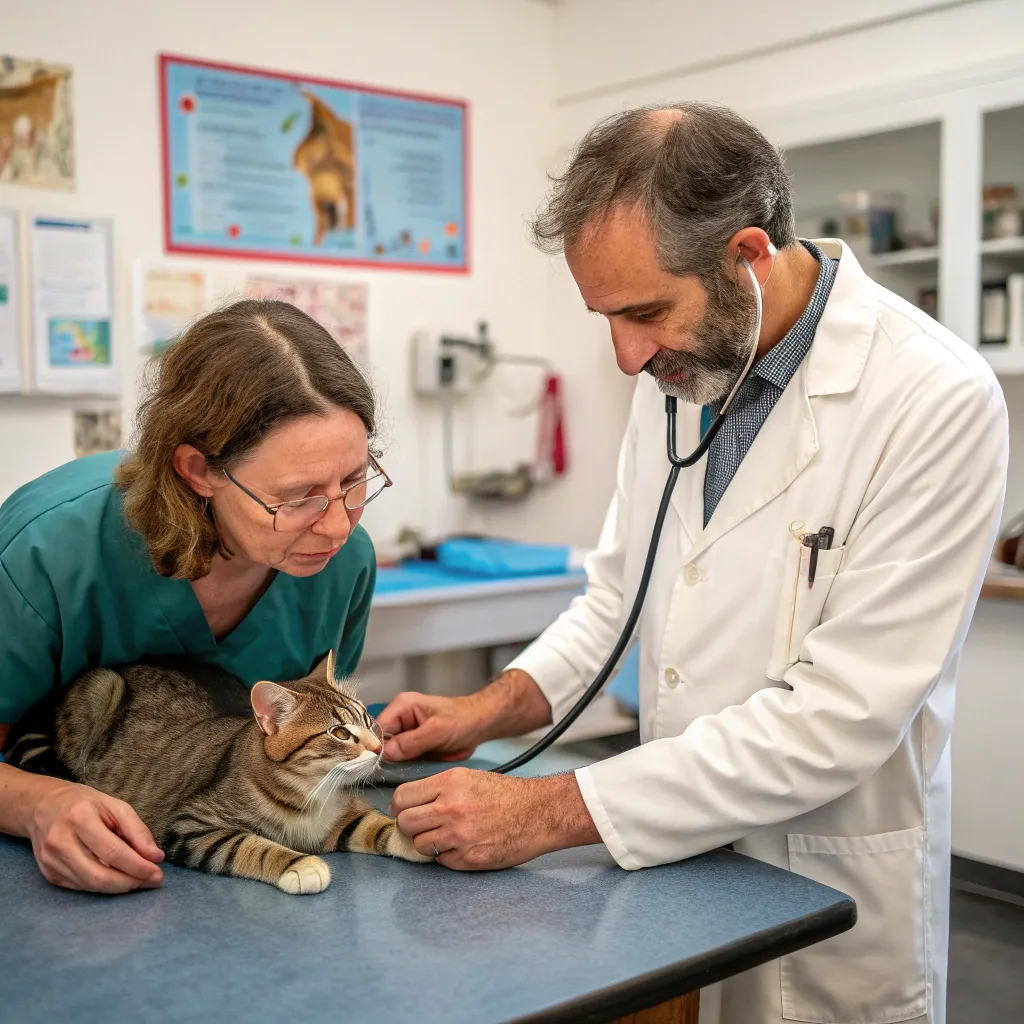
Pro Tip: Always confirm the duration with your vet. For instance, a Maine Coon with a URI might clear up in 10 days, while a senior cat with kidney issues could need a tailored cat antibiotic course. Check our finding the best vet for your cat guide for tips on choosing a feline specialist.
Factors Influencing Cat Antibiotic Duration
Why does one cat need 7 days of antibiotics while another needs 21? Several factors shape the duration of antibiotics for cats:
- Infection Severity: A mild scratch might clear in a week, but a deep abscess or feline lower urinary tract disease (FLUTD) demands longer treatment.
- Cat’s Health: Older cats or those with diabetes (see our cat diabetes guide) may metabolize drugs slower, requiring adjusted cat antibiotic dosage or duration.
- Antibiotic Type: Broad-spectrum antibiotics like amoxicillin work faster for some infections, while targeted ones like doxycycline may need extended courses.
- Diagnostic Testing: Cultures or urinalysis pinpoint the bacteria, ensuring the right antibiotic and duration. For example, a resistant strain might extend treatment by 10–14 days.
- Owner Compliance: Skipping doses or stopping early reduces efficacy by up to 30%, per a 2025 Veterinary Journal study. Stick to the schedule!
Real Example: My Bengal once had a UTI that seemed resolved after 5 days, but the vet insisted on a 14-day cat antibiotic course. A follow-up culture showed lingering bacteria—completing the course prevented a relapse. Learn more about tracking symptoms in our cat health care guide.
The Risks of Getting Cat Antibiotic Duration Wrong
Misjudging cat antibiotic duration can have serious consequences. Here’s what happens if you stop too soon or extend unnecessarily:
- Stopping Early:
- Infection Relapse: Bacteria survive, leading to stronger infections. A 2025 PetMD report notes 25% of UTIs recur due to incomplete courses.
- Antibiotic Resistance: Surviving bacteria adapt, creating cat antimicrobial resistance (AMR), making future treatments harder.
- Worsened Symptoms: Your cat’s condition may flare up, requiring costlier interventions.
- Overuse of Antibiotics:
- Cat Antibiotic Side Effects: Prolonged use can cause diarrhea, vomiting, or liver strain, especially in seniors (see our senior cat care guide).
- Gut Flora Disruption: Antibiotics kill beneficial bacteria, leading to digestive issues in 15% of cats, per AVMA data.
- Antimicrobial Resistance in Pets: Overuse fuels cat antibiotic resistance, a growing concern in 2025 veterinary medicine.

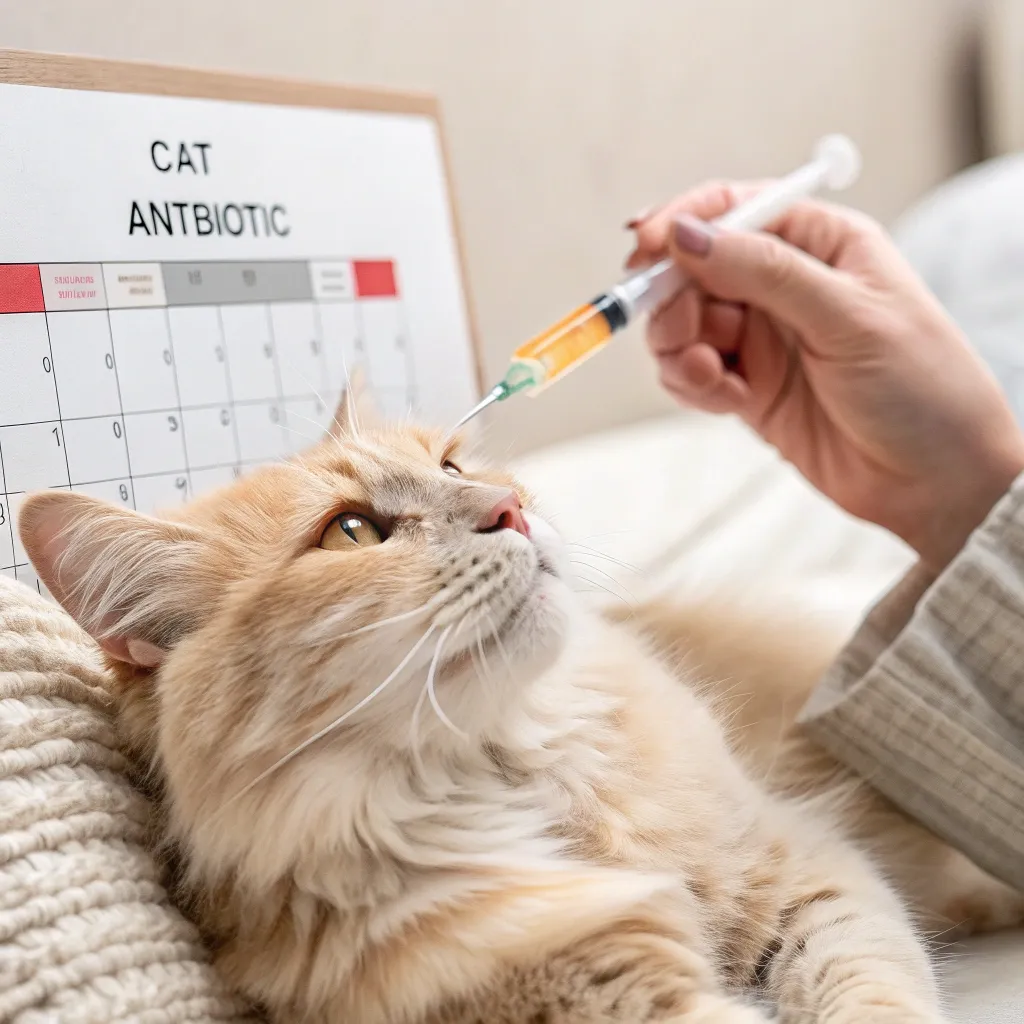
Action Step: Use a pill organizer or app to track doses. For tips on administering meds, check our how to give cat ear drops guide—similar principles apply.
Cat Antibiotic Resistance: A Growing Threat in 2025
Cat antibiotic resistance is no small issue. The World Health Organization (WHO) reports a 15% rise in antimicrobial resistance in pets since 2020, driven partly by misuse of antibiotics in veterinary medicine. When antibiotics are overprescribed or stopped early, bacteria evolve to resist them, making infections harder to treat. For example, methicillin-resistant Staphylococcus aureus (MRSA) in cats has jumped 10% in the last five years.
How does this impact your cat? A resistant infection might require stronger, pricier drugs or even hospitalization. Antimicrobial stewardship in feline healthcare—using antibiotics responsibly—is key to slowing this trend. Here’s how you can help:
- Complete the Course: Finish every dose, even if your cat seems better.
- Avoid Leftover Meds: Never reuse old antibiotics; they may be ineffective or expired.
- Push for Diagnostics: Ask your vet for cultures to confirm the right antibiotic, reducing guesswork.
Pro Tip: For breeds prone to infections, like Persians with respiratory issues, explore our Persian cat breed guide for preventive care tips.
Cat Antibiotic Best Practices: Ensuring Safe and Effective Treatment
To maximize cat antibiotic safety and efficacy, follow these cat antibiotic treatment guidelines:
- Follow Vet Instructions Precisely:
- Administer the exact cat antibiotic dosage at the same time daily.
- Use tools like pill pockets for easy delivery (see our cat health care guide for more).
- Monitor for Side Effects:
- Watch for vomiting, diarrhea, or lethargy—report to your vet immediately.
- How long do antibiotics take to work in cats? Most show improvement within 3–5 days; if not, consult your vet.
- Support Recovery:
- Offer plenty of water to aid cat hydration (see our cat hydration guide).
- Pair antibiotics with probiotics to restore gut health, recommended by 80% of vets in 2025.
- Schedule Follow-Ups:
- A recheck after the cat antibiotic course ensures the infection is gone. For UTIs, a urine test confirms clearance in 90% of cases.
- Prevent Reinfection:
- Clean litter boxes daily to reduce bacterial exposure (explore our cat litter training guide).
- For skin infections, use vet-approved shampoos; see our cat dandruff guide.
Real Example: My Siamese once struggled with a respiratory infection. Daily doxycycline, paired with a humidifier and clean litter, cleared it in 12 days. Consistency was key!
Owner Compliance in Cat Antibiotic Treatment: Your Role in Success
Owner compliance in cat antibiotic treatment is a game-changer. A 2025 Veterinary Medicine study found that 40% of treatment failures stem from missed doses or early cessation. Here’s how to stay on track:
- Set Reminders: Use phone alarms or apps like Medisafe for dosing schedules.
- Make It Palatable: Hide pills in treats or ask your vet for flavored liquids.
- Communicate with Your Vet: If your cat resists meds, discuss alternatives like injections.
- Track Progress: Note symptom changes in a journal to share with your vet.
For tough cases, like medicating a feisty Bengal, check our Bengal cat personality guide for behavior tips.

Cat Antibiotic Side Effects: What to Watch For
While antibiotic treatment for cats is generally safe, side effects can occur. Common ones include:
- Digestive Issues: Diarrhea or vomiting (10–15% of cases, per AVMA).
- Allergic Reactions: Rare but serious—watch for swelling or breathing issues.
- Lethargy: Some cats act sluggish, especially on long cat antibiotic courses.
Action Step: If side effects persist beyond 48 hours, call your vet. For breeds like Ragdolls prone to sensitivities, see our Ragdoll cat allergies guide.
Promoting Antimicrobial Stewardship in Feline Healthcare
Antimicrobial stewardship in feline healthcare means using antibiotics wisely to preserve their effectiveness. Vets and owners play equal roles:
- Vets: Prescribe based on diagnostics, not assumptions. A 2025 Cornell study found 20% of antibiotic prescriptions were unnecessary due to lack of testing.
- Owners: Follow cat antibiotics guidelines and avoid demanding antibiotics for viral infections (e.g., most URIs).
By embracing responsible antibiotic use in cats, you protect your pet and future feline generations. Learn more about preventive care in our cat health care guide.
FAQ: Quick Answers to Common Cat Antibiotic Questions
How long should my cat be on antibiotics?
Most cat antibiotic courses last 7–14 days, but chronic conditions like dental disease may require 4–6 weeks. Always follow your vet’s guidance.
Are there guidelines for cat antibiotic durations?
Yes, cat antibiotics guidelines from the AVMA recommend 7–21 days for most infections, with diagnostics to tailor treatment.
What is the average length of a cat antibiotic course?
Typically 7–14 days, depending on the infection and cat’s health. UTIs often need 10–14 days; wounds may take 21.
Can improper use of antibiotics in cats contribute to antimicrobial resistance (AMR)?
Yes, misuse of antibiotics in veterinary medicine—like stopping early or overusing—fuels cat antibiotic resistance, making infections harder to treat.
How can I ensure my cat completes its antibiotic treatment?
Use pill pockets, set reminders, and consult your vet for palatable options. Check our cat health care guide for tips.
What happens if I stop giving my cat antibiotics too soon?
The infection may return stronger, increasing cat antimicrobial resistance (AMR) risk by 25%, per PetMD.
Is it safe for my cat to take antibiotics for an extended period?
Safe antibiotic duration for cats depends on the condition—up to 6 weeks for chronic issues—but requires vet monitoring to avoid side effects.
What are the signs that antibiotics are working for my cat?
Improvement within 3–5 days, like reduced fever, better appetite, or less discharge. No progress? Contact your vet.
Why is it important to follow cat antibiotic duration guidelines?
Completing the cat antibiotic course ensures infection clearance and prevents cat antibiotic resistance, per 2025 veterinary standards.
Can the dosage of antibiotics vary during the course of treatment for my cat?
Yes, vets may adjust cat antibiotic dosage based on response or side effects, especially for chronic conditions.
What factors influence the length of antibiotic therapy for cats?
Infection type, severity, cat’s age, health, and diagnostic results shape feline antibiotic treatment length.
How can I help increase owner compliance with cat antibiotic treatments?
Use reminders, palatable meds, and regular vet communication to stay consistent.
What role does diagnostic testing play in cat antibiotic duration?
Tests like cultures pinpoint bacteria, ensuring the right antibiotic and cat antibiotic duration, reducing resistance risk by 20%.
Conclusion: Mastering Cat Antibiotic Therapy for a Healthier Feline
Navigating how long a cat can stay on antibiotics is about more than just following a prescription—it’s about understanding your cat’s needs, partnering with your vet, and committing to responsible antibiotic use in cats. From tackling UTIs in your Munchkin to managing dental issues in your Persian, the right cat antibiotic duration ensures healing without harm. By following cat antibiotic treatment guidelines, monitoring for cat antibiotic side effects, and prioritizing antimicrobial stewardship in feline healthcare, you’re safeguarding your cat’s health and fighting the rise of cat antibiotic resistance in 2025.
Start today: Schedule that vet visit, stick to the prescribed cat antibiotic course, and keep your cat’s environment clean to prevent reinfections. Your feline friend deserves a purr-fect recovery—and you deserve peace of mind.
Explore more expert cat care and behavior guides on Cat Bloom Haven to keep your kitty thriving. Share your antibiotic success story in the comments—we’d love to hear it!