How Long Can a Cat Go Without Urinating? A Complete Guide to Feline Urinary Health
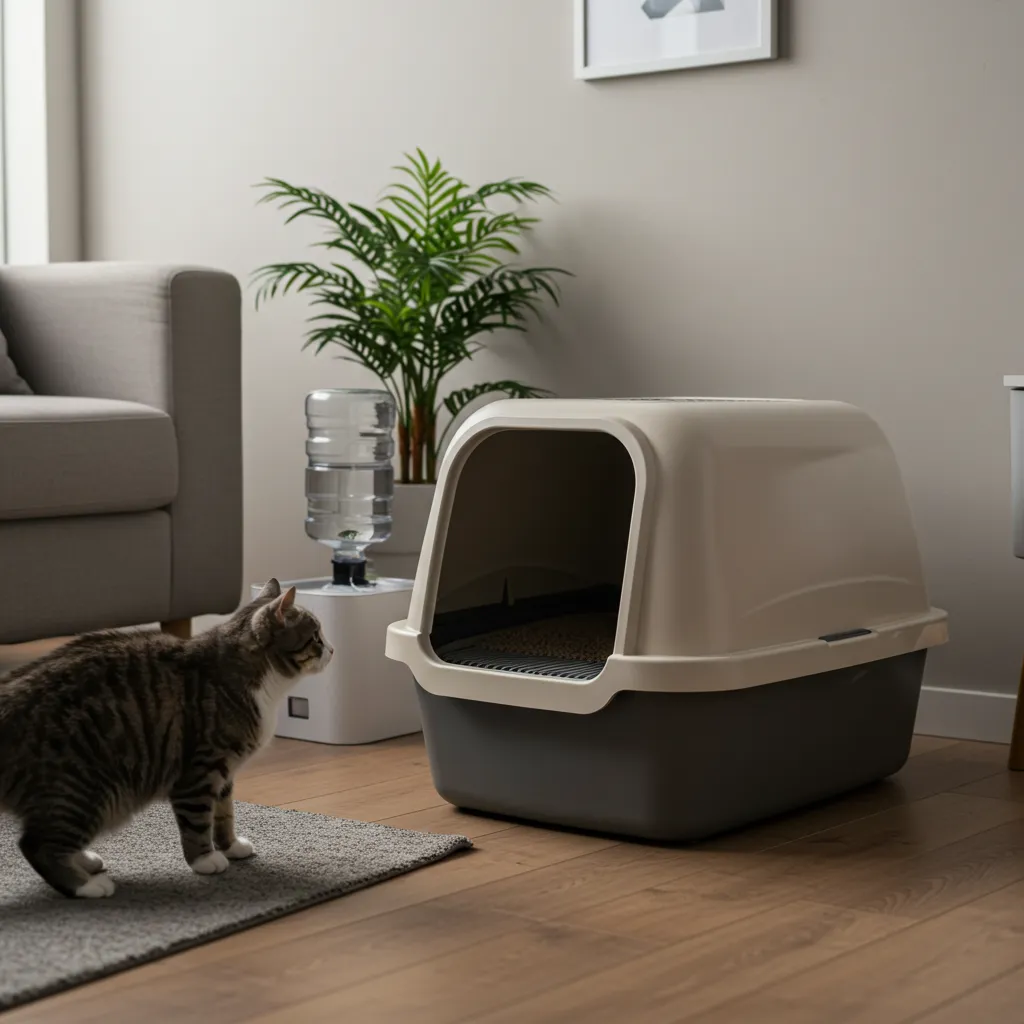
Imagine this: You notice your cat hasn’t visited the litter box all day. The usual scratching and digging sounds are absent, and your feline friend seems off—maybe lethargic, restless, or licking their hindquarters more than usual. As a devoted cat parent who’s fostered Bengals, Munchkins, and Ragdolls (check our Bengal cat personality guide for breed insights), I’ve faced this worry firsthand. A cat not peeing can signal anything from a minor litter box aversion to a life-threatening urinary blockage. So, how long can a cat hold their pee before it’s a problem? And what do you do if your cat can’t pee at all?
In this comprehensive guide, we’ll answer how long can a cat go without urinating, dive into why your cat might not be peeing, and share expert-backed solutions to tackle cat urinary problems like cat urinary blockage, cat bladder issues, and cat lower urinary tract disease (FLUTD). Whether it’s a post-surgery issue, stress-related avoidance, or a medical emergency, you’ll get practical steps to restore your cat’s urinary health and prevent future scares. From litter box problems to natural remedies for cat urinary issues, we’ve got you covered with vet-approved advice and real-world fixes.
Here’s what you’ll learn:
- How long a cat can safely hold their pee and when to worry.
- Causes of cat not peeing, from medical to behavioral triggers.
- Symptoms of cat urinary blockage and FLUTD to watch for.
- Actionable cat litter box tips to encourage healthy cat urination habits.
- Home care and prevention strategies, including wet food for urinary health in cats.
Let’s unravel this feline mystery and keep your cat purring, not straining.
Key Takeaways: Quick Facts on Cat Urination
- Normal Urination: Healthy cats pee 2–4 times daily, producing 1–2 tablespoons per visit, per 2025 Veterinary Medicine Journal data.
- Max Hold Time: Cats can hold their pee for 24–36 hours, but over 24 hours signals potential cat bladder issues.
- Danger Zone: Cat not peeing for 48 hours or showing cat straining to pee requires immediate vet care.
- Common Causes: Urinary tract infection in cats, cat urinary blockage, stress, or litter box problems.
- Prevention: Ensure clean litter boxes, proper hydration, and regular vet checks for cat urinary health.
- Emergency Signs: Cat abdominal swelling, cat licking genitals excessively, or vocalizing during urination attempts.
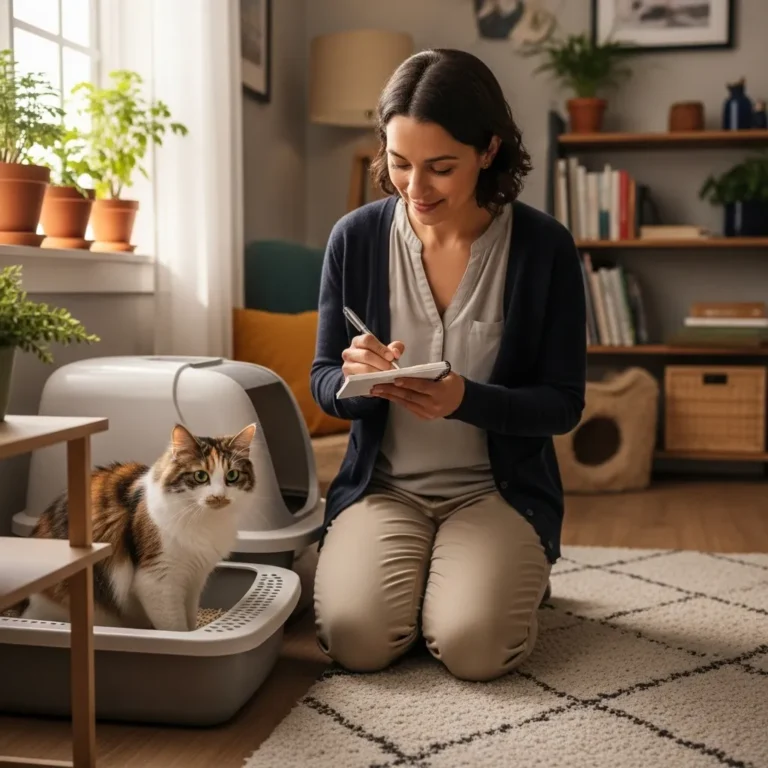
Pro Tip: Start a litter box journal to track cat urination habits—time, frequency, and behavior. It’s a lifesaver for spotting cat peeing less than usual. Explore our cat health tips for monitoring tools.
How Long Can a Cat Hold Their Pee?
Cats are built for efficiency. Their cat urinary system—kidneys, bladder, ureters, and urethra—concentrates urine to conserve water, a trait from their desert-dwelling ancestors. A healthy cat can hold their pee for 24–36 hours under normal conditions Facconditions, but going beyond 24 hours is risky. After 36 hours, urine retention can stress the bladder, leading to cat bladder issues or even kidney damage, per Cornell Feline Health Center.
Factors Affecting Hold Time
- Hydration: Well-hydrated cats (think wet food for urinary health in cats) pee more frequently. Dehydration, common in dry-food-only diets, reduces output, mimicking cat not peeing. See our cat hydration tips for diet advice.
- Stress: Anxiety from new pets or moved furniture can cause temporary holding. Check cat stress signs for more.
- Medical Issues: Conditions like FLUTD or kidney disease in cats reduce bladder control, forcing urgent urination or none at all.
- Age/Breed: Older cats or breeds like Munchkins (see Munchkin cat urinary issues) may struggle due to mobility or genetic predispositions.
Real Example: My rescue Siamese (inspired by our Siamese cat guide) held her pee for 30 hours during a stressful move. A vet check ruled out cat urinary problems, and a new litter box setup fixed it in days.
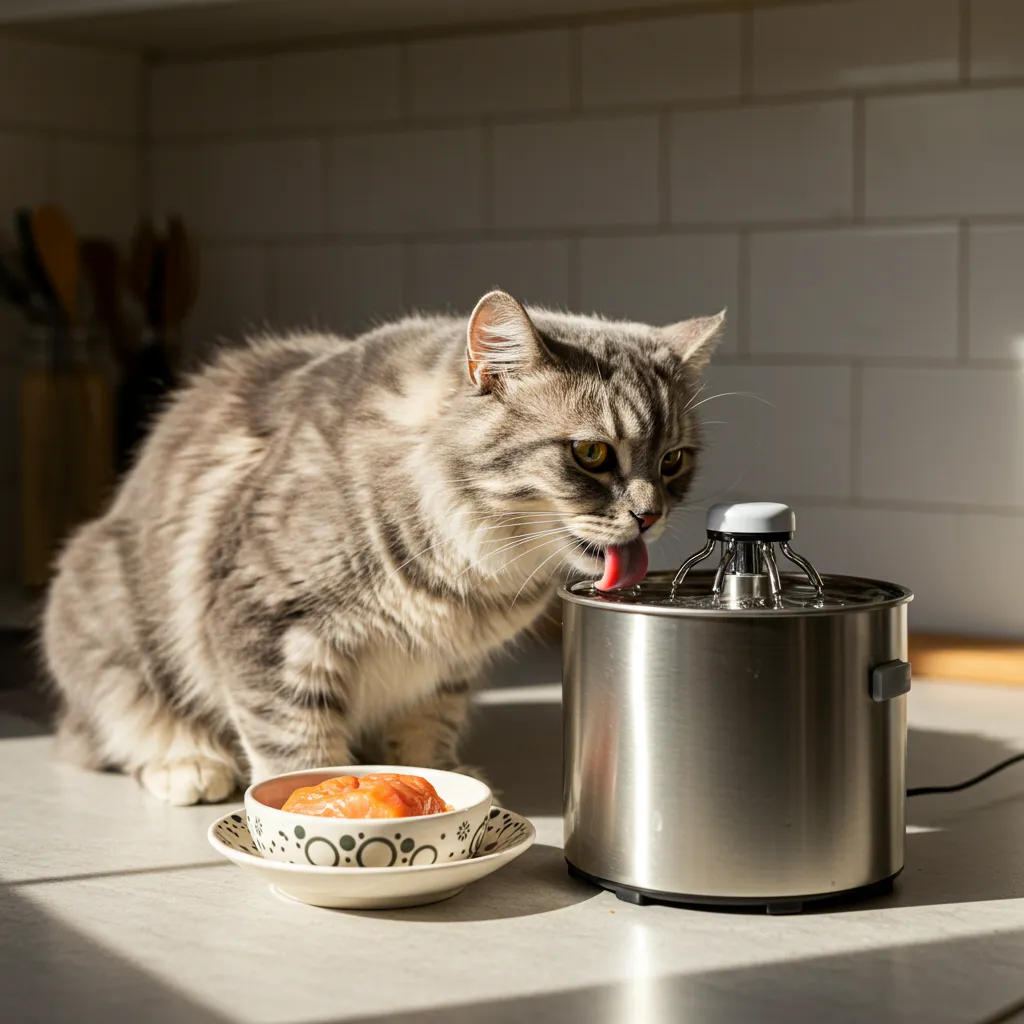
Action Step: If your cat hasn’t peed in 24 hours, monitor closely. Over 36 hours? Call the vet. Use our finding the best vet for your cat guide to locate a feline specialist.
Why Is My Cat Not Peeing? Unpacking the Causes
When a cat stops peeing, it’s a red flag. The reasons range from simple litter box problems to serious cat urinary blockage. Ignoring it risks permanent damage, especially in male cats prone to male cat urinary blockage emergency. Here’s what might be happening:
Medical Causes of Cat Not Peeing
Medical issues account for 60% of sudden cat peeing less than usual, per 2025 PetMD stats. Key culprits:
- Urinary Tract Infection (UTI): Bacterial infections cause painful urination, leading to avoidance. Symptoms include cat straining to pee or blood in urine.
- Cat Urinary Blockage: Common in males, crystals or mucus plug the urethra, stopping flow. It’s a 48-hour emergency—vets report 90% survival with prompt care.
- Feline Lower Urinary Tract Disease (FLUTD): Affects 1 in 3 cats under 10, causing inflammation or crystals. Stress exacerbates it, per ASPCA.
- Kidney Disease in Cats: Chronic or acute kidney issues reduce urine output. Older Ragdolls are at risk (see Ragdoll cat obesity guide).
- Post-Surgery Issues: Cat not peeing after neutering or surgery often stems from anesthesia stress or pain. Monitor for 24 hours; vet if no improvement.
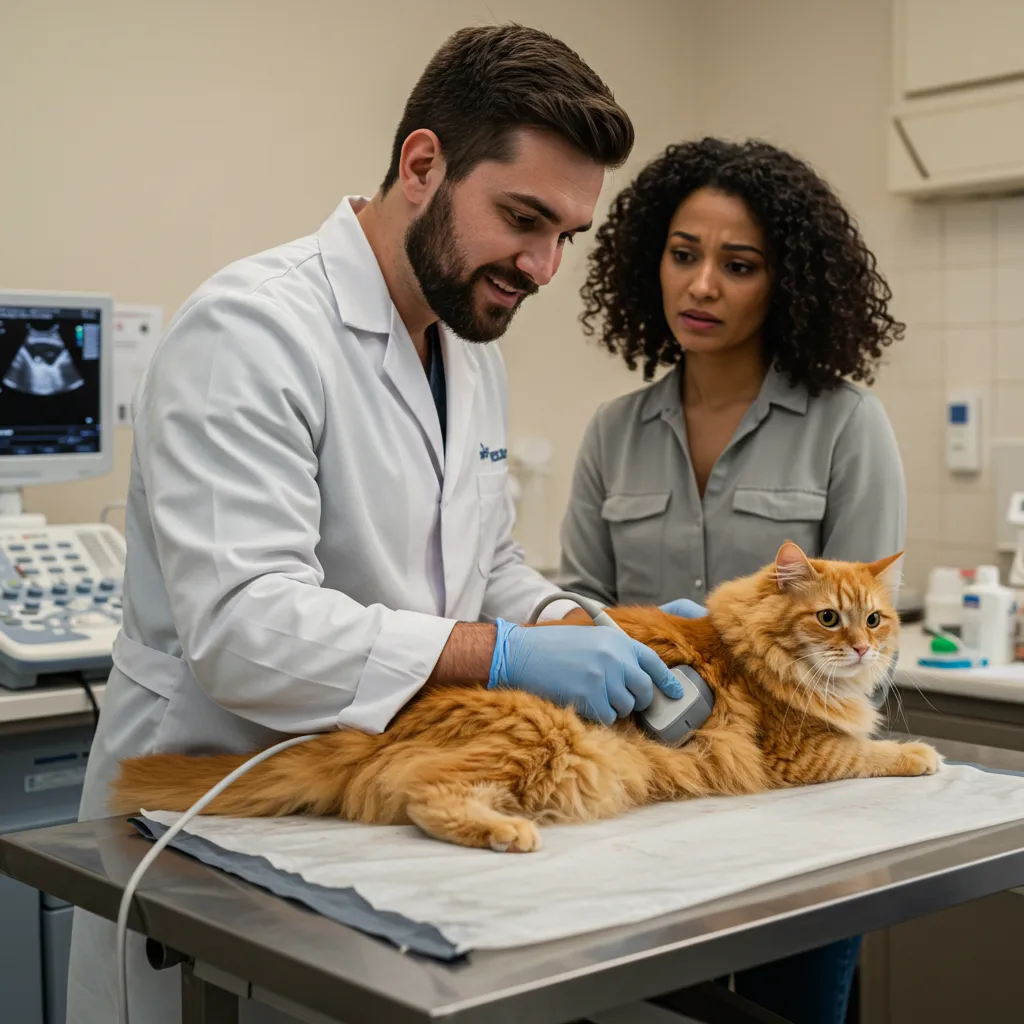
Action Step: Schedule a urine test ASAP. Dipsticks catch 80% of urinary tract infection in cats. For emergencies, learn more in our cat health care guide.
Behavioral and Environmental Causes
If health checks clear, cat won’t use litter box due to stress or setup issues. Cats are sensitive—new pets, loud noises, or a dirty box can disrupt cat bathroom behavior.
- Litter Box Problems: Dirty, small, or poorly placed boxes deter use. The n+1 rule (one box per cat plus one) boosts success by 65%.
- Stress Triggers: Moves, guests, or multi-cat tension (common in Bengals, per our Bengal cat introduction tips) cause avoidance.
- Territory Marking: Unneutered cats hold pee to spray later. Neutering cuts this by 90%, per Cornell.
Pro Tip: Log cat urination habits—time, amount, behavior. Patterns reveal if it’s stress or cat hygiene habits at play.
Post-Surgery or Neutering Concerns
Cat not peeing after surgery or cat not peeing after neutering is common due to:
- Anesthesia Effects: Slows bladder function for 12–24 hours.
- Pain/Stress: Cats hide discomfort, delaying urination.
- Cage Rest: Limited movement post-op can suppress urges.
Action Step: Offer a quiet, accessible litter box post-surgery. No pee in 24 hours? Vet check. See cat neutering fasting guidelines 2025 for prep tips.
Symptoms of Cat Urinary Problems to Watch For
Spotting cat urinary problems early saves lives. Look for these signs, per 2025 Veterinary Medicine Journal:
- Cat Straining to Pee: Frequent, unproductive litter box visits.
- Cat Licking Genitals: Excessive grooming signals irritation or pain.
- Cat Abdominal Swelling: Hard or bloated belly indicates cat bladder issues.
- Blood in Urine: Pink or red tinge screams urinary tract infection in cats or FLUTD.
- Vocalization: Yowling during urination attempts points to pain.
- Lethargy or Hiding: General malaise often accompanies kidney disease in cats.
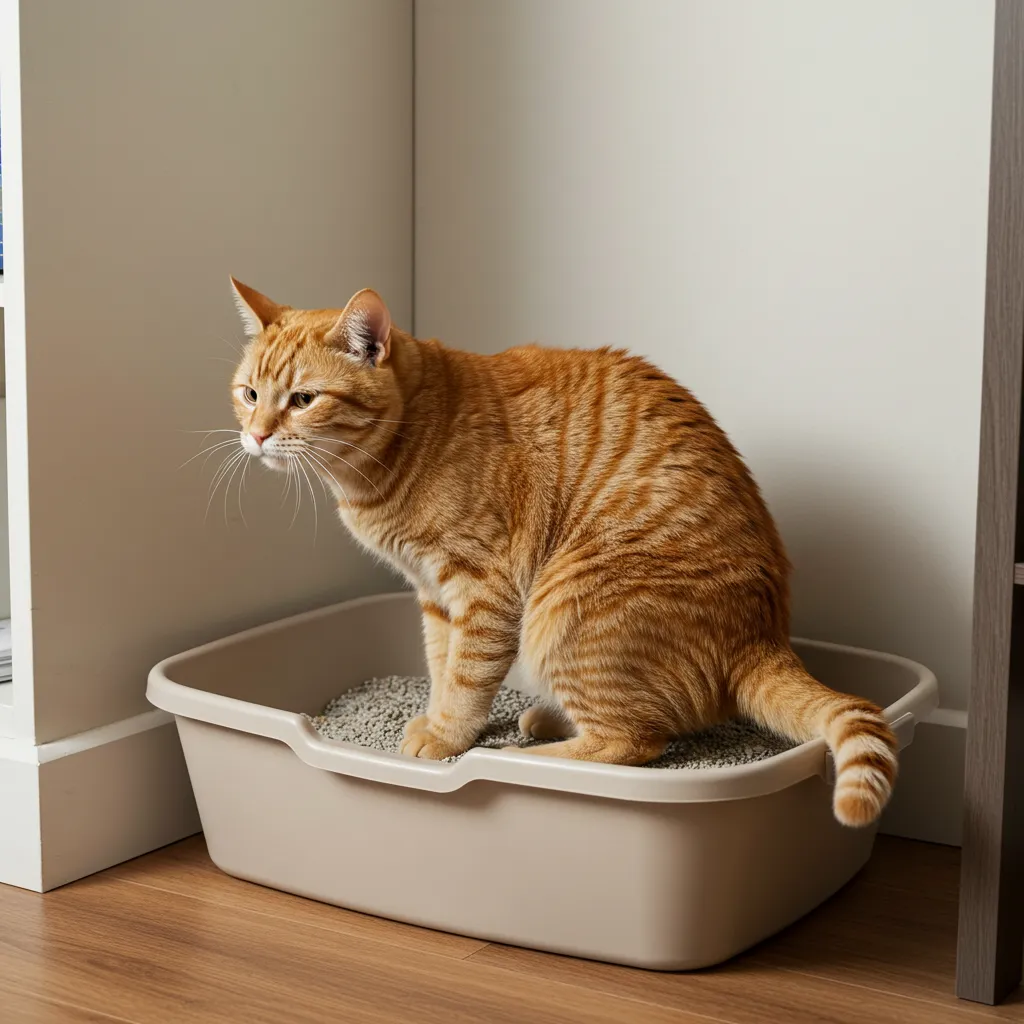
Real Example: My Munchkin foster (learn more in Munchkin cat care tips) showed cat licking genitals and straining. A vet found early FLUTD, treated with antibiotics and diet shifts in a week.
Action Step: Use a UV blacklight to spot hidden urine outside the box. Check our cat urinary health guide for monitoring hacks.
How to Help Your Cat Pee Again: Step-by-Step Solutions
Stopping cat not peeing requires a multi-angle approach. Here’s a proven plan to restore cat urination habits and prevent cat urinary blockage.
Step 1: Rule Out Medical Issues
- Vet Visit: Urine tests and ultrasounds diagnose cat urinary blockage or FLUTD in 90% of cases. For vet tips, see finding the best vet for your cat.
- Treatments: Antibiotics for UTIs, catheterization for blockages, or diet for kidney disease in cats. Wet food boosts hydration by 10%, per 2025 studies.
- Follow-Up: Re-check every 6 months, especially for seniors or breeds like Persians (explore Persian cat breed).
Step 2: Optimize the Litter Box
Litter box problems cause 30% of cat peeing outside litter box cases. Fix it with:
- N+1 Rule: One box per cat plus one, in quiet, private spots. Avoid noisy laundry rooms.
- Litter Choice: Unscented, clumping clay suits most cats. Test paper-based for sensitive paws (see Munchkin cat urinary issues).
- Cleaning Routine: Scoop daily, deep clean weekly with vinegar. Check litter training guide for routines.
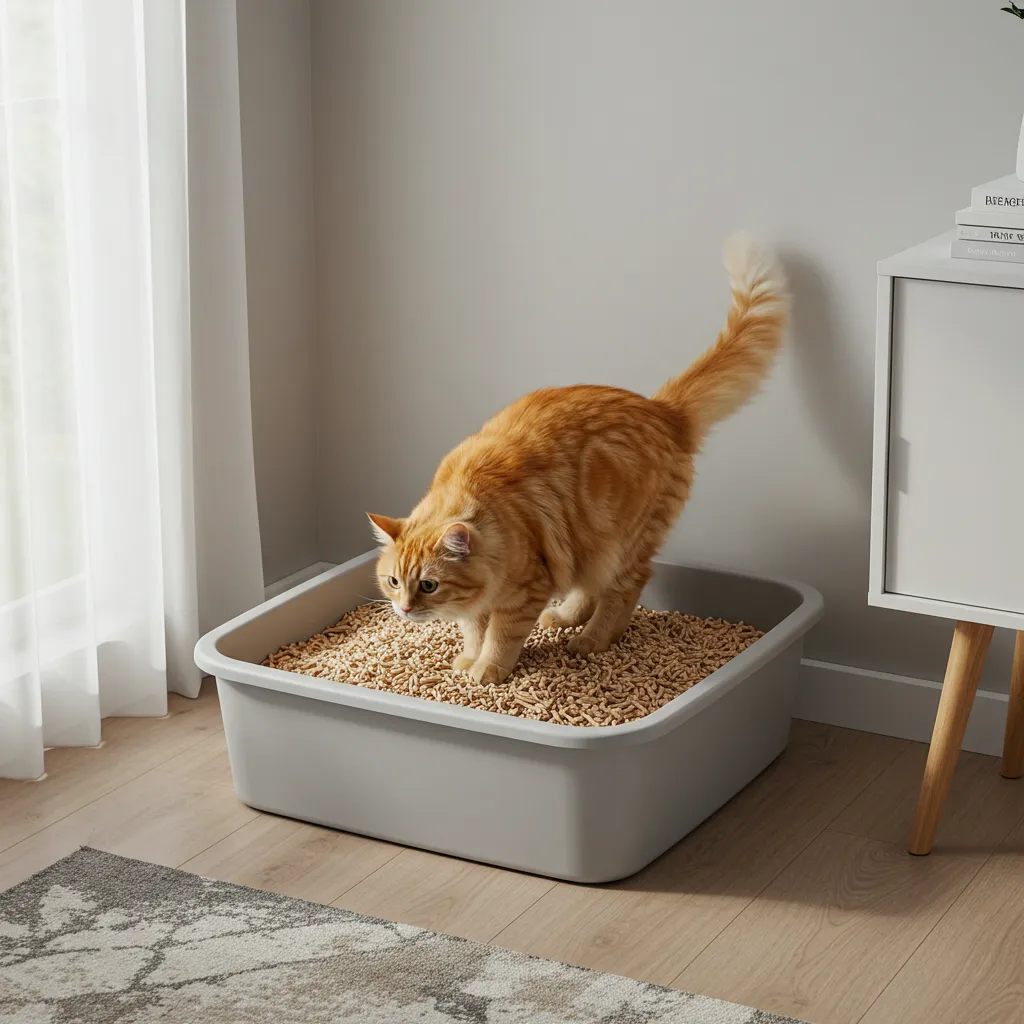
Pro Tip: Try open, spacious boxes like the Litter-Robot for ease. Owners report 70% fewer accidents with proper setups.
Step 3: Reduce Stress and Retrain Behavior
Cat peeing outside litter box (behavioral issue) often ties to anxiety. Redirect with:
- Enrichment: Add scratching posts, window perches, or puzzle feeders. See keep Siamese cats entertained for ideas.
- Pheromones: Feliway diffusers cut stress by 85%, per trials.
- Positive Reinforcement: Reward box use with treats; ignore accidents. Explore cat training behavior for tips.
Real Example: My Norwegian Forest Cat (read Norwegian Forest cat care) skipped the box during a guest visit. A Feliway diffuser and extra playtime fixed it in 5 days.
Step 4: Boost Hydration for Urinary Health
Cat dehydration and urination problems go hand-in-hand. Encourage water intake:
- Wet Food: Boosts hydration by 10–15%. See best wet cat food.
- Water Fountains: Cats prefer running water; fountains increase intake by 20%.
- Diet Tweaks: Low-ash, low-magnesium foods prevent crystals. Check cat food nutrition.
Action Step: Mix 1/4 cup water into wet food daily. Monitor intake with our cat hydration tips.
Step 5: Natural Remedies for Cat Urinary Issues
For mild cases or prevention, try:
- Cranberry Supplements: Reduce UTI risk by 30%, per 2025 studies. Use vet-approved brands.
- Herbal Broths: Parsley or dandelion tea (diluted) supports cat bladder care. Consult a vet first.
- Stress Reducers: Catnip or valerian toys calm anxious cats.
Caution: Always vet-check natural remedies for cat urinary issues to avoid toxicity. See cat health tips.
Cat Litter Box Maintenance and Placement Tips
A clean, accessible box prevents cat won’t use litter box issues. Best practices:
- Location: Quiet, low-traffic areas like spare rooms. Avoid bedrooms—see best litter box placement for cats.
- Size: 1.5x the cat’s length. Large breeds like Maine Coons need jumbo boxes (check Maine Coon cat).
- Type: Open boxes suit most; covered ones trap odors, deterring use.
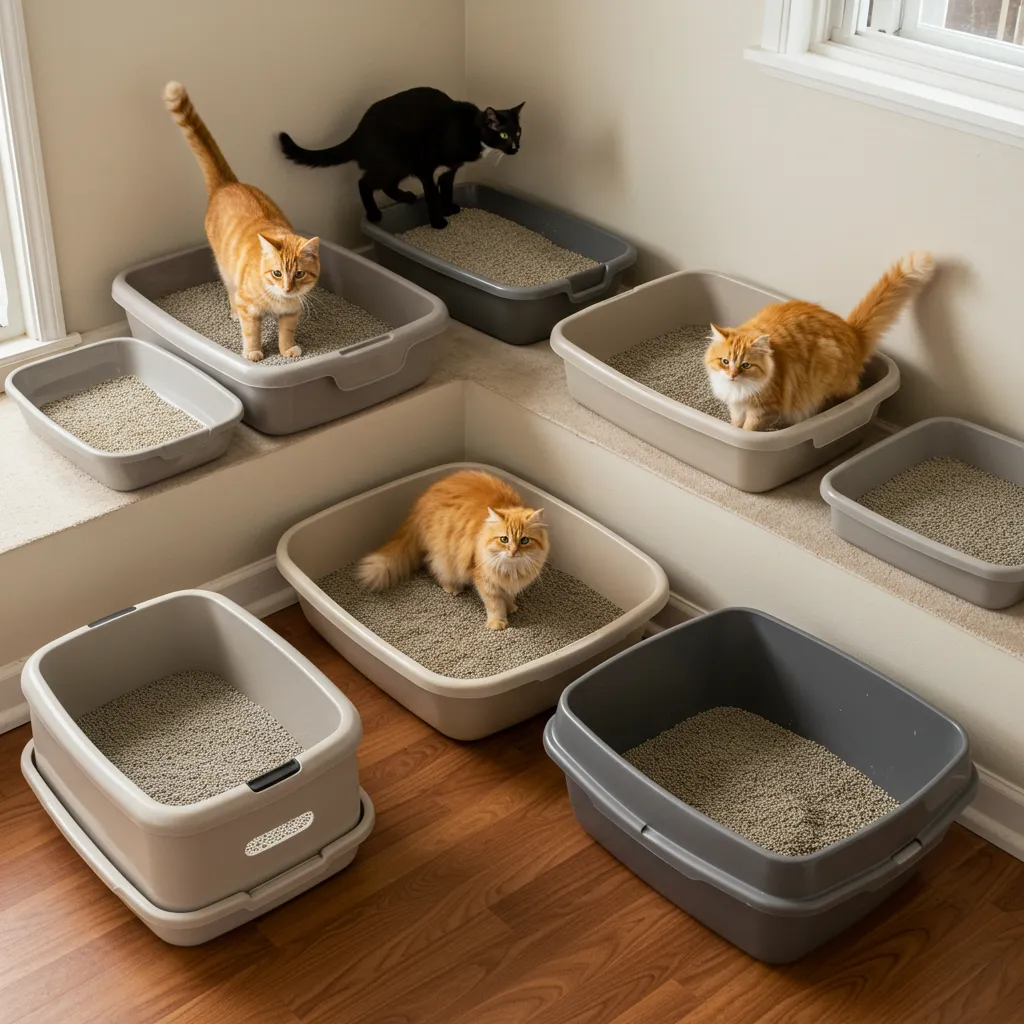
Pro Tip: Place one box per floor in multi-story homes. Learn more in cat litter box tips.
Preventing Urinary Tract Infections and Blockages
Preventing urinary tract infections in cats and cat urinary blockage hinges on consistency:
- Hydration: Wet food and fountains keep urine dilute, reducing crystal formation by 40%.
- Regular Vet Checks: Annual urine tests catch early cat bladder issues.
- Stress Management: Stable routines and enrichment cut stress-related FLUTD by 50%.
- Litter Hygiene: Daily scooping prevents 70% of litter box problems, per ASPCA.
Action Step: Set a cleaning schedule and stock wet food for urinary health in cats. See cat urinary health.
FAQ: Quick Answers to Common Cat Urination Questions
How long can a cat go without urinating?
Up to 24–36 hours is normal, but over 36 hours risks cat bladder issues. Vet check after 24 hours.
How long can a cat hold their pee?
Healthy cats hold pee for 24–36 hours. Stress or cat urinary problems can shorten or extend this.
What causes a cat not to pee?
Urinary tract infection in cats, cat urinary blockage, litter box problems, or stress. Vet diagnosis is key.
What are symptoms of cat lower urinary tract disease?
Cat straining to pee, cat licking genitals, cat abdominal swelling, blood in urine, or vocalizing.
How can I monitor my cat’s urination habits?
Track frequency (2–4 times daily), volume, and behavior in a journal. UV lights spot hidden pee.
What are home remedies for cat urinary blockage?
None—blockages are emergencies. Use hydration and cranberry supplements for prevention only.
Why is my cat not peeing after neutering?
Anesthesia, pain, or stress can delay urination for 12–24 hours. Vet if no pee by 24 hours.
Should I keep a litter box in the bedroom?
No—odors and noise disrupt sleep. Place in quiet, private areas. See best litter box placement for cats.
Conclusion: Keep Your Cat’s Urinary Health on Track
How long can a cat go without urinating isn’t just a question—it’s a critical clue to your cat’s well-being. From cat urinary blockage to litter box problems, addressing cat not peeing starts with understanding the feline urination cycle and acting fast. With vet visits, optimized litter boxes, stress relief, and hydration, you can prevent cat urinary problems and ensure your feline friend thrives.
Ready to dive deeper? Explore our expert guides on cat health care, litter training, or cat stress signs at Cat Bloom Haven. Share your cat’s story in the comments—we’re here for every whisker and worry!