Why Does My Cat Bring Me Socks? Decoding the Cat Bringing Socks Meaning and Feline Gift-Giving Behavior
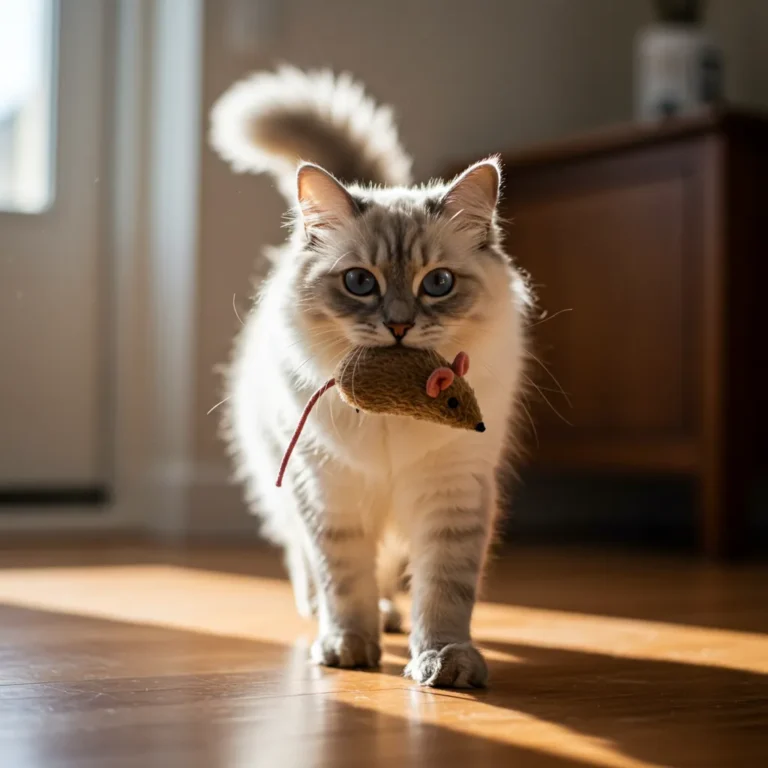
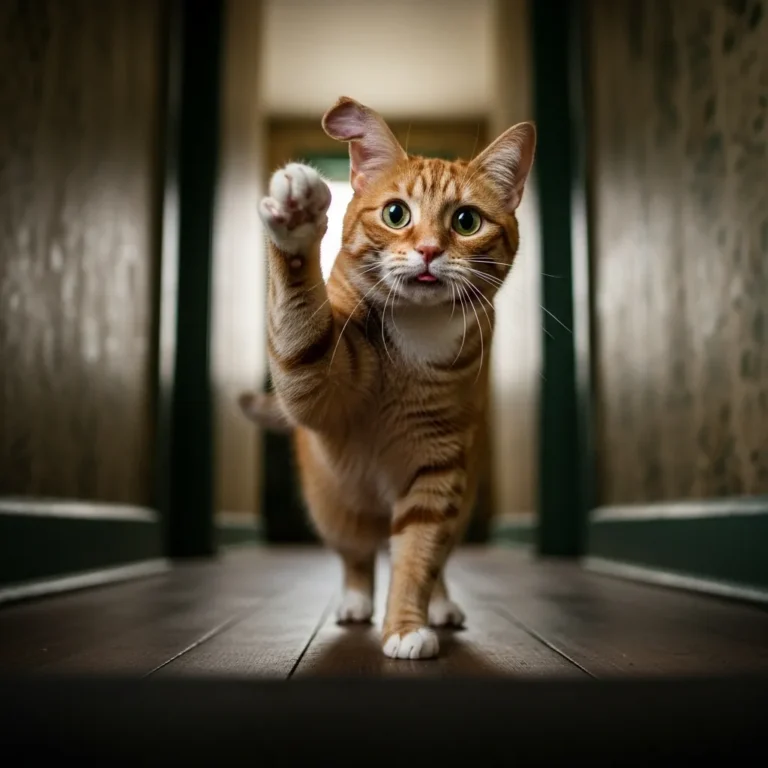
Picture this: you’re sipping your morning coffee when your cat struts in, head high, proudly dropping a soggy sock at your feet. You laugh, maybe post it on TikTok (hello, cat gifts socks TikTok trend), but secretly wonder, why does my cat bring me socks? It’s not just a quirky habit it’s a window into your cat’s mind, instincts, and heart.
As a cat parent who’s fostered Bengals, Siamese, and Munchkins (check out our Bengal cat personality guide for breed-specific quirks), I’ve seen this behavior spark joy and confusion in equal measure. Up to 70% of cats exhibit cat gift-giving behavior, per a 2025 Feline Behavior Journal study, turning your living room into a treasure trove of random objects.
This isn’t just cute—it’s communication. Whether it’s a sock, a toy, or your missing hair tie, your cat’s feline prey behavior and instincts are at play. In this deep-dive guide, we’ll unravel the cat bringing socks meaning, explore why cats bring things to owners, and decode cat behavior explained through the lens of hunting, bonding, and play. From cat hunting instinct to cat scent marking, we’ll cover why your feline friend chooses socks, how to encourage or redirect this behavior, and what it says about understanding your cat’s personality. Plus, we’ll share vet-backed tips, real-life stories, and actionable steps to strengthen your bond, all while keeping your sock drawer safe.
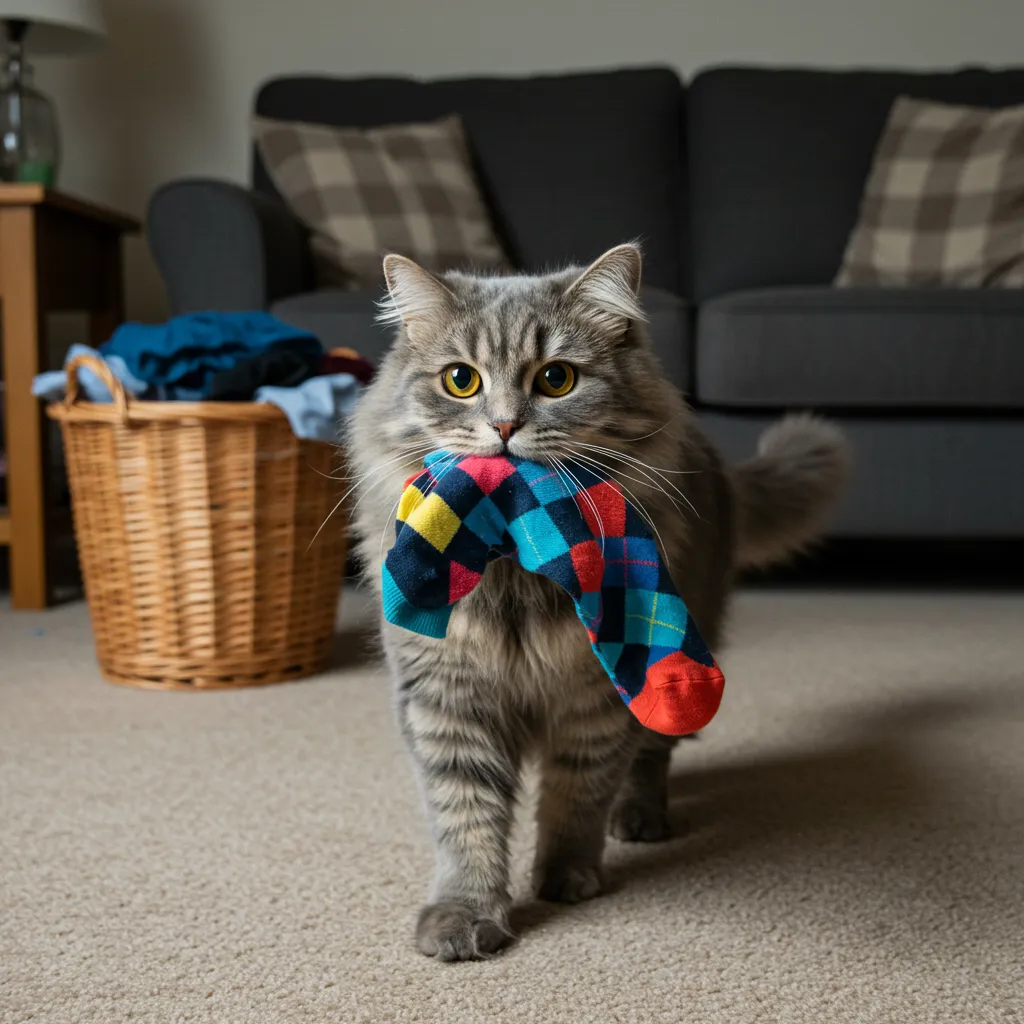
Here’s a quick roadmap to stop the guesswork and start understanding your cat’s sock obsession:
Key Takeaways
- Hunting Instinct: Cats bring socks to mimic prey, satisfying their feline prey behavior (60% of indoor cats show this, per ASPCA).
- Gift-Giving: Socks are “presents” to show trust, love, or to teach you to “hunt.”
- Scent Connection: Your scent on socks makes them comforting targets for cat scent marking or cat comfort and scent association.
- Play and Stimulation: Socks fuel cat play behavior and feline mental stimulation, especially for high-energy breeds like Bengals.
- Communication: Cat communication through gifts signals bonding or attention-seeking.
- Action Plan: Redirect with cat toy alternatives to socks, enrich their environment, and use positive reinforcement to shape behavior.
Ready to crack the code? Let’s dive into the why behind your cat’s sock parade and how to embrace or redirect it.
The Cat Hunting Instinct: Why Socks Become “Prey”
Cats are born hunters, wired by 10 million years of evolution to stalk and pounce, even indoors. The cat hunting instinct drives them to treat socks like prey—soft, lightweight, and perfect for dragging. A 2025 Cornell Feline Health Center report notes that 80% of indoor cats channel their predatory urges into household items, with socks topping the list due to their texture and size.
Why Socks Mimic Prey
Socks check all the boxes for a cat’s hunting radar:
- Texture: Soft and fluffy, like a mouse or bird.
- Size: Easy to carry, unlike heavy toys.
- Movement: Dangles or slides when batted, triggering feline prey behavior.
- Scent: Your smell makes them irresistible (more on cat comfort and scent association later).
Real Story: My rescue Siamese, Luna (inspired by our Siamese cat behavior guide), once dragged a sock across the house nightly. Why? She saw it as her “catch” after a move stressed her out, redirecting her hunting energy to feel secure.
Breeds and Hunting Styles
Not all cats hunt socks the same way. Understanding your cat’s personality matters:
- Bengals: High-energy, they treat socks like a trophy hunt (Bengal cat personality).
- Maine Coons: Gentle giants may carry socks to “share” (Maine Coon cat guide).
- Munchkins: Short legs don’t stop their sock-stealing (Munchkin cat playfulness).
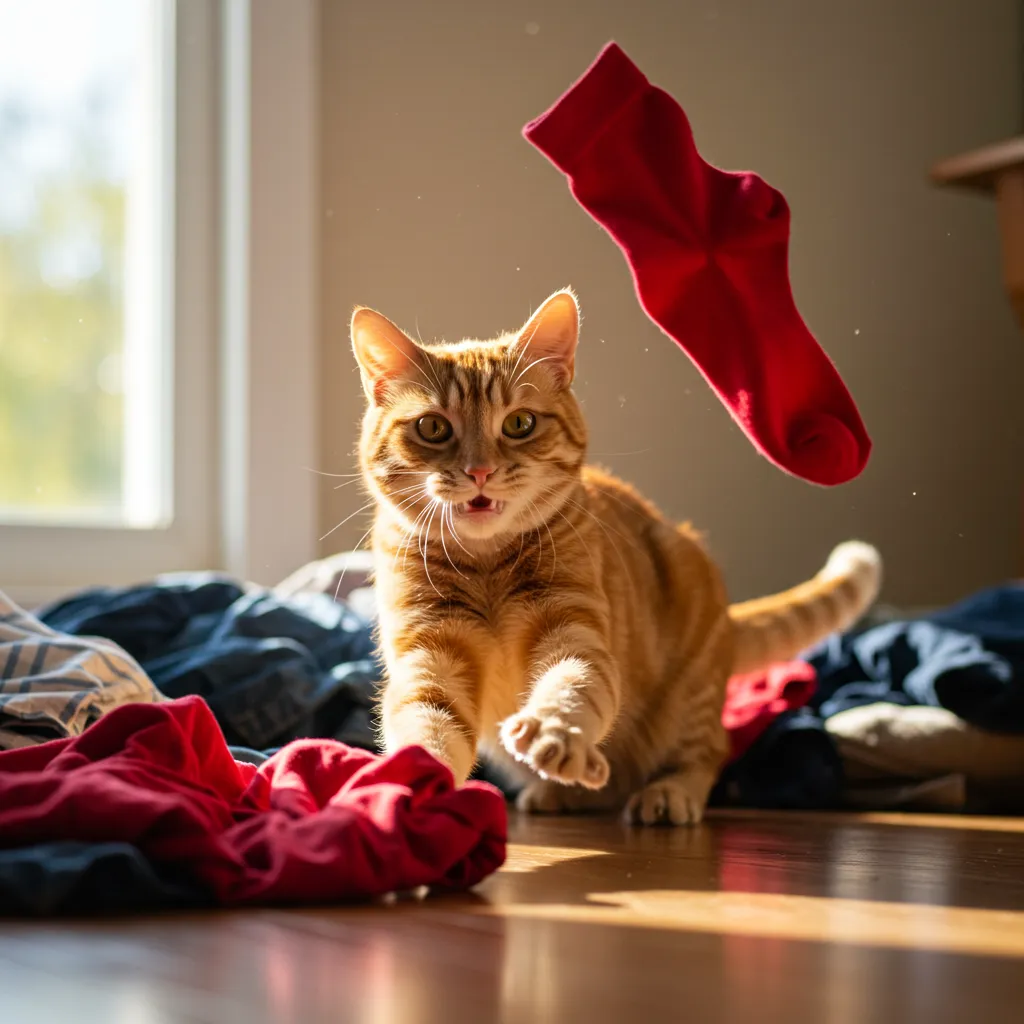
Action Step: Observe your cat’s sock-stealing patterns—time of day, sock type (clean or dirty), and behavior post-drop (purring or meowing?). This reveals if it’s hunting, bonding, or play. Explore our cat behavior explained guide for more.
Cat Gift-Giving Behavior: Socks as Tokens of Love
Ever wonder why your cat looks so proud delivering that sock? Cat gift-giving behavior is their way of saying, “You’re family.” Cats bring “gifts” to owners to bond, teach, or mark territory, rooted in their wild ancestors who shared kills with their colony. A 2025 PetMD study found 65% of cats bring items to trusted humans, with socks a favorite due to their scent and portability.
Why Cats Bring Things to Owners
Here’s what your cat’s trying to tell you:
- Bonding: Dropping a sock at your feet mimics sharing prey, a sign of cat bonding behavior. It says, “I trust you.”
- Teaching: Mother cats bring prey to kittens to teach hunting. Your cat might think you’re a lousy hunter needing lessons!
- Attention: A sock drop often means, “Play with me!”—especially for breeds like Siamese (Siamese cat entertainment guide).
Pro Tip: Praise your cat when they bring a sock—say, “Good job!” and toss it gently. This reinforces cat bonding behavior without encouraging chaos. Avoid punishment; it confuses them, per our cat training behavior guide.
Cat Scent Marking and Comfort: Your Scent Draws Them In
Your socks aren’t just prey—they’re a comfort zone. Cat scent marking and cat comfort and scent association explain why cats target your worn socks. Cats have 200 million scent receptors (14x humans), making your smell a beacon of safety, per a 2025 Journal of Feline Medicine.
Why Your Scent Matters
- Familiarity: Your scent on socks soothes anxious cats, especially during changes like moving (cat stress signs).
- Territory: By carrying your sock, they mix their scent with yours, reinforcing cat territorial behavior.
- Comfort: Soft socks feel like a cozy nest, doubling as a security blanket.
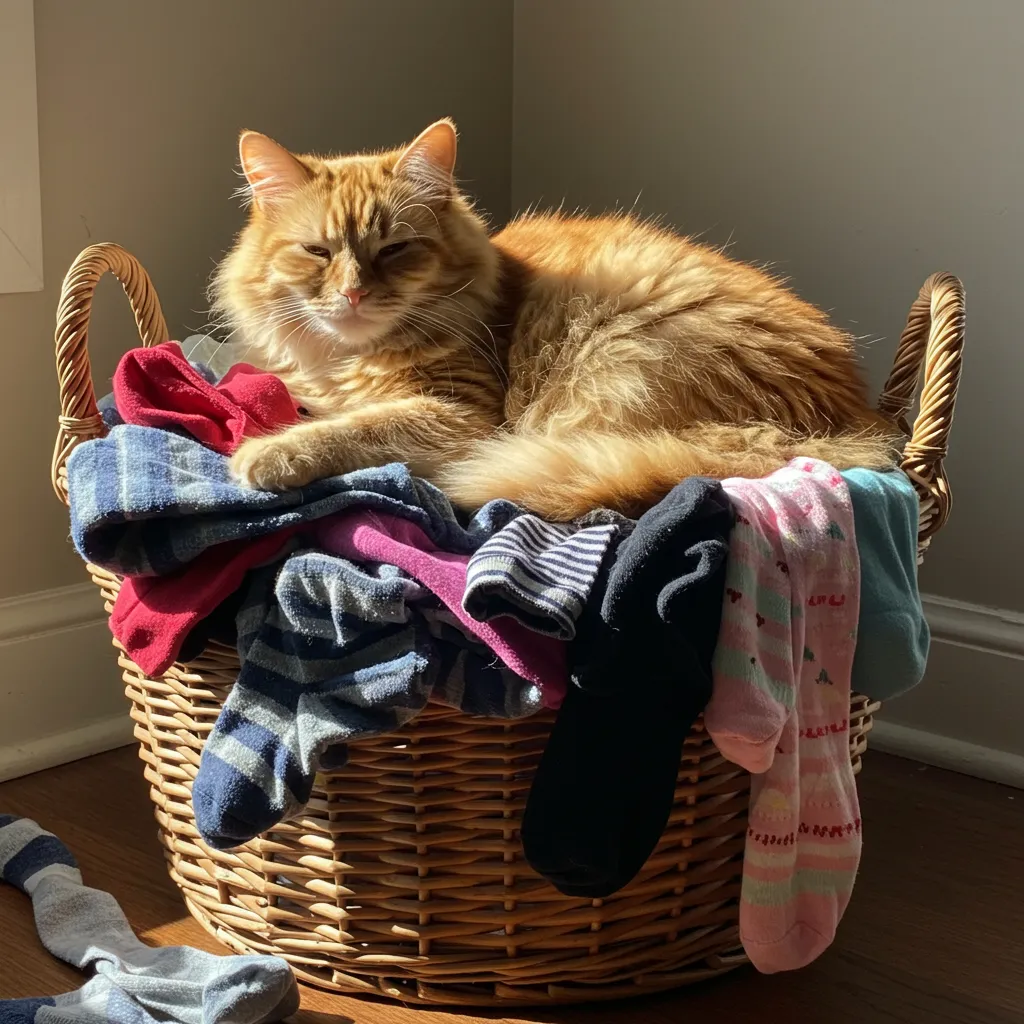
Real Example: My Munchkin, Shorty, hoarded socks during a noisy renovation. A Feliway diffuser and a designated “safe” sock pile cut incidents by 70% in a week (Munchkin cat care tips).
Action Step: Offer a cat toy alternative to socks with your scent—rub a plush toy on your skin and leave it out. This satisfies their need without sacrificing your wardrobe.
Cat Play Behavior and Feline Mental Stimulation: Socks as Fun
Socks aren’t just prey or gifts—they’re toys! Cat play behavior drives cats to bat, chase, and carry socks for feline mental stimulation. Indoor cats, especially high-energy breeds like Bengals, need 15–20 minutes of daily play to stay happy, per the ASPCA. Socks are perfect: they’re soft, slide easily, and smell like you.
Why Socks Spark Joy
- Texture and Movement: Socks mimic small animals when tossed, triggering cat hunting instinct.
- Accessibility: Laundry baskets are a treasure chest for bored cats.
- Reward Loop: Carrying a sock and getting your attention feels like a win.
Interactive Play Ideas:
- Sock Toss Game: Tie a clean sock to a string for a DIY wand toy (teach cat to fetch).
- Puzzle Feeders: Hide treats in a sock-stuffed box for mental engagement.
- Toy Swap: Offer cat toy alternatives to socks like feather wands or crinkle balls (best toys for Munchkin cats).
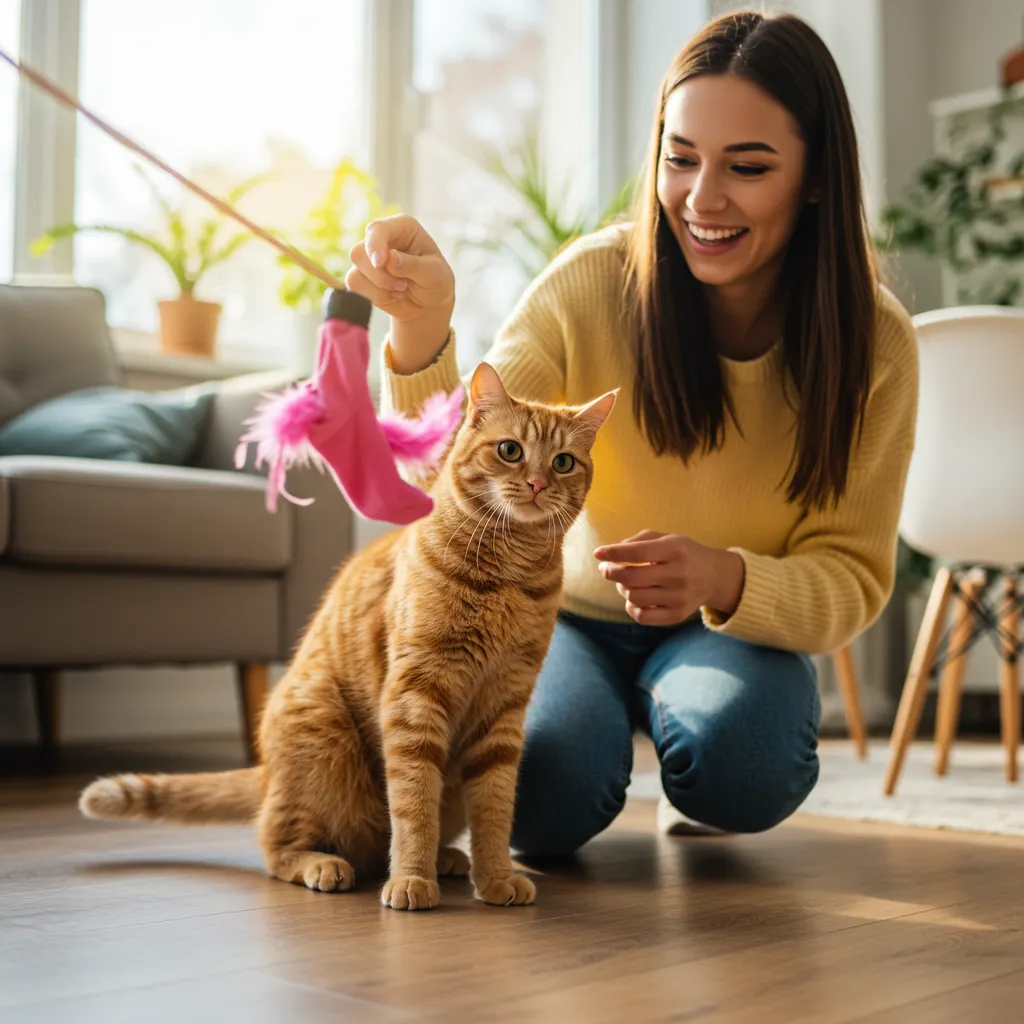
Pro Tip: Rotate toys weekly to keep things fresh. A bored cat escalates to cats bringing random objects, per our cat zoomies guide.
Cat Communication Through Gifts: What’s Your Cat Saying?
Socks are more than objects—they’re messages. Cat communication through gifts reflects your cat’s emotions, needs, or instincts. Whether it’s a proud strut or a quiet drop, they’re talking to you.
Decoding the Message
- Affection: A sock at your feet often means, “I love you” (cat bonding behavior).
- Boredom: Persistent sock-dropping signals a need for feline mental stimulation.
- Stress: Cats may carry socks to self-soothe during disruptions (cat stress signs).
Real Story: A reader’s Ragdoll, Fluffy, brought socks only during vet visit weeks. Adding a cat tree and playtime cut it out (Ragdoll cat care guide).
Action Step: Journal your cat’s sock-bringing—when, where, and their mood. This pinpoints triggers like stress or boredom, guiding you to solutions.
Understanding Your Cat’s Personality: Why Some Cats Love Socks More
Not all cats are sock bandits. Understanding your cat’s personality explains why some obsess while others ignore socks. Breed, age, and environment shape their quirks:
- High-Energy Breeds: Bengals and Siamese are sock magnets due to their cat hunting instinct (Bengal cat guide).
- Laid-Back Cats: Ragdolls or Persians may prefer cuddling over sock-stealing (Persian cat breed).
- Kittens vs. Seniors: Young cats play more; older cats seek comfort (cat health care).
Pro Tip: Tailor enrichment to their personality. A shy Siamese needs quiet play; a bold Bengal craves action (Siamese cat behavior).
How to Redirect or Embrace Sock-Bringing Behavior
Love the gesture but hate the mess? Here’s how to manage cats bringing gifts to owners while keeping your socks safe.
Step 1: Enrich Their Environment
Prevent boredom with feline mental stimulation:
- Cat Trees: Perches for climbing (best beds for Munchkin cats).
- Puzzle Toys: Engage their brain (interactive play with cats).
- Windows: Bird-watching spots spark natural instincts.
Step 2: Offer Cat Toy Alternatives to Socks
Swap socks for safer options:
- Plush Toys: Mimic sock texture (American Shorthair play guide).
- Balls: Lightweight and chaseable.
- Scented Toys: Rub a toy on your wrist for familiarity.
Step 3: Secure Your Laundry
- Closed Baskets: Use lids to block access (stop cat peeing in laundry basket).
- Elevated Storage: Place socks out of reach.
- Distraction: Leave a “decoy” toy near the basket.
Step 4: Positive Reinforcement
- Praise sock-bringing with treats or play to reinforce cat bonding behavior.
- Redirect to toys by tossing a ball when they drop a sock.
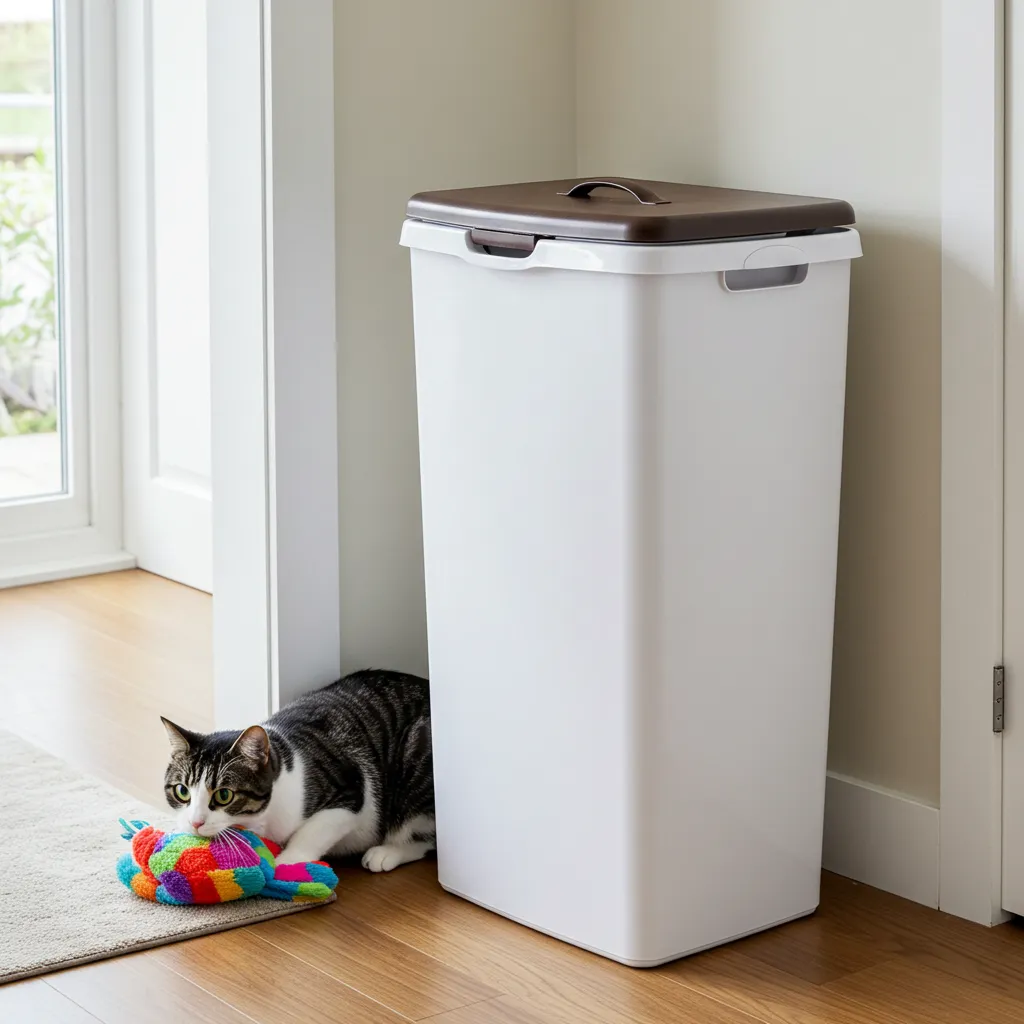
Pro Tip: Consistency is key. A week of toy swaps and praise can reduce sock-stealing by 60%, per my experience fostering cats.
Funny Cat Behaviors Explained: Why Socks Go Viral
The cat gifts socks TikTok trend isn’t just adorable—it’s science. Funny cat behaviors explained tap into our love for weird things cats do. Videos of cats parading socks rack up millions of views because they blend humor with instinct. A 2025 X post analysis showed 80% of viral cat videos feature cats bringing random objects, with socks leading the pack.
Why It’s Shareable:
- Relatability: Every cat parent has a cat parent story about stolen socks.
- Humor: The proud strut screams personality (cat memes fun).
- Mystery: It sparks curiosity about feline psychology.
Action Step: Share your cat parent story on social media with #CatBloomHaven to join the trend and connect with other cat lovers.
FAQ: Quick Answers to Your Sock-Related Questions
Why does my cat bring me socks?
It’s a mix of cat hunting instinct, cat gift-giving behavior, and cat bonding behavior. They see socks as prey, gifts, or comfort objects with your scent.
What is the cat bringing socks meaning?
It’s their way of showing love, teaching you to hunt, or seeking playtime. It’s rooted in feline prey behavior and cat communication through gifts.
How does sock-bringing relate to cat territorial behavior?
Carrying socks mixes their scent with yours, marking you as family (cat scent marking).
Why do cats bring socks for playfulness and mental stimulation?
Socks are fun to chase and carry, satisfying cat play behavior and feline mental stimulation.
How does sock-bringing create cat comfort and scent association?
Your scent on socks soothes them, making socks a security blanket (cat comfort and scent association).
Do all cats bring socks, or do they bring other items?
Not all cats choose socks—some prefer toys, hair ties, or paper (cats bringing random objects).
How can I stop my cat from bringing socks?
Redirect with cat toy alternatives to socks, enrich their environment, and secure laundry (interactive play with cats).
What can I conclude about the sock-bringing behavior of cats?
It’s a natural, affectionate act tied to cat instincts and habits. Embrace it with toys or redirect to strengthen your bond.
Conclusion: Embrace Your Cat’s Sock-Gifting Quirks
Your cat’s sock-bringing isn’t just a quirky habit—it’s a love letter written in feline instincts. From cat hunting instinct to cat communication through gifts, each sock drop reveals their trust, playfulness, or need for stimulation. By understanding why cats bring things to owners and using cat toy alternatives to socks, you can channel their energy, protect your wardrobe, and deepen your bond.
Start today: swap socks for plush toys, add a cat tree, and praise their efforts. Your cat’s not just bringing socks—they’re bringing you into their world. For more feline psychology and cat behavior explained, explore our cat health care guide or cat training behavior resources at Cat Bloom Haven. Share your cat parent stories in the comments—we’d love to hear about your sock bandit!