The Rare Female Orange Cat: Unveiling the Genetics, Myths, and Magical Personalities
Key Takeaways
- Rarity Explained: Only about 1 in 5 orange cats (20%) are female, due to the way the orange gene is carried on the X chromosome.
- Genetic Requirement: A male cat only needs one orange gene (from his mother) to be orange. A female needs two orange genes—one from each parent—making them less common.
- Not a Separate Breed: “Orange cat” refers to coat color, not a breed. This color appears in many breeds, from American Shorthairs to Maine Coons.
- Personality Over Pigment: While many describe orange cats as friendly and outgoing, their personality is shaped more by breed, socialization, and individual temperament than fur color.
- Health & Care: Orange cats have the same health considerations as other cats, though some studies suggest they may be more prone to certain conditions, making regular vet check-ups essential. Explore our guide on cat health care for more.
Introduction: The Allure of the Ginger Queen
If you’ve ever shared your home with a vibrant, sun-kissed orange cat or simply paused to admire one in a meme, you’ve witnessed a special kind of feline charm. From the lasagna-loving Garfield to the intelligent Crookshanks from Harry Potter, orange cats hold a legendary status in pop culture. But within this beloved group exists a true genetic marvel: the female orange cat.
Often overshadowed by their more common male counterparts, female ginger cats are the fascinating exceptions to a genetic rule. This article isn’t just about their stunning orange cat coloration; it’s a deep dive into the science of orange cat genetics, a debunking of common myths, and a celebration of everything that makes these golden girls so extraordinary. Whether you’re a seasoned cat lover or simply curious about how rare is a female orange cat, you’re about to discover the complete story.
The Genetics of Sunshine: Why Orange Cats are Mostly Male
To truly appreciate a female orange cat, you first need to understand the basic blueprint of ginger cat genetics. The secret lies not in a special “orange” dye, but in a pigment called pheomelanin the same pigment that gives red hair to humans.
The X Chromosome and the Orange Gene
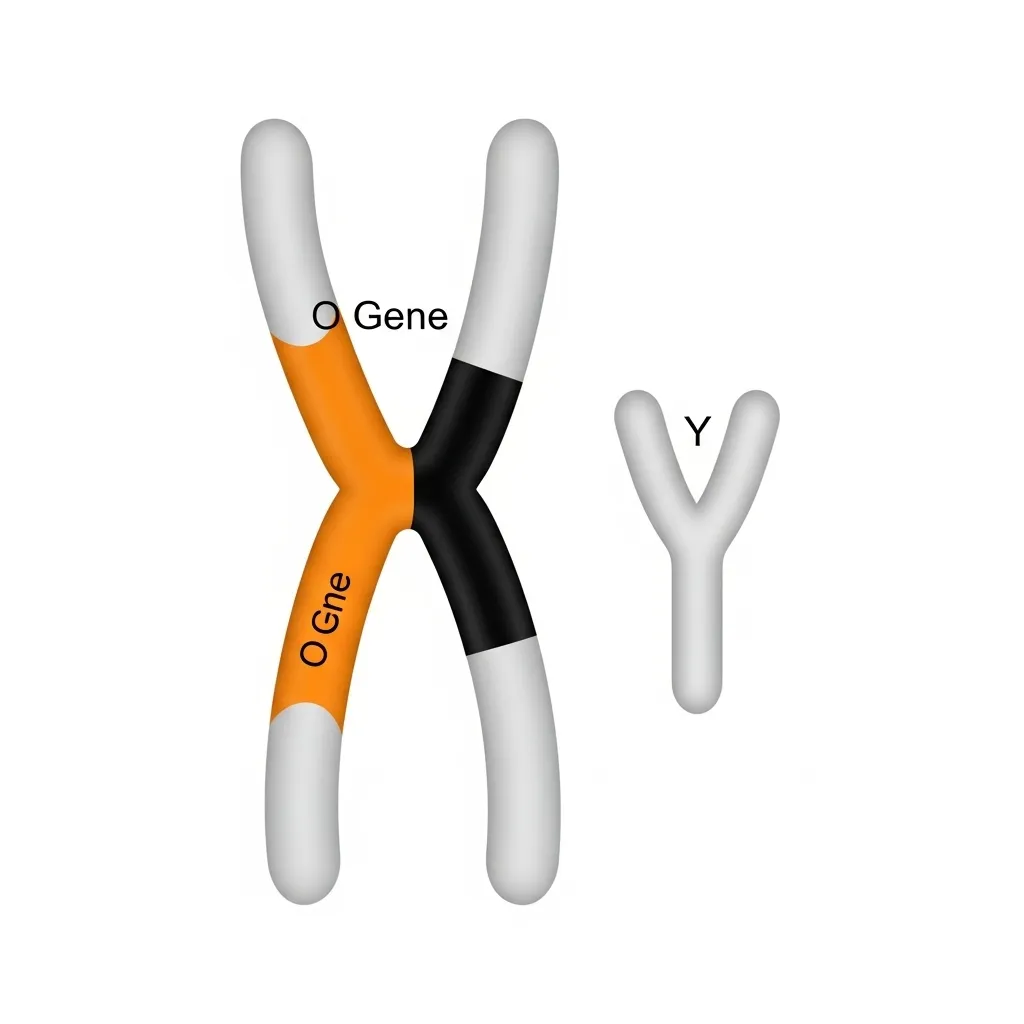
The gene responsible for producing this pheomelanin (the orange color) is called the “O” gene. This gene is located on the X chromosome, one of the two sex chromosomes.
- Female Cats: Have two X chromosomes (XX).
- Male Cats: Have one X and one Y chromosome (XY).
Here’s where the probability comes in:
- For a Male Cat (XY): He only has one X chromosome. If that X chromosome carries the dominant “O” gene, he will be orange. It’s a simple 50/50 chance from his mother.
- For a Female Cat (XX): She has two X chromosomes. To be orange, both of her X chromosomes must carry the dominant “O” gene. If one X has the “O” gene and the other has a non-orange gene (like black or brown), the colors can mix, resulting in a beautiful calico or tortoiseshell cat.
This fundamental genetic difference is why the orange cat gender ratio is so skewed.
So, Just How Rare is a Female Orange Cat?
Let’s get specific. The statistical probability dictates that only about 20% of orange cats are female. That’s roughly 1 in every 5 orange cats. Conversely, a staggering 80% are male.
This is why if you see a ginger cat strolling down the street, the odds are overwhelmingly in favor of it being a male. Finding a solid female orange cat is like finding a naturally occurring genetic treasure. For a deeper look into how traits are passed down, our guide on cat color inheritance offers more insight.
Beyond the Statistics: The Unique Genetics of Ginger Females
While the 80/20 ratio is the standard, the world of orange cat genetics has even more fascinating twists.
The Calico and Tortoiseshell Connection
What happens when a female cat has only one “O” gene? She becomes a mosaic of colors. The phenomenon of X-inactivation (where one X chromosome is randomly “turned off” in each cell) causes the patches of orange and non-orange fur we see in calico (white, black, orange) and tortoiseshell (blended black and orange) cats. This is almost exclusively a female trait, making them walking, purring maps of their own genetic code.
Can a Female Orange Cat Have a Non-Orange Father?
This is a common point of confusion. Let’s clarify:
- A female orange cat MUST have a father who is orange. (He gives her his only X chromosome, which must be an “O”).
- She also MUST have a mother who is either orange, calico, or tortoiseshell (carrying at least one “O” gene).
So, the lineage of a pure ginger female is very specific, adding another layer to their rarity.
The Orange Tabby: Patterns of Brilliance
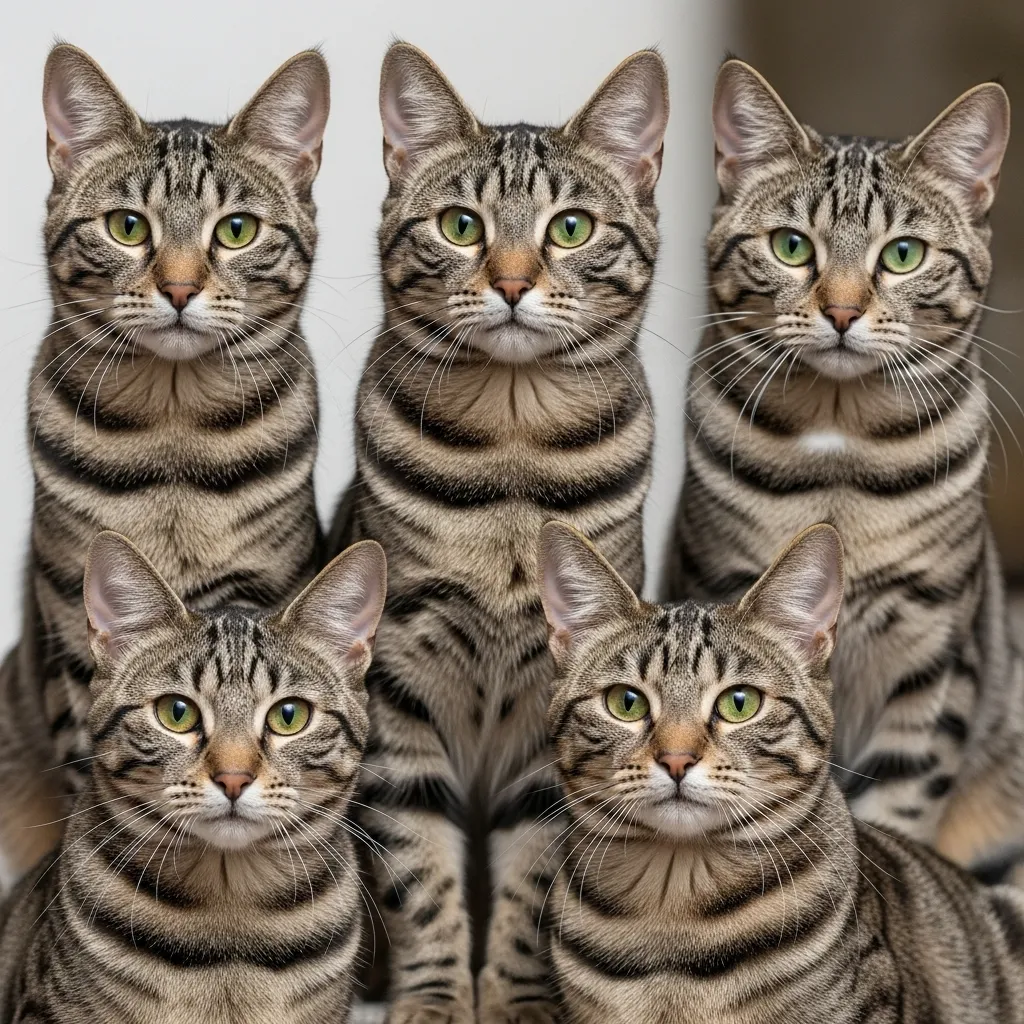
When we talk about “orange cats,” we are almost always referring to an orange tabby cat. The tabby pattern is a default setting in cat genetics, and it comes in several stunning varieties. These patterns are not exclusive to females but are a key part of the orange female cat facts that owners love.
| Pattern | Description | Famous Example |
|---|---|---|
| Classic | Swirling, marbled patterns on the sides, often with a bullseye. | |
| Mackerel | Narrow, tiger-like stripes running vertically down the body. | The most common pattern. |
| Spotted | Distinct spots instead of stripes, resembling a small leopard. | |
| Ticked | Each hair is banded with color, giving a sandy, speckled appearance with no clear stripes. | Often seen in Abyssinians. |
Discover the full spectrum of possibilities in our tabby cat colors guide.
The Ginger Personality: Myth, Legend, and Reality
One of the most popular topics among cat enthusiasts is ginger cat personality. Are orange cats really more friendly, goofy, and food-motivated?
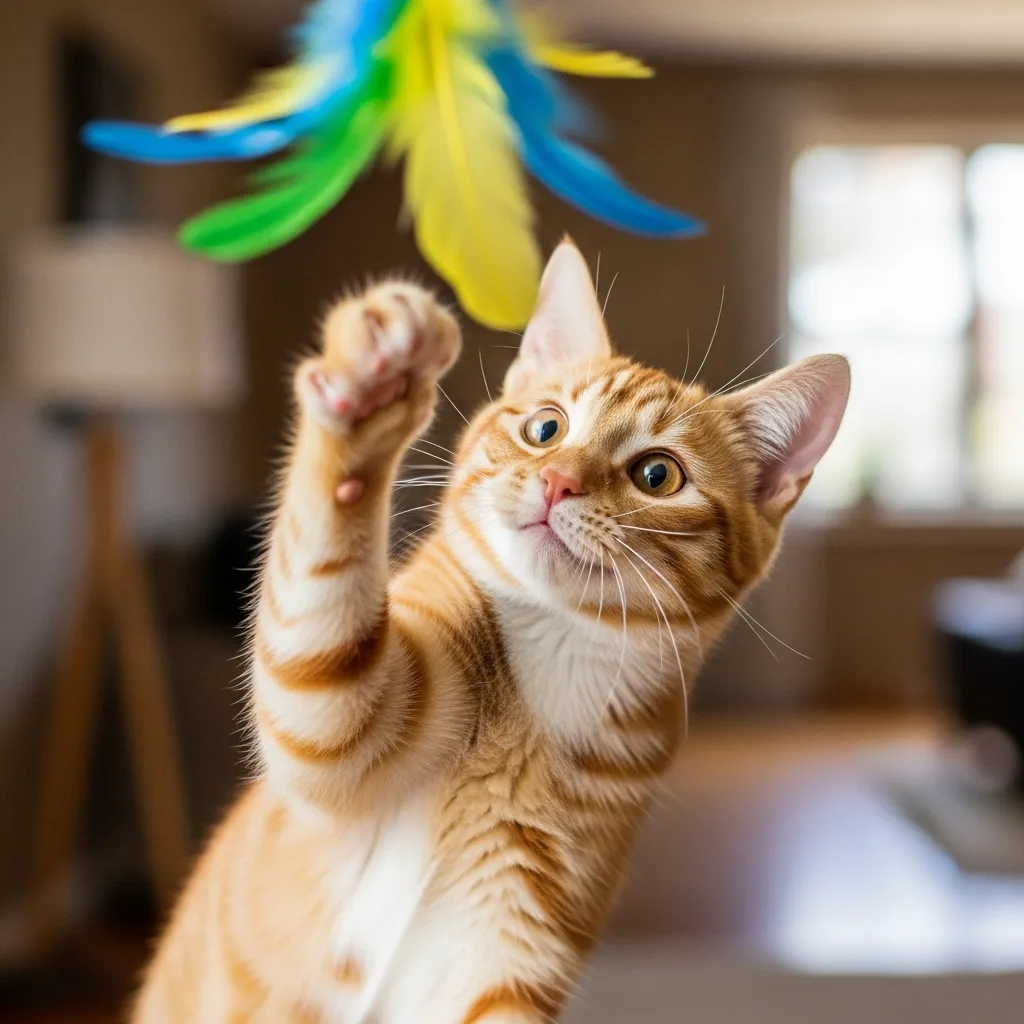
Separating Fact from Folklore
The stereotype of the outgoing, slightly clumsy “himbo” orange cat is pervasive in memes and personal anecdotes. While there is no definitive scientific study that proves coat color directly dictates personality, many veterinarians and behaviorists acknowledge trends based on owner reports.
Common traits associated with orange cat behavior include:
- Sociable and Affectionate: Often described as “people cats” who form strong bonds.
- Playful and Goofy: Many owners report a kitten-like playfulness that lasts into adulthood.
- Vocal: They aren’t afraid to tell you what they want, especially when it involves food!
However, it’s crucial to remember that a cat’s personality is a complex soup of breed, early socialization, individual history, and environment. A Maine Coon cat‘s gentle nature will express itself differently than a Siamese cat‘s vocal demands, regardless of coat color. Learn more about how breed influences behavior in our cat breeds and personalities guide.
The Female Orange Cat Temperament
So, is there a difference between male and female orange cat temperaments? While males are often stereotyped as laid-back, females can be just as affectionate but may display a more nuanced intelligence and independence. Many owners of ginger females describe them as highly perceptive, confident, and deeply bonded to their favorite person.
Health and Lifespan: Caring for Your Golden Girl
When discussing orange cat health, the primary question is whether their unique color comes with any specific health considerations.
Are Orange Cats Prone to Specific Health Issues?
Coat color itself is not a direct cause of disease. However, some studies have suggested correlations that are important for owners to be aware of:
- Higher Risk of Obesity: Their legendary love for food can sometimes lead to weight management issues. It’s vital to monitor their diet and encourage play. If you’re concerned about your cat’s weight, our article on why is my cat gaining weight can help.
- Increased Susceptibility to Dental Disease: Some research indicates that orange cats may be more prone to developing resorptive lesions and other dental problems. Regular dental care is non-negotiable.
- No Gender-Specific Risks: A female orange cat does not have health issues different from other females of her breed. She requires the same preventative care, including spaying to prevent serious conditions like pyometra in cats.
Maximizing Your Orange Cat’s Lifespan
The average orange cat lifespan is a robust 12-15 years, with many living well into their late teens with proper care. The keys to a long, healthy life are universal:
- High-Quality Nutrition: Feed a balanced diet appropriate for her age and activity level.
- Regular Veterinary Check-ups: Stay on top of vaccinations and preventative care.
- Mental and Physical Enrichment: Combat boredom and obesity with interactive toys and play sessions. Our guide on cat exercise needs is a great resource.
- Indoor Living: Keeping your cat indoors significantly reduces the risk of accidents, fights, and disease.
Famous Female Orange Cats and Cultural Icons
While the most famous orange cats are male (Garfield, Morris, Heathcliff), female ginger cats have made their mark. Crookshanks from Harry Potter, while not explicitly stated in the films, was described by J.K. Rowling as a “half-Kneazle” who was unusually intelligent a perfect nod to the perceptive nature many attribute to ginger females.
In ancient cultures, orange cats were often seen as symbols of good luck and prosperity, their golden coats representing the sun and wealth.
Conclusion: A Rare and Rewarding Companion
The female orange cat is more than just a pretty face with a rare coat. She is a living testament to the wonders of feline genetics, a captivating blend of sunshine and sass. From the intricate dance of chromosomes that brought her into being to her potential for a deeply affectionate and lively personality, she is a truly special companion.
Whether you are lucky enough to share your life with one of these golden girls or are simply an admirer from afar, understanding the science and story behind them only deepens the appreciation for their unique place in the feline world.
Ready to decode more feline mysteries? Explore our library of expert guides on cat behavior, health, and breeds at Cat Bloom Haven.
Frequently Asked Questions (FAQ)
How rare is a female orange cat?
Approximately 1 in 5 orange cats (20%) are female. This rarity is due to the orange gene being located on the X chromosome, requiring a female to inherit two copies of the gene to display the color.
What role do genetics play in the coloration of orange cats?
The orange color comes from a pigment called pheomelanin, controlled by the “O” gene on the X chromosome. Males (XY) need only one copy to be orange, while females (XX) need two copies, making solid orange females less common.
Can a female orange cat have non-orange kittens?
Yes, absolutely. The color of her kittens depends on the genes she passes on and the genes of the father. She could have orange, ginger, calico, tortoiseshell, or solid-colored kittens depending on the genetic combination.
Are all orange cats tabby cats?
Virtually all orange cats display some form of tabby pattern (classic, mackerel, spotted, or ticked). A solid orange cat with no stripes or patterns is exceptionally rare due to the interaction of the tabby gene with the orange color.
Are female orange cats more aggressive than males?
No. There is no evidence that coat color determines aggression. A cat’s personality is influenced by genetics (breed), socialization, environment, and individual history. A well-socialized female orange cat can be just as gentle and loving as any other cat.
What are some famous female orange cats?
The most prominent example is Crookshanks from the Harry Potter series, who was explicitly a female ginger cat in the books, known for her intelligence and loyalty.