How Much Exercise Does a Cat Need? The Ultimate Guide to Indoor Cat Fitness, Playtime, and Preventing Obesity
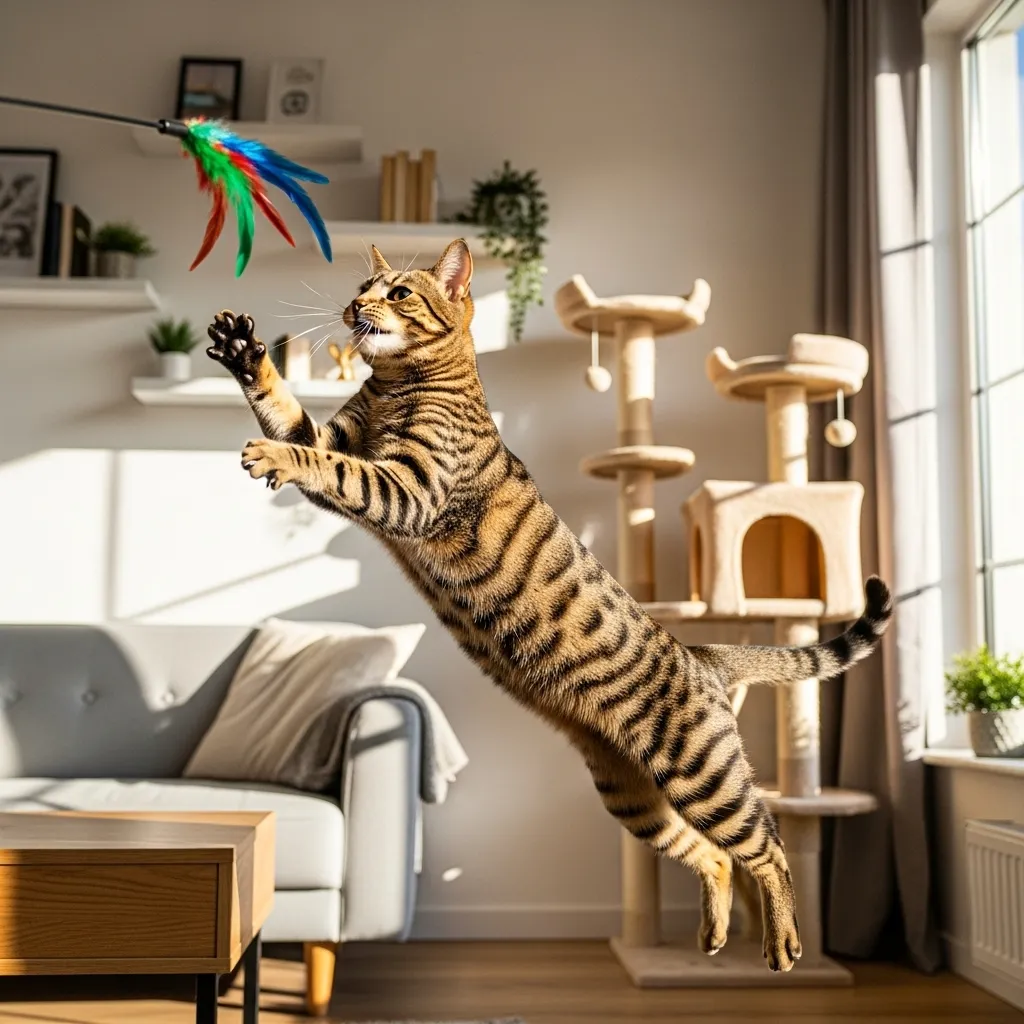
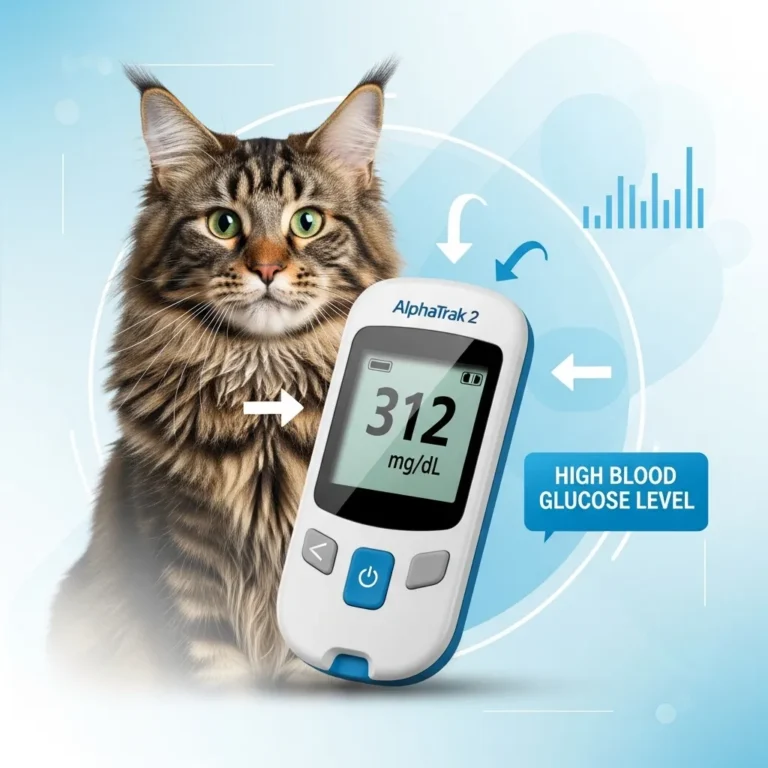
Picture this: Your sleek feline friend lounges on the windowsill, tail flicking lazily as sunlight dances across their fur. They look perfectly content but are they truly thriving? For millions of indoor cats, that serene scene hides a growing problem. Without enough cat exercise, these natural hunters slip into sedentary habits, packing on pounds and inviting health issues like diabetes, arthritis, and even depression. If you’ve ever wondered how much exercise does a cat need to stay lean, alert, and happy, you’re in the right place.
As a cat behavior specialist with over a decade of hands-on experience rescuing and rehabilitating indoor cats at shelters and in homes, I’ve seen firsthand how targeted indoor cat exercise transforms “couch potatoes” into playful predators. In this comprehensive guide, we’ll dive deep into cat fitness and activity, from daily requirements to creative cat exercise ideas that fit any home. You’ll discover vet-approved cat playtime tips, routines to combat obesity in indoor cats, and the latest 2025 trends like smart cat toys and multi-level cat environments.
By the end, you’ll have a customizable plan to keep your cat active, enriched, and healthy plus internal links to breed-specific advice on Cat Bloom Haven. Let’s turn your lazy lounger into a vibrant athlete.
Key Takeaways: Your Cat Exercise Cheat Sheet
- Daily goal: 20–60 minutes of active play, split into 2–3 cat play sessions, depending on age, breed, and health.
- Indoor focus: Prioritize exercise for indoor cats with interactive toys, climbing structures, and training.
- Signs of success: Maintain ideal weight, shiny coat, and eager engagement in cat enrichment and stimulation.
- Red flags: Lethargy, weight gain, or destructive behavior signal insufficient cat activity requirements.
- Pro tip: Balance activity with cat rest and recovery to avoid burnout—cats need 12–16 hours of sleep daily.
Ready to build healthy cat habits? Let’s break it down step by step.
Understanding Cat Activity Requirements: Why Movement Matters More Than You Think
Cats aren’t built for marathon runs, but their wild ancestors (like the African wildcat) spent hours stalking, pouncing, and climbing daily. Domestication hasn’t erased those instincts it’s just confined them to our living rooms. Without outlets for cat exercise, pent-up energy leads to boredom, stress, and health woes.
Veterinarians from the American Veterinary Medical Association (AVMA) emphasize that regular cat fitness and activity prevents obesity in indoor cats, which affects up to 60% of felines in the U.S. Excess weight strains joints, hearts, and organs, shortening lifespan by 2–3 years on average. But the benefits of exercise for cats go beyond physical health:
- Mental stimulation: Mimics hunting, reducing anxiety and cat boredom prevention.
- Bonding: Strengthens your relationship through interactive play.
- Behavior improvement: Curbs scratching, midnight zoomies, and aggression.
Individual needs vary. Kittens and high-energy breeds like Bengals (check our Bengal cat personality guide) demand more cat activity tips than seniors or laid-back Persians. Factors like spaying/neutering reduce metabolism by 20–30%, so adjust accordingly—explore more in our spaying a cat guide.
Recognizing Your Cat’s Unique Exercise Needs
Start with a quick assessment:
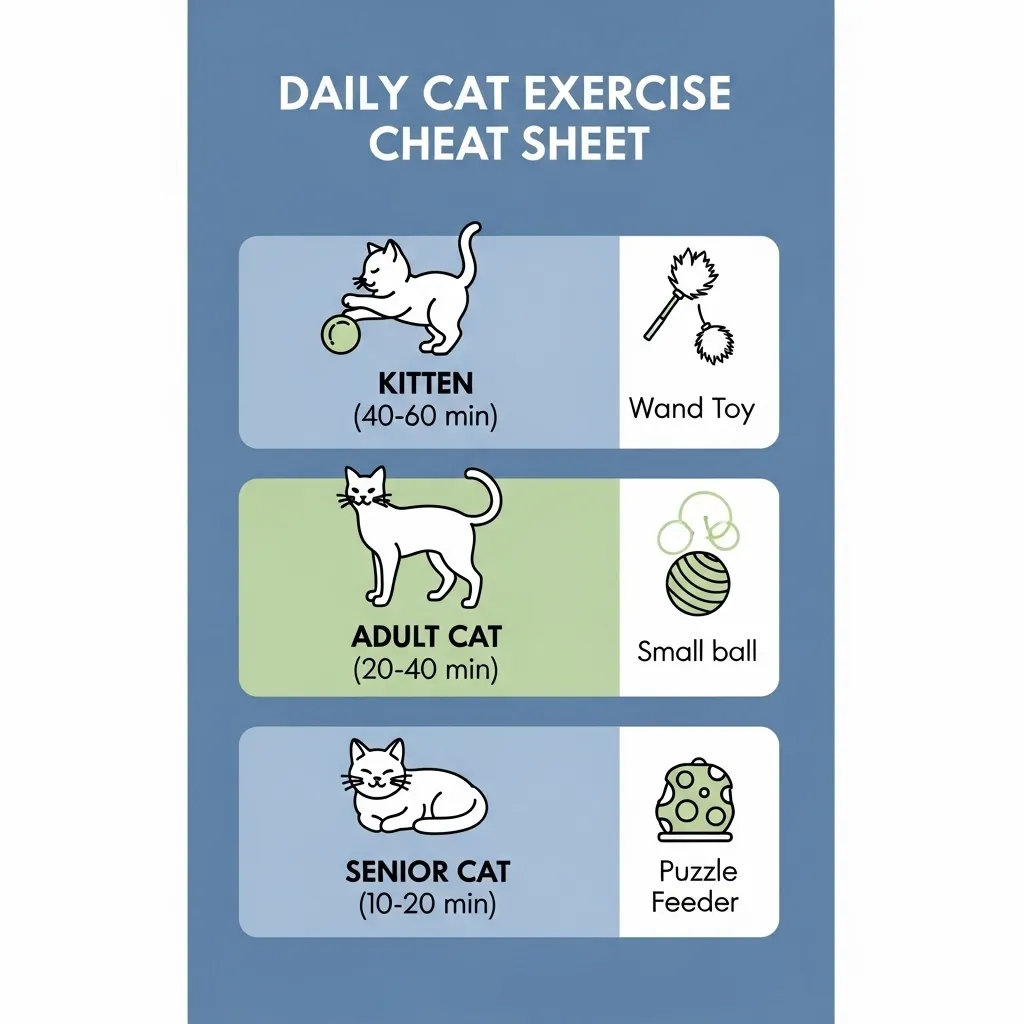
- Age: Kittens (under 1 year) need 30–60 minutes; adults 20–40; seniors 10–20.
- Breed: Active types (Siamese, Maine Coon) thrive on training and exercise for cats; mellow ones (Ragdoll) prefer gentle playtime ideas for cats.
- Health: Overweight or arthritic cats start slow consult our finding the best vet for your cat for personalized plans.
- Personality: Observe play style. Does your cat chase lasers or prefer wrestling? Tailor cat exercise routines accordingly.
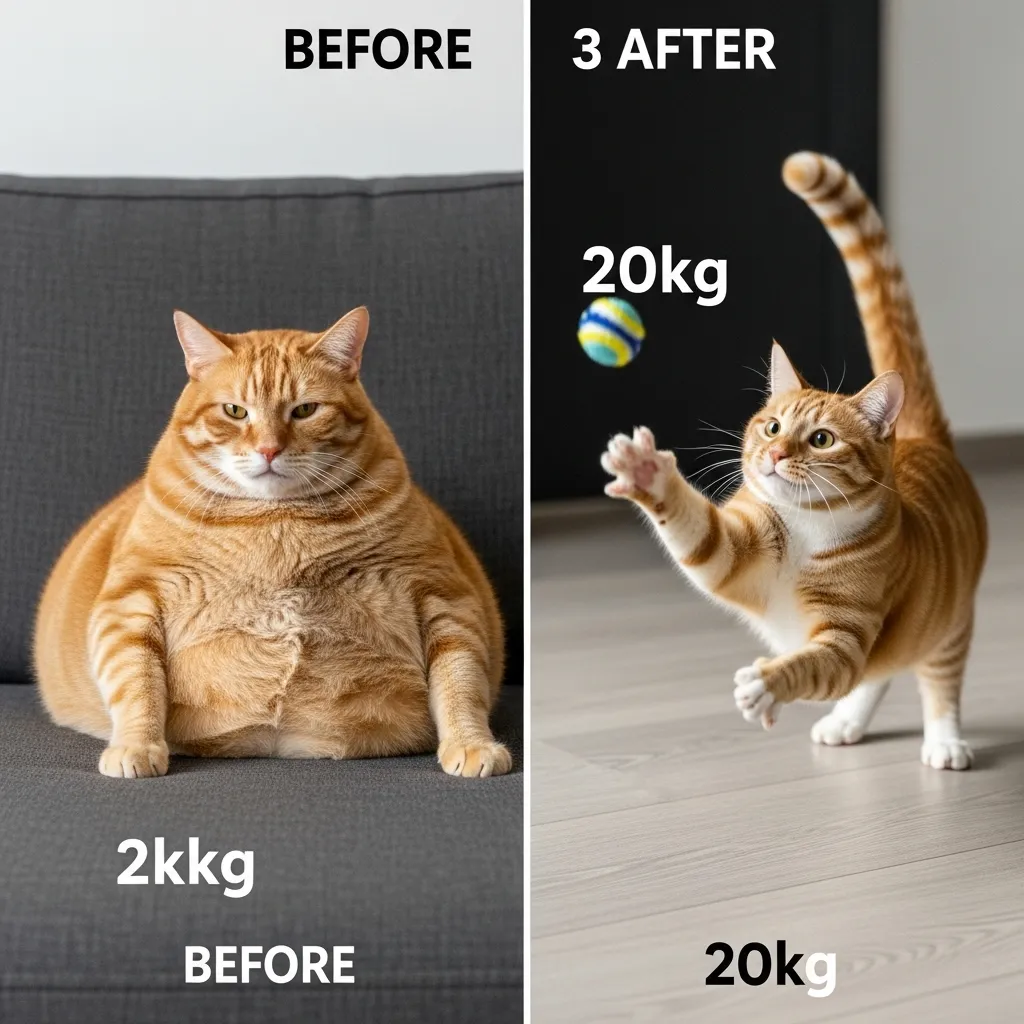
Pro insight: Weigh your cat monthly. Ideal body condition? You should feel ribs easily without seeing them. If not, ramp up cat exercise for weight loss.
How Much Exercise Does a Cat Need Daily? Debunking the 30-Minute Myth
The often-cited “30-minute rule” for cat exercise is a solid starting point but it’s not one-size-fits-all. Research from the Journal of Feline Medicine and Surgery suggests splitting activity into short bursts to match cats’ natural sprint-rest cycles.
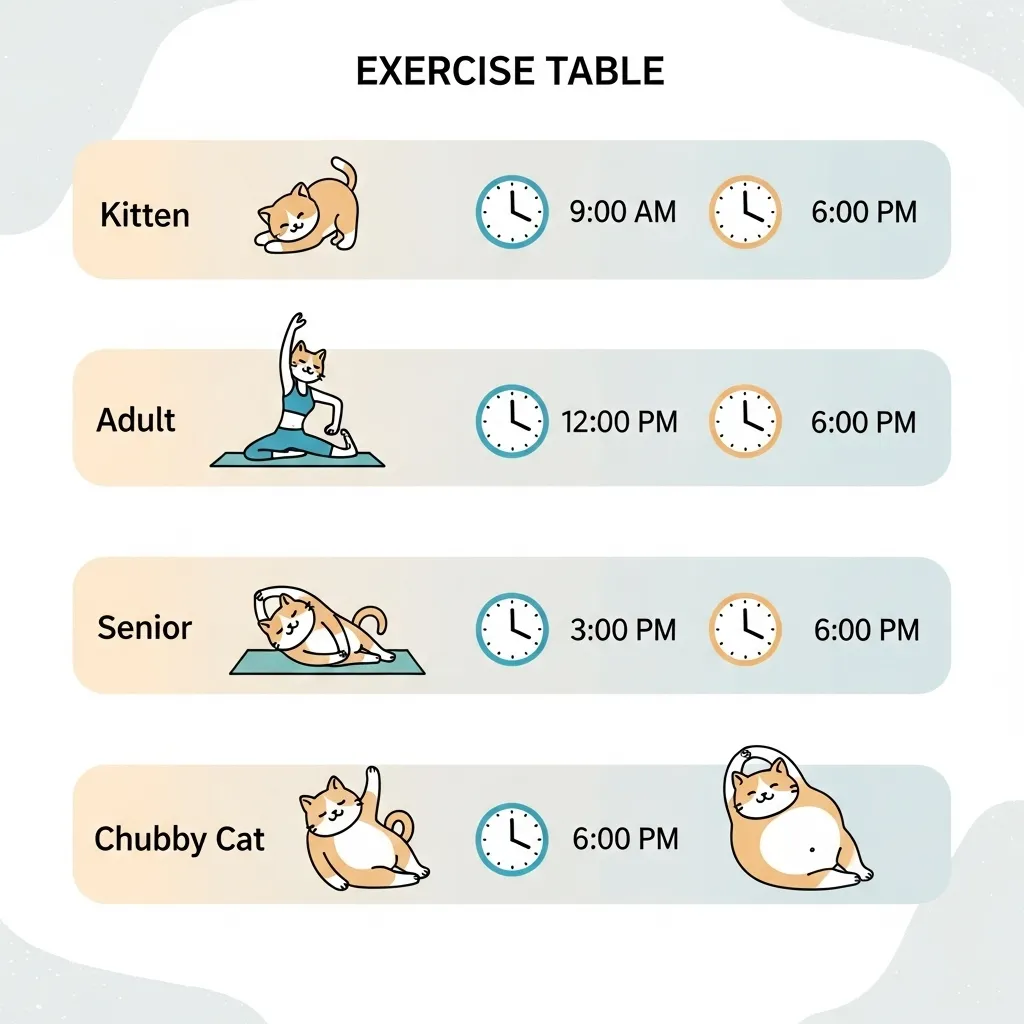
| Cat Type | Recommended Daily Exercise | Session Breakdown |
|---|---|---|
| Kitten (3–12 months) | 40–60 minutes | 3–4 x 10–15 min |
| Adult (1–7 years) | 20–40 minutes | 2–3 x 10–15 min |
| Senior (8+ years) | 10–20 minutes | 2 x 5–10 min |
| Overweight | 15–30 minutes (gradual) | 3 x 5–10 min + diet |
Focus on quality over quantity. A 10-minute intense chase session beats 30 minutes of half-hearted wand-waving. For indoor cat health, aim for variety: 50% aerobic (chasing), 30% strength (climbing), 20% mental (puzzles).
Real-life example: I once rehabbed a 15-pound American Shorthair (similar to profiles in our American Shorthair cats guide). We started with two 5-minute cat play sessions daily using feather toys. Within months, he lost 3 pounds and regained playful energy—proof that consistent keeping cats active works wonders.
Indoor Cat Exercise Essentials: Building a Stimulating Home Gym
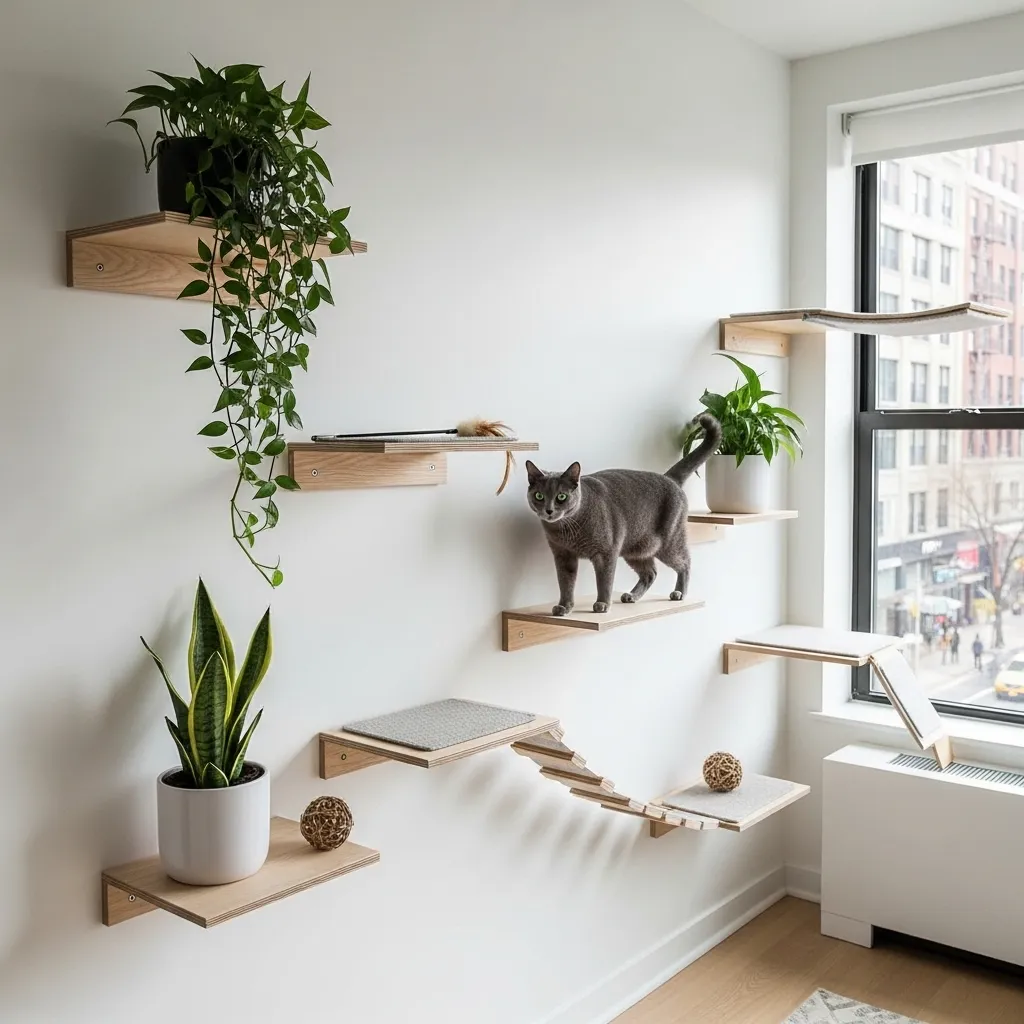
Outdoor cats get natural workouts roaming territories up to 2 acres. Indoor felines? They rely on you for cat enrichment activities. Transform your space into a feline fitness paradise without breaking the bank.
Creating Multi-Level Cat Environments for Vertical Adventure
Cats love height—it triggers confidence and exercise. Install shelves, cat trees, or window perches for multi-level cat environments. Benefits:
- Burns calories jumping (up to 50 per leap!).
- Provides escape routes, reducing stress in multi-cat homes.
- Encourages cat exercise ideas like parkour circuits.
Budget tip: DIY with IKEA shelves and carpet remnants. For inspiration, see how Munchkins adapt in our Munchkin cat playfulness article.
Interactive Cat Toys: The 2025 Must-Haves for Engagement
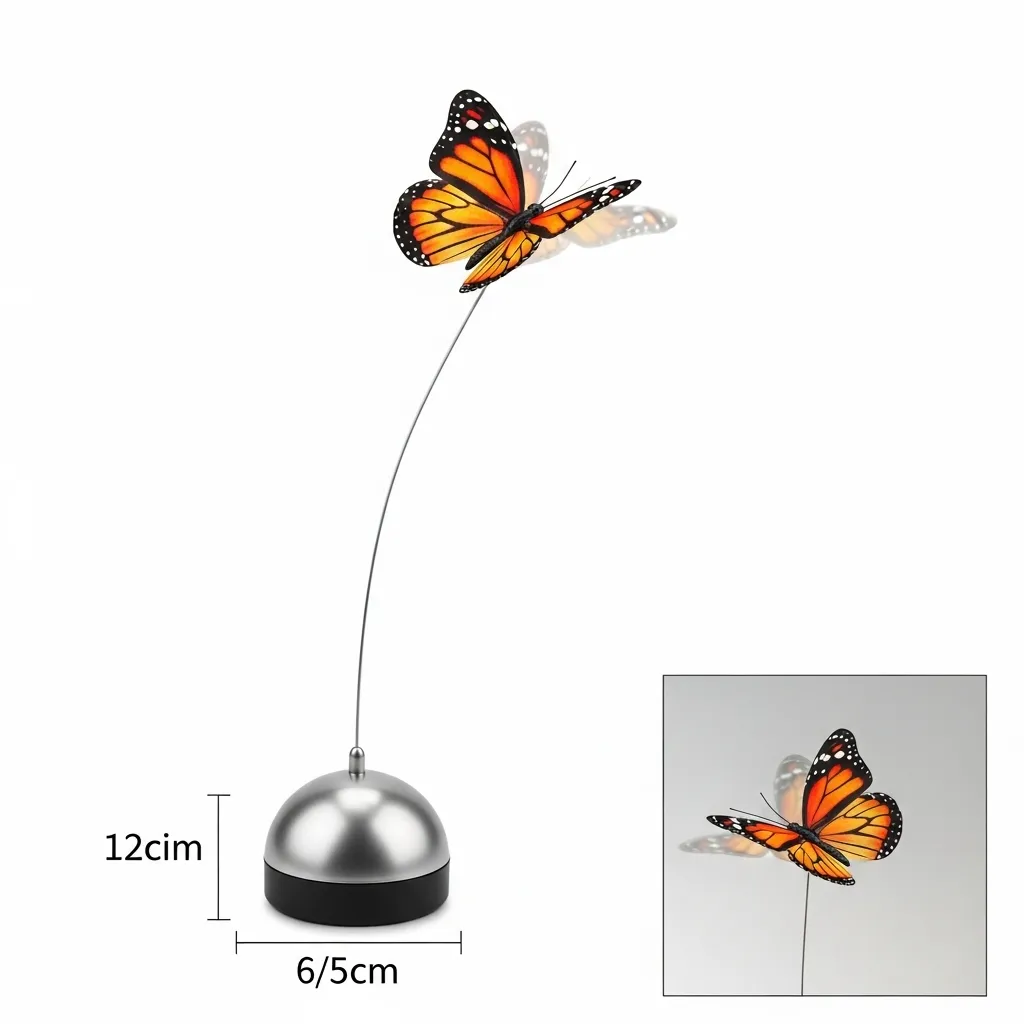
Gone are floppy mice—enter smart cat toys with AI and motion sensors. Top picks:
- Laser towers: Auto-random patterns prevent predictability.
- App-controlled balls: Schedule play while you’re at work.
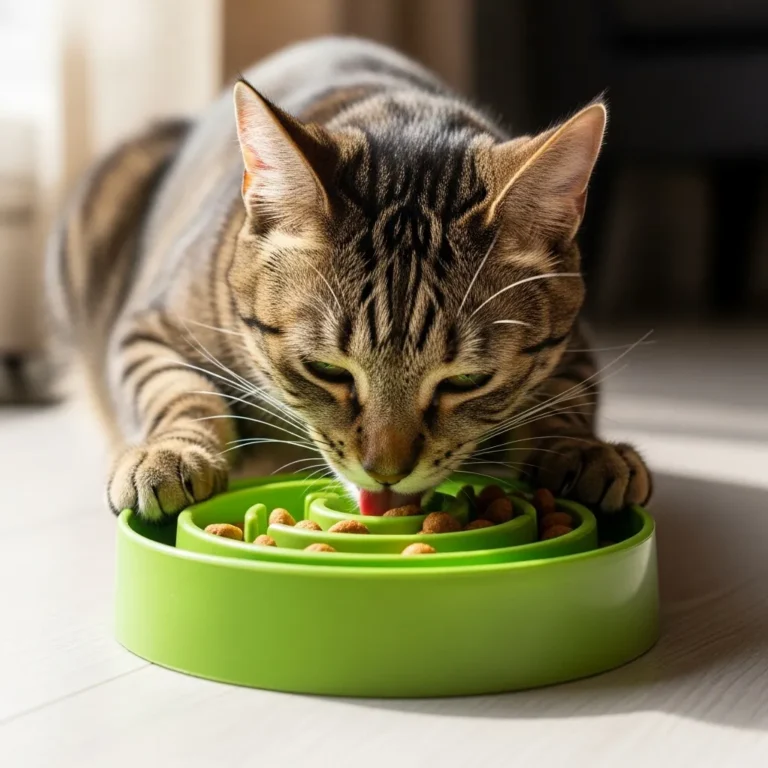
- Feeder puzzles: Combine meals with mental workouts.
Studies show puzzle toys for cats increase activity by 25% and reduce overeating. Pair with cat enrichment and stimulation for double wins—learn puzzle-solving in our teach cat to fetch guide.
Lazy Cat Exercise Ideas: Motivating the Reluctant Feline
Got a couch potato? Try these low-effort lazy cat exercise ideas:
- Food scattering: Hide kibble around the room for foraging.
- Window watching: Bird feeders outside spark instinctive pouncing.
- Gentle wand play: Short sessions from your seat.
For breeds prone to laziness like Ragdolls, check our Ragdoll cat obesity guide.
Cat Playtime Tips: Mastering Sessions for Maximum Fun and Fitness
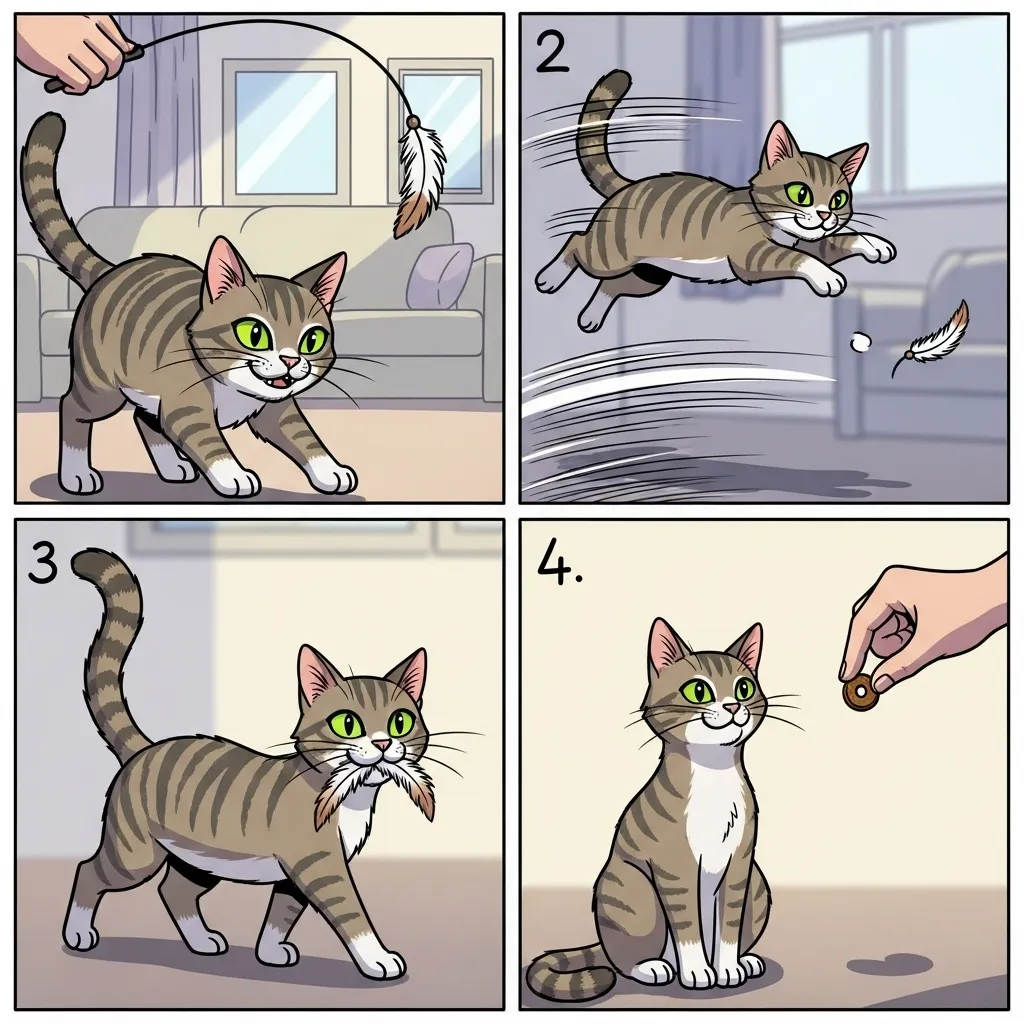
Effective cat play sessions mimic the hunt: Stalk, chase, capture, eat, groom. Follow this structure:
- Warm-up (2 min): Tease with slow movements.
- Peak action (5–10 min): Fast chases and jumps.
- Cool-down (2 min): Let them “catch” and carry the toy.
- Reward: Small treat or cuddle.
Cat playtime tips from pros:
- Rotate toys weekly to prevent boredom.
- End on a win—never frustrate.
- Use positive reinforcement; explore training and exercise for cats in our cat training behavior section.
Indoor Cat Workout Routines: Sample Weekly Plans
Customize these indoor cat workout routines:
Beginner (Overweight/Senior):
- Mon/Wed/Fri: 10 min feather wand + 5 min puzzle feeder.
- Tue/Thu: 5 min laser + window perch time.
- Weekend: Free exploration with new box fortress.
Advanced (Young/Active):
- Daily: 15 min chase + 10 min climbing circuit.
- Add cat exercise routines like leash walking indoors.
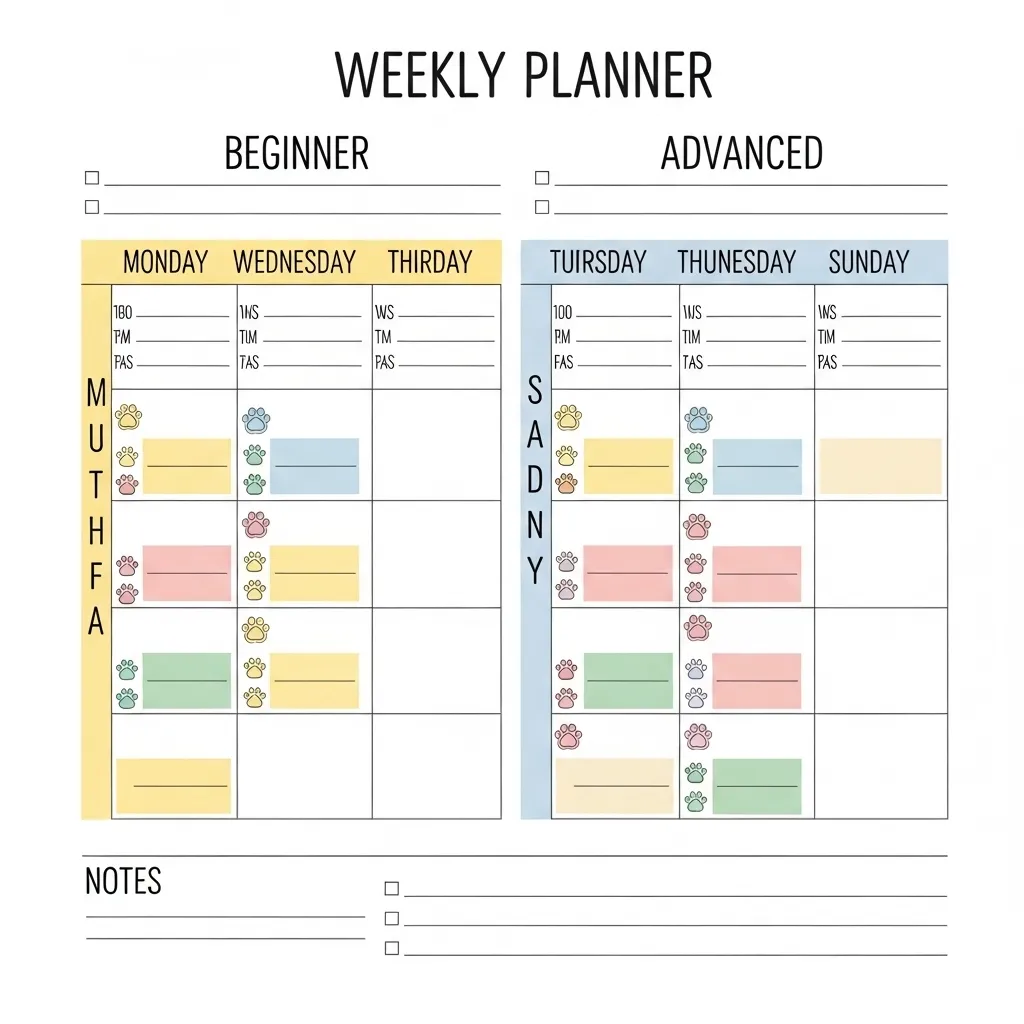
Track progress in a journal. Adjust for cat rest and recovery—overdoing leads to injury.
Advanced Strategies: Training, Enrichment, and Weight Management
Elevate cat fitness and activity with integrated approaches.
Training and Exercise for Cats: Teach Tricks That Torch Calories
Clicker training burns mental energy equivalent to physical play. Teach:
- Fetch: Great for cat exercise for weight loss.
- High-five: Builds core strength.
- Agility: Weave through cones.
Breeds like Siamese excel—dive deeper in our keep Siamese cats entertained guide.
Combating Obesity in Indoor Cats: A Multi-Prong Approach
Exercise alone isn’t enough. Combine with:
- Portion control (use our choosing cat food guide).
- High-protein diets.
- Regular vet check-ups for thyroid issues.
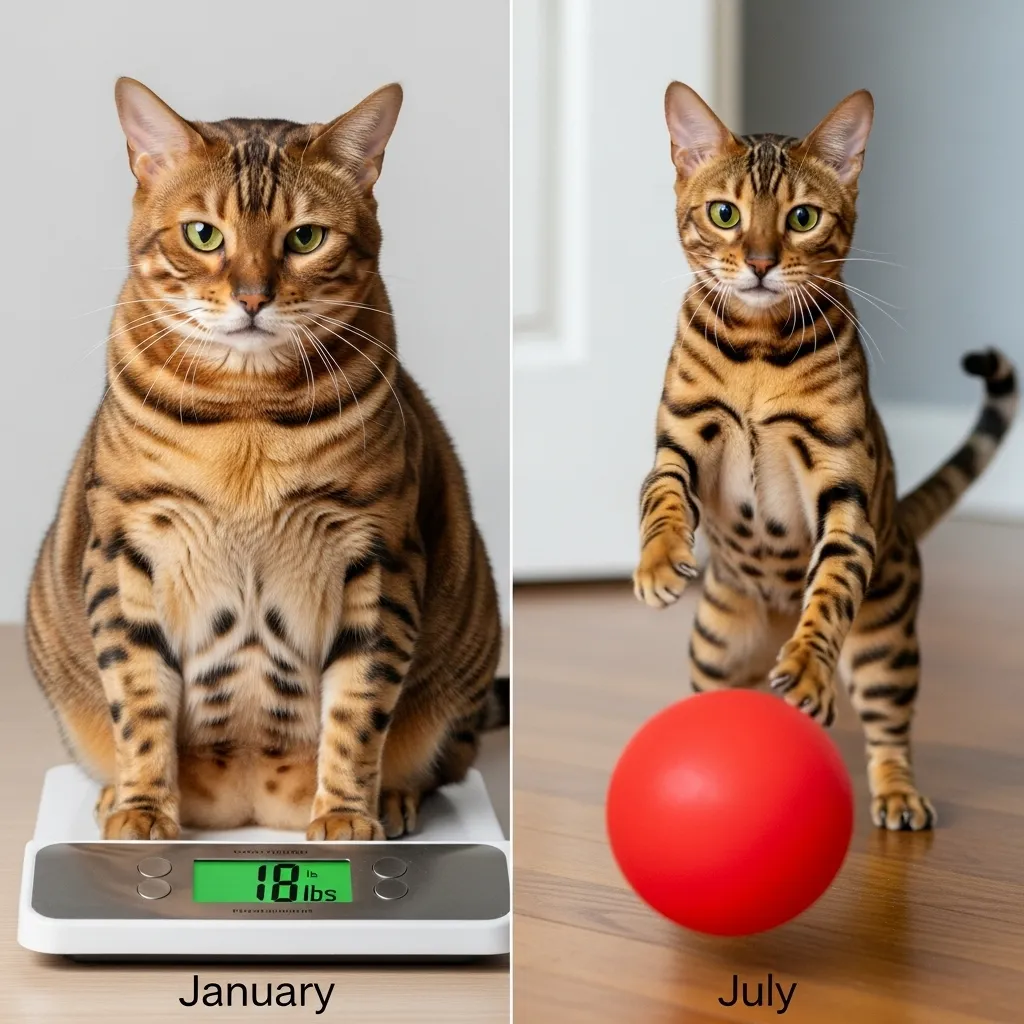
Success story: A Bengal owner reduced their cat’s weight from 18 to 12 pounds in 6 months with daily interactive cat toys and portioned meals—similar to tips in our Bengal cat guide.
Cat Enrichment and Stimulation: Preventing Boredom Beyond Toys
Incorporate:
- Scent games: Hide catnip sachets.
- Sound play: Bird chirp apps.
- Social interaction: Multi-cat playdates if compatible.
For multi-pet homes, see Munchkin cats dogs coexistence.
Balancing Act: Cat Rest and Recovery in a Healthy Lifestyle
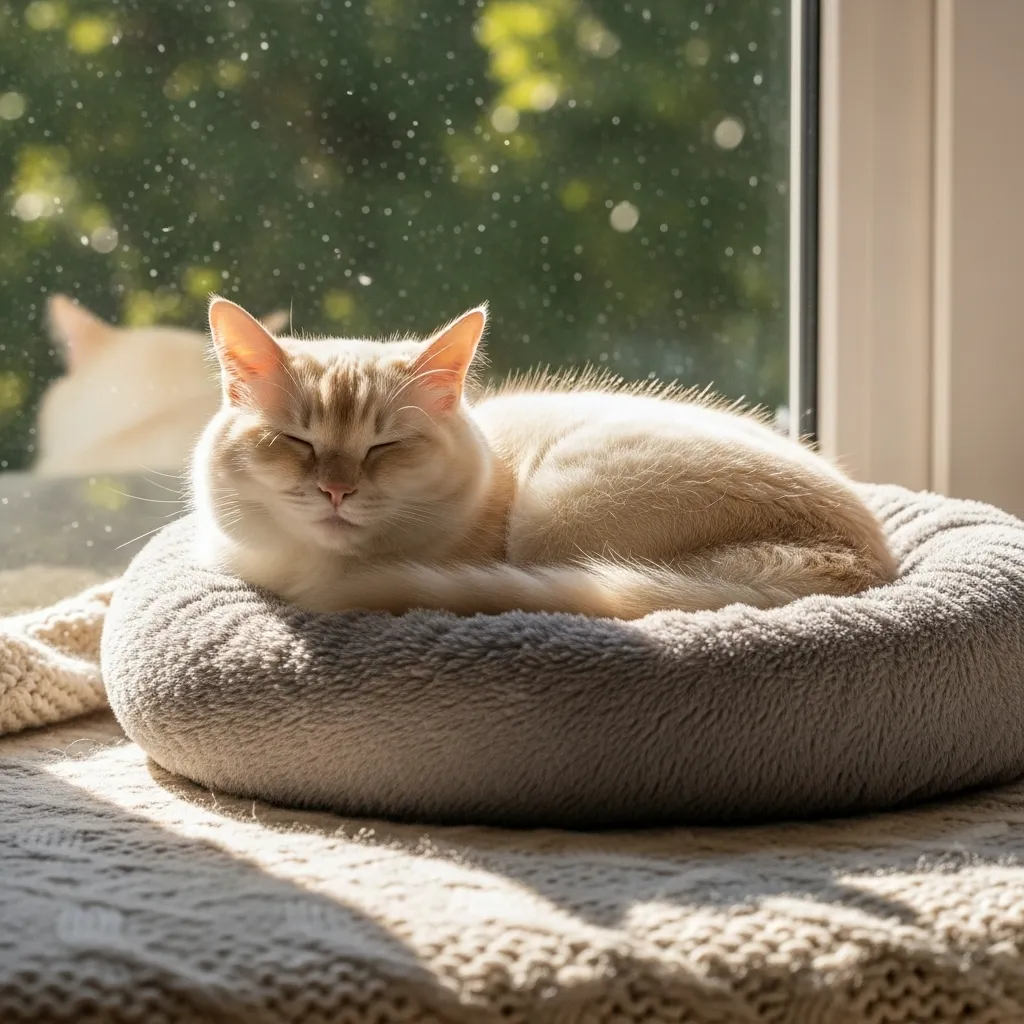
Exercise is vital, but so is downtime. Cats sleep 70% of the day for good reason—muscle repair and mental processing. Signs of over-exertion:
- Excessive panting.
- Hiding or irritability.
- Limping.
Promote healthy lifestyle for cats with cozy beds (try recommendations in best beds for American Shorthair cats) and quiet zones.
FAQ: Quick Answers to Your Burning Cat Exercise Questions
How much exercise does a cat need?
20–60 minutes daily, split into short bursts tailored to age and health.
What are some cat exercise ideas for indoors?
Chasing wand toys, climbing cat trees, puzzle feeders, and laser pointers.
Why is exercise important for indoor cats?
Prevents obesity, reduces stress, and fulfills hunting instincts.
How can I create cat play sessions that work?
Mimic hunting cycles, rotate toys, and always let them “win.”
What about lazy cat exercise ideas?
Start with food puzzles, window bird-watching, or gentle teasing from afar.
Are smart cat toys worth it in 2025?
Absolutely—AI motion toys provide independent play and track activity.
How do I build indoor cat workout routines?
Combine aerobic, strength, and mental activities; monitor weight weekly.
What role does cat rest and recovery play?
Essential for preventing injury; ensure 12–16 hours of sleep.
Final Pounce: Unlock Your Cat’s Full Potential with Consistent Activity
Mastering how much exercise a cat needs isn’t about rigid rules—it’s about observing, adapting, and enjoying the process. From indoor cat exercise basics to cutting-edge cat enrichment activities, you’ve now got the tools to foster a vibrant, healthy feline life. Start small, stay consistent, and watch your cat transform.
Remember: A fit cat is a happy cat. For breed-specific tweaks, explore our American Shorthair playful personality or Norwegian Forest cat care.
Explore more expert cat care and behavior guides on Cat Bloom Haven—your one-stop resource for thriving felines. What’s your cat’s favorite workout? Share in the comments and let’s keep the conversation purring!