What Happens If I Stop Giving My Cat Thyroid Medicine?
Imagine coming home to find your once-playful senior cat pacing restlessly, meowing more than usual, and looking thinner despite eating everything in sight. These could be signs of feline hyperthyroidism, a common condition in older cats that disrupts their thyroid hormone balance. If your cat is on medication like methimazole, you might wonder what happens if you stop giving it.
The short answer is that symptoms can return quickly, leading to serious health risks. In this guide, we’ll explore the consequences of stopping cat thyroid medication, why consistent treatment matters, and how to manage this disease effectively. You’ll learn about symptoms, diagnosis, treatment options, and tips for long-term care, all to help your cat thrive.
Key Takeaways
- Stopping methimazole abruptly can cause hyperthyroidism symptoms to rebound, including rapid weight loss, heart issues, and high blood pressure.
- Untreated hyperthyroidism in cats shortens life expectancy, often leading to heart failure or kidney complications within 1-2 years.
- Methimazole controls symptoms but doesn’t cure the disease; alternatives like radioactive iodine therapy offer a potential permanent fix.
- Regular vet monitoring is essential, especially since hyperthyroidism often overlaps with kidney disease in cats.
- A low-iodine diet can help manage mild cases, but consult your vet before changes.
Understanding Feline Hyperthyroidism
Feline hyperthyroidism happens when the thyroid gland, located in your cat’s neck, produces too much thyroid hormone. This gland regulates metabolism, energy levels, and organ function. In cats, overproduction usually stems from benign tumors on the gland, common in those over 10 years old. Unlike in humans, where it might be autoimmune, in cats it’s often age-related.
This hormone imbalance speeds up everything: heart rate, digestion, and calorie burn. Without treatment, it strains the body. I’ve seen cases where owners notice subtle changes first, like increased thirst or a scruffier coat, before realizing it’s thyroid-related. Early recognition makes a big difference.
Common Symptoms of Hyperthyroidism in Cats
Hyperthyroidism symptoms in cats can mimic other issues, but they build over time. Watch for these signs, especially in older cats:
- Weight loss despite a ravenous appetite
- Increased thirst and urination
- Restlessness or hyperactivity, like night-time yowling
- Vomiting or diarrhea
- Poor coat condition, with greasy or matted fur
- Rapid heartbeat or breathing
- Muscle weakness in later stages
Less common signs include loss of smell or odd behaviors, like acting disoriented. If your cat shows several of these, a vet visit is crucial. For instance, one client described her cat as “always hungry but fading away,” which turned out to be classic hyperthyroidism.
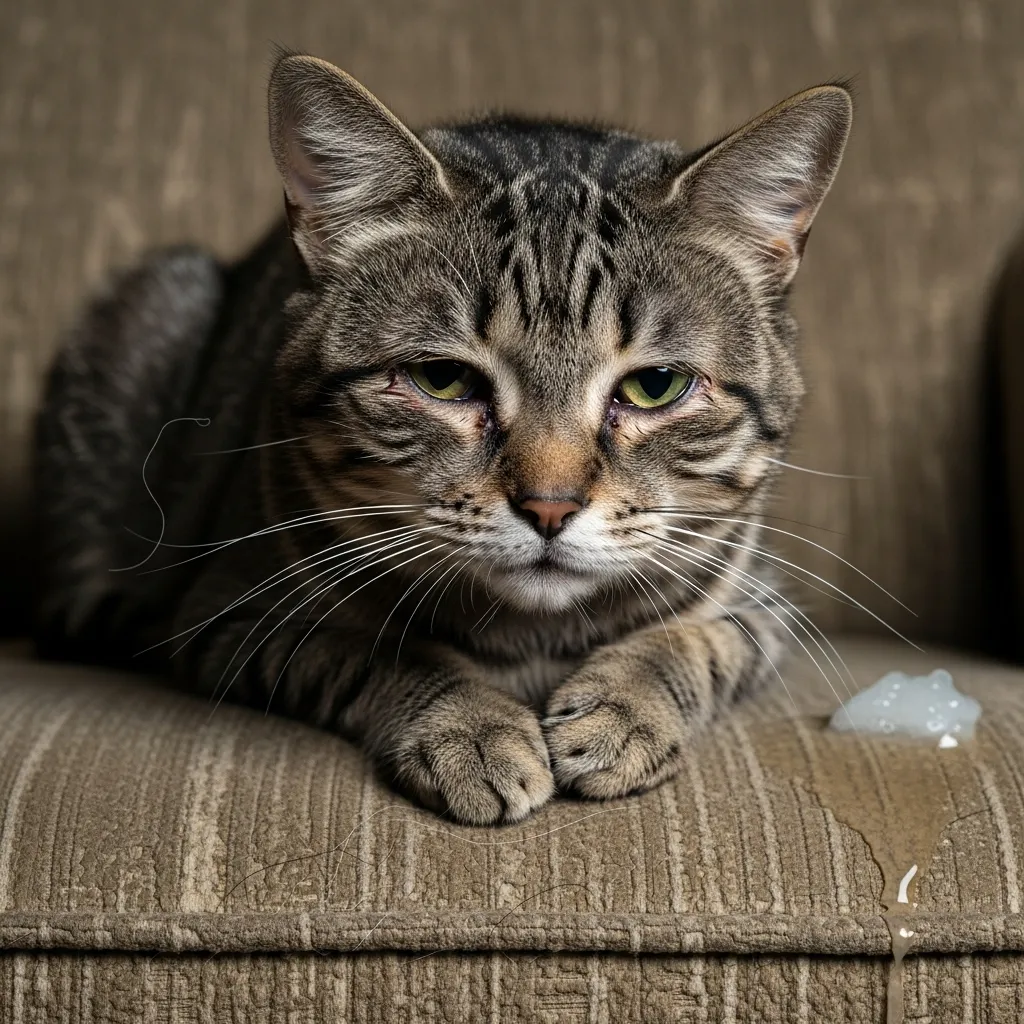
How Hyperthyroidism is Diagnosed in Cats
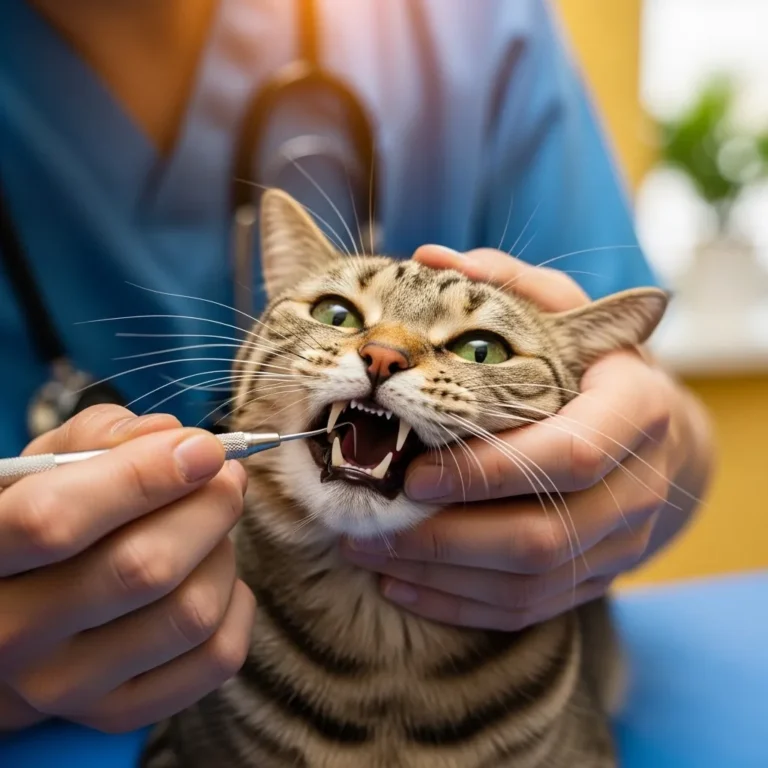
Diagnosis starts with a physical exam. Your vet will palpate the neck for an enlarged thyroid gland, often felt as a small lump. Blood tests measure thyroid hormone levels (T4), which are elevated in most cases. If results are borderline, a free T4 test or T3 suppression test might follow.
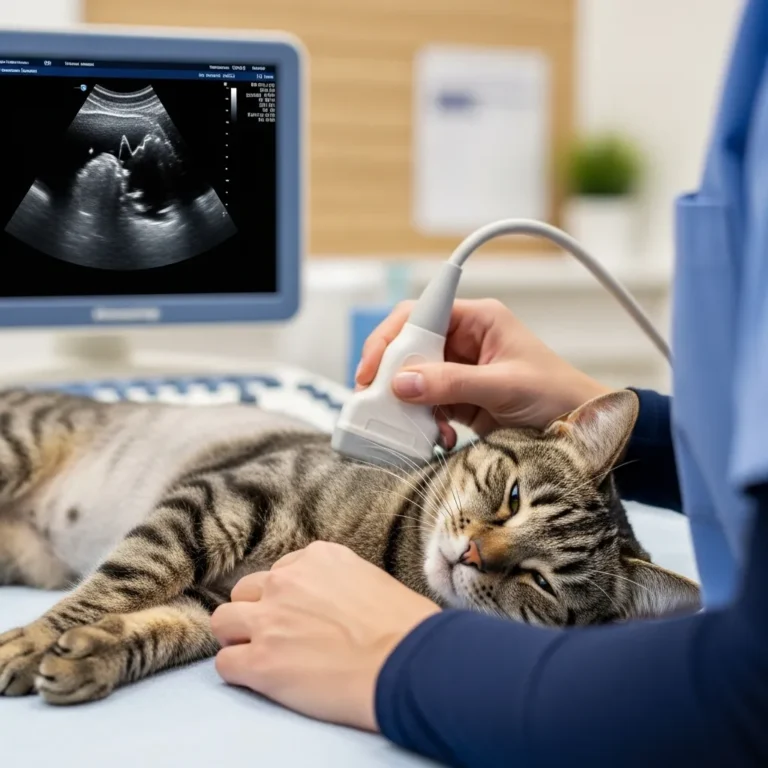
Additional checks include blood pressure measurement, since hypertension is common, and screening for kidney function, as these issues often coincide. An ultrasound or scintigraphy scan can confirm tumors. Expect costs around $200-500 for initial diagnostics, depending on your location.
Place an image here showing a vet check.
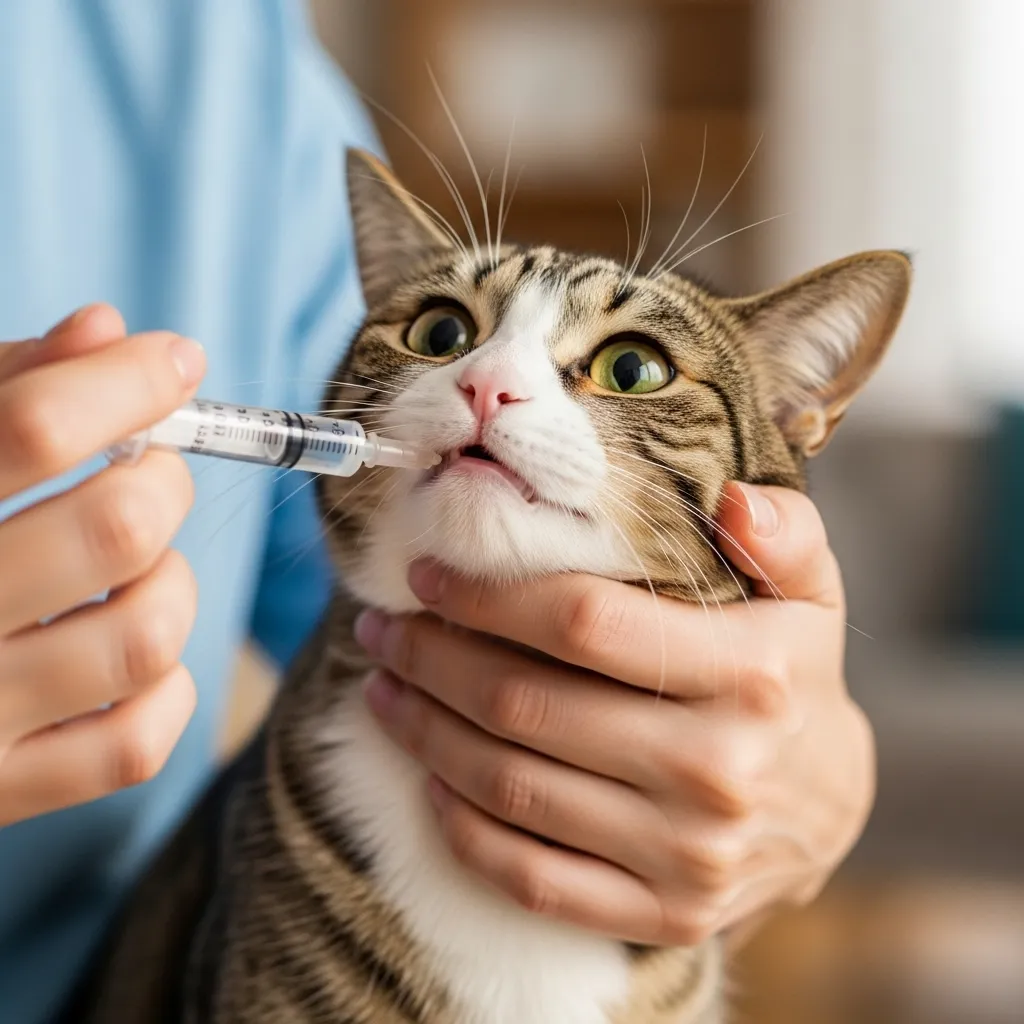
The Role of Methimazole in Treating Cat Hyperthyroidism
Methimazole, often branded as Felimazole, is the go-to medication for feline hyperthyroidism. It blocks thyroid hormone production, stabilizing your cat’s metabolism. Dosed twice daily, it comes in pills, liquid, or transdermal gel for easier application on the ear.
Side effects include vomiting, lethargy, or facial itching in about 15-20% of cats, usually resolving early on. Rare serious issues like blood disorders require monitoring. Transdermal methimazole gel minimizes gut upset but can cause skin irritation.
How to give it: For pills, use a pill popper or hide in treats. For gel, apply to the inner ear with gloves. Consistency is key; missing doses can spike hormones.
Place an image here of medication administration.
What Happens If You Stop Methimazole Suddenly
Stopping cat thyroid medicine abruptly lets hormone levels surge, reviving symptoms within days. Your cat might lose more weight, develop heart arrhythmias, or face hypertension, risking organ damage.
Untreated hyperthyroidism in cats leads to muscle wasting, heart disease, and often death from complications like thromboembolism. Prognosis without treatment is poor; many cats survive only 1-3 years, versus 5+ with management. Late-stage signs include severe weakness, intractable vomiting, or coma.
If you must stop due to side effects, taper under vet guidance and explore alternatives.
Managing Missed Doses or Skipped Medication
If your cat misses a methimazole dose, give it as soon as remembered, unless close to the next one then skip and resume normally. Occasional skips might not harm, but frequent ones can destabilize control.
For short gaps, like travel, consult your vet; extended skips risk rebound. Set reminders or use auto-feeders for consistency.
Alternative Treatments for Feline Hyperthyroidism
Methimazole isn’t the only option. Radioactive iodine therapy (I-131) destroys overactive thyroid tissue with a single injection, curing 95-98% of cases. Costs in 2025 range from $1,500-$2,200, including hospitalization. Cats stay isolated 1-2 weeks due to radioactivity.
Surgery removes the gland but risks complications like hypocalcemia. A low-iodine diet, like Hill’s y/d, manages mild cases by limiting hormone production.
Natural remedies, like bugleweed or L-carnitine, show promise but lack strong evidence; use alongside vet care.
Place an image here of I-131 therapy.
| Treatment Option | Pros | Cons | Cost (2025 Estimate) |
|---|---|---|---|
| Methimazole | Affordable, non-invasive | Lifelong, side effects | $20-50/month |
| Radioactive Iodine | Curative, one-time | Hospital stay, radiation | $1,500-2,200 |
| Surgery | Quick resolution | Anesthesia risks | $1,000-3,000 |
| Low-Iodine Diet | No meds needed | Strict adherence, not for all | $50-100/month |
The Connection Between Hyperthyroidism and Kidney Disease in Cats
Hyperthyroidism masks kidney disease by boosting blood flow to kidneys, keeping creatinine low. Treatment can unmask CKD, as GFR drops. Up to 50% of hyperthyroid cats have concurrent CKD.
Monitor kidneys pre- and post-treatment. Adjust diets for low phosphate and protein if needed.
Diet and Nutrition for Hyperthyroid Cats
Feed high-calorie, protein-rich foods to combat weight loss. Wet food aids hydration. For management, y/d diet restricts iodine. Avoid excess carbs; aim for <10%.
Supplements like omega-3s support heart health, but no diet cures alone.
Long-Term Prognosis for Hyperthyroid Cats
With treatment, cats often live 3-5 more years, quality intact. Untreated, prognosis is grim. Behavior changes, like increased affection or aggression, may resolve with control.
Monitoring and Vet Care for Cats on Thyroid Medication
Schedule bloodwork every 3-6 months to adjust doses and check kidneys. Watch for side effects; home checks include weight and appetite tracking.
Frequently Asked Questions About Cat Hyperthyroidism
Can cats skip thyroid medication?
Occasional skips are okay, but regular ones risk symptom return. Always consult your vet.
What happens if my cat misses methimazole?
Give as soon as possible; symptoms might flare mildly but stabilize quickly.
How long can a cat live with untreated hyperthyroidism?
Typically 1-3 years, ending in heart or kidney failure.
What is late-stage hyperthyroidism in cats?
Severe weight loss, weakness, vomiting, and organ failure signal advanced disease.
Are there natural remedies for hyperthyroidism in cats?
Herbs like bugleweed offer support, but they’re not standalone cures.
What are the side effects of methimazole gel?
Skin irritation at application site, plus general effects like vomiting.
How much does I-131 treatment cost in 2025?
Around $1,500-2,200, varying by clinic.
Can hyperthyroidism affect my cat’s behavior?
Yes, leading to restlessness, yowling, or changes in smell perception.
Final Thoughts on Managing Your Cat’s Thyroid Health
Stopping thyroid medicine for your cat invites trouble, from symptom flares to life-threatening issues. Stick to treatment, monitor closely, and explore options like I-131 for a cure. With proper care, your cat can enjoy many healthy years.
For more on cat health, explore our detailed guide on senior cat care. Discover tips in our article on cat hydration guide. Learn about common issues in our post on why is my cat losing weight.