How Long Can a Cat Live with Cancer Without Treatment: A Compassionate, Vet-Guided Look at Prognosis, Progression, and End-of-Life Choices
Discovering your cat has cancer is heartbreaking. The question that often follows “How long can a cat live with cancer without treatment?” feels urgent, heavy, and impossible to answer alone. You’re not just looking for a number; you’re searching for clarity on your cat’s comfort, quality of life, and the path ahead.
In this comprehensive guide from Cat Bloom Haven, we’ll walk you through untreated cat cancer lifespan, feline cancer progression, cat cancer survival rate, and the tough but loving decisions around palliative care for cats, cat hospice care, and when to put down a cat with cancer. We’ll cover feline cancer stages and symptoms, common types of feline cancer, and signs my cat is dying from cancer all backed by veterinary insights, real-world examples, and actionable comfort strategies.
Key Takeaways:–
- Untreated cat cancer lifespan varies widely: weeks to 6+ months, depending on tumor type, stage, and your cat’s overall health.
- Lymphoma (most common) without treatment: 4–6 weeks median survival.
- Mammary carcinoma: 1–3 months if untreated.
- Squamous cell carcinoma (oral): 2–8 weeks.
- Early palliative care for cats can extend comfort by 50–100% vs. no intervention.
- Use the HHHHHMM Quality of Life Scale (Hurt, Hunger, Hydration, Hygiene, Happiness, Mobility, More good days than bad) to guide decisions.
Let’s dive in with empathy, facts, and a plan to help you cherish every remaining day.
Recognizing Early and Late-Stage Signs of Cancer in Cats
Cancer rarely announces itself with a single symptom. Instead, it whispers through subtle cat cancer behavior changes and physical shifts. Catching these early improves prognosis even without aggressive treatment.
Common Physical Symptoms of Cancer in Cats
| Symptom | Possible Cancer Link | What to Watch For |
|---|---|---|
| Unexplained lumps or bumps | Lymphoma, mast cell tumors, fibrosarcoma | Firm, immovable, growing over weeks |
| Weight loss despite normal eating | Any internal cancer | >10% body weight drop in 1–2 months |
| Chronic vomiting or diarrhea | GI lymphoma, pancreatic cancer | Blood in vomit/stool, persistent >1 week |
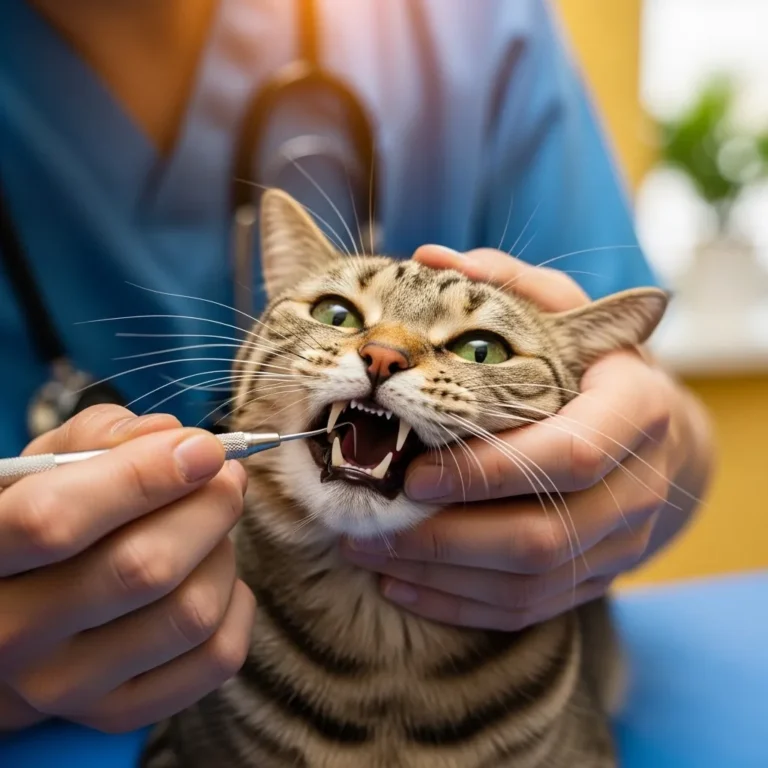
| Bad breath or oral ulcers | Squamous cell carcinoma | Drooling, difficulty eating, visible mouth sores |
| Lethargy or hiding | Late-stage any cancer | Sleeping 20+ hours/day, avoiding interaction |
Vet Tip: “Many owners mistake weight loss for ‘old age,’” says Dr. Emily Carter, DVM, oncology specialist. “But rapid decline is a red flag. Schedule a senior wellness exam every 6 months—early bloodwork can detect cancer before symptoms appear.”
Explore our detailed guide on finding the best vet for your cat
Behavioral Red Flags: When Your Cat’s Personality Changes
- Cat cancer behavior changes include sudden aggression, vocalization at night, or avoiding favorite perches.
- Cats in pain may groom excessively over a painful area (e.g., abdomen in lymphoma) or stop grooming entirely (matted fur).
- Signs my cat is dying from cancer in late stages: complete appetite loss, labored breathing, seclusion.
Real Owner Story: “My Siamese, Luna, stopped jumping to her window perch. I thought it was arthritis—until the vet found abdominal masses. We chose comfort care; she had 7 peaceful weeks with appetite stimulants and pain meds.” – Sarah, Cat Bloom Haven community member
Learn more about Siamese cat hiding behavior

Common Types of Feline Cancer: Tumor Breakdown and Untreated Prognosis
Not all cancers are equal. Here’s a vet-vetted breakdown of the most common feline tumor types and their untreated cat cancer lifespan.
| Cancer Type | Prevalence | Common Locations | Untreated Median Survival | Key Symptoms |
|---|---|---|---|---|
| Lymphoma | 30–40% of cases | GI tract, chest, kidneys | 4–6 weeks | Vomiting, diarrhea, weight loss, enlarged lymph nodes |
| Mammary Carcinoma | 17% (unspayed females) | Mammary glands | 1–3 months | Firm breast lumps, ulceration, lethargy |
| Squamous Cell Carcinoma (SCC) | 15% | Mouth, ears, nose | 2–8 weeks | Oral ulcers, drooling, facial swelling |
| Fibrosarcoma | 12–15% | Skin, injection sites | 3–6 months (slow-growing) | Firm subcutaneous masses, recurrence post-surgery |
| Mast Cell Tumors | 10–20% | Skin, spleen | 2–4 months | Itchy skin lumps, vomiting (if spleen involved) |
Spotlight: How Long Can a Cat Live with Lymphoma Without Treatment?
Feline lymphoma is the #1 cancer killer in cats. Without chemotherapy:
- High-grade GI lymphoma: 2–4 weeks
- Low-grade GI lymphoma: 6–12 weeks (with steroids/prednisolone)
- Mediastinal (chest) lymphoma: 1–3 weeks (breathing difficulty dominates)
Pro Tip: Even without chemo, prednisolone (a steroid) can shrink tumors temporarily and restore appetite. Many cats gain 2–8 extra quality weeks. Ask your vet about cat cancer palliative care options.
Discover more in our cat lymphoma steroids lifespan guide
Feline Cancer Stages and Symptoms: Mapping Disease Progression
Veterinarians use the TNM system (Tumor size, Node involvement, Metastasis) to stage cancer. Here’s how feline cancer progression typically unfolds without treatment:
| Stage | Description | Symptoms | Untreated Lifespan Estimate |
|---|---|---|---|
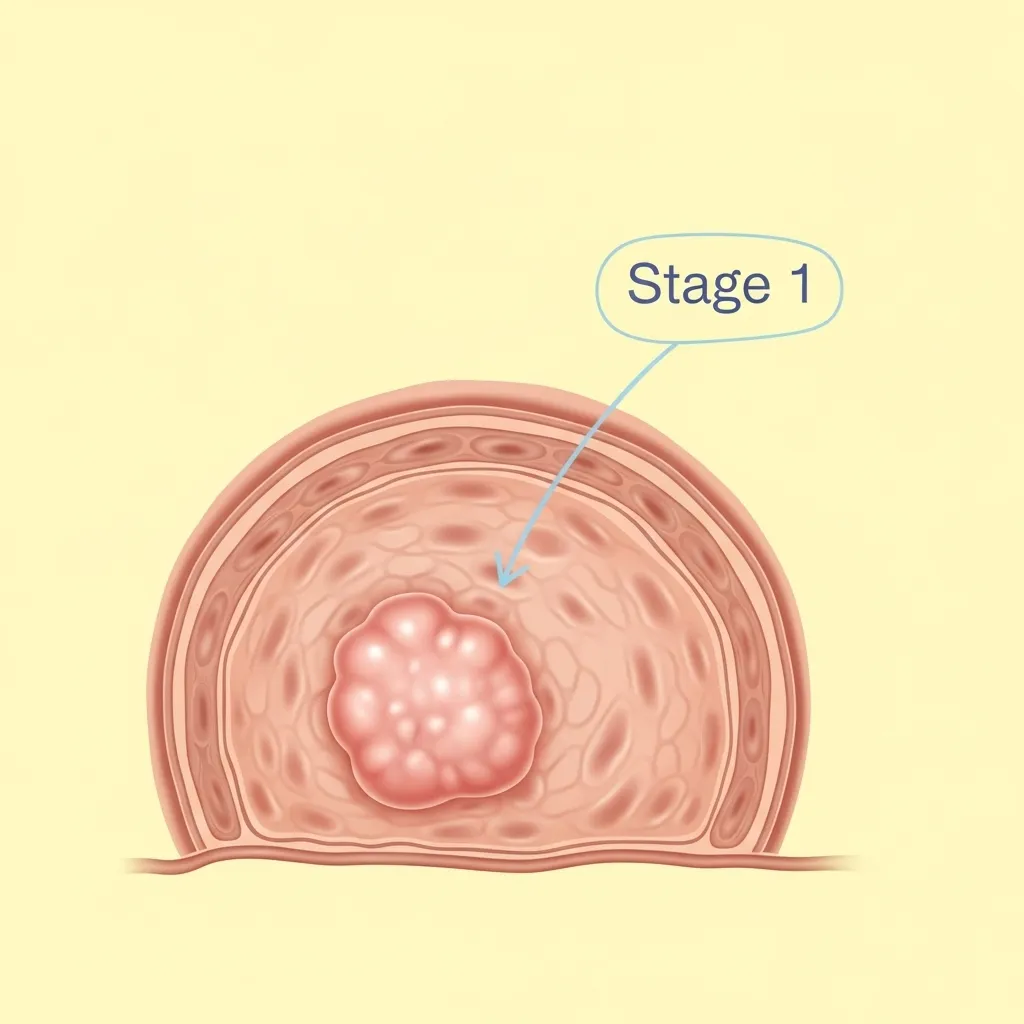
| Stage 1 | Small, localized tumor | Often asymptomatic; lump found on exam | 6–12+ months (slow cancers like fibrosarcoma) |
| Stage 2 | Larger tumor, possible local spread | Mild weight loss, reduced activity | 3–6 months |
| Stage 3 | Regional lymph node involvement | Appetite loss, vomiting, pain | 1–3 months |
| Stage 4 | Distant metastasis (lungs, liver) | Severe lethargy, breathing issues, cachexia | 2–6 weeks |
Late-stage cancer in cats symptoms:
- Cachexia (muscle wasting despite eating)
- Anemia (pale gums, weakness)
- Pleural effusion (fluid in chest → open-mouth breathing)
Cat Cancer Prognosis Without Treatment: What Science Says
A 2024 JAVMA study of 1,200 untreated feline cancer cases found:
- Median survival across all types: 43 days
- 25% of cats lived >3 months (usually skin tumors or low-grade lymphoma)
- 10% survived >6 months (rare, slow-growing sarcomas)
Factors That Extend (or Shorten) Untreated Lifespan
- Tumor biology – Slow-growing sarcomas outlast aggressive carcinomas.
- Cat’s age & health – A robust 5-year-old may outlive a frail 15-year-old with the same cancer.
- Owner intervention – Pain meds, fluids, and nutrition support add weeks to months of comfort.
“Treatment isn’t always about cure,” says Dr. Lisa Freeman, DVM, PhD. “It’s about time and love. Palliative protocols can double good days.”
Explore senior cat care essentials
Palliative Care for Cats: Extending Comfort Without Cure
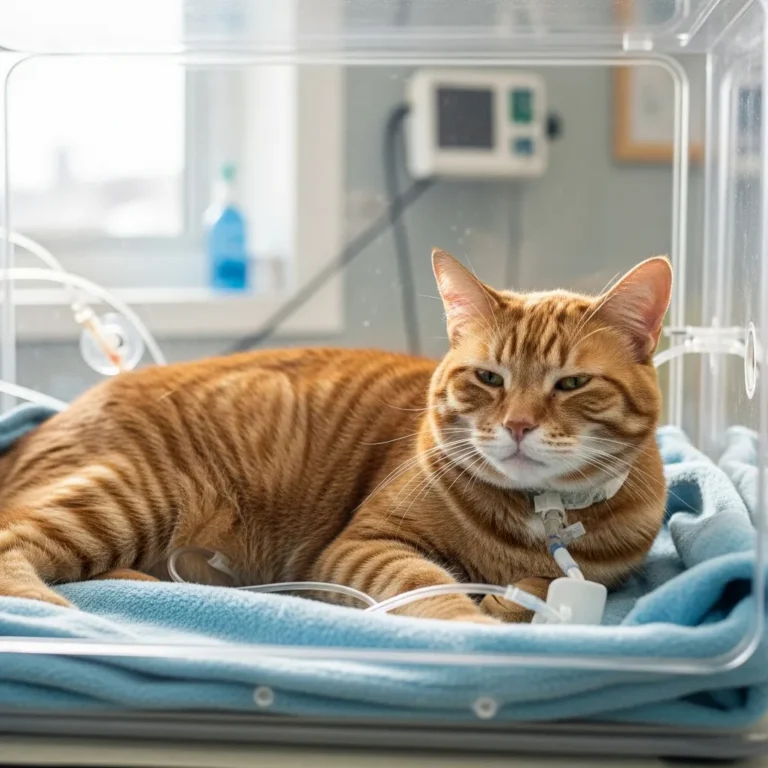
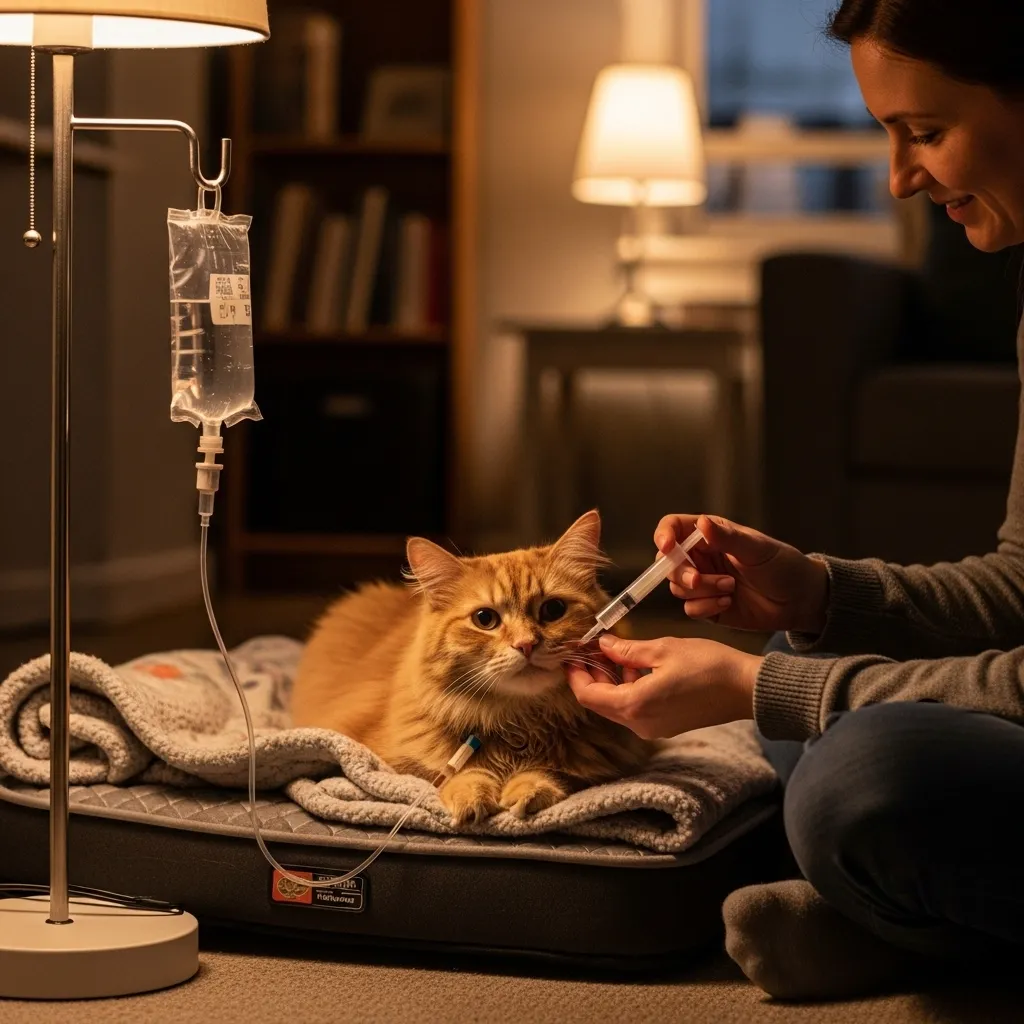
Choosing no treatment doesn’t mean no care. Cat hospice care at home focuses on:
- Pain control (buprenorphine, gabapentin)
- Appetite stimulation (mirtazapine, capromorelin)
- Hydration support (subcutaneous fluids)
- Mobility aids (ramps, orthopedic beds)
DIY Cat Hospice Care Checklist
| Need | Solution | Frequency |
|---|---|---|
| Pain | Buprenorphine (oral/transdermal) | Every 6–12 hours |
| Nausea | Cerenia (maropitant) | Once daily |
| Hydration | 100–150 mL subQ fluids | 2–3x/week |
| Nutrition | High-calorie gel (Nutri-Cal) | 1–2 tsp daily |
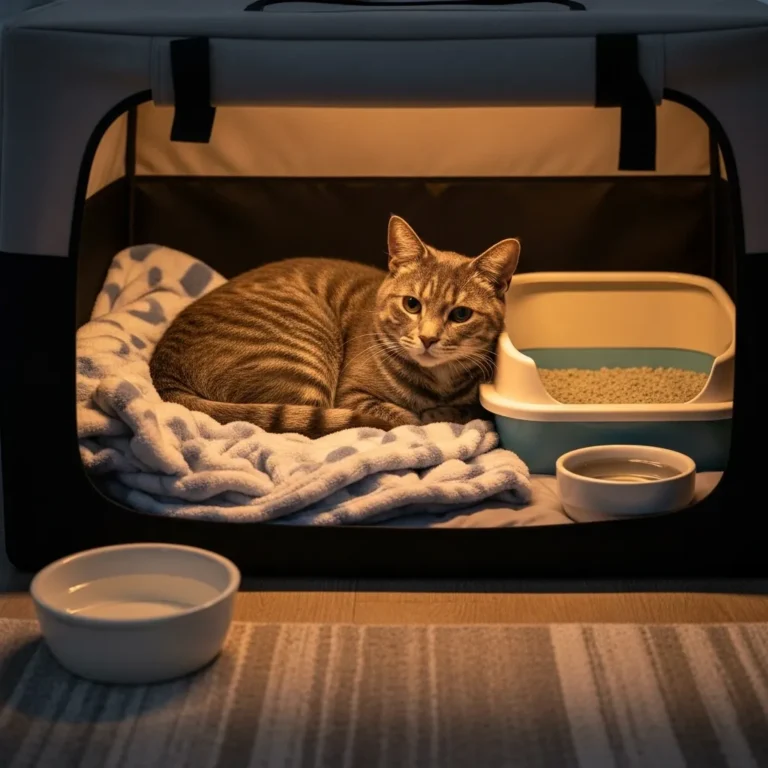
| Comfort | Heated bed, soft blankets | Constant |
Real Example: “My Bengal, Ziggy, had nasal lymphoma. We did weekly fluids and pain patches. He purred on my lap for 9 weeks—longer than the vet predicted.” – Mike, Cat Bloom Haven reader
Discover the best beds for senior cats
Cat Quality of Life Scale: When Is It Time to Say Goodbye?
Use the HHHHHMM Scale (0–10 per category; >35 = acceptable quality of life):
| Category | Signs of Decline (Score <5) |
|---|---|
| Hurt | Vocalizing when touched, flinching |
| Hunger | Refusing all food >48 hours |
| Hydration | Sunken eyes, skin tenting |
| Hygiene | Urine/feces soiling fur |
| Happiness | No interest in family or toys |
| Mobility | Cannot reach litter box |
| More good days than bad | <2 good days/week |
When to euthanize a cat with cancer: Most vets recommend when HHHHHMM <35 for 3+ consecutive days.
“Euthanasia is the last act of love,” says hospice vet Dr. Shea Cox. “It ends suffering, not your bond.”
Learn more in our end-of-life care for cats guide

How to Comfort a Cat with Cancer: Daily Rituals That Matter
- Create a “cancer nest” – Low-sided bed near family, away from loud noises.
- Hand-feed warming meals – Microwave wet food 5 seconds; add bonito flakes.
- Gentle grooming – Use a soft brush to remove loose fur and stimulate circulation.
- Play therapy – 2-minute laser pointer sessions if energy allows.
- Scent soothers – Feliway diffusers reduce stress.
Natural remedies for cat cancer? Limited evidence. Turkey tail mushrooms show promise in studies for extending survival by 30–90 days in dogs—cat data is anecdotal. Always consult your vet before supplements.

FAQ: Cat Cancer Without Treatment – Quick Answers
How long can a cat live with untreated cancer?
4 weeks to 6 months, depending on type. Lymphoma: ~4–6 weeks. Slow skin tumors: 6+ months.
What are the final stages of cancer in cats?
Complete appetite loss, labored breathing, hiding, inability to stand. Signs my cat is dying from cancer appear 1–7 days before natural passing.
Can a cat recover from cancer without treatment?
Extremely rare. Spontaneous remission occurs in <1% of cases (usually low-grade lymphoma).
Should I treat my cat’s cancer or not?
Depends on age, cancer stage, finances, and cat’s temperament. Palliative care is always a loving choice.
Is my cat in pain from cancer?
Likely in late stages. Watch for flinching, aggression, or withdrawal. Pain meds are safe and effective.
What are cat hospice care at home essentials?
Pain meds, subQ fluids, appetite stimulants, soft bedding, and daily HHHHHMM scoring.
Final Thoughts: Love Harder in the Time You Have Left
Your cat doesn’t know the prognosis—they only know your voice, your touch, and the warmth of their favorite sunbeam. Whether you have 2 weeks or 2 months, every moment of comfort counts.
Cherish the purrs. Forgive the messes. Hold them close.
At Cat Bloom Haven, we believe informed, compassionate choices honor the bond you share. You’re not alone—thousands of cat parents walk this path every year.
Explore more expert cat care and behavior guides on Cat Bloom Haven—from caring for a sick cat to coping with cat loss. Your cat’s legacy lives in every memory you create today.