How Long Can a Cat Live with Fluid in Lungs: A Comprehensive Guide to Prognosis, Treatment, and Hopeful Management
Key Takeaways :
- Life expectancy varies widely: days to years depending on the underlying cause, early intervention, and ongoing care.
- Feline pleural effusion (fluid around lungs) and pulmonary edema (fluid in lungs) are treatable if caught early.
- Heart disease in cats, especially congestive heart failure, is the #1 cause up to 30% of senior cats are affected.
- Thoracentesis (fluid removal) can provide immediate relief; survival improves with repeated procedures + medication.
- Home care and oxygen therapy significantly extend quality of life.
- Emergency signs: open-mouth breathing, blue gums, collapse rush to vet.
Imagine your cat curled up in their favorite sunbeam one day, purring softly… and the next, struggling to breathe, sides heaving with every labored gasp. That terrifying moment when you notice cat breathing problems isn’t just a bad dream it’s a reality for thousands of cat parents every year. If your vet has mentioned fluid in cat’s lungs, feline pleural effusion, or pulmonary edema in cats, you’re likely asking the same heart-wrenching question: How long can my cat live with this?
The truth? There’s no one-size-fits-all answer. Some cats bounce back within weeks. Others live comfortably for years with proper management. A few, sadly, face only days. But here’s the good news: early action changes everything. In this guide, we’ll walk you through every angle of cat fluid in lungs life expectancy, from symptoms and diagnosis to treatment for cat with fluid in lungs, home care, and real stories of cats who defied the odds.
Let’s dive in and give your cat the best shot at a longer, happier life.
What Exactly Is Fluid in a Cat’s Lungs? Understanding the Two Types
Before we talk prognosis, let’s clarify what’s happening inside your cat’s chest.
There are two distinct conditions often lumped together under “fluid in lungs”:
| Condition | Where Fluid Builds | Common Name | Breathing Impact |
|---|---|---|---|
| Pulmonary edema | Inside lung tissue | Fluid in the lungs | Severe lungs can’t oxygenate blood |
| Pleural effusion | Around the lungs (in chest cavity) | Fluid around the lungs | Compresses lungs; cat can’t expand them fully |
Pro tip: Most people searching “fluid in cat’s lungs” actually mean pleural effusion it’s far more common in cats.
Both are life-threatening without treatment, but pleural effusion is often more manageable because the fluid can be physically removed via thoracentesis in cats.
Symptoms of Fluid in Cat’s Lungs: What to Watch For (Before It’s an Emergency)
Cats are masters at hiding illness. By the time feline respiratory distress is obvious, they’re often in crisis. Here’s what to look for:
Early (Subtle) Signs
- Increased respiratory rate (>30 breaths/min at rest)
- Sleeping more in a “meatloaf” position (head up, elbows out)
- Reduced appetite or swallowing carefully
- Mild cough (rare in cats, but possible with heart disease)
Moderate Signs
- Open-mouth breathing or panting (cats don’t pant like dogs—this is serious)
- Blue-tinged gums or tongue
- Lethargy, hiding, or avoiding play
- Abdominal effort when breathing (“belly breathing”)
Emergency Signs (Go to ER now)
- Collapse or inability to stand
- Gasping with neck extended
- Frothy pink fluid from nose/mouth (classic pulmonary edema)
- Extreme weakness or confusion
Real story: “My Siamese, Luna, started breathing like she was running a marathon while lying still. I thought it was asthma. It was congestive heart failure in cats. Thoracentesis saved her life that night.” – Sarah, Cat Bloom Haven reader
Causes of Fluid Accumulation in Cats: Why This Happens
Fluid doesn’t just appear it’s a symptom of something deeper. The most common culprits:
1. Heart Disease in Cats (60–70% of cases)
- Hypertrophic cardiomyopathy (HCM): Thickened heart muscle → poor pumping → backup into lungs
- Congestive heart failure in cats: Left-sided failure = pulmonary edema; right-sided = pleural effusion
2. Cancer
- Lymphoma, carcinoma, or mesothelioma in the chest
3. Infections
- FIP (feline infectious peritonitis)
- Severe pneumonia or pyothorax (pus in chest)
4. Trauma
- Hit by car, high fall → bleeding into chest
5. Low Protein (Hypoalbuminemia)
- Liver or kidney disease → fluid leaks from blood vessels
6. Other Rare Causes
- Lung lobe torsion
- Diaphragmatic hernia
- Toxins (e.g., rat poison)
Vet insight: “In senior cats over 10, I assume heart disease until proven otherwise.” – Dr. Emily Hart, DVM
Diagnosis of Pleural Effusion in Cats: What to Expect at the Vet
Your vet won’t guess they’ll confirm with tests. Here’s the typical process:
Step 1: Physical Exam + History
- Listening to lungs (muffled sounds = fluid)
- Checking gum color, heart rate, and effort
Step 2: Imaging
| Test | What It Shows | Why It Matters |
|---|---|---|
| Chest X-rays | Fluid silhouette, heart size, lung patterns | Gold standard for feline pleural effusion |
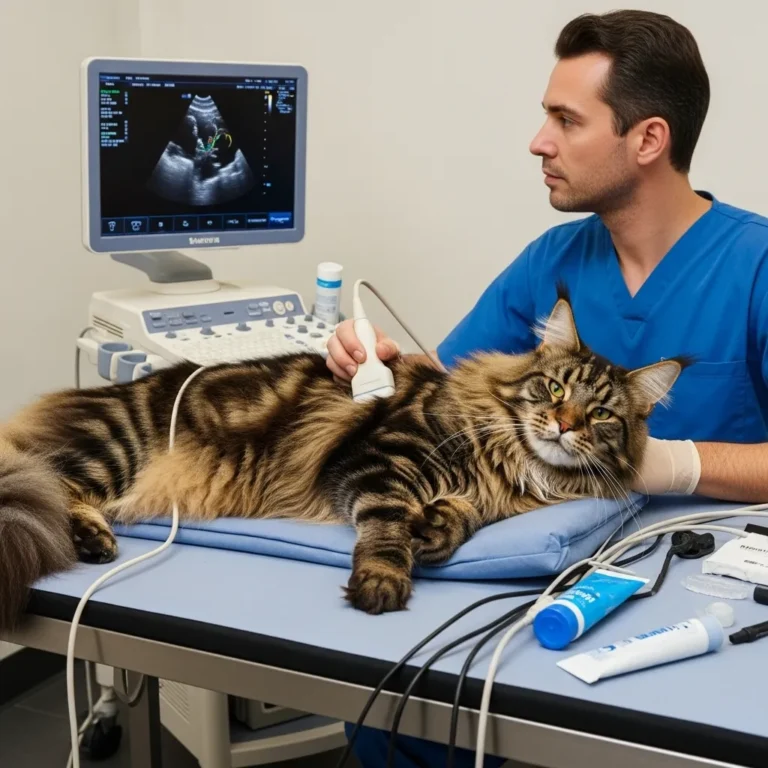
| Ultrasound | Real-time fluid volume, heart function | Guides thoracentesis safely |
| Echocardiogram | Heart wall thickness, valve function | Confirms heart disease in cats |
Step 3: Fluid Analysis (if safe to tap)
- Thoracentesis in cats: Needle draws fluid for lab testing
- Determines if fluid is:
- Transudate (clear, low protein → heart failure)
- Exudate (cloudy, high protein → infection/cancer)
- Blood, chyle, or pus
Cost alert: Expect $300–$800 for initial workup. Repeated cat lung fluid removal adds $150–$400 per visit.
Prognosis for Cat with Fluid in Lungs: The Honest Truth
Now, the question you came for: How long can a cat live with fluid in lungs?
Short Answer:
| Underlying Cause | Average Survival (with treatment) |
|---|---|
| Heart failure | 6 months – 3+ years |
| Cancer | 1–6 months |
| FIP | Days to weeks |
| Infection (treatable) | Full recovery possible |
| Trauma | Excellent if no organ damage |
Key Factors That Improve Cat Fluid in Lungs Life Expectancy
- Early diagnosis (before oxygen drops below 90%)
- Effective fluid removal (thoracentesis + meds)
- Owner compliance (giving meds, monitoring, follow-ups)
- Cat’s age & overall health (younger = better resilience)
Survival rate for cats with pulmonary edema: ~70% stabilize after first crisis; 50% live >1 year with heart meds.
Treatment for Cat with Fluid in Lungs: From ER to Home
Treatment has two phases: crisis stabilization and long-term management.
Phase 1: Emergency Stabilization
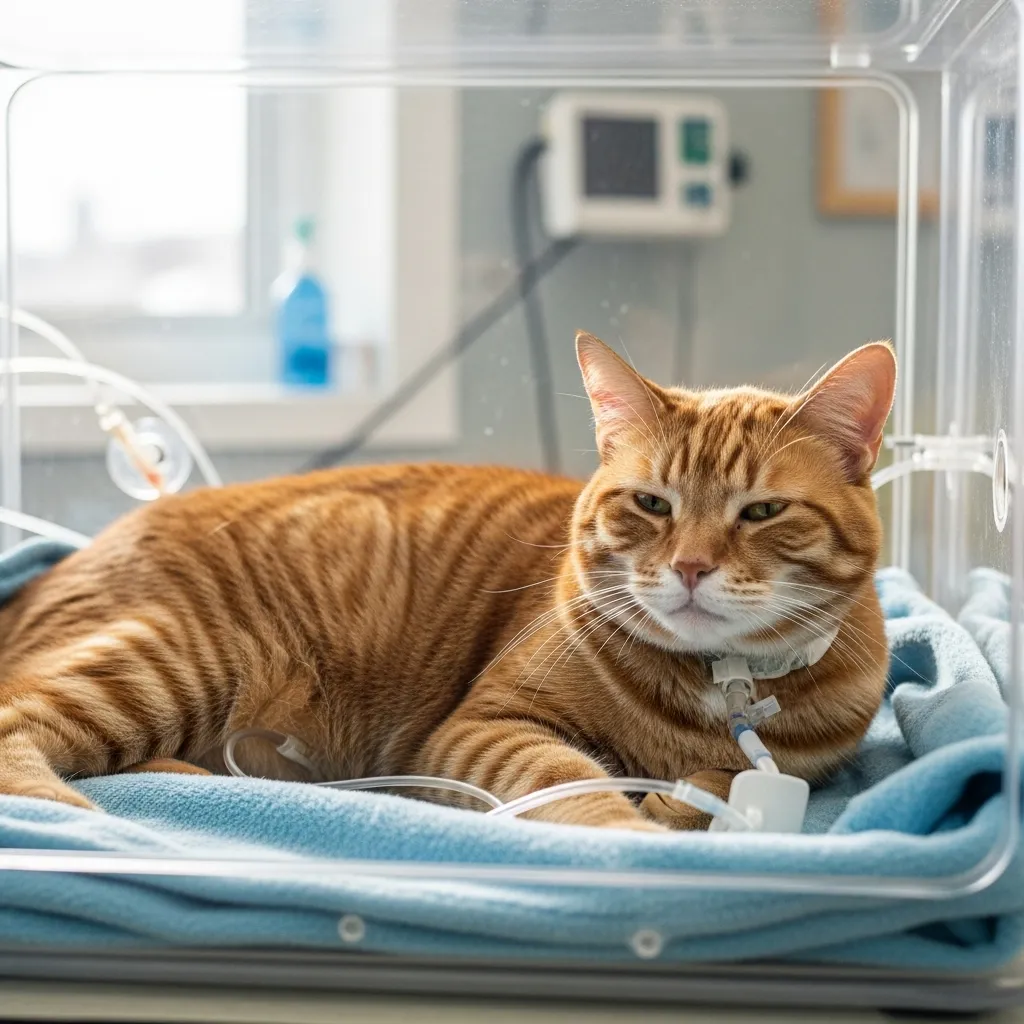
- Oxygen therapy for cats (cage, mask, or flow-by)
- Thoracentesis (removes liters of fluid in minutes)
- Furosemide (Lasix) injection to pull fluid from lungs
- Pain relief & anti-anxiety meds (cats stress easily)
Phase 2: Ongoing Treatment
| Medication | Purpose | Frequency |
|---|---|---|
| Furosemide | Diuretic—reduces fluid | 1–3x daily |
| Pimobendan | Strengthens heart | 2x daily |
| Clopidogrel/Plavix | Prevents blood clots | 1x daily |
| ACE inhibitors | Lowers blood pressure | 1–2x daily |
Natural ways to support cat lung health? Not a substitute, but:
- Omega-3s (fish oil) reduce inflammation
- Low-sodium diet (prescription cardiac food)
- Stress reduction (Feliway, quiet environment)
How to Treat Fluid in Cat Lungs at Home: Practical Daily Care
Once stabilized, your cat comes home. Here’s how to help them thrive:
1. Medication Mastery
- Use pill pockets or Compounded tuna-flavored liquids
- Set phone alarms consistency is critical
2. Monitoring Breathing
- Count breaths while sleeping: <30 = good**, **>40 = call vet
- Use a baby monitor or pet cam
3. Weight & Appetite Tracking
- Weigh weekly (digital baby scale)
- Sudden gain = fluid returning
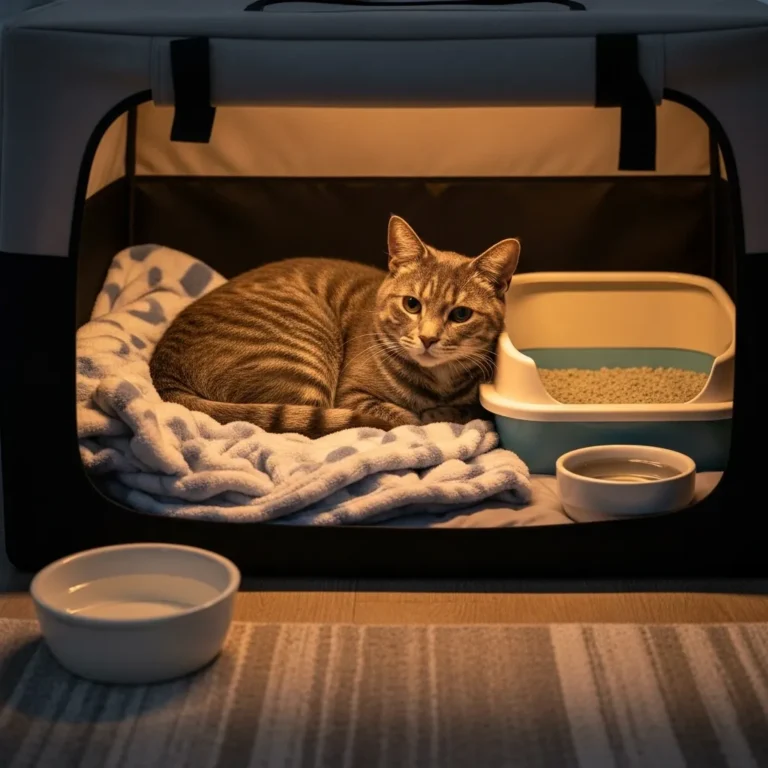
4. Stress-Free Environment
- No high perches (fall risk)
- Multiple quiet resting spots
- Avoid smoke, strong scents, dust
5. Follow-Up Schedule
- Re-check X-rays every 1–3 months
- Bloodwork to monitor kidneys (furosemide can stress them)
Managing Chronic Lung Conditions in Cats: Long-Term Strategies
Some cats need repeated thoracentesis (every 1–4 weeks). Others stabilize on meds alone. Here’s how to cope:
Diet & Supplements
- Hill’s k/d + Mobility or Royal Canin Cardiac
- Add L-carnitine and taurine (heart muscle support)
Exercise? Yes but gentle
- Short, supervised play sessions
- No chasing lasers up stairs
When to Call the Vet (Red Flags)
- Breathing >50/min at rest
- Refusing food >24 hours
- Swollen belly or limbs (fluid shifting)
Real Stories: Cats Who Lived (and Loved) with Fluid in Lungs
Case 1: Milo, 14-year-old DSH
- Diagnosed with HCM + pleural effusion
- 3 thoracentesis procedures in first month
- Lived 2.5 more years on pimobendan + furosemide
- Passed peacefully at home, age 16.5
Case 2: Whiskers, 7-year-old Maine Coon
- Lymphoma → chylothorax
- Chemotherapy + rutin (herbal supplement)
- Survived 8 months with good quality of life
Complications to Watch For
Even with treatment, risks remain:
- Kidney failure (from diuretics)
- Blood clots (from heart disease) → sudden hind leg paralysis
- Recurring fluid despite max meds = poor prognosis
Preventive Measures: Can You Stop Fluid Buildup?
Not always but you can reduce risk:
- Annual senior bloodwork + blood pressure checks (starting at age 7)
- Dental cleanings (gum disease → heart strain)
- Keep weight ideal (obesity worsens heart failure)
- Avoid secondhand smoke
[Read more in cat health and wellness essentials.]
FAQ: Your Top Questions Answered
What is feline pleural effusion vs. pulmonary edema in cats?
Pleural effusion = fluid around lungs (chest cavity). Pulmonary edema = fluid inside lung tissue. Both impair breathing; effusion is more common and treatable via drainage.
What are symptoms of fluid in cat’s lungs?
Open-mouth breathing, rapid shallow breaths, blue gums, lethargy, coughing (rare), hiding.
How is fluid in cat lungs diagnosed?
Chest X-rays, ultrasound, thoracentesis with fluid analysis.
What’s the cat fluid in lungs life expectancy?
Days to years. Heart failure cats often live 6 months–3+ years with treatment; cancer cases 1–6 months.
How do you treat fluid in cat lungs?
- Emergency: Oxygen + thoracentesis + IV furosemide
- Long-term: Oral diuretics, heart meds, low-sodium diet, monitoring
Can natural ways to support cat lung health help?
Supportive only omega-3s, CoQ10, stress reduction. Never replace vet treatment.
When is it time to say goodbye?
When breathing distress can’t be controlled, or quality of life drops (no eating, hiding, pain).
Final Thoughts: Hope Is Real Act Fast
Discovering fluid in your cat’s lungs is terrifying but it’s not always a death sentence. With rapid vet care, cat lung fluid removal, and dedicated home management, many cats return to purring, playing, and stealing your spot on the couch.
Your love and vigilance are their greatest medicine.
Ready for more life-saving cat care tips?
Explore our expert guides on cat respiratory health, managing chronic lung conditions in cats, and how to care for sick cats at Cat Bloom Haven.
Save this guide. Share it. Your cat’s ninth life might depend on it.