The Silent Epidemic: Understanding and Solving Stress-Related Health Issues in Domestic Cats
If your cat has ever hidden under the bed for hours, overgroomed a bald spot, or suddenly stopped using their pristine litter box, you’ve witnessed the visible tip of a dangerous iceberg: feline stress. We often mistake their stoicism for indifference, but behind those enigmatic eyes, chronic stress is quietly triggering a cascade of serious stress-related health issues in domestic cats. This isn’t just about behavioral quirks; it’s a physiological crisis that can manifest as painful urinary blockages, debilitating skin conditions, and severe digestive upset. What begins as a nervous reaction to a new pet or a moved piece of furniture can, over time, rewrite your cat’s internal health blueprint.
This comprehensive guide will demystify the profound link between your cat’s emotional state and their physical well-being. You’ll learn to decode their subtle distress signals, identify the most common hidden stressors in a modern home, and discover proven, vet-backed strategies to transform their environment from a source of anxiety into a true haven of security. Our mission is to empower you with the knowledge to not only treat the symptoms but to eliminate the root cause, ensuring your cat lives a longer, healthier, and profoundly happier life.
Key Takeaways: What You Need to Know Now
- Stress is Physical: In cats, stress directly triggers the release of hormones like cortisol, which suppresses the immune system and can lead to inflammation, making them vulnerable to disease.
- Behavior is a Symptom: Issues like inappropriate elimination, aggression, or overgrooming are rarely acts of “spite.” They are primary indicators of underlying stress and potential health issues.
- Environment is Everything: The single most effective treatment for feline stress is environmental modification creating a home that meets their core needs for safety, territory, and predictability.
- Vet Partnership is Crucial: Any sudden behavioral change warrants a veterinary exam to rule out primary medical causes. Stress and illness often present identically.
- You Are the Solution: By learning to see your home from your cat’s perspective, you can systematically remove stressors and build their confidence, effectively preventing many common health issues.
Chapter 1: The Mind-Body Connection – How Stress Becomes Sickness in Cats
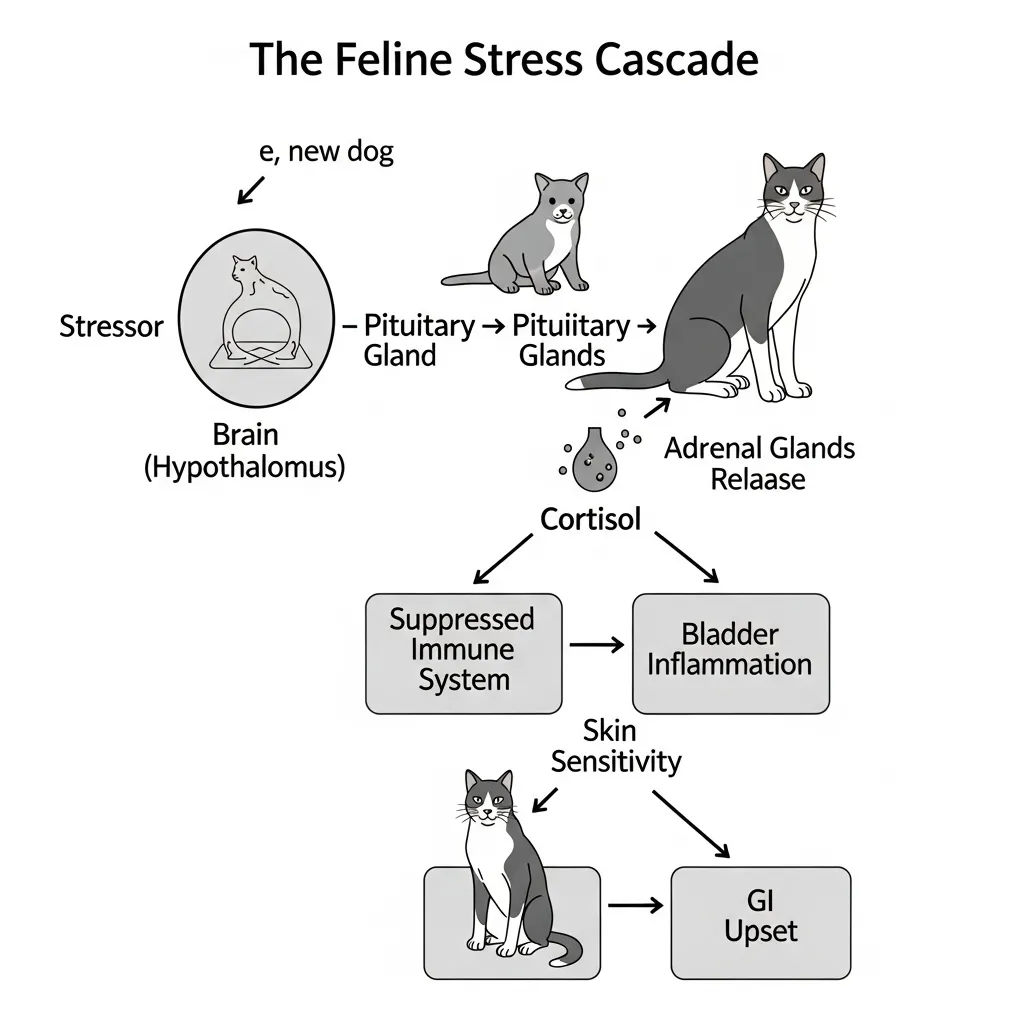
To understand stress-related health issues in domestic cats, we must first abandon a human-centric view of stress. For an evolutionary predator that is also prey, stress is an immediate, survival-focused physiological reaction. When a cat feels threatened (by a strange cat outside, a loud noise, or even social conflict within the home), its body enters a “fight-or-flight” state. The adrenal glands flood the system with hormones like adrenaline and cortisol.
- Adrenaline causes the immediate effects: increased heart rate, diverted blood flow to muscles, and heightened alertness.
- Cortisol, the “stress hormone,” is meant for short-term emergencies. It increases blood sugar for energy and modulates inflammation. However, when stress is chronic—lasting days, weeks, or months—continuously elevated cortisol becomes destructive.
This long-term hormonal imbalance is the engine of stress-related health issues:
- Immune Suppression: High cortisol reduces the production and effectiveness of lymphocytes (white blood cells), leaving the cat vulnerable to infections, slower wound healing, and reactivation of dormant viruses like Feline Herpesvirus (cat flu).
- Chronic Inflammation: Cortisol dysregulation can lead to systemic inflammation, which is a known contributor to diseases like feline idiopathic cystitis (bladder inflammation), certain skin conditions, and gastrointestinal disorders.
- Behavioral Pathology: The anxious brain is in a constant state of alert. This can lead to compulsive behaviors like overgrooming (psychogenic alopecia) or redirected aggression, where the cat lashes out at a nearby target because it cannot address the actual stressor.
As Dr. Miaowzers, a noted feline behaviorist, explains in our analysis of cat chaos, “Even indoor cats retain wild predator wiring. Your living room is their territory, and perceived threats to it trigger a deep, biological stress response.” This isn’t a choice; it’s a hardwired survival mechanism that, in our modern homes, can often have nowhere useful to go, turning inward instead.
Chapter 2: Decoding the Distress Signals – Behavioral Red Flags You Must Not Ignore
Cats are masters of masking illness and discomfort, a trait inherited from wild ancestors who couldn’t afford to appear vulnerable. Therefore, the earliest signs of stress-related health issues are almost always behavioral. Learning this language is your first and most powerful diagnostic tool.
The Litter Box Litmus Test
A change in litter box habits is the #1 red flag. It can signal a health issue like a Urinary Tract Infection (UTI) or bladder inflammation (often stress-induced), or it can be a marker of pure environmental stress.
- What to look for: Urinating or defecating outside the box (especially on soft surfaces like beds or laundry), spraying vertical surfaces, straining to go, or vocalizing in the box.
- The Stress Link: A cat may avoid the box if it’s in a noisy location, if the litter is painful on sore paws (from overgrooming), if another pet ambushes them there, or if they associate the box with pain from a past health issue.
The Grooming Paradox: From Primping to Self-Harm
Overgrooming, or psychogenic alopecia, is a classic obsessive-compulsive response to stress.
- What to look for: Symmetrical bald patches, typically on the inner thighs, belly, or along the spine. The skin may appear normal, not itchy or red from allergies (though a vet must confirm this).
- The Stress Link: The act of grooming releases endorphins, so the cat self-soothes by licking. This can become a vicious cycle: stress causes licking, which feels good temporarily, so they lick more, creating bald spots and potentially skin infections.
The Spectrum of Aggression
Sudden aggression is almost always fear-based or pain-based.
- What to look for: Hissing, swatting, or biting that is unprovoked (from your perspective). This can be redirected aggression (after seeing an outdoor cat through the window) or petting-induced aggression (from overstimulation).
- The Stress Link: An anxious cat has a lower threshold for irritation. What they tolerated yesterday may trigger an attack today because their nervous system is already at its limit.
Hiding & Withdrawal: The “Freeze” Response
While some hiding is normal, a cat that vanishes for entire days is signaling high anxiety.
- The Stress Link: Hiding is the “freeze” part of the fight-or-flight-freeze response. The cat is attempting to remove themselves from the stressor entirely. Chronic hiding is a sign of a profoundly insecure environment.
Other Key Signs:
- Excessive Vocalization: Especially at night, which can indicate anxiety, cognitive decline, or hyperthyroidism (a health issue a vet must rule out).
- Changes in Appetite: Stress can cause either refusal to eat or compulsive eating.
- Destructive Scratching: While scratching is normal, a sudden focus on destructive areas or furniture near doors/windows can be territorial marking due to stress.
Explore our detailed guide on Cat Stress Signs for an even deeper dive into interpreting your cat’s unique behavior.
Chapter 3: Common Culprits – The Top Hidden Stressors in a Domestic Home
To effectively tackle stress-related health issues, you must play detective. Here are the most common environmental stressors, many of which we unknowingly create.
1. Multi-Cat Household Tension (The Silent War)
This is perhaps the most significant and overlooked source of chronic stress. Cats are not pack animals. Forced cohabitation without proper resources creates constant, low-grade anxiety.
- The Problem: Competition for food, water, litter boxes, vertical space, and human attention. Subtle bullying (blocking access, staring) can occur without overt fighting.
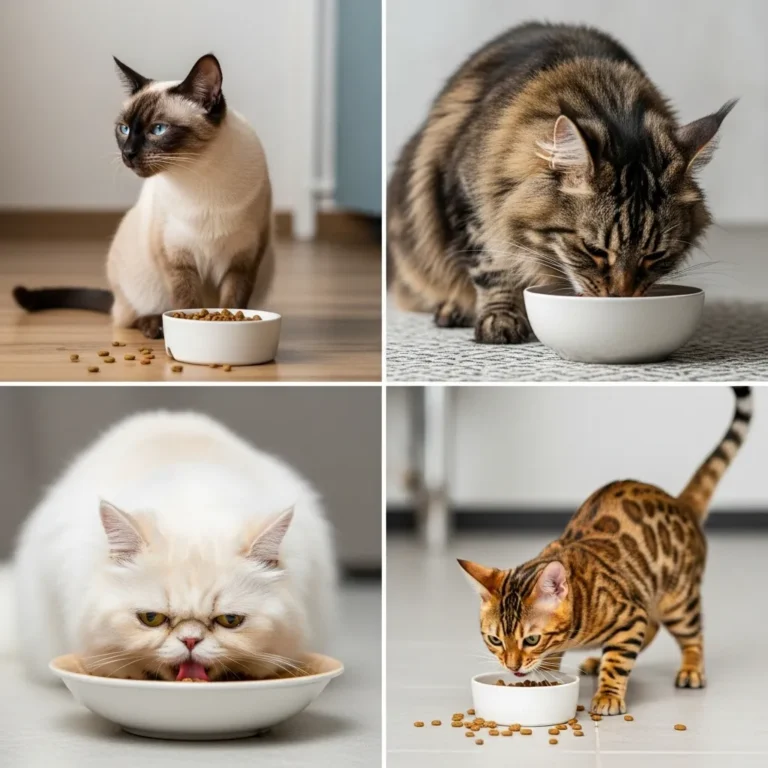
- The Solution: The “N+1 Rule.” Provide one more of every essential resource than the number of cats (e.g., 3 cats = 4 litter boxes, 4 food stations). Place them in separate, low-traffic areas. Ensure ample vertical territory like cat trees and shelves.
2. Inadequate Environmental Resources
A barren environment is a boring and stressful one for a cognitive predator.
- The Problem: Lack of opportunity to perform natural behaviors: hunt, climb, scratch, hide, and observe safely.
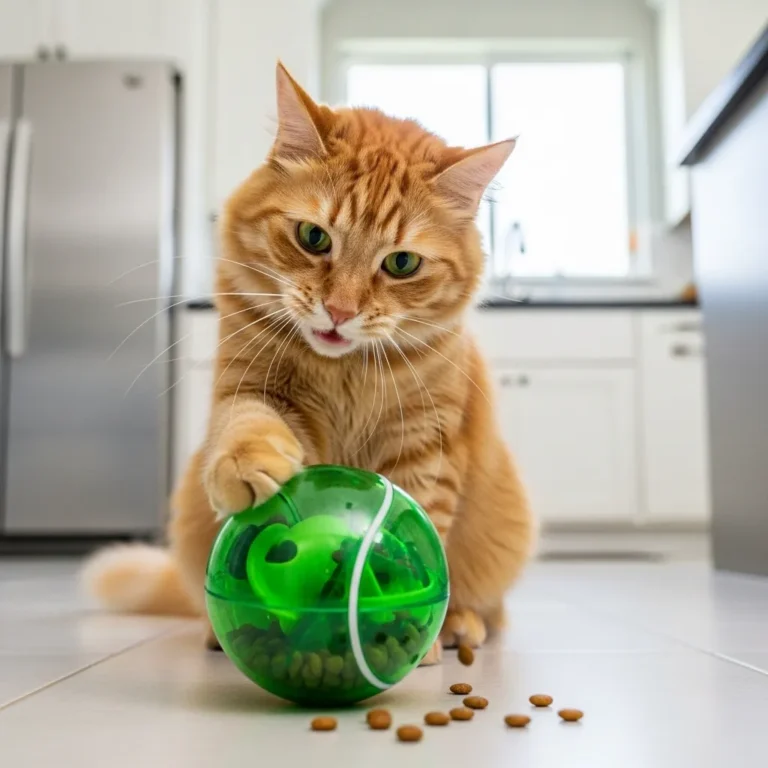
- The Solution: Implement environmental enrichment. Use puzzle feeders for “hunting,” create a “cat superhighway” of wall shelves and trees, provide scratching posts of various textures (sisal, cardboard), and offer rotating toys. Our guide on keeping cats entertained offers breed-specific ideas.
3. Unpredictability and Loud Noises
Cats are creatures of habit. Chaos is their enemy.
- The Problem: Sudden schedule changes, loud parties, construction noise, or even a new piece of furniture can be deeply unsettling.
- The Solution: Maintain routines for feeding and play. During predictable stressful events (like a party), provide a secure “safe room” with their bed, litter box, and a white noise machine or calming pheromone diffuser.
4. Pain or Undiagnosed Medical Conditions
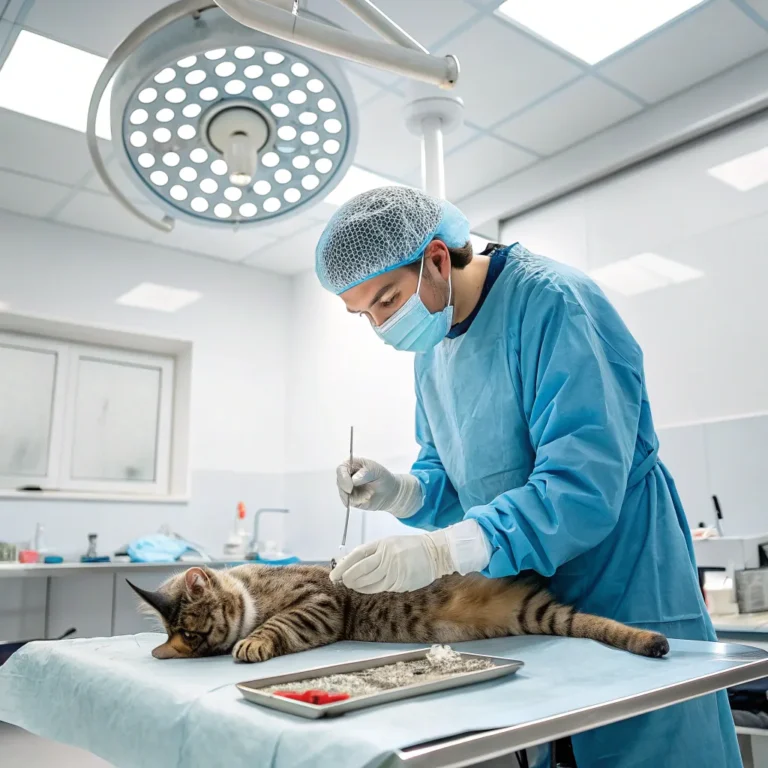
This is critical: Pain is a primary stressor. A cat with arthritis, dental disease, or an untreated injury is living in constant stress.
- The Rule: Before diagnosing a purely behavioral stress-related health issue, a full veterinary workup is mandatory. What looks like stress-induced litter box avoidance might be a painful UTI. Our article on finding the best vet for your cat emphasizes this collaborative relationship.
Chapter 4: The Stress-Health Crisis – Specific Conditions Linked to Anxiety
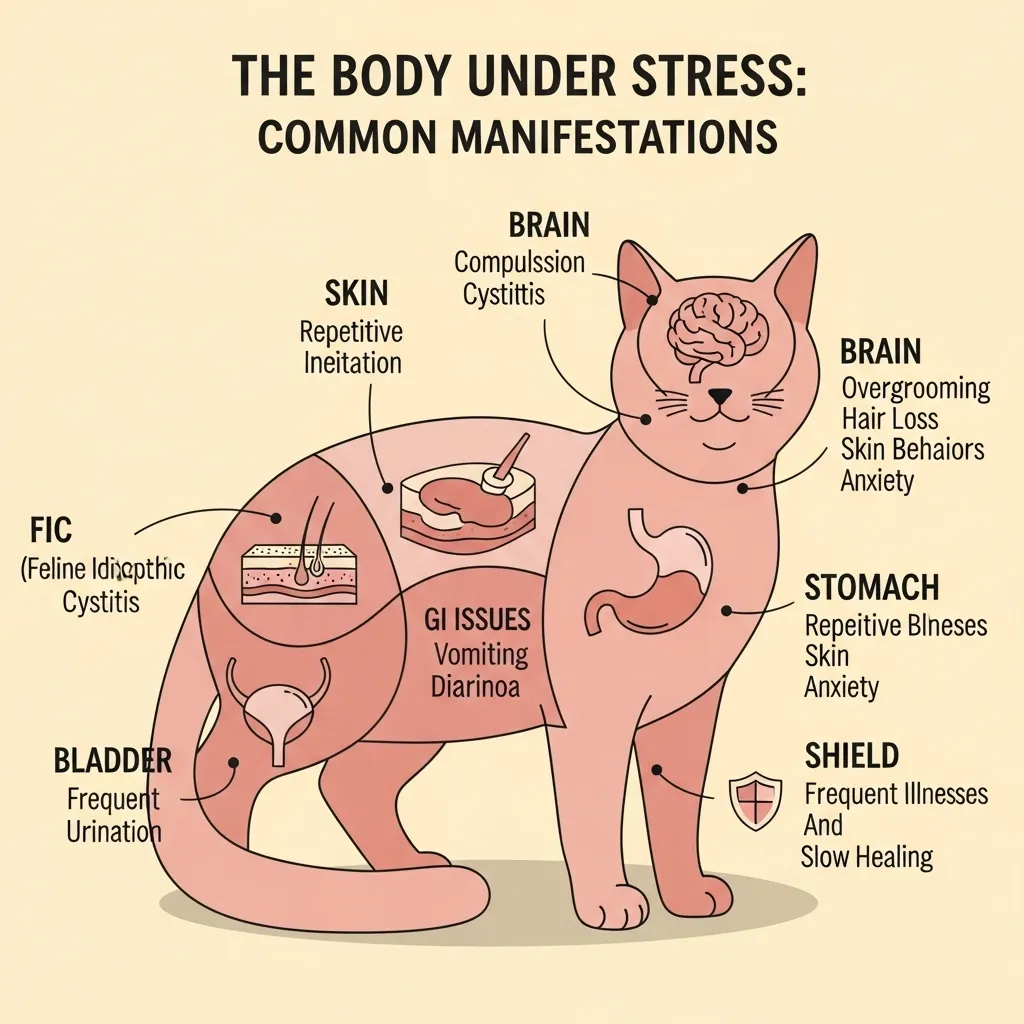
When chronic stress hormones course through a cat’s body, they target specific systems. Here are the most well-documented stress-related health issues.
Feline Lower Urinary Tract Disease (FLUTD) / Feline Idiopathic Cystitis (FIC)
This is the poster child for the mind-body link in cats. “Idiopathic” means “of unknown cause,” but stress is the primary known trigger.
- Symptoms: Straining to urinate, frequent trips to the box, blood in urine, crying while urinating, and urinating outside the box.
- The Stress Link: Stress is believed to cause inflammation in the bladder lining and disrupt the protective mucosal layer. In male cats, this can lead to a life-threatening urinary blockage, a dire medical emergency.
Dermatological Issues: Overgrooming and “Psychogenic Alopecia”
As discussed, the skin becomes the canvas for internal anxiety.
- Symptoms: Symmetrical hair loss, often creating “bikini line” bald spots on the belly and inner thighs.
- The Stress Link: Compulsive licking releases endorphins. The behavior is reinforced, creating a cycle that continues even if the original stressor is removed. Secondary bacterial infections can occur from broken skin.
Gastrointestinal Upset: Vomiting, Diarrhea, and Inflammatory Bowel Disease (IBD)
The gut has its own nervous system and is highly sensitive to emotional state.
- Symptoms: Intermittent vomiting (especially of hairballs or food), diarrhea, or poor appetite.
- The Stress Link: Stress alters gut motility and can increase intestinal permeability and inflammation. While IBD has complex causes, flare-ups are frequently tied to stressful events.
Compulsive and Repetitive Behaviors
Beyond overgrooming, stress can manifest as wool-sucking, tail chasing, or repetitive vocalization.
- The Stress Link: These are displacement behaviors—actions performed to cope with an unresolvable conflict or anxiety. Certain breeds, like Siamese, may be predisposed.
Immune Suppression and Disease Recrudescence
A stressed cat’s immune system is less vigilant.
- The Result: More frequent upper respiratory infections (reactivating the feline herpesvirus), longer recovery times from illness or surgery, and potentially more severe reactions to pathogens.
Chapter 5: Building a Sanctuary – The Cat-Centric Home Makeover
Treating stress-related health issues requires a two-pronged approach: managing the immediate symptoms with veterinary help and permanently reducing environmental stress. This is where you have transformative power.
1. Master the Resource Checklist (The N+1 Rule in Action)
- Litter Boxes: One per cat, plus one extra. Large, uncovered, in quiet locations. Scooped daily.
- Food & Water Stations: Multiple, separate locations. Consider a water fountain to encourage drinking, crucial for urinary health.
- Resting & Hiding Places: Provide options at different heights (cat trees, window perches) and enclosed options (covered beds, boxes, even a carrier left out with a soft bed inside).
2. Create Predictability and Control
- Routine: Feed, play, and interact on a consistent schedule.
- Choice: Let your cat choose to interact. Avoid picking them up if they resist. Use play to build confidence.
- Safe Room: Have a designated room (like a spare bedroom) your cat can always retreat to, equipped with all essentials.
3. Implement Enrichment Strategically
- Hunt-Catch-Kill-Eat: Replace food bowls with puzzle feeders or by hiding small portions of kibble around the house.
- Climb & Scratch: Vertical space is safety. Install shelves or a tall, sturdy cat tree. Provide both horizontal and vertical scratching surfaces.
- Play: Use wand toys to mimic prey (short, darting movements). End each session with a “catch” and a small treat.
4. Use Calming Aids as Support Tools
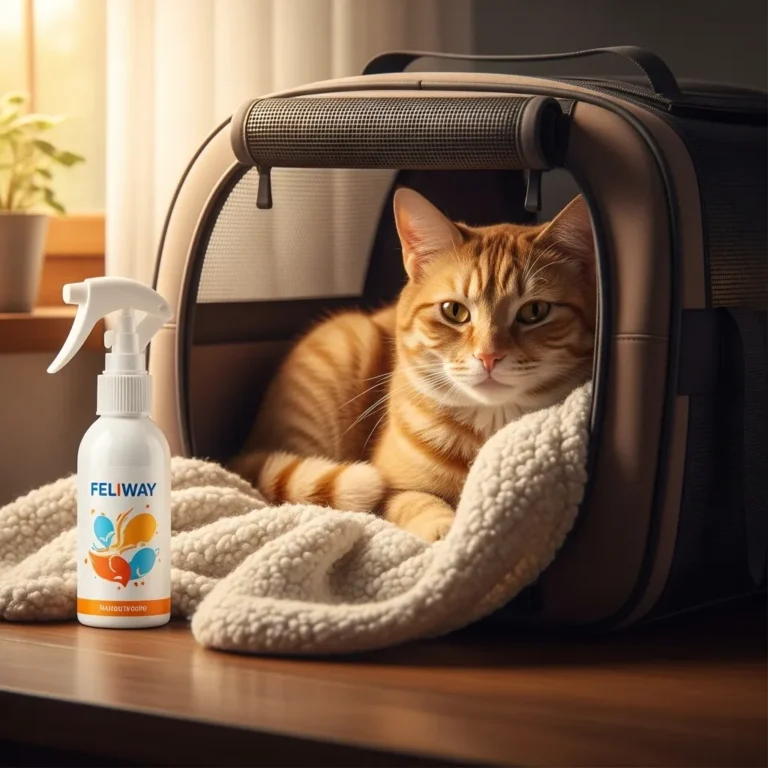
- Pheromone Therapy: Synthetic feline facial pheromones (Feliway) mimic “friendly” marks and can create a signal of safety in a room or diffused throughout the home.
- Supplements: Compounds like L-theanine or alpha-casozepine (found in some veterinary diets) can have mild anti-anxiety effects. Always consult your vet first.
- Prescription Medication: For severe, debilitating anxiety, veterinarians may prescribe SSRIs or other medications. This is often used in conjunction with environmental changes, not as a replacement.
Discover more tips in our guide on creating a calm and enriching cat home environment, which pairs perfectly with this stress-reduction plan.
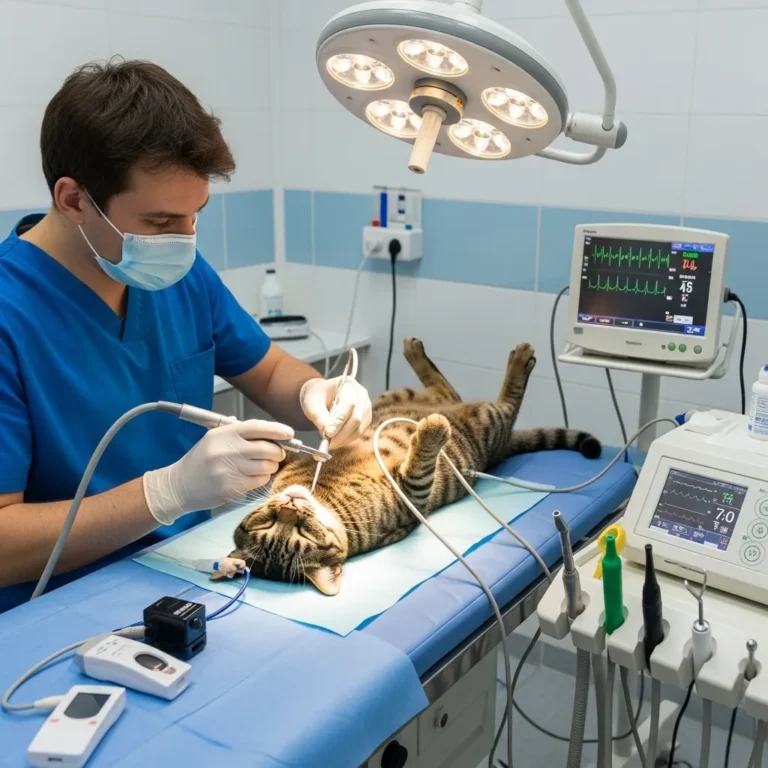
Chapter 6: Partnering with Your Veterinarian – A Critical Step
You are the expert on your cat’s behavior at home; your vet is the expert on their physical health. This partnership is non-negotiable.
- Always Rule Out Medical First: Present any behavioral change to your vet as a potential health issue. A urinalysis, blood panel, or physical exam can reveal the true cause.
- Detailed History is Key: Keep a log of the unwanted behavior: when, where, and what was happening in the environment. This data is gold for your vet.
- Discuss a Holistic Plan: After a medical cause is ruled out or treated, work with your vet to create a plan that may combine environmental changes, supplements, or medication.
- Consider a Veterinary Behaviorist: For extreme, dangerous, or unresolved cases, a board-certified veterinary behaviorist is the specialist who can treat complex stress-related health issues.
FAQ: Your Pressing Questions on Feline Stress, Answered
Q: My cat seems to stress-eat. Is that possible?
A: Absolutely. Just like humans, some cats cope with anxiety by overeating, which can quickly lead to obesity—another serious health issue. Conversely, others may stop eating entirely. Monitor their intake and consult your vet.
Q: Are some cat breeds more prone to stress-related health issues?
A: While any cat can be affected, breeds known for high intelligence and sensitivity, such as Siamese, Bengals, and Abyssinians, may be more reactive to environmental stressors. Understanding your cat’s innate breed personality provides valuable insight.
Q: I’ve fixed my home environment, but my cat is still stressed. What now?
A: Patience is key. It can take weeks or months for a chronically stressed cat to “reset.” Ensure you’ve addressed all potential stressors (like outdoor cats visible through windows). If progress stalls, go back to your vet. Underlying pain or the need for temporary pharmaceutical support are possibilities.
Q: Can stress kill a cat?
A: While stress itself is not a direct cause of death, the health issues it precipitates certainly can. A male cat with a complete urinary obstruction will die without emergency veterinary care. Chronic, unmanaged stress also severely compromises quality of life and longevity.
Q: How can I tell if my cat is in pain or just stressed?
A: This is very difficult, as the signs overlap (hiding, not eating, irritability). This is precisely why a veterinary exam is the essential first step. Pain is a medical emergency and must be treated as such.
Conclusion: From Surviving to Thriving
Recognizing that your cat’s stress-related health issues are a legitimate medical concern, not a behavioral failing, is the first step toward healing. By viewing your home through their eyes prioritizing security, territory, and the ability to express natural behaviors you become an architect of their well-being.
The journey from a stressed, potentially sick cat to a confident, healthy companion is built on consistent, compassionate action. It requires partnership with your veterinarian, a commitment to environmental enrichment, and a deep understanding that your cat’s quirky, frustrating, or worrisome behaviors are their only way of crying for help. By answering that call, you do more than solve a litter box problem or stop the overgrooming; you restore their fundamental sense of safety and unlock their capacity for joy.
Explore more expert cat care and behavior guides on Cat Bloom Haven. From understanding specific breed needs to mastering litter box training and beyond, we’re here to help you build the perfect haven for every cat in your life.
I hope this comprehensive guide provides the foundation you need. I am ready to proceed with creating the specific image prompts and alt text as requested to complete this package.