Dental Health in Cats: Why It Matters More Than You Think
That occasional bit of fishy breath from your cat might seem normal, or a reluctance to chew hard kibble could be dismissed as pickiness. But these small signs are often the first whispers of a much larger, silent problem. Shockingly, studies indicate that over 70% of cats develop some form of dental disease by the age of three, yet it remains one of the most overlooked aspects of feline care.
Dental health in cats is not just about fresh breath; it is a critical pillar of their overall well-being. Poor oral hygiene can lead to chronic pain, systemic infections that damage vital organs like the heart and kidneys, and a significant decline in your cat’s quality of life. The good news is that most dental disease is preventable with the right knowledge and care.
This comprehensive guide will equip you with everything you need to understand the hidden dangers, spot the subtle signs of trouble, and implement a practical, effective dental care routine for your feline companion.
🗝️ Key Takeaways: Why Your Cat’s Dental Health is Non-Negotiable
- Silent Suffering: Cats are masters at hiding pain. Significant dental disease often exists with only very subtle signs.
- More Than Just Teeth: Oral bacteria from dental disease can enter the bloodstream, causing serious damage to the heart, kidneys, and liver.
- Prevention is Power: The vast majority of dental issues are preventable with a combination of professional veterinary care and a consistent at-home routine.
- Start Early: Introducing dental care when your cat is a kitten is the easiest path to long-term oral health and acceptance of routines like brushing.
- Professional Care is Essential: Even with perfect at-home care, regular professional dental exams and cleanings under anesthesia are necessary for a complete oral health assessment.
The Hidden Dangers: What Happens When Dental Health Fails
The journey of dental disease begins invisibly. After your cat eats, a soft, sticky film called plaque forms on their teeth. If not removed within about 24-48 hours, it hardens into tartar (calculus), a rough, yellow-brown substance that acts like a scaffold for more bacteria. This is the point of no return for at-home cleaning; tartar can only be removed by a professional scaling.
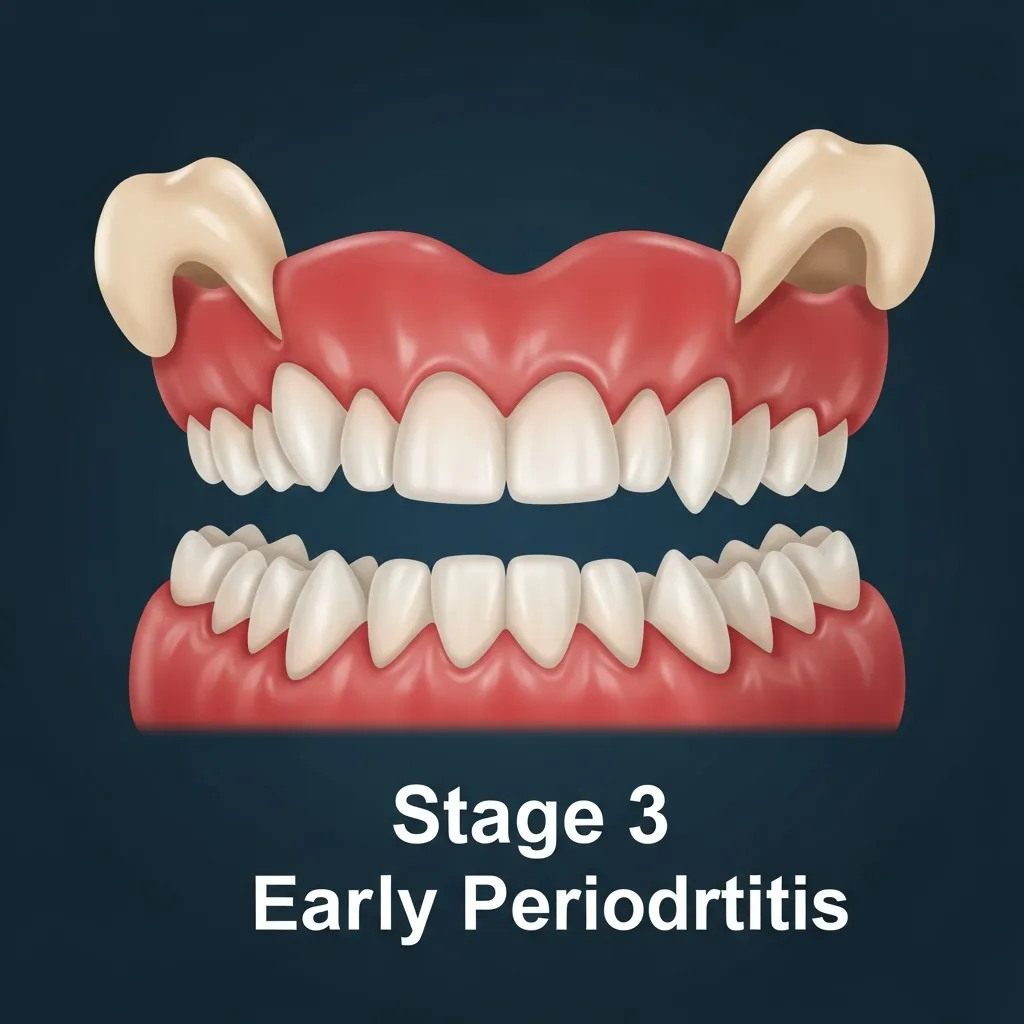
The bacteria under the tartar irritate the gum line, causing inflammation known as gingivitis (red, swollen gums). If untreated, this inflammation progresses deeper, destroying the tissues and bone that hold the teeth in place—a painful condition called periodontal disease.
The most dangerous part, however, happens below the surface. The inflamed, infected gums are full of bacteria that can easily enter the bloodstream. This bacteremia sends a constant stream of pathogens to internal organs.
The consequences are severe:
- Heart Disease: Bacteria can colonize the heart valves, leading to endocarditis.
- Kidney Damage: The kidneys filter the blood and can be damaged by chronic bacterial assault.
- Liver Inflammation: The liver, another filtering organ, is also at risk of infection (hepatitis).
- Diabetes Complications: Inflammation from dental disease can make it harder to regulate blood sugar in diabetic cats.
- Chronic Pain: Dental pain is constant and debilitating, affecting your cat’s mood, appetite, and behavior long before they stop eating entirely.
Decoding the Signs: Is Your Cat in Dental Pain?
Cats are evolutionarily programmed to hide weakness, including pain. They will often eat through significant dental discomfort, so watch for these subtle behavioral red flags:
- Changes in Eating Habits: Chewing on one side of the mouth, dropping food, sudden preference for soft food over kibble, or approaching the bowl with interest then hesitating.
- Altered Grooming: A decline in self-grooming, leading to a matted or unkempt coat, because the act of licking is painful.
- New Face-Touching Behaviors: Excessive pawing at the mouth or face, or rubbing their face along furniture or the floor.
- Behavioral Shifts: Uncharacteristic irritability, hiding more often, or reluctance to have their head or face touched.
- Visible Physical Signs: Persistent bad breath, red or bleeding gums, visible tartar (yellow/brown buildup on teeth), drooling, or a swelling under the eye (which could indicate a tooth root abscess).
If you notice any of these signs, it’s time for a veterinary visit. For more on understanding changes in your cat’s behavior, explore our article on what is my cat thinking.
Your Action Plan: A Complete Guide to Feline Dental Care
Protecting your cat’s dental health is a multi-layered approach involving professional veterinary care and a consistent at-home routine.
1. The Foundation: Professional Veterinary Care
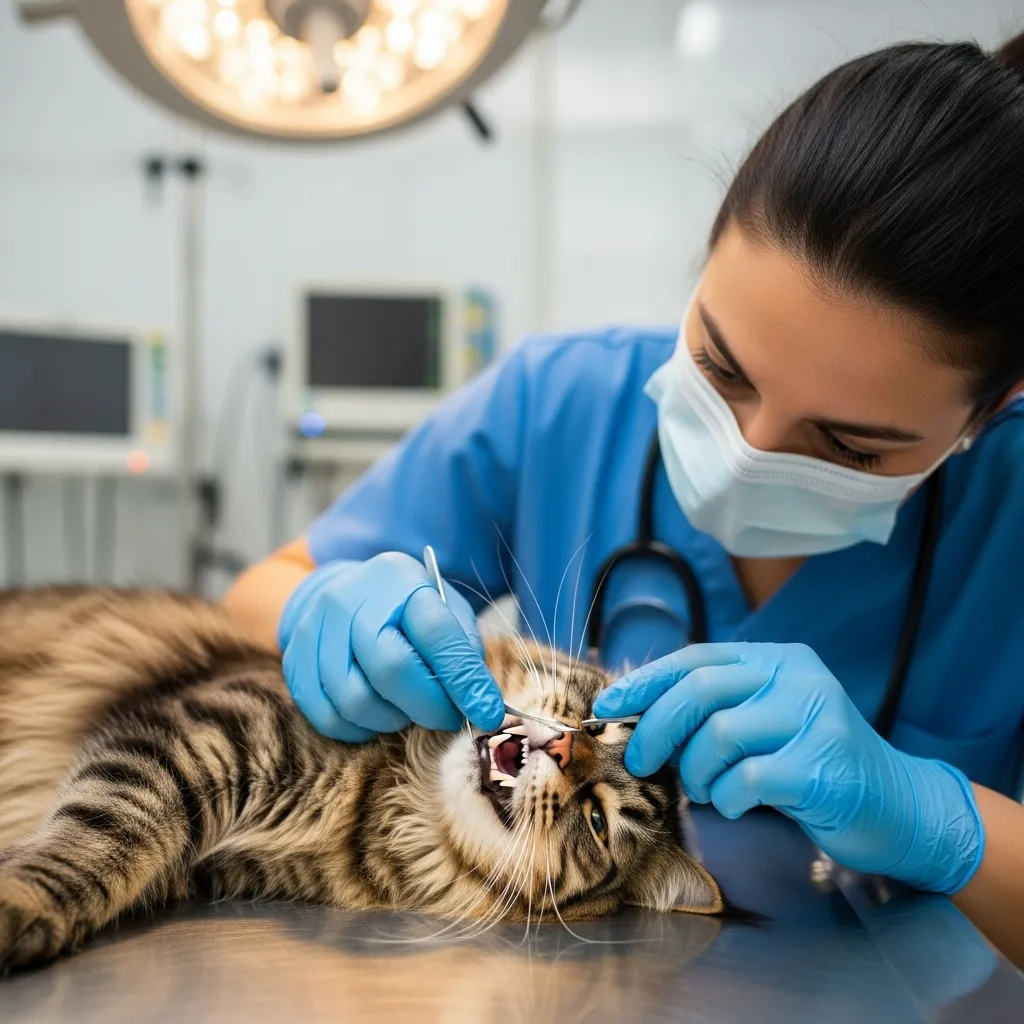
Your veterinarian is your partner in prevention. Annual wellness exams should always include a thorough oral check. However, a full assessment can only be done under anesthesia, which allows for:
- Probing around each tooth to check for hidden pockets of disease.
- Dental X-rays, which reveal problems below the gum line (like root abscesses or bone loss) that are invisible to the naked eye. Up to 60% of dental issues are found only on X-rays.
- A complete, safe cleaning above and below the gum line.
Don’t be afraid of anesthesia for dental procedures. Modern protocols are very safe, and the risks of untreated dental disease far outweigh the risks of a monitored anesthetic procedure. For tips on preparing for and navigating vet visits, read our guide on Siamese cat vet visits, which applies to all breeds.
2. The Gold Standard: Daily Tooth Brushing
Brushing your cat’s teeth is the single most effective thing you can do at home. The goal is to disrupt plaque before it hardens.
- Start Slowly: Let your cat taste pet-safe toothpaste (never use human toothpaste, as it contains fluoride and xylitol, which are toxic to cats). Use a soft-bristled finger brush or pediatric toothbrush.
- Build Positivity: Keep sessions short (5-10 seconds initially) and pair them with praise and a high-value treat. The goal is a positive association.
- Focus on the Outside: Most plaque accumulates on the outer surfaces of the teeth. Gently lift the lip and brush with a circular motion.
3. Supportive Strategies: Diet, Toys, and Supplements
When brushing isn’t fully possible, these tools can help:
- Dental Diets: Look for prescription or veterinary-recommended diets with a specific kibble size, shape, and texture designed to provide a mechanical scrubbing action.
- Dental Treats & Toys: Choose products with the Veterinary Oral Health Council (VOHC) seal, which certifies they meet standards for plaque and tartar reduction.
- Water Additives: These are antiseptic solutions added to your cat’s drinking water to help reduce oral bacteria.
The table below compares the main at-home dental care options to help you build a complete routine:
| Method | Effectiveness | Ease of Use | Best For |
|---|---|---|---|
| Daily Tooth Brushing | Excellent – Directly removes plaque. | Moderate (requires training) | Dedicated owners, cats who tolerate handling. |
| Prescription Dental Diet | Very Good – Clinically proven to reduce tartar. | Very Easy (simply feed) | All cats, especially as a maintenance diet. |
| VOHC-Approved Dental Treats | Good – Helps reduce plaque with chewing. | Very Easy | Supplemental care, rewarding cats after brushing. |
| Dental Chew Toys | Fair to Good – Provides mechanical cleaning. | Easy | Playful cats who enjoy chewing on safe toys. |
| Water Additives | Fair – Helps reduce oral bacteria. | Very Easy | Cats who don’t mind the taste in their water. |
Special Considerations for Different Cats
Image Placement & Description: A supportive image showing breed-specific care.
- Image Prompt: A split-image showing two cats side-by-side. On the left, a Persian cat with a flat face. On the right, a Siamese cat with a slender face. Arrows point to their distinct mouth and tooth alignment.
- Alt Text: Comparison of brachycephalic (Persian) and dolichocephalic (Siamese) cat skull shapes affecting dental health.
- Breeds with Flat Faces (Persians, Himalayans): Brachycephalic breeds often have severely crowded or misaligned teeth due to their shortened jaw. This creates more nooks for plaque to accumulate. They require meticulous, often more frequent, dental care.
- Senior Cats: Dental disease is more prevalent with age. Older cats may also have other health conditions (like kidney disease) that make anesthesia more complex, underscoring the importance of lifelong prevention.
- Cats with FIV/FeLV: These cats may have compromised immune systems, making them more susceptible to severe oral infections like stomatitis (a painful, widespread inflammation of the mouth).
Nutrition plays a foundational role in overall health, including dental resilience. Discover how to choose the right food in our guide to choosing cat food.
FAQ: Your Top Cat Dental Health Questions Answered
Q: My cat has terrible breath. Does that definitely mean dental disease?
A: While not all bad breath (halitosis) is caused by dental issues, it is the most common reason. Persistent bad breath is a strong indicator of bacterial buildup and should be investigated by your vet. For other potential causes of odors, you might find our article on why cat smells bad helpful.
Q: Are anesthesia-free dental cleanings a safe alternative?
A: Veterinary dental associations strongly advise against them. These cleanings are purely cosmetic, removing only visible tartar while missing all disease under the gums. They are often stressful for the cat, can damage the tooth enamel, and provide a false sense of security while painful disease progresses unchecked.
Q: How often does my cat need a professional dental cleaning?
A: There is no universal schedule. It depends entirely on your cat’s individual genetics, diet, and the effectiveness of your home care. Your veterinarian will recommend a schedule (annually, bi-annually, etc.) based on their annual oral exam findings.
Q: Can I use human toothpaste to brush my cat’s teeth?
A: Absolutely not. Human toothpaste contains fluoride and often xylitol, which are toxic to cats. It also creates foam, which cats dislike and cannot spit out. Always use a pet-specific enzymatic toothpaste formulated for cats, which comes in appealing flavors like poultry or fish.
Q: My cat lost a tooth. Is that a problem?
A: A tooth lost due to advanced periodontal disease is a sign of serious past infection. However, once the diseased tooth is gone (whether it fell out or was extracted by a vet), your cat will feel immediate relief. Cats adapt very well to eating with fewer teeth, often much happier once the source of chronic pain is removed.
The Final Word: A Lifetime of Healthy Smiles
Your cat’s dental health is a silent but vital component of their happiness and longevity. By understanding that dental disease is a common, serious, yet largely preventable condition, you have taken the first step. Commit to a partnership with your veterinarian for regular professional assessments and embrace a consistent, gentle home care routine. The reward is not just fresher breath, but a healthier, more comfortable, and potentially longer life for your beloved feline friend.

Caring for your cat is a holistic journey. For more insights into creating a happy and healthy life for your feline companion, explore our complete library of expert cat care and behavior guides on Cat Bloom Haven.