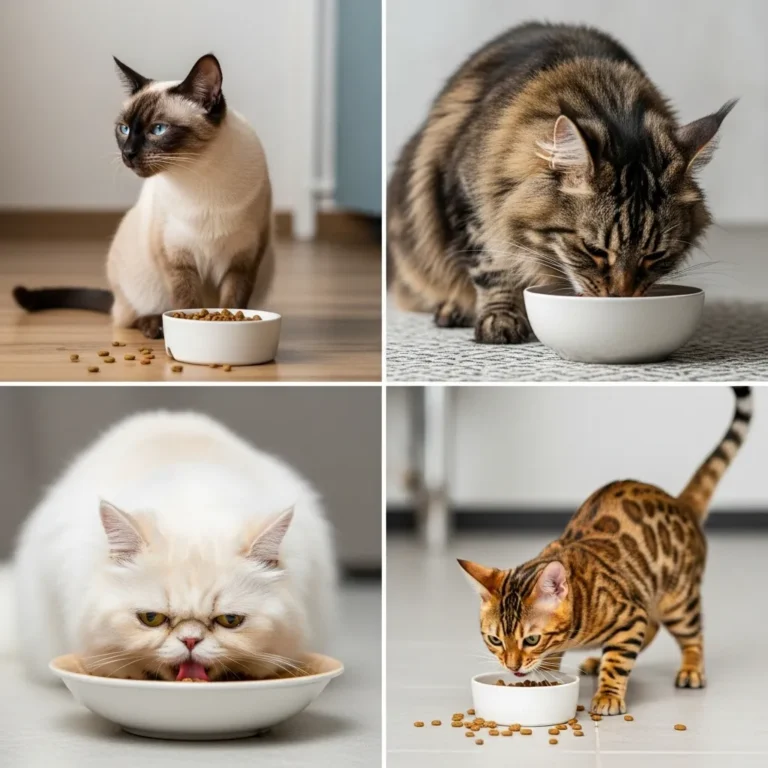
Early Warning Signs of Health Issues in Cats Most Owners Miss
Cats are masters at hiding discomfort. In the wild, showing weakness could mean becoming prey. Even our pampered house cats carry this instinct. By the time obvious symptoms appear, an illness might already be advanced. Many owners miss the early warning signs of health issues in cats because they seem minor or just part of a cat’s quirky personality.
This guide focuses on those subtle clues. Spotting them early can lead to quicker veterinary care and better outcomes. You’ll learn what to watch for, why these changes matter, and when to act. Knowing your cat’s normal habits is key. Any shift, even small, deserves attention.
Key Takeaways: Subtle Signs to Watch For
- Behavioral changes like hiding more or reduced playfulness often appear first.
- Shifts in appetite, thirst, or litter box habits signal common issues like kidney disease or diabetes.
- Grooming changes, bad breath, or a dull coat point to pain or underlying problems.
- Weight fluctuations without diet changes need investigation.
- Always consult a vet if multiple signs appear or something feels off.
Why Cats Hide Illness So Well
Cats evolved to mask pain and sickness. Predators target the weak, so vulnerable cats learned to act normal. Domestic cats retain this trait. Vets often see cats only when conditions are serious because early warning signs of health issues in cats go unnoticed at home.
Early detection matters. Conditions like chronic kidney disease or hyperthyroidism respond better when caught soon. Regular wellness exams help, but daily observation from you catches the first hints.
Subtle Behavioral Changes That Signal Trouble
Behavior shifts are often the earliest indicators.
Increased Hiding or Withdrawal
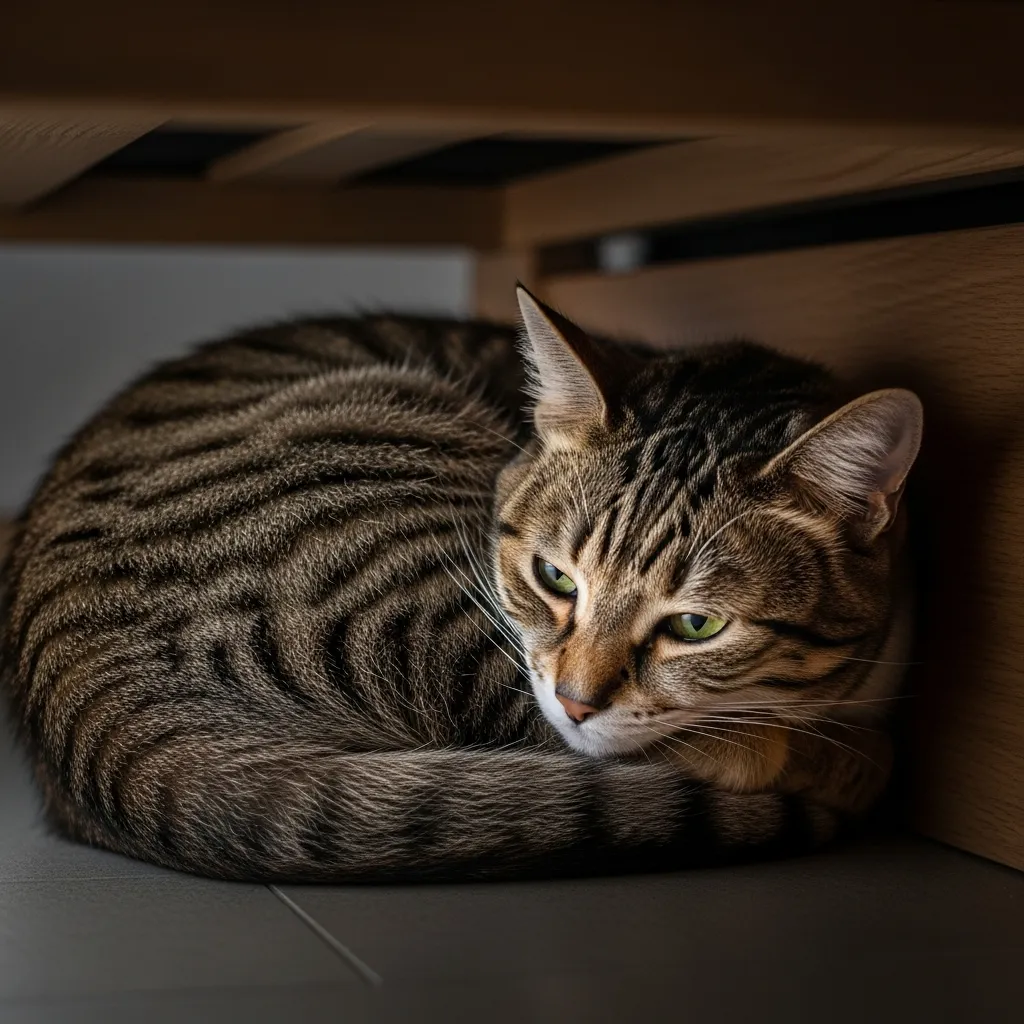
A usually social cat suddenly seeks solitude might feel unwell. They hide under beds or in closets to avoid interaction. This quiet withdrawal is a classic way cats cope with discomfort.
Reduced Activity or Playfulness
If your energetic cat stops chasing toys or jumps less, note it. Older cats slow down naturally, but sudden lethargy in any age suggests pain from arthritis or internal issues.
Changes in Vocalization
More meowing, especially at night, or unusual growling can indicate distress. Some cats purr more when hurting as self-soothing.
Irritability or Aggression
A normally affectionate cat hissing when petted might guard a sore spot. Pain makes tolerant cats snappy.
Appetite and Thirst: Red Flags Many Owners Overlook
Eating and drinking habits reveal a lot.
Decreased Appetite
Skipping meals or picking at food signals dental pain, nausea, or serious conditions like kidney failure. Cats refusing food over 24 hours risk liver complications.
Increased Thirst and Urination
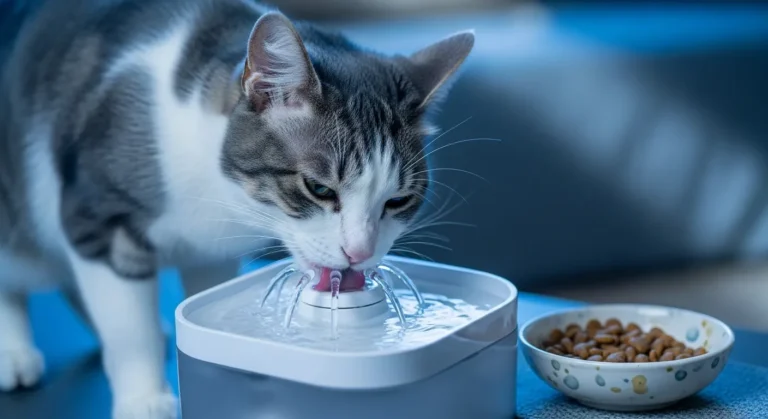
Drinking more and frequent litter box visits often mean diabetes, hyperthyroidism, or kidney disease. These common in middle-aged and senior cats show subtly at first.
Weight Loss Despite Normal Eating
Gradual thinning, especially in older cats, points to hyperthyroidism or cancer. Feel ribs and spine regularly to track changes.
Discover more tips in our guide on why cat losing weight.
Litter Box Clues You Shouldn’t Ignore
The litter box offers direct health insights.
Changes in Frequency or Output
Straining, small urine amounts, or crying in the box suggest urinary tract infections or blockages, especially dangerous in males.
Avoiding the Litter Box
Peeing or pooping outside signals pain associating with the box or issues like constipation.
Blood in Urine or Stool
Any tint of red means immediate vet attention.
Explore our detailed guide on cat urinary health.
Grooming Habits and Coat Condition
Cats groom meticulously. Changes stand out.
Over-Grooming or Bald Patches
Excessive licking in one area causes hair loss or sores, often from pain or stress.
Neglected Grooming Leading to Matted Fur
A dull, greasy coat or mats indicate the cat feels too unwell to groom.
Bad Breath
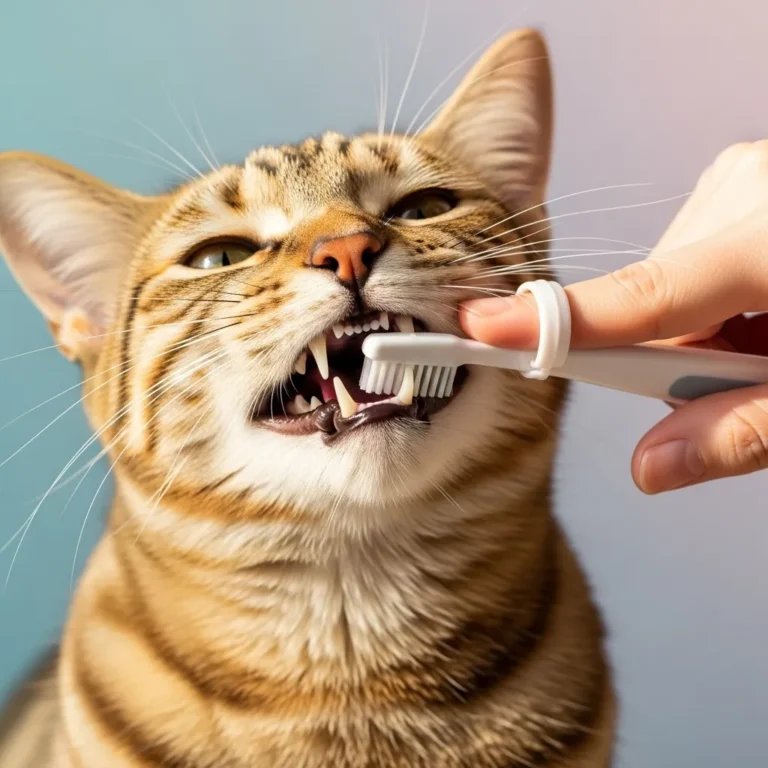
Foul odor often stems from dental disease, affecting over 70% of cats by age three. Untreated, it leads to organ damage.
Breathing, Eyes, and Other Physical Signs
Watch the body closely.
Subtle Breathing Changes
Faster breathing at rest, wheezing, or open-mouth panting signal respiratory or heart problems.
Eye or Nose Discharge
Watery eyes, squinting, or runny nose suggest infections or allergies.
Vomiting More Than Hairballs
Occasional hairballs are normal, but frequent vomiting, especially bile, points to gastrointestinal issues.
Learn more in our cat hairballs guide.
Hidden Signs of Pain in Cats
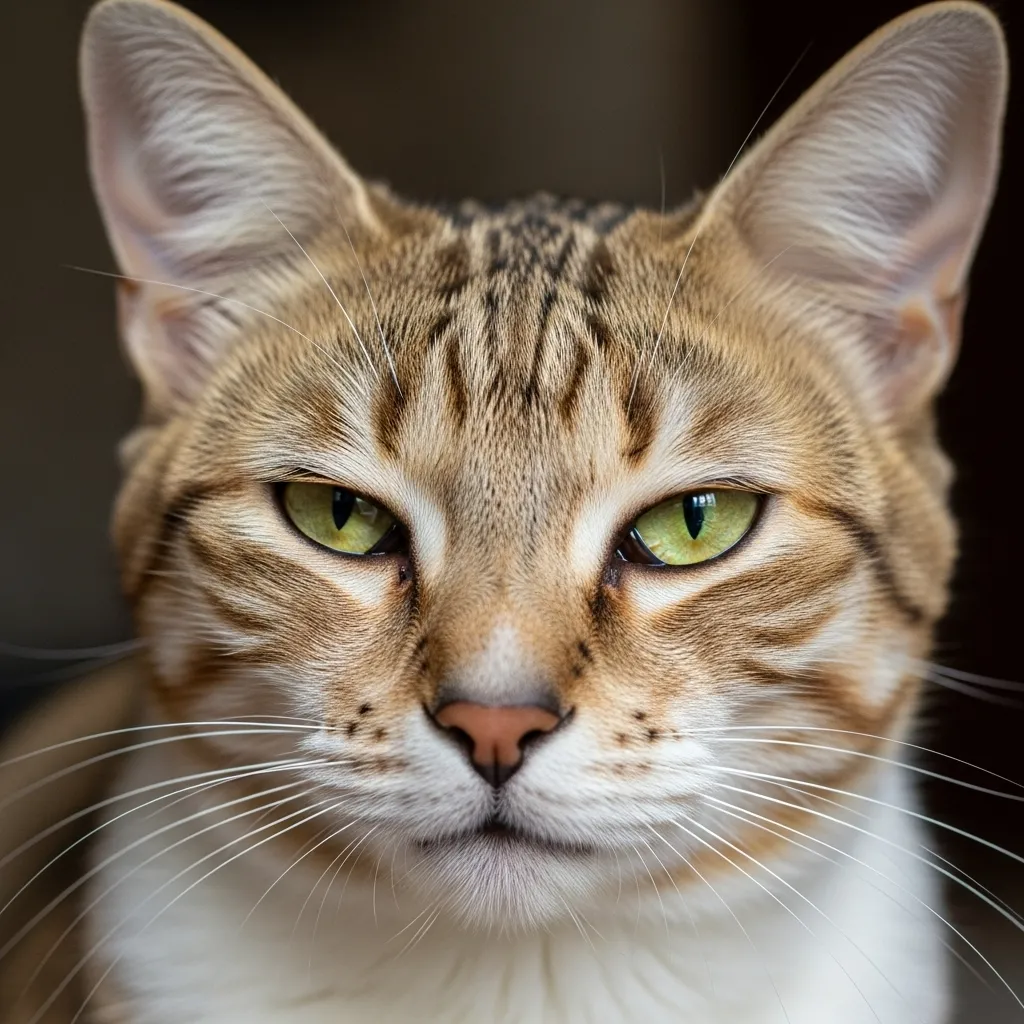
Pain shows differently in cats than dogs.
Hunched Posture or Tense Body
A rounded back or tucked abdomen protects sore areas.
Reluctance to Jump or Climb
Avoiding favorite perches suggests joint pain.
Excessive Purring or Tail Flicking
Purring can self-soothe during discomfort.
Changes in Sleeping Positions
Sleeping more or in unusual spots avoids pressure on painful areas.
When to See the Vet: Don’t Wait
Trust your instincts. If your cat seems “off,” schedule a checkup. Urgent signs include:
- No eating for 24 hours
- Labored breathing
- Straining in litter box
- Sudden hiding with lethargy
Early intervention saves lives and reduces suffering.
For vet visit tips, check finding the best vet for your cat.
Preventive Care: Your Best Defense
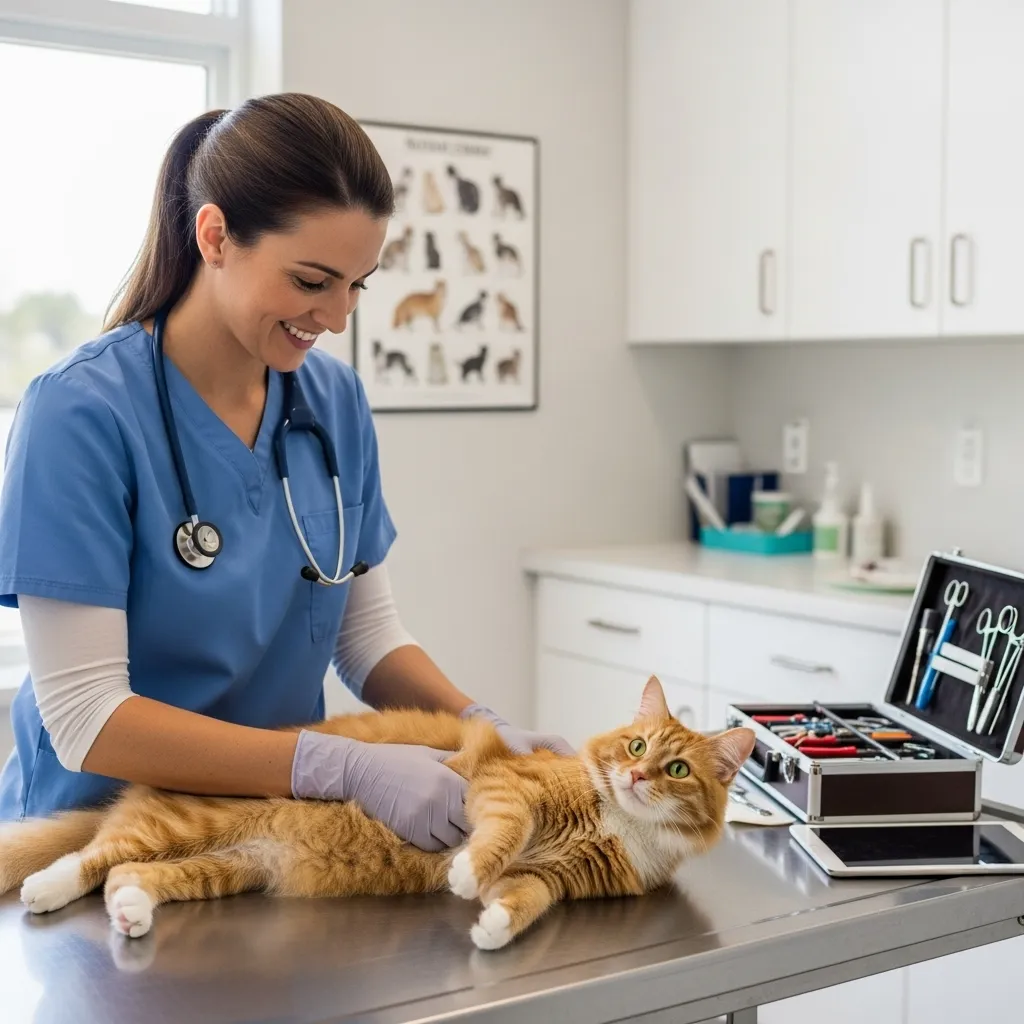
Annual or bi-annual exams catch issues early. Bloodwork and urinalysis baseline health. Maintain weight, dental care, and parasite prevention.
See our senior cat care for aging tips.
FAQ: Common Questions About Cat Health Signs
What are the most overlooked early warning signs of health issues in cats?
Behavioral shifts like hiding, reduced grooming, and subtle appetite changes top the list. Owners often attribute them to mood or age.
How can I tell if my cat is in pain if they don’t cry out?
Look for posture changes, irritability when touched, or activity reduction. Cats rarely vocalize chronic pain.
Is increased thirst always serious?
Not always, but paired with more urination or weight loss, it often signals diabetes or kidney problems. Monitor and consult a vet.
Why does my cat have bad breath suddenly?
Dental disease is likely. It causes pain and affects organs if untreated.
When should I worry about vomiting?
Occasional hairballs are fine, but weekly or with lethargy/food refusal needs attention.
How often should I weigh my cat?
Monthly at home. Sudden changes warrant a vet visit.
More on cat hydration guide.
Final Thoughts
Your cat relies on you to notice early warning signs of health issues in cats most owners miss. These subtle shifts can prevent minor problems from becoming serious. Stay observant, act promptly, and partner with your vet.
Explore more expert cat care and behavior guides on Cat Bloom Haven, from breed-specific insights to nutrition tips. Your vigilance keeps your feline friend thriving.