How to Clean Cat Teeth at Home: A Vet-Backed, Step-by-Step Guide to Lifelong Cat Dental Care
Imagine leaning in for a cuddle with your purring furball, only to be hit with a wave of foul breath that could knock out a small rodent. You love your cat, but that stench? It’s a red flag. Poor cat oral health doesn’t just ruin snuggle sessions it can lead to painful infections, tooth loss, and even heart or kidney disease. The good news? You can master cat teeth cleaning right in your living room with the right tools, patience, and routine.
In this guide, you’ll discover the best way to clean cat teeth safely, spot signs of dental problems in cats early, and build a cat dental care routine that prevents costly vet bills. Whether you’re a new cat parent or a seasoned pro, you’ll walk away with vet-approved techniques, product recommendations for 2025, and natural hacks that actually work no fluff, no guesswork.
Key Takeaways
- Brush 2–3 times weekly with vet-approved cat toothpaste to slash plaque by up to 70%.
- Use finger brushes or gauze for beginners; graduate to a cat toothbrush as tolerance builds.
- Dental treats for cats and cat dental toys reduce tartar by 20–30% when used daily.
- Bad breath, red gums, or drooling = see a vet ASAP.
- Start brushing cat teeth before 6 months old for lifelong cooperation.
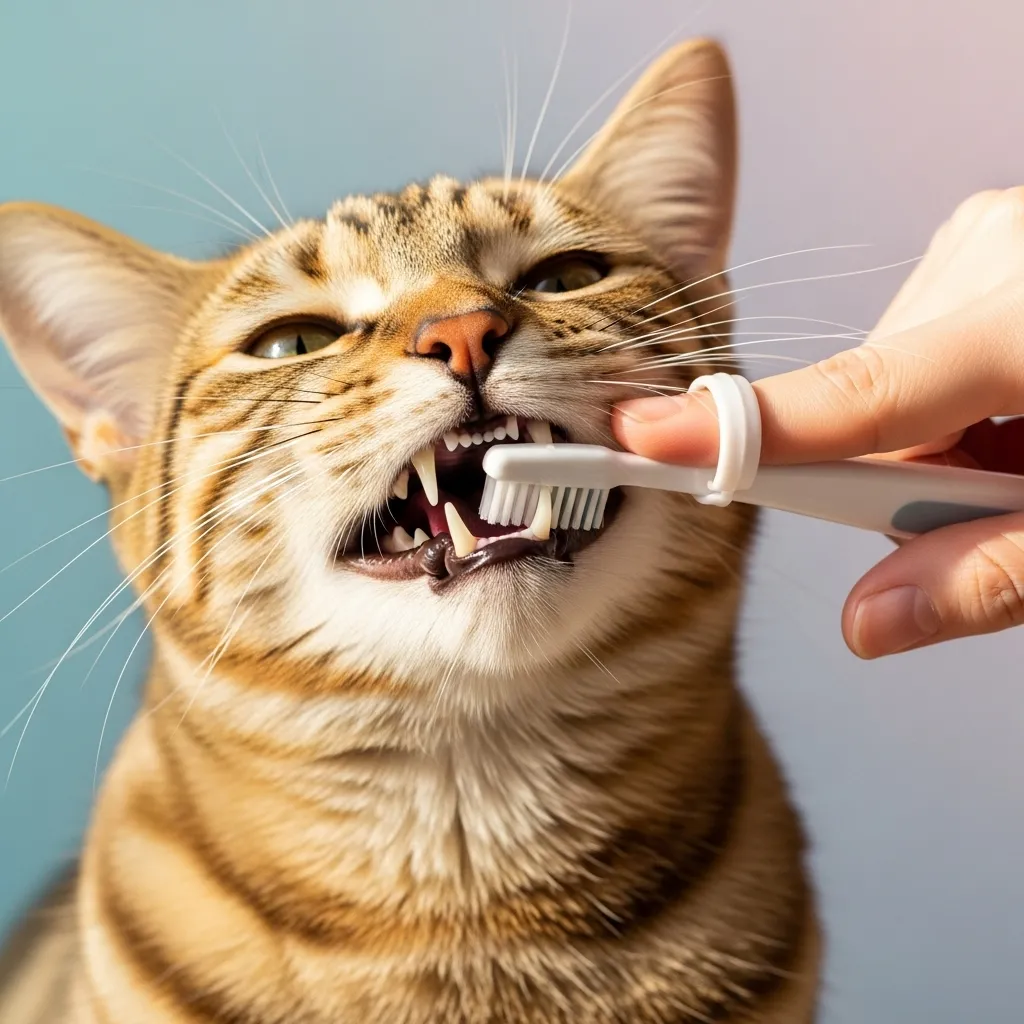
Why Cat Dental Hygiene Matters More Than You Think
Cats hide pain like ninjas. By the time you notice your feline friend pawing at their mouth, up to 80% of cats over age three already have dental disease, according to the American Veterinary Dental Society.
Cat dental care isn’t optional it’s preventive medicine. Plaque hardens into tartar in just 24–48 hours, creating a bacterial playground that leads to:
- Gingivitis (swollen, bleeding gums)
- Periodontal disease (bone loss around teeth)
- Tooth root abscesses (silent agony)
- Systemic issues: bacteria entering the bloodstream and taxing kidneys, liver, or heart
A 2024 study in Journal of Feline Medicine and Surgery found cats with regular home dental care for cats lived 1–2 years longer on average than those relying solely on professional cat teeth cleaning.
Pro Tip: Kittens form dental habits fast. Introduce cat dental hygiene before 12 weeks, and you’ll have a cooperative adult. Struggling with a senior? Don’t worry Section 4 has desensitization tricks.
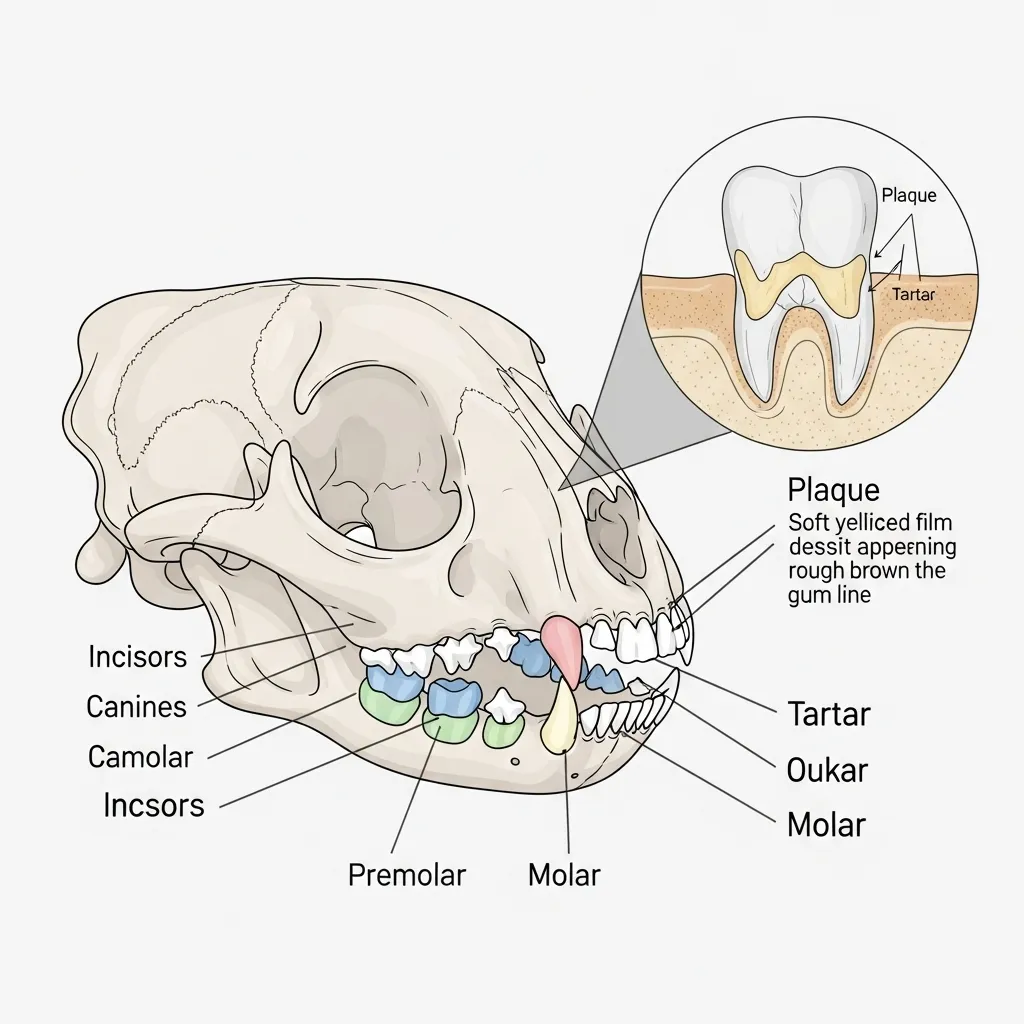
Cat Tooth Anatomy 101: What You’re Actually Cleaning
Understanding your cat’s chompers makes cat teeth cleaning less intimidating. Unlike humans, cats have:
- 30 adult teeth (12 incisors, 4 canines, 10 premolars, 4 molars)
- Razor-sharp canines for tearing, flat molars for grinding
- No flat chewing surfaces = food doesn’t “stick” as much, but plaque still builds on gum lines
Essential Tools for At-Home Cat Dental Care (2025 Edition)
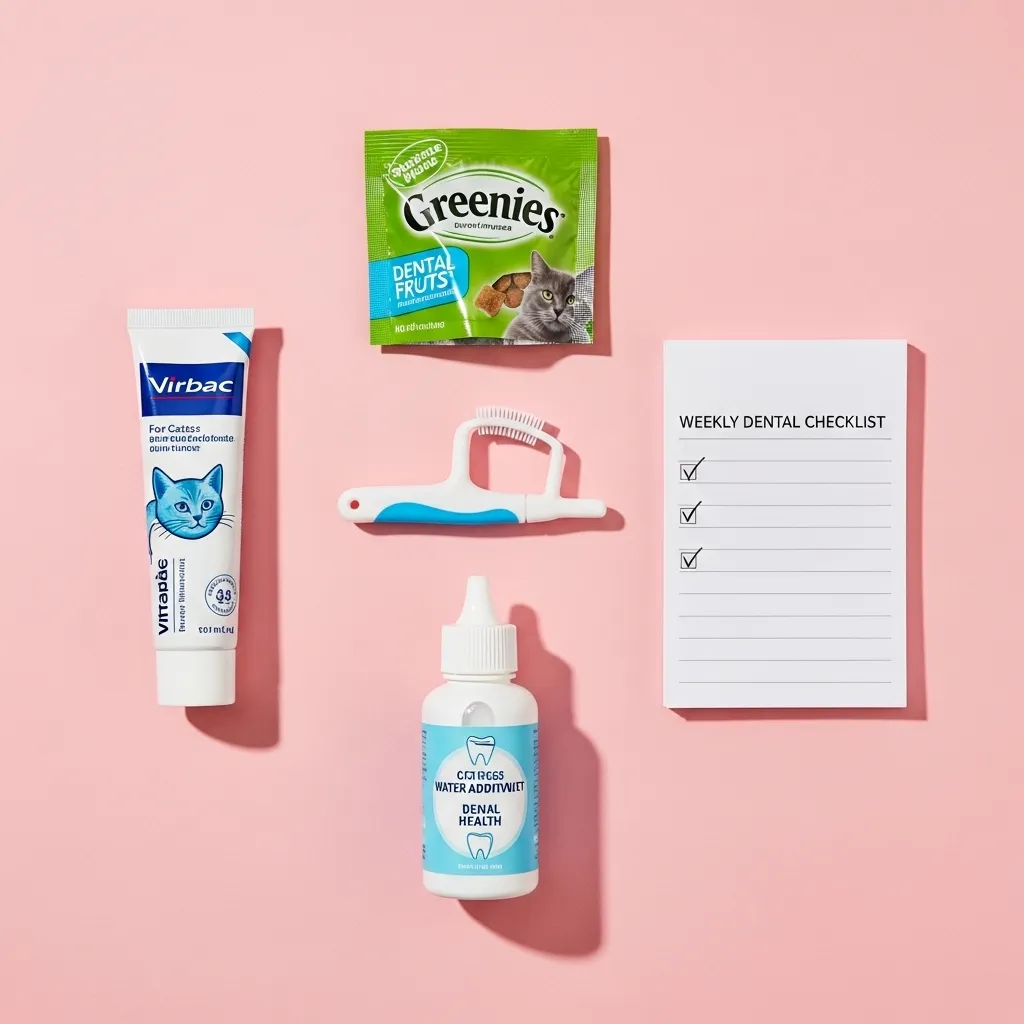
Skip human toothpaste xylitol is toxic to cats. Here’s your vet-curated shopping list:
| Tool | Best For | Top Pick (2025) | Price Range |
|---|---|---|---|
| Cat Toothbrush | Daily brushing | Virbac C.E.T. Dual-Ended | $8–12 |
| Finger Brush | Beginners, kittens | Jasper Silicone Finger Brush | $5–7 |
| Cat Toothpaste | Plaque control + flavor | Virbac Enzymatic Poultry | $10–14 |
| Dental Wipes | Quick cleanups | Petkin Dental Wipes | $6–9 |
| Dental Treats for Cats | Tartar reduction | Greenies Feline Dental Treats | $5–8/bag |
| Water Additive | Passive care | TropiClean Fresh Breath | $12–15 |
Natural cat dental care lovers: Try coconut oil + baking soda paste (1:1 ratio) only if your vet approves—some cats are sensitive.
Learn more in our guide on cat health care essentials for full wellness kits.
Step-by-Step: How to Brush Cat Teeth Without Losing a Finger
Goal: 30–60 seconds per session, 2–3 times weekly.
Phase 1: Desensitization (Days 1–7)
- Let your cat sniff the cat toothbrush and cat toothpaste. Reward with treats.
- Touch lips and lift gently for 3 seconds. Praise lavishly.
- Rub gauze-wrapped finger along outer gums.
Phase 2: First Brush (Week 2)
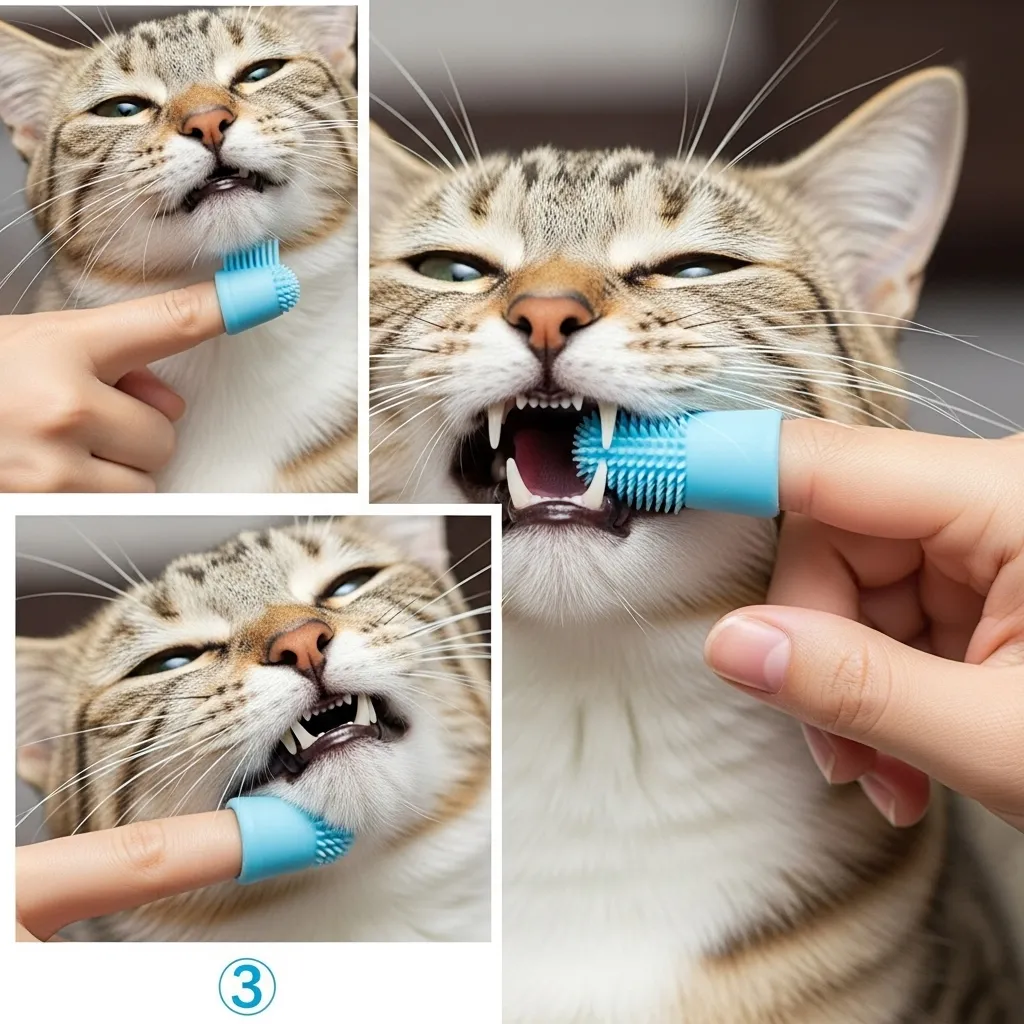
- Apply pea-sized cat toothpaste to finger brush.
- Lift lip on one side focus on outer surfaces (inner are self-cleaned by tongue).
- Use 45° angle, circular motions for 10 seconds per side.
- End with play or dental treats for cats to create positive association.
Troubleshooting:
- Hiss or swipe? Drop to gauze for 3 days.
- Senior cat resists? Try dental wipes first.
How Often to Brush Cat Teeth: The Real Answer
| Cat Age | Brushing Frequency | Supplemental Care |
|---|---|---|
| Kitten (<1 yr) | 3–4x/week | Dental gel daily |
| Adult (1–7 yrs) | 2–3x/week | Water additive + treats |
| Senior (>7 yrs) | 1–2x/week | Soft brushes + vet check 2x/year |
Miss a day? No guilt just use a dental wipe or offer a cat dental toy like the Petstages Dental Health Chew.
Beyond Brushing: Supercharge Cat Dental Disease Prevention
Brushing cat teeth is gold, but these add-ons make your routine bulletproof:
1. Dental Treats & Toys
- Greenies: Clinically proven to reduce tartar by 30%.
- Oratene Brushless Gel: Enzymes dissolve biofilm apply to gums 1x/day.
2. Water Additives
- TropiClean or Oxyfresh: Add to fountain. Cats drink 20% more from moving water = better hydration + cleaner mouth.
3. Raw Bones (Vet-Supervised)
- Chicken necks or wings (raw, never cooked) scrape teeth naturally. Risky for aggressive chewers—ask your vet.
Explore cat dental health tips for breed-specific advice (e.g., Persians need extra gum care).
Red Flags: Signs of Dental Problems in Cats You Can’t Ignore
Catch these early to avoid $1,000+ vet bills:
- Bad breath (beyond “tuna” level)
- Red, swollen, or bleeding gums
- Yellow/brown tartar at gum line
- Drooling or dropping food
- Pawing at mouth or face
- Weight loss (painful to eat)
Case Study: Luna, a 9-year-old Maine Coon, stopped eating kibble. Owner assumed “picky phase.” Vet found three abscessed teeth $1,800 surgery. Early cat oral health checks could’ve saved $1,500.
Discover more in finding the best vet for your cat.
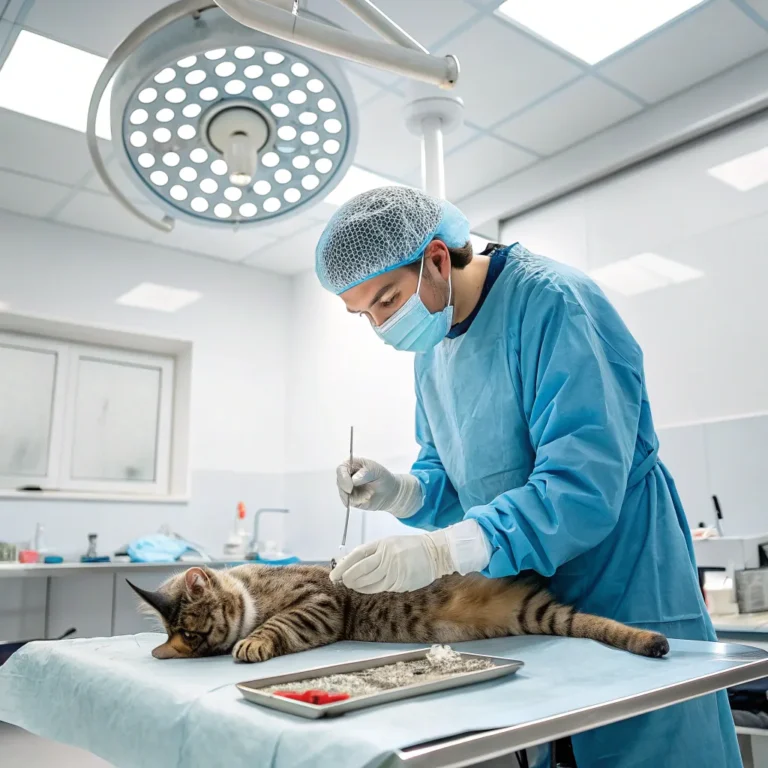
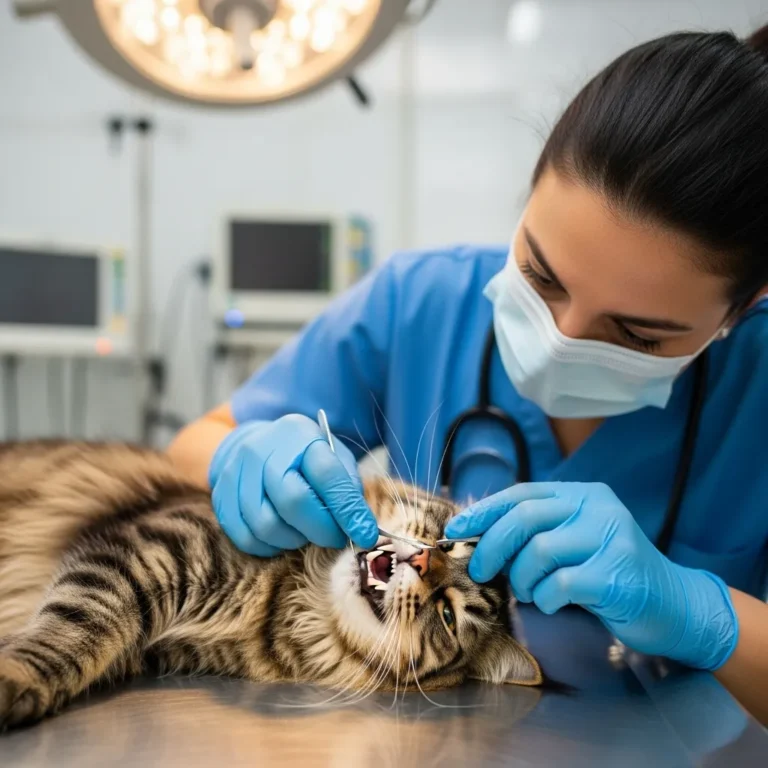
Professional Cat Teeth Cleaning: When DIY Isn’t Enough
Annual dental exams + cleanings under anesthesia are non-negotiable for:
- Cats over 5 years
- Breeds prone to dental issues (Persians, Siamese, Maine Coons)
- Visible tartar or gingivitis
Cost (2025): $300–$800 depending on extractions.
At-home maintenance cuts frequency some cats go 2–3 years between pro cleanings with diligent cat dental care.
Safe DIY Cat Teeth Cleaning Hacks (Vet-Approved)
- Coconut Oil Pull: Dab on gums 1x/week antimicrobial + cats love the taste.
- Seaweed Powder: Sprinkle 1/8 tsp on food 3x/week (e.g., AnimalBiome Dental Powder).
- DIY Dental Spray: Mix 1 cup distilled water + 1 tsp parsley-infused aloe vera. Mist on gums.
Warning: Never use baking soda alone too abrasive.
Building a Bulletproof Cat Dental Care Routine
| Time | Action | Tool |
|---|---|---|
| Morning | Add water additive | TropiClean |
| Evening (Mon/Wed/Fri) | Brush teeth | Finger brush + enzymatic paste |
| Daily | Offer dental treat | Greenies |
| Weekly | Inspect gums | Flashlight + treat reward |
FAQ: Your Top Cat Dental Care Questions Answered
Q: What’s the best way to clean cat teeth without brushing?
A: Use enzymatic water additives (TropiClean) + VOHC-approved dental treats daily. Reduces plaque by 20–30%.
Q: Can I use human toothpaste for cat teeth cleaning?
A: Never. Xylitol is lethal. Stick to vet-approved cat toothpaste in poultry or malt flavors.
Q: How often should I brush cat teeth?
A: 2–3 times weekly for adults. Kittens: 3–4x/week to build tolerance.
Q: What are signs of dental problems in cats?
A: Persistent bad breath, red gums, drooling, or avoiding hard food. See vet within 48 hours.
Q: Are there natural cat dental care options?
A: Yes coconut oil, seaweed powder, or raw chicken necks (vet-supervised).
Q: When is professional cat teeth cleaning necessary?
A: Visible tartar, gingivitis, or annual checkups for cats over 5.
Final Whisker: Your Cat’s Smile Starts Today
Mastering how to clean cat teeth at home isn’t just about fresh breath it’s about adding healthy, pain-free years to your cat’s life. Start tonight with a finger brush and a dab of poultry paste. In two weeks, you’ll see shinier teeth, happier mealtimes, and a cat who begs for dental sessions.
Ready for more? Explore our detailed guide on senior cat care or laugh off the stress with naughty cat memes 2025.
Your cat’s grin (and your nose) will thank you. 🐾