The Silent Shifts: Understanding Weight Changes in Cats and When to Act
Your cat’s weight is more than just a number it’s a vital sign, a silent language of health whispered in ounces and pounds. Unlike dogs, whose weight fluctuations are often immediately noticeable, cats are masters of subtlety. A gradual gain can be dismissed as “fluffiness.” A slow loss might be attributed to “just getting older.” But understanding weight changes in cats and when to act is perhaps the single most important skill a cat guardian can develop. It’s the line between proactive care and reactive treatment.
This isn’t just about aesthetics or breed standards. It’s about decoding what your cat’s body is telling you about their internal world their metabolism, their organ function, their emotional state. A change in weight is rarely an isolated event; it’s a symptom, a clue in the larger mystery of feline well-being. By the end of this guide, you will be equipped not just with knowledge, but with a practical framework for observation, assessment, and timely action that could redefine your cat’s quality of life.
Key Takeaways:
- Subtlety is Key: Cats mask weight changes brilliantly. Regular, at-home monitoring is non-negotiable.
- Direction Matters: Both weight gain and weight loss are significant, but sudden or severe loss is always a veterinary emergency.
- Context is Everything: Age, breed, lifestyle, and concurrent behavioral changes provide critical clues.
- Action Has Stages: From at-home monitoring to immediate vet care, knowing when to escalate is crucial.
Why Weight is the Ultimate Barometer of Feline Health
Cats are consummate survivors, a trait inherited from their solitary hunting ancestors. In the wild, showing weakness makes you prey. This evolutionary legacy means cats are incredibly stoic; they will often hide illness until it is advanced. Weight change frequently becomes the first and sometimes only visible crack in that sturdy facade.
A stable, healthy weight indicates a body in balance: calories consumed match energy expended, the metabolic engine hums smoothly, and the endocrine system functions in harmony. When that scale tip, up or down, it signals a system out of balance. The cause could be as simple as a change in activity or as complex as a brewing internal disease. Your job isn’t to diagnose, but to detect. Your vigilance is the early warning system. For a broader look at proactive health, our cat health care guide offers a foundational approach.
Mastering the Art of At-Home Weight Assessment
You cannot manage what you do not measure. Relying on the “eye test” or how your cat feels in your arms is unreliable. You need a system.
1. The Home Weigh-In:
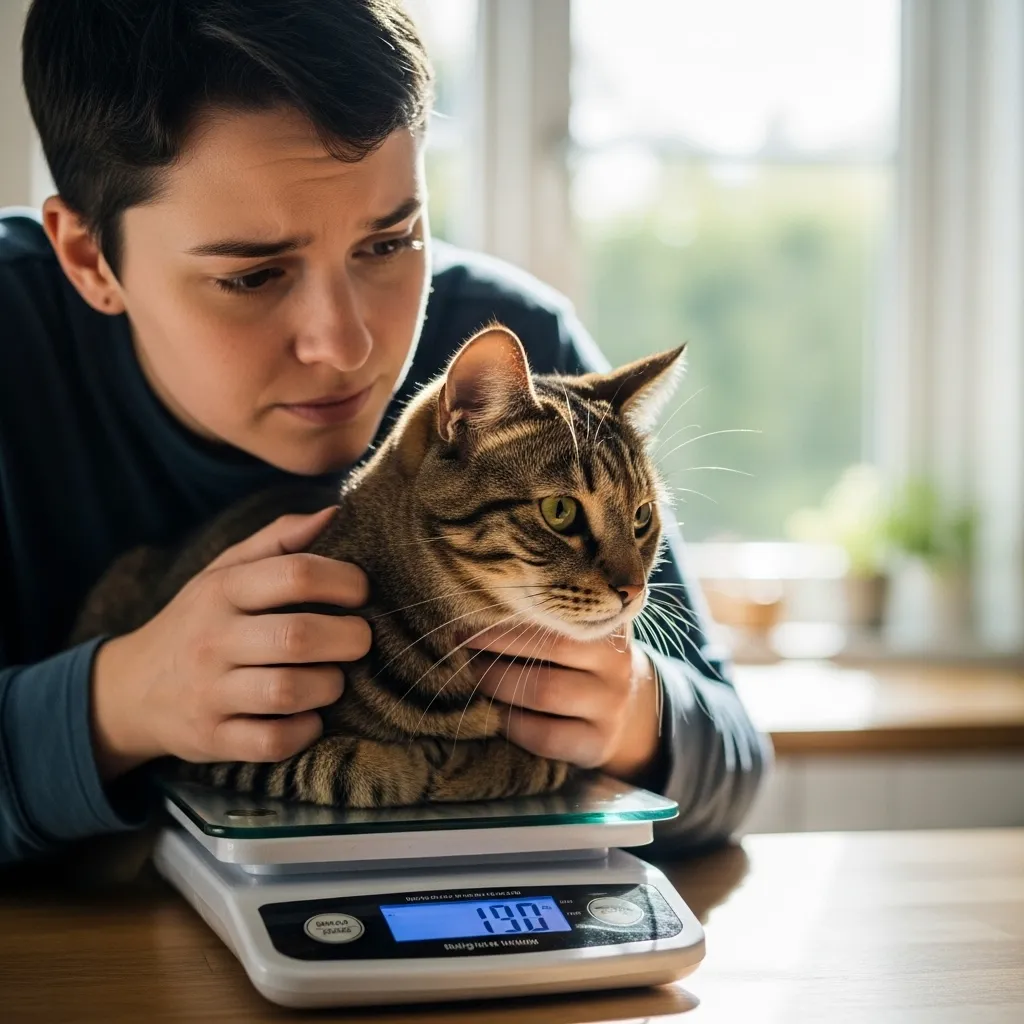
The gold standard. Use a digital baby scale or a pet scale for accuracy.
- Kittens & Young Cats: Weigh weekly. Growth should be steady.
- Adult Cats (1-7 years): Weigh monthly. Consistency is the goal.
- Senior Cats (7+ years): Weigh every 2-4 weeks. Older cats are more prone to fluctuations.
Pro Tip: Weigh your cat at the same time of day, under similar conditions (e.g., before the first meal). Keep a simple log a notes app on your phone is perfect. A change of more than 5% of body weight in a month is a red flag requiring investigation. A 10% change is a veterinary urgent.

2. The Hand Test (Body Condition Score – BCS):
This tactile assessment complements the scale. Perform this monthly:
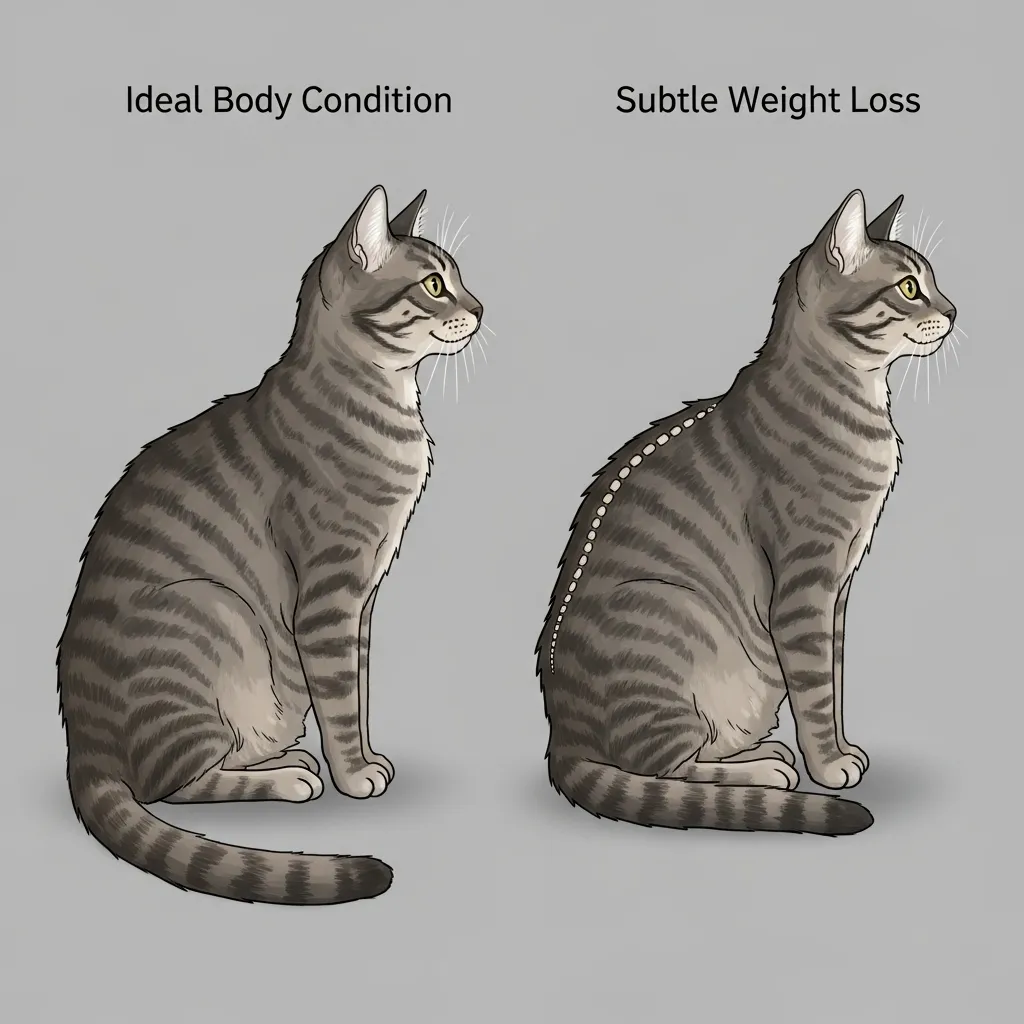
- Rib Check: Run your hands along your cat’s side. You should be able to easily feel individual ribs with a slight fat covering, like the back of your hand. If ribs are buried under padding (your palm), that’s overweight. If ribs are sharp and prominent (knuckles), that’s underweight.
- Waist & Profile: Look down at your standing cat. There should be a visible waist behind the ribs. View from the side; the abdomen should tuck up, not sag.
- Base of Tail: It should feel smooth with a slight layer of fat, not bony or extremely padded.
Decoding Weight Gain: Is It “Fluff” or “Fluff-But-Not”?
Weight gain occurs when calorie intake exceeds energy expenditure. But the why behind that equation matters profoundly.
Common, Manageable Causes:
- Reduced Activity: Moving to a smaller home, a new work schedule, inter-cat conflict reducing play, or natural aging. An American Shorthair cat’s playful personality might mellow, for example.
- Overfeeding: Free-feeding high-calorie kibble, excessive treats, or misjudging portion sizes. Even a few extra kibbles daily adds up.
- Neutering/Spaying: Metabolic rate can drop by up to 30%. Portions need adjusting post-surgery (our neutering your cat guide has details).
- Breed Predisposition: Some breeds, like the laid-back Ragdoll, can be prone to gain.
Medical Causes Requiring Veterinary Diagnosis:
- Hypothyroidism (Rare in cats, but occurs): The thyroid gland under-functions, slowing metabolism.
- Insulin Resistance & Early Diabetes: The body doesn’t use insulin properly, promoting fat storage.
- Fluid Retention: Due to heart disease, liver issues, or protein loss.
- Medications: Certain steroids or anti-seizure drugs can increase appetite and weight.
When to Act on Weight Gain:
If your cat’s BCS slips into the overweight category (score 7/9 or above) and you cannot link it to an obvious lifestyle change (like fewer play sessions), schedule a vet check. Unexplained gain coupled with other signs like increased thirst, lethargy, or changes in coat quality warrants a sooner visit. Our guide on why is my cat gaining weight explores this in more detail.
Decoding Weight Loss: The More Ominous Shift
While obesity is a serious health threat, unintentional weight loss is often the more medically urgent sign. Cats cannot safely mobilize fat stores as efficiently as other animals; rapid weight loss can lead to hepatic lipidosis (a deadly liver condition).
Common Causes of Weight Loss:
- Dental Disease: Painful teeth or gums make eating difficult. A cat may approach food eagerly then walk away.
- Hyperthyroidism (Very Common in Seniors): An overactive thyroid revs metabolism into overdrive, causing weight loss despite a ravenous appetite.
- Chronic Kidney Disease (CKD): Nausea and altered metabolism lead to muscle wasting.
- Diabetes: Despite eating more, the body starves without functional insulin, breaking down fat and muscle.
- Intestinal Issues: Inflammatory Bowel Disease (IBD), parasites, or food intolerances impair nutrient absorption.
- Cancer: Tumors alter metabolism and consume energy.
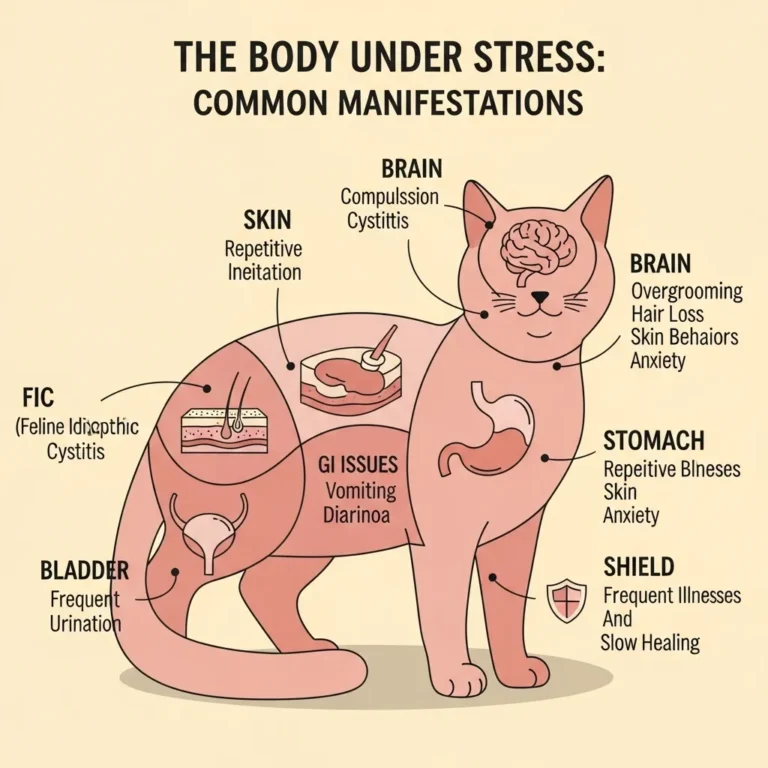
- Stress & Anxiety: A cat stress signs guide can help identify if emotional factors are at play, leading to reduced eating.
The Critical Red Flags: When to Act IMMEDIATELY
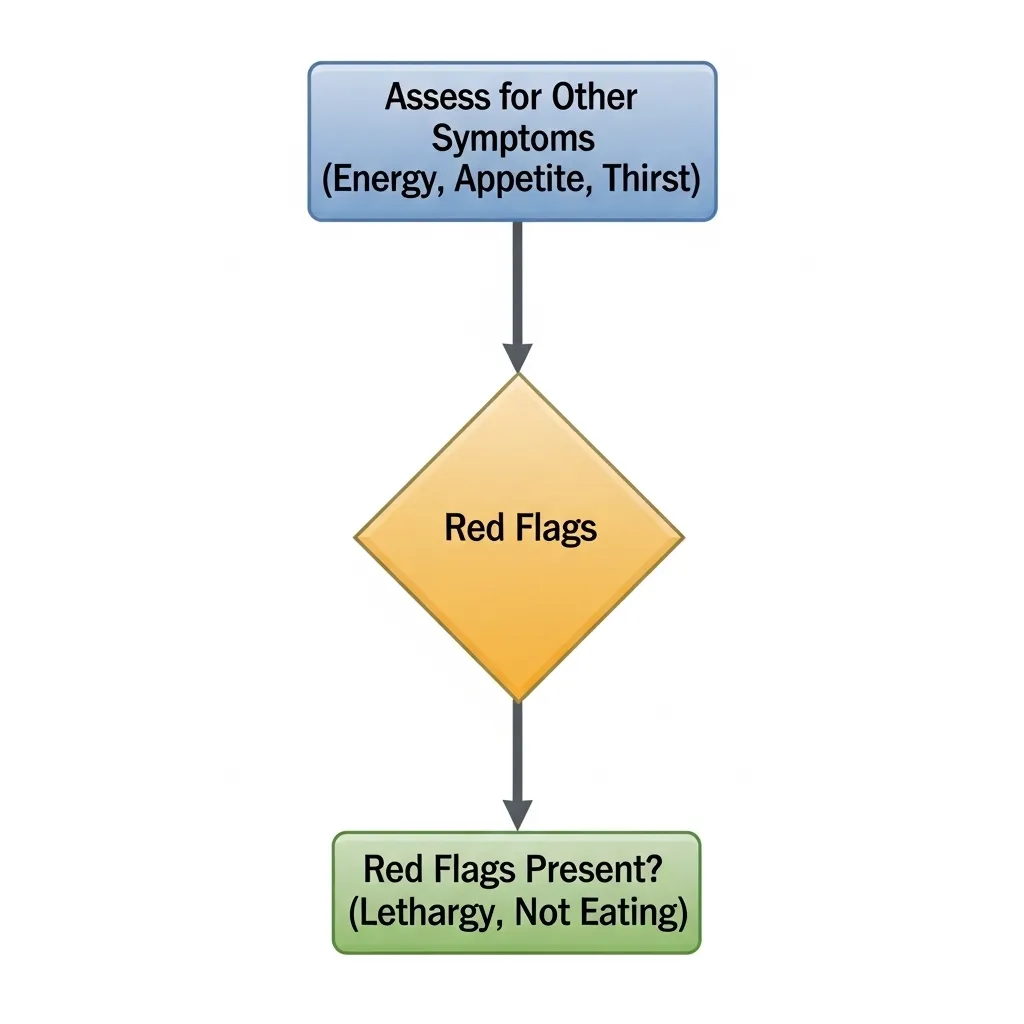
If you notice weight loss especially if rapid combined with ANY of the following, seek veterinary care within 24 hours:
- Lethargy or profound weakness
- Vomiting or diarrhea that persists
- Complete loss of appetite for more than 24 hours
- Any difficulty breathing
For more gradual loss, a vet appointment within the week is prudent. Do not attempt to “fatten them up” without a diagnosis; you could worsen the underlying condition. If you need to support a cat with a clean bill of health but poor appetite, see help cat gain weight.
The Breed & Life Stage Lens: Context is Everything
Understanding weight changes in cats requires context. A 15-pound Maine Coon is likely lean; a 15-pound Munchkin is obese. Our Maine Coon size and Norwegian Forest Cat weight guide provide breed-specific context.
- Kittens: Should gain steadily. Stalled growth or loss is an emergency.
- Adults (1-7 years): Weight should be remarkably stable. Any change is significant.
- Seniors (7+ years): Lean muscle mass naturally decreases. However, unintentional loss of both fat and muscle is a major concern. Senior cat care involves closer monitoring.
- Giant Breeds (Maine Coon, Norwegian Forest): Slow to mature, their healthy weight range is wide. Focus on BCS over pounds.
- Small-Framed Breeds (Siamese, Munchkin): Even a pound can represent a 10-15% change.
Your Action Plan: From Observation to Intervention
Step 1: Establish Your Baseline.
Weigh and BCS your cat today. Start the log.
Step 2: Monitor Systematically.
Incorporate weigh-ins into your routine. Observe eating habits—not just if they eat, but how. Are they chewing oddly? Do they leave food? Use our cat feeding schedule insights to structure mealtimes for better observation.
Step 3: Assess and Contextualize.
Note any other changes: water consumption, litter box habits (more/less urine? different stool?), activity level, vocalization, grooming, or cat sleeping habits. This holistic picture is what your vet needs.
Step 4: Act Decisively.
- <5% weight change, no other symptoms: Monitor closely for 2-4 weeks. Adjust food/activity if cause is clear (e.g., measured overfeeding).
- 5-10% change, or any concerning symptoms: Schedule a non-emergency vet visit. This is the “investigate” zone.
- >10% change, or any “Red Flag” symptoms: Seek veterinary care urgently.
Step 5: Partner with Your Vet.
Your vet will likely recommend:
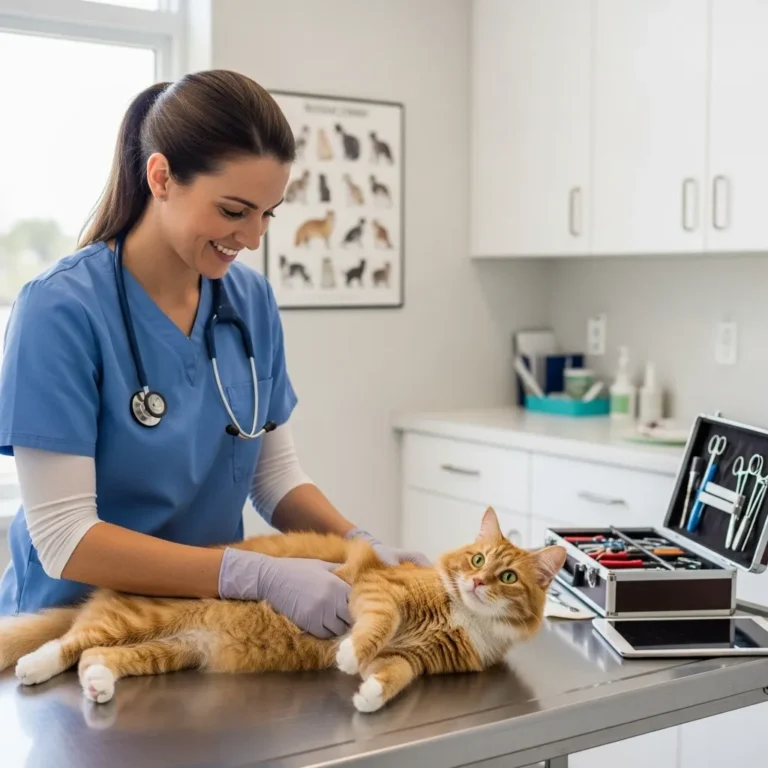
- A full physical exam.
- Diagnostic tests: A complete blood count (CBC), chemistry panel, thyroid check (T4), and urinalysis. This “senior panel” is valuable for adults too.
- Possible imaging (X-ray, ultrasound) if indicated.
Your detailed log and observations are invaluable here.
Nutrition and Management: The Path Back to Balance
Once a medical cause is ruled out or managed, weight management begins.
For Healthy Weight Loss (if obese):
- Veterinary-Diet Food: Prescription metabolic or weight control diets are formulated to promote satiety while restricting calories.
- Measured Meals: Stop free-feeding. Use a kitchen scale for perfect accuracy.
- Increase Activity: Short, frequent play sessions. Food puzzles to engage their brain and slow eating. Explore cat enrichment ideas.
- Patience: Safe weight loss is 0.5-2% of body weight per week. Slow and steady wins.
For Healthy Weight Gain (post-illness or underweight):
- High-Calorie/High-Palatable Food: Your vet may recommend a recovery diet.
- Small, Frequent Meals: Offer food 4-6 times daily.
- Warm the Food: Enhances aroma.
- Minimize Stress: Ensure peaceful, separate feeding areas in multi-cat homes.
Frequently Asked Questions (FAQ)
Q: My cat’s weight is stable but they look “skinny fat” lean in some areas, saggy in others. What does this mean?
A: This could indicate sarcopenia loss of lean muscle mass often seen in sedentary cats or early-stage metabolic diseases like CKD or diabetes. It warrants a vet check and discussion about protein intake and strength-building play.
Q: How many calories should my cat eat daily?
A: There’s no universal number. It depends on weight, age, activity level, and health status. Your veterinarian can calculate a precise Resting Energy Requirement (RER) and Maintenance Energy Requirement (MER). Never drastically cut calories without guidance.
Q: Can stress alone cause weight changes in cats?
A: Absolutely. Stress can cause some cats to overeat (gain) and others to stop eating entirely (loss). It can also trigger conditions like cystitis, affecting appetite. Identifying and mitigating stressors is key.
Q: Are there any supplements that help with healthy weight management?
A: Never supplement without veterinary advice. For weight loss, fiber supplements might be recommended for satiety. For weight gain, appetite stimulants or high-calorie gels may be prescribed. The foundation is always a complete, balanced diet.
Q: My vet says my cat is fine, but I’m still worried about their weight. What should I do?
A: Trust your instinct, but trust the diagnostics. Ask your vet: “What specific tests did we run to rule out major causes of weight change?” If all are clear and your cat is acting normally, you may be in the realm of subtle, age-related change. Request a re-check in 3 months to ensure stability.
Understanding weight changes in cats and when to act is the cornerstone of preventative, loving care. It transforms you from a passive observer to an active partner in your cat’s health journey. That subtle shift you notice and investigate today could prevent a crisis tomorrow. By marrying your intimate knowledge of your cat’s normal behavior with systematic monitoring and timely veterinary partnership, you give them the gift of a longer, healthier, and more vibrant life.
Stay vigilant, stay curious, and remember you are your cat’s best advocate.
Explore more expert guides on feline health, behavior, and breed-specific care at Cat Bloom Haven.