The Purr-fect Match: How Cats That Match Their Owner’s Lifestyle Create Unbreakable Bonds
Key Takeaways
- A cat’s breed, personality, and energy level should align with your daily routine, living space, and temperament for long-term harmony.
- Active, adventurous owners thrive with energetic breeds like Bengals and Abyssinians, while relaxed homebodies match better with Ragdolls or Persians.
- Your lifestyle directly impacts your cat’s health, behavior, and overall happiness mismatched pairings lead to stress for both species.
- Successful cat-human relationships consider age, activity patterns, social needs, and environmental requirements.
- The most fulfilling bonds happen when cats and humans complement each other’s natural rhythms rather than forcing adaptation.
Introduction: The Silent Language of Compatibility
Have you ever noticed how some cat-human pairs seem to move in perfect sync? The person who works from home with a lap-loving Ragdoll draped across their keyboard. The trail runner whose adventurous Bengal happily explores on a harness. The apartment dweller with a contented British Shorthair watching the world from a sunny windowsill. These aren’t random coincidences they’re living examples of what happens when cats match their owner’s lifestyle.
Choosing a cat is often treated as an aesthetic decision or an emotional impulse. We fall for a kitten’s playful antics or a rescue’s soulful eyes. While these moments matter, they overlook the single most important factor in long-term feline happiness and household peace: lifestyle compatibility.
This comprehensive guide moves beyond basic breed characteristics to explore how your daily rhythms, living environment, personality, and even your future plans should dictate your feline choice. We’ll analyze how mismatched pairs suffer, how aligned pairs thrive, and provide you with a practical framework to find or create the perfect partnership.

The Cost of Mismatch: When Lifestyle and Feline Nature Collide
Before we explore successful matches, let’s understand what happens when the alignment is off. Shelters see this daily: the high-energy kitten surrendered by elderly owners who couldn’t keep up, the shy Russian Blue rehomed because a busy family expected constant interaction, the vocal Siamese given up by owners who preferred quiet.
Behavioral Issues Rooted in Mismatch
Many “problem behaviors” are simply expressions of unmet needs. A cat bred for activity pacing in a small apartment isn’t being “naughty” it’s understimulated. A solitary breed forced into a chaotic, multi-pet household isn’t “antisocial” it’s overwhelmed. When cats don’t match their owner’s lifestyle, both parties experience chronic stress that manifests as:
- Destructive scratching and chewing
- Inappropriate elimination (often mistaken for spite)
- Excessive vocalization or hiding
- Aggression toward people or other pets
- Over-grooming and other stress-related health issues
The Human Frustration
Owners feel guilty, confused, and resentful. They may label the cat as difficult or broken, not realizing they’ve asked a fish to climb a tree. The relationship deteriorates, often ending in rehoming—a traumatic experience for any cat.
The solution isn’t training a cat to become something it’s not. It’s selecting or adapting your lifestyle for a cat whose fundamental nature aligns with your world. Learn more about interpreting your cat’s behavior in our guide on what is my cat thinking?.
The Lifestyle Assessment: Understanding Your Feline Requirements
Finding cats that match your lifestyle begins with honest self-assessment. Not the idealized version of yourself, but your actual daily reality.
![Infographic assessing key lifestyle factors for matching with the right cat.]](https://catbloomhaven.com/wp-content/uploads/2026/02/Whisk_25cb6251f237369966c49b2289733441dr.webp "The Purr-fect Match 2")
1. The Space Audit: Square Footage Isn’t Everything
- Small apartments (<700 sq ft): Require cats content with vertical space, minimal zoomie room, and quieter dispositions. Some breeds adapt beautifully; others will feel caged.
- Multi-story homes: Allow for natural separation of spaces (eating, sleeping, litter). Good for cats who enjoy patrolling territory.
- Outdoor access (catios/secure gardens): Expands options to include curious, exploratory breeds who need environmental stimulation.
- Minimalist vs. cluttered environments: Some cats navigate carefully; others are blissful chaos agents. Consider your tolerance for knocked-over decor.
2. The Time & Rhythm Analysis
- Work-from-home professionals: Can offer constant companionship but need cats who respect boundaries during calls and focused work.
- 9-to-5 office workers: Need independent cats who handle solitude well, or consider adopting a bonded pair for mutual entertainment.
- Shift workers/night owls: Should consider cats with more nocturnal alignment or flexible sleep schedules.
- Frequent travelers: Require either an extremely adaptable, low-maintenance cat or a solid plan for consistent care.
3. The Social & Sensory Profile
- Household population: Do you live alone, with a partner, with young children, with other pets? Each dynamic demands different feline social skills.
- Noise tolerance: Can you handle persistent chatting (like a Siamese), or do you need a quieter companion?
- Activity preference: Are your evenings spent actively playing or passively watching TV? Your cat’s energy peaks should roughly align with yours.
- Touch preferences: Do you crave a lap cat, or prefer a more respectful, adjacent companion?
Once you’ve mapped your lifestyle, you can move from abstract to specific. For those in smaller spaces, explore our list of cat breeds that stay small forever.
Breed as Blueprint: Finding Cats That Match Specific Lifestyles
While every cat is an individual, breeds provide a reliable blueprint of general tendencies. Here’s how popular breeds align with specific human lifestyles.
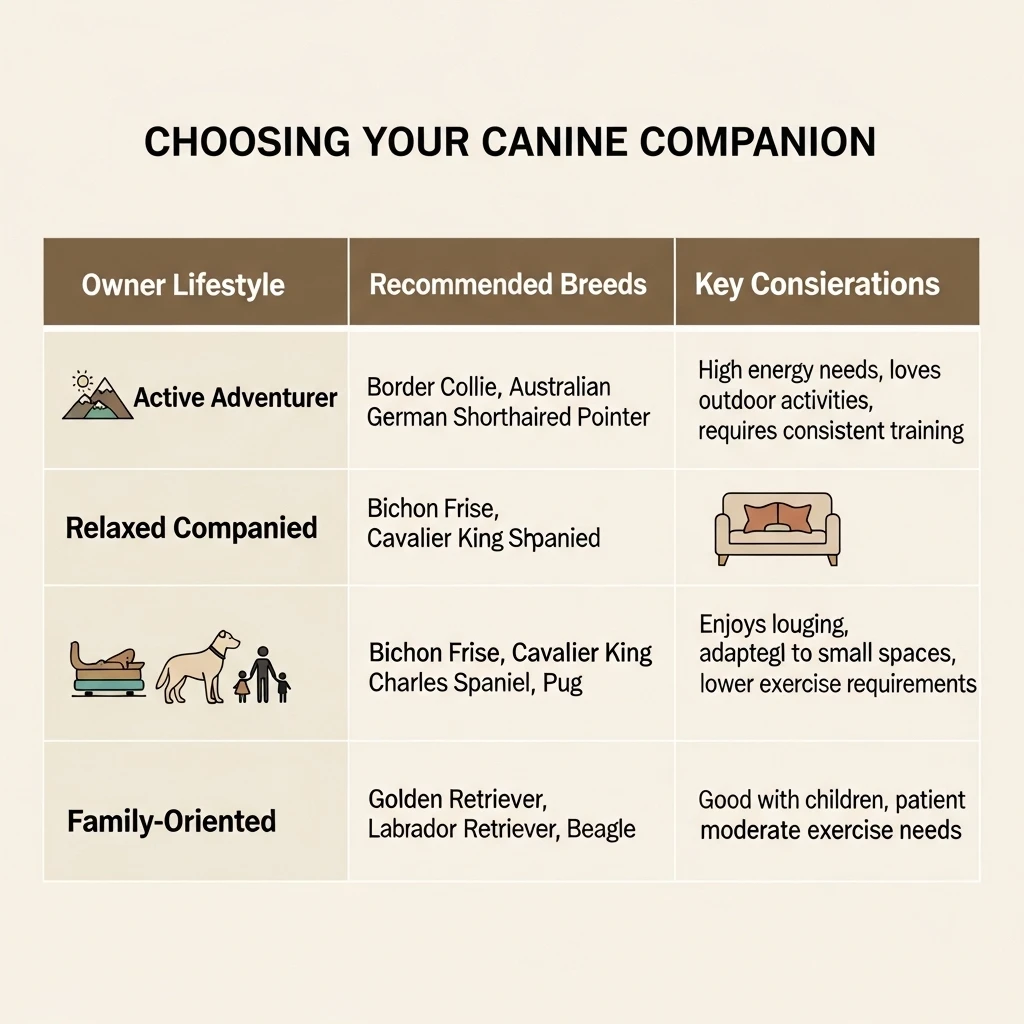
For the Active, Adventurous Owner
You hike, travel, enjoy training, and want a feline companion who participates in your life.
- Bengal: The athlete. Needs intense physical and mental stimulation. Thrives with agility training, harness walks, puzzle feeders. Not for the sedentary. Their intelligence can be destructive if bored. Discover more about their dynamic nature in our Bengal cat personality guide.
- Abyssinian: The explorer. Curious, playful, and people-oriented but not a lap cat. Wants to be involved in everything you do.
- Savannah (higher generations): For the truly committed adventurer. Dog-like loyalty with extraordinary energy needs and space requirements.
- Best match: Owners with time for dedicated play, interest in clicker training, and space for elaborate cat trees and enrichment.
For the Quiet Homebody & Remote Worker
You value calm, enjoy quiet companionship, and spend significant time at home.
- Ragdoll: The quintessential “puppy cat.” Floppy, affectionate, follows you room to room. Prefers calm households. Tends to be less destructive. Learn about building a strong bond in our Ragdoll cat bond building article.
- British Shorthair: The gentle roommate. Undemanding, moderately playful, enjoys proximity without being clingy. Excellent for first-time owners.
- Persian: The serene aristocrat. Content to lounge beautifully, requiring regular grooming in return for their calm, sweet disposition.
- Best match: Someone who appreciates quiet presence, doesn’t mind shedding, and prefers predictable, low-drama companionship.
For Families with Young Children
You need a patient, sturdy, playful cat with a high tolerance for noise and handling.
- Maine Coon: The gentle giant. Patient, playful, and often fascinated by water. Their large size means they’re less fragile with well-meaning but clumsy children. See how big they get in our Maine Coon size guide.
- American Shorthair: The all-American adaptable. Robust, even-tempered, and historically bred to be a working family cat.
- Birman: Sweet-tempered and social. Tends to be less skittish than some breeds, often enjoying being part of the family activity.
- Best match: Families who will supervise interactions, teach children respectful behavior, and provide the cat with safe retreat spaces.
For the Minimalist in a Small Space
You live in an apartment and value a tidy, peaceful environment.
- Russian Blue: The reserved intellectual. Tends to bond deeply with one person, is quiet, fastidiously clean, and has lower energy needs. Appreciates routine.
- Scottish Fold: Typically calm and adaptable. Their moderate energy level suits smaller spaces, provided they have vertical interest.
- Exotic Shorthair: The low-maintenance Persian. Has the Persian’s calm temperament but with easier-care fur.
- Best match: Apartment dwellers who want a clean, quiet companion and are home often enough to form a close bond. For small-space living solutions, explore cat nooks for small apartments.
For the Multi-Pet Household
You already have dogs or other cats and need a confident, socially adept newcomer.
- Turkish Van: Often enjoys dog companionship. Confident and playful.
- Siberian: Has a dog-like, outgoing personality. Generally gets along well with other animals when properly introduced.
- Norwegian Forest Cat: Independent yet friendly. Can hold its own in a multi-pet home without being overly confrontational.
- Best match: Owners experienced with slow, proper introductions and who can ensure each animal has resources and escape routes. Our guide on cats meeting new animals is essential reading.
Remember, breed is a starting point. Within any breed, individual personality varies. A shelter cat of mixed heritage can be the perfect cat for your lifestyle if you carefully assess their observed personality, not their unknown lineage.
The Magic of Mixed Breeds & Shelter Cats: Assessing Individual Personality
Most cats aren’t purebred. The ideal cat for your lifestyle might be waiting at a shelter, but finding them requires shifting from breed-based thinking to personality-based evaluation.
How to “Interview” a Shelter Cat
- Ask the right questions: Don’t just ask “Is she friendly?” Ask: “What’s her energy level like throughout the day?” “How does she react to sudden noises?” “Does she seek attention or observe from a distance?” “How is she with other cats/dogs here?”
- Observe in context: A scared cat in a loud shelter cage may be a confident lovebug in a quiet home. Look for cats who make eye contact and slowly blink, a sign of relaxation.
- Consider age strategically:
- Kittens (0-1 year): Adaptable but unpredictable. Their adult personality isn’t fully formed. High energy, need training.
- Young Adults (1-3 years): Personality is evident. Still playful but often calmer than kittens. A great “known quantity.”
- Adults (3-10 years): What you see is what you get. Often overlooked but offer stable, settled companionship.
- Seniors (10+ years): The ultimate low-key companions for a calm lifestyle. They sleep more, love routine, and offer profound gratitude.
The “Hidden” Lifestyle Matchmakers:
- Former street cats: Often highly independent, intelligent, and content with indoor life if given enough enrichment.
- Bonded pairs: Perfect for people who work long hours. They keep each other company, reducing behavioral issues born from loneliness.
- Cats with “special needs”: A cat with FIV or three legs may have perfectly adapted to a calm, indoor life and make an incredibly loving, low-maintenance pet for the right person.
Adoption is a beautiful journey. Prepare with our comprehensive cat adoption guide.
Adapting Your Lifestyle: When You’re Already Owned by a Cat
Sometimes, we don’t choose the cat; the cat chooses us. Perhaps you inherited a family pet, took in a stray, or your lifestyle changed after your cat was already settled. Creating harmony is still possible through thoughtful adaptation.
Strategies for Better Alignment
- Enrich the Environment: Can’t give your high-energy cat more space? Give it more interest. Catification shelves, tunnels, window perches, bird feeders outside the window uses vertical space and creates mental stimulation. Get inspired by cat wall climbing setups.
- Scheduled Play Rituals: Match your cat’s peak energy times. A 15-minute intense play session with a wand toy before you leave for work and before bed can work wonders for a bored cat.
- Respect Their Nature: If you have a shy cat, don’t force interactions. Let them come to you. Provide hideaways and high perches so they feel secure observing family life.
- Routine is Everything: Cats are creatures of habit. Feeding, play, and quiet times at consistent hours reduce anxiety and create predictability, making them feel their lifestyle is stable even if yours is busy.
If behavioral issues persist, it may stem from stress. Learn to destress your cat with proven techniques.
The Future-Proof Match: Considering Life Stages and Changes
The most thoughtful match considers not just your life today, but your life in 15 years. A cat is a long-term commitment.
Ask Yourself:
- Geographic stability: Do you plan to move internationally? Some countries have strict quarantine laws or breed restrictions.
- Relationship/family plans: Will adding a partner, baby, or roommate change the household dynamic? Some cats adapt better than others.
- Career trajectory: Will your work-from-home situation change? Will you travel more?
- Your own aging: If you’re 70, a kitten that may live 20 years is a consideration. A senior cat might be a more aligned companion.
Choosing a cat with a temperament flexible enough to handle reasonable future changes, or being committed to adapting your care, is key to a lifelong bond. For those considering future health, our guide to senior cat care is invaluable.
FAQ: Cats That Match Their Owner’s Lifestyle
Q: I live in a studio apartment and work long hours. Is any cat right for me?
A: Yes, but choose carefully. An adult or senior cat with a documented history of being independent, calm, and comfortable with solitude would be ideal. Avoid kittens and high-energy breeds. Consider an automated feeder and a camera to check in. A bonded pair of adults might actually be better as they entertain each other.
Q: My lifestyle is very busy and unpredictable. Should I even get a cat?
A: It depends on your commitment to creating predictability for the cat. Cats thrive on routine. If your schedule is chaotic, you must commit to providing consistent feeding times, clean litter, and dedicated play sessions regardless of your other obligations. An adult, adaptable mixed breed may fare better than a purebred with rigid needs.
Q: We have a busy family with kids and a dog. What’s the most important trait to look for?
A: Confidence. Look for a cat with a documented history of being dog-tolerant and comfortable with gentle, respectful handling. Avoid extremely shy or skittish cats. A young adult cat from a foster home where they’ve been tested with dogs and children is a safer bet than a kitten with an unknown temperament.
Q: I want a cuddly lap cat, but every cat I meet is independent. What am I doing wrong?
A: You may be looking at the wrong age or in the wrong place. Kittens are rarely lap cats; that trait often develops with maturity. In shelters, the most affectionate cats are often adopted first. Tell the staff explicitly you want a “cuddle bug” and consider adult or senior cats, who are more settled in their personalities. Breeds like Ragdolls, Siberians, and some Persians are genetically predisposed to being lap-friendly.
Q: How can I tell if a shelter cat’s personality is genuine or just shelter stress?
A: Ask to spend time with the cat in a quiet visiting room, not in front of the cage. Bring a toy and some treats. A cat that starts to relax, play, and maybe even purr within 20-30 minutes is showing you its potential. Also, trust the staff and foster volunteers they see the cat daily and know their true personality.
Conclusion: The Symphony of Shared Lives
Finding cats that match their owner’s lifestyle isn’t about checking boxes on a breed list. It’s a thoughtful process of introspection and observation, of aligning two different species’ needs and rhythms into one harmonious household. It’s the recognition that the best feline companion isn’t necessarily the “most beautiful” or the “rarest,” but the one whose presence feels effortless, whose needs complement your own, and whose personality brings out the best in your daily life.
When the match is right, something magical happens. The cat isn’t a pet you care for; it becomes a seamless part of your world. You don’t “fit them in” to your life; their life gracefully intertwines with yours. You understand their silent requests, they anticipate your return, and together you create a quiet, profound partnership built on mutual respect and understanding.
This alignment is the foundation for a lifetime of health, happiness, and fewer behavioral mysteries. It’s the difference between owning a cat and sharing a life with one.
Ready to explore deeper? Browse our extensive library of breed guides, behavior insights, and care tips designed to help you cultivate the perfect life with your feline friend. Explore more expert cat care and behavior guides on Cat Bloom Haven.
[Image placement: A final, warm photo of an owner’s hand and a cat’s paw resting together on a windowsill, backlit by golden hour light. Alt text: The perfect partnership: a human hand and a cat’s paw at rest together, symbolizing harmony when cats match their owner’s lifestyle.]