The Ultimate Guide to Cozy Spaces Cats Love Most: Creating Purr-fect Sanctuaries for Your Feline
Key Takeaways: What Makes a Space Truly “Cozy” for Your Cat
- Safety First: Cozy spaces must feel secure, elevated, and protected from multiple angles
- Material Matters: Cats prefer soft, warm, plush textures over hard, cold surfaces
- Location is Everything: Proximity to family activity (but not in it) creates ideal cozy spaces
- Size Psychology: Enclosed spaces should be just large enough for comfort but small enough to feel secure
- Scent Security: Familiar smells make any space instantly cozier for cats
- Temperature Control: Warmth (around 86-97°F) is non-negotiable for true feline coziness
There’s a particular magic in watching your cat settle into their favorite spot that slow blink, the contented kneading, the deep, rumbling purr that seems to vibrate through the entire room. If you’ve ever wondered why your cat chooses that particular sun patch, that specific cardboard box, or that one corner of the couch over all others, you’re about to discover the fascinating science and psychology behind cozy spaces cats love most.
As a cat behavior specialist with over a decade of experience helping thousands of cat owners create harmonious homes, I’ve identified the exact elements that transform ordinary spaces into feline paradises. This comprehensive guide will help you understand not just where your cat wants to cozy up, but why and how you can create more of these beloved spots throughout your home.
Understanding the Feline Definition of “Cozy”
Before we can create the cozy spaces cats love most, we need to understand how cats experience comfort. Unlike humans, who might prioritize aesthetics or size, cats operate on an ancient survival blueprint that influences every comfort choice.
The Evolutionary Roots of Feline Comfort Preferences
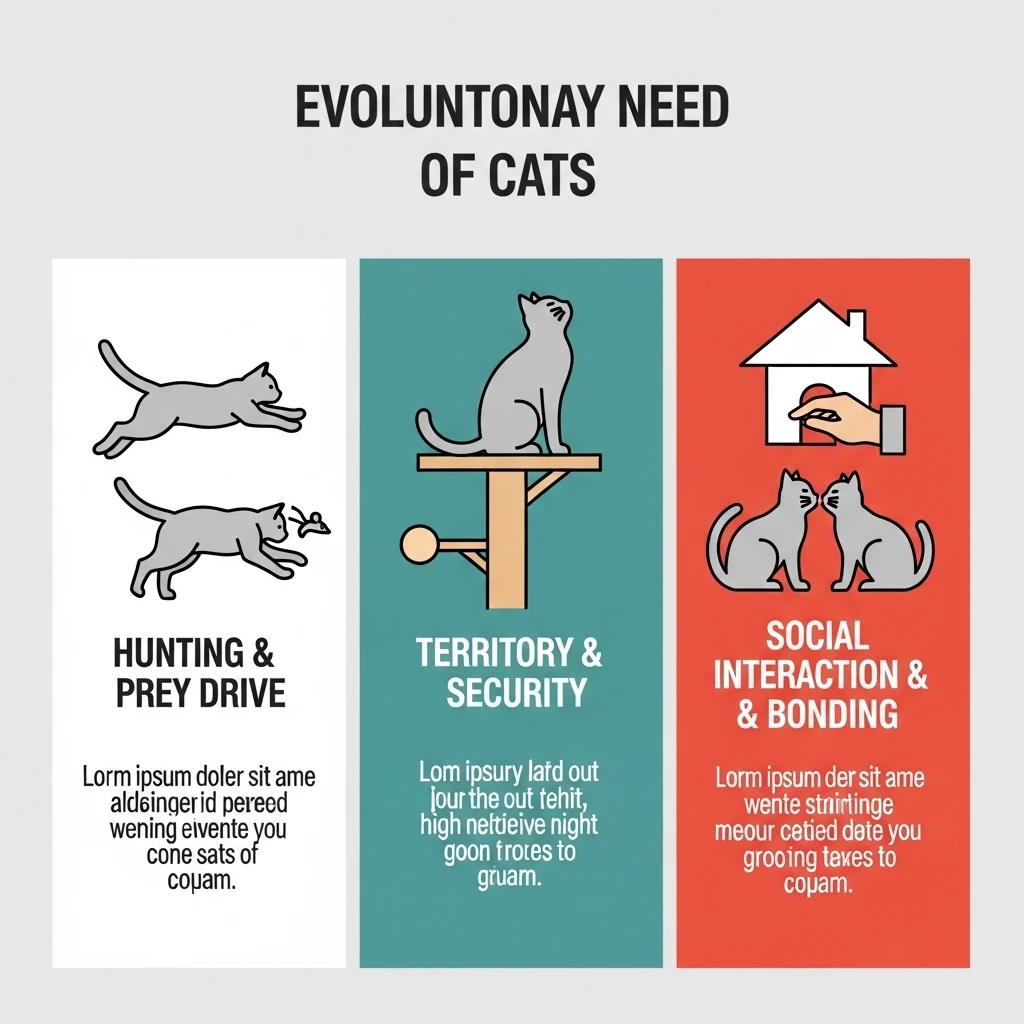
Wild cats and our domestic cats’ ancestors needed to balance rest with survival. This means their ideal cozy spaces must satisfy three primal needs simultaneously:
- Security: Protection from potential predators or threats
- Observation: Ability to monitor their environment
- Comfort: Physical ease and temperature regulation
This evolutionary triad explains why cats often choose spots that seem contradictory to us. That high shelf? Perfect security and observation. That tiny box? Excellent protection. That sunbeam on the floor? Ideal temperature regulation with good visibility.
The Science of Feline Comfort: What Research Tells Us
Studies in feline ethology reveal fascinating details about cat preferences:
- Temperature: Cats prefer ambient temperatures around 86-97°F (30-36°C), which explains their sun-seeking behavior
- Texture: Whisker sensitivity means cats avoid spaces where their whiskers constantly touch sides
- Height: Elevated spaces reduce stress by about 40% in multi-cat households
- Familiarity: A cat’s own scent reduces cortisol (stress hormone) levels significantly
Understanding these principles helps us move beyond guesswork to intentionally design cozy spaces cats love most based on their actual needs rather than human assumptions.
The Top 7 Categories of Cozy Spaces Cats Love Most
Based on behavioral observations and owner reports, these categories consistently rank as feline favorites. Each serves a slightly different emotional or physical need.
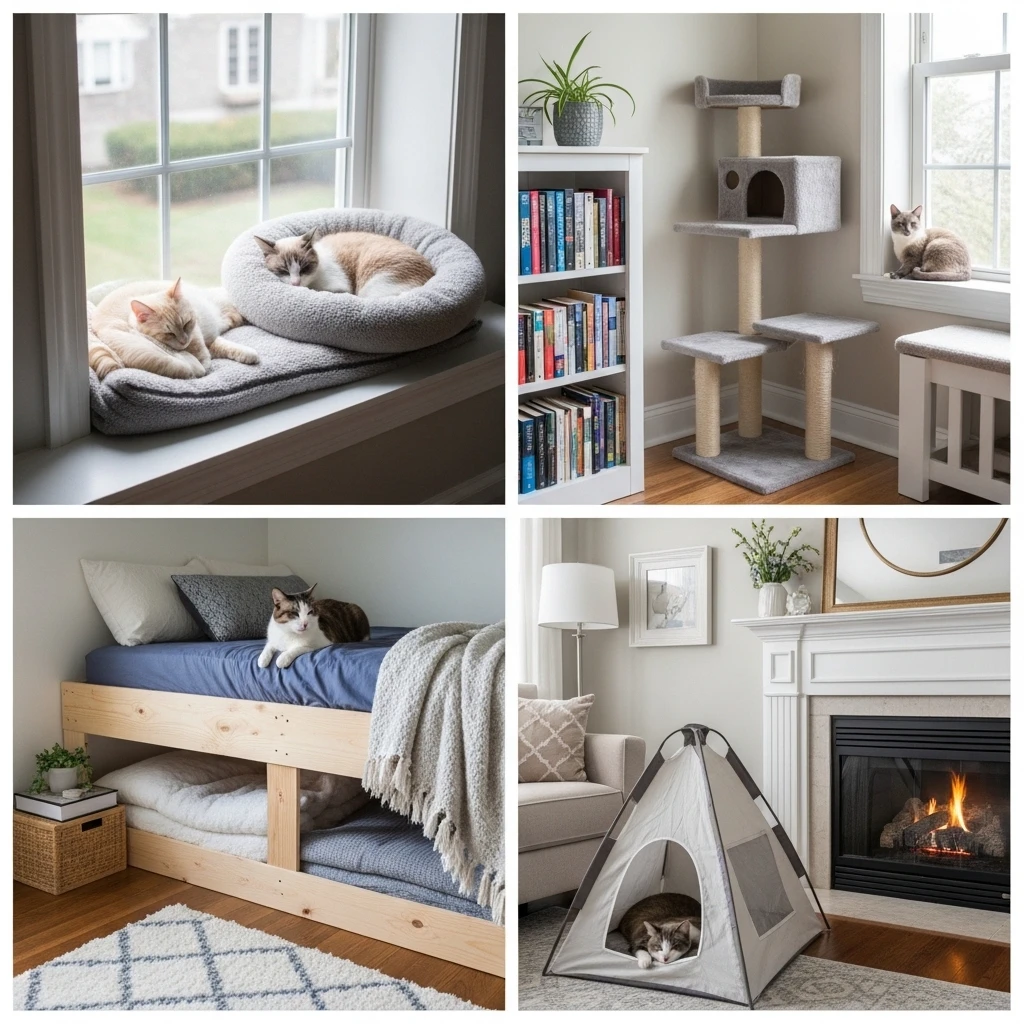
1. The Elevated Perch: Safety in Height
Why cats love it: Height provides security, better observation, and often warmer air (heat rises). It’s the feline equivalent of a penthouse suite.
How to create it:
- Install wall shelves specifically designed for cats at varying heights
- Place a cat tree near a window with multiple perching options
- Use the top of bookshelves or cabinets (ensure they’re stable and accessible)
- Consider window-mounted perches that don’t take up floor space
Pro tip: Create a “path” of perches that allows your cat to move through a room without touching the floor this is especially valuable in multi-cat homes where floor space might feel contested.
2. The Enclosed Hideaway: Ultimate Security
Why cats love it: Enclosed spaces satisfy the deep-seated need for protection while resting. In the wild, concealed spots prevented surprise attacks.
How to create it:
- Provide cardboard boxes (the simplest and often most beloved option)
- Invest in covered cat beds with high sides
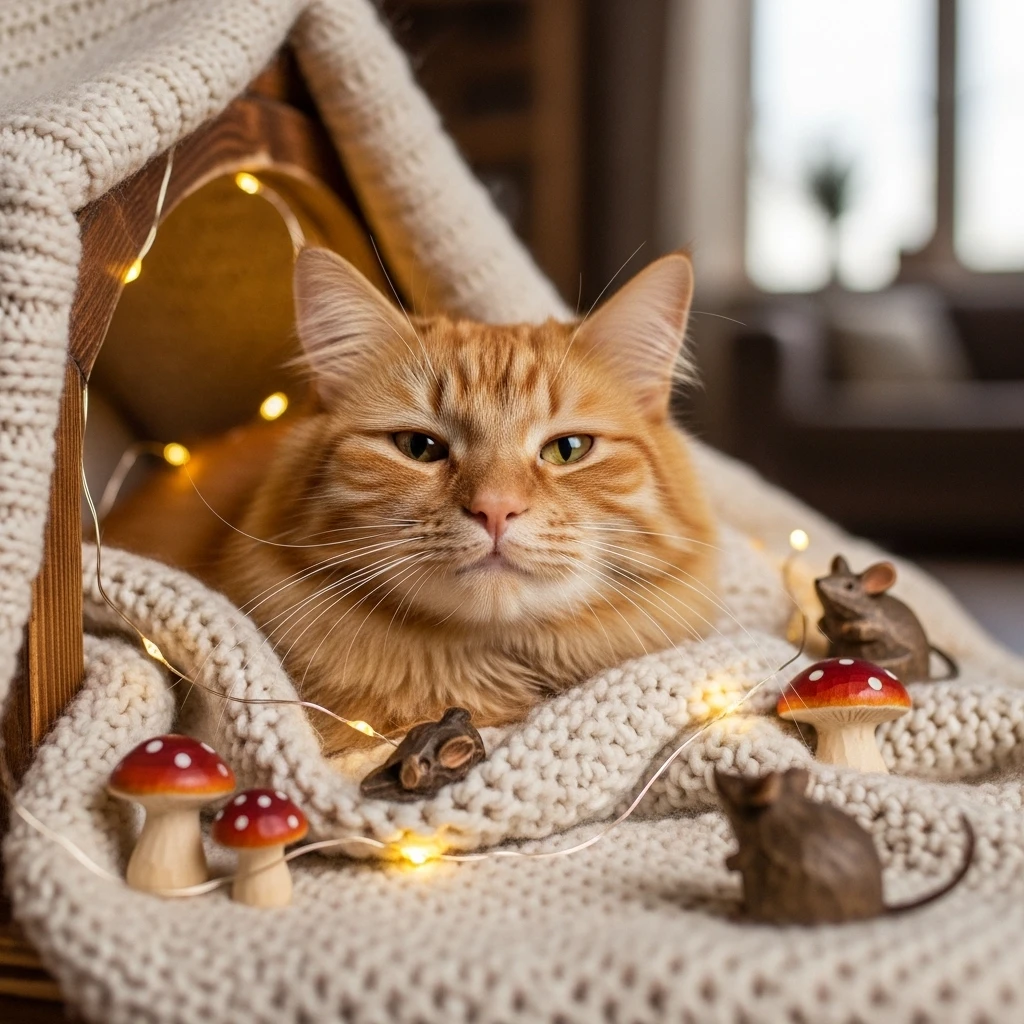
- Create tent-like spaces under blankets or furniture
- Use dedicated cat caves or enclosed pod beds
Important distinction: There’s a difference between a hiding spot (for stress) and a cozy enclosed space (for comfort). Ensure enclosed cozy spaces still allow easy exit and aren’t used primarily for avoidance.
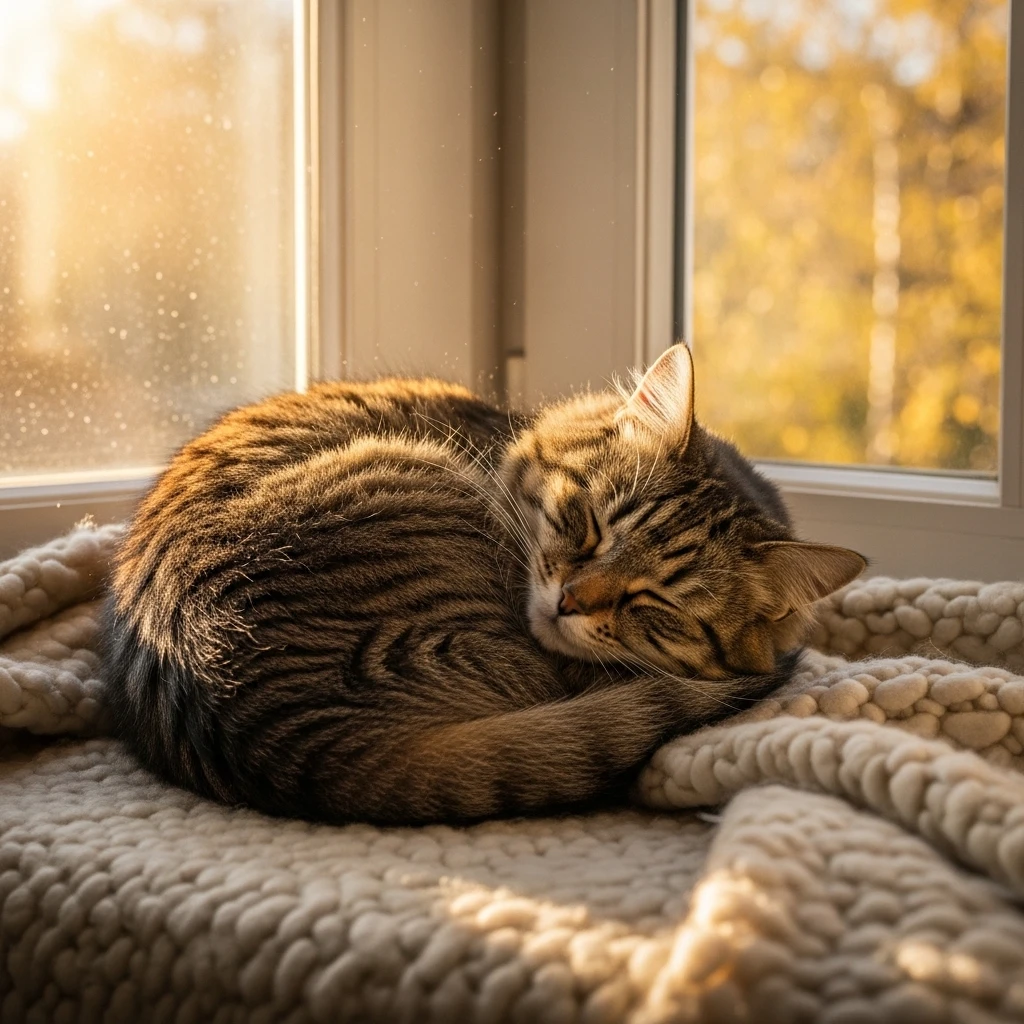
3. The Sun Trap: Warmth Worship
Why cats love it: Cats have a higher body temperature than humans and metabolize warmth differently. Sunlight also provides vitamin D and mood regulation.
How to create it:
- Identify sun patterns in your home throughout the day
- Place comfortable bedding in these sunny spots
- Ensure sun spots are also in secure locations (cats won’t relax if they feel exposed)
- Consider heated beds for less sunny areas or colder climates
Safety note: Always provide shaded areas nearby so cats can regulate their temperature and avoid overheating.

4. The Human-Adjacent Zone: Social Bonding
Why cats love it: Cats are more social than traditionally believed. Proximity to their humans releases oxytocin (the bonding hormone) in both species.
How to create it:
- Place a cat bed next to your favorite chair or on your desk
- Reserve a specific spot on the couch with a dedicated blanket
- Create a bedside perch for nighttime closeness
- Designate “your” spaces as also “their” spaces
Behavioral insight: Cats often choose spots that contain your scent strongly your pillow, your laundry, your recently worn clothes. This is a sign of affection and bonding.
5. The Observation Post: Entertainment Central
Why cats love it: Cats are hardwired to monitor their territory. A good view provides mental stimulation and satisfies their patrol instincts.
How to create it:
- Window perches with views of bird feeders or active yards
- Catios (enclosed outdoor spaces) for safe outdoor stimulation
- Television or tablet entertainment designed for cats
- Aquarium-safe setups (with secure lids!)
Modern solution: Consider creating a “cat TV” setup with nature documentaries or specially designed cat entertainment videos. Explore our guide on calm and enriching cat home environments for more stimulation ideas.
6. The Texture Paradise: Sensory Satisfaction
Why cats love it: Cats have extremely sensitive paw pads and skin. Certain textures provide comfort, warmth, and sensory pleasure.
How to create it:
- Layer different textures: fleece, faux fur, knitted wool, and cool cotton
- Provide both soft plush surfaces and scratchable rough textures
- Consider temperature-regulating materials for different seasons
- Include cardboard scratching pads alongside soft lounging areas
Expert observation: Many cats develop specific texture preferences. Notice if your cat prefers smooth cool surfaces (tile, leather) or soft warm ones (fleece, wool) and cater to their individual taste.
7. The Scent-Soaked Sanctuary: Familiarity = Security
Why cats love it: A cat’s sense of smell is their primary way of understanding the world. Familiar scents equal safety.
How to create it:
- Avoid washing all their bedding at once rotate cleaning to maintain scent continuity
- Place items with your scent (unwashed t-shirts, blankets) in their spaces
- Use synthetic feline facial pheromones in diffusers or sprays
- Introduce new items gradually alongside familiar-scented ones
Important caution: Never use strongly scented detergents or cleaners on cat bedding. Their sensitive noses find many artificial scents unpleasant or overwhelming.
Room-by-Room Guide to Creating Cozy Spaces Cats Love Most
Every room in your home offers unique opportunities for feline comfort. Here’s how to maximize each space.
The Living Room: Social Hub Coziness
Primary needs served: Social bonding, observation, varied textures
Implementation:
- Create a “cat highway” using shelves around the room perimeter
- Designate one couch corner with a washable, textured blanket
- Install a window perch with a view of outdoor activity
- Include a scratching post near resting areas (cats love stretching after naps)
Multi-cat households: Ensure multiple cozy options at different heights to prevent competition. Discover more about harmony in multi-cat homes.
The Bedroom: Nighttime Sanctuary
Primary needs served: Security, bonding, warmth
Implementation:
- Place a cat bed on a nightstand or dresser top
- Reserve a specific spot at the foot of the bed
- Create a under-bed hideaway (if space allows)
- Consider a heated pad during colder months
Sleep compatibility: If your cat disrupts your sleep, create an equally appealing cozy space nearby rather than closing them out. Our guide on cat sleeping habits offers solutions for harmonious nights.
The Home Office: Companionable Productivity
Primary needs served: Bonding, observation, routine
Implementation:
- Dedicate a desk-adjacent surface for a bed or pad
- Create a window perch if your office has natural light
- Include a cardboard box “office” for them
- Place a rug or soft mat under your desk
Behavior note: Cats often seek to participate in our activities. Their “help” with your work is actually a bonding behavior. Learn about cats interrupting daily life for a lighter take on this phenomenon.
The Kitchen: Warmth and Connection
Primary needs served: Warmth, social connection, observation
Implementation:
- Create a safe, warm spot away from cooking hazards
- Install a perch with a view of kitchen activities
- Provide a textured mat in a corner
- Never use the refrigerator top (too warm from the motor)
Safety first: The kitchen presents unique dangers. Ensure cozy spaces are away from hot surfaces, heavy foot traffic, and potential food hazards.
Bathrooms: Unexpected Sanctuaries
Primary needs served: Cool surfaces, privacy, unique textures
Implementation:
- Place a bath mat with interesting texture
- Create a shelf or perch away from toilet/sink splashes
- Consider a bamboo or cool stone bed for warm days
- Ensure good ventilation to prevent humidity buildup
Why bathrooms?: Many cats enjoy bathroom surfaces (sinks, tubs) for their coolness. Providing approved alternatives can keep them off your counters.
The Psychology Behind Your Cat’s Cozy Choices
Understanding the “why” behind your cat’s preferences helps you create better spaces and deepen your bond.
Individual Personality Factors
Just like humans, cats have individual preferences shaped by:
- Early experiences: Cats with secure kittenhoods may prefer open spaces
- Breed tendencies: Some breeds have documented preferences (see our breed guides)
- Age changes: Senior cats often prefer easier-to-access, warmer spots
- Health considerations: Arthritic cats need supportive, warm bedding
Emotional State Indicators
Where and how your cat rests can signal their emotional state:
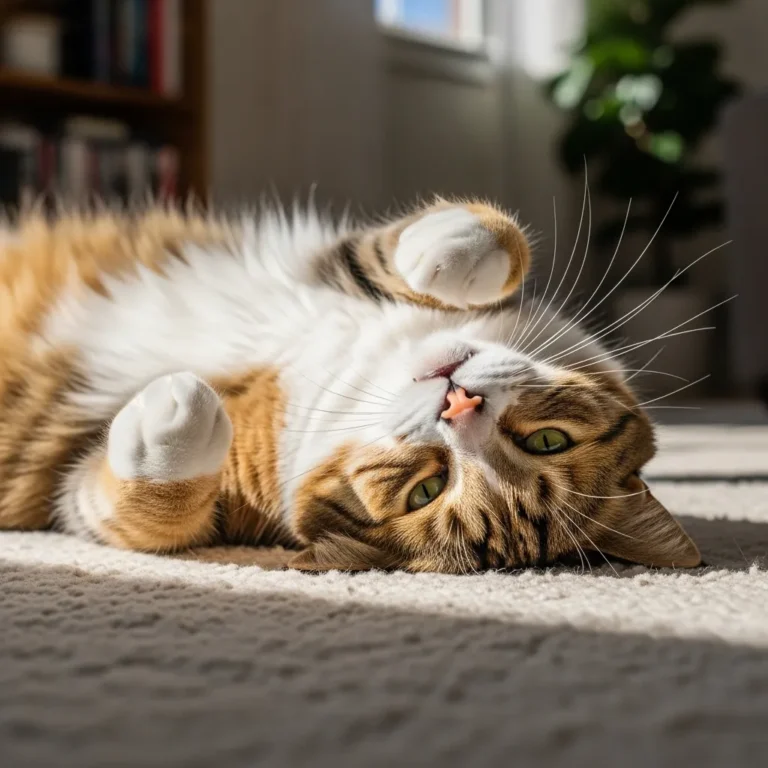
- Fully exposed, stretched out: High confidence, complete relaxation
- Curled in open space: Content but maintaining some awareness
- Hidden but visible: Seeking security but wanting to monitor
- Completely hidden: May indicate stress or need for alone time
Seasonal Variations
Cats change their cozy preferences with seasons:
- Winter: Seek warmth, enclosed spaces, sunlight
- Summer: Prefer cool surfaces, elevated breezy spots
- Spring/Fall: Often more exploratory with resting spots
Common Mistakes in Creating Cozy Spaces Cats Love Most
Even well-intentioned efforts can miss the mark. Avoid these common errors:
Mistake #1: Prioritizing Aesthetics Over Function
The error: Choosing bedding that matches your decor but doesn’t suit feline preferences.
The fix: Select functional items first, then find attractive versions. Many modern pet products balance both well.
Mistake #2: One-Size-Fits-All Approach
The error: Providing identical cozy spots throughout the home.
The fix: Create variety different textures, heights, enclosures, and locations to suit different moods and needs.
Mistake #3: Poor Placement
The error: Putting cozy spots in high-traffic areas or where cats feel exposed.
The fix: Observe your cat’s preferred sightlines and traffic patterns. Place cozy spots where they naturally pause or observe.
Mistake #4: Neglecting Maintenance
The error: Letting bedding become worn, soiled, or scent-depleted.
The fix: Regular but not excessive cleaning. Rotate items so some always retain familiar scents.
Mistake #5: Assuming Human Comfort = Feline Comfort
The error: Assuming cats want what we find comfortable.
The fix: Remember feline-specific needs: higher temperatures, security priorities, texture preferences.
Special Considerations for Specific Situations
Multi-Cat Households
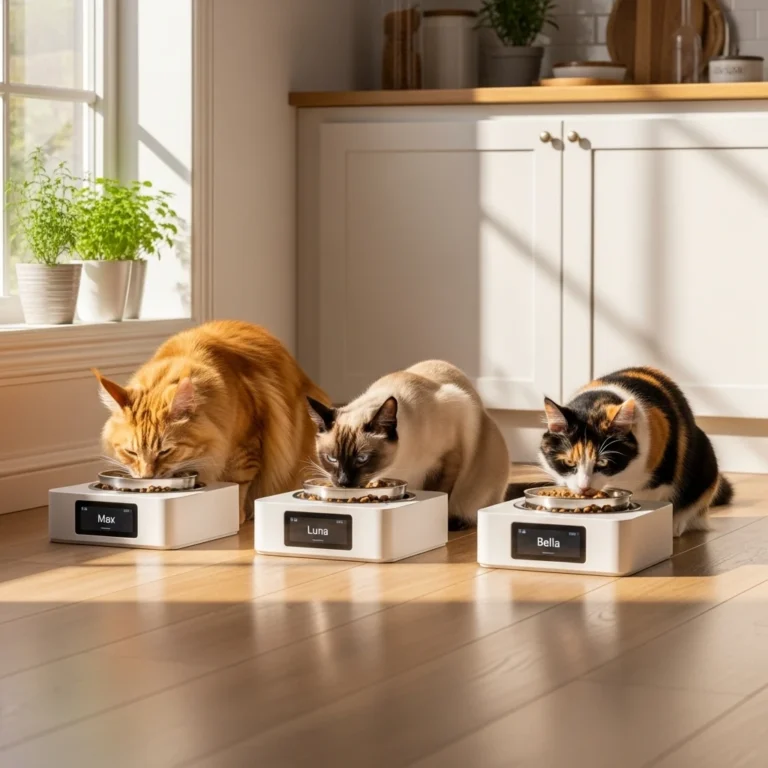
Creating cozy spaces cats love most in multi-cat homes requires additional strategy:
- Provide more options than cats: The formula is n+1 (number of cats plus one extra)
- Vertical space is crucial: Reduces competition for prime spots
- Separate resources: Especially for cats who don’t get along perfectly
- Observation points: Allow cats to monitor each other without confrontation
Our comprehensive guide on multi-cat relationships offers deeper strategies for harmonious multi-cat homes.
Senior Cats
Older cats have specific cozy needs:
- Easier access: Steps or ramps to favored spots
- Joint support: Orthopedic bedding
- Consistent warmth: Heated beds or consistent sunny spots
- Quiet locations: Away from noisy household areas
Discover more about senior cat care to support your aging feline companion.
Anxious or Shy Cats
For nervous felines, cozy spaces are especially crucial:
- Multiple hideaways: Throughout the home for security
- Scent soakers: Unwashed bedding to build familiarity
- Gradual exposure: Slowly introduce new cozy spots
- Safe heights: Elevated spaces reduce stress
Learn about cat stress signs to better support anxious cats.
DIY Cozy Spaces: Budget-Friendly Excellence
You don’t need expensive products to create cozy spaces cats love most. Some of the most beloved spots are homemade:
The Cardboard Castle
Materials: Cardboard boxes, non-toxic glue, utility knife
Method: Connect boxes to create multi-room hideaways
Why cats love it: Enclosed, scent-retaining, scratchable
The Sweater Bed
Materials: Old sweater, pillow stuffing
Method: Stuff sweater sleeves and body, sew closed
Why cats love it: Your scent, soft texture, enclosed shape
The Window Shelf
Materials: Wooden board, sturdy brackets, soft padding
Method: Secure shelf at window height, add non-slip pad
Why cats love it: Sun, observation, elevation
The Under-Chair Haven
Materials: Fabric, cushion, velcro strips
Method: Create a hanging bed under a chair or table
Why cats love it: Enclosed but social, elevated, secure
For more DIY inspiration, explore our guide on DIY cat beds and toys.

Seasonal Adjustments for Year-Round Coziness
Cats’ cozy preferences change with weather and light. Here’s how to adapt:
Summer Coziness
- Cool surfaces: Tile, stone, or cooling mats
- Elevated breezy spots: Hammocks or perches near fans/AC vents
- Shaded outdoor access: Catios with shade options
- Fresh water stations: Near resting areas
Winter Warmth
- Heated beds: Especially for older cats
- Sun tracking: Moveable beds to follow winter sun angles
- Enclosed spaces: Extra blankets and enclosed beds
- Draft protection: Cozy spots away from doors and windows
Learn how to keep outdoor cats warm in winter if your cat has outdoor access.
The Role of Cozy Spaces in Feline Health and Behavior
Properly designed cozy spaces cats love most do more than provide comfort they support overall wellbeing:
Stress Reduction
Secure resting spaces lower cortisol levels, reducing:
- Urinary issues
- Over-grooming
- Inter-cat conflict
- Destructive behaviors
Physical Health
Appropriate cozy spaces can:
- Support aging joints with proper bedding
- Encourage rest for healing or illness recovery
- Prevent obesity by creating comfortable resting spots away from food areas
Mental Stimulation
Varied cozy spots provide:
- Environmental enrichment
- Safe observation points
- Territory satisfaction
- Routine variation
FAQ: Answering Your Questions About Cozy Spaces Cats Love Most
Q: Why does my cat ignore expensive beds but love cardboard boxes?
A: Cardboard boxes offer ideal feline properties: enclosed security, scratchable texture, scent retention, and chewability. They’re often superior to plush beds from a cat’s perspective.
Q: How many cozy spots should I have for one cat?
A: Ideally 3-5 varied options in different rooms. Cats enjoy having choices based on their mood, temperature needs, and social desires.
Q: My cat keeps changing favorite spots. Is this normal?
A: Completely normal. Cats rotate favored spots for various reasons: temperature changes, sunlight patterns, household activity shifts, or simply mood variations.
Q: Should I wash my cat’s bedding regularly?
A: Yes, but strategically. Rotate bedding so some items always retain familiar scents. Wash with unscented detergent and avoid dryer sheets, which can irritate feline noses.
Q: How can I encourage my cat to use the cozy spaces I’ve created?
A: Place familiar-scented items in new spaces, use catnip or pheromone sprays initially, position spaces in already-favored locations, and ensure they’re truly comfortable from a feline perspective.
Q: Are heated beds safe for cats?
A: Yes, when designed specifically for pets. Look for low-voltage, chew-resistant cords, auto-shutoff features, and appropriate temperature ranges (not exceeding 102°F). Always monitor initially.
Q: Why does my cat prefer my belongings (clothes, laptop) to their own beds?
A: Your scent is powerfully comforting. Items that smell like you represent security and bonding. Try placing an unwashed t-shirt in their bed to transfer this comfort.
Conclusion: Building a Home Filled with Cozy Spaces Cats Love Most
Creating the perfect cozy spaces cats love most is both an art and a science a blend of understanding feline instincts and observing your individual cat’s preferences. When you successfully create these sanctuaries, you’re doing more than providing physical comfort; you’re building security, reducing stress, and deepening your bond with your feline companion.
Remember that the best cozy space is one your cat actually uses, regardless of how it looks to human eyes. Sometimes the simplest solutions a sunbeam, a cardboard box, a pile of fresh laundry are the most beloved. Your observation skills are your greatest tool in this endeavor. Notice where your cat naturally seeks comfort, then enhance those spaces with feline-friendly additions.
As you implement these strategies, you’ll likely notice positive changes in your cat’s behavior: more relaxed body language, longer rest periods in their dedicated spots, and perhaps even more affectionate interactions with you. These are the rewards of understanding and providing for your cat’s fundamental needs.
For more insights into feline behavior and creating the perfect environment for your cat, explore our comprehensive library of cat care guides on Cat Bloom Haven. From understanding subtle cat behaviors to creating aesthetic cat-friendly homes, we’re here to help you build the best possible life with your feline companion.
The journey to creating the perfect cozy spaces cats love most is ongoing as your cat ages, as seasons change, as your home evolves. But this ongoing attention to your cat’s comfort is one of the most meaningful ways we express our love for these extraordinary creatures who share our homes and our hearts.