Signs Your Cat Secretly Loves You
You come home exhausted, drop your keys, and there’s your cat, sitting on the windowsill like a tiny statue, pretending you don’t exist. Five minutes later, that same cat is curled against your side, purring like a broken engine. Cats have a reputation for being aloof, but the truth is they show love constantly; we just speak different languages.
After years of living with cats, studying feline behavior, and talking to veterinary behaviorists, I can tell you this: your cat probably adores you more than you realize. Here are the quiet, subtle, and sometimes hilarious signs your cat secretly loves you.
Quick Summary: The Top 10 Signs at a Glance
- Slow blinking at you
- Head bunting or “head boops”
- Showing you their belly (even briefly)
- Kneading you with their paws
- Bringing you “gifts” (toys, leaves, or worse)
- Following you from room to room
- Sleeping on or pressed against you
- Grooming you (licking your hand, hair, or face)
- Tail held high with a little hook at the tip
- Gentle love bites or “mouthing” without pressure
If you see three or more of these regularly, congratulations, you’re officially loved by a cat.
Why Cats Hide Their Affection (and How to Read It Anyway)
Cats evolved as solitary hunters. Unlike dogs, who were bred for overt cooperation with humans, cats joined us on their own terms about 10,000 years ago. They never needed to wag their tails or jump for joy to survive. So when a cat chooses to show affection, it’s genuine, deliberate, and often understated.
Dr. Sarah Ellis, feline behavior specialist at International Cat Care, puts it perfectly: “Cats don’t waste energy on people they don’t care about.” Every headbutt, every slow blink, every midnight zoom across your chest is a calculated declaration of trust and love.
The Slow Blink: The Cat Equivalent of “I Love You”
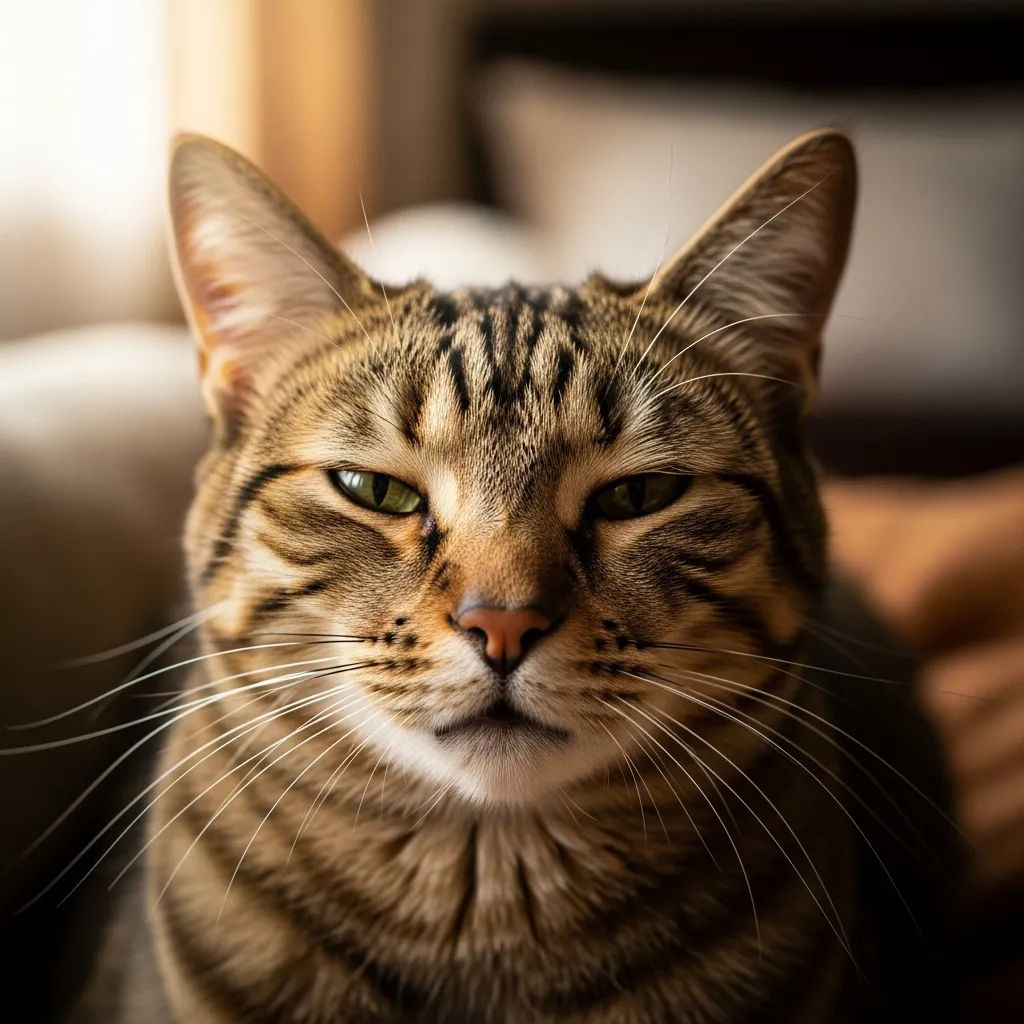
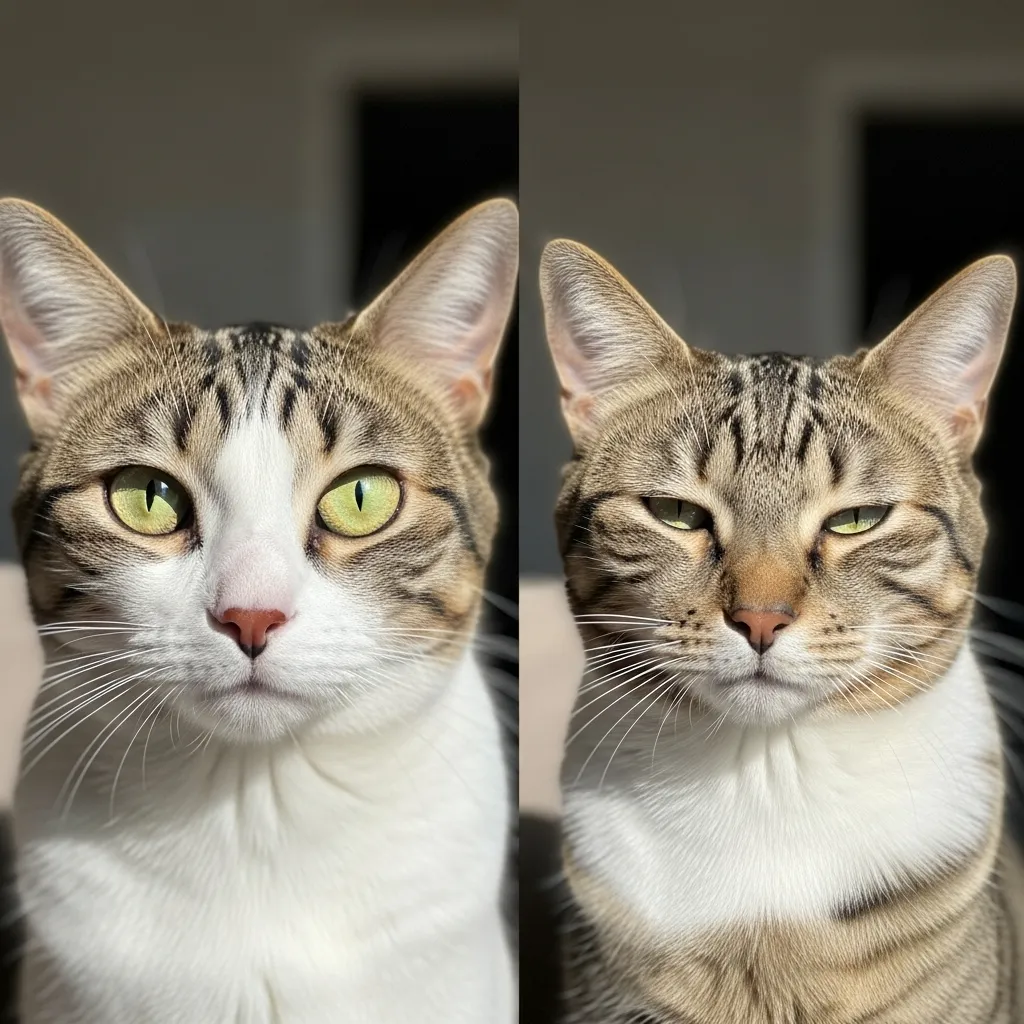
When your cat looks at you and slowly closes their eyes, then opens them again, they’re telling you they feel safe. In cat body language, closing your eyes in front of another creature is the ultimate compliment; you’re saying, “I’m not worried about you attacking me.” Researchers at the University of Sussex confirmed that slow blinking back increases bonding. Try it next time your cat stares at you. Blink slowly, look away slightly, blink again. Nine times out of ten, they’ll blink back and often walk over for cuddles.
Head Bunting and Cheek Rubbing: Marking You as Theirs
Cats have scent glands in their cheeks, temples, and chin. When they rub their face on you (or your furniture, or your guest’s leg), they’re depositing pheromones. It’s not just “you smell interesting.” It’s “you belong to me, and I want everyone to know.” The more they rub, the more important you are in their social world.
Fun fact: Cats usually reserve full-face bunting for their favorite people. If your cat walks straight up and smashes their forehead into your shin, take it as a five-star review.
Learn more about how different breeds show affection in our guide to cat breeds and personalities.
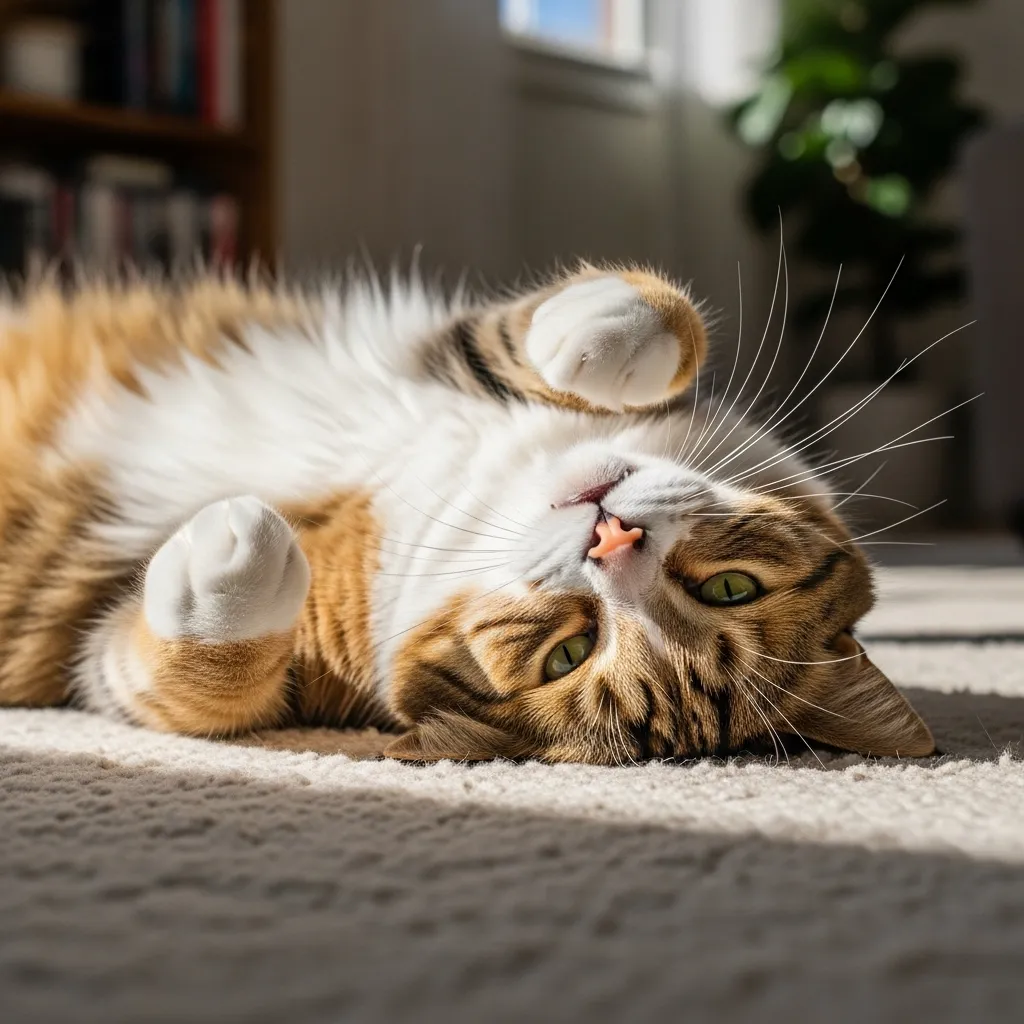
The Belly Flash: Trust, Not Always an Invitation
Rolling over and exposing the belly is one of the biggest trust signals a cat can give. Their belly contains all their vital organs; in the wild, no cat would show it unless they felt completely safe. That said, many cats hate belly rubs (looking at you, tabbies). A quick flash then rolling away means “I love you, but touch me and lose a hand.”
Pro tip: If your cat stays on their back and stretches, light fingertip scratches are usually welcome. If they grab your hand with claws, you misread the room.
Kneading: “Making Biscuits” on the Person They Love Most
Kneading goes back to kittenhood. Tiny kittens push on mom’s belly to stimulate milk flow. Adult cats who knead you are reliving that safe, warm, well-fed feeling. They only do it when they feel blissful. Bonus points if they drool while kneading; that’s pure happiness overload.
See our deep dive on American Shorthair kneading habits for breed-specific insights.
The Gift-Giving Ritual: Gross, But Sincere
Yes, finding a dead mouse on your pillow is horrifying. But to your cat, it’s the highest honor. In the wild, mother cats bring prey to their kittens to teach hunting. When your cat drops a toy mouse (or the real thing) at your feet and looks proud, they’re saying, “I love you enough to feed you and teach you important life skills.” Accept the gift graciously, praise them, and quietly dispose of it later.
Shadow Behavior: You’re Their Favorite Human GPS
If your cat follows you to the bathroom, waits outside the shower, or yells when you close a door, they’re not being clingy; they’re attached. Cats are territorial and usually stay where they feel safest. Choosing to trail you around the house means you are their safe place.
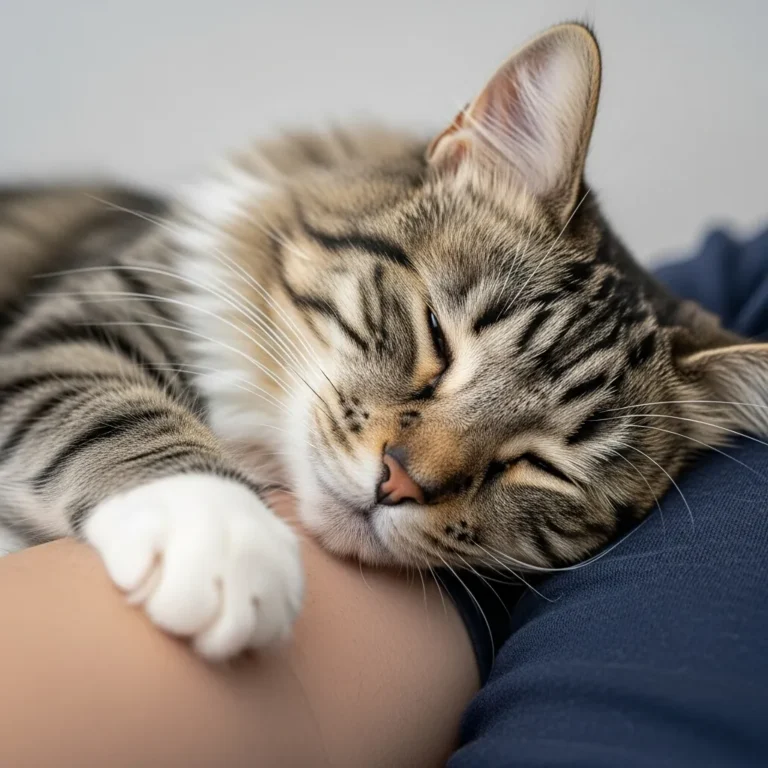
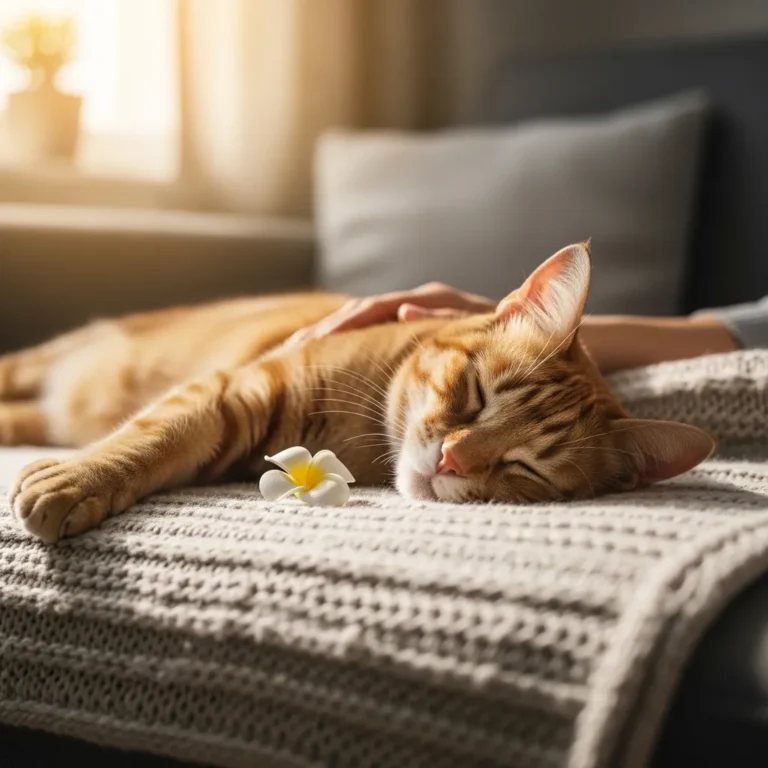
Sleeping On or Next to You: The Ultimate Compliment
Cats spend 70% of their lives sleeping, and they’re extremely picky about where. If your cat chooses your lap, your chest, or the crook of your knees, they’re telling you two things:
- They trust you completely (they’re vulnerable while asleep).
- Your scent and heartbeat calm them.
Even “independent” cats who sleep elsewhere will often pick one spot that smells like you (your pillow, your laundry basket) when you’re gone.
Discover why some cats burrow under blankets when they love you.
Grooming You: You’re Part of the Family Colony
When your cat licks your hand, arm, or (if you’re very lucky) your hair, they’re treating you like another cat. Mother cats groom kittens, and bonded adult cats groom each other. It’s an intimate social behavior reserved for cats they accept as family.
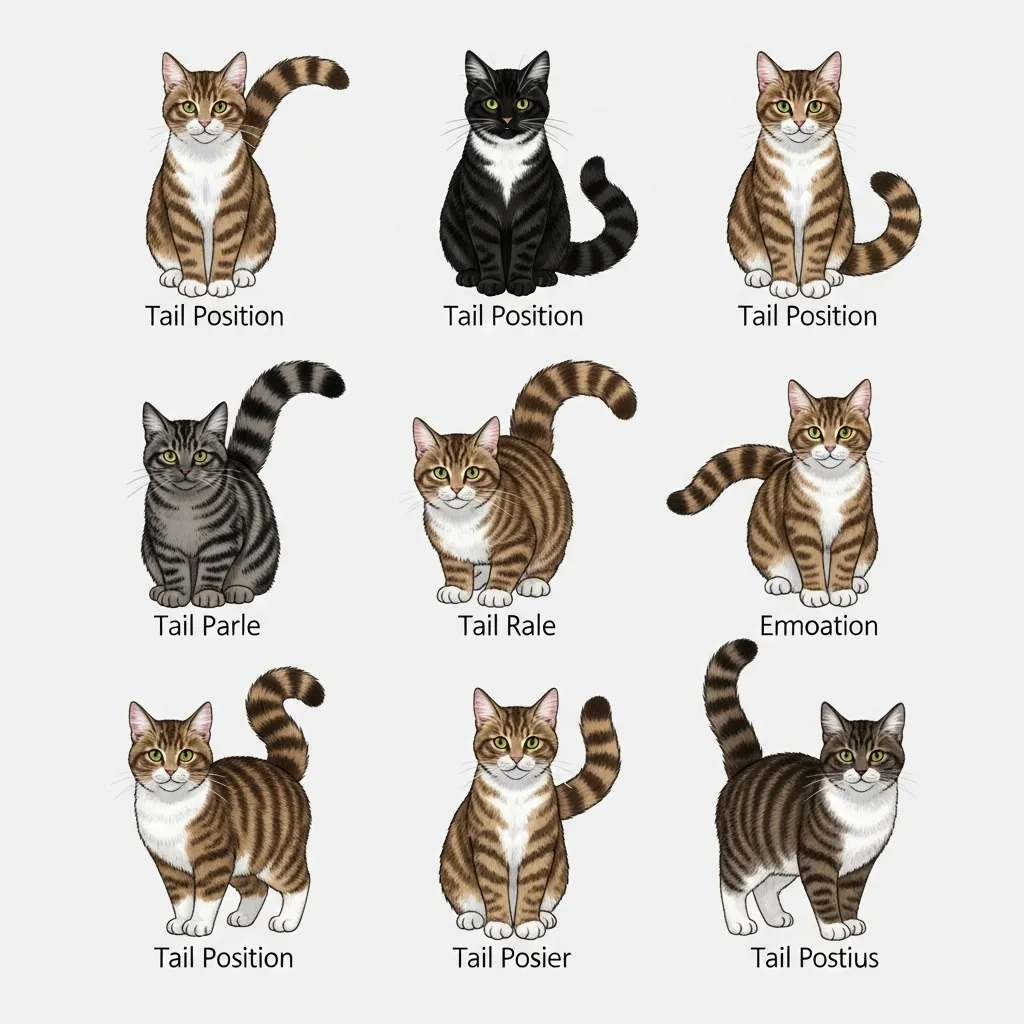
Tail Language: The Happy Question Mark
A tail held straight up with a little curl at the end, like a question mark, is the feline version of a beaming smile. Kittens greet their mothers this way, and adult cats reserve it for their favorite humans.
Gentle Love Bites and “Mouthing”
Light nibbles without pressure, usually on fingers or nose, are playful affection. Cats only do this with people they feel safe teasing.
Bonus Signs Your Cat Is Obsessed With You
- Waiting at the door when you come home
- Trilling or chirping when they see you
- Knocking things off tables to get your attention (annoying, but effective)
- Stealing your seat the second you stand up
- Purring the loudest when you’re upset or crying; cats release calming pheromones when they purr and often try to comfort their favorite humans.
What If Your Cat Doesn’t Do These Things?
Some cats are naturally less demonstrative. Shy cats, seniors, or certain breeds (Russian Blues, some Bengals) show love more subtly. Watch for tiny signs: ear twitches when you talk, choosing to stay in the same room, or relaxed body language around you. Love doesn’t always look cuddly.
Final Thoughts: You’re Loved, Even on the Bad Days
Your cat may never greet you with a wagging tail or sloppy kisses, but the quiet moments, the slow blinks, the 3 a.m. loaf on your chest, those are their love letters. Once you learn to read them, you’ll realize your cat isn’t aloof at all. They’re just speaking softly, and you’re their favorite person in the world.
Want to deepen that bond even more? Explore our guides on building trust with a new cat, teaching your cat their name, or creating the perfect cozy corner they’ll never want to leave.
At Cat Bloom Haven, we’re here for every step of your cat love story. Keep noticing those little signs, because every day your cat is telling you, in their own perfect way, “I love you.”
Frequently Asked Questions
How do cats say I love you?
Through slow blinking, head bunting, kneading, grooming, tail position, and choosing to sleep on you.
Do cats feel love like dogs do?
Yes, but differently. Cats form strong, selective attachments and show love through trust and subtle affection rather than overt excitement.
Why does my cat stare at me?
Staring followed by a slow blink is affection. Staring without blinking can mean curiosity or a request (usually food).
Is my cat’s purring always a sign of love?
Usually, yes, especially when combined with relaxed body language, kneading, or being near you. Purring can also be self-soothing in stress or pain, so read the context.
Why does my cat sleep on my clothes?
Your scent comforts them. It’s one of the sweetest signs they love and miss you when you’re gone.
Ready for more feline wisdom? Browse our full collection of cat behavior guides at Cat Bloom Haven and keep discovering just how much your cat adores you.