What Happens When a Cat Dies Naturally: A Compassionate, Complete Guide to Recognizing the Signs, Comforting Your Cat, and Knowing When It’s Time
Losing a cat is one of the hardest moments any owner will face. When the end comes slowly at home, the mix of love, guilt, fear, and helplessness can feel overwhelming. You want to do right by the cat who has trusted you for years. This guide walks you through every stage of natural death in cats from the earliest subtle signs your cat is nearing the end of life, to the final hours, to what actually happens in the body after death, and how to care for yourself and any surviving cats afterward.
I’ve helped hundreds of owners through this as a feline veterinarian and hospice consultant. What follows is the most honest, detailed, and gentle resource you’ll find anywhere.
Key Takeaways (For Quick Reference)
- Natural death usually takes hours to a couple of days once active dying begins.
- Pain and distress are not inevitable; many cats slip away peacefully if supported well.
- The decision between euthanasia and natural death is deeply personal neither choice is “wrong” if it prioritizes your cat’s comfort.
- You can provide excellent end-of-life care at home (cat hospice) with simple tools and medication from your vet.
- Grief is normal and intense. You are not alone.
How Cats Age and Why Some Reach a Natural Death at Home
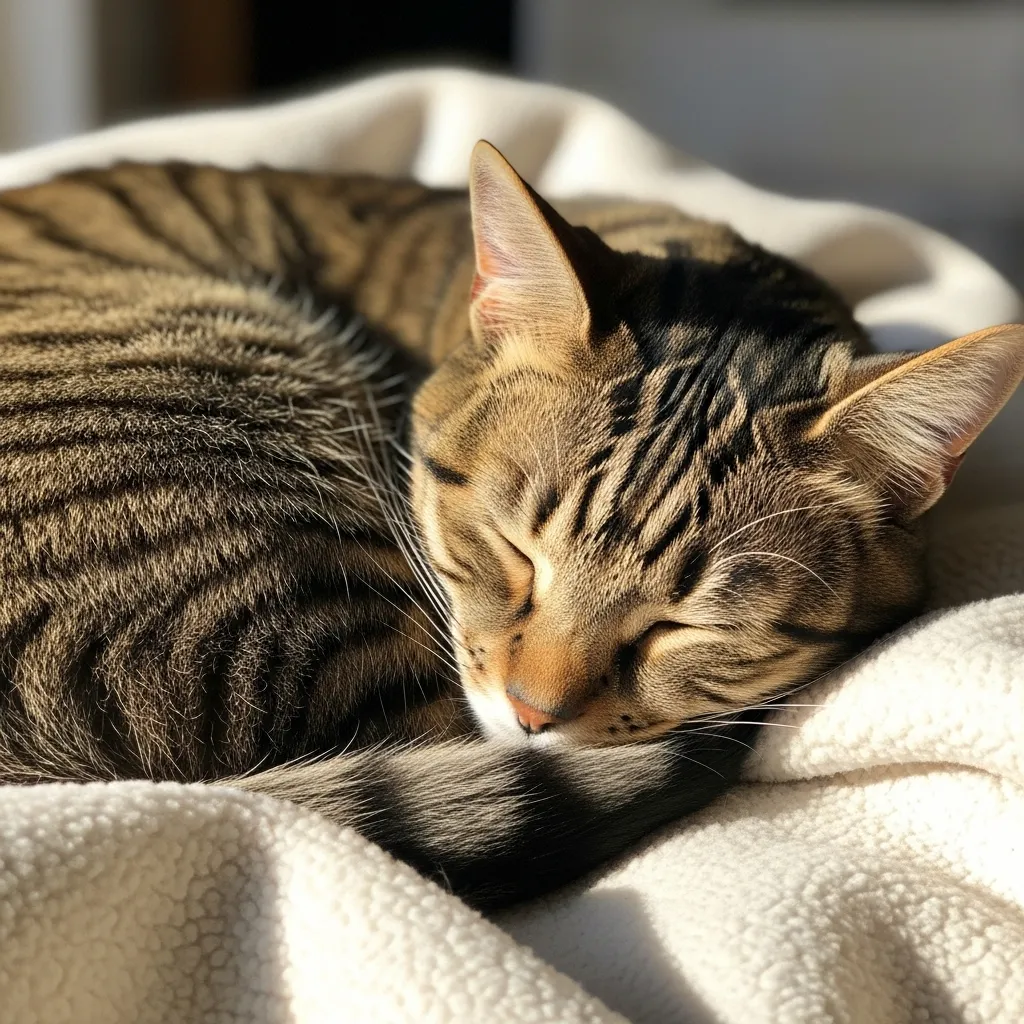
Cats today routinely live 15–20 years indoors. Kidney disease, cancer, hyperthyroidism, and heart disease are the most common terminal illnesses in senior cats. When these conditions progress slowly and are managed gently, many cats reach a point where their body simply begins to shut down. This is natural death the organs gradually stop functioning while the cat remains at home surrounded by familiar smells, sounds, and people.
Early Signs a Cat Is Nearing the End of Life (Weeks to Months Before)
These changes are subtle. Many owners only recognize them in hindsight.
- Dramatic decrease in activity and interest in play
- Weight loss even with normal or increased appetite early on, then appetite drops
- Sleeping more, often in hidden or unusual places
- Coat becomes dull, grooming decreases
- Mild confusion or staring into space
- Occasional vomiting or diarrhea that doesn’t fully resolve
- Drinking more or less than usual
- Weaker hind legs, difficulty jumping onto favorite spots
At this stage, a quality-of-life consultation with your vet is priceless. Tools like the HHHHHMM scale (Hurt, Hunger, Hydration, Hygiene, Happiness, Mobility, More good days than bad) help you track decline objectively.
Clearer Signs Your Cat Is Dying Naturally (Last Days to Weeks)
The body is now actively conserving energy for vital organs.
- Refusal of food for more than 48 hours (some cats still drink)
- Extreme lethargy may not get up to use the litter box
- Very low body temperature (cool ears, paws, and tail)
- Slow, shallow, or irregular breathing
- Seeking solitude or, conversely, clinging to you more than ever
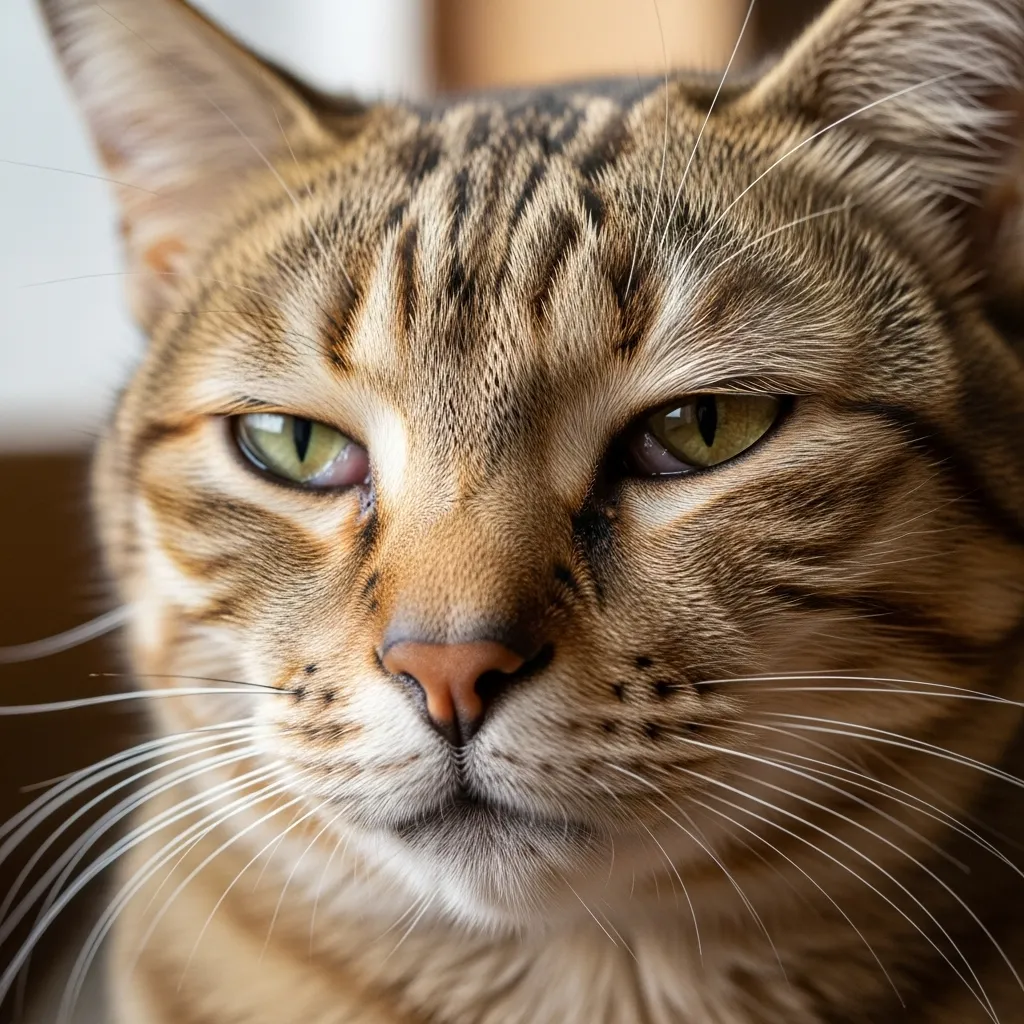
- Sunken eyes, third eyelid visible
- Weak pulse, pale or gray gums
What Happens Right Before a Cat Dies Naturally (The Active Dying Phase)
Once breathing becomes labored or the cat stops responding, the final hours have arrived.
- Periods of deep sleep alternating with brief moments of restlessness
- Possible involuntary muscle twitches or paddling of legs
- Loss of bladder and bowel control (perfectly normal)
- Breathing patterns change: slow and deep, then rapid and shallow, sometimes long pauses (Cheyne-Stokes respiration)
- Heart rate slows dramatically
- Body temperature drops further the cat feels cool to touch
Many cats give a final deep sigh and simply stop breathing. It is usually peaceful when pain is controlled.
Body Changes After a Cat Dies Naturally
- Rigor mortis begins within 1–3 hours and peaks around 12 hours. By 24–48 hours the body relaxes again.
- Eyes remain open (cats do not have the muscle reflex humans do to close them).
- The body may release remaining urine or feces.
- Within hours the fur feels cooler and slightly stiff to the touch.
If you wish to spend quiet time with your cat after death, keep the room cool and cover the body lightly with a towel soaked in warm water to slow rigor if desired.
How to Comfort a Dying Cat at Home (Practical Hospice Tips)
You do not have to feel helpless. These steps make an enormous difference.
- Create a quiet, warm nest on the floor (heated beds or microwaveable pads wrapped in towels).
- Offer water via syringe or shallow dish every few hours if the cat will take it. Subcutaneous fluids from your vet extend comfort dramatically.
- Keep the cat clean gentle wipes for hind end if incontinence occurs.
- Pain medication is critical. Buprenorphine, gabapentin, or other vet-prescribed drugs keep most cats comfortable until the end.
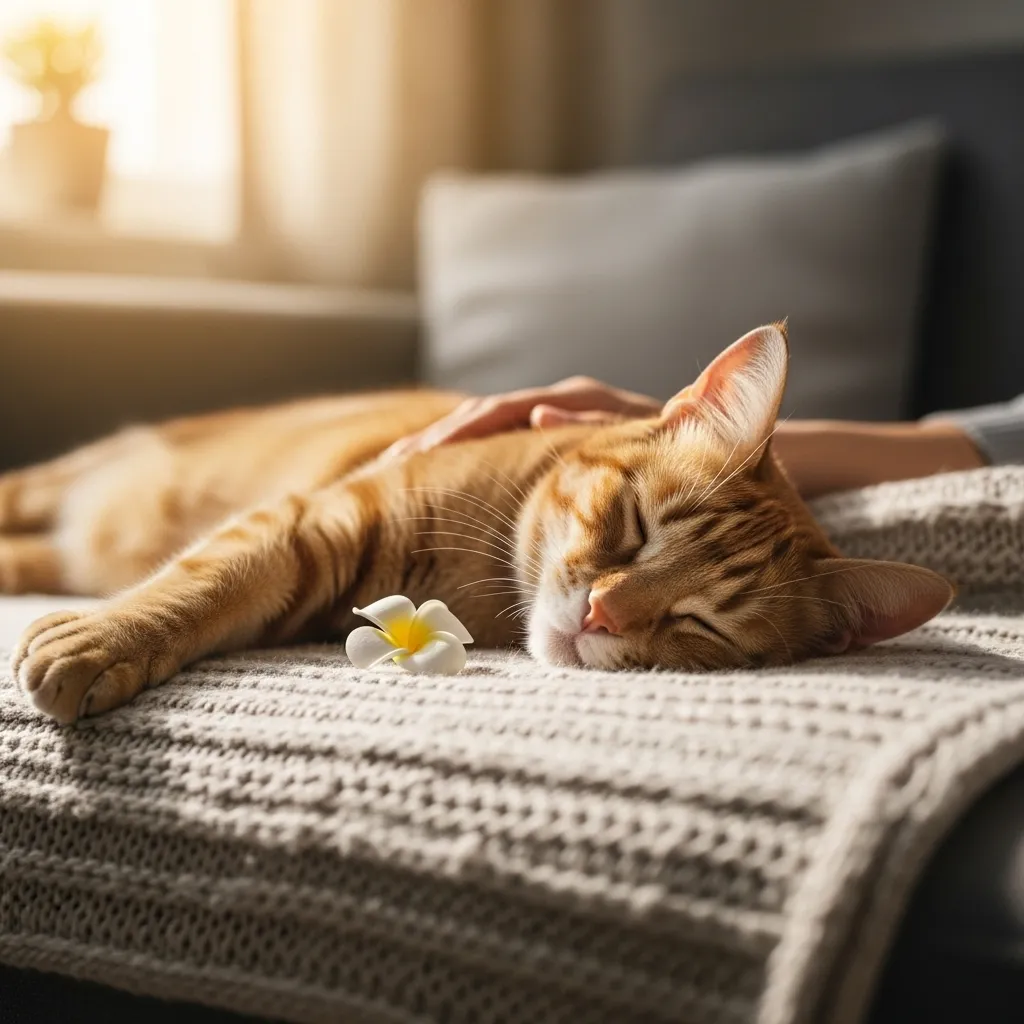
- Soft voices, gentle stroking on the head and cheeks (avoid painful areas).
- Dim lighting and white-noise machine if the cat seems agitated.
- Pheromone diffusers (Feliway Optimum) often calm anxiety.
See our full guide: End-of-life care for senior cats
Is It Cruel to Let a Cat Die Naturally?
No if pain and distress are well managed.
Yes if the cat is suffering and help is withheld out of fear or guilt.
The kindest choice is the one that minimizes suffering. For some cats that is euthanasia the moment quality of life is gone. For others, with excellent palliative care, natural death at home is calm and loving.
Euthanasia vs Natural Death in Cats: A Side-by-Side Comparison
| Aspect | Natural Death at Home | Euthanasia at Home or Clinic |
|---|---|---|
| Location | Familiar surroundings | Can be at home (increasingly common) |
| Timing | Unpredictable | Chosen by you when suffering begins |
| Pain control | Depends on medication compliance | Guaranteed painless |
| Owner involvement | Very high | High (you hold them during the process) |
| Cost | Usually lower | Higher (but often worth it for peace) |
| Emotional weight | Can feel “right” or guilt-inducing | Relief mixed with sadness |
There is no moral scoreboard. Choose comfort.
How to Know When It’s Time to Say Goodbye (Or Let Nature Take Its Course)
Ask yourself daily:
- Is my cat having more bad days than good?
- Is pain controlled?
- Can my cat still do one or two things that bring joy (sunbathe, purr when stroked, eat a favorite treat)?
- Am I keeping my cat here for me, or for them?
When the honest answer is that suffering outweighs joy, it is time whether that means scheduling euthanasia or intensifying hospice care for a natural passing.
How to Say Goodbye to a Cat at Home
- Hold a small ritual if it helps: light a candle, read a favorite poem, play soft music.
- Invite family members or close friends who knew your cat.
- Take paw prints in clay or ink (kits are inexpensive).
- Clip a small lock of fur if you want a keepsake.
- Speak gently cats hear us even when unresponsive.
How Other Cats in the Household React to a Dying or Deceased Cat
Cats absolutely grieve. Common reactions:
- Searching the house and vocalizing
- Appetite loss
- Clinginess or withdrawal
- Sniffing and sitting near the body (let them it helps closure)
Allow surviving cats to see and smell the body for a few minutes if they wish. Many experts believe this reduces confusion.
The Emotional Impact of Losing a Cat and Grieving Support
Disenfranchised grief when society minimizes pet loss is real. You may feel isolated. Give yourself permission to cry, take time off work, and talk about your cat as much as you need.
Helpful resources:
- Lap of Love pet loss support hotline (24/7)
- Association for Pet Loss and Bereavement chat rooms
- Rainbow Bridge grief journals
- Memorial jewelry or custom portraits
See also: Coping with cat loss
Frequently Asked Questions
Do cats know when they are dying?
They sense their body changing and usually seek comfort or solitude. They do not fear death the way humans do.
What are the last signs a cat is dying naturally?
Extreme weakness, cool extremities, slow or irregular breathing, and detachment from surroundings.
How long does it take a cat to die naturally?
Once active dying begins, usually 4–48 hours, though some linger longer with fluids and pain control.
Is my cat suffering if I let him die naturally?
Not necessarily. With proper medication, many cats remain comfortable until the end.
How long after death does a cat get stiff?
Rigor mortis begins 1–3 hours after death and resolves by 24–72 hours.
Should I stay with my cat while he dies?
If it feels right to you, yes. Your presence, scent, and voice are deeply comforting.
What do I do with my cat’s body after natural death at home?
Contact your vet or a pet crematory. Many offer home pickup. Burial is possible in some areas if local laws allow.
Final Thoughts
Watching a beloved cat fade is heartbreaking, but it can also be one of the most intimate acts of love you ever give. Whether your cat takes their last breath curled on your lap or quietly in their favorite sunbeam, you have the power to make the process gentle and dignified.
You are not alone on this journey. Reach out to your veterinarian, to friends who understand, and to the thousands of cat lovers who have walked this path before you.
When you’re ready, explore more of our gentle guides on senior cat care, quality-of-life tools, and healing after loss here at Cat Bloom Haven.