Why Does My Cat Headbutt Me Then Bite Me? The Real Meaning Behind This Confusing (But Totally Normal) Cat Behavior
You’re curled up on the couch, your cat climbs onto your lap, purrs like a tiny engine, rubs his forehead against your chin in that sweet headbutt you’ve come to love… and then, out of nowhere, he chomps your hand. Hard enough to make you yelp, but not hard enough to break skin. What just happened? Did you do something wrong? Is he mad at you?
Relax. This classic “cat headbutt followed by bite” routine is one of the most common – and most misunderstood – affectionate behaviors in cats. In almost every case, it’s not aggression. It’s communication, and once you learn to read it, you’ll feel a lot closer to your feline friend.
Quick Summary: What It Usually Means
- 85–90 % of the time → Overstimulation (“petting tolerance threshold reached”)
- 8–12 % of the time → Love bite / playful affection
- 2–3 % of the time → Actual irritation or mild aggression (rare when paired with headbutting)
The rest of this guide breaks down every possible reason, how to tell them apart, and exactly what to do so everyone stays happy (and unbitten).
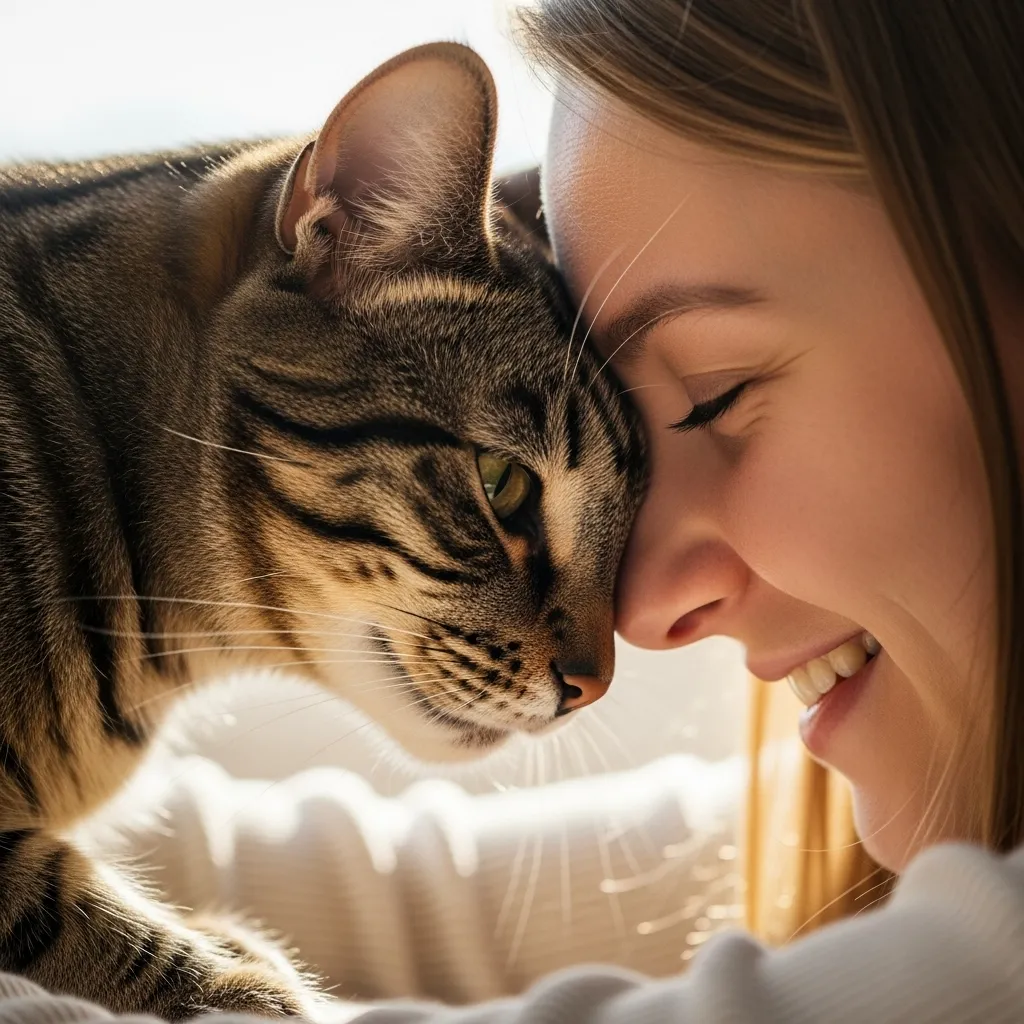
What Headbutting (Bunting) Actually Means in Cat Language
When cats rub their face on you or headbutt you, they’re doing something called bunting. They have scent glands in their cheeks, temples, and chin. By pressing those glands against you, they’re depositing pheromones and literally marking you as “mine.” It’s the highest compliment a cat can give.
Other names for this behavior:
- Head bunting
- Head booping
- Face rubbing
- Allorubbing (when they do it to other cats)
In short: a headbutt = “You are my safe person and I’m claiming you.”
So Why Follow It With a Bite? The 5 Most Common Explanations
1. Overstimulation – The #1 Culprit
Cats have a petting tolerance threshold that varies from cat to cat (and even day to day). Once you cross it, the same touch that felt good two seconds ago suddenly feels like static electricity on their skin.
Classic signs of overstimulation right before the bite:
- Tail starts lashing or twitching
- Ears flick backward
- Skin on their back ripples (pilomotor reflex)
- Pupils dilate slightly
- They stop purring or the purr becomes lower/throatier
The bite is their polite (in cat terms) way of saying, “Session over, human.”
2. Love Bites (Affectionate Nipping)
Some cats give tiny, inhibited bites as part of their affection vocabulary – especially breeds like Bengals, Siamese, and Abyssinians that tend to be more “mouthy.”
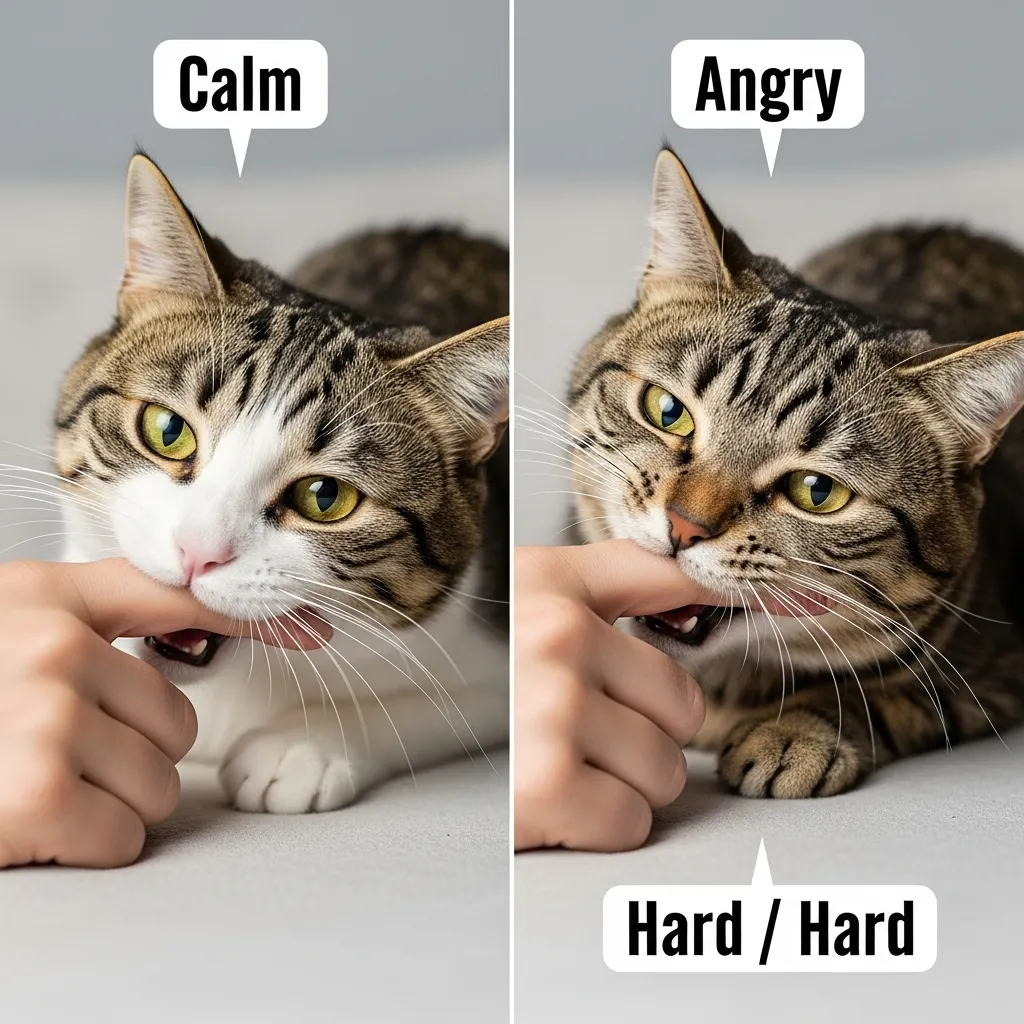
How to tell a love bite from an angry bite:
| Love Bite | Aggressive Bite |
|---|---|
| No hissing, growling, or flattened ears | Hissing, growling, ears flat against head |
| Bite is slow and gentle | Fast, hard, repeated |
| Often holds skin lightly in teeth | Tries to scratch or rabbit-kick |
| Walks away calmly afterward | Stays puffed up and ready to strike again |
3. Playful “Let’s Wrestle” Invitation
Kittens learn social boundaries by play-biting their littermates. Adult cats sometimes carry this habit into their human relationships. A headbutt + gentle bite often means “I trust you enough to play rough – but I’ll keep my claws in.”
4. Redirected Arousal
Your cat sees a bird outside, gets overexcited, has no outlet, then headbutts you and nibbles because you’re the closest moving thing. It’s not personal.
5. Rare Medical Causes (Always Rule These Out)
Pain, dental issues, hyperesthesia, or neurological problems can lower a cat’s bite threshold. If the behavior is brand new, sudden, or paired with other changes (hiding, appetite loss, aggression in other contexts), schedule a vet visit.
How to Respond When Your Cat Bites After Headbutting (Without Ruining the Bond)
Do:
- Freeze or gently pull away – no sudden movements
- Say a calm, low “ow” or “no”
- Immediately end the petting session and stand up (if safe) so your lap disappears
- Redirect to a toy if it feels playful
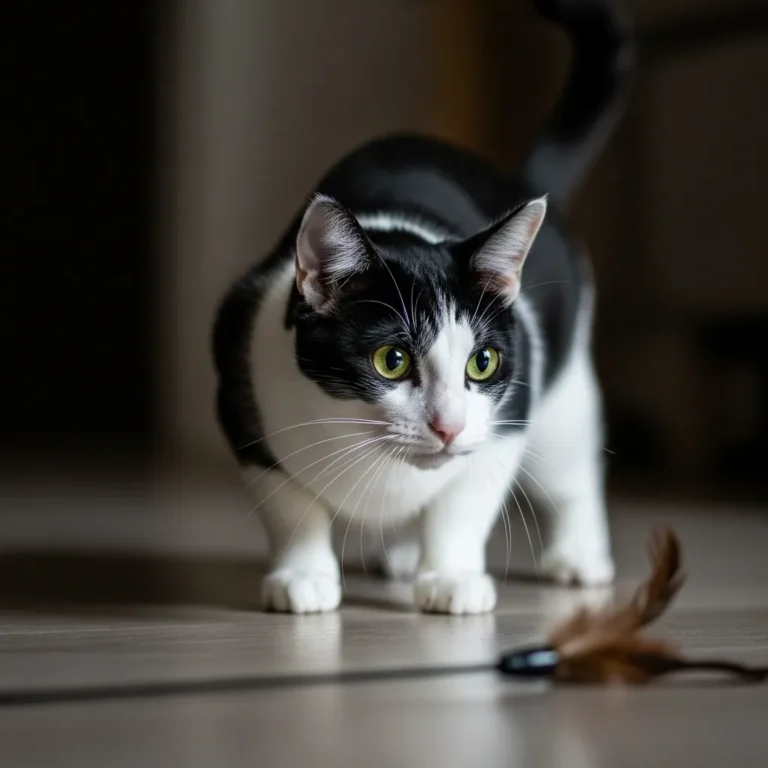
- Watch for the early overstimulation signs and stop petting before the bite happens
Don’t:
- Yell or punish – it destroys trust
- Push them away roughly
- Keep petting to “show them who’s boss” (you’ll just get bitten harder)
Pro tip: Most cats have a three-stroke rule on their back or sides. Try petting only the head and cheeks next time – that’s where the scent glands are and where they usually love touch the longest.
How Kittens Learn This Behavior (And Why Some Cats Never Outgrow It)
Mother cats and littermates teach bite inhibition through play. If a kitten bites too hard, the game stops. Well-socialized kittens learn gentle mouthing. Cats who were orphaned early or removed from mom before 8–10 weeks often have poorer bite control as adults.
Breed Tendencies for Headbutt-then-Bite Behavior
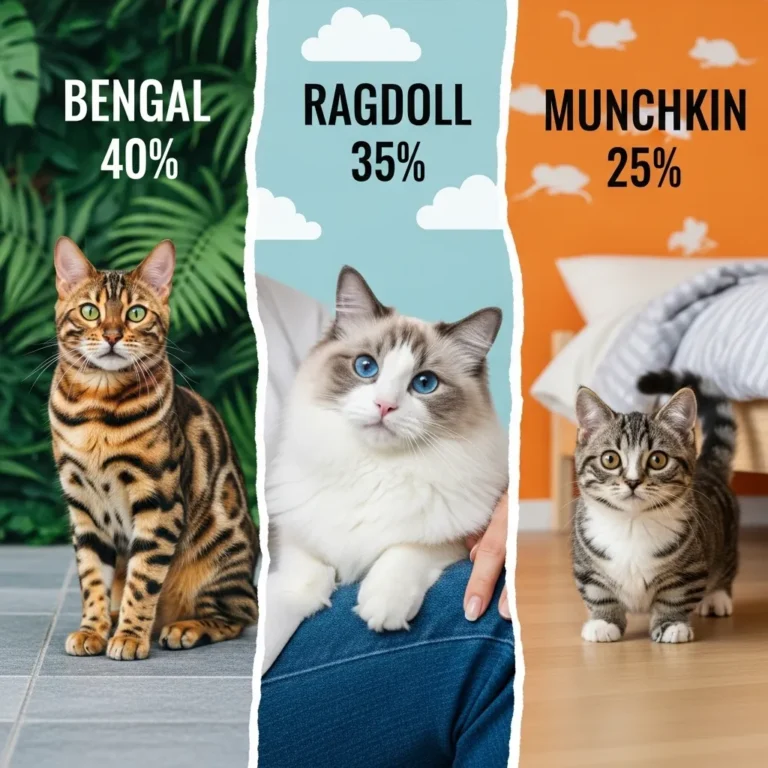
- High likelihood: Bengal, Siamese, Oriental Shorthair, Abyssinian, Sphynx
- Medium: Maine Coon, Ragdoll, Scottish Fold
- Low: British Shorthair, Persian, Russian Blue (tend to just walk away)
FAQ Your Top Questions Answered
Why does my cat grab my hand and bite gently?
That’s almost always a love bite or play invitation. They’re treating your hand like a littermate.
Is it normal for cats to bite during affection?
Completely normal. Up to 50 % of cats show some form of affectionate nipping.
How do I stop my cat from biting when I pet him?
Learn his personal petting limit (count strokes), stop before the tail twitch, and redirect energy to a kick toy.
Why does my cat headbutt me then walk away?
Mission accomplished – he marked you as his and now he’s satisfied.
Do cats know their bites hurt us?
Yes, if you react consistently with a calm “ow” and end the fun, they quickly learn to keep teeth softer.
Key Takeaways
- Headbutting = love and ownership
- The bite that follows is usually overstimulation or a love bite, not anger
- Watch the tail, ears, and skin ripples for warning signs
- Respect the limit, redirect play, and everyone stays happy
Your cat isn’t being moody or bipolar – he’s just speaking fluent feline, and now you understand the dialect.
Want to decode even more of your cat’s quirky behaviors? Explore our complete cat body language guide here:
Or discover why your cat might be rubbing on everything lately in our pheromone marking deep dive
Keep loving that little headbutter – gentle bite and all. After all, being chosen as “theirs” is one of the best feelings in the world.