How Often Should You Brush Your Cat: The Ultimate Grooming Guide for a Healthy, Happy Feline
Imagine this: You’re lounging on the couch, your cat curled up beside you, purring softly. Suddenly, a massive hairball lands on your lap again. Or worse, you notice mats tangled in their fur, making them uncomfortable and irritable. If you’ve ever wondered how often should you brush your cat to avoid these messy moments and keep their coat gleaming, you’re in the right place.
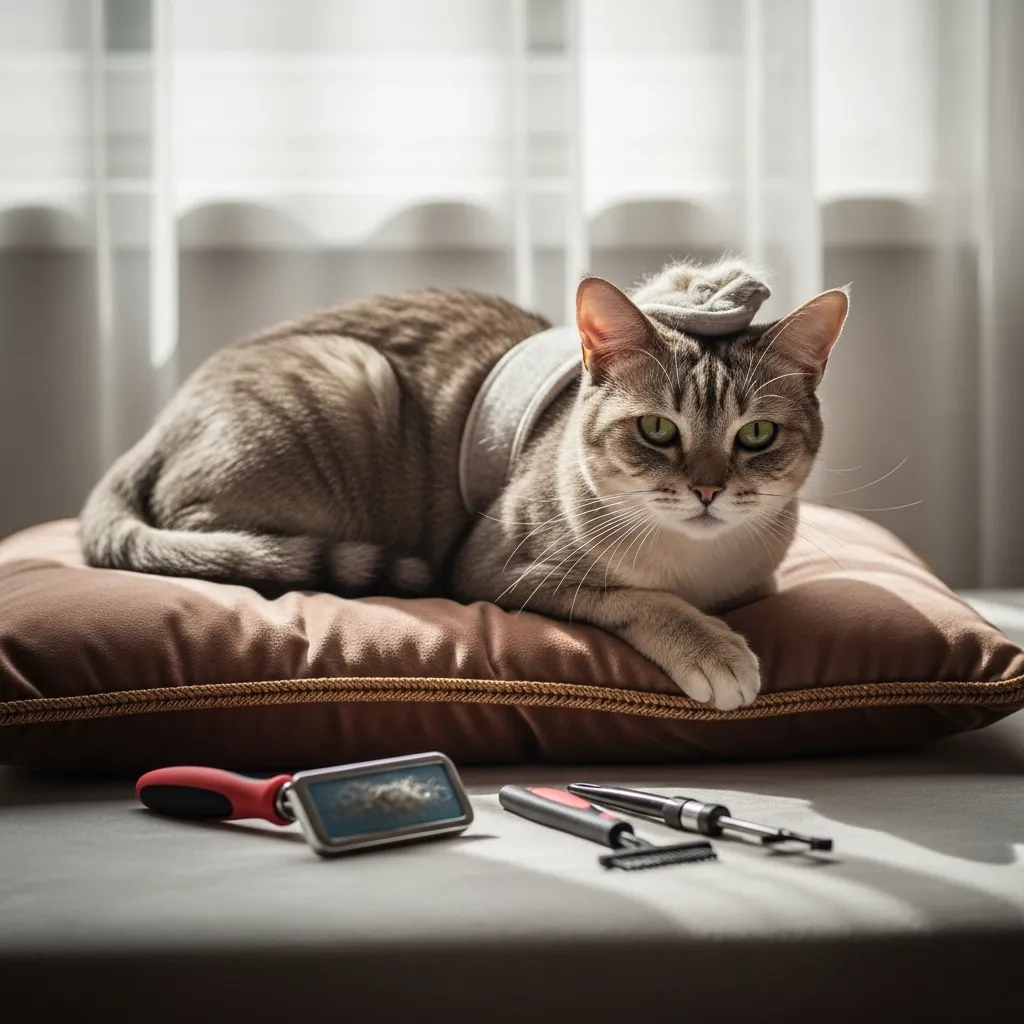
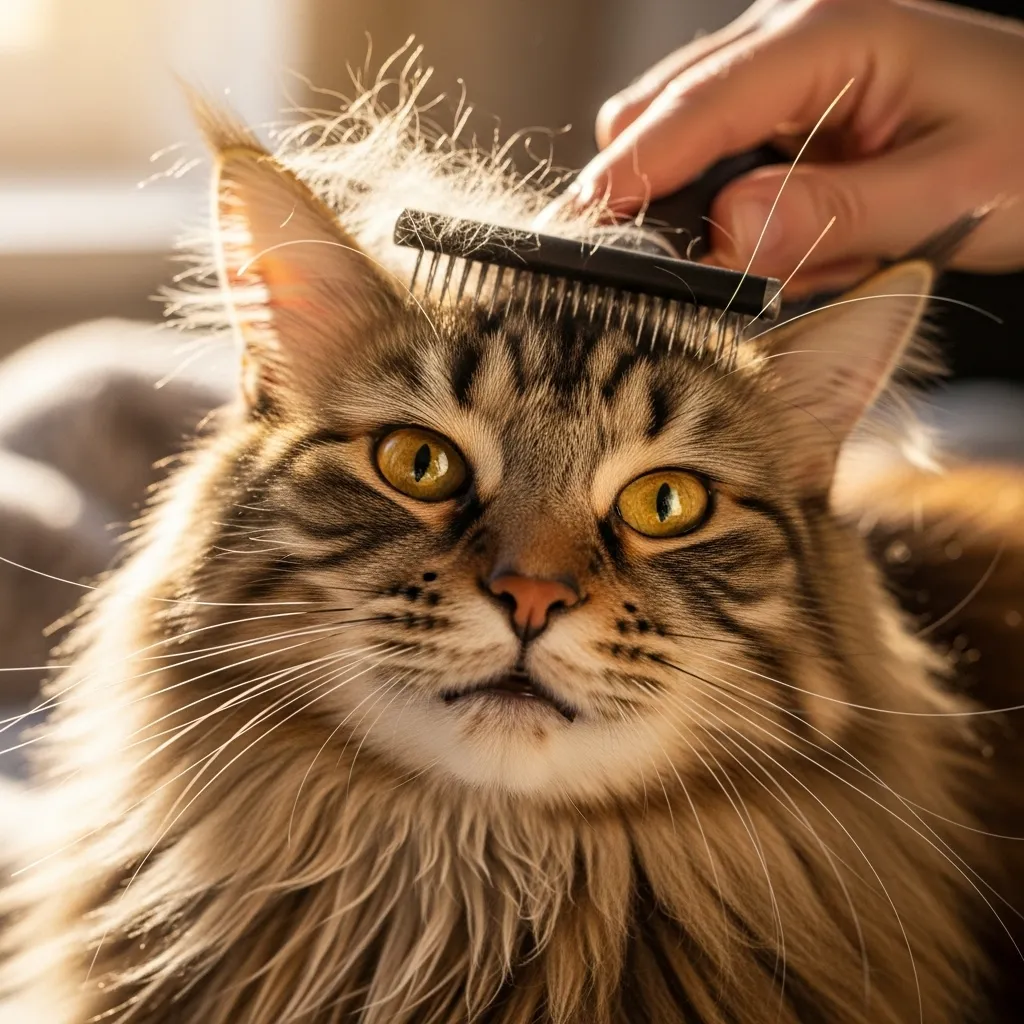
Brushing isn’t just about aesthetics it’s a cornerstone of cat health and grooming that prevents hairballs, reduces shedding, strengthens your bond, and catches early health issues. In this comprehensive cat grooming guide, we’ll break down everything from cat brushing frequency based on coat type to the benefits of brushing cats, expert tips for brushing cats, and the best brushes for cats 2025. By the end, you’ll have a personalized cat coat care routine that fits your feline’s needs and your lifestyle.
Key Takeaways
- Short-haired cats: Brush 1–2 times per week.
- Long-haired cats: Brush daily or every other day to prevent matting.
- Shedding season (spring/fall): Increase frequency by 50%.
- Senior or arthritic cats: Use softer tools and shorter sessions.
- Hairball-prone cats: Daily brushing + hairball diet = 80% reduction in vomiting.
- Regular cat grooming improves skin health, reduces allergens, and deepens bonding.
Why Regular Cat Grooming Matters More Than You Think
Cats are meticulous self-groomers spending up to 50% of their waking hours licking their fur. But even the cleanest kitty needs help. Here’s why cat coat care through brushing is non-negotiable:
Prevents Painful Mats and Tangles
Long-haired breeds like Persians or Maine Coons can develop mats in as little as 48 hours without brushing. These aren’t just ugly they pull on the skin, cause irritation, and can lead to infections.
“I once had a client whose Ragdoll refused to let anyone touch her belly. Turns out, a golf-ball-sized mat was digging into her skin. Two weeks of daily brushing and medicated shampoo fixed it—but it could’ve been avoided.” – Dr. Emily Chen, DVM, Feline Specialist
Reduces Hairballs (Yes, Really)
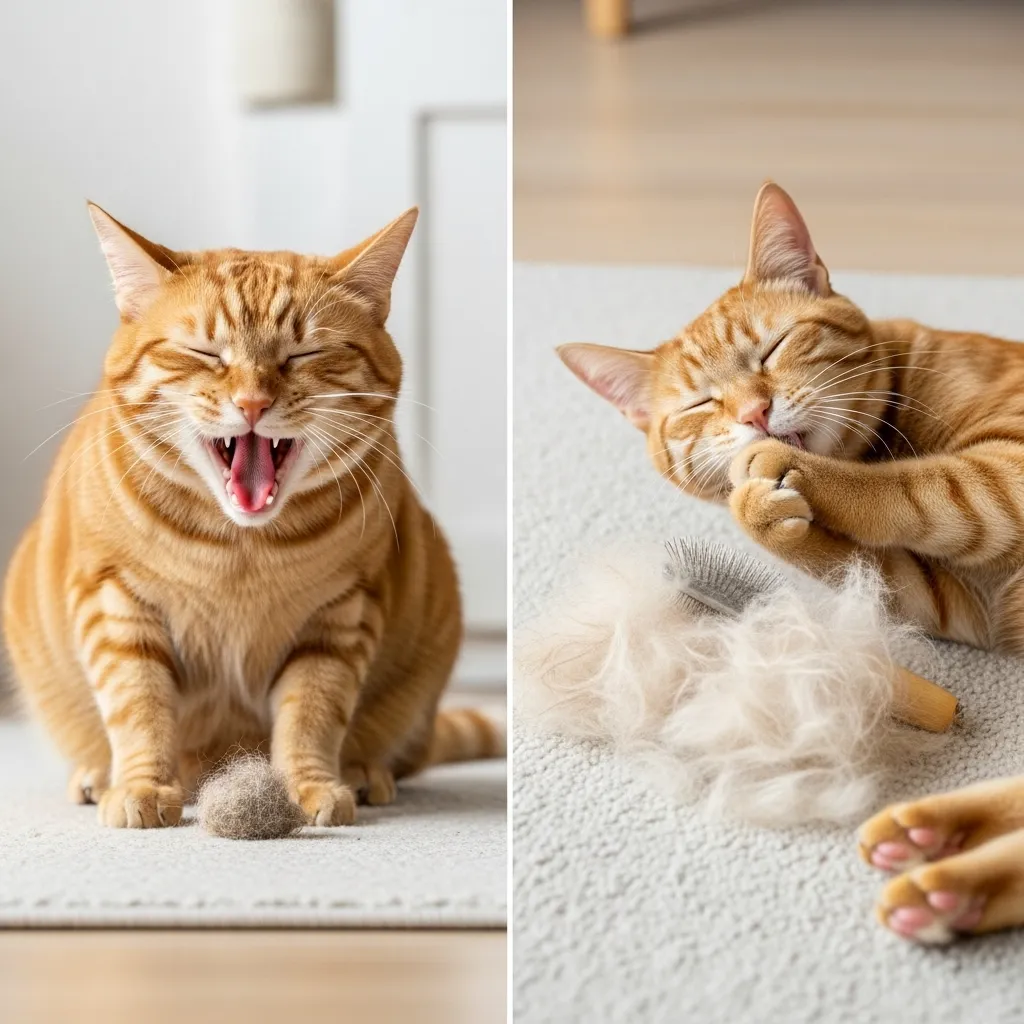
Cats ingest loose fur while grooming. Brushing removes dead hair before it’s swallowed. Studies show regular brushing can reduce hairball frequency by up to 78% (Journal of Feline Medicine and Surgery, 2023).
Boosts Skin and Coat Health
Brushing distributes natural oils, stimulates blood flow, and removes dirt and dandruff. It’s like a spa day for your cat’s skin.
Early Detection of Health Issues
Lumps, bumps, fleas, dry patches, or wounds? You’ll spot them during brushing often before symptoms appear.
Pro Tip: Run your hands over your cat before brushing. Warm spots, flinching, or scabs = vet visit ASAP. Learn more in our guide on cat skin bumps neck.
Short vs Long-Haired Cats: Brushing Frequency Breakdown
Not all cats are created equal when it comes to cat coat types. Here’s your science-backed cat brushing frequency guide:
| Coat Type | Examples | Brushing Frequency | Tools | Notes |
|---|---|---|---|---|
| Short-Haired | American Shorthair, Siamese, Bengal | 1–2x/week | Rubber grooming mitt, bristle brush | Focus on high-shed areas (back, sides) |
| Medium-Haired | Norwegian Forest Cat, Ragdoll | 3–4x/week | Slicker brush + comb | Watch tail and belly |
| Long-Haired | Persian, Maine Coon, Himalayan | Daily or every other day | Wide-tooth comb + slicker | Section fur to avoid mats |
| Hairless | Sphynx, Peterbald | Weekly wipe-down | Soft microfiber cloth | No brushing—use warm damp cloth |
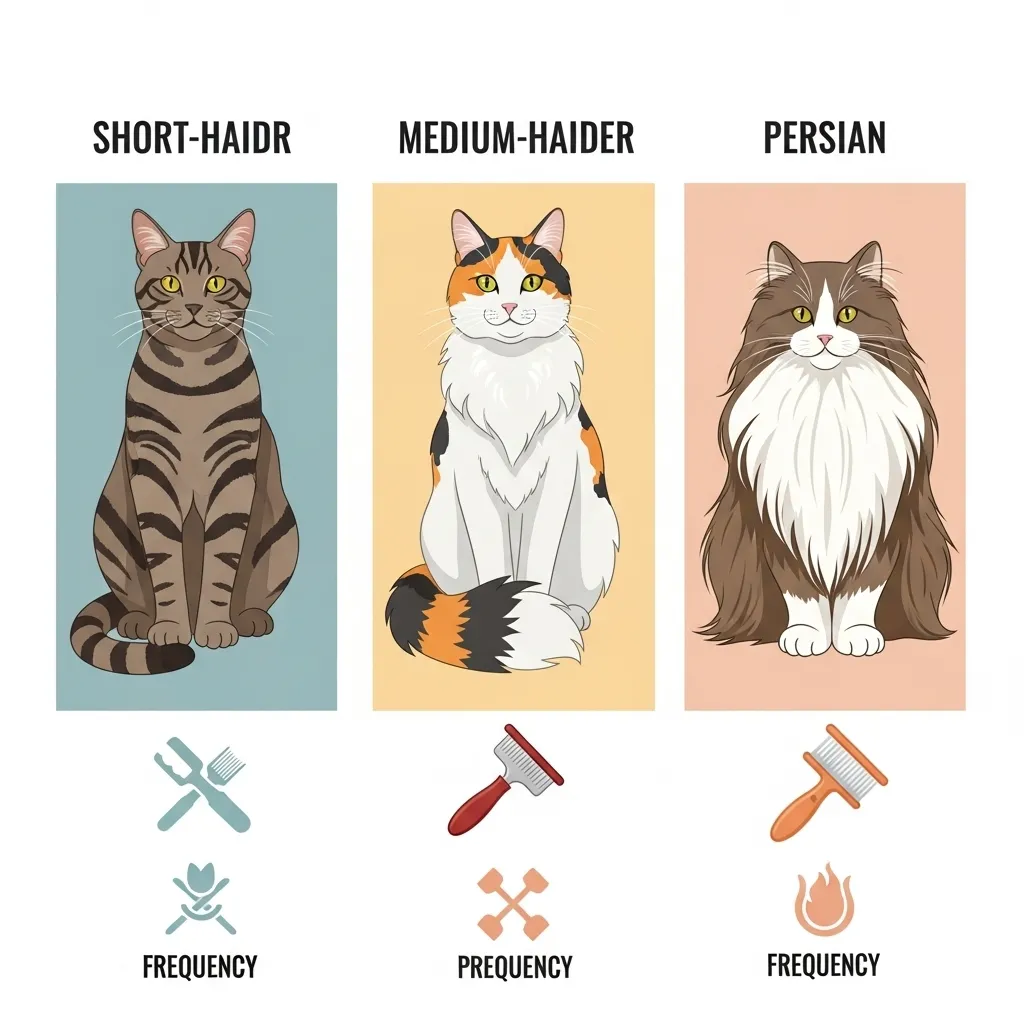
Seasonal Adjustment: During cat shedding solutions in spring and fall, increase frequency by 50%. Learn winter-specific tips in cat grooming tips for winter.
Benefits of Brushing Cats: More Than Just a Pretty Coat
Brushing isn’t a chore it’s an investment in your cat’s longevity and your sanity.
1. Prevent Cat Hairballs
As mentioned, less ingested fur = fewer 3 a.m. hairball surprises. Pair brushing with hairball-control food for best results. See our american shorthair hairballs guide.
2. Reduce Allergens in Your Home
Regular brushing removes dander the real culprit behind cat allergies, not fur. One study found weekly brushing reduced airborne allergens by 65%.
3. Strengthen Your Bond
Cats associate grooming with maternal care. Consistent brushing builds trust especially with skittish cats. Explore bonding tips in ragdoll cat bond building.
4. Save on Vet Bills
Early detection of fleas, skin infections, or lumps during brushing can prevent costly treatments later.
Cat Grooming Tools: What Actually Works in 2025
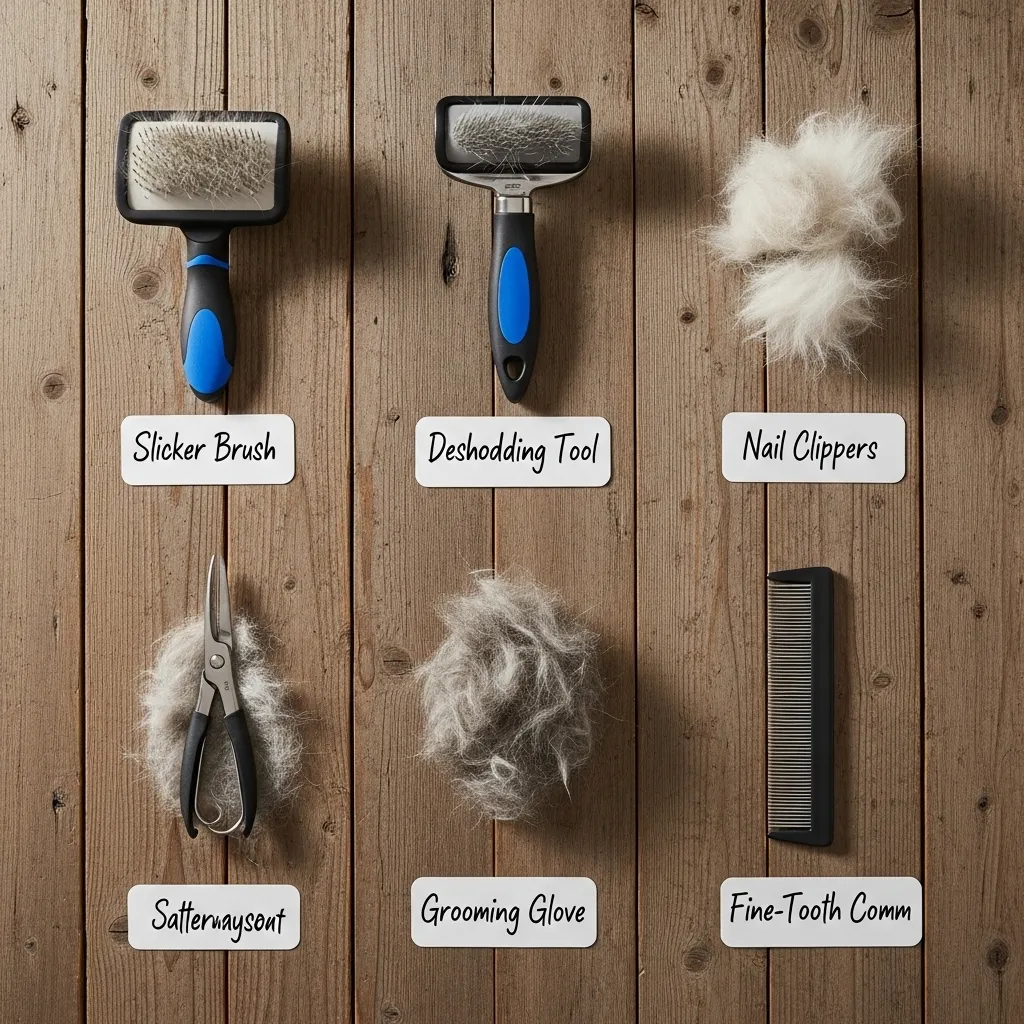
Skip the junk. Here are the best brushes for cats 2025 vet-approved and cat-tested.
Top 5 Grooming Tools
| Tool | Best For | Price Range | Why It Works |
|---|---|---|---|
| Hertzko Self-Cleaning Slicker Brush | Long-haired cats | $15–20 | Curved wires remove undercoat without pulling |
| FURminator Undercoat deShedding Tool | Heavy shedders | $30–45 | Reduces shedding by 90% (per brand studies) |
| Safari Cat Comb | Detangling mats | $8–12 | Wide + fine teeth for layered grooming |
| Kong ZoomGroom | Short-haired, sensitive cats | $10 | Rubber nubs massage while removing loose fur |
| Chirpy Pets Grooming Glove | Nervous cats | $12 | Mimics petting—perfect for beginners |
Bonus: For hairless cats, use cat hygiene teach bum clean methods with hypoallergenic wipes.
How to Brush Your Cat (Without Starting World War III)
Even the grumpiest cat can learn to love (or tolerate) brushing. Here’s your step-by-step tips for brushing cats:
Step 1: Choose the Right Time
- After a nap or meal (relaxed state)
- Never during zoomies or hunger
Step 2: Start Slow
- Let them sniff the brush
- Offer treats before, during, and after
- Begin with 1–2 minutes, build up gradually
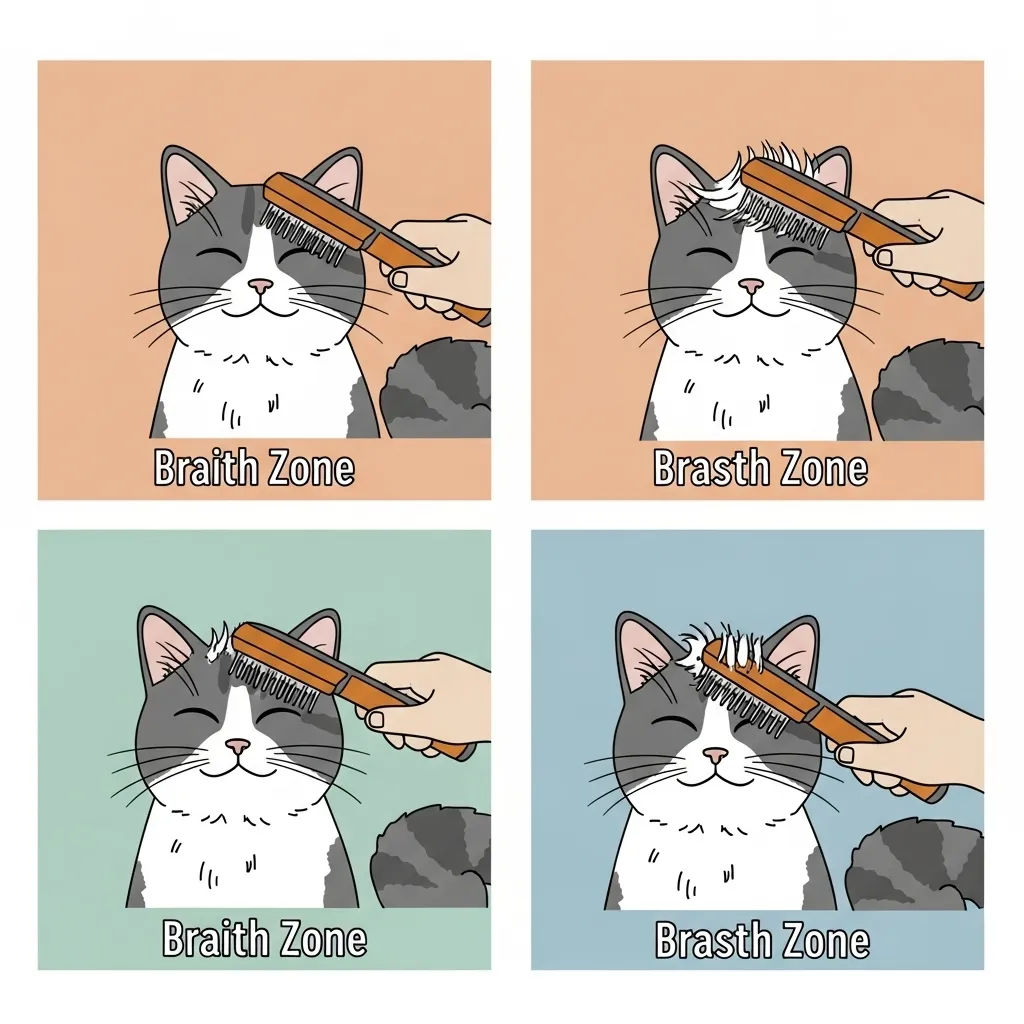
Step 3: Use the Right Technique
- Back and sides: Long, gentle strokes with the grain
- Belly and legs: Light touch many cats hate this
- Tail: Only brush base unless they allow full tail
- Face: Use a soft cloth or fingertip brushing
Step 4: Watch for Stress Signals
- Ears back, tail thrashing, hissing = STOP
- Dilated pupils or rippling skin = overstimulated
For cats that hate grooming: Check how to groom a cat that hates it.
Establishing a Grooming Routine Your Cat Will Actually Follow
Consistency is key. Here’s how to make establishing a grooming routine seamless:
Sample Weekly Schedule
| Day | Task | Duration |
|---|---|---|
| Monday | Full body brush + treat | 5–10 min |
| Wednesday | Quick once-over + play | 3 min |
| Friday | Deep brush + nail trim | 10 min |
| Sunday | Rest day (or glove brush) | 2 min |
Make It Fun
- End every session with play or their favorite treat
- Use a “grooming mat” (towel) as a positive trigger
- Play calming music (cat-specific frequencies on YouTube)
Pro Tip: Pair brushing with teach cat to fetch for active cats burn energy, then groom.
Common Brushing Challenges (And How to Fix Them)
“My Cat Runs Away When I Get the Brush”
- Solution: Leave the brush out 24/7 so it’s not a “threat.”
- Start brushing while they’re eating.
“My Cat Bites During Grooming”
- Solution: You’re hitting a sensitive spot. Skip belly/legs. Use a glove instead.
- See stop cat biting for behavior tips.
“I Found Mats Now What?”
- Never cut with scissors (risk of skin injury)
- Use a mat splitter or detangling spray
- Severe cases? Vet or professional groomer
Special Cases: When to Adjust Your Routine
Senior Cats
- Switch to softer brushes
- Shorter sessions (2–3 min)
- Check for arthritis avoid pressure on joints
Kittens
- Start at 8 weeks with a soft brush
- 1–2x/week to build tolerance
- See kitten to adult cat transition.
Overweight Cats
- Harder to self-groom → more brushing needed
- Focus on hard-to-reach areas (belly, back legs)
FAQ: Your Top Cat Grooming Questions Answered
How often should I brush my cat?
Short-haired: 1–2 times weekly. Long-haired: Daily or every other day. Increase during shedding season.
What happens if I don’t brush my cat?
Matting, hairballs, skin infections, and increased shedding. Long-haired cats can develop painful mats in days.
Can brushing reduce cat allergies?
Yes! Weekly brushing removes dander and loose fur, reducing airborne allergens by up to 65%.
What’s the best brush for long-haired cats?
A slicker brush + wide-tooth comb combo. Start with slicker, finish with comb to catch strays.
How do I brush a cat that hates it?
Use a grooming glove, start with 30-second sessions, and pair with treats. Gradually increase time.
Should I bathe my cat after brushing?
Rarely. Most cats don’t need baths. Brushing removes 90% of dirt. Only bathe if oily, dirty, or vet-recommended.
Final Thoughts: Make Grooming a Ritual, Not a Battle
Knowing how often should you brush your cat is just the start. The real magic happens when cat grooming becomes a shared ritual one that keeps your feline healthy, your home cleaner, and your bond unbreakable. Start small, stay consistent, and watch your cat transform from a fuzzy mess into a sleek, purring companion.
Ready for more? Explore our detailed guide on cat coat types or discover cat grooming benefits for every breed. Your cat (and your couch) will thank you.
Cat Bloom Haven – Where Feline Wellness Meets Everyday Joy. 🐾