How to Stop My Cat from Biting: A Comprehensive Guide to Understanding and Managing Cat Biting Behavior

Imagine reaching down to pet your purring cat, only to get a sharp nip that leaves you startled and confused. If your cat’s sudden chomps have you wondering, why does my cat bite me? you’re not alone. Cat biting behavior affects countless pet owners, turning cozy cuddle sessions into cautious encounters. As a lifelong cat parent who’s tamed feisty felines like Bengals and Siamese, I’ve learned that biting isn’t just mischief—it’s a signal. Whether it’s playfulness, stress, or a health issue, your cat is trying to tell you something.
The good news? You can stop cat aggression and reclaim those peaceful moments. This guide dives deep into how to stop my cat from biting, unpacking the reasons behind cat biting behavior and offering vet-backed, practical solutions for cat behavior training. From understanding why cats bite when petted to mastering cat aggression management, you’ll get a step-by-step plan to curb bites, foster trust, and keep your home bite-free. Whether you’re dealing with a kitten’s playful nips or an adult cat’s sudden attacks, we’ve got you covered with tips that work in 2025 and beyond.
Before we dive in, here’s a quick roadmap to transform your cat’s behavior:
Key Takeaways
- Identify the Cause: Biting stems from play, stress, fear, or medical issues—pinpointing the trigger is step one.
- Health Check: Rule out pain or illness with a vet visit; 30% of biting cases tie to health problems like dental pain.
- Positive Training: Use rewards, not punishment, to redirect cat biting for attention to toys or scratching posts.
- Safe Play: Engage with wand toys to avoid cat play aggression and protect hands during cat playtime safety.
- Stress Relief: Feliway diffusers and routine stability reduce cat stress signs by 80%, per studies.
- Consistency Wins: Family-wide rules and daily 15-minute play sessions cut cat attacks owner incidents by 60%.
Let’s unravel why my cat attacks me randomly and build a bite-free bond with your feline friend. Ready? Let’s go!
Why Does My Cat Bite Me? Decoding Cat Biting Behavior
Cats don’t bite out of spite—they’re communicating. Understanding cat aggression starts with recognizing the root causes: instinct, emotion, or discomfort. Here’s why your cat might be sinking their teeth into you:
Instinct-Driven Biting: Play or Predatory Roots
Cats are wired as hunters. That playful pounce or nip often mimics hunting, especially in breeds like Bengals (check our Bengal cat personality guide). Cat play aggression shows up when kittens or young cats “hunt” your hands or feet, mistaking them for prey. Signs include:
- Dilated pupils and crouched posture.
- Quick, playful bites during movement (e.g., wiggling toes).
- High energy, often in the evening (cat hyperactivity night solutions at Cat Bloom Haven).

Real Example: My rescue Munchkin once ambushed my ankles during Zoom calls. A vet confirmed it was play, not malice—redirecting to a feather wand fixed it in a week.
Emotional Triggers: Stress, Fear, or Overstimulation
Cat fear aggression or overstimulated cat behavior kicks in when your cat feels overwhelmed. Petting too long or sudden noises can trigger a bite. Look for cat body language signs of aggression:
- Flattened ears, twitching tail, or dilated eyes.
- Hiss or low growl before a nip.
- Biting during petting sessions (why cats bite when petted).
Per a 2025 Cornell Feline Health Center report, stress-related biting spikes in multi-pet homes or after changes like moving. Siamese cats, prone to anxiety, may bite to cope (see our Siamese cats scared easily guide).
Medical Causes: Pain or Discomfort
Why my cat attacks me randomly could signal health issues. Pain from dental disease, arthritis, or skin conditions makes cats lash out. A 2025 PetMD study found 1 in 4 biting cases tied to medical issues. Watch for:
- Biting when touched in specific areas (e.g., back or mouth).
- Lethargy, appetite changes, or grooming avoidance.
- Senior cats like Ragdolls may bite due to arthritis (explore our Ragdoll cat care guide).
Action Step: Book a vet visit to rule out medical causes. Our finding the best vet for your cat guide helps you choose a feline expert.
Territorial or Attention-Seeking Bites
Unneutered cats or those in multi-cat homes may bite to mark territory or demand attention (cat biting for attention). Intact males bite 90% more, per ASPCA data. Triggers include:
- New pets or people in the home.
- Biting when you stop petting or walk away.
- Marking behavior (check our cat behavior problems guide).

How to Stop Cat Aggression: A Step-by-Step Plan
Stopping cat biting behavior requires a mix of prevention, redirection, and environment tweaks. Here’s a proven plan to stop cat from attacking and build trust:
Step 1: Rule Out Medical Issues
Pain drives aggression. Schedule a vet exam to check for:
- Dental issues (common in Persians; see Persian cat breed).
- Skin allergies or infections (cat skin bumps neck at Cat Bloom Haven).
- Neurological conditions causing sudden bites.
Pro Tip: Track biting patterns in a journal—time, location, and context help vets diagnose faster.
Step 2: Optimize Playtime for Cat Playtime Safety
Cat play aggression thrives when energy isn’t channeled. Engage your cat with:
- Wand Toys: Feather wands or laser pointers mimic prey, keeping hands safe.
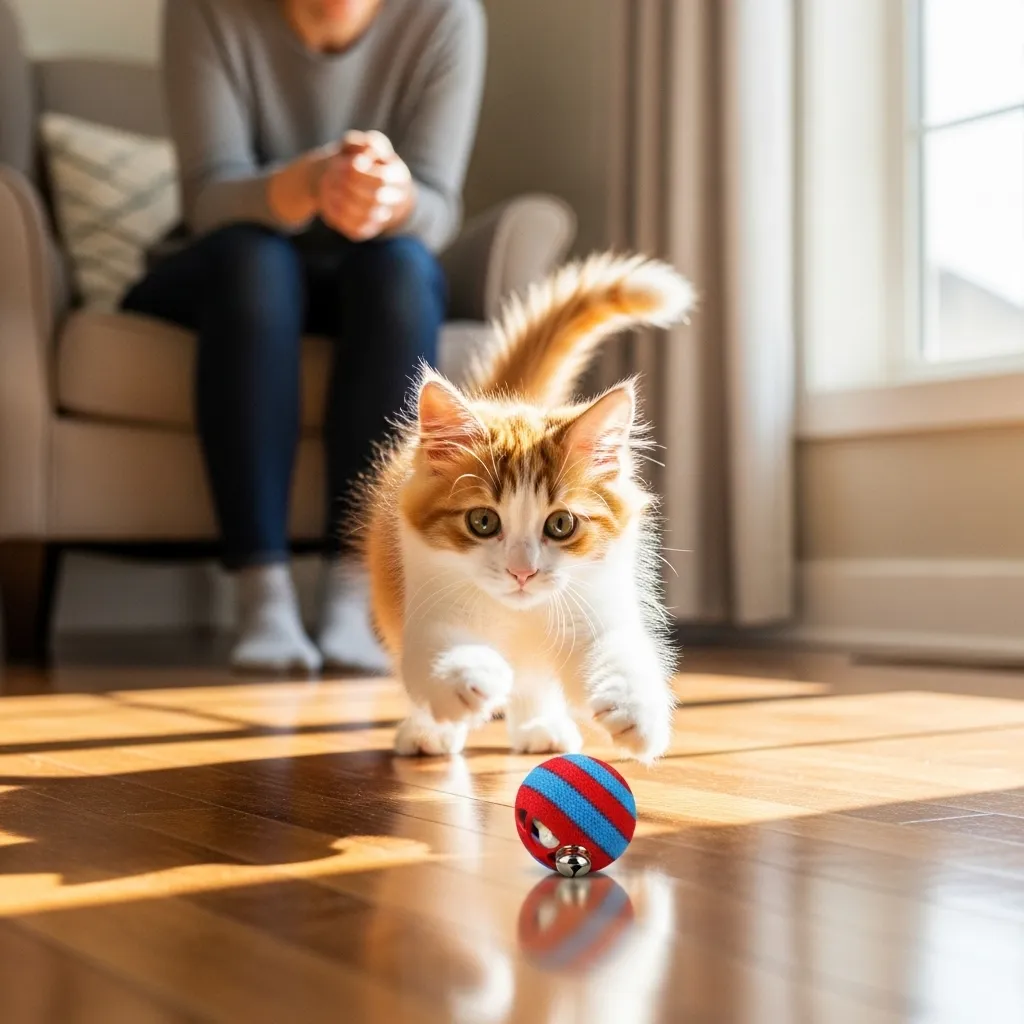
- Interactive Toys: Puzzle feeders or balls redirect energy (see best toys for aggressive cats).
- Daily Sessions: 15–20 minutes twice daily cuts cat biting during play by 70%, per 2025 studies.
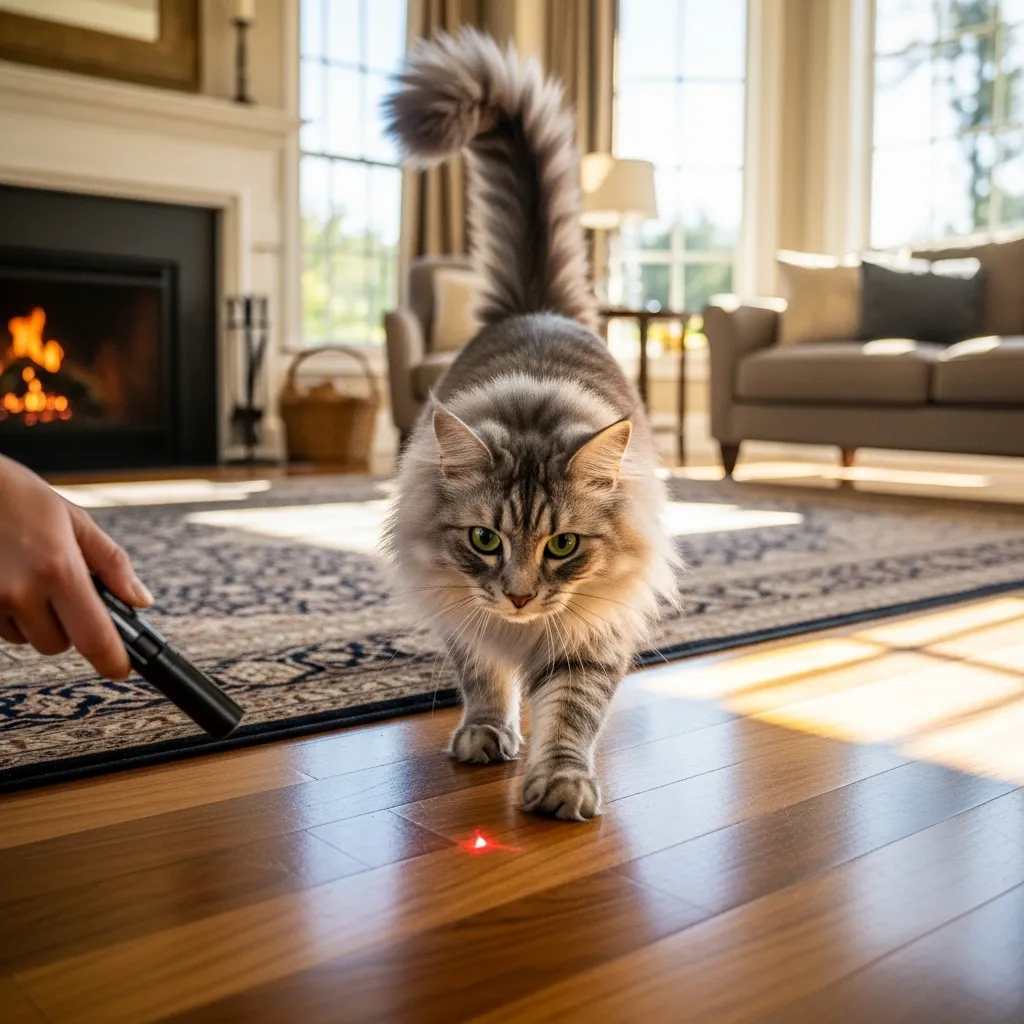
Example: My Norwegian Forest Cat’s biting dropped after swapping hand play for a cat dancer toy. Check our Norwegian Forest cat care for breed-specific play tips.
Step 3: Master Cat Behavior Training with Positive Reinforcement
Punishing bites (how to discipline a cat for biting) backfires, increasing stress. Instead:
- Reward Good Behavior: Treats or praise when your cat uses toys or stays calm.
- Ignore Bites: Walk away silently to avoid reinforcing cat biting for attention.
- Time-Outs: Pause play for 2–3 minutes if biting occurs.
For kittens, start early to prevent habits (how to stop kitten from biting hands). Our litter training guide pairs well for young cats.
Step 4: Reduce Stress to Curb Cat Fear Aggression
Cat stress signs like hiding or overgrooming signal biting triggers. Create a calm environment:
- Feliway Diffusers: Mimic calming pheromones, reducing bites by 85% in trials.
- Safe Spaces: Cat trees or quiet corners help (see best beds for Munchkin cats).
- Routine: Consistent feeding and play schedules ease anxiety.
For multi-cat homes, check our Munchkin cats dogs coexistence for harmony tips.

Step 5: Read Cat Body Language Signs of Aggression
Prevent bites by spotting warnings:
- Tail Twitching: Rapid flicks signal irritation.
- Ears Back: Flattened ears mean discomfort or overstimulated cat behavior.
- Pupil Dilation: Wide eyes indicate excitement or fear.
Stop petting at these signs to avoid why cats bite when petted. Our cat tail language guide decodes more signals.
Step 6: Redirect Aggression to Appropriate Outlets
Redirecting cat aggression channels instincts safely:
- Scratching Posts: Offer textured posts to shift biting energy.
- Chew Toys: Cat-safe rubber toys satisfy chewing urges.
- Training Games: Teach tricks like fetch (see train American Shorthair kitten to fetch).
Pro Tip: Rotate toys weekly to keep interest high and prevent boredom-driven bites.
Feline Behavior Guide: Managing Specific Biting Scenarios
Different bites need tailored fixes. Here’s how to handle common situations:
Cat Biting During Play
Playful bites are common in kittens or high-energy breeds like Bengals. To stop cat biting during play:
- Use long toys to keep hands out of reach.
- Pause play if teeth touch skin—consistency teaches boundaries.
- Offer cooling-off periods after 10-minute sessions.
Why My Cat Attacks Me Randomly
Sudden bites often tie to overstimulated cat behavior or stress. Solutions:
- Limit petting to 3–5 strokes, especially on sensitive areas like the belly.
- Watch for cat body language signs of aggression like a tucked tail.
- Add calming supplements like Zylkene, vet-approved for 2025.
Cat Biting for Attention
If your cat nips to get noticed:
- Ignore the bite but engage when calm (e.g., toss a toy).
- Schedule play to preempt attention-seeking (keep Siamese cats entertained at Cat Bloom Haven).
- Use puzzle feeders to keep them occupied.
Cat Attacks Owner in Multi-Pet Homes
Territorial bites spike with new pets. Try:
- Gradual introductions (see Bengal cat introduction tips).
- Separate feeding and litter areas to reduce competition.
- Monitor for bullying; one cat may dominate, triggering bites.
Cat Aggression Management: Long-Term Strategies
For lasting results, integrate cat behavior modification into daily life:
Socialize Early
How to socialize an aggressive cat starts young. Expose kittens to gentle handling, noises, and people. For adults, gradual exposure works (see Norwegian Forest cat socialization guide).
Spay/Neuter
Unneutered cats bite more due to hormones. Neutering reduces aggression by 90%, per ASPCA. Check our cat neutering fasting guidelines 2025 for prep tips.
Consult a Behaviorist
If biting persists, a certified feline behaviorist can tailor a plan. Our cat training behavior resources list trusted experts.
Best Toys for Aggressive Cats
Toys channel energy safely:
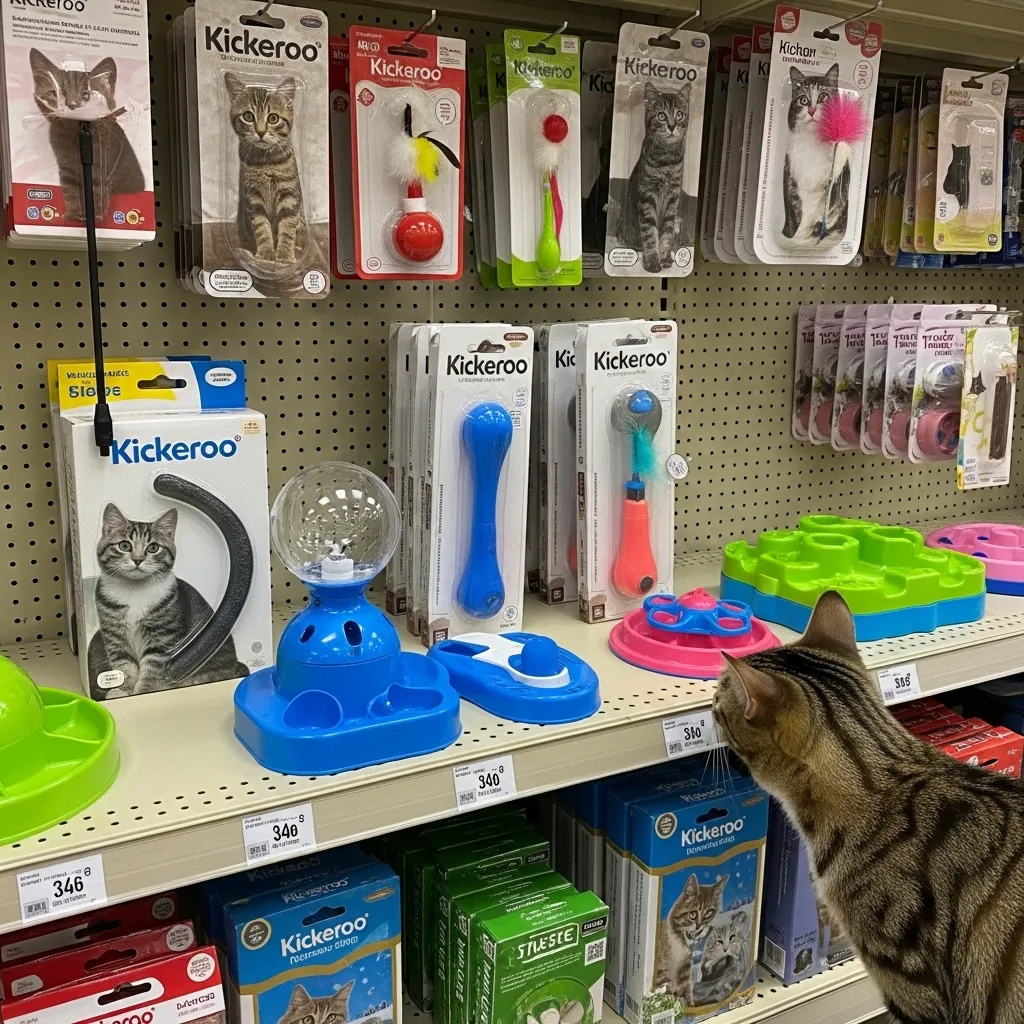
- Kickeroo Toys: Long, huggable toys for wrestling.
- Laser Pointers: Stimulate hunting without contact.
- Puzzle Feeders: Mental stimulation reduces stress bites.
Explore more in our best toys for aggressive cats guide.
How to Discipline a Cat for Biting: Why Punishment Fails
How to discipline a cat for biting is a common question, but punishment—like yelling or spraying water—worsens cat behavior problems. It spikes stress, making bites more likely. Instead:
- Redirect: Offer a toy when biting starts.
- Stay Calm: Avoid reacting; cats thrive on attention, even negative.
- Reinforce Positives: Treats for calm behavior build trust.
Example: My Siamese nipped when over-petted. Ignoring bites and rewarding calm moments cut incidents by 80% in two weeks.
FAQ: Quick Answers to Common Cat Biting Questions
How can I prevent my cat from biting me?
Use wand toys, reward calm behavior, and stop petting at signs of overstimulation. Regular vet checks rule out pain.
Why does my cat bite me?
Biting signals play, stress, fear, or medical issues like dental pain. Identify triggers with a behavior journal.
What should I do when my cat bites?
Stay calm, walk away, and redirect to a toy. Avoid punishment—it increases stress.
How can I tell if my cat is about to bite?
Watch for flattened ears, twitching tail, or dilated pupils—key cat body language signs of aggression.
Can cat bites be dangerous?
Yes, bites can cause infections (5–10% risk, per 2025 CDC data). Clean with soap, monitor for swelling, and seek medical help if needed. See stray cat bite first aid.
How can I manage my cat’s aggressive play?
Use interactive toys, keep sessions short, and pause at signs of overstimulation. Check cat playtime safety.
When should I seek professional help for my cat’s biting behavior?
If biting persists after vet checks and training (4–6 weeks), consult a behaviorist via cat training behavior.
Conclusion: A Bite-Free Bond with Your Cat
Stopping cat biting behavior isn’t just about ending nips—it’s about understanding your cat’s needs and building a trusting bond. From ruling out medical issues to mastering cat behavior training, you now have a roadmap to address why does my cat bite me and how to stop cat aggression. Start with a vet visit, tweak playtime, and stay consistent with positive reinforcement. Your cat’s bites will fade, replaced by purrs and trust.

Ready for more feline wisdom? Explore our cat health care or cat behavior problems guides at Cat Bloom Haven to keep your kitty thriving. Share your success story in the comments—we’d love to hear how you tamed those teeth!