Why Does My Cat Play in the Litter Box? The Real Reasons + How to Stop It for Good
You scoop the box, step away for thirty seconds, and there’s your cat again: digging like they’re mining for gold, rolling around, or batting litter across the floor. If you’ve ever wondered “why does my cat play in the litter box,” you’re not alone. This quirky habit drives thousands of owners crazy every month, yet most articles only skim the surface.
I’ve spent years studying feline behavior (both as a certified cat behavior consultant and as someone who’s fostered over 200 cats). Here’s the truth: playing, scratching, or even sleeping in the litter box is rarely “just being silly.” It’s almost always a message. Let’s decode it together and fix it fast.
Quick Summary: What You’ll Learn Today
- The 7 most common reasons cats treat the box like a playground
- How to tell normal kitten behavior from a red-flag problem
- Step-by-step plan to stop your cat from playing in the litter box (works for 9 out of 10 cats)
- Best litter choices and box setups that naturally curb the habit
- Exactly when you need to call the vet (with symptom checklist)
Ready? Let’s dive in.
The 7 Real Reasons Your Cat Plays in the Litter Box
1. It Feels Like the Safest Spot in the House
Cats are wired to feel secure in enclosed, elevated, or scent-soaked spaces. A clean litter box ticks every box: four walls, your cat’s own scent, and usually a quiet corner. For anxious or newly adopted cats, it becomes a bunker. I’ve seen terrified rescues spend hours inside the box on day one because it’s the only place that smells like “them.”
2. Freshly Cleaned Litter = Catnip 2.0
Many cats go berserk the moment you scoop. Why? Fresh litter is cool, soft, and smells neutral, almost like new snow to a kid. Kittens especially lose their minds and start digging, rolling, or sprinting in and out. This is called the “clean-box zoomies” in foster circles.
3. Boredom + Hunting Instinct on Overdrive
Indoor cats have the prey drive of a jungle predator packed into a 10-pound body and zero outlets. Litter is the perfect texture for practicing pouncing and burying. One of my fosters used to carry her favorite mouse toy into the box and “hunt” it for twenty minutes.
4. The Litter Itself Feels Amazing Under Their Paws
Some textures are simply irresistible. Lightweight clumping litters, corn, walnut, or paper pellets can feel like the world’s best ball pit to sensitive paws. I switched a client from clay to corn once, and her cat spent the next week treating the box like Six Flags.
5. Territorial Messaging in Multi-Cat Homes
When multiple cats share space, the litter box becomes prime real estate for scent-marking. Excessive scratching on the sides or floor, time spent hanging out inside, or even laying in the litter box after cleaning is often one cat saying, “This is MINE.” The behavior usually calms once you add more boxes and neutralize tension.
6. Early Kitten Habits That Never Got Redirected
Kittens learn litter etiquette between 3–8 weeks. If they were taken from mom too early or never taught boundaries, playing in the box feels normal. The good news? You can retrain an adult cat (more on that below).
7. Medical or Pain Issues (The One You Can’t Ignore)
Sudden or extreme changes, spending way too long in the box, straining, crying, or blood in the litter, almost always point to a health problem: UTI, crystals, constipation, arthritis, or anal gland issues. If your cat is over 7 or the behavior appeared overnight, book a vet visit first.
Is It Normal for Kittens to Play in the Litter Box?
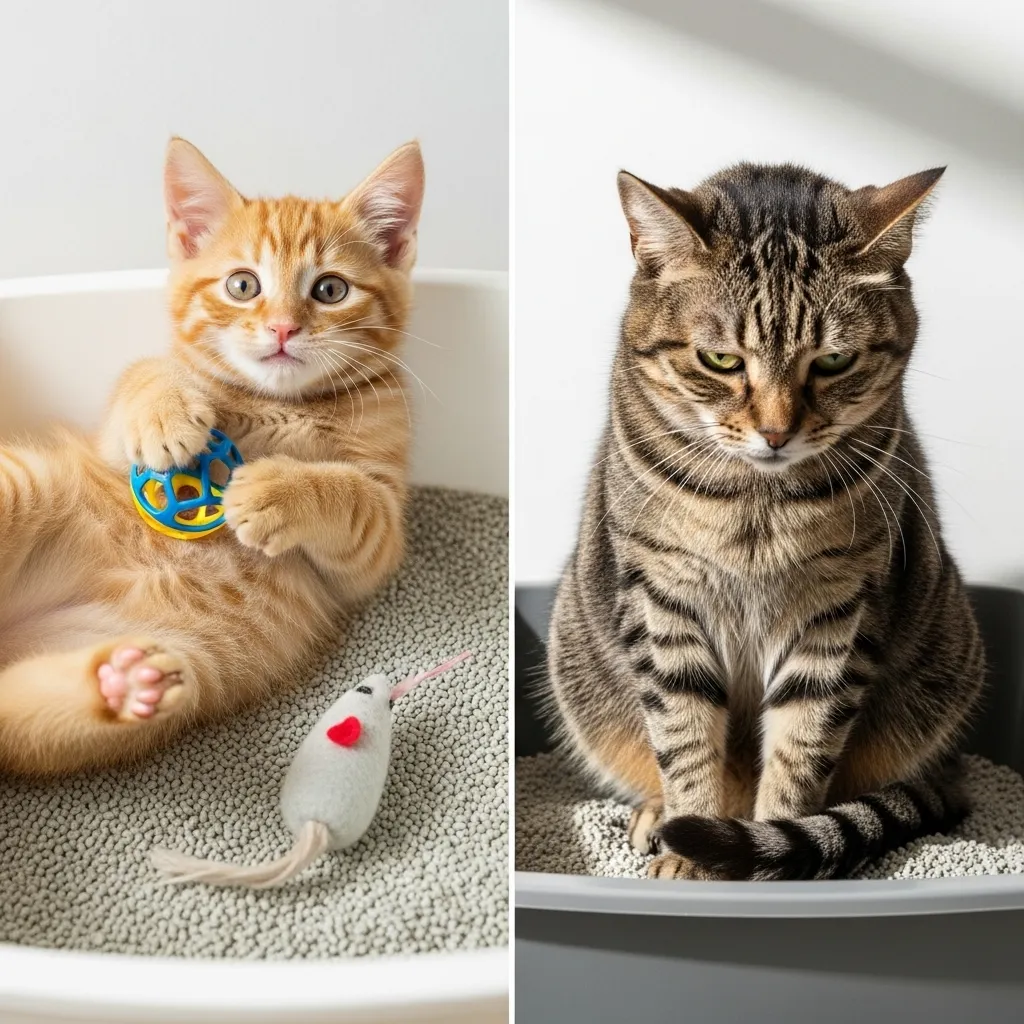
Yes, 100 percent normal under 6 months. Kittens explore the world with their paws and mouth. Litter is just another fascinating texture. Most outgrow it by 8–12 months once proper play outlets are provided. Adult cats who still do it? That’s when we dig deeper.
How to Stop Your Cat From Playing in the Litter Box – The Proven 5-Step Fix
I’ve used this exact protocol with dozens of foster and client cats. Follow it in order, and you’ll see results in 3–14 days.
Step 1: Rule Out Medical Causes First (24–48 hours)
- Schedule a vet check if your cat is over 7, cries in the box, has small/frequent urination, or blood anywhere.
- Bring a fresh urine sample if possible (vet can give you non-absorbent litter for collection).
Step 2: Upgrade the Box Setup (Immediate)
- Add one extra box per cat + one more (the golden rule). Two cats = three boxes minimum.
- Offer different styles: one large open box, one covered, one low-entry for seniors/kittens.
- Place boxes in quiet, low-traffic areas but not all clustered together.
Step 3: Switch Litter Strategically
Best litters for reducing play behavior (2025 tested):
| Litter Type | Play Reduction Score | Odor Control | Notes |
|---|---|---|---|
| Dr. Elsey’s Precious Cat Ultra (unscented clay) | 9.5/10 | Excellent | Heavy, less kickable |
| BoxiePro Deep Clean | 9/10 | Outstanding | Probiotic odor control |
| World’s Best Cat Litter (corn) | 6/10 | Good | Lightweight – can encourage digging |
| Ökocat Super Soft | 7/10 | Very good | Soft but heavier than corn |
Pro tip: Mix 75% old litter with 25% new for three days to avoid aversion.
Step 4: Redirect the Energy (The Game Changer)
- Schedule two 10-minute interactive play sessions daily (wand toys, laser if supervised).
- Scatter kibble in puzzle feeders or cardboard boxes around the house.
- Place a digging box filled with shredded paper or play sand in another room (yes, really, it works).
Step 5: Make the Litter Box Boring Again
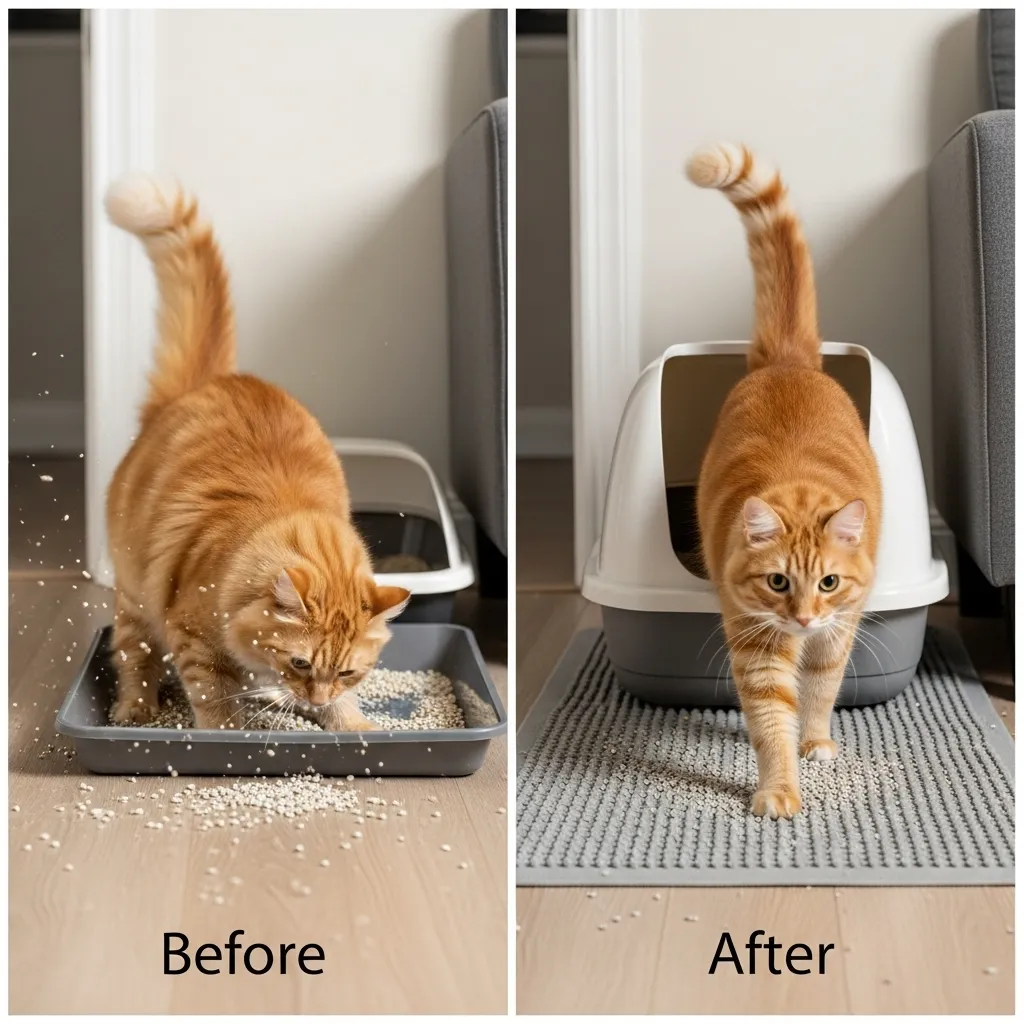
- Use a litter mat with deep grooves to trap flying pieces (reduces the “reward”).
- Try a top-entry box, cats hate kicking litter when it falls back on them.
- Lightly mist the clean litter with Feliway Classic spray once a week to promote calm.
Special Case: Cat Scratching Side of Litter Box Like Crazy
Excessive side-scratching usually means:
- The box is too small (should be 1.5× cat’s body length)
- Hooded box feels claustrophobic
- Trying to cover scent in multi-cat home
Fix: Go bigger, go hoodless, or add a stainless-steel box (cats hate the slippery sides for scratching).
Multi-Cat Households: The Hidden Drama
In homes with two or more cats, litter box “play” is often bullying in disguise. One cat sits inside to block others or scratches loudly to announce territory. Solution:
- Minimum three boxes in different rooms
- Microchip or RFID boxes (PetSafe ScoopFree SmartSpin, Litter-Robot 4 with multi-cat mode)
- Feliway MultiCat diffusers in common areas
Auto-Cleaning Litter Boxes Do They Help or Hurt?
2025 verdict:
- Litter-Robot 4 and Petkit Purobot Ultra actually reduce play behavior because cats can’t dig forever (the cycle interrupts them).
- Cheaper raking models sometimes trigger more fascination because of the moving parts.
If budget allows, they’re a godsend for multi-cat homes and chronic players.
When to Worry: Red-Flag Checklist
Take your cat to the vet TODAY if you see:
- Straining or crying in the box
- Blood in urine or stool
- Spending >2 minutes just sitting without eliminating
- Sudden aggression when another pet approaches the box
- Laying in the litter box for hours (especially seniors)
Frequently Asked Questions
Why does my cat lay in the litter box after I clean it?
Fresh scent + cool temperature + feeling of control. Usually harmless excitement, but watch seniors for arthritis (the box has high sides and they can’t jump to a bed).
Is it normal for cats to sleep in the litter box?
No. Occasional napping in kittens = fine. Adults or repeated behavior = stress, illness, or feeling unsafe elsewhere.
Will my kitten stop playing in the litter box as they grow?
Almost always, if you redirect energy and provide alternatives before 12 months.
Why is my cat jumping in and out of the litter box repeatedly?
Classic “clean-box zoomies” or possible early UTI. Monitor pee amount and frequency.
What’s the fastest way to stop cat scratching in litter box excessively?
Switch to a larger, uncovered box + heavy clay litter + daily play sessions.
Final Thoughts
Your cat playing in the litter box is usually not random mischief. It’s communication. Once you address the root (boredom, stress, texture love, or health), the behavior melts away.
Start with the five-step plan above, and you’ll have a calm, clean-box-loving cat again in weeks. And if you want more expert tips on everything from litter training to decoding weird cat habits, explore the rest of Cat Bloom Haven.
You’ve got this, and your cat thanks you already.