How to Treat a Cat with a Runny Nose: A Complete Vet-Backed Guide for Concerned Cat Parents
Seeing your cat with a runny nose can be worrying. One minute they’re chasing a laser pointer, the next they’re sniffling, pawing at their face, or leaving little wet spots on the windowsill. Most of the time a runny nose in cats is nothing life-threatening, but it’s always a signal that something is irritating their upper respiratory tract. In this guide, I’ll walk you through exactly what causes nasal discharge in cats, how to tell if it’s a simple cold or something more serious, safe home remedies for cat runny nose relief, and when you absolutely must get to the vet.
Quick Summary for Worried Parents (Read This First)
- 90 % of sudden runny noses in cats are caused by viral upper respiratory infections (URIs), especially feline herpesvirus (FHV-1) and calicivirus.
- Clear discharge + mild sneezing = usually viral and self-limiting in 7–10 days.
- Yellow/green discharge, lethargy, fever, or mouth ulcers = see a vet within 24–48 hours.
- Never use human cold medicines – many are toxic to cats.
- Boosting humidity, L-lysine supplements, and gentle cleaning are the safest home supports.
Now let’s go deeper.
What Does a Normal Cat Nose Look Like vs. a Problem Nose?
A healthy cat nose is usually cool, slightly damp, and free of crust or excessive discharge. A tiny bit of clear moisture is normal. Problem signs include:
- Constant clear, white, yellow, green, or blood-tinged nasal discharge
- Crusting around the nostrils
- Sneezing fits (more than occasional reverse sneezes)
- Noisy breathing or snoring that’s new
- Pawing at the nose or face
- Watery or squinting eyes (common with feline herpesvirus runny nose)
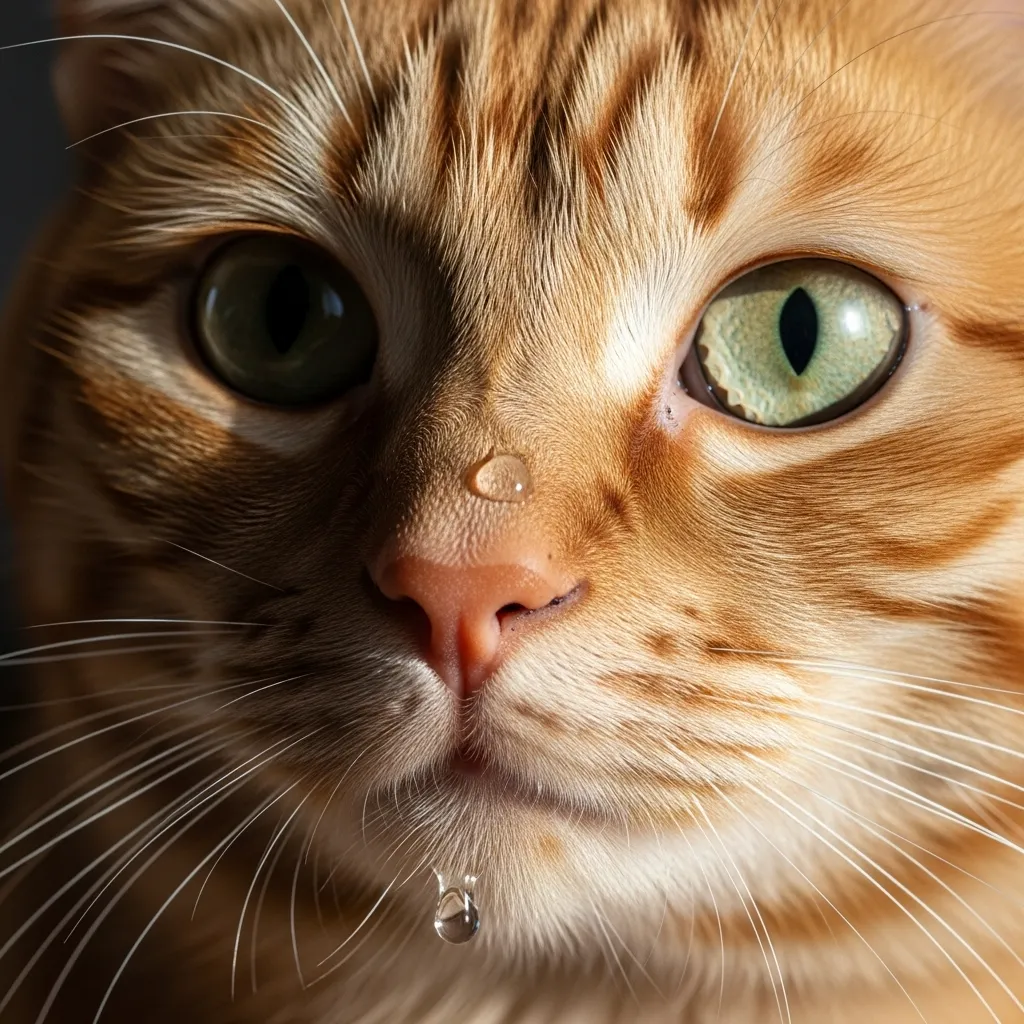
[Image placement here]
Prompt: Close-up of a ginger cat with clear nasal discharge dripping from one nostril, soft natural lighting, worried expression.
Alt text: Cat with clear runny nose – typical early sign of feline upper respiratory infection
Common Causes of Runny Nose in Cats (Ranked by Frequency)
- Viral Upper Respiratory Infections (Cat “Colds”)
Feline herpesvirus (FHV-1) and feline calicivirus are the culprits in over 90 % of cases. Kittens, shelter cats, and stressed adults are most vulnerable. Once infected with herpesvirus, most cats become lifelong carriers and can flare up during stress, illness, or boarding. - Bacterial Infections (Secondary Invaders)
Bordetella, Chlamydia felis, or Mycoplasma often pile on after a virus weakens the system, turning clear discharge yellow or green. - Environmental Allergies in Cats
Pollen, dust, mold, perfume, or cigarette smoke can trigger chronic clear runny nose and sneezing, especially in indoor-only cats. - Dental Disease Causing Nasal Discharge
Severe tooth root abscesses (especially the upper canines and premolars) can erode into the nasal cavity, creating a one-sided foul-smelling or blood-tinged nasal discharge. - Polyps or Tumors
Rare in young cats, more common over age 10. Usually one-sided, progressive, sometimes with blood. - Foreign Material
Grass seeds or litter dust inhaled up the nose – common in curious outdoor cats. - Fungal Infections
Cryptococcus is the big one in certain regions (Pacific Northwest, Australia). Thick, jelly-like discharge.
How to Tell If It’s “Just a Cat Cold” or Something Serious
| Symptom Combo | Likely Cause | Action Needed |
|---|---|---|
| Clear discharge + sneezing + watery eyes, eating normally | Viral URI / herpes flare | Supportive home care 7–10 days |
| Yellow/green discharge + fever + not eating | Bacterial infection | Vet visit within 24–48 h |
| One-sided bloody or foul discharge + bad breath | Dental disease or tumor | Vet exam + dental X-rays ASAP |
| Chronic clear discharge year-round | Allergies | Try air purifier, vet allergy test |
| Sudden severe breathing difficulty | Foreign body or polyp | Emergency vet |
Safe Home Remedies for Cat Runny Nose (Vet-Approved)
Only use these if your cat is bright, alert, and eating well.
- Increase Humidity – The #1 Thing You Can Do
Run a cool-mist humidifier or place your cat in a steamy bathroom (shower running, door closed) for 10–15 minutes, 2–4 times daily. Moist air loosens mucus and soothes inflamed airways. [Image placement here]
Prompt: Fluffy grey cat sitting calmly in a bathroom filled with steam, humidifier in background.
Alt text: Steam therapy – safe home remedy for cat nasal congestion - Gentle Nose Cleaning
Use a soft, damp microfiber cloth or cotton round soaked in warm water. Wipe away crusts. Never use Q-tips inside the nostrils. - L-Lysine Supplements
500 mg twice daily for adults, 250 mg twice daily for kittens (powder mixed in food or gel treats). Proven to reduce feline herpesvirus shedding and symptom severity. Brands: Vetoquinol Viralys, Optixcare L-Lysine chews. - Keep Nostrils Open for Eating
Warm a little strong-smelling wet food (tuna or sardine juice) to encourage appetite. Cats with nasal congestion can’t smell well and often stop eating. - Probiotics & Immune Support
FortiFlora or Proviable sprinkle packets help gut health, which supports immunity during URIs. - Saline Nasal Drops (Only Under Vet Guidance)
Pediatric saline drops (1–2 drops per nostril) can help, but many cats hate it and stress worsens herpes flares.
Never give:
- Human decongestants (pseudoephedrine is deadly)
- Essential oils (tea tree, eucalyptus toxic)
- Over-the-counter cold medicines
Vet Treatment for Cat Runny Nose What to Expect
Your vet will likely:
- Do a full physical exam and check teeth
- Possibly run a PCR test for herpesvirus/calicivirus/Chlamydia/Mycoplasma
- Take dental X-rays if one-sided discharge
- Prescribe:
– Doxycycline or azithromycin (broad-spectrum + anti-inflammatory)
– Famciclovir (antiviral for severe herpes cases)
– Neo-Poly-Dex or terramycin eye ointment if eyes affected
– Pain relief if ulcers present
– Nebulization or hospitalization if not eating
Diagnosing Cat Runny Nose: When Imaging or Scopes Are Needed
- Skull/dental X-rays → tooth root abscess
- Rhinoscopy (camera up the nose under anesthesia) → polyps, tumors, foreign bodies
- CT scan → fungal infection or cancer (rare but definitive)
Special Topic: Feline Herpesvirus (FHV-1) – The Lifetime Virus Behind Most Runny Noses
Once a cat has FHV-1, it hides in the trigeminal nerve and reactivates during stress (moving, new pet, boarding, illness). Chronic carriers may have flare-ups several times a year. Long-term management:
- Daily L-lysine (maintenance dose 250–500 mg)
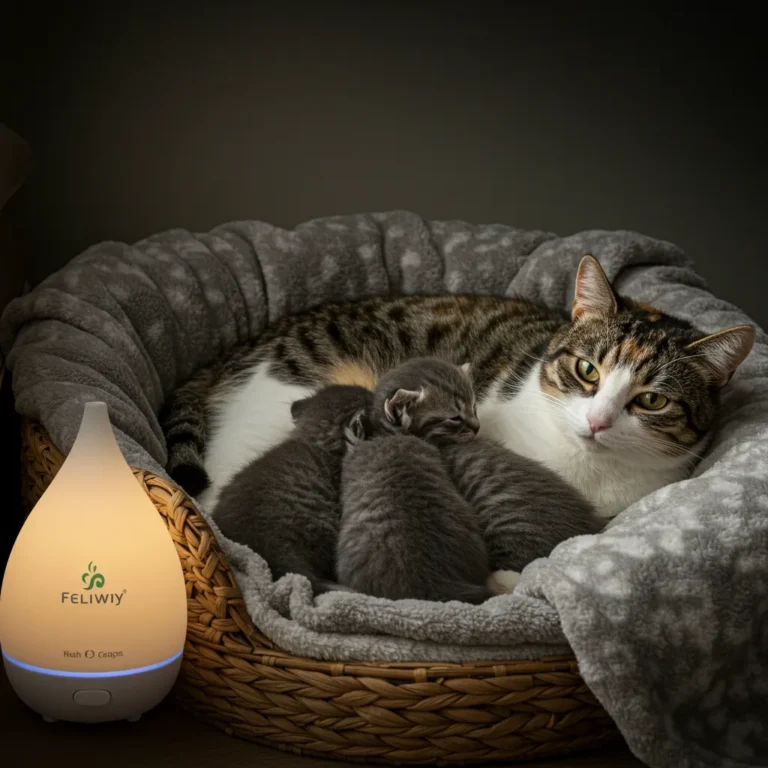
- Stress reduction (Feliway diffusers, routine)
- Annual vet exams to catch corneal ulcers early
Why Indoor Cats Get Runny Noses Too
Even strictly indoor cats can flare with herpesvirus from kittenhood or react to household irritants:
- Dust from clay litter
- Scented laundry detergent
- Candles or plug-ins
- New furniture off-gassing
Switching to unscented, dust-free litter and running an air purifier often clears chronic cases.
Preventing Respiratory Issues in Cats Long-Term
- Keep vaccinations current (FVRCP covers herpes and calici – reduces severity, not 100 % prevention)
- Spay/neuter (reduces stress-related flares)
- Annual wellness exams + senior bloodwork
- Use dust-free, unscented litter
- Minimize household aerosols
- Consider herpesvirus carrier status before adopting a second cat
FAQ Cat Runny Nose Questions Answered Fast
Q: Will my cat’s runny nose go away on its own?
A: Yes, if it’s a simple viral URI and your cat is eating and acting normal, most resolve in 7–14 days.
Q: When should I take my cat to the vet for a runny nose?
A: Same day if: not eating, lethargic, fever, breathing through mouth, yellow/green or bloody discharge.
Q: Can I give my cat Benadryl for a runny nose?
A: Only plain diphenhydramine at 1 mg per pound (max 3 mg total for average cat) and only after vet approval. Never “PM” formulas.
Q: My cat has a runny nose but no other symptoms – is that normal?
A: Common with mild herpes flares or allergies. Monitor appetite and energy.
Q: Is a runny nose contagious to my other cats?
A: Yes if viral. Separate sneezing cats and disinfect bowls/toys with 1:32 bleach solution.
Q: Why does my outdoor cat keep getting respiratory infections?
A: Exposure to strays, stress, and parasites. Consider transitioning indoors or at least yearly vet care.
Final Thoughts
A cat with a runny nose is usually battling a virus that just needs time and supportive care. Watch eating and energy levels like a hawk cats who stop eating for more than 24–48 hours can develop hepatic lipidosis fast. When in doubt, call your vet. A quick exam can give you peace of mind and prevent a simple cold from turning into pneumonia.
For more everyday cat health care tips, check out our guides:
→ Cat Congestion Guide
→ Finding the Best Vet for Your Cat
→ Boosting Cat Immunity Naturally
Your cat counts on you to notice the little changes. You’ve got this.