Things Cat Owners Wish They Knew Earlier
Bringing a cat home feels magical at first. Those tiny paws, the endless purrs, the way they curl into your lap like they’ve always belonged there. Then reality hits. The 3 a.m. zoomies. The shredded couch. The mysterious vomit on the carpet right after you bragged about how “low-maintenance” cats are.
I’ve fostered over 80 cats and lived with my own crew for more than a decade. Every single one taught me something I desperately wish someone had told me on day one. These are the real, often unspoken lessons that separate stressed-out new owners from calm, confident ones who actually enjoy the ride.
Here’s what experienced cat owners want you to know before you learn it the hard way.
Key Takeaways (Read This First If You’re Short on Time)
- Cats are not “easy” dogs; expecting dog-like behavior creates 90% of early frustration.
- Most “bad” behaviors are normal cat communication you just haven’t learned to read yet.
- Cheap litter, food, and scratchers cost more in vet bills and furniture replacement than the good stuff ever does.
- Your cat is probably stressed, not “mean.”
- Slow introductions and proper resources prevent 95% of multi-cat fights.
- Annual vet visits catch problems early and save thousands.
1. Your Cat Doesn’t Speak English But They’re Talking Constantly
That slow blink? It’s an “I love you.”
Ears turned sideways with a swishing tail? Back off, human.
Exposed belly? Usually a trap, not an invitation.
Learning basic cat body language in the first month saves years of confusion, bites, and unnecessary vet visits for “sudden aggression.”
Pro tip: A flicking tail tip almost never means “happy.” It means overstimulated or annoyed. Stop petting immediately or prepare for teeth.
Explore our detailed cat tail language guide here.
2. One Litter Box Is Never Enough (Even for One Cat)
The golden rule vets and behaviorists agree on: number of cats + 1. Minimum.
A single box in the basement might be convenient for you, but it’s a nightmare for a cat who has to hold it while another cat naps nearby. Urinary issues and peeing on your laundry often start here.
Place boxes in quiet, low-traffic areas with at least two escape routes so no cat feels cornered. Yes, even if you only have one cat.

3. Kittens Are Tiny Tornados with Razor Blades
Everyone wants a kitten until the kitten arrives.
They bite, climb curtains, and treat electrical cords like chew toys. Most people give up and rehome around 7-10 months when the cute phase ends and the teenage chaos begins.
If you want an easier start, adopt a calm adult (2-6 years old). Shelters are full of affectionate, already-litter-trained cats who won’t destroy your home.
Still want a kitten? Schedule play sessions three times a day, trim nails weekly, and never use your hands as toys.
4. Food Matters More Than You Think
The grocery-store brand might be cheaper per bag, but you’ll pay for it later in hairballs, diarrhea, and vet visits.
Look for named meat as the first ingredient (chicken, turkey, salmon – not “meat by-products” or “poultry”). Grain-free isn’t automatically better; many cats do fine with grains. Focus on AAFCO-approved complete and balanced food.
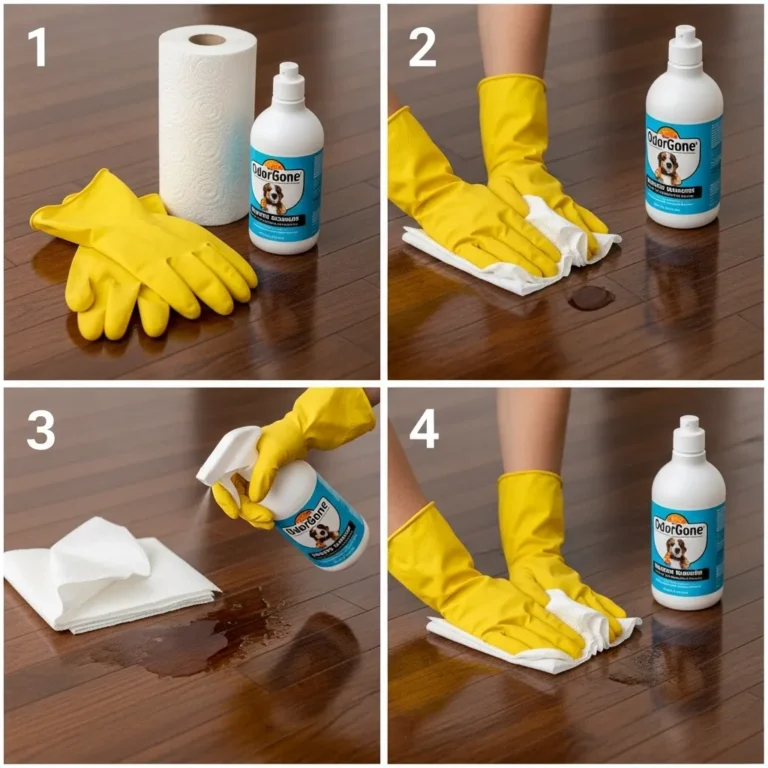
Transition any new food over 10-14 days or you’ll meet the carpet cleaner personally.

5. Scratching Is Not Optional It’s Biological
Cats scratch to mark territory, stretch, and keep claws healthy. Punishing them for it is like yelling at you for stretching in the morning.
Provide at least one tall, sturdy scratching post (minimum 3 feet high) with sisal rope, not carpet. Place it where your cat already scratches – yes, right next to the couch you hate seeing destroyed.
Still scratching furniture? Add more posts and use double-sided tape on the couch temporarily.
See our guide on stopping cats from scratching furniture.
6. Spaying/Neutering Changes Everything (and Prevents Tragedy)
Unneutered males spray. Unspayed females yowl for days and attract every tomcat within a mile. Both are at high risk for cancers and injuries.
Spay/neuter by 5-6 months. Early myths about waiting have been debunked by decades of research. It’s safer, easier, and prevents millions of shelter deaths every year.
Read our complete spaying a cat guide.
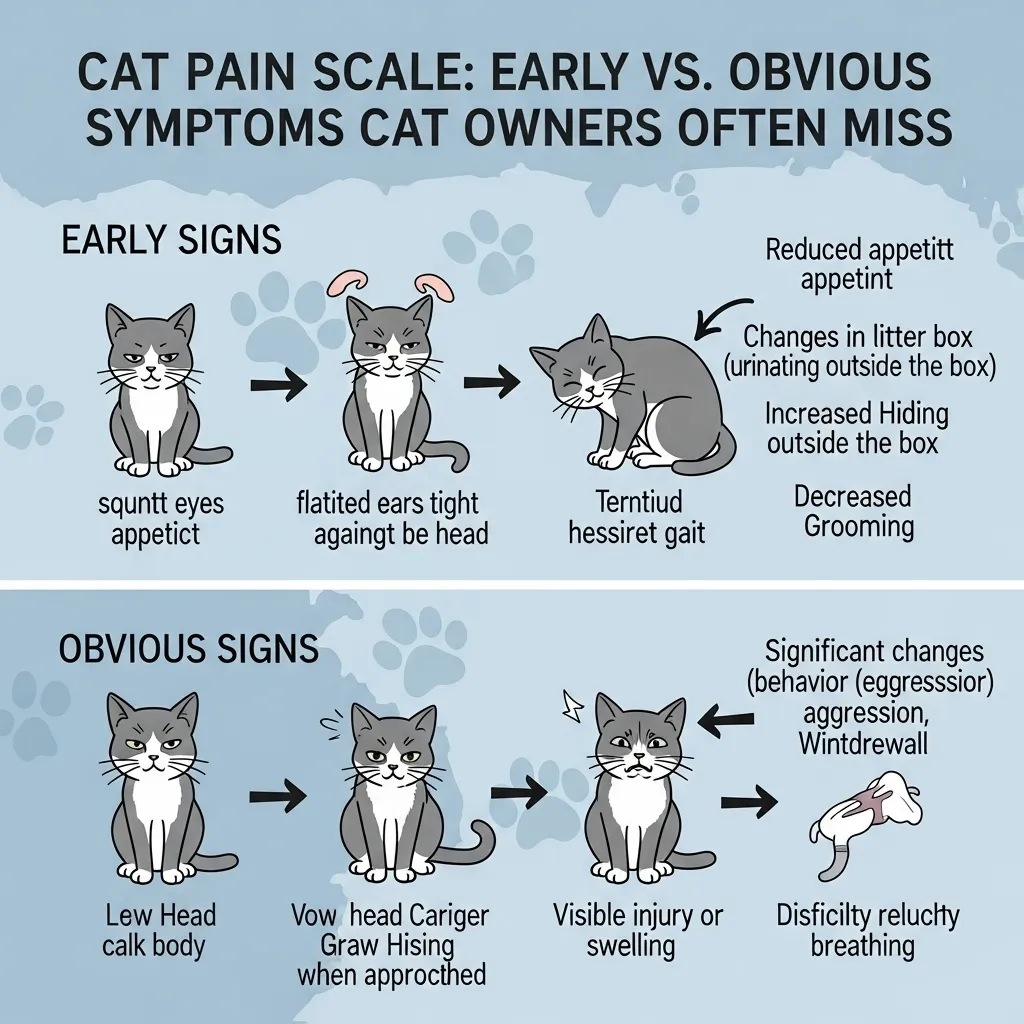
7. Cats Hide Pain Like Their Life Depends on It (Because in the Wild, It Does)
A limping cat is in serious pain. A slightly quieter cat might be dying.
Watch for subtle signs: less grooming, sleeping more, smaller jumps, eating less, or hiding. Any change lasting more than 24 hours deserves a vet visit.
8. Microchipping Is the Only Reliable Way to Get a Lost Cat Back
Collars fall off. Tags get caught. Indoor cats escape more often than anyone admits.
A $20 microchip and free lifetime registration increases return rates from under 2% to over 70%. Do it at the same time as spay/neuter surgery.
Lost cat recovery tips here.
9. Playtime Isn’t Cute – It’s Mental Health Care
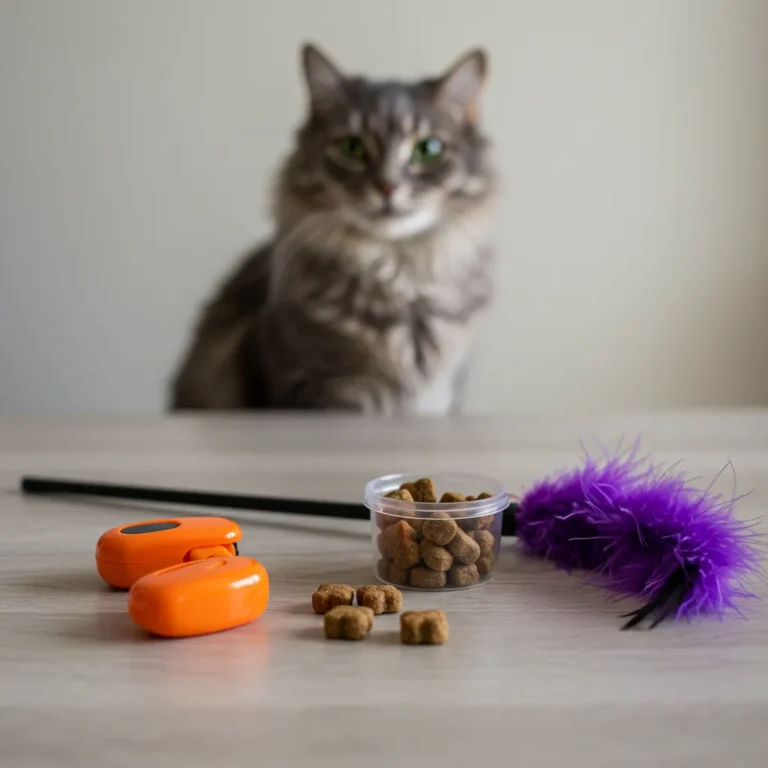
Fifteen minutes twice a day with a wand toy prevents obesity, anxiety, and nighttime attacks on your feet.
Mimic hunting: let them stalk, chase, pounce, and “kill” the toy. End with a small treat so they feel successful.
Laser pointers create frustration with no payoff. Use them rarely, and always end with a real toy they can catch.
Teach your cat to fetch surprisingly easy with most breeds.
10. Your Cat Loves You, Just Not Like a Dog
Cats show love through head bunts, slow blinks, bringing “gifts,” sleeping on you, and following you room to room.
They don’t greet you at the door with wild excitement because, in cat language, that would be rude and overbearing. A single tail-up greeting is the cat equivalent of a bear hug.
11. Water Bowls in the Kitchen Are a Rookie Mistake
Cats prefer water away from food (instinct: rotting prey contaminates water). Many also hate when their whiskers touch the sides of the bowl.
Try a wide, shallow ceramic bowl or a cat water fountain. Place several stations around the house. Some cats love running tap water – yes, you might become a faucet servant.
Dehydration is a top cause of urinary blockages, especially in males. Never ignore low water intake.
12. Introducing a New Cat? You’re Probably Doing It Wrong
The “let them work it out” method creates lifelong stress and fighting.
Proper introduction takes 2-8 weeks: separate rooms, scent swapping, feeding on opposite sides of a closed door, supervised visual contact, then short supervised meetings.
Rushing this is the #1 reason second cats fail.
13. Grooming Isn’t Just About Looks
Weekly brushing reduces hairballs, strengthens your bond, and lets you check for lumps, fleas, or wounds early.
Long-haired cats need daily brushing. Short-haired cats still benefit, especially during shedding season.
Nail trims every 2-3 weeks prevent ingrown claws and reduce scratching damage.
14. Dental Disease Is Silent and Brutal
By age three, 70% of cats have dental disease. It hurts, causes bad breath, and can lead to heart and kidney damage.
Brush their teeth (yes, really) or use dental treats and water additives. Annual professional cleanings under anesthesia are often needed.
Start young and make it positive.
15. Senior Cats Aren’t “Just Old”
Increased sleeping, weight loss, or confusion can signal thyroid issues, arthritis, or kidney disease – all very treatable if caught early.
Senior bloodwork twice a year after age 7 is the best gift you can give them.
Complete senior cat care guide.
Final Thought: The Secret No One Says Out Loud
The cats who seem the most work in the beginning often become the deepest loves of your life. The ones who teach you patience, boundaries, and how to laugh at 4 a.m. chaos are the ones who leave the biggest holes when they’re gone.
Every scratched couch, every emergency vet run, every moment you thought “I can’t do this” – those are the tuition for the purest companionship most people never experience.
You’ve got this. Your cat already chose you. Now it’s your turn to step up and meet them halfway.
Ready for more practical, life-changing cat advice? Explore hundreds of in-depth guides, breed profiles, health explainers, and yes, plenty of cat memes over at Cat Bloom Haven.
Your future self (and your very opinionated feline overlord) will thank you.
Frequently Asked Questions
Q: When should I worry about my cat not eating?
A: Any healthy adult cat skipping food for 24+ hours needs a vet visit immediately. Kittens under 6 months can’t go more than 12 hours.
Q: How do I know if my cat is happy?
A: Relaxed ears, slow blinks, tail up when greeting you, purring while relaxed (not hunched), and voluntary physical contact.
Q: Is it normal for cats to bite sometimes?
A: Gentle nibbles during petting can be normal. Hard or sudden bites usually mean overstimulation – learn their limits.
Q: Why does my cat pee outside the box?
A: 9 times out of 10 it’s medical (UTI, crystals) or stress (dirty box, new pet, moved furniture). Rule out health first.
Q: How long do cats live?
A: Indoor cats average 13-17 years. Many reach 20+ with good care. Outdoor cats average only 2-5 years.
Have a question I didn’t cover? Drop it in the comments – I answer every single one.
Welcome to the cat side. You’re never going back. 😼