How to Get Rid of Cat Poop Smell: The Complete 2025 Guide to Removing Cat Feces Odor from Carpet, Litter Boxes, and Your Entire Home
Nothing hits you quite like walking into a room and being slapped in the face by that unmistakable cat poop smell. It’s sharp, lingers for days, and somehow embeds itself into carpets, couches, and even the air you breathe. I’ve been there (multiple cats, one very dramatic Bengal who thinks the litter box is optional), and I know how frustrating it feels when no amount of Febreeze makes a dent.
The good news? You can completely eliminate cat poop odor, even the stubborn kind that hides in carpet fibers or clings to baseboards. This guide walks you through every proven method (from immediate cleanup to long-term prevention) so your home smells fresh again, without banning your cat to the garage.
Key Takeaways (Read This First)
- Cat feces contain sulfur-based compounds (methyl mercaptan, hydrogen sulfide) that create the rotten-egg stench.
- Enzyme cleaners are the only products that fully break down these compounds (vinegar and baking soda only mask them).
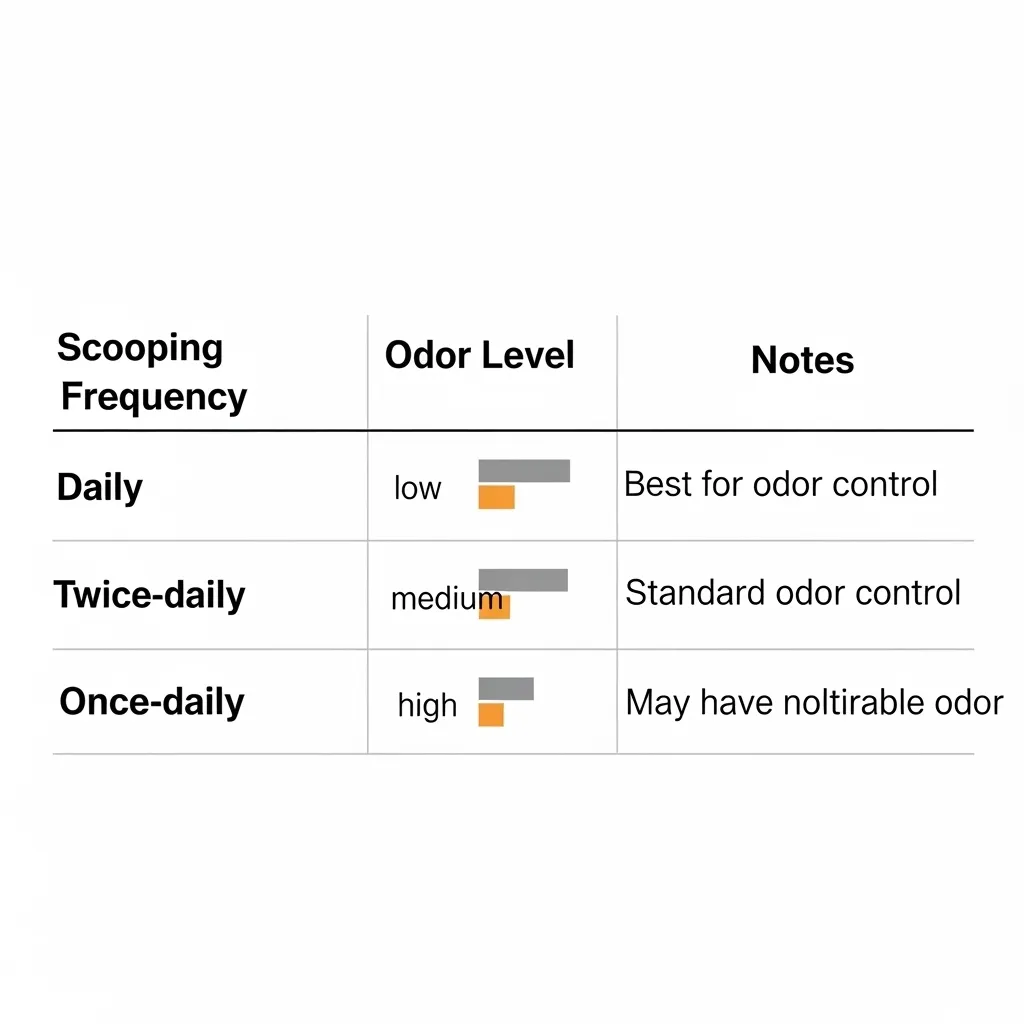
- Daily litter box scooping + weekly full clean cuts 80 % of household cat odor.
- Diet directly affects how bad poop smells; cheap grain-heavy foods almost always make it worse.
- Acting within 5–10 minutes of an accident prevents the smell from “setting” permanently.
Let’s fix this, step by step.
Why Cat Poop Smells So Bad: The Science Behind the Stink
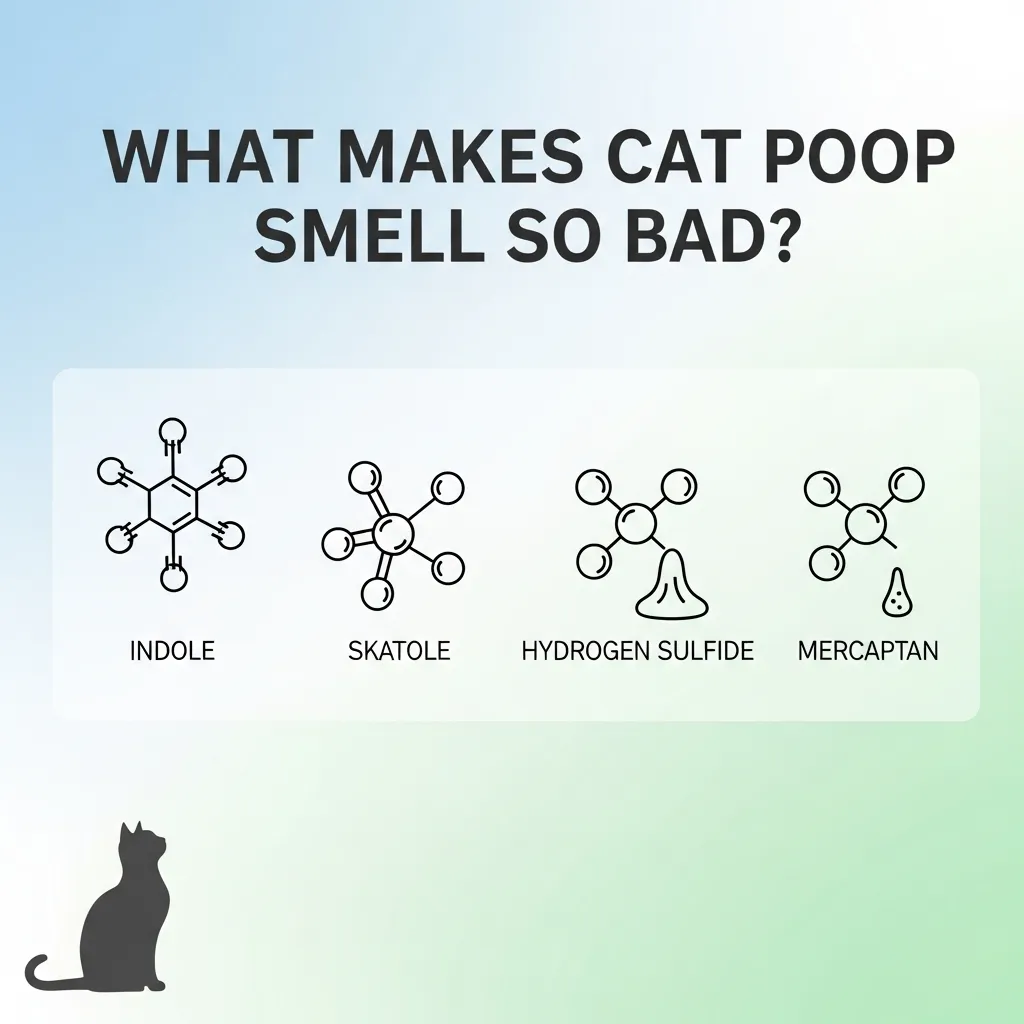
Cat feces smell worse than dog or human waste because of higher protein digestion and specific gut bacteria. The main culprits are:
- Indole and skatole (give that fecal aroma)
- Hydrogen sulfide (rotten-egg gas)
- Methyl mercaptans (added during bacterial breakdown in the colon)
Kittens and cats eating raw or high-protein wet food produce more of these compounds. Medical issues like giardia, tritrichomonas, or IBD can make the odor eye-watering. If the smell suddenly becomes unbearable, book a vet visit first.
Immediate Action: How to Remove Fresh Cat Poop Smell (Wet or Dry)
Act fast. The longer feces sit, the deeper the odor molecules penetrate.
For solid poop on hard floors
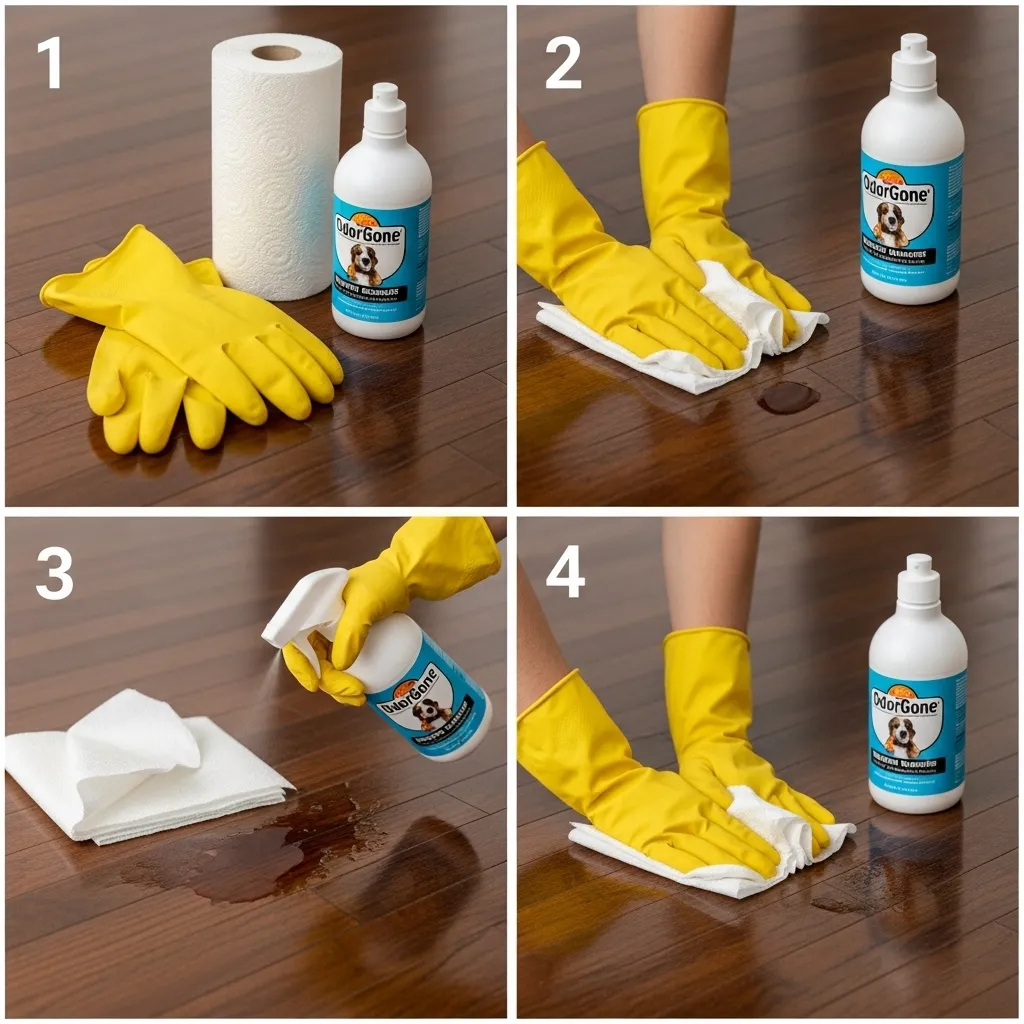
- Wear gloves, pick up solids with paper towel.
- Spray the spot with an enzyme cleaner (Nature’s Miracle, Rocco & Roxie, or Anti-Icky-Poo).
- Let it sit 10–15 minutes; enzymes need time to eat the proteins.
- Blot (never rub) with clean towel.
- Optional: sprinkle baking soda, wait 2 hours, vacuum.
For diarrhea or smeared poop
- Scrape off excess with plastic scraper or old credit card.
- Blot liquids with paper towels until almost dry.
- Saturate with enzyme cleaner; cover with plastic wrap to keep wet for 30 minutes (increases effectiveness).
- Blot and repeat if needed.
How to Get Cat Poop Smell Out of Carpet and Upholstery (Tested Methods That Actually Work)
Carpet is the #1 place cat feces odor hides forever if you don’t treat it correctly.
Proven 4-step carpet protocol
- Remove all solids.
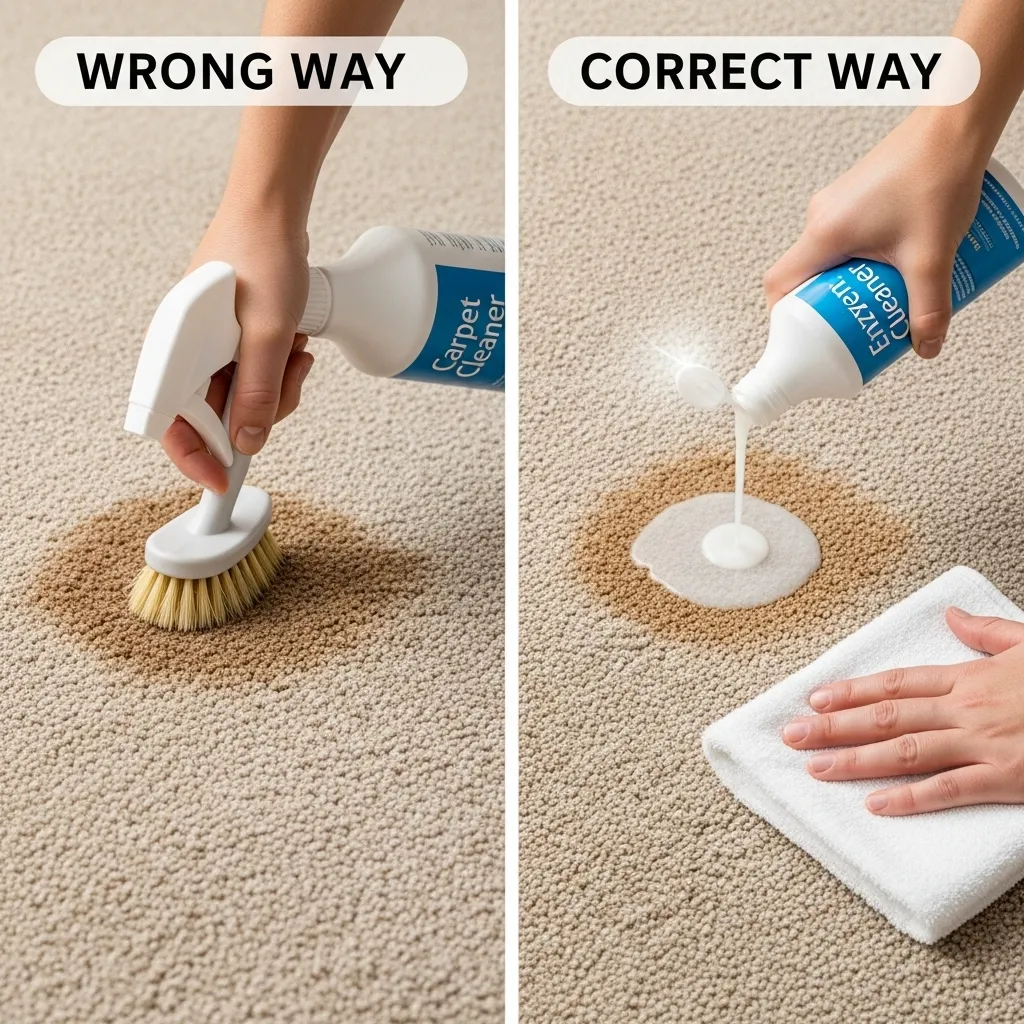
- Blot (don’t scrub) excess moisture).
- Flood the area with a cat-specific enzyme cleaner until the padding underneath is wet. This is non-negotiable; odor lives in the pad.
- Cover with a thick layer of baking soda overnight, then vacuum.
Heavy accidents or old stains
Rent a hot-water extraction machine (Rug Doctor or Bissell) and use it with enzyme solution instead of regular detergent. One pass only; over-wetting spreads the smell.
Best Enzyme Cleaners for Cat Poop in 2025 (I’ve Personally Tested These)
- Rocco & Roxie Stain & Odor Eliminator – strongest for old, set-in smells
- Nature’s Miracle Advanced – budget-friendly and widely available
- Anti-Icky-Poo – unscented, perfect for sensitive cats
- Kids ‘N’ Pets – cheapest per ounce and surprisingly effective
- Bubba’s Rowdy Friends – best for multiple-cat households
Never use ammonia-based cleaners; they smell like urine to cats and encourage re-marking.
Natural & DIY Cat Odor Removal Options (When You’re in a Pinch)
- Baking soda + 48-hour dwell time – good for mild odors
- 50/50 white vinegar + water (blot, then enzyme follow-up) – helps but doesn’t fully eliminate proteins
- Activated charcoal pouches placed near litter box – absorbs lingering airborne odor
- Hydrogen peroxide 3 % + dish soap + baking soda (the “skunk recipe”) – works on fresh stains only and can bleach carpet
Honest truth: DIY is fine for urine, but cat feces almost always require enzymes for complete removal.
Litter Box Cleaning Schedule That Stops Smell Before It Starts
- Scoop twice daily (yes, really).
- Full wash weekly with fragrance-free dish soap or enzyme cleaner.
- Replace plastic boxes every 12 months; scratches harbor bacteria and odor.
- Use 3–4 inches of litter; cats hate shallow litter and will go beside the box.
Pro tip: Add a thin layer of baking soda under fresh litter; it neutralizes acid as urine hits it.
How Cat Food Affects Poop Smell (And What Actually Helps)
Switching food can cut odor by 50–70 % in two weeks. Foods that make poop smell worse:
- Grain-heavy dry foods
- By-products and “meat meal” as first ingredients
- Artificial colors and flavors
Foods that dramatically reduce odor:
- High-moisture wet food (90 % of my cats are on 100 % wet and the difference is night-and-day)
- Limited-ingredient diets
- Added probiotics or yucca schidigera extract
Outdoor Cat Poop Smell Removal (Yard, Deck, Patio)
- Pick up immediately; rain spreads the bacteria.
- Hose the area, then spray with enzyme cleaner diluted for outdoor use.
- Sprinkle garden-safe lime or zeolite granules to absorb remaining odor.
How to Keep Your Home Smelling Fresh With Cats Long-Term
- Run a true HEPA air purifier (Levoit Core 400S or Winix 5500-2) 24/7 in the main cat area.
- Use stainless steel or ceramic litter boxes; plastic is porous and holds smell forever.
- Place charcoal filter mats under litter boxes.
- Wash cat beds and blankets bi-weekly.
- Groom regularly; dander carries odor molecules.
FAQ Your Most Common Cat Poop Smell Questions Answered
Q: Does baking soda really neutralize cat poop smell?
A: It absorbs and mildly neutralizes, but it does not break down the proteins causing the odor. Use it after an enzyme cleaner, not instead of one.
Q: How do I get rid of cat poop smell in an apartment?
A: Same enzyme protocol, plus run an air purifier and keep windows cracked when possible. A covered litter box with a charcoal filter (like Modkat or Litter-Robot) helps tremendously.
Q: Can I use essential oils around cats?
A: No. Tea tree, eucalyptus, citrus, and many others are toxic. Stick to cat-safe options like Feliway or plain enzyme sprays.
Q: My cat poops outside the box and the smell is awful – what now?
A: Rule out medical issues first (vet fecal test). Then address stress, box aversion, or territory marking. See our guide on retraining cats to use the litter box.
Final Thoughts
Getting rid of cat poop smell isn’t about masking it; it’s about destroying the source at a molecular level with enzymes, staying consistent with scooping, and choosing the right food and equipment. Do those three things and your house will stop smelling like a litter box and start smelling like, well, a home again.
Ready for more expert cat care tips?
Explore our guides on litter box problems, choosing the best wet cat food, or why your cat won’t leave you alone (spoiler: it’s usually love, not revenge).
You and your cat deserve a fresh-smelling home. You’ve got this.