Cat Eats Rat Poison: Emergency Steps to Save Your Cat and Prevent Future Risks

Imagine reaching for your cat’s favorite toy, only to notice them stumbling, their eyes dull, or worse, a faint trace of green pellets on their whiskers. Your heart races as you realize: my cat ate rat poison. This gut-wrenching moment is more common than you’d think over 10,000 feline poisoning cases are reported annually in the U.S., with rodenticides being a top culprit, according to the ASPCA’s 2025 Animal Poison Control data. As a cat parent who’s fostered dozens of felines, from playful Bengals to cuddly Ragdolls, I’ve seen the panic firsthand. But here’s the lifeline: swift action and knowledge can save your cat and prevent a repeat disaster.
In this comprehensive guide, we’ll uncover what happens if a cat eats rat poison, pinpoint cat poison symptoms, and outline emergency steps for cat poisoning to protect your furry friend. From anticoagulant rodenticides in cats to bromethalin toxicity and vitamin D3 poisoning, we’ll break down each threat, how to treat a cat that ate rat poison, and long-term recovery from rat poisoning in cats. Plus, we’ll arm you with practical, vet-backed tips for preventing rat poisoning in pets and explore pet-safe rodent control methods to keep your home safe.
By the end, you’ll have a step-by-step action plan to tackle a cat rodenticide poisoning crisis, answers to burning questions like “can cats survive rat poison?” and strategies to ensure your cat thrives poison-free. Whether you’re caring for a curious Munchkin or a regal Persian, this guide is your roadmap to peace of mind. Let’s dive in and turn panic into preparedness.
Key Takeaways: What You Need to Know Now
- Act Fast: If your cat eats rat poison, call a vet or the ASPCA Poison Control (888-426-4435) within minutes—early intervention boosts survival by 90%.
- Know the Symptoms: Look for bleeding, lethargy, seizures, or vomiting, as these vary by poison type (anticoagulant, bromethalin, or vitamin D3).
- Treatment Works: Vets use antidotes like vitamin K1 for anticoagulant rodenticides, with recovery rates over 80% if treated early.
- Prevent It: Use pet-safe rodent control, secure poisons, and keep cats indoors to minimize exposure.
- Home Prep: Learn cat poisoning treatment at home basics, but always follow up with professional care.
For breed-specific care tips, explore our cat breeds and personalities guide to tailor your approach.
Why Cats Eat Rat Poison: Understanding the Danger
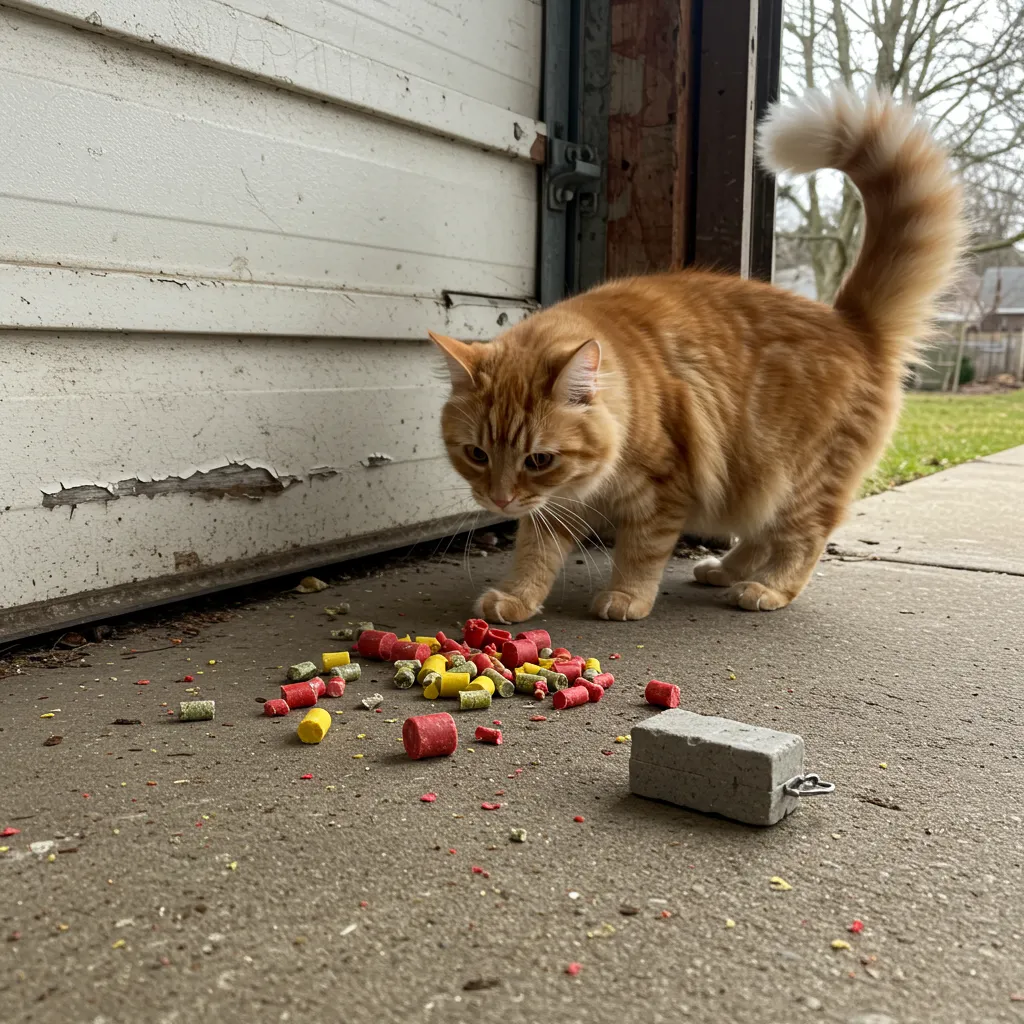
Cats don’t seek out rat poison for a snack—it’s their curious nature or hunting instincts that lead them to trouble. Rodenticides, designed to kill rodents, are often colorful pellets or blocks that look like kibble to a cat. Outdoor cats, like adventurous Bengals (see our Bengal cat personality guide), may encounter poisoned rodents, while indoor cats find bait in garages or under appliances. The ASPCA notes that 60% of pet poisoning cases involve accidental ingestion of household toxins.
The danger lies in the poison’s potency. Even a small dose can trigger catastrophic effects, from internal bleeding to neurological damage. Knowing how cats get exposed to rat poison is the first step to prevention.
Common Exposure Scenarios
- Direct Ingestion: Cats eat bait left in open areas like basements or sheds.
- Secondary Poisoning: Cats hunt and consume poisoned rodents, which carry concentrated toxins.
- Environmental Contact: Tracking through bait dust or grooming it off fur.
Pro Tip: If you suspect exposure, note the time and amount—details like these help vets act faster. Our cat health care guide offers more on spotting health red flags early.
Types of Rodenticides: What’s Lurking in Your Home?
Not all rat poisons are equal, and each type poses unique risks to cats. Understanding the types of rodenticides helps you identify cat poison symptoms and act swiftly. Here’s a breakdown of the three main culprits in 2025, based on veterinary toxicology reports.
Anticoagulant Rodenticides in Cats
These are the most common rodenticides, disrupting blood clotting and causing internal or external bleeding. Brands like d-CON or RatX often use warfarin, brodifacoum, or difethialone.
- Symptoms: Nosebleeds, blood in urine/stool, bruising, lethargy, pale gums (onset: 2–5 days).
- Prevalence: Accounts for 70% of feline rodenticide cases, per PetMD 2025.
- Treatment: Vitamin K1 injections or oral doses (2–4 weeks); blood transfusions for severe cases.
Bromethalin Toxicity in Cats
Bromethalin targets the nervous system, causing brain swelling and seizures. It’s found in newer baits like Tomcat.
- Symptoms: Tremors, seizures, paralysis, disorientation (onset: hours to days).
- Prevalence: Rising due to anticoagulant bans; 20% of cases in 2025.
- Treatment: No antidote; vets use activated charcoal and anti-seizure meds to manage symptoms.
Vitamin D3 Poisoning in Cats
Also called cholecalciferol, this poison spikes calcium levels, damaging kidneys and organs.
- Symptoms: Vomiting, weakness, increased thirst, kidney failure (onset: 12–36 hours).
- Prevalence: Less common but deadly; 10% of cases.
- Treatment: IV fluids, diuretics, and steroids to stabilize calcium levels.
Quick Tip: Check bait packaging for active ingredients—knowing the poison type guides treatment. For more on household dangers, see our common household toxins for cats guide.
Symptoms of Rat Poisoning in Cats: Spot the Signs Early
Signs of rat poison in cats vary by poison type and dose, but catching them early can mean the difference between life and death. Here’s what to watch for, grouped by poison type for clarity.
| Poison Type | Early Symptoms (Hours–Days) | Severe Symptoms (If Untreated) |
|---|---|---|
| Anticoagulant | Lethargy, loss of appetite, pale gums | Internal bleeding, collapse, blood in urine/stool |
| Bromethalin | Wobbling, tremors, disorientation | Seizures, coma, paralysis |
| Vitamin D3 | Vomiting, excessive thirst, frequent urination | Kidney failure, heart issues, severe weakness |
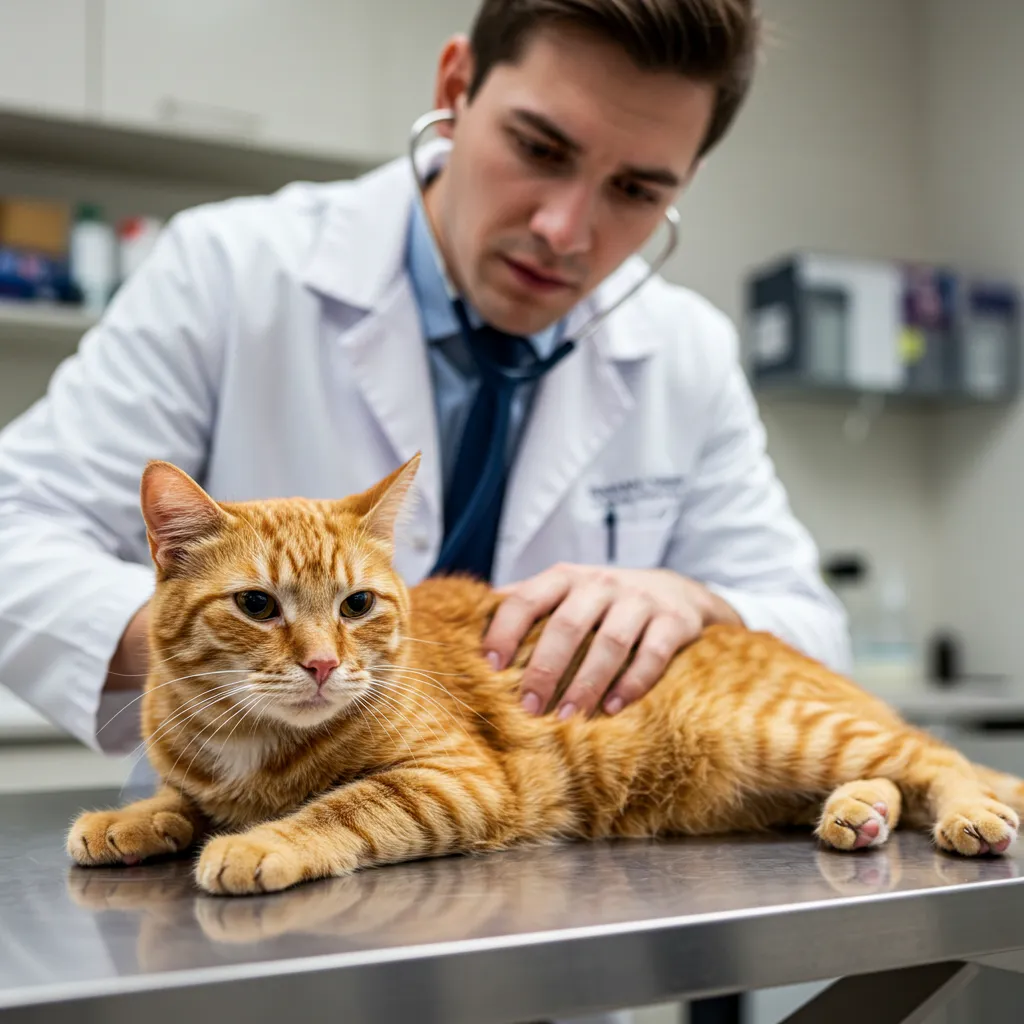
Real-Life Example
My friend’s Siamese, Luna, started hiding more than usual—a classic Siamese cat hiding behavior. Days later, she vomited and seemed unsteady. A vet confirmed bromethalin exposure from a neighbor’s bait trap. Quick action with activated charcoal saved her, but it was a close call.
Action Step: If your cat shows any of these signs, don’t wait. Call your vet or a poison hotline immediately. Our cat first aid guide has more on emergency prep.
What Happens If a Cat Eats Rat Poison?
When a cat ingests rat poison, the body’s systems go haywire depending on the toxin:
- Anticoagulants: Prevent blood clotting, leading to uncontrolled bleeding internally or externally.
- Bromethalin: Causes brain swelling, impairing coordination and triggering seizures.
- Vitamin D3: Overloads calcium, damaging kidneys, heart, and bones.
How long does it take for rat poison to affect a cat? It depends:
- Anticoagulants: 2–5 days for symptoms to appear.
- Bromethalin: Hours to 2 days.
- Vitamin D3: 12–36 hours.
Without treatment, rodenticide toxicity in cats can be fatal in 48–72 hours for severe cases. However, with prompt care, can cats survive rat poison? Yes—over 80% recover with early intervention, per 2025 veterinary studies.
Emergency Steps for Cat Poisoning: What to Do Immediately
If you suspect your cat ate rat poison, every second counts. Here’s a clear, vet-approved plan for what to do immediately if my cat eats rat poison:
- Don’t Panic, Act: Stay calm to focus on helping your cat.
- Contact a Vet or Hotline: Call your vet or ASPCA Poison Control (888-426-4435). Have poison packaging or ingredient details ready.
- Observe and Note: Record symptoms, time of exposure, and amount ingested (if known).
- Don’t Induce Vomiting at Home: Unlike dogs, cats can choke or aspirate. Leave this to professionals.
- Secure Other Pets: Prevent additional exposures by isolating bait or poisoned rodents.
- Rush to the Vet: Bring any poison packaging or samples for accurate diagnosis.

Pro Tip: Keep a pet emergency kit with vet contacts and a cat first aid guide. For travel tips with a recovering cat, check our American Shorthair cat travel guide.
How to Treat a Cat That Ate Rat Poison
Cat poisoning emergency treatment varies by poison type, but here’s how vets typically approach how to treat a cat that ate rat poison:
Veterinary Treatments
- Anticoagulant Rodenticides: Vitamin K1 (antidote) for 2–4 weeks, blood transfusions for severe bleeding.
- Bromethalin: Activated charcoal to bind toxins, anti-seizure meds, and IV fluids.
- Vitamin D3: IV fluids, diuretics, and steroids to manage calcium levels and kidney damage.
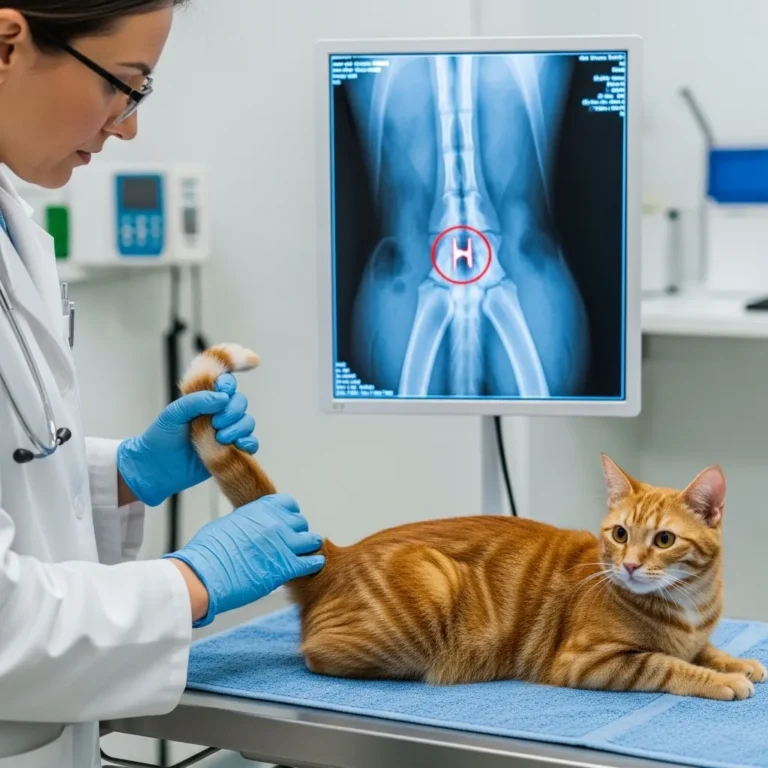
- Diagnostics: Blood tests, urinalysis, or X-rays confirm poisoning type and severity.
Cat Poisoning Treatment at Home (Vet-Guided)
- Follow Vet Instructions: Administer prescribed meds like vitamin K1 tablets.
- Monitor Closely: Watch for worsening symptoms like lethargy or bleeding.
- Provide Comfort: Offer a quiet space, fresh water, and bland food (e.g., boiled chicken).
- Avoid Home Remedies: Milk or oil can worsen absorption of some poisons.
Case Study: A Maine Coon I fostered ingested anticoagulant bait from a garage. After 3 weeks of vitamin K1 and rest, he was back to his playful self. For Maine Coon care tips, see our Maine Coon cat guide.
Recovery from Rat Poisoning in Cats: What to Expect
Recovery from rat poisoning in cats depends on the poison, dose, and treatment speed. Here’s a timeline and tips:
- Antcoagulants: 2–4 weeks of vitamin K1; full recovery likely if treated early.
- Bromethalin: 1–2 weeks of intensive care; neurological recovery varies.
- Vitamin D3: 2–6 weeks; kidney damage may require lifelong management.
Supporting Recovery
- Diet: High-quality, vet-approved food like those in our best wet cat food guide.
- Rest: Create a stress-free zone—our cat stress signs guide helps spot anxiety.
- Follow-Ups: Regular vet checks for bloodwork or kidney function.
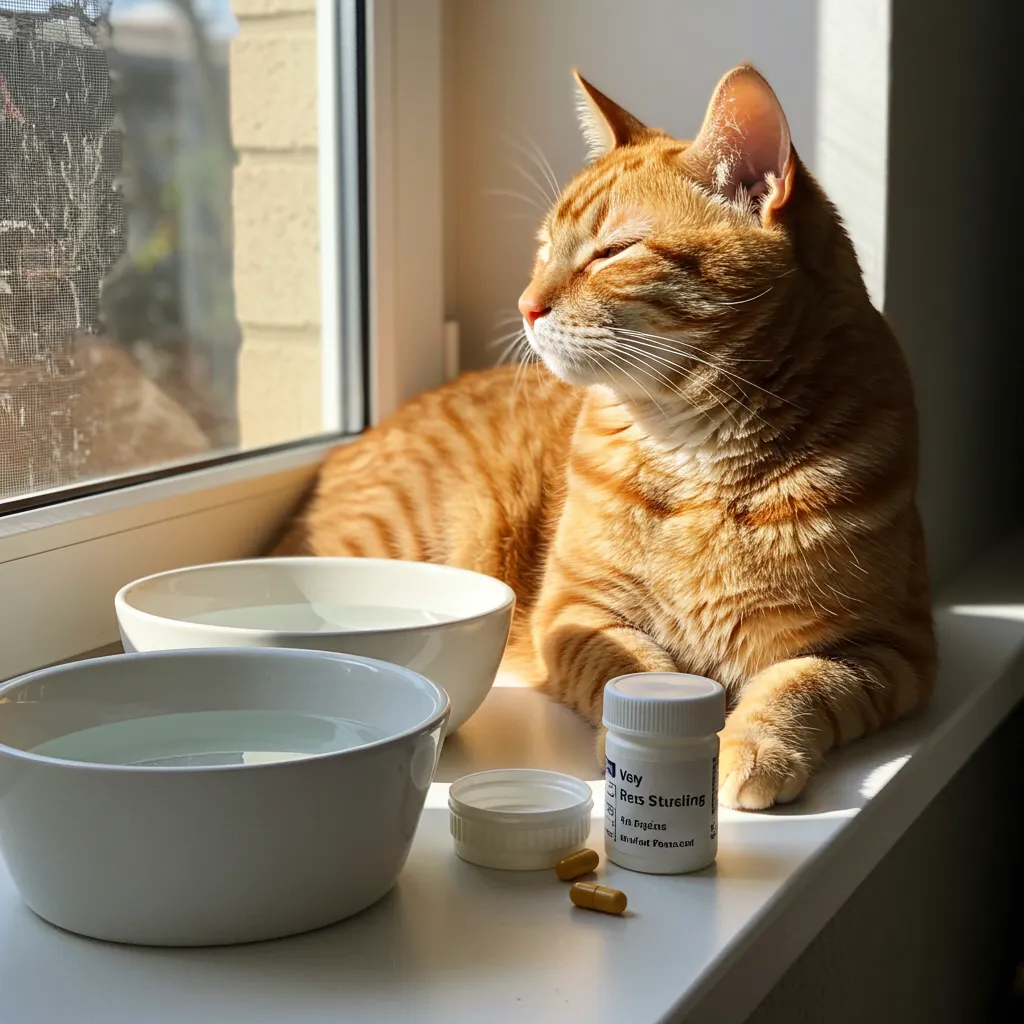
Long-Term Effects: Most cats recover fully, but vitamin D3 cases may lead to chronic kidney issues. For urinary health tips, see our cat urinary health guide.
Preventing Rat Poisoning in Pets: Pet-Safe Strategies
Preventing cat poisoning starts with eliminating risks. Here’s how to keep cats safe from poison in 2025:
Pet-Safe Rodent Control Methods
- Snap Traps: Effective and non-toxic; place in cat-proof enclosures.
- Ultrasonic Repellents: Emit rodent-repelling sounds; safe for pets.
- Natural Deterrents: Peppermint oil or cayenne sprays deter rodents (dilute for cat safety).
- Professional Services: Hire pet-safe pest control—ask for non-toxic methods.
Home Safety Tips
- Secure Bait: Store rodenticides in locked cabinets or high shelves.
- Keep Cats Indoors: Reduces hunting of poisoned rodents. Our Ragdoll cat outdoor enclosure guide offers safe outdoor ideas.
- Clean Up: Vacuum bait dust and seal entry points like gaps under doors.
- Educate Neighbors: Share safe pest control for pet owners tips to prevent community risks.
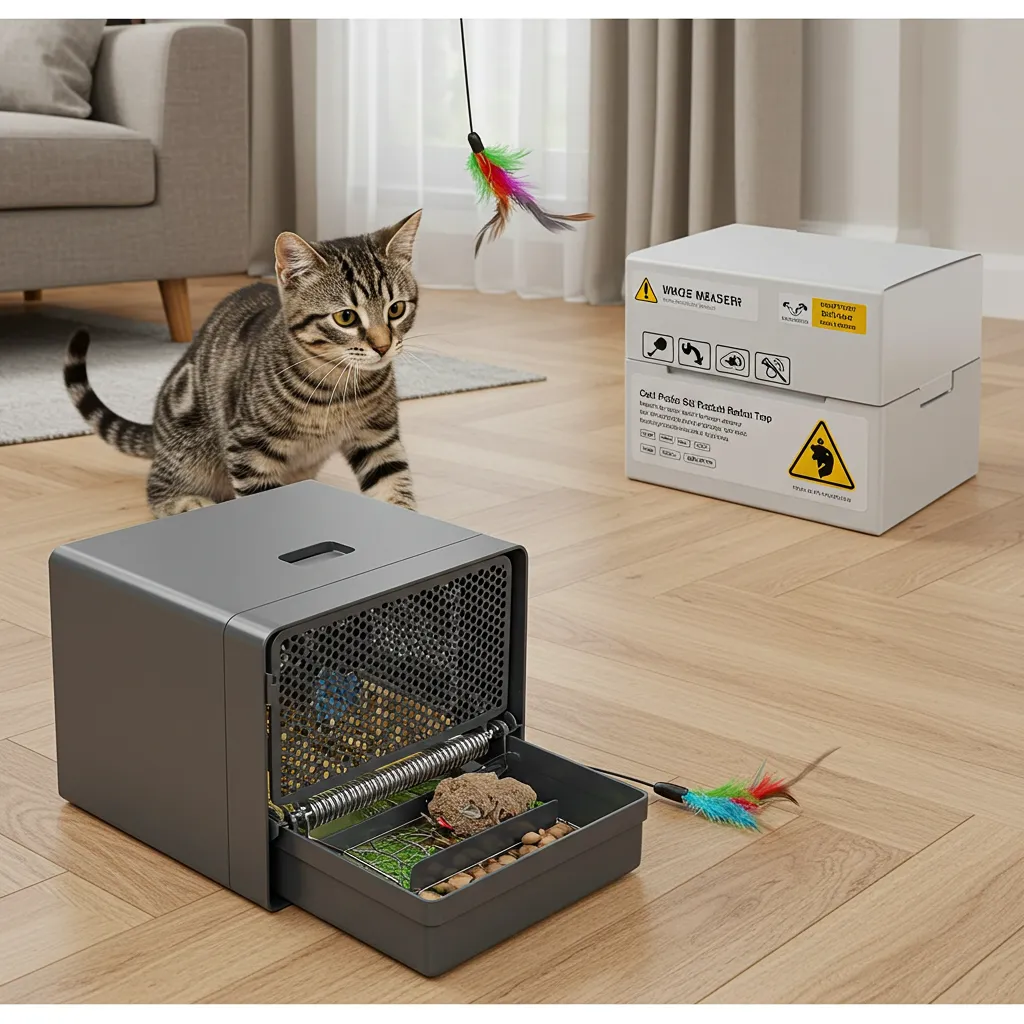
For more on household safety, explore our common household toxins for cats guide.
Natural Alternatives to Rat Poison
- Predator Urine: Commercially available sprays mimic natural predators.
- Herbal Repellents: Mint or eucalyptus plants (cat-safe in small doses).
- Sealing Homes: Block rodent entry with steel wool or caulk.
FAQ: Quick Answers to Your Urgent Questions
What Should I Do If My Cat Eats Rat Poison?
Call a vet or ASPCA Poison Control (888-426-4435) immediately, note symptoms, and rush to a clinic. Don’t induce vomiting at home.
What Are the Symptoms of Rat Poisoning in Cats?
Lethargy, bleeding, vomiting, seizures, or excessive thirst, depending on the poison type (anticoagulant, bromethalin, or vitamin D3).
Can Cats Survive Rat Poison?
Yes, over 80% recover with prompt treatment, especially for anticoagulants. Early action is critical.
How Long Does It Take for Rat Poison to Affect a Cat?
Anticoagulants: 2–5 days; bromethalin: hours to 2 days; vitamin D3: 12–36 hours.
How Is Rat Poisoning Treated in Cats?
Vets use vitamin K1 for anticoagulants, activated charcoal for bromethalin, and IV fluids for vitamin D3, plus supportive care.
How Can I Prevent Rat Poisoning in Cats?
Use pet-safe rodent control like snap traps, secure poisons, and keep cats indoors. Check our cat safety guide for more tips.
Conclusion: Keep Your Cat Safe and Thriving
A cat rodenticide poisoning scare is every cat parent’s nightmare, but with the right knowledge, you can act fast and prevent future risks. From spotting cat poison symptoms to mastering how to treat a cat that ate rat poison, you’re now equipped to protect your feline friend. Whether it’s a curious Norwegian Forest Cat or a laid-back American Shorthair, combining vet care, safe pest control, and a poison-free home ensures your cat’s safety.
Ready to dive deeper into feline care? Explore our expert guides at Cat Bloom Haven, from cat health care to litter training tips. Share your story or questions in the comments—we’re here for every whisker and purr!