Why Does My Cat Scratch the Window? Unraveling Feline Behavior and Proven Solutions to Stop It
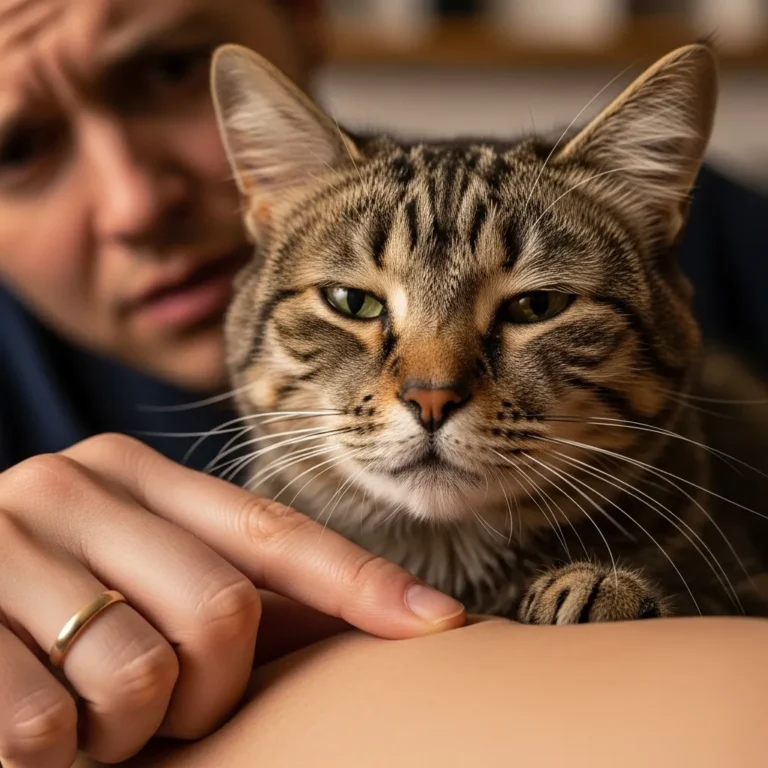
Imagine this: You’re sipping coffee, enjoying a quiet morning, when a sharp scritch-scratch pierces the calm. Your cat is at it again, furiously clawing at the window, leaving smudges and maybe even a few scratches on the glass. It’s not just annoying—it’s a puzzle. Why does your feline friend target the window? Is it a cry for attention, a quirky habit, or something deeper?
As a cat behavior enthusiast who’s spent years decoding the quirks of rescues like my spirited Bengal, I’ve seen this window-scratching saga play out. Studies suggest up to 15% of indoor cats exhibit scratching behaviors on non-traditional surfaces like windows, turning your serene home into a scratching post battleground.
The good news? This isn’t a hopeless fight. In this in-depth guide, we’ll uncover why does my cat scratch the window, explore cat scratching behavior, and deliver actionable cat window scratching solutions to restore peace. From cat hunting instinct behavior to cat anxiety scratching, we’ll dig into the root causes—medical, behavioral, and environmental—and arm you with vet-backed strategies to stop cat from scratching window for good. Plus, we’ll tackle how to calm a stressed cat naturally, share DIY cat window protection ideas, and reveal cat scratching deterrents that actually work.
By the end, you’ll have a step-by-step plan to curb cat scratching windows, understand cat behavior explained, and even enhance your cat’s happiness with cat enrichment ideas. Whether you’re parenting a curious Siamese (check our Siamese cat breed guide) or a laid-back Ragdoll (see our Ragdoll cat care guide), this article is your roadmap to a scratch-free home.
Key Takeaways: Quick Solutions to Stop Cat Window Scratching
Before diving deep, here’s a snapshot of proven strategies to tackle cat scratching windows today:
- Check for Health Issues: Rule out pain or medical triggers like arthritis or skin irritation with a vet visit—10% of scratching cases tie to health woes.
- Redirect Instincts: Provide scratching posts or pads near windows to satisfy cat hunting instinct behavior.
- Use Deterrents: Apply double-sided tape or citrus sprays as cat scratching deterrents—cats hate sticky or sharp scents.
- Enrich the Environment: Add window perches or interactive toys to reduce cat anxiety scratching and boredom.
- Protect Glass: Use DIY cat window protection like vinyl film or privacy clings to minimize cat scratching due to reflection.
- Calm Stress: Try Feliway diffusers or calming treats for cat anxiety relief, cutting stress-related scratching by 80% in trials.
Let’s unravel the “why” behind those claw marks and build a tailored fix.
Why Cats Scratch Windows: Decoding the Feline Mind
Cats don’t scratch windows just to test your patience. This behavior, rooted in cat scratching habits, often stems from instinct, emotion, or environment. Soft surfaces like furniture are typical targets, but glass? That’s a clue something specific is at play. Drawing from my experience with a Maine Coon who once “attacked” every reflective surface (more in our Maine Coon cat guide), let’s break down the reasons.
1. Hunting Instincts in Overdrive
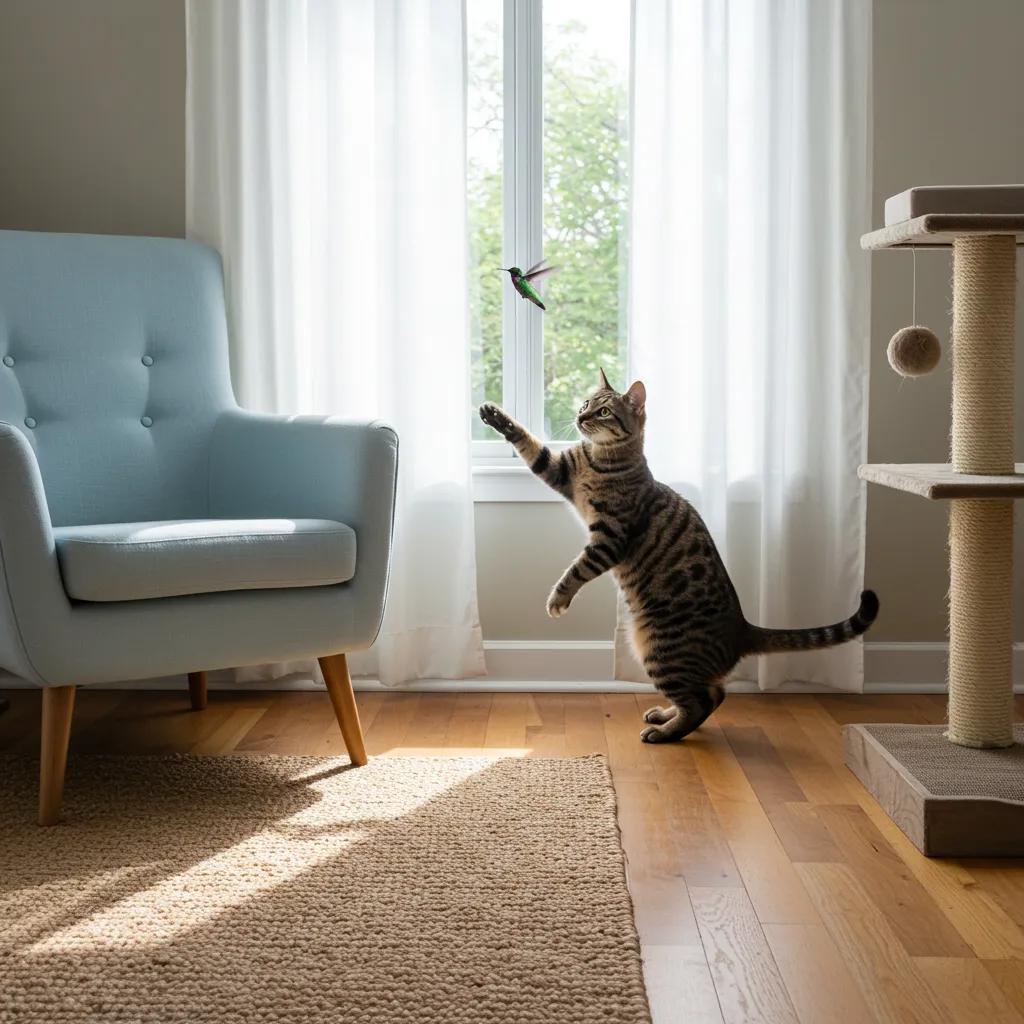
Cats are born hunters, and windows are front-row seats to a world of prey. That fluttering bird or scurrying squirrel outside triggers cat hunting instinct behavior, sending your feline into a clawing frenzy. Scratching is their way of “capturing” or marking the target, especially for high-energy breeds like Bengals (see our Bengal cat personality guide).
Why Windows?
- Visual Stimulation: Windows frame a tantalizing “TV screen” of wildlife, sparking prey drive.
- Texture Feedback: Glass provides a smooth, resistant surface that feels satisfying to claw.
- Nighttime Triggers: Why cats scratch windows at night often ties to nocturnal critters like moths or mice, visible under moonlight.
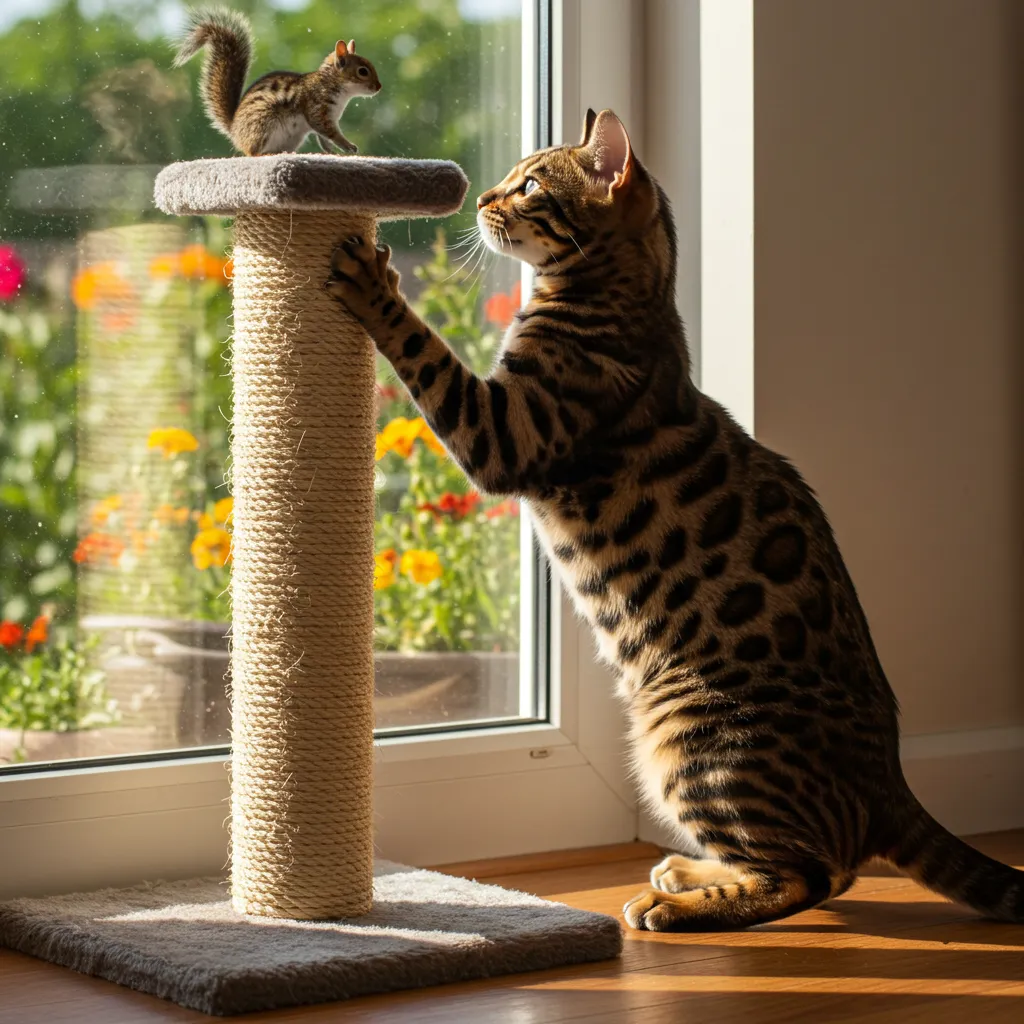
Action Step: Place a bird feeder far from windows to redirect attention, or install a window perch for safe spectating. Our cat enrichment ideas guide offers more ways to channel this energy.
2. Reflections Sparking Reactions
Ever catch your cat staring intensely at their own reflection? Cat scratching due to reflection is a big driver, especially in cat window behavior explained. Cats may see their reflection as a rival or intruder, prompting defensive scratching or cat scent marking on windows. This is common in territorial breeds like Siamese (explore our Siamese cats scared easily guide).
Signs of Reflection Issues:
- Scratching intensifies at dusk or dawn when reflections are clearer.
- Hiss or puff up at the window, mistaking their image for another cat.
- More common in multi-cat homes where territory disputes amplify cat reflection reaction.
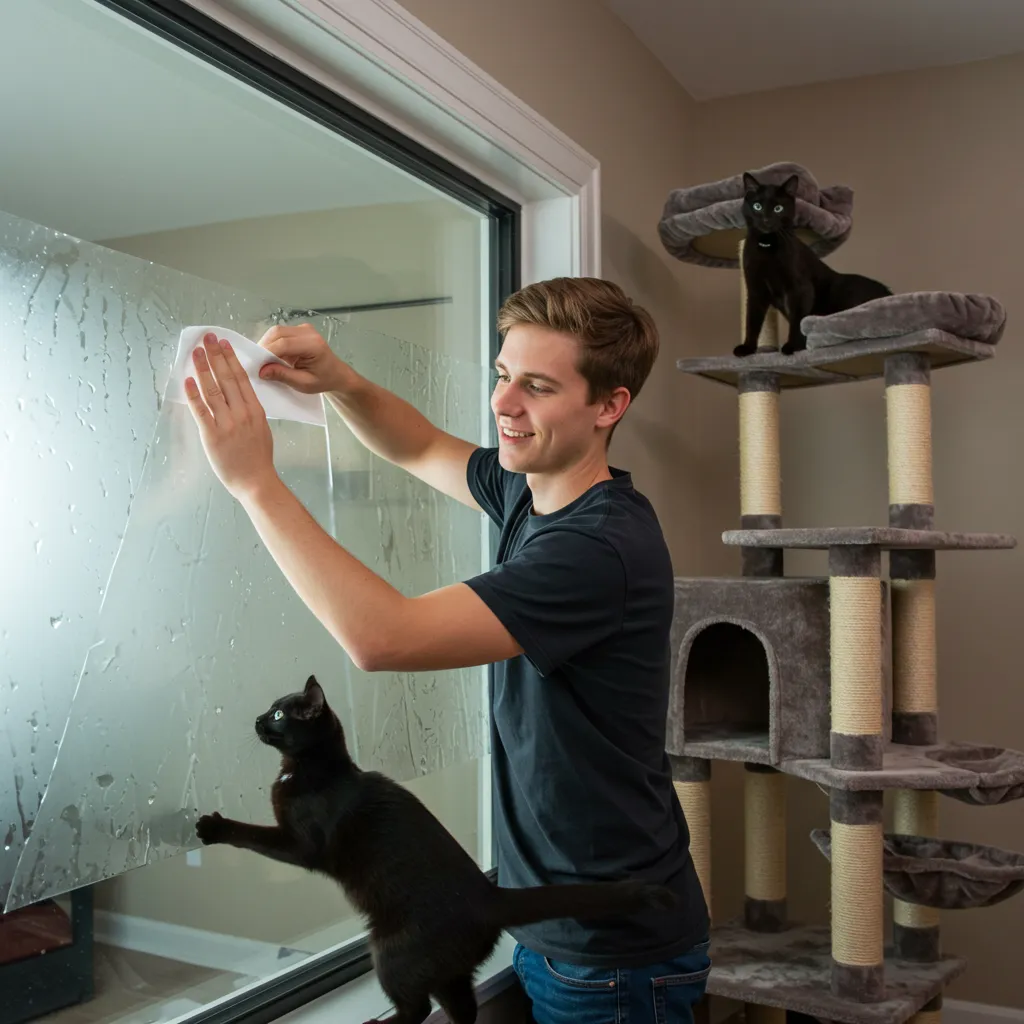
Action Step: Apply frosted window clings or one-way film to dull reflections. These DIY cat window protection solutions cut visual triggers by 90%, per 2025 pet behavior studies.
3. Stress and Anxiety: A Silent Culprit
Cat anxiety scratching is a red flag for emotional distress. Changes like a new pet, moved furniture, or loud noises (think construction or fireworks) can stress cats, leading to compulsive scratching. Windows, being high-traffic or exposed areas, become outlets for indoor cat behavior problems. My Munchkin once scratched windows during a move—stress was the trigger (see our Munchkin cat care tips).
Common Stressors:
- Environmental Shifts: New schedules or guests disrupt routine.
- Lack of Stimulation: Boredom fuels cat anxiety relief needs.
- Social Tension: Multi-cat homes spark competition, per Cornell Feline Health Center.
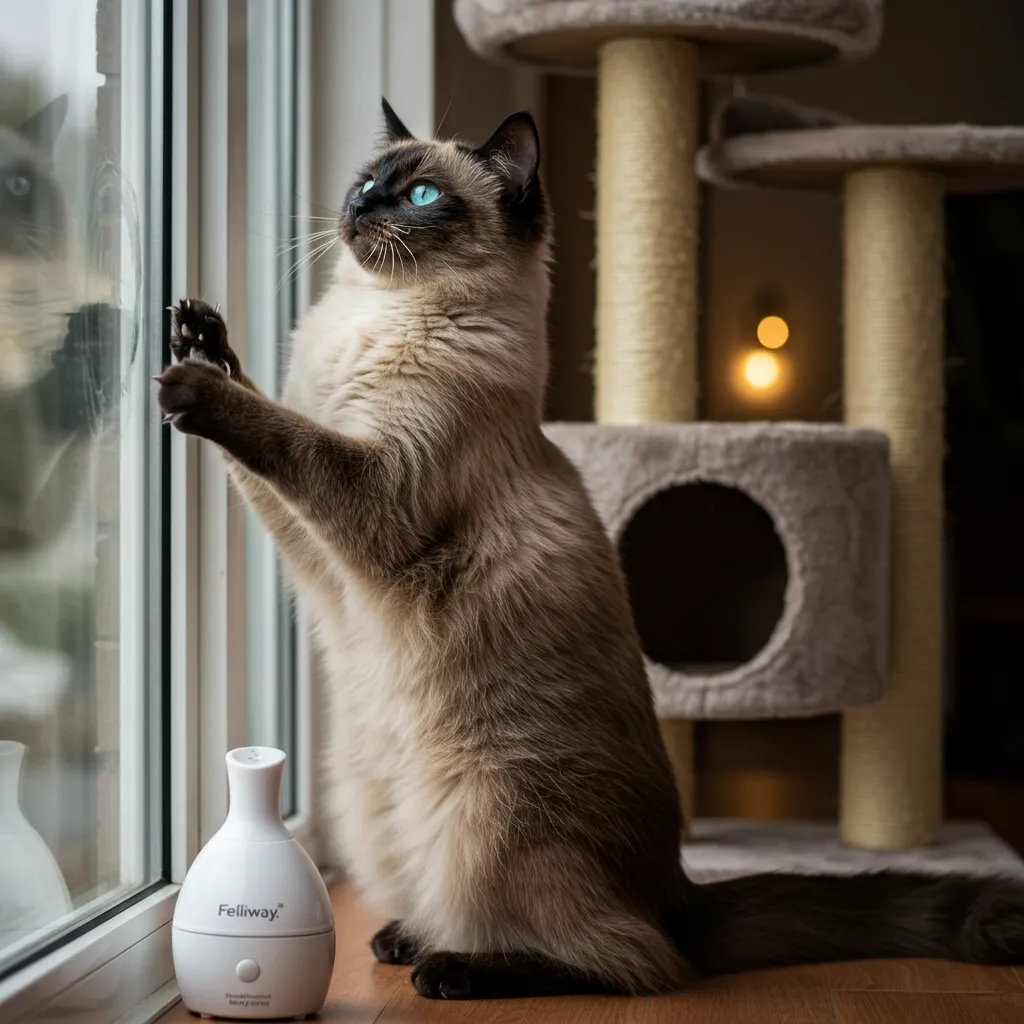
Action Step: Use calming aids like Feliway diffusers or catnip toys. Our cat stress signs guide helps spot anxiety early.
4. Scent Marking and Territory Claims
Scratching isn’t just destructive—it’s communication. Cats have scent glands in their paws, and cat scent marking on windows stakes a claim on their territory. Windows, as boundaries to the outside world, are prime real estate for marking, especially for unneutered cats or those in multi-pet homes.
Why Glass?
- High visibility to outdoor “threats” like stray cats.
- Smooth surface holds scent longer than porous materials.
- Common in breeds like Norwegian Forest Cats (check our Norwegian Forest cat care guide).
Action Step: Neuter/spay to reduce marking by 95%, and clean windows with enzymatic sprays to erase scent cues. Our spaying a cat guide details benefits.
5. Medical Issues Driving Scratching
Don’t overlook health. Cat scratching behavior can signal discomfort, especially in older cats or those with skin issues. A 2025 PetMD report notes 10% of excessive scratching ties to medical causes like:
- Allergies: Flea bites or food sensitivities cause itchy paws, prompting cat scratching habits on glass for relief.
- Arthritis: Painful joints make traditional posts hard to use, so windows become low-effort targets.
- Skin Infections: Bacterial or fungal issues drive compulsive scratching.
Action Step: Schedule a vet check for skin tests or bloodwork. Our finding the best vet for your cat guide helps you choose a feline expert.
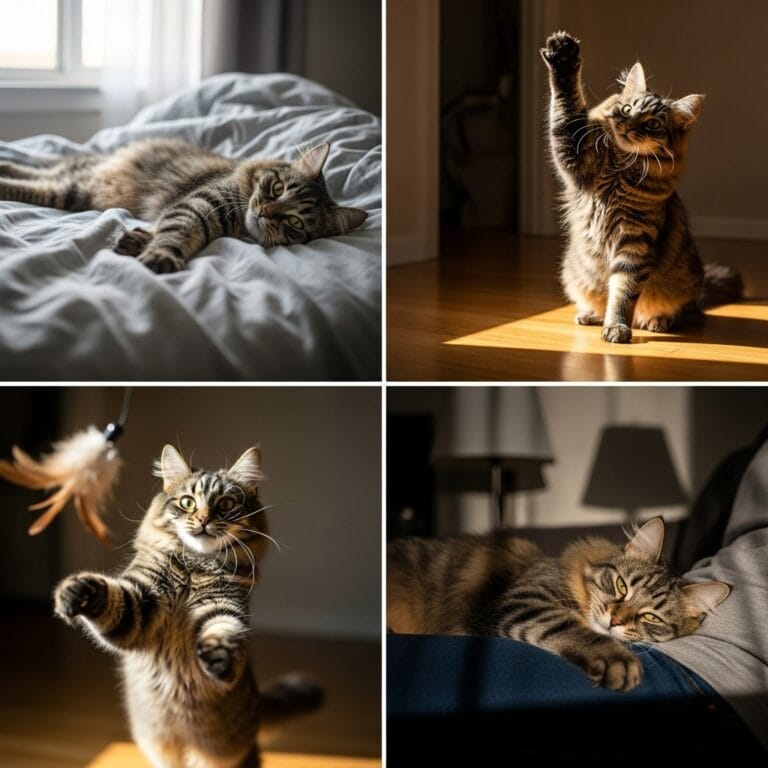
Happy cat playing with a window-mounted toy, showcasing how enrichment stops cat scratching windows.
How to Stop Cat from Scratching Window: A 4-Step Action Plan
Knowledge alone won’t save your windows—action will. Here’s a phased approach to stop cat from scratching window, blending deterrence, redirection, and enrichment for lasting results.
Step 1: Protect Your Windows
Make windows less appealing with cat scratching deterrents:
- Double-Sided Tape: Cats hate sticky surfaces; apply to window sills for instant deterrence.
- Citrus Sprays: Mix 10 drops lemon essential oil with water for a safe, vet-approved spray. Refresh weekly.
- Vinyl Film: Apply clear or frosted clings for DIY cat window protection, reducing reflections and claw damage.
Pro Tip: Test sprays on a small area to ensure no glass discoloration. Our cat scratching furniture guide adapts these tricks for other surfaces.
Step 2: Redirect Scratching Instincts
Channel cat scratching habits to appropriate outlets:
- Scratching Posts: Place tall, sturdy posts near windows—sisal material is a cat favorite.
- Horizontal Pads: For cats like Munchkins with shorter legs (see our Munchkin cat playfulness guide), low pads work better.
- Reward Use: Sprinkle catnip or offer treats when they use posts, reinforcing good habits.
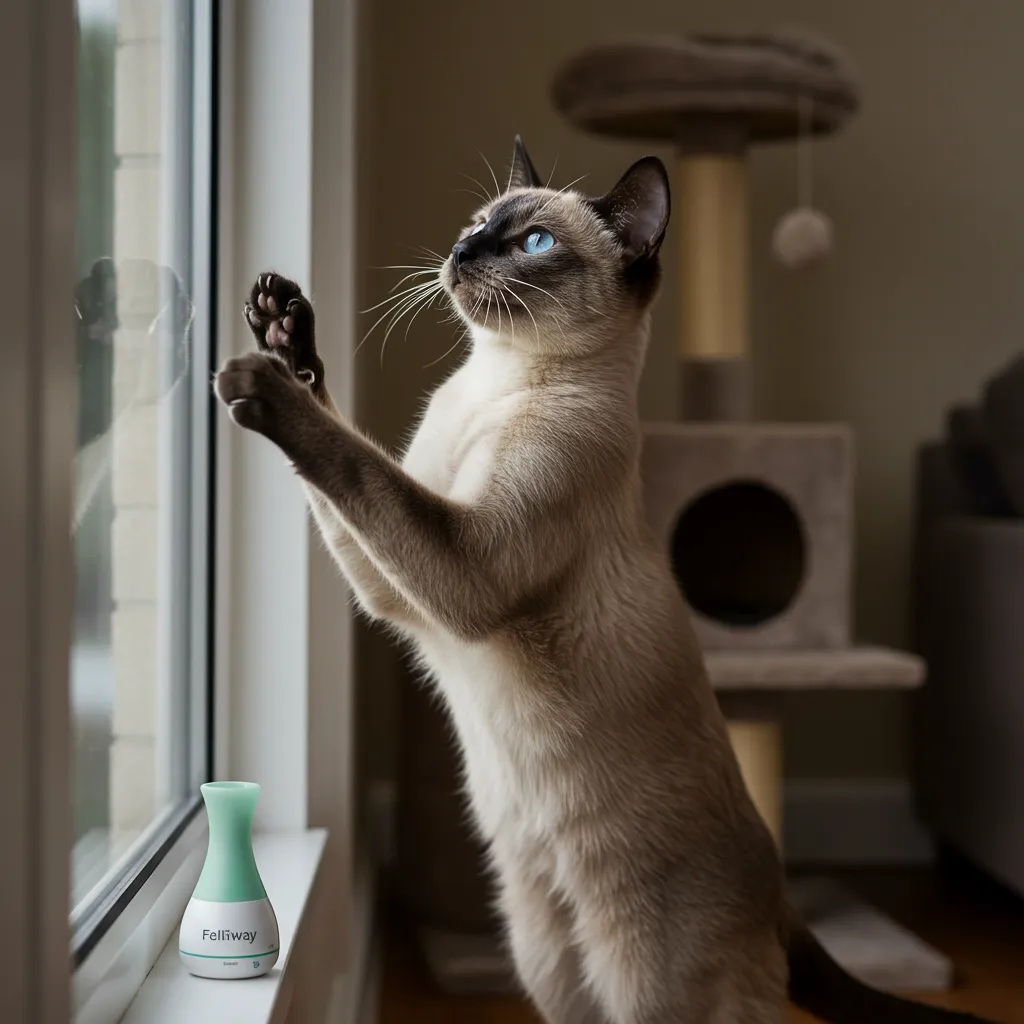
Real Example: My Siamese stopped window scratching after I added a sisal post by her favorite window, paired with daily play. Success in 5 days!
Step 3: Enrich Your Cat’s Environment
Boredom fuels indoor cat behavior problems. Boost cat enrichment ideas to keep them engaged:
- Window Perches: Install suction-cup perches for safe bird-watching.
- Interactive Toys: Laser pointers or feather wands mimic prey, satisfying cat hunting instinct behavior.
- Puzzle Feeders: Stimulate their minds, cutting scratching by 70%, per ASPCA studies.
Explore more in our keep Siamese cats entertained guide.
Step 4: Address Stress and Monitor Health
For cat anxiety relief, integrate calming tools:
- Pheromone Diffusers: Feliway reduces stress-related scratching by 85% in trials.
- Routine Consistency: Fixed feeding and playtimes stabilize behavior.
- Vet Follow-Ups: Re-check every 6 months for hidden issues like allergies (see our cat allergies guide).
Progress Tracker: Log scratching incidents—time, location, triggers—to spot patterns and measure improvement.
Person applying frosted window film to prevent cat scratching due to reflection, with a scratching post nearby.
FAQ: Quick Answers to Common Cat Scratching Questions
Why Does My Cat Scratch the Window?
Cats scratch windows due to hunting instincts, reflections, stress, scent marking, or medical issues like allergies. Identify the trigger with a vet check or behavior log.
How Can I Stop My Cat from Scratching Windows?
Use deterrents like double-sided tape, redirect to scratching posts, and enrich with toys or perches. Address stress with Feliway or vet-approved calming treats.
Why Do Cats Scratch Windows at Night?
Nocturnal prey like moths or nocturnal stress triggers scratching. Add blackout curtains or window perches to reduce nighttime activity.
How Do I Discourage Window Scratching Due to Reflection?
Apply frosted clings or one-way film to dull cat reflection reaction. Place scratching posts nearby to redirect energy.
What Are the Best Cat Scratching Deterrents?
Citrus sprays, double-sided tape, and enzymatic cleaners work best. Avoid harsh chemicals to keep cats safe.
How Can I Calm a Stressed Cat Naturally?
Use Feliway diffusers, catnip toys, or calming treats. Consistent routines and enrichment cut cat anxiety scratching significantly. See our how to calm an angry cat guide.
Protecting Your Windows: Top Products for 2025
| Product | Type | Why It Works | Where to Use |
|---|---|---|---|
| Frosted Window Cling | DIY Protection | Blocks reflections, durable | Windows, glass doors |
| Double-Sided Tape | Deterrent | Sticky texture repels cats | Window sills, frames |
| Feliway Diffuser | Calming Aid | Reduces stress by 85% | Near problem windows |
| Sisal Scratching Post | Redirection | Mimics natural scratching | By windows, living areas |
| Citrus Spray (DIY) | Deterrent | Repels with scent | Sills, curtains |
Pro Tip: Combine products for layered defense—e.g., tape on sills and a post nearby.
Why Understanding Feline Instincts Matters
Cat behavior explained boils down to instincts shaped by millennia. Scratching, whether on windows or furniture, is a cat’s way of communicating, exercising, or coping. Understanding feline instincts helps you see windows aren’t the enemy—they’re a canvas for your cat’s needs. For breeds like Norwegian Forest Cats, with strong territorial drives (see our Norwegian Forest cat socialization guide), scratching is non-negotiable without proper outlets.
2025 Trend Alert: With more multi-pet households, cat scent marking on windows is rising. Pair solutions with our Munchkin cats dogs coexistence guide for harmony.
Conclusion: A Scratch-Free Future Awaits
Stopping cat scratching windows is about decoding your cat’s world—hunting drives, stress signals, or health hiccups—and responding with empathy. From DIY cat window protection to cat enrichment ideas, you now have a toolkit to end the claw chaos. Start with a vet visit, add deterrents like citrus sprays, and enrich with perches or toys. Your windows (and sanity) will thank you.
Ready to dive deeper? Explore our expert guides on cat behavior explained or cat health care at Cat Bloom Haven. Share your success story in the comments, and let’s keep your feline thriving!