Cat Allergies: Your Ultimate Guide to Symptoms, Relief, and Loving Cats Without the Sneezes
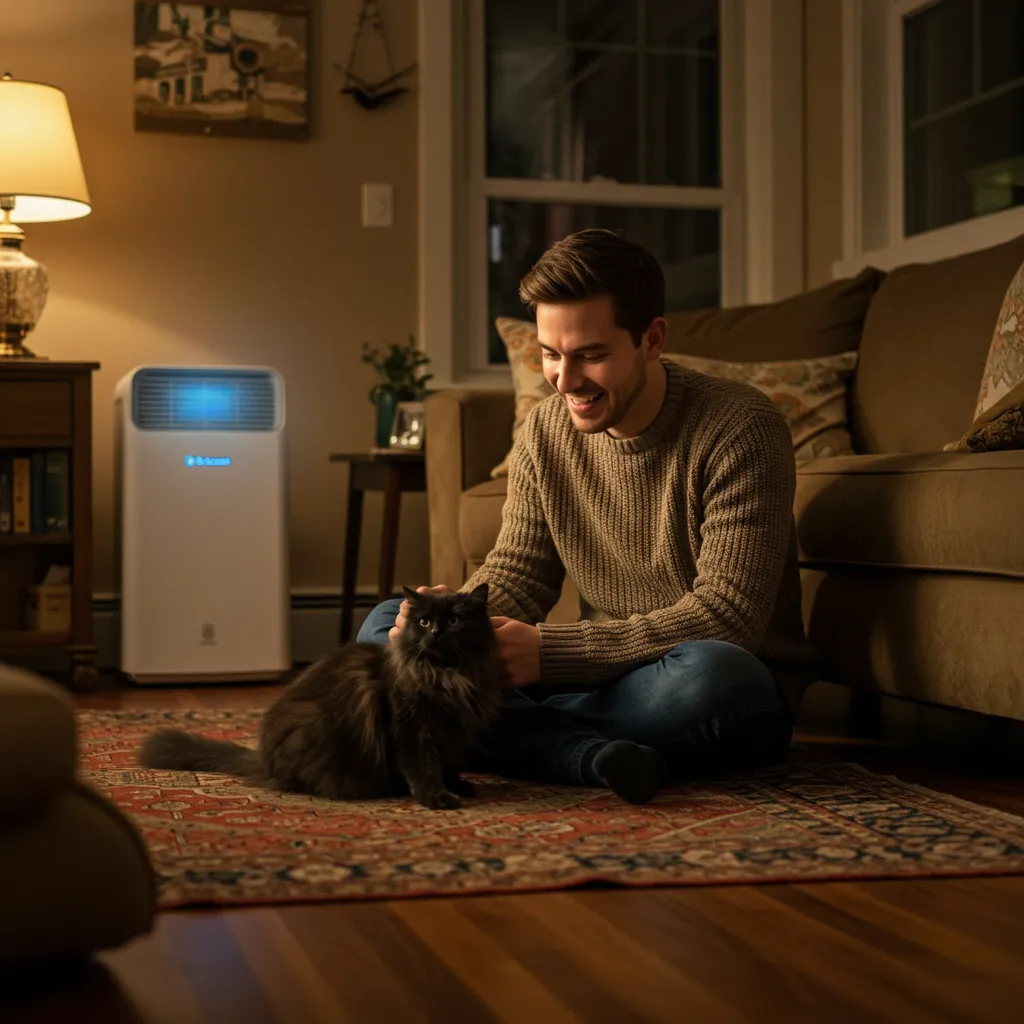
Imagine curling up with a fluffy feline companion, only to be hit with watery eyes, endless sneezing, and that frustrating itch that won’t quit. If you’re one of the millions dealing with cat allergies, you know the struggle all too well—loving cats but hating the symptoms. Whether it’s your own allergies flaring up or you’re worried about a guest’s reaction, cat allergies can turn pet ownership into a challenge.
But here’s the good news: this comprehensive guide is your one-stop solution. We’ll dive deep into what causes cat allergies, how to spot the symptoms, proven treatments (including the latest for 2025), natural remedies, and even tips for choosing hypoallergenic cat breeds. By the end, you’ll have actionable steps to manage or even prevent those pesky reactions, so you can enjoy your furry friend without the tissues.
As someone who’s helped countless pet lovers navigate this, I can tell you that with the right strategies, cat allergies don’t have to mean saying goodbye to cats. Let’s break it down step by step, drawing from trusted sources like Mayo Clinic and WebMD, to give you reliable, up-to-date advice.
Understanding Cat Allergies: What Triggers the Reaction?
Cat allergies are incredibly common—affecting up to 20% of the population worldwide. But contrary to popular belief, it’s not the fur that’s the main culprit. People with cat allergies are actually reacting to proteins found in a cat’s saliva, urine, and dander (those tiny flakes of dead skin). When cats groom themselves, they spread these proteins onto their fur, which then becomes airborne or sticks to surfaces in your home.
Think about it: every time your cat licks its paws or shakes off, those allergens are released into the air, where they can linger for months. This is why even homes without cats can have allergens—people track them in on clothes. If you’re sensitive, your immune system mistakes these harmless proteins for threats, kicking off an allergic response. Factors like genetics play a role; if allergies run in your family, you’re more likely to develop them.
Causes of Cat Allergies
The primary allergen is Fel d 1, a protein produced in cats’ sebaceous glands, saliva, and even anal glands. Male cats tend to produce more of it, especially if they’re unneutered, but all cats create some level. Other allergens like Fel d 2 (from dander and urine) can also trigger reactions. Environmental factors worsen it—dust mites, pollen, or mold can team up with cat allergens to amplify symptoms.
Interestingly, some people develop allergies later in life, even after years of cat ownership. Stress, hormonal changes, or increased exposure can flip the switch. And yes, kids can be affected too, with cat allergies sometimes linked to asthma development.
Cat Allergy Symptoms: Spotting the Signs Early
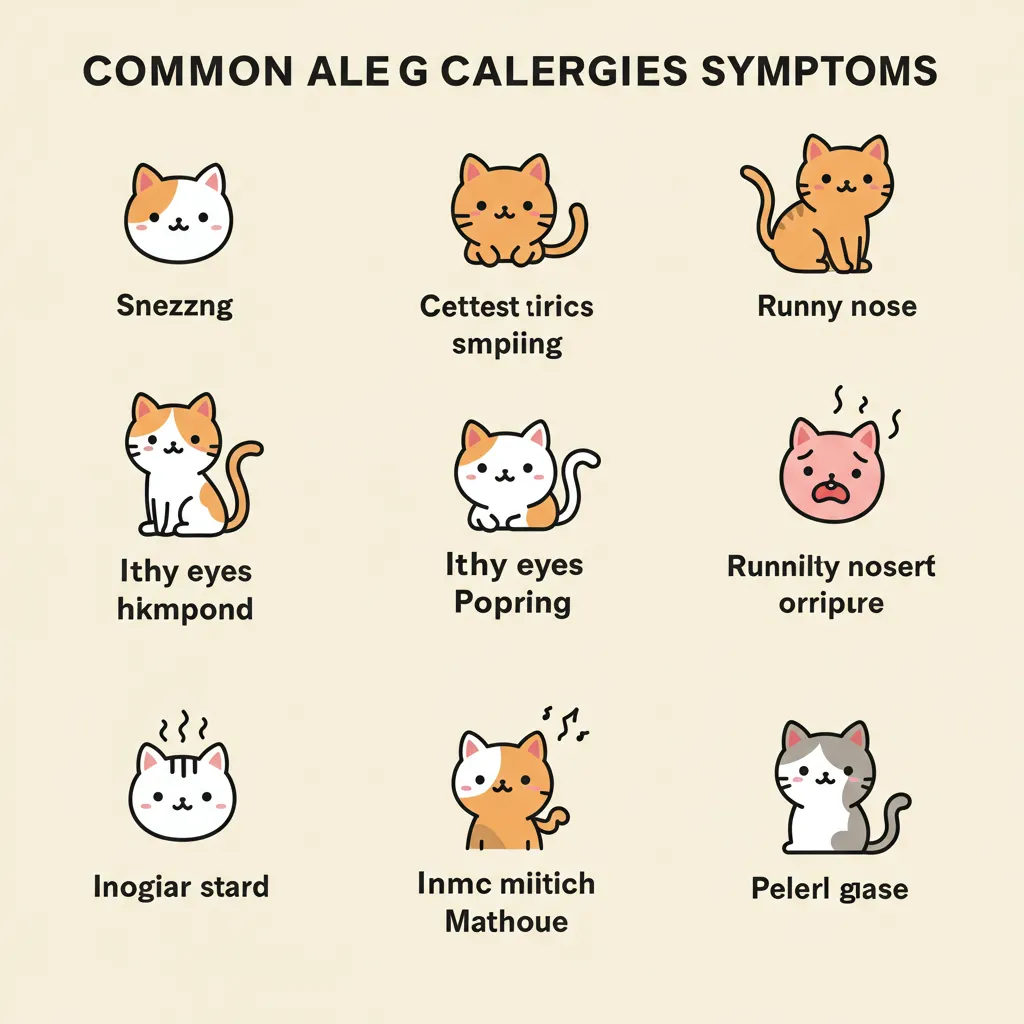
Symptoms can kick in within minutes of exposure or build up over hours. Common ones include:
- Sneezing, runny or stuffy nose
- Itchy, red, or watery eyes
- Coughing, wheezing, or shortness of breath (especially if you have asthma)
- Skin reactions like hives, rash, or eczema from direct contact
- Facial pain or sinus pressure
In severe cases, it can lead to asthma attacks or anaphylaxis, though that’s rare. If symptoms persist or worsen, see a doctor—untreated allergies can lead to chronic sinus issues or sleep problems.
For a quick self-check: Do symptoms improve when you’re away from home or cats? That’s a big clue.
Diagnosing Cat Allergies: Getting the Right Answers
Diagnosis starts with a chat about your symptoms and exposure history. Your doctor might recommend:
- Skin Prick Test: A tiny amount of cat allergen is pricked into your skin; if a bump forms, it’s positive.
- Blood Test: Measures IgE antibodies specific to cat proteins.
- Component Testing: Breaks down which specific proteins you’re allergic to, for more targeted advice.
In 2025, advanced tests like molecular diagnostics are becoming more common, helping pinpoint exact triggers for better treatment plans.
Cat Allergy Treatment: From Over-the-Counter to Cutting-Edge Options
Treating cat allergies isn’t about curing them (yet), but managing symptoms effectively. Start with avoidance, then layer on meds or therapies.
Over-the-Counter Cat Allergy Relief
- Antihistamines: Like loratadine (Claritin) or cetirizine (Zyrtec) to block histamine and reduce sneezing/itching.
- Decongestants: For stuffy noses, but use sparingly to avoid rebound effects.
- Nasal Sprays: Steroid sprays like Flonase cut inflammation.
- Eye Drops: For itchy eyes, opt for ones like Zaditor.
These provide quick relief but might not tackle severe cases.
Prescription Treatments and Innovations in 2025
For tougher allergies, doctors might prescribe stronger steroids or montelukast (Singulair). But the big news for 2025? Breakthroughs like Regeneron’s new therapies, which showed rapid relief in phase 3 trials for cat allergies, lasting over three months with minimal side effects.
Allergy shots (immunotherapy) gradually desensitize you to allergens—effective for 85% of people after 3-5 years. Sublingual drops or tablets are a needle-free alternative, taken at home.
There’s even talk of vaccines targeting Fel d 1, with promising animal trials showing up to 85% reduction in reactions.
Best Supplements for Cat Allergies
Supplements can complement treatments:
- Quercetin: A natural antihistamine from onions/apples.
- Probiotics: Boost gut health to modulate immune responses.
- Omega-3s: Reduce inflammation; fish oil is a go-to.
- Vitamin C: Antioxidant support for overall allergy fighting.
Always check with a doc before starting, especially if on meds.

Natural Remedies for Cat Allergies: Home-Based Relief
Prefer a gentler approach? Natural remedies can ease symptoms without meds.
Home Remedies for Cat Allergies
- Nasal Irrigation: Use a neti pot with saline to flush allergens.
- Apple Cider Vinegar: Dilute in water for its anti-inflammatory perks.
- Herbal Teas: Stinging nettle or butterbur can tame histamine.
- Essential Oils: Eucalyptus or peppermint in a diffuser for congestion relief (pet-safe only!).
Real-life tip: One reader shared how daily neti pot rinses cut their sneezing by half during cat-shedding season.
Cat Allergy Relief at Home: Everyday Hacks
Create an allergen-low zone:
- Wash bedding weekly in hot water.
- Use allergen-proof covers on pillows/mattresses.
- Ban cats from bedrooms.
- Groom your cat regularly outside.
These steps can slash allergens by 50%.
Natural Cat Allergy Sprays and Shampoos
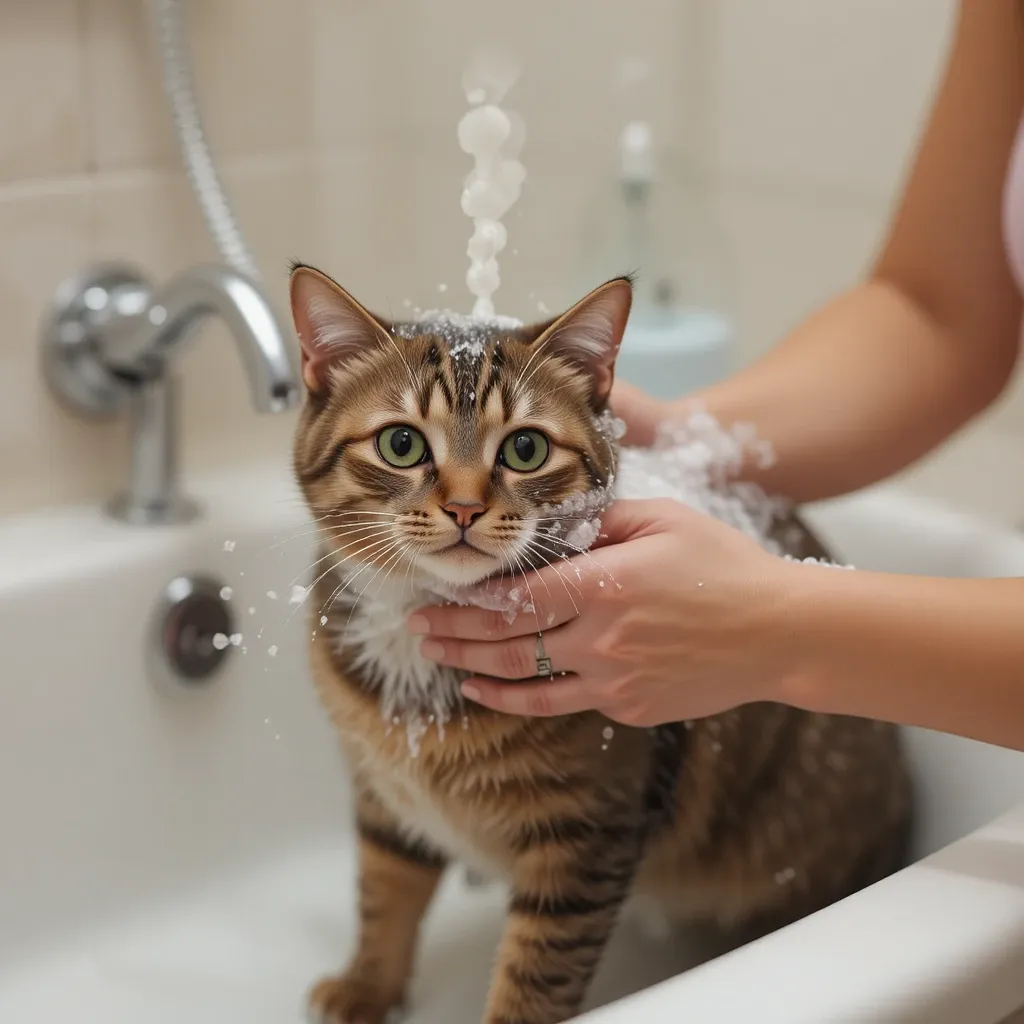
Products like Allerpet dander remover or anti-allergen sprays neutralize proteins on fur. For baths, try oatmeal-based cat allergy shampoos to soothe skin and reduce dander release.
Hypoallergenic Cat Breeds: Best Options for Allergy Sufferers
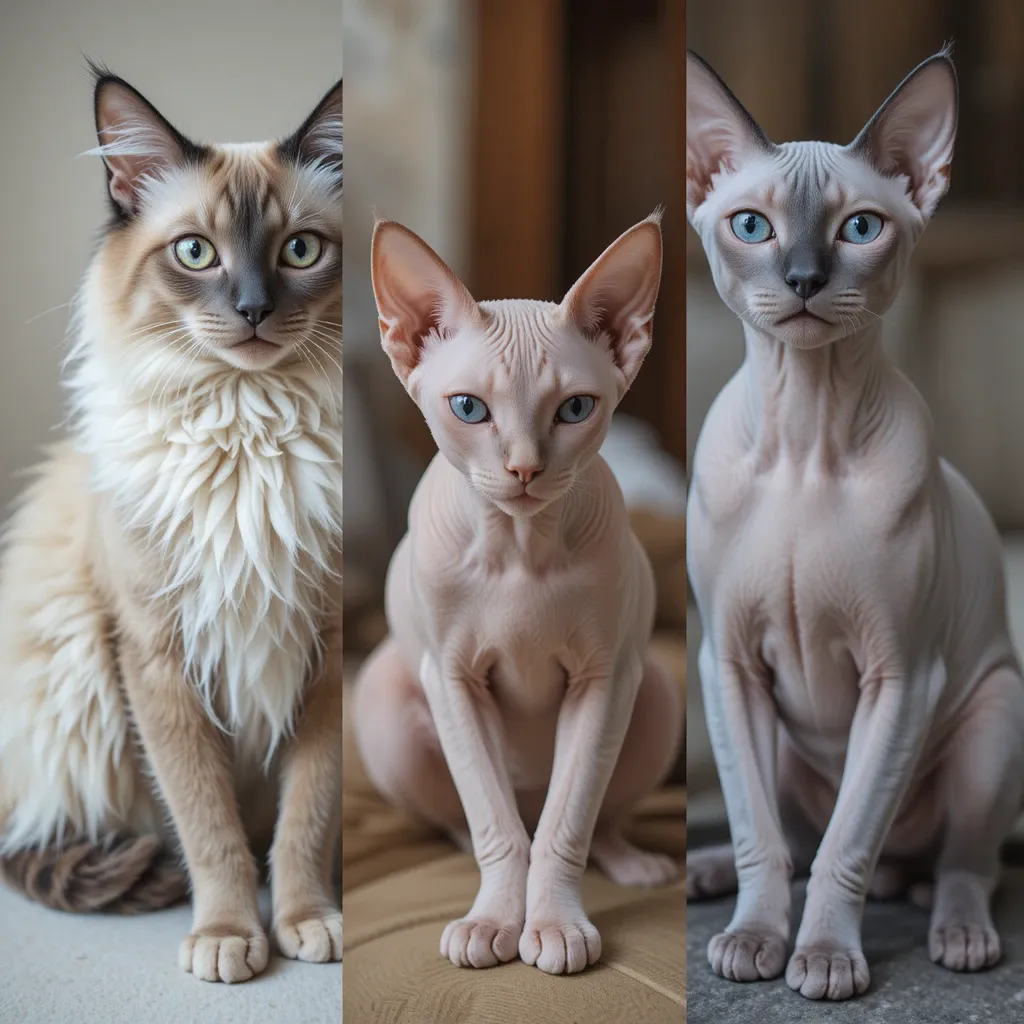
No cat is 100% hypoallergenic, but some produce less Fel d 1. Here’s a table of top picks:
| Breed | Why It’s Hypoallergenic | Pros | Cons |
|---|---|---|---|
| Siberian | Low Fel d 1 despite long fur | Affectionate, playful | Needs grooming |
| Balinese | Single coat layer, less shedding | Intelligent, vocal | High energy |
| Russian Blue | Dense fur traps dander | Gentle, low-maintenance | Shy with strangers |
| Sphynx | Hairless, minimal dander | Loving, warm | Requires skin care |
| Devon Rex | Curly short fur, low shed | Mischievous, social | Prone to oils |
| Bengal | Short coat, frequent grooming | Active, exotic look | Needs stimulation |
| Oriental Shorthair | Fine fur, less protein | Talkative, loyal | Vocal |
| Cornish Rex | Wavy coat, minimal shed | Curious, affectionate | Sensitive to cold |
Choose based on lifestyle—test with a visit first. Siberians top many lists for allergy sufferers.
Managing Cat Allergies: Tips for Reducing Allergens in Your Home
Reducing cat allergens is key to coexistence.
How to Reduce Cat Dander
- Grooming Tips: Brush daily with dander-reducing tools; bathe weekly if tolerated.
- Keeping Home Clean with Cats: Vacuum with HEPA filters, dust with microfiber cloths.
- Air Purifiers for Cat Allergies: Top 2025 picks include Coway Airmega (for large rooms) or Levoit Core (budget-friendly). They capture 99.97% of particles.
Step-by-step:
1. Vacuum twice weekly.
2. Wash fabrics hot.
3. Use purifiers in main areas.

Cat Allergy Prevention Techniques
Prevent by neutering (lowers allergen production), limiting cats to one, and using dander wipes. For new owners, start with hypoallergenic breeds.
Allergies in Cats: How to Help a Cat with Allergies
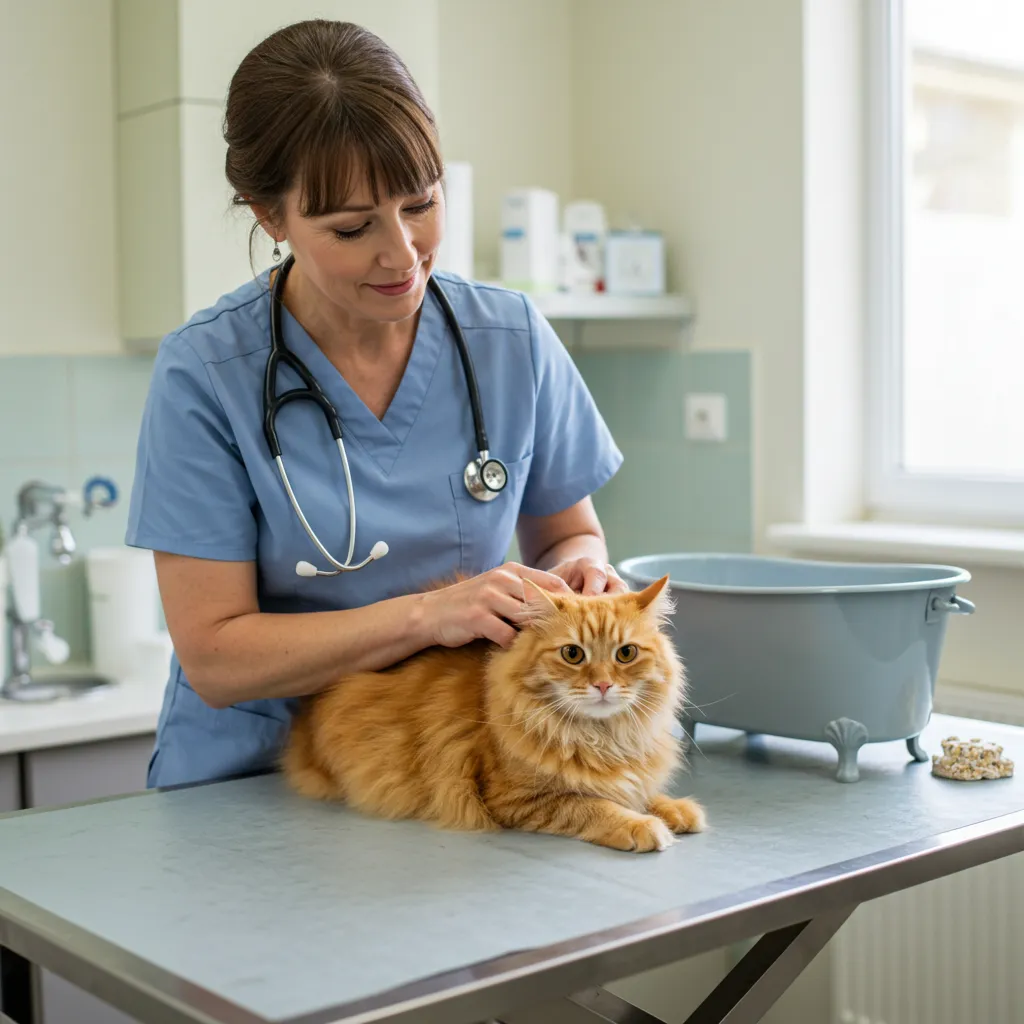
Cats can have allergies too—often to fleas, food, or environment. Symptoms: Itchy skin, hair loss, ear infections, vomiting.
Causes: Flea bites (most common), beef/chicken proteins, pollen.
Diagnosis: Vet exams, elimination diets, skin tests.
Treatments: Flea control, hypoallergenic diets, steroids, or supplements like omega-3s.
Natural Remedies for Cats: Oatmeal baths, probiotics, fish oil.
Grooming Tips for Allergic Cats: Regular brushing, hypoallergenic shampoos.
Cat Allergy Diet Food: Grain-free or novel proteins like duck.
If your cat’s scratching non-stop, vet visit ASAP.
FAQ
What are cat allergy symptoms?
Common symptoms include sneezing, itchy eyes, runny nose, coughing, and skin rashes. They can appear quickly after exposure.
How are cat allergies diagnosed?
Through skin prick tests, blood tests for IgE antibodies, or component testing to identify specific proteins.
Are there natural remedies for cat allergies?
Yes, like nasal irrigation, herbal teas (stinging nettle), and supplements such as quercetin or probiotics.
Are there hypoallergenic cat breeds?
Breeds like Siberian, Balinese, and Russian Blue produce fewer allergens, making them better for sufferers.
How can I reduce cat allergens in my home?
Regular grooming, HEPA vacuuming, air purifiers, and allergen-proof bedding help significantly.
What are the treatment options for cat allergies?
Options range from antihistamines and nasal sprays to immunotherapy shots or new 2025 therapies like Regeneron’s treatments.
How can I prevent cat allergies?
Minimize exposure: Keep cats out of bedrooms, use purifiers, groom regularly, and consider hypoallergenic breeds.
How to help a cat with allergies?
Identify triggers via vet, use flea control, switch to hypoallergenic food, and try natural remedies like oatmeal baths.
Conclusion: Take Control of Cat Allergies Today
Cat allergies don’t have to ruin your love for felines. From understanding symptoms and causes to exploring treatments like immunotherapy and natural remedies, you’ve got tools to manage them. Focus on reducing allergens at home with grooming, cleaning, and air purifiers, or opt for hypoallergenic breeds like the Siberian for easier living. For cats with allergies, vet care and diet tweaks make a world of difference.