Misunderstood Cat Habits Explained: Decoding Your Feline’s Oddest Behaviors
Have you ever watched your cat intently scratch the floor next to their food bowl, knock a pen off your desk with deliberate calm, or stare fixedly at an empty corner of the room? If you’ve ever muttered, “Why on earth are you doing that?” to your feline friend, you’re not alone. These misunderstood cat habits are not random acts of feline absurdity. They are deeply rooted in instinct, communication, and sensory perception worlds apart from our own.
Cats communicate in a language of action, not words. What we often label as “naughty,” “weird,” or “spiteful” is usually a natural behavior screaming for interpretation. Misreading these signs can strain your bond, create unnecessary frustration, and even cause you to miss critical cues about your cat’s health and emotional well-being.
This comprehensive guide will transform how you see your cat’s actions. We’ll move beyond the surface and delve into the evolutionary biology, sensory science, and behavioral psychology behind their most puzzling routines. By the end, you won’t just understand these misunderstood cat habits you’ll learn how to respond in ways that nurture a happier, healthier, and more harmonious life together.
Key Takeaways:
- Cat habits like knocking things over, scratching near food, and “chattering” at birds are instinctual, not malicious.
- Kneading is a comforting behavior from kittenhood linked to contentment and scent-marking.
- Slow blinking is a proven sign of trust and affection, often called a “cat kiss.”
- Midnight “zoomies” are often a result of pent-up energy from inactive daylight hours.
- Understanding the why behind the action is the first step to addressing any problematic behavior positively.
The Predator in Your Living Room: Instincts Disguised as Quirks
At their core, domestic cats are barely removed from their wild ancestors. Every quirky habit has a survival-based origin story.
The “Chatter”: Why Your Cat Makes That Weird Chirping Sound at Birds
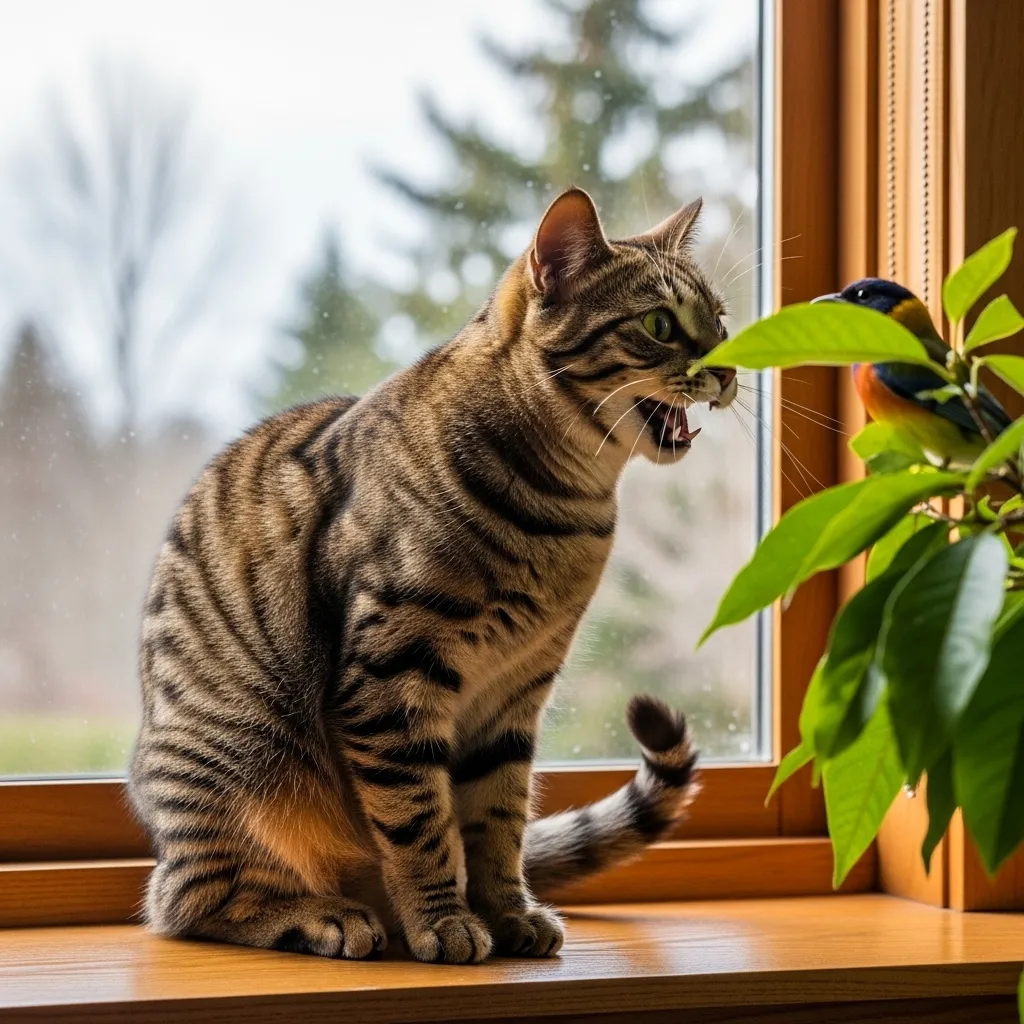
You’ve seen it: your cat, fixated on a bird or squirrel, their jaw quivering rapidly while emitting a staccato “ek-ek-ek” or chirping sound. This misunderstood cat habit is not frustration, but a highly specific predatory response.
Expert Insight: Behaviorists believe this “chatter” may be an involuntary simulation of the killing bite the precise neck bite used to sever the spine of prey. Another compelling theory suggests it’s an expression of predatory excitement mixed with the frustration of being unable to reach the target. It’s a raw, unfiltered glimpse into your cat’s hardwired hunting sequence: spot, stalk, pounce, bite.
What to do: This is a harmless expression of instinct. Ensure your cat has ample outlets for this predatory energy through interactive play sessions that mimic the hunt (wand toys are excellent). It’s a normal behavior, not a sign of distress. For more on stimulating your cat’s natural instincts, explore our guide on cat enrichment ideas that look expensive.
Knocking Things Over: It’s Not Spite, It’s Science
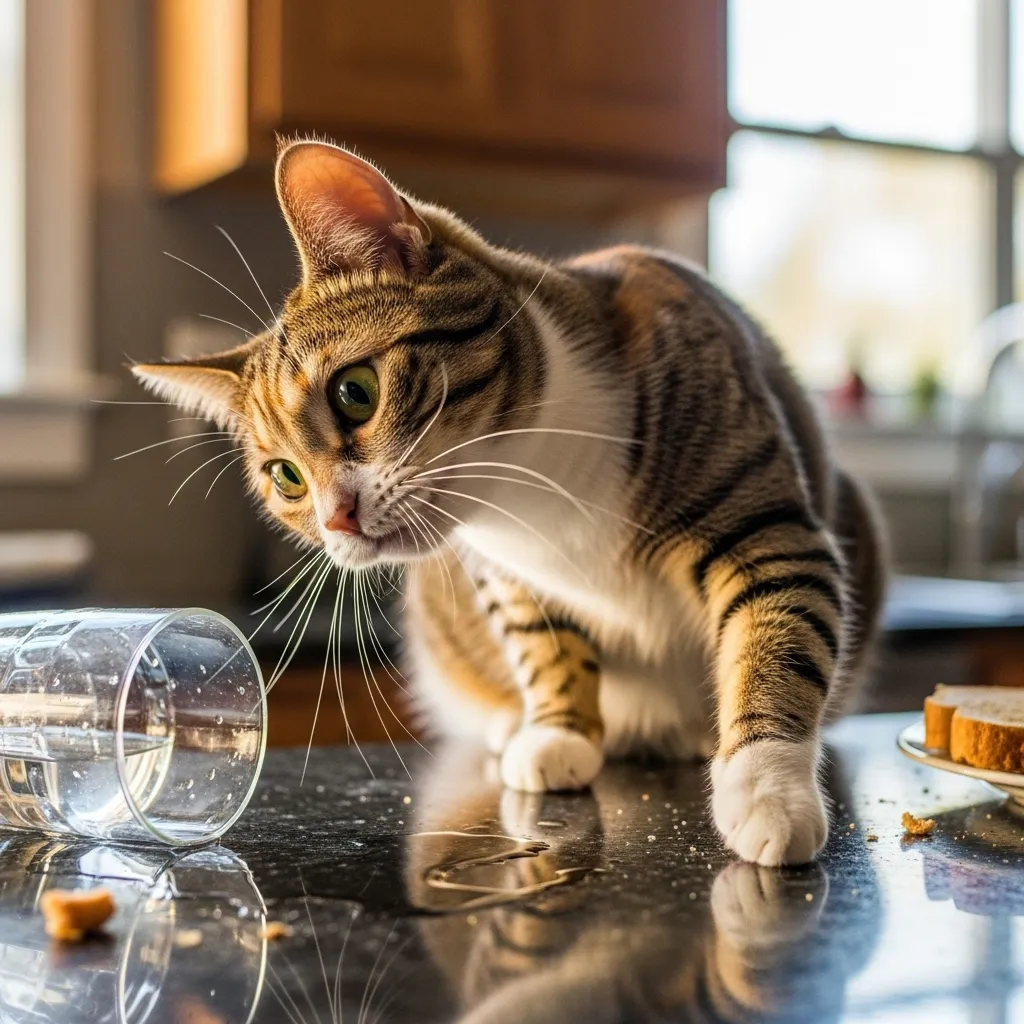
The classic image of a cat calmly swatting a cup off a table is often misinterpreted as deliberate sabotage. The truth is more fascinating.
- Curiosity & Investigation: Cats use their paws to explore. An object’s movement, sound, and trajectory provide vital data. What does it do? Does it move like prey?
- Attention-Seeking: Cats learn cause and effect. If knocking a bottle over results in you jumping up and engaging (even if you’re scolding), the behavior is reinforced. Attention is attention.
- Instinctual Pawing: This can be related to the same instinct that drives them to scratch near food (see below) or test the solidity of a surface.
Actionable Tip: Instead of scolding, which can be seen as engaging play, simply ignore the behavior. Cat-proof valuable items and provide more approved interactive toys and puzzle feeders to satisfy their investigative needs. Boredom is a common culprit. Discover the things cats hate to better understand what may be causing restless behavior.
The Pre-Meal Floor Scratch: Burying Food That Isn’t There
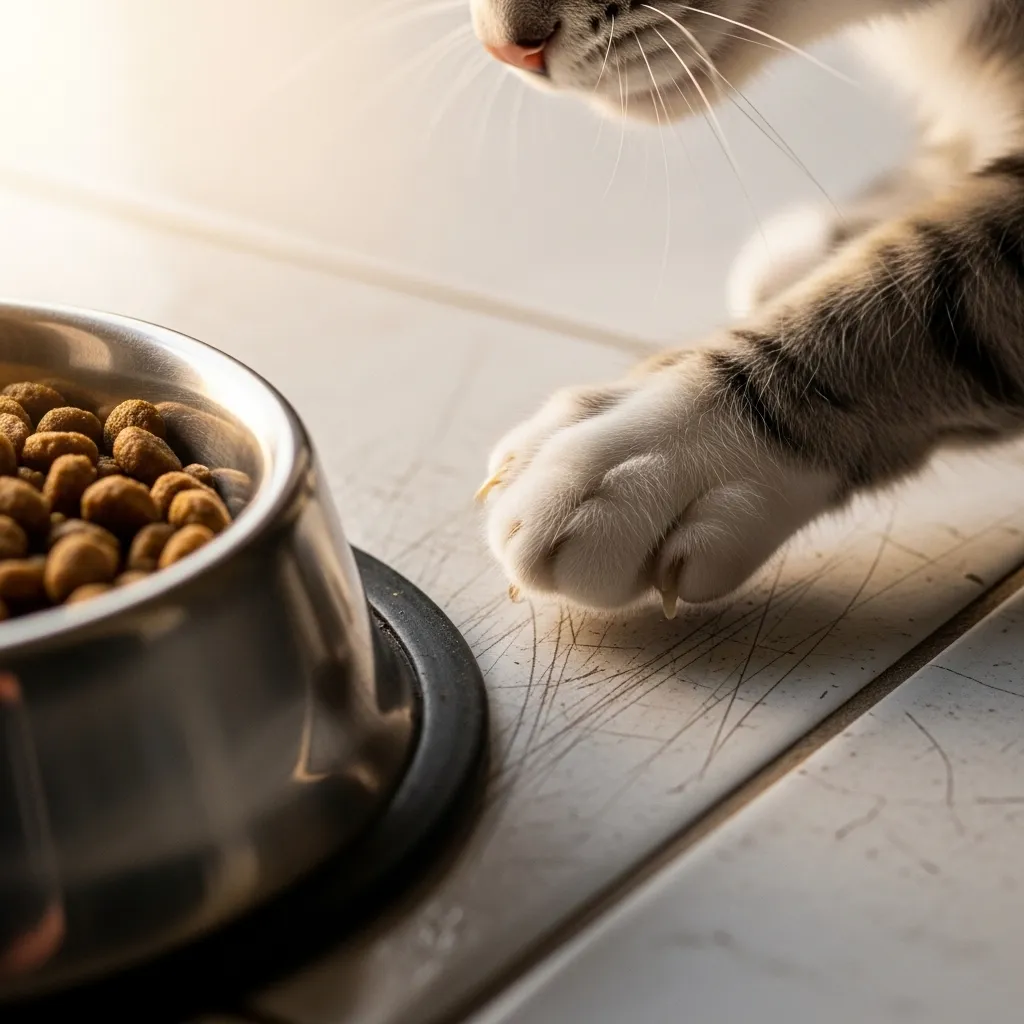
This misunderstood cat habit vigorously scratching the floor around their bowl stems from a deep-seated survival instinct. In the wild, cats would bury leftover food to hide the scent from predators and competitors, or to save it for later. Your domestic cat is performing this “caching” ritual even if they plan to eat the food.
Alternatively, it can be a sign of food rejection. They might be trying to “bury” the food they dislike as if it were waste. Consider if you’ve recently changed their diet. For help choosing the right nutrition, our guide on how to read cat food labels is an essential resource.
Affection & Communication: Love in Feline Language
Cats show love in subtle, often missed ways. What seems odd is often their most tender communication.
Kneading: Making Biscuits on Your Lap
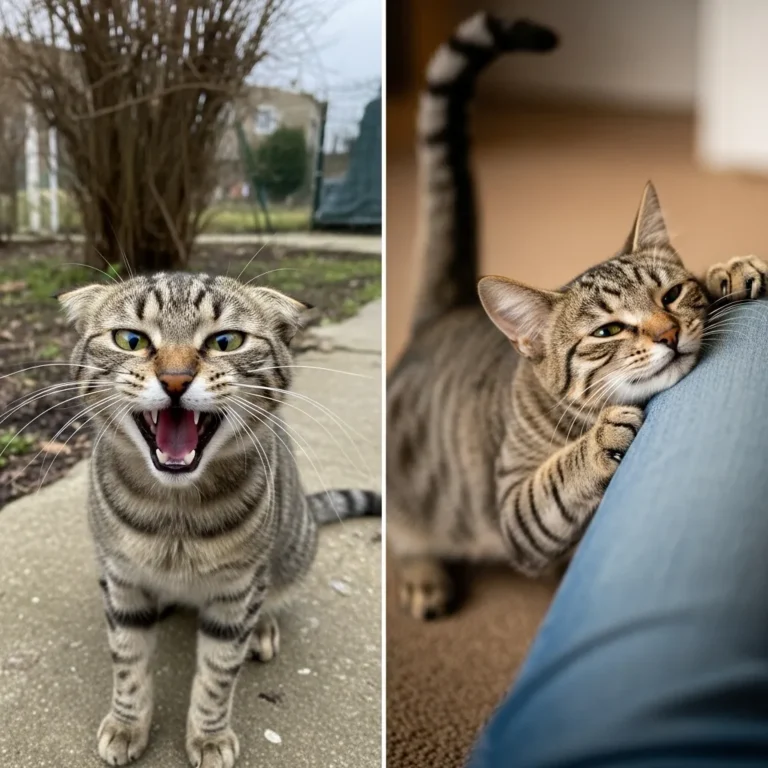
When your cat pushes their paws rhythmically against you (or a soft blanket), they’re “kneading.” This behavior originates in kittenhood. Nursing kittens knead their mother’s belly to stimulate milk flow. In adulthood, the behavior persists as the ultimate sign of contentment, comfort, and security. It’s often accompanied by purring, a trance-like expression, and even drooling. They are, in essence, reverting to a state of pure, infantile bliss in your presence. It’s also a way to mark you with scent glands in their paws, claiming you as safe and familiar.
For a deep dive into this comforting behavior in a specific breed, see our article on American Shorthair kneading.
The Slow Blink: The “Cat Kiss”
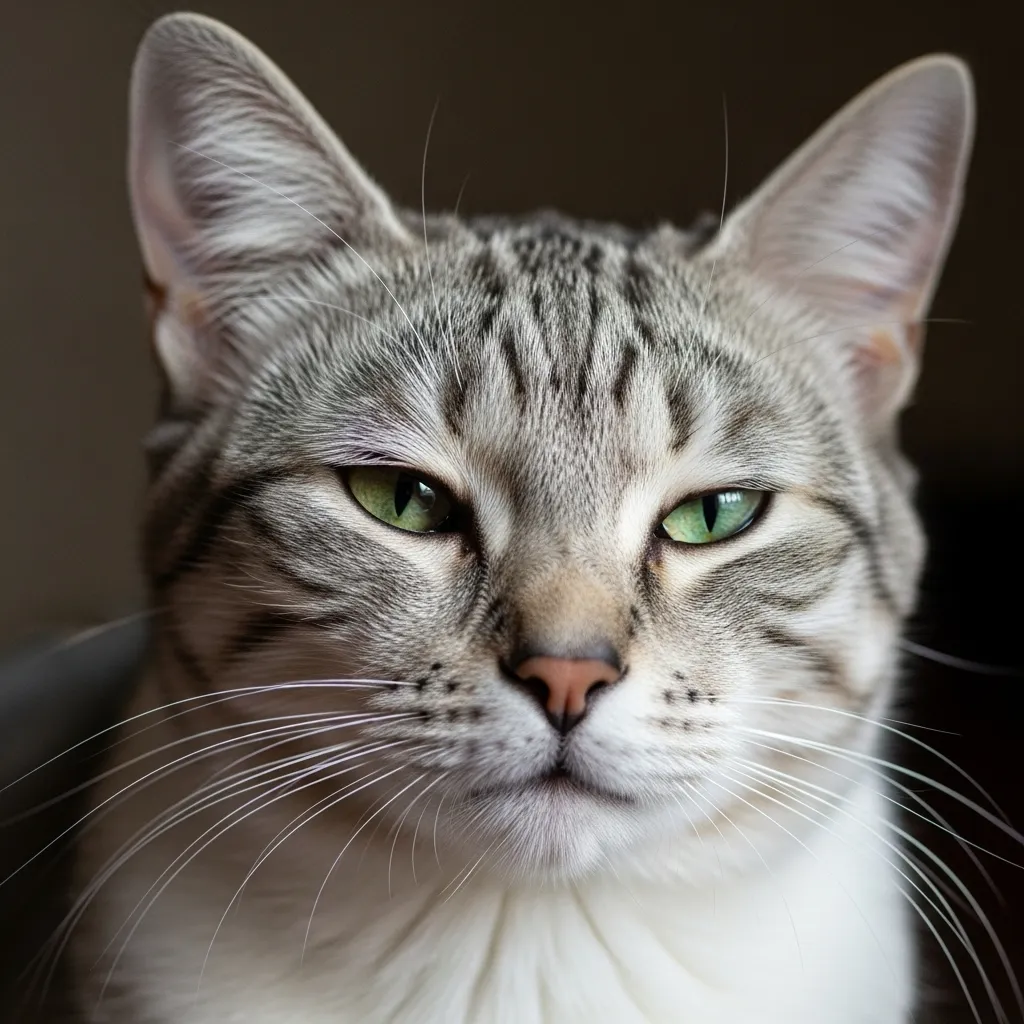
This is one of the most beautiful and misunderstood cat habits. When your cat looks at you and slowly closes and opens their eyes, they are expressing trust and affection. In cat language, closing one’s eyes in the presence of another is a sign of vulnerability and non-aggression. They feel safe enough with you to let their guard down.
You can communicate back! Try slowly blinking at your cat when you catch their gaze. Often, they will return the gesture. It’s a silent, powerful bonding moment. Learn more about building this connection in our guide to cat trust.
Head-Butting & Cheek-Rubbing: Scent Marking as Love
When your cat bumps their head against you or rubs their cheek along your leg, they are doing more than saying hello. They have scent glands in these areas and are depositing their personal pheromones on you. This “marking” behavior mixes their scent with yours, creating a communal family scent. It’s a sign of deep belonging and ownership you are part of their colony. It’s the highest feline compliment. If you’re curious about other quirky affectionate gestures, read about why cats rub on shoes.
The Nocturnal Conundrum: Why Cats Go Crazy at Night
The infamous “midnight zoomies” or sudden, frenetic activity in the early morning hours can be exhausting for owners. This pattern often stems from a mismatch between our schedules and a cat’s natural crepuscular rhythms (most active at dawn and dusk).
The Root Cause: Indoor cats often sleep all day while we’re out. By night, they have a surplus of pent-up energy with no outlet. Their natural hunting time is dawn/dusk, so 5 AM might feel like “prime time” to them.
Solutions That Work:
- Scheduled Evening Play: Engage in 15-20 minutes of vigorous, interactive play (mimicking the hunt) right before your bedtime. Follow this with a small meal. This replicates the natural hunt-eat-groom-sleep cycle, encouraging them to rest through the night.
- Environmental Enrichment: Provide self-play toys, puzzle feeders, and perches to keep them engaged during the day. A bored cat is a nocturnal menace. Our article on how to calm a hyper cat at night offers more targeted strategies.
- Ignore the Behavior: As hard as it is, responding to nighttime meows or pounces teaches them that it’s an effective way to get your attention.
Baffling Body Language & Peculiar Postures
The “Halloween Cat” Pose: It’s Not Always Fear
The arched back, puffed-up tail, and sideways stance is typically a fear or defensive response, making the cat appear larger to a threat. However, sometimes you might see this pose during a playful interaction, especially between kittens or young cats. Context is key. Look for other signs: flattened ears and dilated pupils indicate fear; a relaxed face and playful pounces indicate mock-battle.
Sitting in a Box (Or Any Small Square)
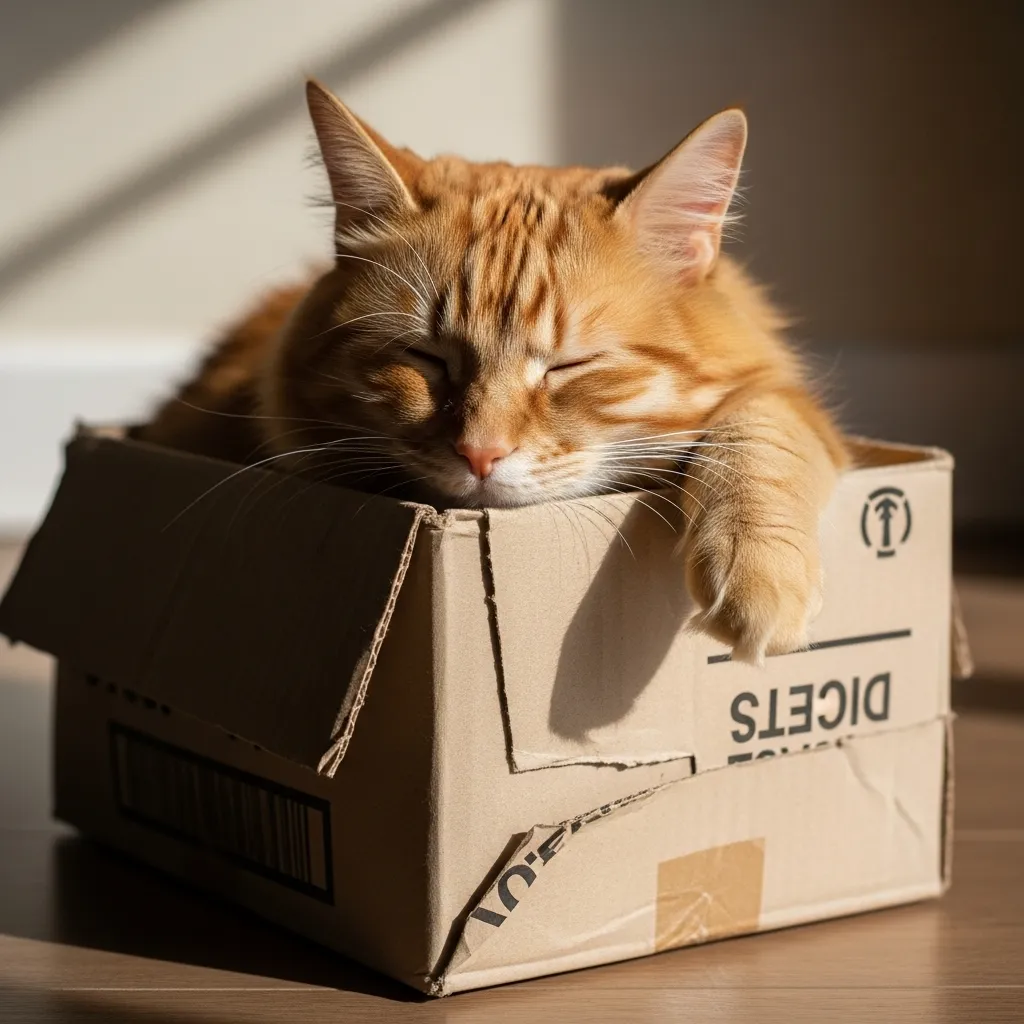
This universal misunderstood cat habit is about security and thermoregulation. A box provides defined boundaries and hiding spots, reducing environmental stress and offering a safe vantage point. It also helps conserve body heat. For cats, a confined space equals a controllable space. This is why they also love sinks, bowls, and even taped squares on the floor (a known internet phenomenon). To create the perfect safe space, get inspired by our ideas for cat nooks in small apartments.
Showing the Belly: A Trap, Not an Invitation
This is arguably the most misinterpreted signal. When a cat rolls over and exposes their belly, it is often a sign of ultimate trust they feel safe enough to show their most vulnerable area. However, for most cats, it is not an invitation for a belly rub. The belly is a sensitive area. The roll-over can be a greeting, a stretch, or a display of comfort. Reaching to pet it often triggers a defensive grab, bite, and rabbit-kick with hind legs, as their instinct to protect their vitals kicks in. Enjoy the display of trust, but pet the head or chin instead.
When Quirks Signal Concern: Habits That Merit a Vet Visit
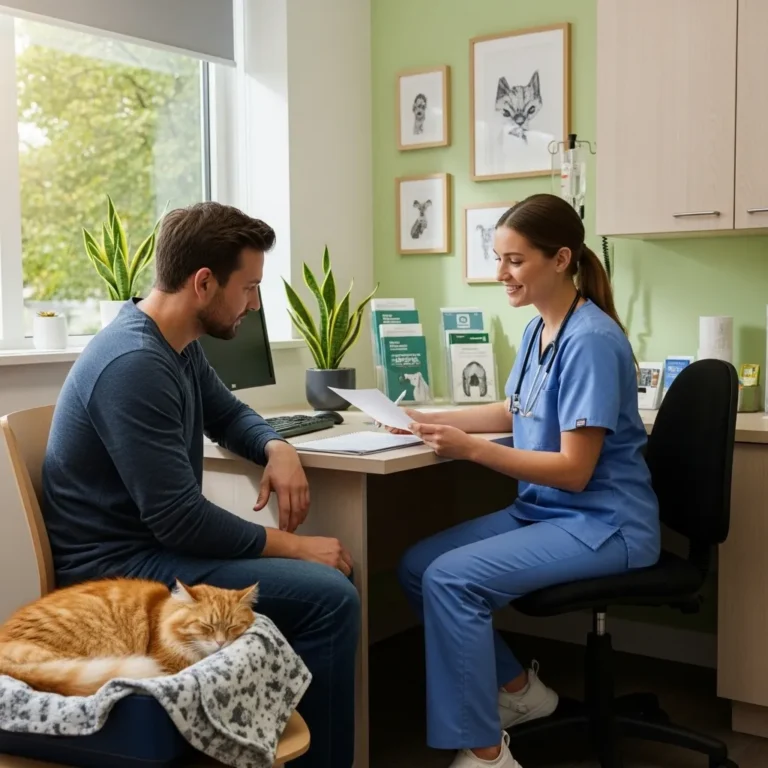
While most odd habits are benign, some can be red flags for medical or psychological issues. It’s crucial to know the difference.
| Habit | Usually Means… | Could Signal… | Action to Take |
|---|---|---|---|
| Excessive, out-of-box scratching | Normal claw maintenance, marking territory. | Fleas, skin allergies, pain, or stress. | Check for parasites, skin irritation. Consult a vet. |
| Sudden house soiling | Litter box aversion (dirty box, wrong litter). | Urinary Tract Infection (UTI), diabetes, kidney disease, arthritis pain. | Vet visit immediately to rule out medical causes first. |
| Over-grooming to baldness | Normal grooming. | Pain (e.g., arthritis), allergies, flea allergy, stress/anxiety (psychogenic alopecia). | Vet check to find source of pain or allergy. |
| Excessive vocalization at night | Boredom, attention-seeking, crepuscular rhythms. | Cognitive decline in seniors, hyperthyroidism, hypertension, pain. | Especially in older cats, a vet visit is crucial. |
| Sucking or chewing fabric | Comfort behavior (weaning too early). | Pica (eating non-food items), nutritional deficiency, anxiety. | Ensure a balanced diet. Vet check to rule out pica. |
A critical note: Any sudden, drastic change in behavior warrants a veterinary consultation. For example, a sudden increase in thirst paired with any odd habit could indicate diabetes. Explore our cat health care section for comprehensive wellness information.
FAQ: Quick Answers to Common Queries About Misunderstood Cat Habits
Q: Why does my cat follow me into the bathroom?
A: Cats are social and curious. A closed door breaks their ability to patrol their territory and monitor their colony (you). The bathroom also often has interesting water sources and your undivided attention.
Q: Why does my cat bring me dead (or alive) animals?
A: This is not a “gift” in the human sense. It’s a combination of natural hunting instinct and, behaviorists suggest, an attempt to teach you, their inept colony member, how to hunt. They may also be bringing prey to a safe, familiar place.
Q: Why does my cat stare at me?
A: Prolonged staring in cat culture can be a challenge. However, a soft gaze from your cat is often just observation and affection. If they stare while you eat, they’re likely just interested in your food. Learn what your cat might be thinking in our article what is my cat thinking?
Q: Why does my cat lick my hair or skin?
A: This is social grooming (allogrooming), a profound sign of affection and bonding reserved for family. They are treating you as part of their colony. It can also be a sign of seeking salt on your skin or, if excessive, a possible nutritional concern.
Q: Why does my cat suddenly bite me during a petting session?
A: This is known as “petting-induced aggression” or “overstimulation.” Cats have a finite threshold for tactile input. The bite is a signal that they’ve had enough. Watch for early warning signs: skin twitching, tail swishing, ears rotating sideways.
Conclusion: From Confusion to Connection
Decoding your cat’s misunderstood habits is the key to unlocking a deeper, more empathetic relationship with your feline companion. Their actions are not arbitrary; they are a complex dialogue written in instinct, scent, and subtle body language. By shifting our perspective from “What is wrong with you?” to “What are you trying to tell me?” we move from frustration to understanding.
The next time your cat engages in one of these puzzling routines, take a moment. Remember the predator, the kitten, the territorial creature, the affectionate friend that lives within them. Your response whether it’s providing more play, respecting a boundary, or simply returning a slow blink will strengthen the unique and wonderful bond you share.
Explore more expert cat care, behavior decoding, and breed-specific guides on Cat Bloom Haven. Dive deeper into feline mysteries with our related articles:
- Understand the dramatic side with Why Cats Are Dramatic.
- Solve the nighttime mysteries with Cat Howling at Night.
- Decode another common behavior in Why Cats Bring Dead Animals.