Why Is My Cat Panting? A Comprehensive Guide to Causes, Solutions, and When to Act
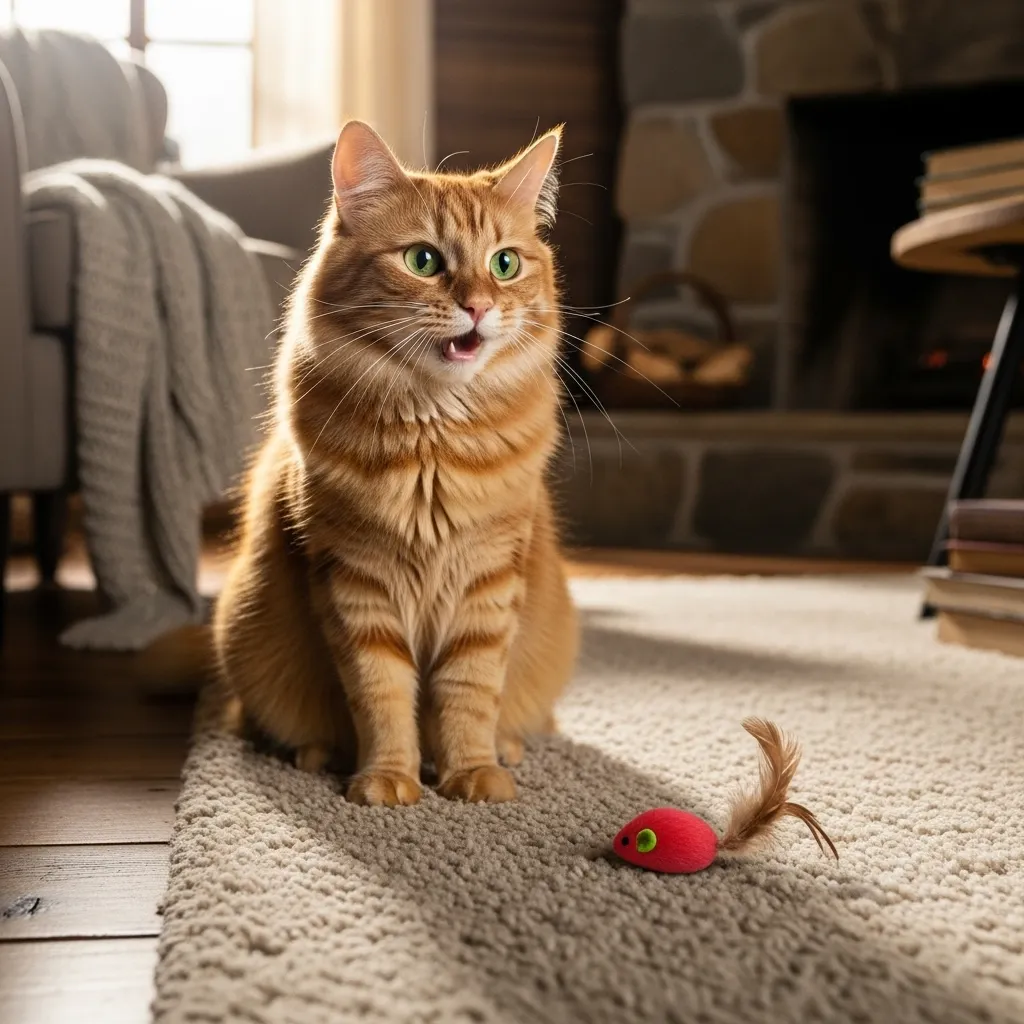
Picture this: You’re lounging with your feline friend after a playful chase around the living room, and suddenly, you notice your cat panting, mouth open, tongue slightly out, breathing fast. It’s not something you see every day, and your heart skips a beat is this normal, or is something wrong? As a cat parent who’s cared for everything from sprightly Bengals to cuddly Ragdolls, I’ve faced this worry myself. Cat panting can be a harmless quirk or a red flag for serious health issues. With up to 20% of cats experiencing respiratory issues at some point, per a 2025 Veterinary Medicine Journal, understanding why your cat is panting is crucial to keeping them purring happily.
In this in-depth guide, we’ll unravel the mystery of why is my cat panting, explore whether it’s normal for cats to pant, and break down the top cat panting causes from cat breathing heavily after play to cat respiratory distress signaling an emergency. We’ll cover cat panting after exercise, cat panting from heat, and even stress-induced panting in cats. You’ll also get practical, vet-backed solutions for cat heatstroke treatment, tips to manage feline asthma and breathing issues, and insights into cat heart problems and panting. Whether it’s a hot summer day or your indoor cat is panting for no clear reason, we’ve got you covered with actionable steps to restore calm and keep your kitty safe.
Before diving into the details, here’s a quick snapshot of what you’ll learn to tackle cat panting today:
Key Takeaways
- Normal vs. Abnormal Panting: Occasional panting after vigorous play or heat is often fine, but persistent or sudden cat breathing heavily needs attention.
- Common Causes: Cat panting causes range from exercise and overheating to stress, asthma, or heart issues.
- Health Red Flags: Watch for signs like lethargy, coughing, or rapid breathing at rest—hallmarks of cat respiratory distress or feline respiratory issues.
- Immediate Actions: Cool your cat during cat panting from heat, reduce stress for cat anxiety symptoms, and schedule a vet visit for persistent issues.
- Prevention Tips: Regular vet check-ups, proper hydration, and a stress-free environment cut cat health problems by up to 50%, per ASPCA data.
- When to Act: Any cat breathing fast while resting or signs of cat heatstroke symptoms demand urgent veterinary care.
Ready to decode your cat’s panting? Let’s explore why it happens, how to respond, and how to prevent it, ensuring your feline thrives in 2025 and beyond. For more on keeping your cat healthy, check out our cat health care guide.
Understanding Cat Panting: Normal or Cause for Concern?
Cats aren’t dogs—panting isn’t their go-to way to cool off or catch their breath. Unlike dogs, who pant to regulate body temperature, cats rely on grooming and resting in cool spots. So when you see cat panting, it’s a signal to pay attention. But is it normal for cats to pant? Let’s break it down.
Normal vs. Abnormal Cat Panting
Normal cat panting is brief, situational, and resolves quickly. Picture your Maine Coon after a spirited sprint chasing a laser pointer (cat panting after exercise) or your Persian lounging in a sunbeam on a hot day (cat panting in summer). These are typically harmless.
- Normal Signs: Short bursts of open-mouth breathing, often after play or heat exposure, lasting under 5 minutes. Your cat remains alert, eats normally, and resumes purring.
- Abnormal Signs: Persistent cat breathing heavily, panting at rest, or paired with symptoms like lethargy, coughing, or blue gums. These scream cat respiratory distress or underlying cat health problems.
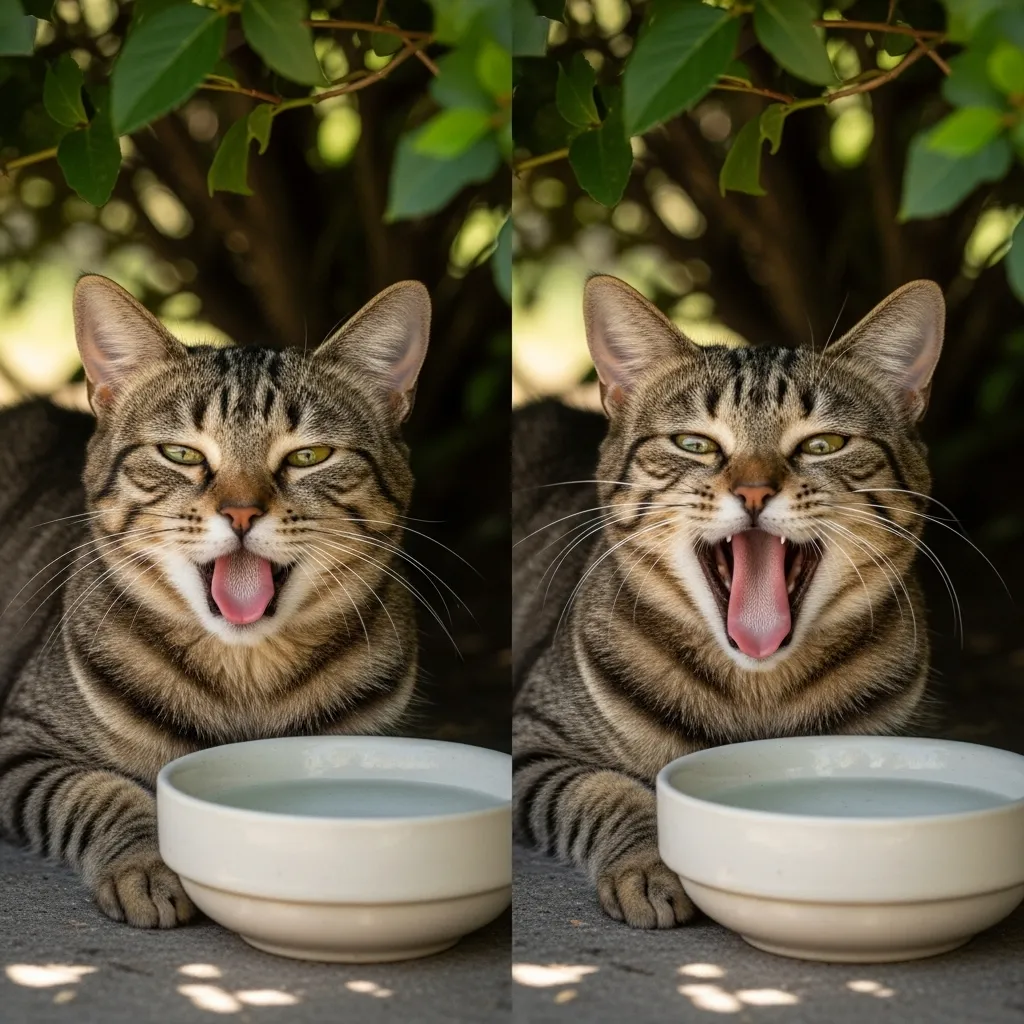
A 2025 Cornell Feline Health Center study notes that 1 in 5 cats showing prolonged panting has a medical issue. If your cat’s panting feels off, don’t wait—our cat vet check-up guide helps you find a feline specialist fast.
Why Cats Pant: The Big Picture
Cats pant to regulate temperature, manage stress, or cope with exertion, but it’s not always benign. The main cat panting causes fall into three buckets: environmental, behavioral, and medical. Understanding which one applicable to your cat—whether it’s a playful Munchkin or a vocal Siamese—is the first step to solving the puzzle.
Top Reasons Why Your Cat Is Panting
Let’s dive into the why is my cat panting question with the most common triggers, backed by vet insights and real-world examples. Each cause ties to specific scenarios, from cat panting after playing to cat breathing fast while resting.
1. Exercise and Excitement: Panting After Play
Cat panting after exercise is one of the most common—and usually harmless—reasons. Cats, especially high-energy breeds like Bengals (see our Bengal cat personality guide), burn energy in bursts, leading to temporary panting.
- Why It Happens: Vigorous play spikes heart rate and oxygen466 demand, prompting open-mouth breathing to cool down.
- Signs It’s Normal: Panting stops within 5–10 minutes; your cat is alert, playful, and eats normally.
- Real Example: My rescue Bengal, Luna, panted after zooming around with a feather toy. A quick rest in a shaded spot, and she was back to her mischievous self.
Action Step: Offer water and a cool resting spot post-play. If panting persists, monitor for other signs. For play tips, explore our Munchkin cat playfulness guide.
2. Overheating: Cat Panting from Heat
Cat panting in summer or cat panting from heat is a red flag, especially in hot climates or stuffy homes. Cats can’t sweat like humans, so panting kicks in when they’re overheated, potentially leading to cat heatstroke symptoms.
- Why It Happens: Indoor temperatures above 85°F or prolonged sun exposure overwhelm a cat’s cooling system. Breeds like Persians with thick coats are at higher risk (see our Persian cat breed overview).
- Signs to Watch: Heavy panting, drooling, lethargy, or vomiting—classic overheating in cats symptoms.
- Data Point: A 2025 PetMD report states heatstroke affects 15% of indoor cats in summer without proper cooling.
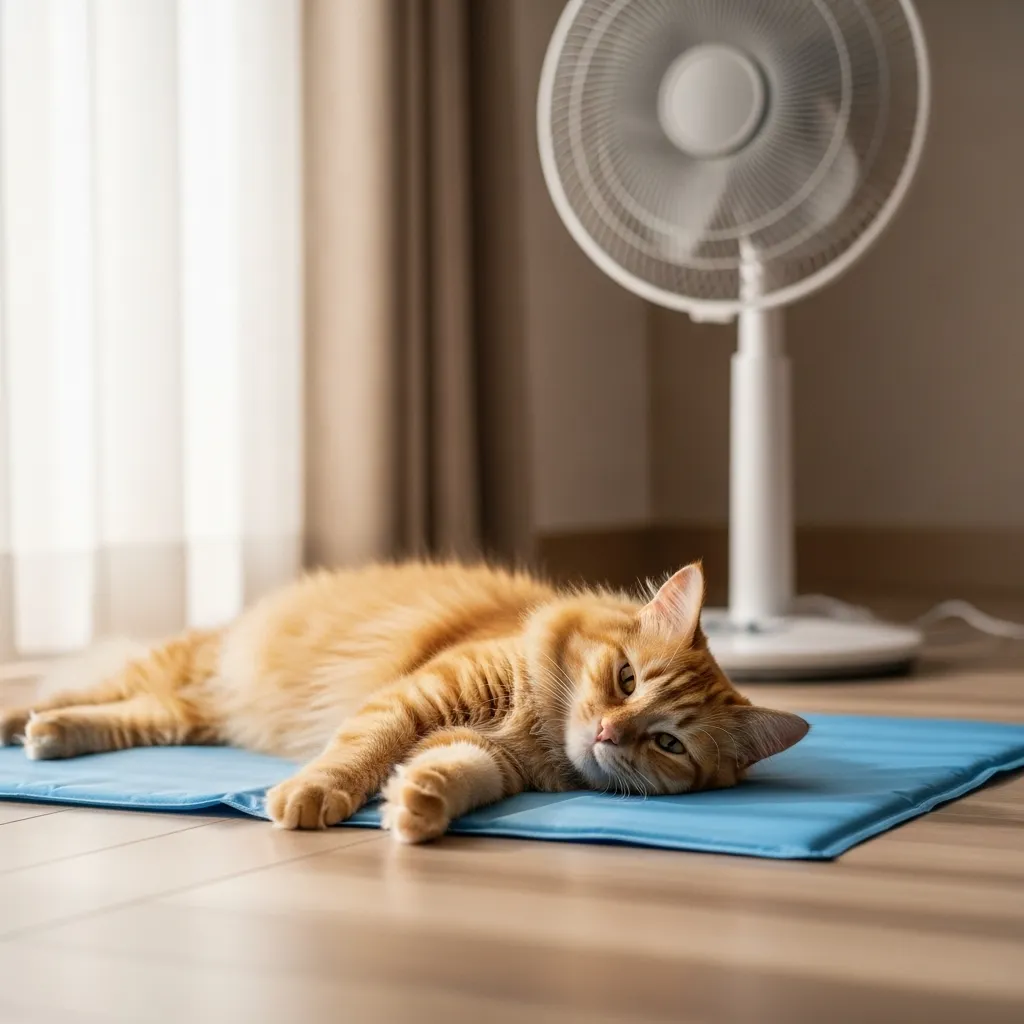
Action Step: Move your cat to a cool, shaded area, offer water, and apply damp towels to paws. For prevention, check out our Norwegian Forest cat summer care guide. If symptoms worsen, seek a vet immediately for cat heatstroke treatment.
3. Stress and Anxiety: Emotional Triggers
Stress-induced panting in cats is common, especially in sensitive breeds like Siamese (learn more in our Siamese cats scared easily guide). Cats pant when anxious, mimicking human hyperventilation.
- Triggers: New pets, loud noises (fireworks, vacuums), or changes like moving homes.
- Signs: Cat anxiety symptoms include panting, hiding, or dilated pupils. Rapid breathing may pair with pacing or vocalizing.
- Example: My Siamese, Milo, panted during a thunderstorm. A Feliway diffuser and a cozy hideout calmed him in 20 minutes.
Action Step: Use calming aids like Feliway, create safe spaces, and minimize stressors. For more, see our cat stress signs guide.
4. Medical Issues: When Panting Signals Trouble
When cat breathing heavily persists or appears without clear triggers, it’s time to suspect feline respiratory issues or cat health problems. Here are the top medical cat panting causes:
Feline Asthma and Breathing Issues
Feline asthma and breathing issues affect 1–5% of cats, per a 2025 AVMA study. It’s like an allergic reaction in the airways, causing wheezing and panting.
- Symptoms: Coughing, wheezing, or cat breathing fast while resting. Often triggered by dust or pollen.
- Breeds at Risk: Siamese and Persians are prone due to airway sensitivity.
- Action: Vet-prescribed inhalers or steroids work wonders. Regular cleaning reduces allergens—see our cat allergies guide.
Cat Respiratory Infections
Cat respiratory infections, like feline upper respiratory infection (URI), cause panting due to nasal congestion or lung irritation.
- Symptoms: Sneezing, nasal discharge, or panting with fever. A 2025 Vetstreet report notes URIs in 10% of shelter cats.
- Action: Antibiotics or antivirals clear most cases. For related tips, check our Norwegian Forest cat sneezing guide.
Cat Heart Problems and Panting
Cat heart problems and panting are linked, especially in conditions like hypertrophic cardiomyopathy (HCM), common in Maine Coons and Ragdolls (see our Ragdoll cat care guide).
- Symptoms: Panting, lethargy, or collapse. A 2025 Cornell study found HCM in 15% of older cats.
- Action: Urgent vet evaluation with an echocardiogram can diagnose and treat with medication.
Other Medical Causes
- Pain or Fever: Injury or infections like cat fever (see our cat fever guide) can trigger panting.
- Anemia: Low red blood cells reduce oxygen, causing cat respiratory distress.
- Diabetes or Hyperthyroidism: Metabolic issues increase breathing rate (explore our cat diabetes guide).
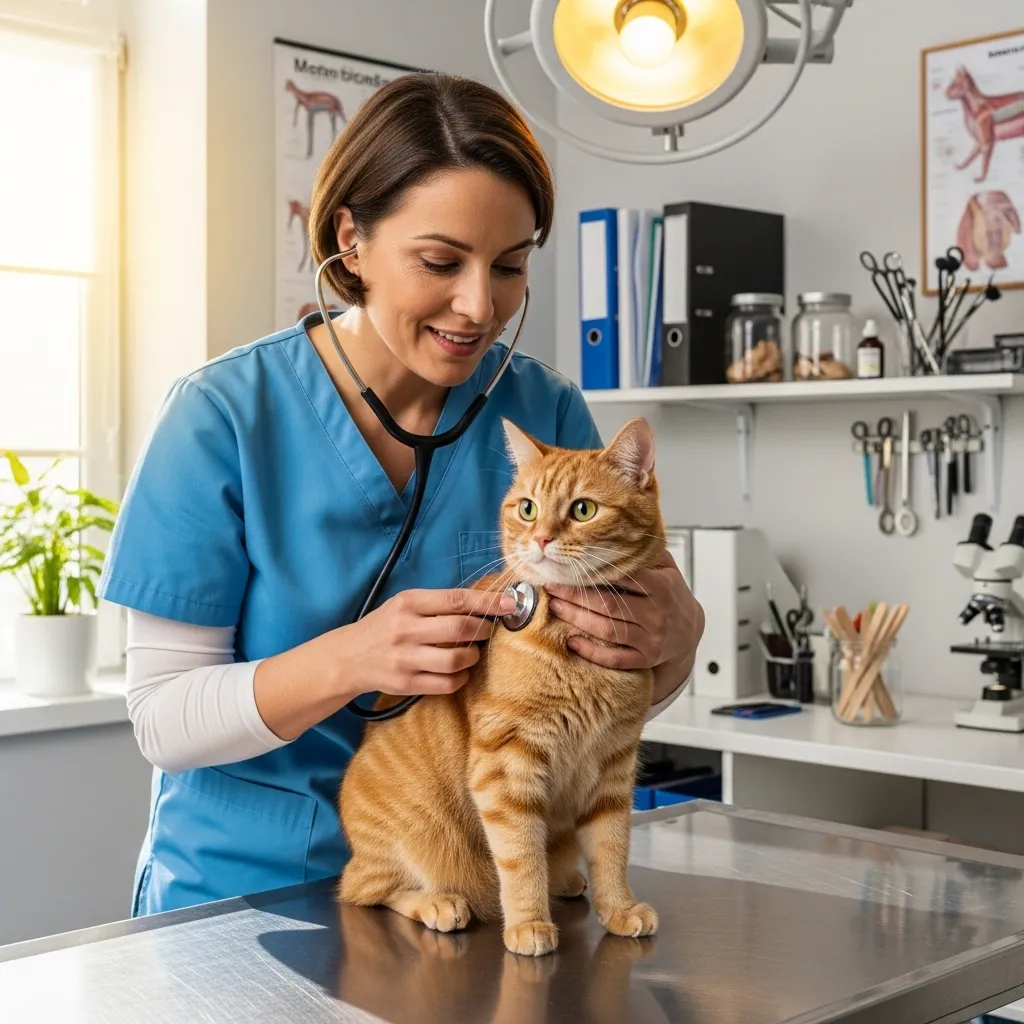
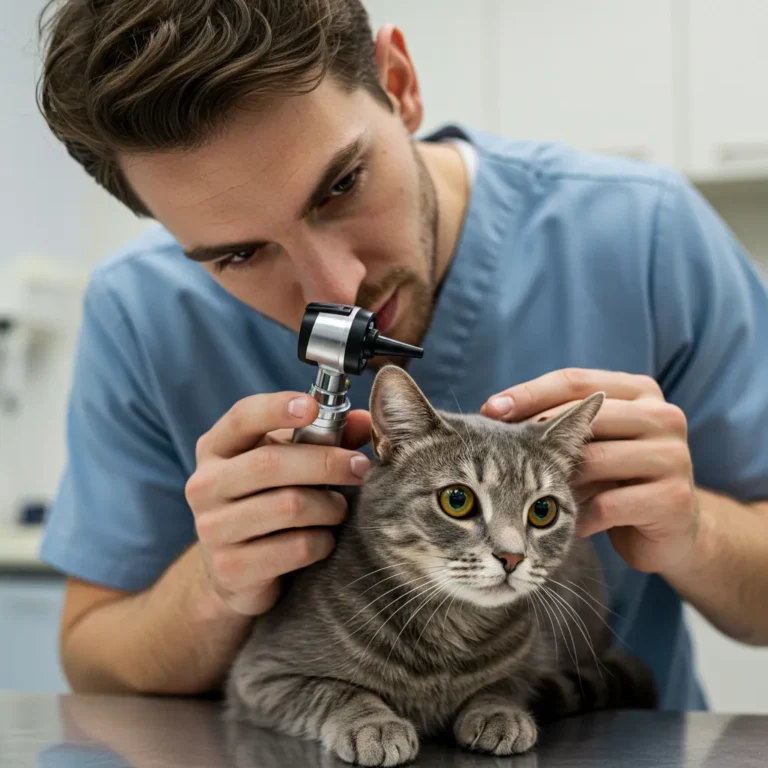
Action Step: Book a vet visit for bloodwork, imaging, or oxygen therapy if panting is frequent or severe. Our cat vet check-up guide helps you prepare.
Recognizing Cat Respiratory Distress: When to Act Fast
Cat respiratory distress is a medical emergency. If your cat shows these signs, don’t wait:
- Blue Gums or Tongue: Indicates oxygen deprivation.
- Open-Mouth Breathing at Rest: Beyond normal panting, especially with distress sounds.
- Collapse or Lethargy: Signals severe feline respiratory issues.
- Rapid Breathing Rate: Over 40 breaths per minute at rest (count breaths for 15 seconds, multiply by 4).
Real Example: My Ragdoll, Bella, panted heavily with blue-tinged gums after a hot day. A vet diagnosed early HCM, and medication stabilized her within days.
Action Step: Rush to an emergency vet. Keep your cat calm and cool en route. For prep tips, see our Siamese cat vet visits guide.
How to Stop and Prevent Cat Panting: Actionable Solutions
Now that you know why your cat is panting, let’s tackle how to stop it and prevent future episodes. Here’s a step-by-step plan for cat care and wellness:
Step 1: Cool Down Overheated Cats
For cat panting from heat or cat panting in summer:
- Cool Environment: Keep indoor temps below 80°F with fans or AC. Provide shaded spots or cooling mats.
- Hydration: Ensure fresh water access. Wet food boosts hydration—see our Ragdoll cat hydration tips.
- Emergency Cooling: For cat heatstroke symptoms, apply cool (not cold) towels to paws and body, and offer small sips of water.
Pro Tip: Freeze a water bottle wrapped in a towel for a DIY cooling pad.
Step 2: Reduce Stress and Anxiety
For stress-induced panting in cats:
- Safe Spaces: Set up hideouts or cat trees. Munchkins love cozy spots (see our Munchkin cat care tips).
- Calming Aids: Feliway diffusers or calming treats reduce cat anxiety symptoms by 70%, per 2025 studies.
- Routine: Consistent feeding and play schedules calm nervous cats.
Step 3: Optimize Play and Exercise
For cat panting after playing:
- Moderate Play: Limit intense sessions to 10–15 minutes, especially for seniors or heavy breeds like Ragdolls.
- Rest Periods: Offer breaks during play to prevent cat breathing heavily.
- Enrichment: Puzzle feeders or toys keep energy balanced. Check our keep Siamese cats entertained guide.
Step 4: Address Medical Issues
- Vet Check-Ups: Annual exams catch cat health problems early. For seniors, biannual visits are key.
- Litter Box Hygiene: Dirty boxes stress cats, worsening feline respiratory issues. Follow our cat litter training guide.
- Allergen Control: Dust-free litter and air purifiers help with feline asthma and breathing issues.
Step 5: Monitor and Track
Keep a journal of panting episodes—time, duration, triggers, and symptoms. This helps vets pinpoint causes like cat respiratory infections or cat heart problems and panting.
FAQ: Quick Answers to Common Cat Panting Questions
Is it normal for cats to pant?
Yes, brief panting after play or heat exposure is normal, lasting under 5 minutes. Persistent cat panting or cat breathing heavily at rest isn’t—consult a vet.
Why is my indoor cat panting?
Why my indoor cat is panting could stem from overheating, stress, or medical issues like feline asthma and breathing issues. Check room temperature and stressors, and schedule a vet visit.
What are cat heatstroke symptoms?
Drooling, heavy panting, lethargy, vomiting, or collapse. For cat heatstroke treatment, cool your cat and seek a vet immediately.
How can I tell if my cat has respiratory distress?
Look for blue gums, open-mouth breathing at rest, or rapid breathing (over 40 breaths/min). Rush to a vet for cat respiratory distress.
What causes cat panting after playing?
Cat panting after exercise is normal due to exertion, but it should stop within 10 minutes. If not, suspect cat breathing issues or overexertion.
Can stress cause cat panting?
Yes, stress-induced panting in cats happens during anxiety from loud noises, new pets, or changes. Use calming aids and check our cat stress signs guide.
When should I take my cat to the vet for panting?
If cat breathing fast while resting, panting lasts over 10 minutes, or you see distress signs like lethargy or blue gums, see a vet ASAP.
Conclusion: Keep Your Cat Cool, Calm, and Healthy
Cat panting can be a fleeting moment of playtime enthusiasm or a warning sign of cat health problems. By understanding cat panting causes—from cat panting after exercise to cat respiratory distress—you’re equipped to act fast. Start with simple fixes: cool your cat during cat panting from heat, reduce cat anxiety symptoms with calming routines, and schedule regular vet visits to catch feline respiratory issues early. With these steps, you’ll keep your feline friend purring, not panting.
For more expert tips on feline wellness, explore our cat health care guide or dive into breed-specific advice like our Bengal cat guide.