The Purr-fectly Dramatic Cat: Why Your Feline Stars in Daily Soap Operas (And What You Can Do)
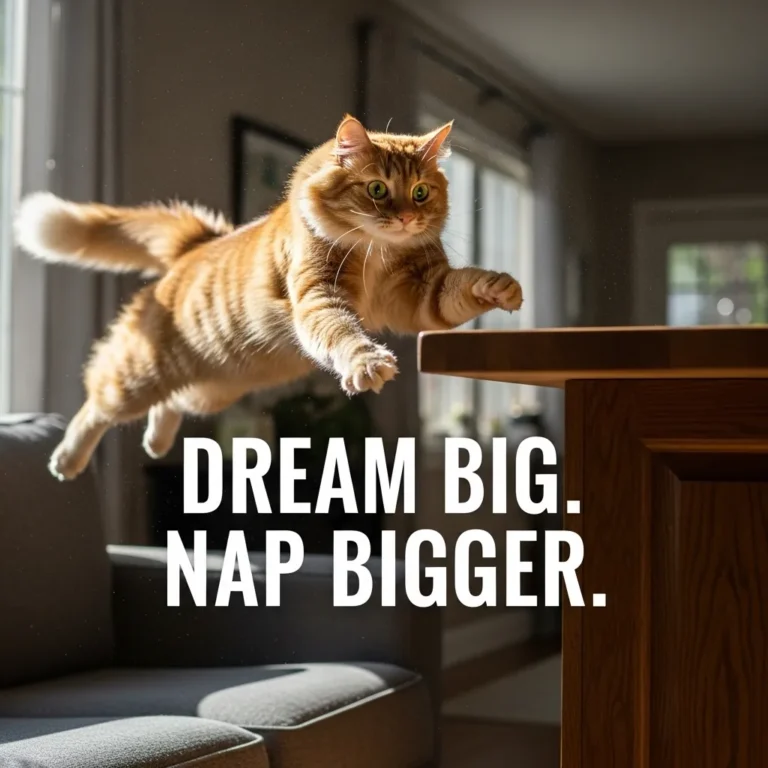
Has your cat ever dramatically flopped over and refused to move because you moved their bed two inches? Have you been subjected to a piercing, operatic meow session for the crime of closing the bathroom door? If you’ve ever sighed and asked, “Why is my cat being so dramatic for no reason?” congratulations. You are living with a tiny, furry thespian whose entire life is a one-cat show.
While it may seem like your cat’s dramatic outbursts are performed just to keep you on your toes, there’s almost always a logical (in feline terms) explanation. From deep-seated evolutionary instincts to supersensory perception, what we see as “drama” is your cat’s way of communicating, coping, and controlling their world. This guide will pull back the curtain on your cat’s most theatrical moments, decode what they truly mean, and offer expert-backed strategies to live harmoniously with your resident drama queen (or king).
Key Takeaways
- There’s Always a Reason: Feline drama is rarely arbitrary. It’s driven by instinct, hyper-acute senses, stress, or unmet needs.
- Communication is Key: Dramatic behavior is a form of communication. Your cat may be saying, “I’m bored,” “I’m stressed,” “This smells wrong,” or “Pay attention to me now.”
- Breed Plays a Role: Some breeds, like the vocal Siamese or the high-energy Bengal, are genetically predisposed to more expressive (read: dramatic) behavior.
- Rule Out Health Issues First: A sudden increase in dramatic reactions, especially vocalization or aggression, can signal pain or illness and warrants a vet visit.
- You Can Manage the Mayhem: Through environmental enrichment, consistent routines, and positive reinforcement, you can reduce stress-induced drama and redirect your cat’s energy.
Image suggestion: A close-up photo of a cat with wide, “shocked” eyes, perhaps with a hand slightly out of frame as if it just touched them. Alt text: “A cat displaying a dramatically shocked expression, a common sight for owners.”
Unpacking the Feline Drama Queen: It’s Not “For Nothing”
To understand the drama, we must first step into their paws. Cats are not small dogs; their behavior is rooted in a different evolutionary path as both predator and prey. What seems like an overreaction to us is often a hardwired survival mechanism kicking in.
- The Predator-Prey Paradox: Cats are finely tuned hunting machines. A sudden noise, an unexpected shadow, or a new object can trigger their “hunt or be hunted” reflex. That dramatic leap into the air when a cucumber is placed behind them? It’s not about the cucumber; it’s the primal shock of an unidentified object suddenly appearing in their “safe” space.
- Sensory Overload: Your cat’s world is one of intense detail. Their hearing picks up frequencies you can’t, their sense of smell is 14 times stronger than ours, and their vision is fine-tuned for detecting the slightest motion. The “dramatic” stare at an empty wall might be them tracking a tiny insect or hearing the hum of electronics that drives them subtly crazy.
- The Importance of Routine and Territory: Cats are creatures of profound habit. They are territorial animals who find immense comfort in a predictable environment. A moved piece of furniture, a new smell, or a change in your daily schedule isn’t a minor inconvenience it’s a perceived threat to their entire world map. Their dramatic reaction (hiding, spraying, excessive meowing) is a stress response to this disruption.
Decoding the Top 5 Dramatic Scenes in Your Home
Let’s translate some of the most common Oscar-worthy performances.
Scene 1: The Bathroom Guard
Your cat becomes a wailing, pawing barrier the moment you close the bathroom door. This isn’t just curiosity; it’s often separation anxiety or confused territorial instincts. You, their favorite human, have vanished into a small, enclosed part of their territory. The drama is a mix of “Where did you go?” and “Let me in to secure this area!” For a deeper dive, explore our article on Why Does My Cat Guard My Bedroom Door? which covers similar territorial behaviors.
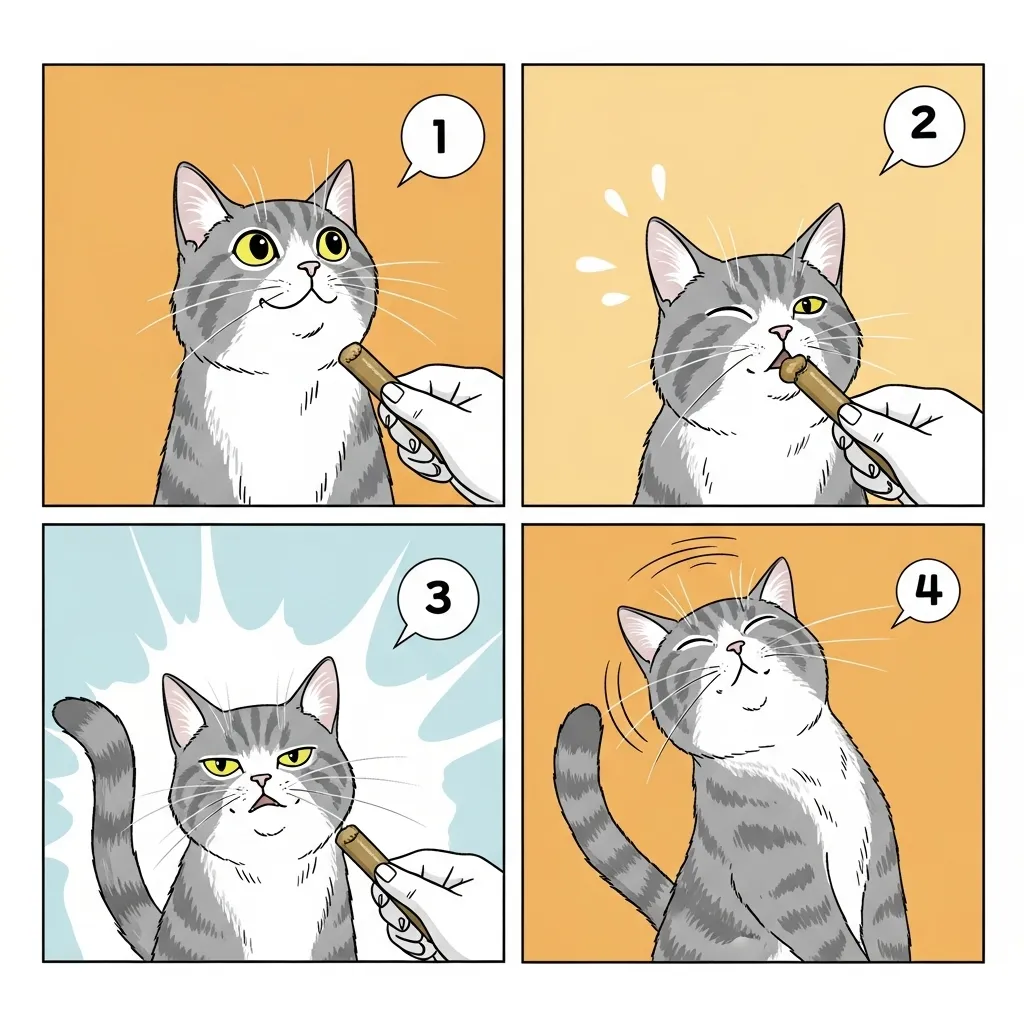
Scene 2: The Treat Snub
You offer a favorite treat, and your cat sniffs it delicately before turning away with a look of utter betrayal. This dramatic refusal can be due to a sensitive sense of smell (the treat might be stale or have a faint “off” odor to them) or a learned behavior. They may have learned that refusing the first offering sometimes leads to an even better second offering.
Scene 3: The Midnight Cries of Agony
The plaintive, loud meowing at 3 AM. While sometimes a sign of cognitive issues in older cats, in younger ones it’s usually a combination of natural nocturnal activity and learned attention-seeking. Your cat’s internal clock says it’s hunt-and-play time. If you’ve ever gotten up to feed or play with them during these serenades, you’ve reinforced the behavior.
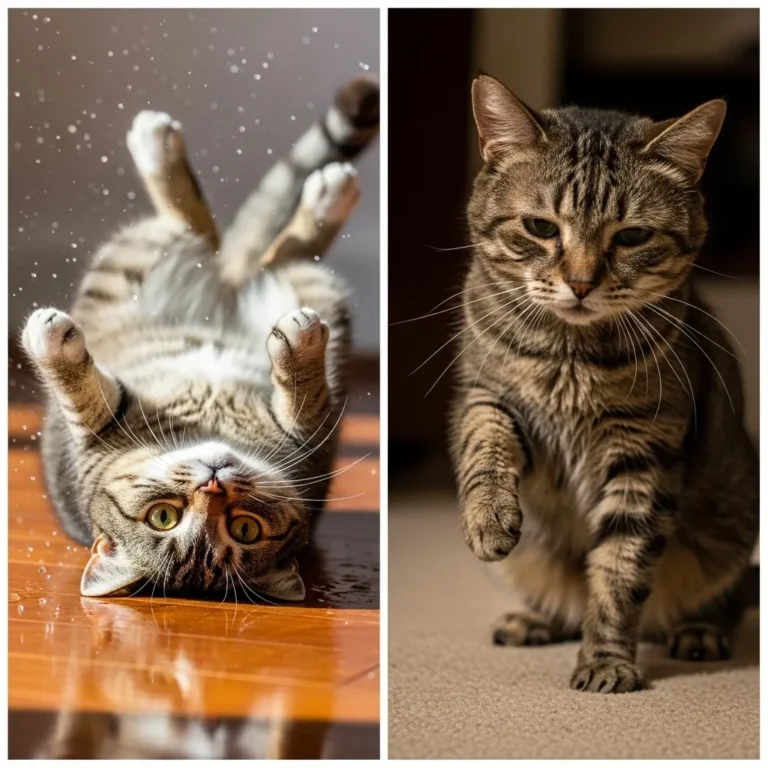
Scene 4: The Sudden Floor Flop
You’re walking, and your cat darts in front of you to dramatically flop onto their side or back, blocking your path. This is often a playful, attention-seeking gesture, not an attempt to trip you. They are presenting themselves for interaction a belly rub (proceed with caution!) or a playful stroke. It’s their way of saying, “Notice me!”
Scene 5: The Silent Treatment After the Vet
You return from the vet, and your cat ignores you for hours, sitting with their back pointedly toward you. This is a classic display of feline displeasure and stress. You have betrayed their trust by taking them to a scary place filled with strange smells (like the dreaded vet smell). They associate you with that stressful event. It’s a non-aggressive way of telling you they are upset. Tips on helping them recover can be found in our guide on How to Remove Vet Smell from Your Cat.
A Breed-Specific Guide to Drama
While every cat is an individual, breed tendencies can paint a broad picture of what kind of “drama” you might expect.
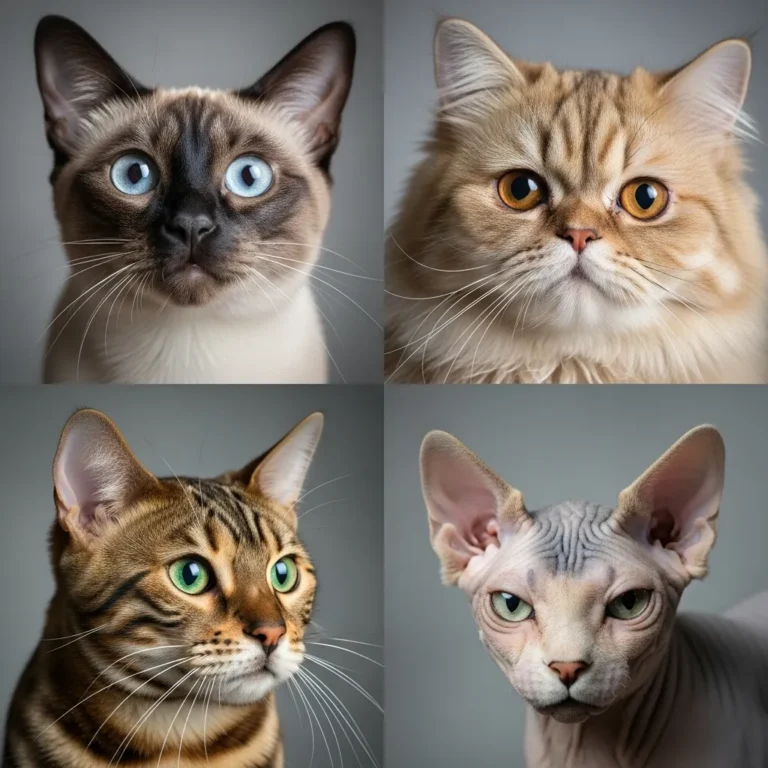
| Breed | Dramatic Flair | Likely Manifestation | Internal Link for More Info |
|---|---|---|---|
| Siamese | The Vocal Virtuoso | Loud, persistent “conversations,” dramatic complaints if ignored. Highly social and opinionated. | Explore the Siamese Cat Breed personality. |
| Bengal | The Stunt Performer | High-energy chaos, dramatic leaps, and intense curiosity. Boredom leads to destructive drama. | Learn about managing their energy in the Bengal Cat Personality guide. |
| Ragdoll | The Limp Tragic Hero | Famous for going completely floppy when held (the “ragdoll” flop). May dramatically flop at your feet for attention. | Discover their gentle nature in the Ragdoll Cat Breed profile. |
| American Shorthair | The Subtle Thespian | More likely to use dramatic stares and pointed silence. Their “playful personality” can include mischievous, meme-worthy antics. | See examples in our American Shorthair Playful Personality article. |
| Persian | The Diva | Drama through fastidiousness and sensitivity. May dramatically refuse to walk on certain surfaces or react strongly to a disrupted grooming routine. | Understand their needs in the Persian Cat Breed overview. |
For a complete look at how different personalities fit different homes, check out our master guide on Cat Breeds & Personalities.
When Drama is a Cry for Help: The Vet Check
It’s crucial to distinguish between behavioral drama and a medical emergency. A sudden, uncharacteristic increase in dramatic behavior is your cat’s only way to say something hurts.
Consult a veterinarian if your cat’s “drama” includes:
- Sudden aggression or hiding when touched in a specific area.
- Dramatic vocalization (howling, crying) while using the litter box, which could indicate a urinary blockage or other cat urinary health issue.
- Refusing food or treats they normally love, especially if combined with lethargy.
- Excessive startle responses or seeming disoriented.
A thorough check-up can rule out problems like dental pain, arthritis, hyperthyroidism, or other underlying cat health care issues. Finding a vet who understands feline behavior is key, as outlined in our guide on Finding the Best Vet for Your Cat.
How to (Gently) Direct the Drama
You can’t eliminate your cat’s innate personality, but you can provide an outlet that minimizes stress-based drama.
- Predictability is Peace: Feed, play, and engage in rituals like grooming at consistent times. This reduces anxiety-driven drama.
- Enrich Their Environment: Combat boredom (a prime drama catalyst) with puzzle feeders, cat trees, window perches, and regular play sessions that mimic the hunt (e.g., wand toys). A tired cat is a less dramatically bored cat.
- Respect the “No”: If your cat dramatically swats or runs away during petting, don’t force it. They are communicating a boundary. Learn their body language.
- Use Positive Reinforcement: Reward calm, quiet behavior with treats and attention. Ignore (safely) the 3 AM operatics. Getting up only teaches them that meowing works.
- Provide Safe Havens: Ensure your cat has access to high perches and cozy, enclosed beds where they can retreat and feel secure. Discover the Best Beds for American Shorthair Cats for ideas that many breeds love.
Conclusion: Embrace the Show
Your cat’s dramatic flair is a testament to their complex inner world. By learning to speak their language, you transform from a confused audience member into a savvy director. You’ll start to see the method behind the madness the instinct, the communication, the sheer feline-ness of it all. The spilled water glass becomes a story of curiosity; the midnight yowl, a call to play. In understanding their drama, we deepen our bond with these captivating, mysterious creatures who grace our homes.
Ready for more insights into your cat’s captivating behavior? Explore our full library of expert cat care and behavior guides right here on Cat Bloom Haven. From decoding cat tail language to laughing along with the latest cat chaos memes, we’re here to help you every step of the way.
Frequently Asked Questions (FAQ)
Q: Why does my cat meow dramatically at its empty food bowl right after eating?
A: This is often habitual or attention-seeking behavior, not hunger. Your cat has learned that vocalizing at the bowl sometimes results in more food, treats, or your attention. Stick to a consistent feeding schedule and avoid rewarding the meowing.
Q: Is it true that some cat breeds are more dramatic than others?
A: Yes, absolutely. Breeds like Siamese and Bengal are known for being more vocal, active, and demanding—traits owners often interpret as “dramatic.” More laid-back breeds like Persians or British Shorthairs tend to express displeasure more quietly.
Q: My cat has a dramatic zoomie session every night. Is this normal?
A: Yes, these sudden bursts of energy (often called “frapping” or “zoomies”) are completely normal. They are a way for cats to release pent-up energy. Ensuring they have vigorous play sessions during the evening can help reduce the intensity or frequency of midnight zoomies.
Q: Why does my cat act dramatically hurt if I gently move them off my lap?
A: This is a combination of being deeply relaxed (sleepy) and expressing displeasure at being disturbed. The dramatic sigh, stretch, or slow walk away is their way of showing they were comfortable and you ruined it. It’s a feline protest, not actual pain.
Q: How can I tell if my cat’s drama is a sign of illness?
A: Look for changes in baseline behavior and accompanying physical symptoms. Sudden drama paired with hiding, changes in appetite or litter box habits, excessive grooming, or visible discomfort (limping, squinting) are red flags. When in doubt, a vet visit is always the safest choice.