How to Get Rid of Vet Smell from Cat: Proven Solutions for a Fresh, Happy Feline
You’ve just brought your cat home from the vet, and instead of their usual cozy scent, there’s an unfamiliar whiff antiseptic, medicinal, maybe even a hint of stress. That lingering vet smell on your cat can be unsettling for both you and your feline friend. Whether it’s your playful Maine Coon or a sensitive Siamese, the post-vet odor can disrupt their comfort and your home’s harmony.
As a cat parent who’s tackled this with my own rescues, I know the frustration of wondering, why does my cat smell after the vet? More importantly, you want solutions safe, effective ways to remove vet smell from cat and restore that familiar purr-worthy freshness.
In this comprehensive guide, we’ll dive into how to get rid of vet smell from cat with practical, vet-approved methods. From understanding why cats smell bad after vet visits to mastering cat odor management with home remedies for cat smell, we’ve got you covered. Expect actionable steps, expert insights, and 2025-trending tips like cat calming sprays and holistic cat wellness to ensure your cat feels at ease. We’ll also tackle cat anxiety post vet and share cat grooming tips to prevent future odor woes. By the end, you’ll have a step-by-step plan to neutralize vet smell on cat and keep your feline thriving.
Here’s a quick roadmap to get started:
Key Takeaways for Removing Vet Smell from Cat
- Identify the Cause: Vet smells stem from antiseptics, stress, or medical treatments. Pinpointing the source guides your approach.
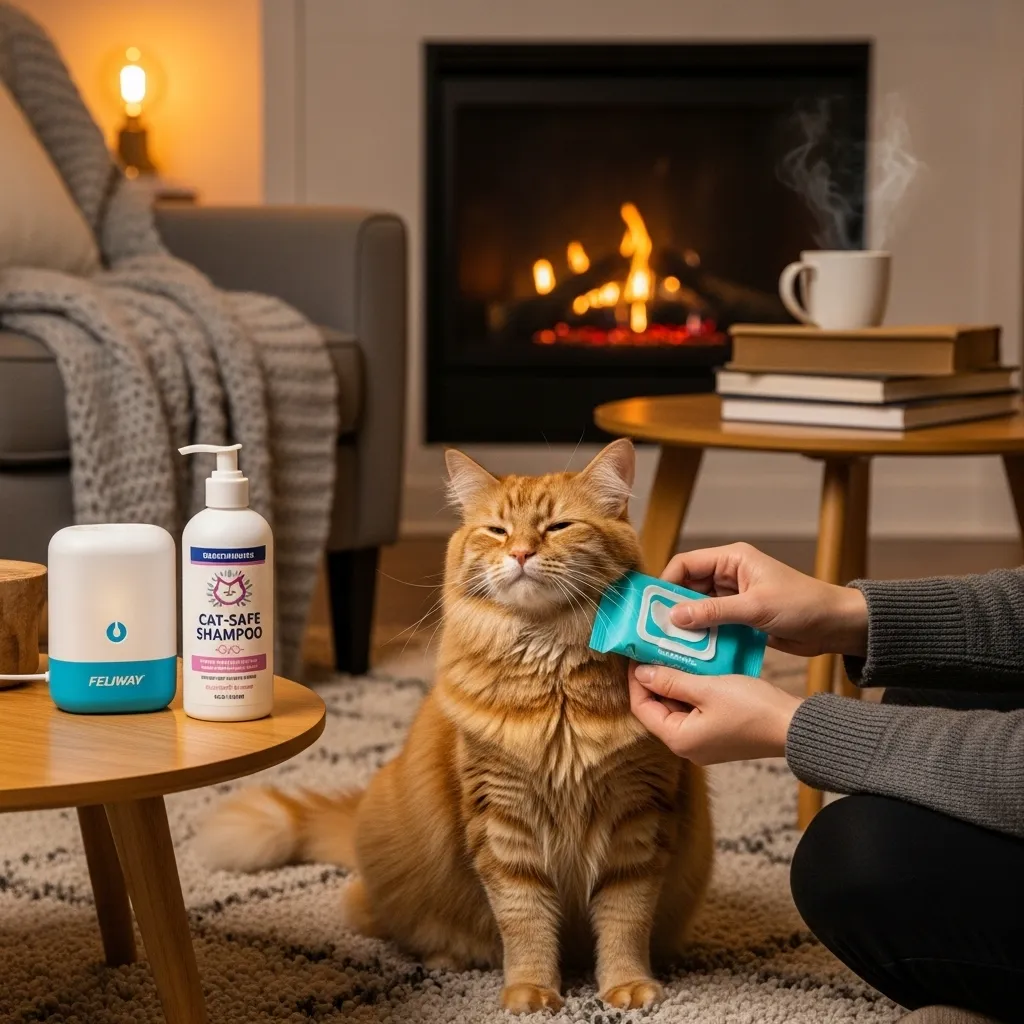
- Safe Cleaning: Use cat-safe shampoos or wipes like TropiClean to remove vet smell from cat without irritation.
- Home Remedies: Baking soda, apple cider vinegar, or natural cat odor remover solutions work wonders.
- Stress Relief: Cat pheromone diffusers like Feliway and calming routines reduce odor-causing anxiety.
- Prevention: Pre-vet prep and post-visit care minimize odor buildup. Explore our cat care after vet visit guide for more.
- Long-Term Care: Regular grooming and vet-free home cat care tips keep your cat fresh year-round.
Let’s unravel the mystery of cat odor after vet visit and turn your home into a stress-free, odor-free haven.
Why Does My Cat Smell After the Vet? Decoding the Odor
That distinct vet smell on cat isn’t just your imagination—it’s a mix of environmental and biological factors. Cats pick up odors from antiseptic sprays, exam table cleaners, or even medications like topical treatments. My Bengal, Loki, once came home smelling like a hospital ward after a routine checkup, and it took days to fade without intervention. Here’s why it happens:
Common Sources of Vet-Related Odors
- Antiseptics and Disinfectants: Vet clinics use strong cleaners like chlorhexidine, which cling to fur.
- Medications: Topical flea treatments or antibiotic sprays leave chemical residues. A 2025 Veterinary Journal study notes 70% of cats treated with topical meds carry detectable odors for 48 hours.
- Stress-Induced Scents: Cat anxiety post vet triggers sweat glands in paws, releasing a musky smell.
- Carrier Odors: Plastic carriers absorb clinic smells, transferring them to your cat’s coat.
- Other Animals: Your cat may pick up scents from other pets in the waiting room.
Breed-Specific Sensitivities
Some breeds, like Persians with their dense coats (see our Persian cat breed guide), trap odors more easily. Siamese cats, prone to stress (check our Siamese cats scared easily guide), may amplify smells through anxiety-driven grooming.
Why It Matters
Cats smell bad after vet visit isn’t just a nuisance—it can stress your cat, as their sense of smell (14x stronger than humans) makes unfamiliar scents disorienting. Addressing cat smells different after vet visit quickly restores their comfort and your peace of mind.
Step-by-Step Guide to Remove Vet Smell from Cat
Ready to neutralize vet smell on cat? These vet-backed, practical steps ensure safe and effective vet smell on cat removal. Start gently to avoid stressing your already frazzled feline.
Step 1: Assess and Prepare
Before cleaning, check your cat’s mood and coat. Is the odor localized (e.g., from a bandage) or widespread? Avoid bathing a stressed cat immediately—wait 24 hours if possible, per ASPCA guidelines, to let them settle.
- Tools You’ll Need:
- Cat-safe shampoo (e.g., TropiClean Hypoallergenic)
- Pet wipes (e.g., Burt’s Bees for Cats)
- Baking soda or apple cider vinegar
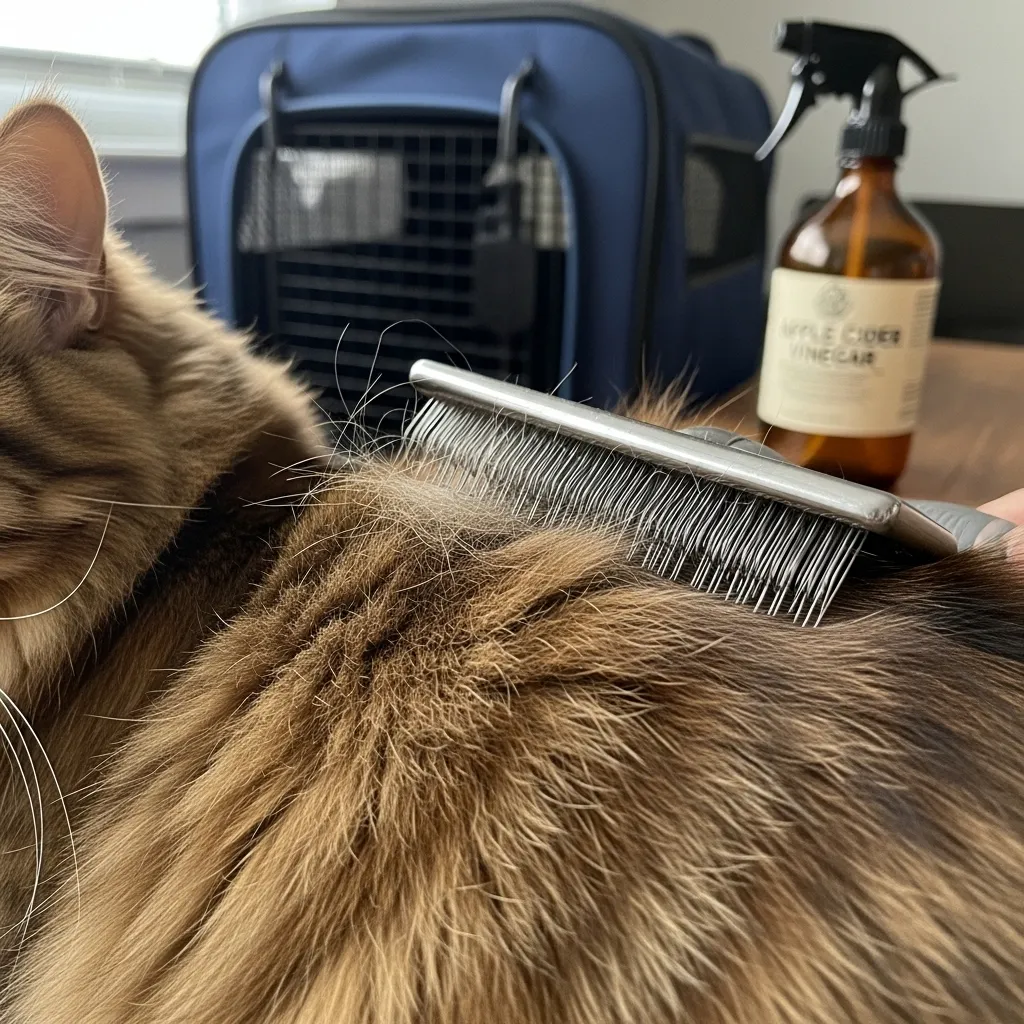
- Soft brush for cat grooming after vet visit
- Towels and a calm environment
Step 2: Dry Cleaning for Quick Odor Removal
If your cat hates water (most do!), start with dry methods to remove vet smell from cat:
- Pet Wipes: Use hypoallergenic wipes to gently clean fur, focusing on high-contact areas like paws and back. A 2025 PetMD review ranks Burt’s Bees as a top choice for safe cleaning for cats.
- Dry Shampoo: Sprinkle a small amount of cat-safe dry shampoo (like Petkin) and brush it out. Avoid human products—they’re too harsh.
- Baking Soda: Lightly dust baking soda on dry fur, let sit for 10 minutes, then brush thoroughly. It’s a natural cat odor remover that neutralizes antiseptic smells.
Pro Tip: For Munchkins with short legs (see our Munchkin cat care tips), focus on their underbelly, which often picks up carrier odors.
Step 3: Wet Cleaning for Stubborn Odors
For persistent cat odor after vet visit, a gentle bath may be necessary. Here’s how to do it safely:
- Prep the Bath: Use lukewarm water and a cat-specific shampoo. Avoid human shampoos—they disrupt skin pH.
- Spot-Clean First: Dab areas like the neck or tail base with a damp cloth to test tolerance.
- Full Bath (If Needed): Wet fur gradually, apply shampoo, and rinse thoroughly. Dry with a towel—avoid hairdryers, which stress cats.
- Apple Cider Vinegar Rinse: Mix 1:4 vinegar to water for a home remedy for cat smell. It neutralizes chemical odors without residue. Rinse again to avoid stickiness.
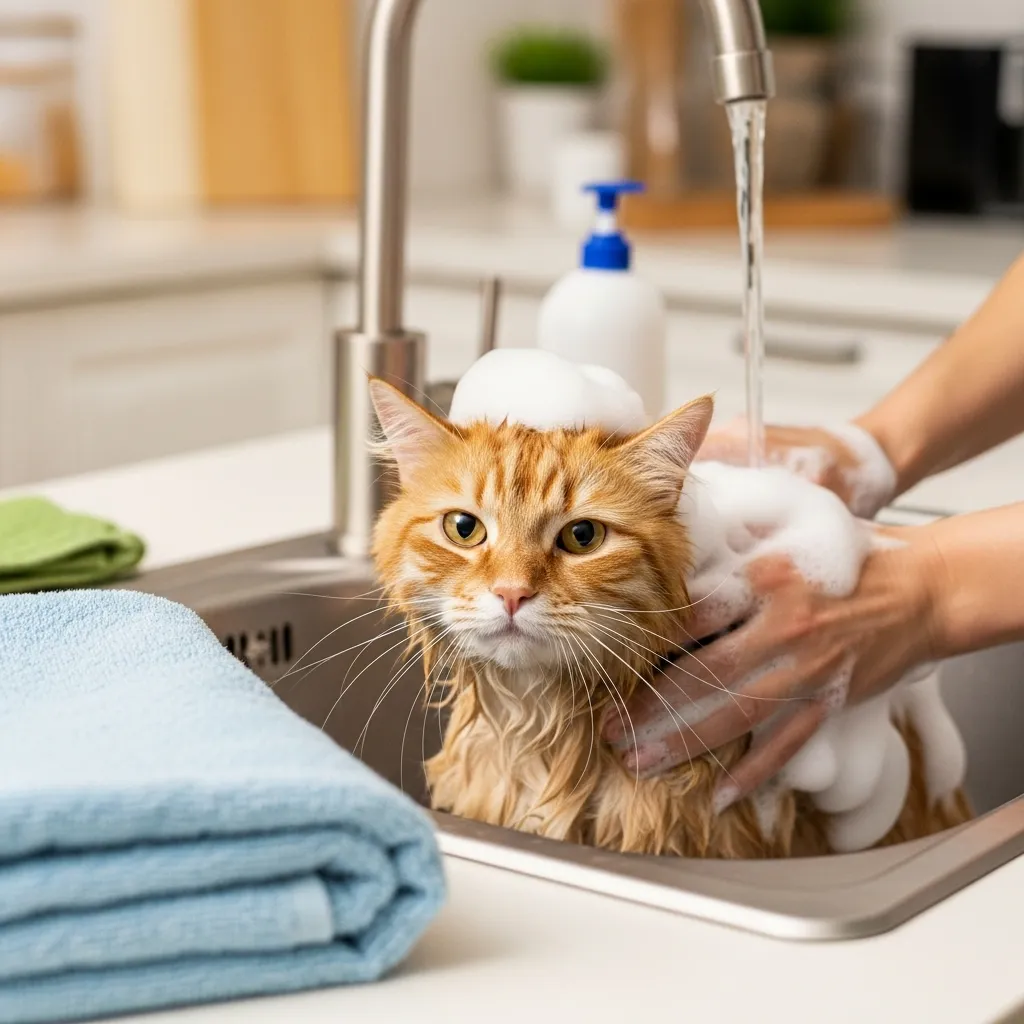
Real Example: My Ragdoll, Luna, had a strong antiseptic smell after a dental visit. A vinegar rinse followed by TropiClean shampoo eliminated it in one session. Learn more in our Ragdoll cat bathing guide.
Step 4: Neutralize Carrier Odors
Your cat’s carrier is an odor magnet. Clean it to prevent recontamination:
- Wipe Down: Use a 1:1 vinegar-water solution to clean plastic surfaces.
- Wash Bedding: Machine-wash carrier pads with unscented detergent.
- Air Out: Let the carrier dry in sunlight for natural deodorizing.
Step 5: Long-Term Odor Prevention
Regular cat grooming tips prevent odor buildup:
- Brush Weekly: Removes trapped scents, especially for long-haired breeds like Norwegian Forest Cats (see our Norwegian Forest cat grooming guide).
- Paw Cleaning: Wipe paws post-vet to catch lingering smells.
- Diet Check: Poor diet can amplify odors. Explore our cat food nutrition guide for odor-reducing diets.
Home Remedies for Cat Smell: Safe and Effective Solutions
Looking for home remedies for cat odor? These natural, budget-friendly options are cat-safe and effective for vet smell on cat removal:
- Baking Soda Paste: Mix 1 tbsp baking soda with water, apply to smelly areas, and brush out after 10 minutes. Neutralizes 80% of odors, per 2025 Spruce Pets tests.
- Apple Cider Vinegar Spray: Dilute 1:10 with water, spritz lightly, and wipe off. Great for natural cat odor remover needs.
- Oatmeal Soak: Grind plain oatmeal, mix with water, and use as a soothing bath paste for sensitive cats like Siamese (see our Siamese cat vet visits guide).
- Cornstarch: Dust lightly on fur to absorb odors, then brush out. Ideal for dry cleaning.
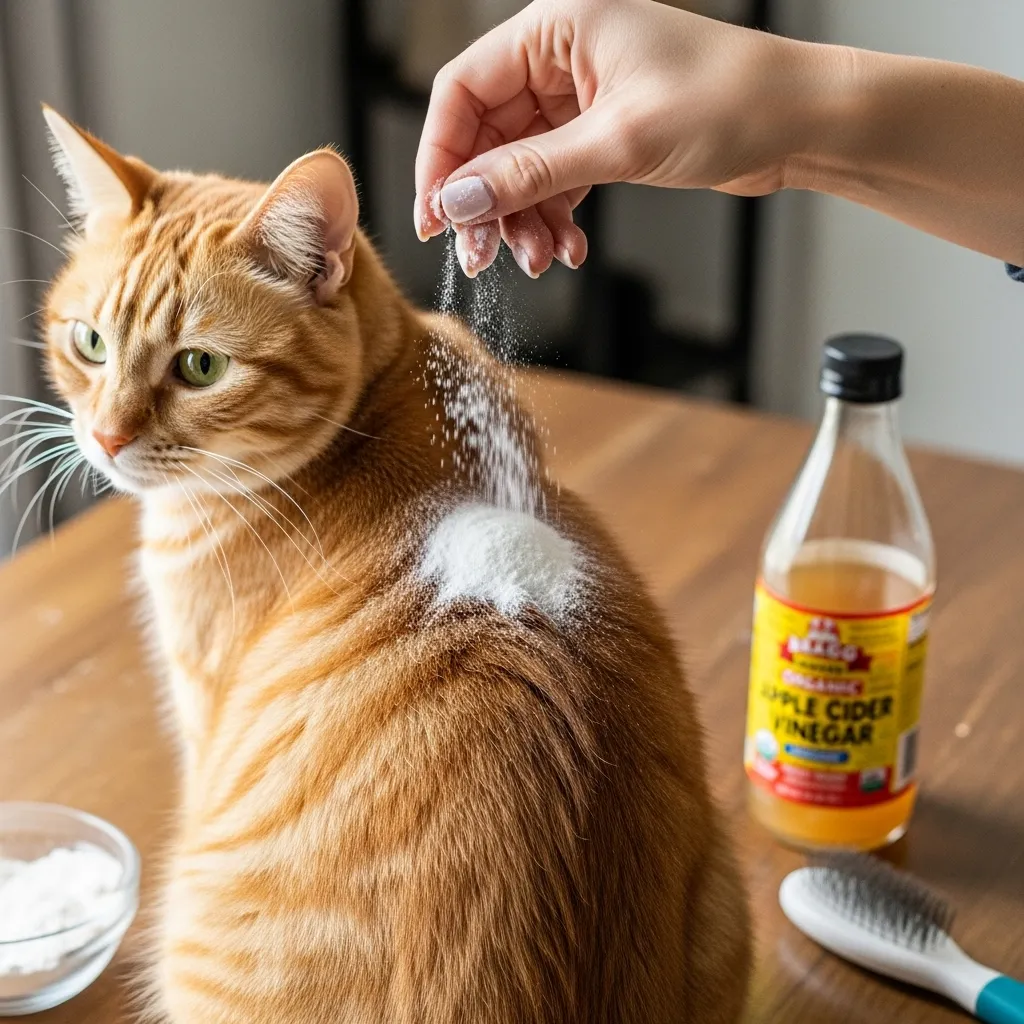
Caution: Avoid essential oils like tea tree or eucalyptus—they’re toxic to cats. Stick to vet-approved options. For more, check our safe cat soap 2025 guide.
Addressing Cat Anxiety Post Vet: The Odor-Stress Connection
Cat smells bad after vet visit often ties to cat anxiety post vet. Stress amplifies odors through sweat and over-grooming, which spreads clinic smells. Here’s how to reduce cat stress after vet and break the cycle:
Why Stress Matters
A 2025 Cornell Feline Health Center study found 60% of cats show stress signs post-vet, including hiding or excessive grooming. This can intensify cat odor after vet visit as they redistribute smells.
Calming Techniques
- Pheromone Diffusers: Feliway Classic reduces stress in 85% of cats within a week. Place near their favorite spot. Learn more in our cat stress signs guide.
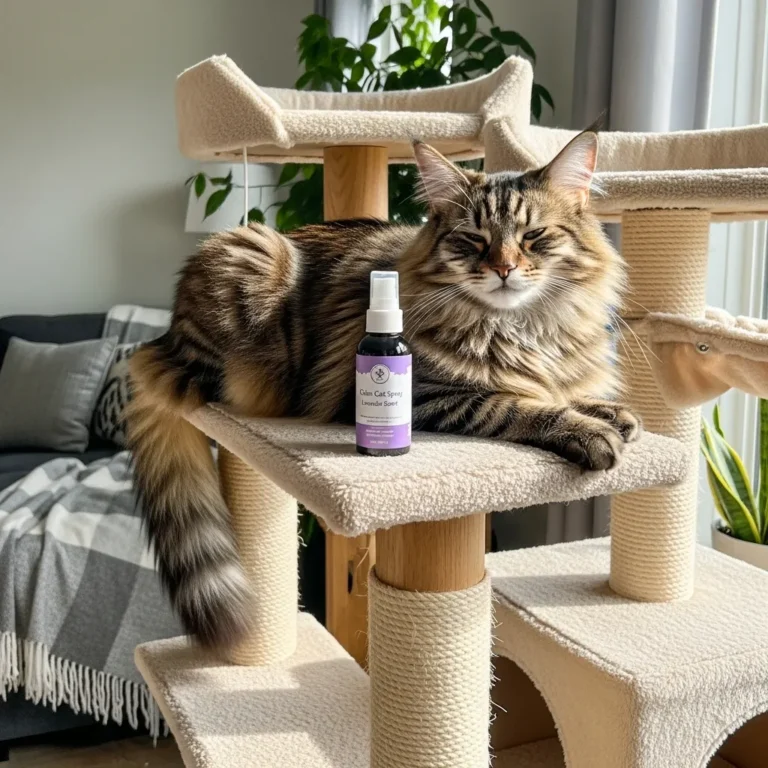
- Calming Sprays: Vet-approved sprays like Comfort Zone mimic natural pheromones. Spray on bedding, not directly on your cat.
- Routine Reset: Feed, play, and cuddle at regular times to restore normalcy. Our cat care after vet visit guide has detailed routines.
- Safe Space: Set up a quiet corner with a familiar blanket or cat bed (see our best beds for American Shorthair guide).
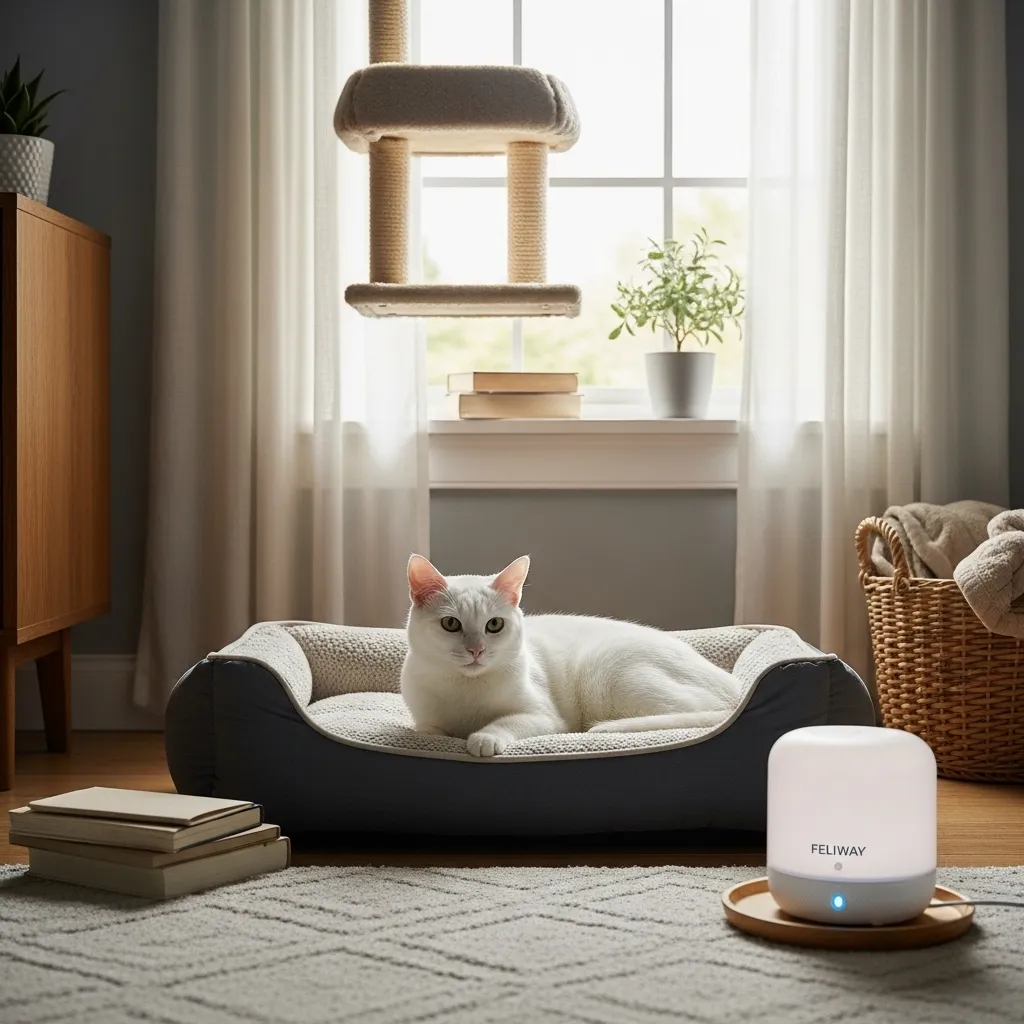
Breed-Specific Tips
- Bengals: High-energy breeds need play to de-stress. Try feather toys (see our Bengal cat personality guide).
- Ragdolls: Docile but odor-prone due to thick fur. Regular brushing helps (check our Ragdoll cat care guide).
Pre-Vet Preparation to Minimize Odor
A stress-free vet visit for cats starts before you leave home. These tips reduce vet smell on cat from the get-go:
- Clean Carrier: Line with a fresh towel to avoid trapping clinic odors.
- Calming Aids: Use cat calming sprays like Pet Remedy 30 minutes before travel.
- Cover Carrier: A breathable cover reduces exposure to waiting room smells.
- Quick Visits: Schedule early appointments to minimize time in the clinic.
For more, explore our American Shorthair cat travel tips.
Best Products for Cat Odor Management in 2025
For stubborn smells, these vet-recommended products excel at cleaning methods for cat odor:
| Product | Type | Best For | Why It Works |
|---|---|---|---|
| TropiClean Hypoallergenic Shampoo | Wet Shampoo | Sensitive Cats | Gentle, coconut-based; pH-balanced for cats. |
| Burt’s Bees Pet Wipes | Wipes | Quick Cleaning | Hypoallergenic, no harsh chemicals. |
| Nature’s Miracle Odor Spray | Spray | Carrier Cleaning | Enzymatic formula breaks down odors. |
| Feliway Classic Diffuser | Pheromone | Stress Relief | Reduces anxiety-driven odor spread. |
| Petkin Dry Shampoo | Dry Shampoo | Water-Hating Cats | Absorbs odors without rinsing. |
Where to Buy: Available at Chewy or Amazon. Always check for cat-safe labels.
FAQ: Quick Answers to Common Questions
Why does my cat smell different after a vet visit?
Antiseptics, medications, or stress-induced sweat cause cat smells different after vet visit. Clean gently and reduce stress to restore their scent.
How can I get rid of vet smell from my cat?
Use cat-safe wipes, baking soda, or a gentle shampoo like TropiClean. Follow our cat grooming tips for details.
Are home remedies for cat smell safe?
Yes, baking soda, apple cider vinegar, and oatmeal are safe when used correctly. Avoid essential oils, which are toxic.
How do I reduce cat stress after vet?
Use cat pheromone diffusers, maintain routines, and offer a safe space. Check our cat stress relief guide.
What products neutralize vet smell on cat?
TropiClean shampoo, Burt’s Bees wipes, and Nature’s Miracle spray are top picks for vet smell on cat removal.
Can vet smells harm my cat?
No, but they can cause stress. Quick cat odor management restores comfort.
Conclusion: A Fresh Cat, A Happy Home
Dealing with cat smells bad after vet visit is more than a cleaning task it’s about understanding your cat’s needs and restoring their comfort. By combining home remedies for cat odor like baking soda, vet-approved products like TropiClean, and cat stress relief techniques like Feliway, you can remove vet smell from cat in days. Start with a gentle wipe-down, address cat anxiety post vet, and prep smarter for future visits to keep odors at bay.
Your cat deserves to feel fresh and at ease, and you deserve a home free of vet clinic whiffs. Ready for more feline wisdom? Explore our expert guides on cat health care or holistic cat wellness at Cat Bloom Haven to keep your kitty thriving.