safe tuna frequency treat? A Complete Guide to Safe Feeding and Nutritional Balance for Cats
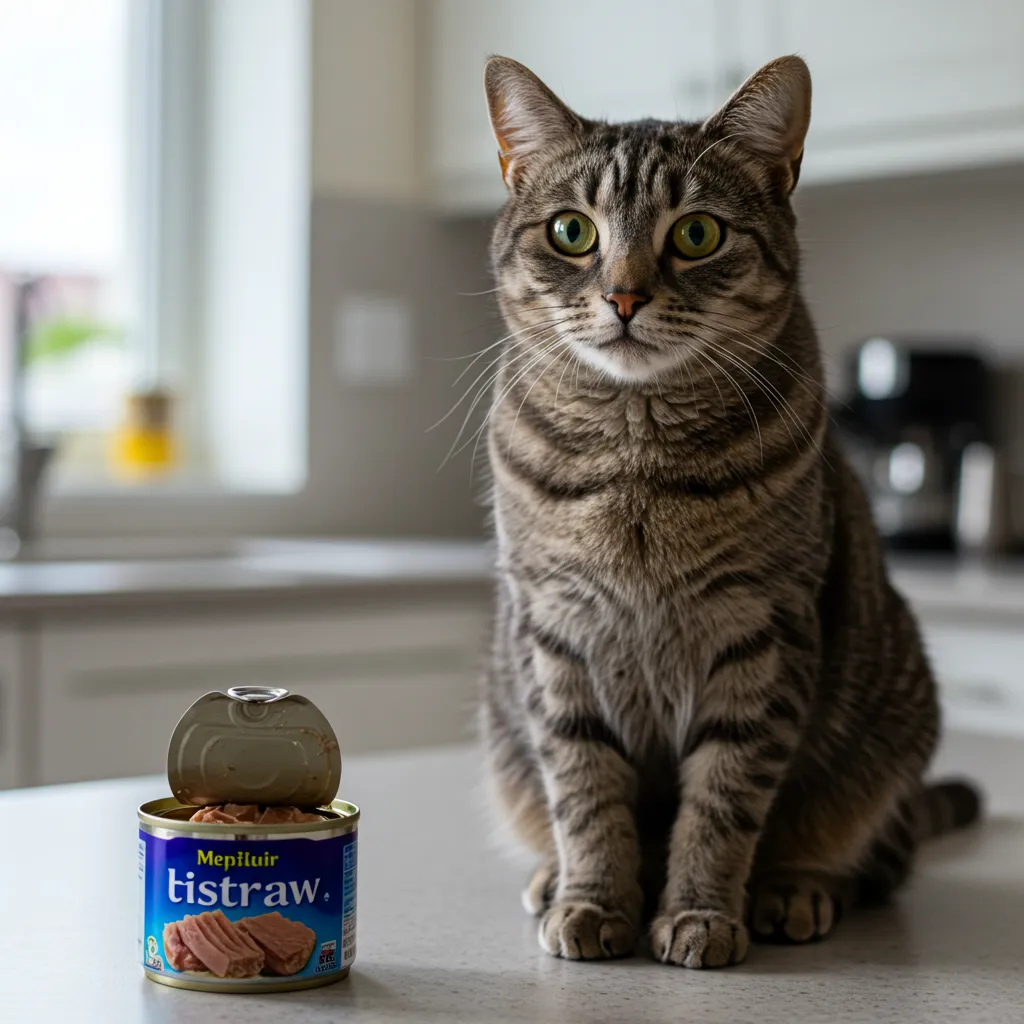
Imagine this: You’re in the kitchen, cracking open a can of tuna for your lunch, and suddenly, your cat materializes at your feet like a furry shadow, eyes wide with unbridled anticipation. That irresistible aroma has turned your whiskered companion into a begging machine, meowing with the persistence of a tiny, fish-obsessed alarm clock.
If you’ve ever wondered, “How often can I give my tuna treat?” while resisting those pleading paws, you’re not alone. As a cat parent, it’s tempting to indulge—after all, who can say no to that look? But beneath the charm lies a nutritional tightrope: Tuna can be a delightful treat, but overdoing it risks turning your cat’s dream dinner into a health nightmare.
The truth? Yes, cats can eat tuna in moderation, but it’s far from a feline superfood. Feeding your tuna treat too frequently can lead to mercury buildup, vitamin deficiencies, and even “tuna addiction,” where your kitty turns up her nose at anything else. In this guide, we’ll unpack the dos and don’ts, drawing from veterinary insights and recent pet food trends to help you keep your cat purring healthily. You’ll learn practical tips on safe portions, the risks of feeding tuna to cats, and how to maintain nutritional balance with tuna treat in the mix. By the end, you’ll have a roadmap to treat your cat right—without the guilt or the vet bills.
Whether you’re a new cat owner dipping your toe into fishy treats or a seasoned guardian of a tuna-obsessed tabby, this article arms you with expert-backed strategies. Let’s dive in and ensure your cat’s diet is as balanced as it is blissful.
Key Takeaways: Quick Answers on fish treats for cats
Before we explore the depths, here’s a scannable summary for busy cat lovers. These insights are optimized for quick reads and AI overviews, addressing your top queries at a glance:
- Can cats eat tuna? Yes, occasionally as a treat—not as a meal staple. Opt for water-packed, low-mercury varieties like skipjack.
- How often can I give my tuna treat? Limit to once a week, max. No more than 1 tablespoon per serving to avoid health risks.
- Safe tuna portion for cats: About 1 teaspoon to 1 tablespoon weekly, based on your cat’s size (e.g., 1 tsp for a 5-lb cat; 1 tbsp for a 10-lb adult).
- Risks of offering tuna occasionally: Mercury poisoning, vitamin E deficiency leading to pansteatitis (yellow fat disease), and nutritional imbalances like taurine shortages.
- Tuna as a treat for cats: Great for flavor boosting, but always mix with balanced cat food. Avoid if your cat has kidney issues due to high phosphorus.
- Nutritional balance cats tuna: Tuna lacks key nutrients; pair it with complete cat foods to prevent deficiencies.
- Alternative protein sources for cats: Duck, rabbit, venison, or even insect-based options for variety and allergy relief.
- Transition tuna-addicted cat: Gradually mix in new foods over 7–10 days; use tuna broth to ease the switch.
- Cat diet tips tuna: Rotate proteins weekly; monitor for allergies or weight gain.
These nuggets ensure your cat thrives—now, let’s break it down further.
Why Cats Go Crazy for Tuna: The Allure and the Science
Cats’ love affair with tuna isn’t just whimsy; it’s biology at play. As obligate carnivores, felines crave high-protein, meaty foods, and tuna delivers with its potent umami punch from inosinic acid—a compound that amps up flavor like a natural MSG for pets. This fishy fixation dates back to their wild ancestors, who snacked on small prey, but domestic cats have evolved a soft spot for canned varieties packed with enticing oils and aromas.
Yet, this passion can backfire. A 2025 survey by the American Pet Products Association (APPA) found that 68% of cat owners occasionally share human foods like tuna, often unaware of the long-term toll. Tuna shines in protein (about 25g per 100g serving) and omega-3s for coat health, but it’s low in carbs—good for weight control—while missing vital taurine for heart and eye function. In short, it’s a treat, not a trendsetter for your cat’s plate.
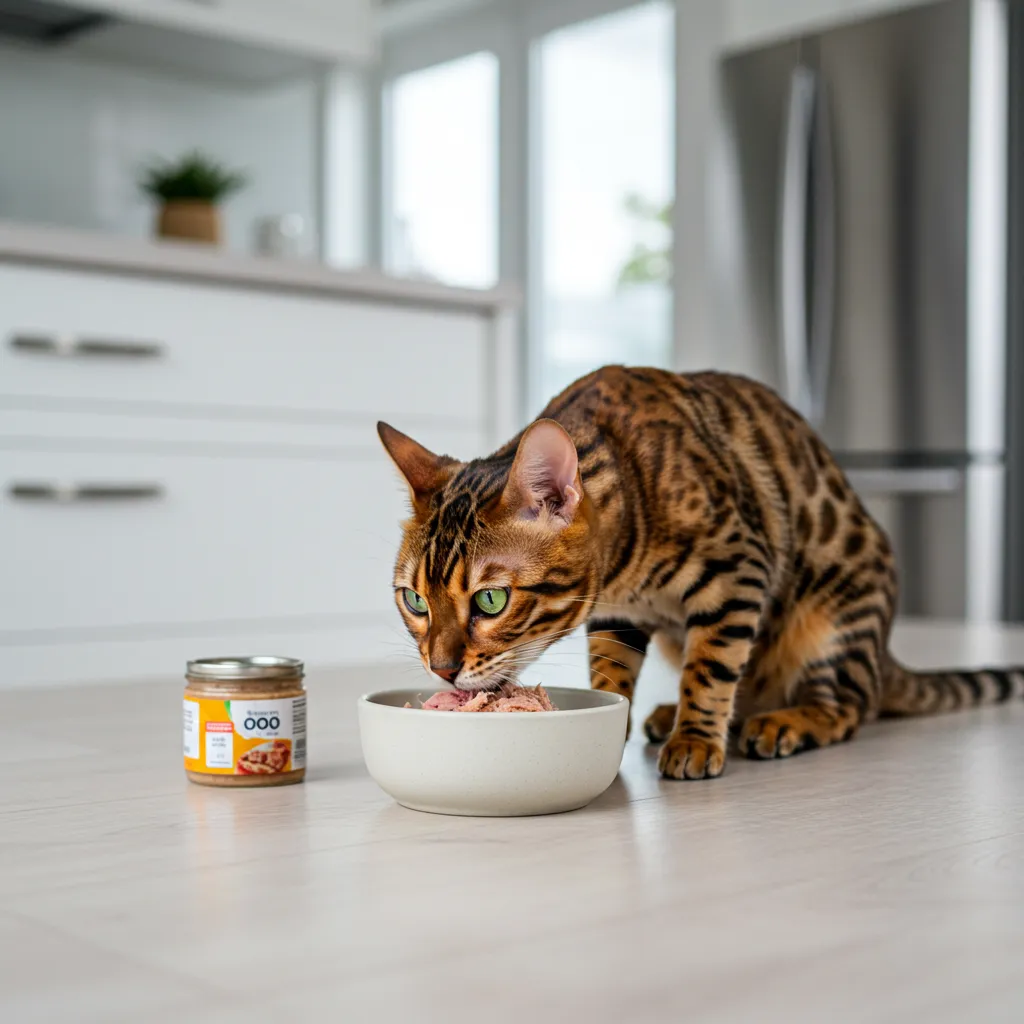
Real-life example: Take Whiskers, a 7-year-old Siamese I consulted on via Cat Bloom Haven’s community forums. His owner spoiled him with daily tuna flakes, leading to picky eating and a dull coat. A simple switch to occasional treats restored his sparkle—and his appetite for balanced kibble.
How Frequently Should Cats Eat Tuna?
The million-dollar question: How often is “occasional”? Veterinary nutritionists, including those at Tufts University, recommend tuna no more than once weekly to sidestep mercury accumulation. Daily doses? A hard no—cats metabolize mercury differently than humans, building it up faster in their tiny systems.
For context, the FDA advises humans to cap tuna at 2–3 servings monthly due to mercury; for cats, that’s even stricter given their 1/10th body weight. Kittens under 1 year? Skip it entirely—their developing bodies can’t handle the load.
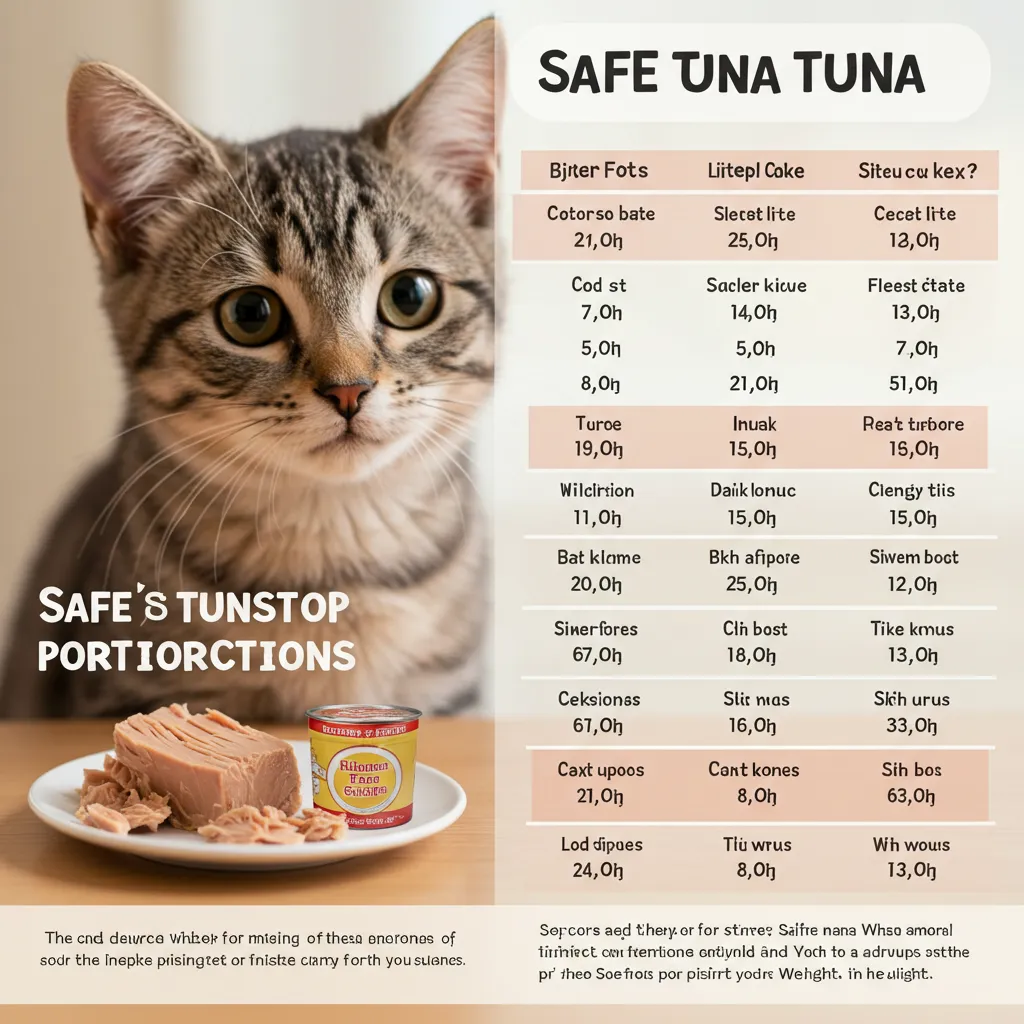
Pro Tip: Track feedings in a journal. If your cat weighs 8–10 lbs, aim for 1 tsp (5g) weekly, mixed into wet food. This keeps the joy without the jeopardy.
| Cat Weight | Safe Weekly Tuna Portion | Frequency |
|---|---|---|
| 5 lbs | ½–1 tsp | Once/week |
| 8–10 lbs | 1 tbsp | Once/week |
| 12+ lbs | 1–1½ tbsp | Once/10 days |
This table, adapted from another guidelines, ensures portion control while factoring in size. Always consult your vet for tailored advice, especially for seniors or those with health tweaks.
Risks of Feeding Tuna to Cats: Hidden Dangers Beyond the Can
Tuna’s troubles aren’t just about frequency—they’re systemic. Let’s spotlight the big three: mercury in cat food, vitamin E deficiency, and pansteatitis in cats.
Mercury in Cat Food: A Silent Toxin
Tuna tops the ocean’s toxin chart, with albacore varieties packing three times the mercury of skipjack. In cats, chronic exposure mimics neurological woes: wobbly gait, tremors, even seizures. A 2021 University of Nevada study tested 59 dog foods and 52 cat foods, finding mercury hotspots in tuna-heavy formulas—up to 0.5 ppm, exceeding safe chronic levels.
Recent cat food contamination news amplifies this: In 2025, recalls hit brands like Viva Raw for salmonella in tuna blends, underscoring supply chain risks. Opt for “low-mercury” labels or skip fish altogether if your cat shows early signs like lethargy.
Vitamin E Deficiency in Cats Tuna Diets
Tuna’s unsaturated fats demand vitamin E for balance, but human-grade cans skimp on it. Result? Oxidative stress, leading to deficiencies that hit young or overweight cats hardest. Symptoms include feverish fat inflammation—ouch!
Pansteatitis in Cats: The “Yellow Fat” Wake-Up Call
This painful condition, aka steatitis, turns your cat’s fat pads yellow and tender, triggered by tuna’s fat-vitamin E mismatch. Vets report cases in overfed fish fans, with recovery needing E supplements and diet overhaul. It’s rare but reversible—catch it early.
Other pitfalls? Allergies (itchy skin, GI upset) and phosphorus overload for kidney-prone cats. Bottom line: Treats should be 10% max of calories; the rest from AAFCO-approved chow.

Tuna as a Treat for Cats: Making It Work Without the Worry
When done right, tuna shines as a morale booster. Use it to medicate finicky eaters or reward litter training—think “tuna topper” on kibble, not solo suppers.
Cat Diet Tips Tuna Lovers Swear By:
- Flavor Hack: Drain water over dry food for aroma without excess.
- Mix It Up: Blend ¼ tuna with ¾ wet food for nutrition padding.
- Portion Play: Freeze flakes in ice cube trays for controlled treats.
- Allergy Check: Introduce slowly; watch for sneezes or scratches.
In pet food trends 2025, “functional treats” like tuna-infused toppers are booming, blending fun with fortification. Just remember: Safe treats for cats enhance, not eclipse, the main meal.
Balancing Your Cat’s Diet When Including Tuna: Why Variety is Your Cat’s Best Friend
Cats need 40+ nutrients daily—tuna covers protein but flops on taurine, calcium, and B vitamins. A tuna-skewed diet risks heart disease or blindness from taurine gaps.
Cat Dietary Balance Essentials:
- Protein Power: 30–40% of calories from animal sources.
- Fat Facts: 20–30%, with balanced omegas.
- Carb Cap: Under 10% for obligate carnivores.
- Supplements: If raw-feeding, add taurine; commercial foods handle it.
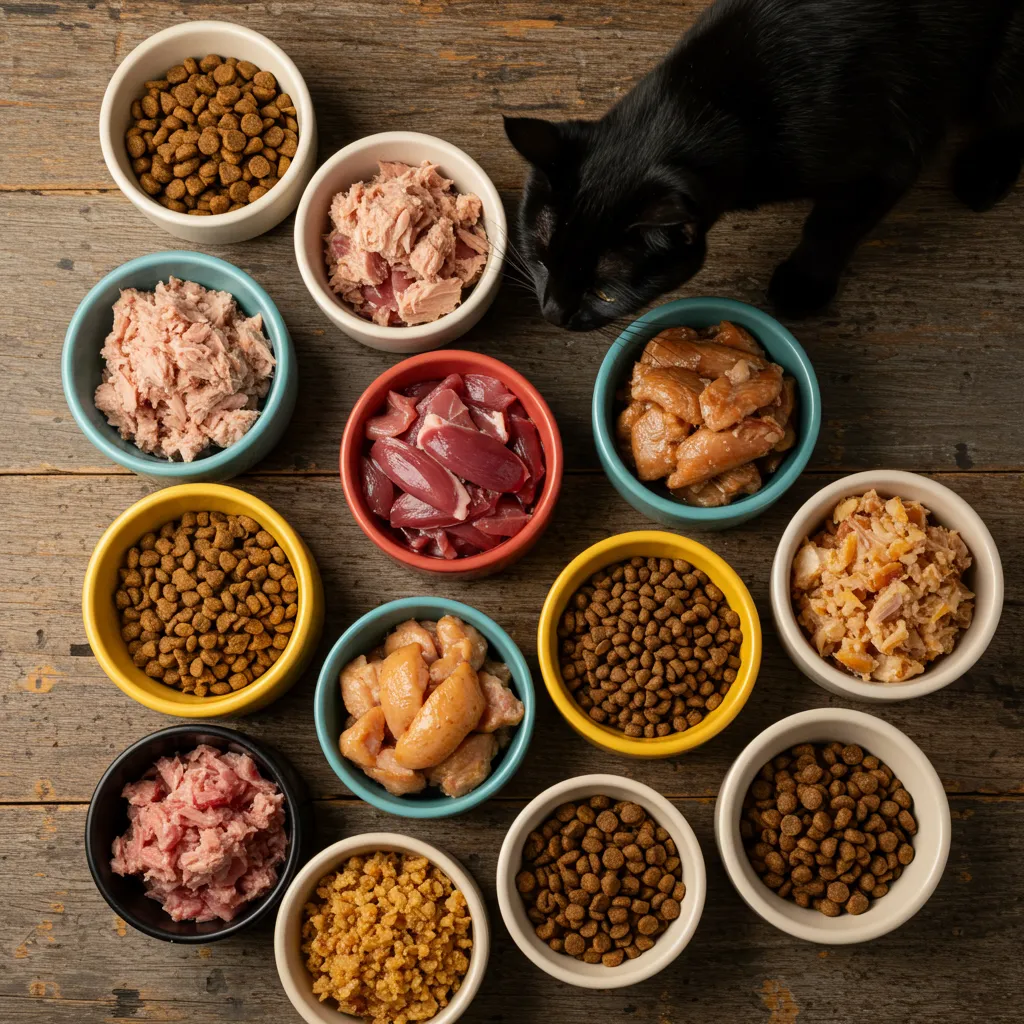
Feeding cats healthy diet means rotation: One week tuna, next chicken. For deeper dives, explore our detailed guide on choosing cat food to nail that perfect plate.
Alternative Protein Sources for Cats: Beyond the Fishbowl
Tired of tuna drama? 2025’s pet food trends spotlight novel proteins—sustainable swaps like insects, duck, and bison that dodge allergies and mercury. These cat protein sources besides fish pack punch without the peril.
- Duck: Lean, iron-rich; ideal for allergy cats. Try shredded entrées for texture thrill.
- Rabbit: Hypoallergenic, low-fat; boosts digestion.
- Bison: Cholesterol-free, gamey flavor; supports weight management.
- Insects (Crickets/Black Soldier Fly): Eco-hero with 70% protein; trending in kibble for sustainability.
- Venison or Lamb: Novel gems for sensitive stomachs.
| Protein Source | Key Benefits | Mercury Risk | Best For |
|---|---|---|---|
| Duck | High iron, hypoallergenic | Low | Allergies |
| Rabbit | Low-fat, digestible | None | Weight loss |
| Bison | Lean, nutrient-dense | None | Active cats |
| Insects | Sustainable, complete AA | None | Eco-conscious owners |
| Venison | Rich flavor, lean | Low | Picky eaters |
This comparison draws from KOHA Pet and FAO data, highlighting why diversity trumps dependency. For senior Bengal cats, check our picks in best foods for senior Bengal cat.
Transition Tuna-Addicted Cat: A Gentle Guide to Greener Pastures
Ah, the tuna junkie—your cat’s version of a caffeine crash, minus the jitters. Vets dub them “tunaholics,” refusing kibble like it’s kryptonite. Transitioning? Patience pays off; force-feeding backfires.
7-Day Transition Tuna-Addicted Cat Plan:
- Day 1–2: 75% tuna + 25% new food (e.g., duck pate). Add tuna water for scent.
- Day 3–4: Flip to 50/50; warm gently to mimic tuna’s allure.
- Day 5–6: 25% tuna + 75% new; distract with play.
- Day 7: Full switch. If hunger strikes (under 24 hours), revert slightly.
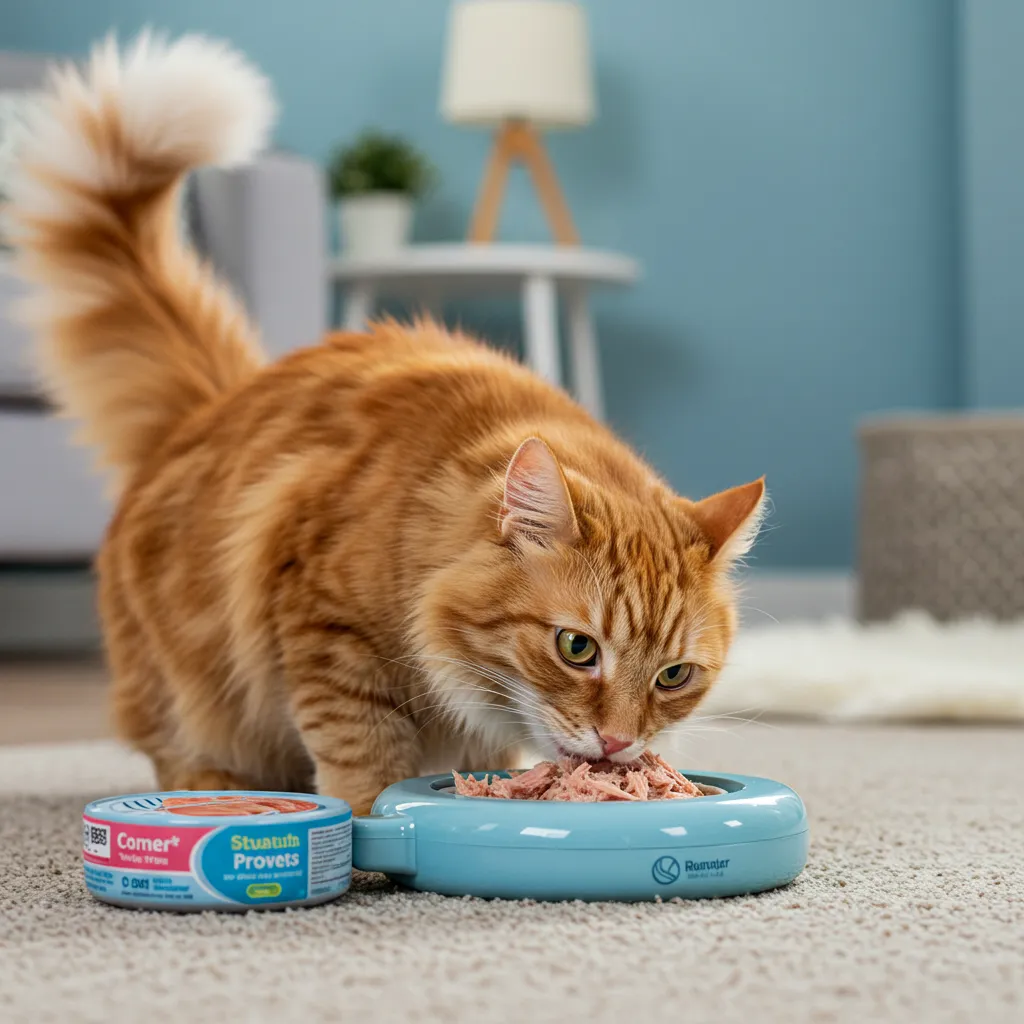
Tweak for stubborn cases: Use puzzle feeders or vet-prescribed appetite stimulants. One owner shared on Reddit: “My tabby held out 18 hours, then devoured salmon pate—victory!” For litter woes during stress, see our litter training guide.
Cat Nutrition Protein Sources: Building a Bulletproof Diet
Broaden horizons with cat nutrition protein sources beyond fish: Poultry, red meats, and eggs form the core, per RSPCA standards. Rotate to prevent sensitivities—aim for three proteins monthly.
In 2025, novel options like bison or insects align with pet food trends 2025, cutting environmental pawprints while delivering amino acids. Balance with veggies for fiber, but keep it carnivore-centric.
Pet Food Trends 2025: What’s Shaping Feline Feasts?
Sustainability rules: Insect proteins surged 138% in cat foods, per APPA’s 2025 report. Contamination news? Recalls like Blue Ridge Beef’s listeria-laced kitten mix remind us to vet sources. Go premium: Functional blends with probiotics now dominate, blending taste and health.
FAQ: Your Burning Questions on Tuna and Cat Care Answered
How often can I give my tuna treat?
Once weekly, 1 tbsp max, mixed into balanced food to curb risks.
Is daily tuna safe for cats?
No—daily tuna invites mercury woes and deficiencies. Treat sparingly.
What is a safe tuna portion for cats?
1 tsp–1 tbsp weekly, scaled to weight; water-packed only.
Is tuna a healthy occasional snack for cats?
Good in moderation for joy and protein; bad if it crowds out nutrients.
Risks of feeding tuna to cats?
Mercury toxicity, steatitis, addiction—monitor closely.
Nutritional balance cats tuna: How to achieve?
Limit to 10% calories; fortify with complete foods like those in our cat food nutrition guide.
Alternative protein sources for cats?
Duck, rabbit, insects—sustainable and allergy-friendly.
How to transition tuna-addicted cat?
Gradual 7-day mix-down; use broth bridges.
Cat diet tips tuna inclusion?
Topper only; rotate weekly for variety.
Mercury in cat food from tuna?
High in albacore; choose skipjack or alternatives.
Pansteatitis in cats from tuna?
Yes, via vitamin E shortfall—rare but painful.
Vitamin E deficiency in cats tuna diets?
Triggers fat inflammation; supplement if needed.
Wrapping Up: Purr-fect Portions for a Thriving Feline Life
Tuna’s allure is undeniable, but balance is your cat’s true love language. By capping how often you give your tuna treat at once weekly, dodging risks like mercury and pansteatitis, and weaving in alternative protein sources for cats like duck or bison, you’ll craft a diet that’s as vibrant as your kitty’s zoomies. Remember, a tuna treat sparks joy, but a varied, vet-approved menu builds longevity—think glossy coats, playful pounces, and fewer midnight vet runs.
Ready to refine your cat’s chow? Dive deeper into expert cat care and behavior guides on Cat Bloom Haven, from spaying a cat guide to breed-specific nutrition. Your cat’s health adventure starts here—let’s keep those tails high!