Leaving Cats Alone: How Long Is Too Long? A Complete Guide to Keeping Your Cat Happy and Safe
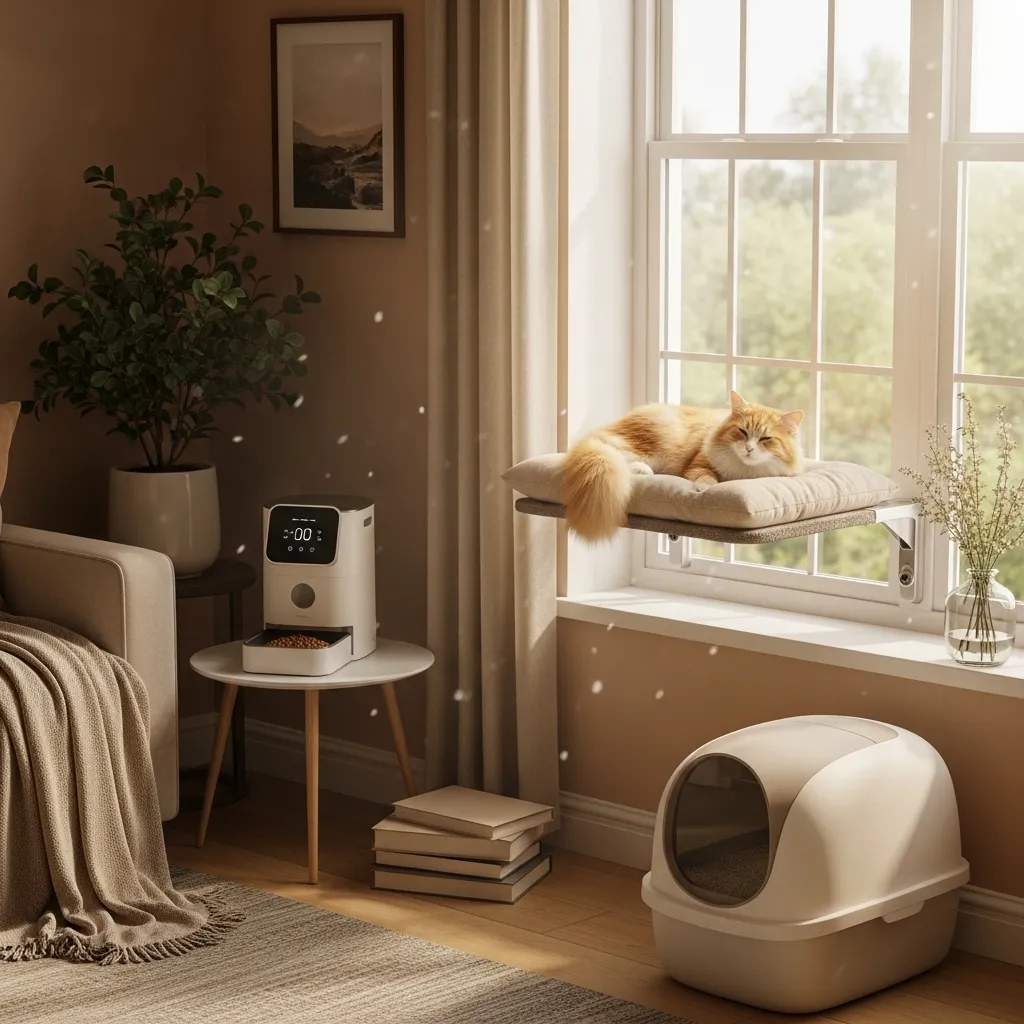
Imagine this: you’re packing for a weekend getaway, but as you glance at your cat lounging on the windowsill, a pang of guilt hits. How long can you leave a cat alone without them feeling lonely or stressed? Maybe you’ve heard the cat independence myth that cats are aloof loners who thrive solo but then you notice your Siamese pacing or your Bengal shredding the couch when you’re gone too long. As a cat parent who’s juggled work trips and fostered Munchkins (check out our Munchkin cat care tips), I’ve learned cat loneliness and behavior issues are real, and leaving cats unattended isn’t as simple as filling a food bowl.
This guide dives deep into leaving cats alone, unpacking how long you can leave a cat alone, debunking myths, and sharing vet-backed strategies to ensure cat well-being when left alone. Whether you’re a busy professional wondering can cats be left alone overnight or a new owner curious about cat separation anxiety, you’ll find actionable steps to keep your feline friend safe, happy, and stress-free. From smart pet feeders for cats to litter box care when leaving cats alone, we’ve got you covered with 2025’s best tools and tips.
Key Takeaways for Leaving Cats Alone
- Adult cats can handle 24–48 hours alone with proper setup; kittens need more frequent check-ins (4–8 hours).
- Cats aren’t as independent as you think—cat loneliness and behavior issues like scratching or peeing outside the box signal stress.
- Prep your home with safe feeding for cats when owners are away, clean litter boxes, and enrichment like puzzle toys.
- Use tech like cat cameras for monitoring and best automatic litter boxes to ease working owners and cats alone concerns.
- Watch for cat boredom signs or cat anxiety from being left alone—vocalizing, hiding, or overgrooming are red flags.
- Vet check-ups rule out health issues that mimic cat behavior problems when left alone.
Ready to make your cat’s solo time a breeze? Let’s explore why cats aren’t the lone wolves they’re made out to be and how to set them up for success.
Busting the Cat Independence Myth: Do Cats Get Lonely?
The cat independence myth paints felines as solitary creatures who scoff at human company. While cats aren’t pack animals like dogs, they form deep bonds with their owners and environments. A 2025 study from Cornell’s Feline Health Center shows 70% of cats exhibit cat loneliness and behavior changes when left alone too long, like excessive meowing or destructive scratching. Breeds like Siamese (see our Siamese cat breed guide) are especially prone to cat separation anxiety due to their social nature.
Why do cats get lonely? They thrive on routine—your scent, voice, and daily rituals ground them. When you’re gone, disruptions can spark stress, especially in sensitive breeds like Ragdolls (explore our Ragdoll cat care guide). Ignoring do cats get lonely risks cat behavior problems when left alone, like peeing on laundry (check our stop cat peeing in laundry basket guide) or overgrooming.
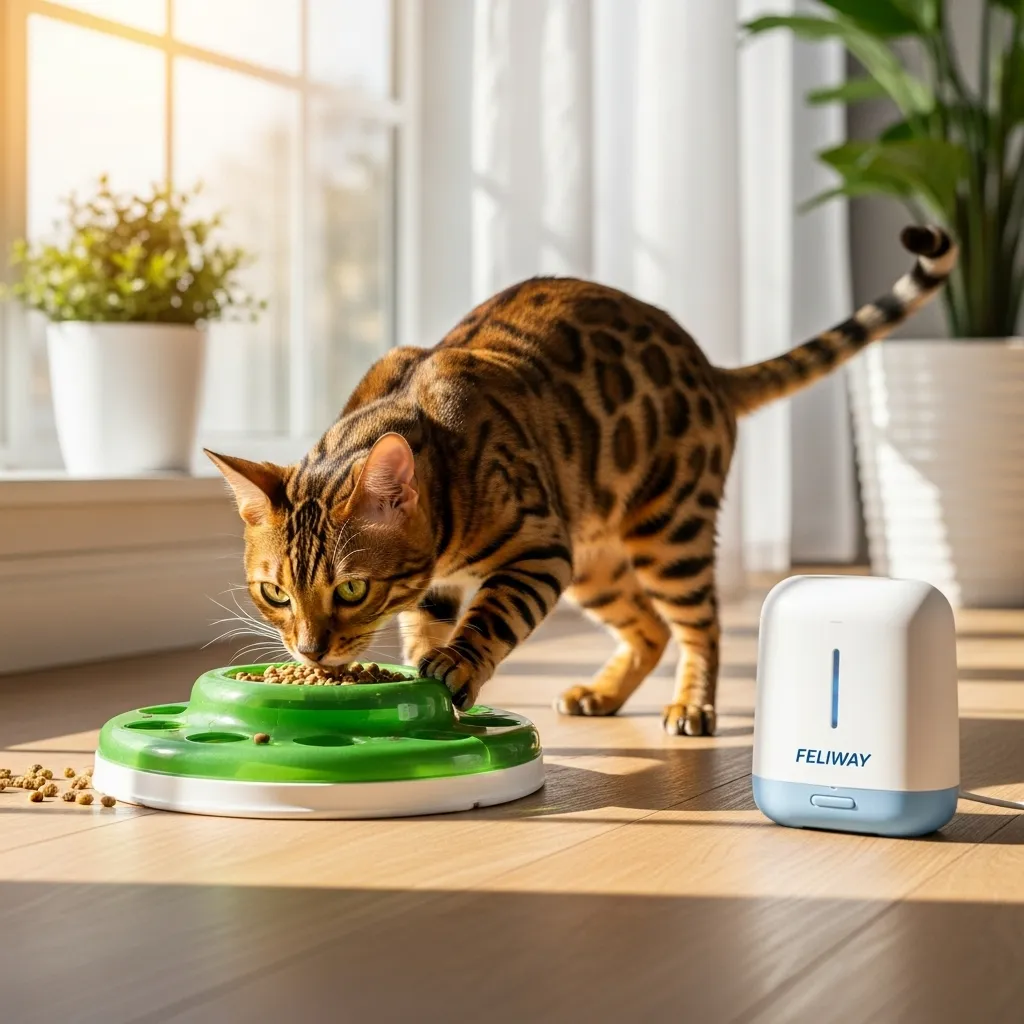
Real Example: My rescue Bengal, notorious for high energy (see Bengal cat personality), once shredded curtains during a three-day trip. A cat camera for monitoring revealed he was pacing at night—classic cat boredom signs. Adding a puzzle feeder and a Feliway diffuser cut his stress by 80% on the next trip.
How Long Can You Leave a Cat Alone? Age, Health, and Breed Matter
How long can you leave a cat alone depends on age, health, and personality. Here’s a breakdown to guide you:
| Cat Type | Max Time Alone | Key Considerations |
|---|---|---|
| Adult Cats (1–7 years) | 24–48 hours | Need food, water, clean litter, and enrichment. Monitor via cat camera for monitoring. |
| Kittens (0–6 months) | 4–8 hours | Require frequent feeding and socialization. Check-ins are critical. |
| Senior Cats (8+ years) | 12–24 hours | Health issues like diabetes may need closer monitoring (see cat diabetes guide). |
| Special Needs Cats | 8–12 hours | Conditions like FLUTD or arthritis demand regular care (see cat urinary health). |
Adult Cats vs. Kittens Alone Time
Adult cats vs kittens alone time is a big factor. Kittens are curious and prone to mischief—think chewed cables or knocked-over plants. They need frequent meals (3–4 times daily) and human interaction to develop socially. Adults, like a sturdy American Shorthair (see American Shorthair cats guide), can handle longer stretches if healthy, but how long is too long to leave cats alone? Over 48 hours risks effects of leaving cats alone for too long, like dehydration or anxiety.
Health Concerns When Leaving Cats Alone
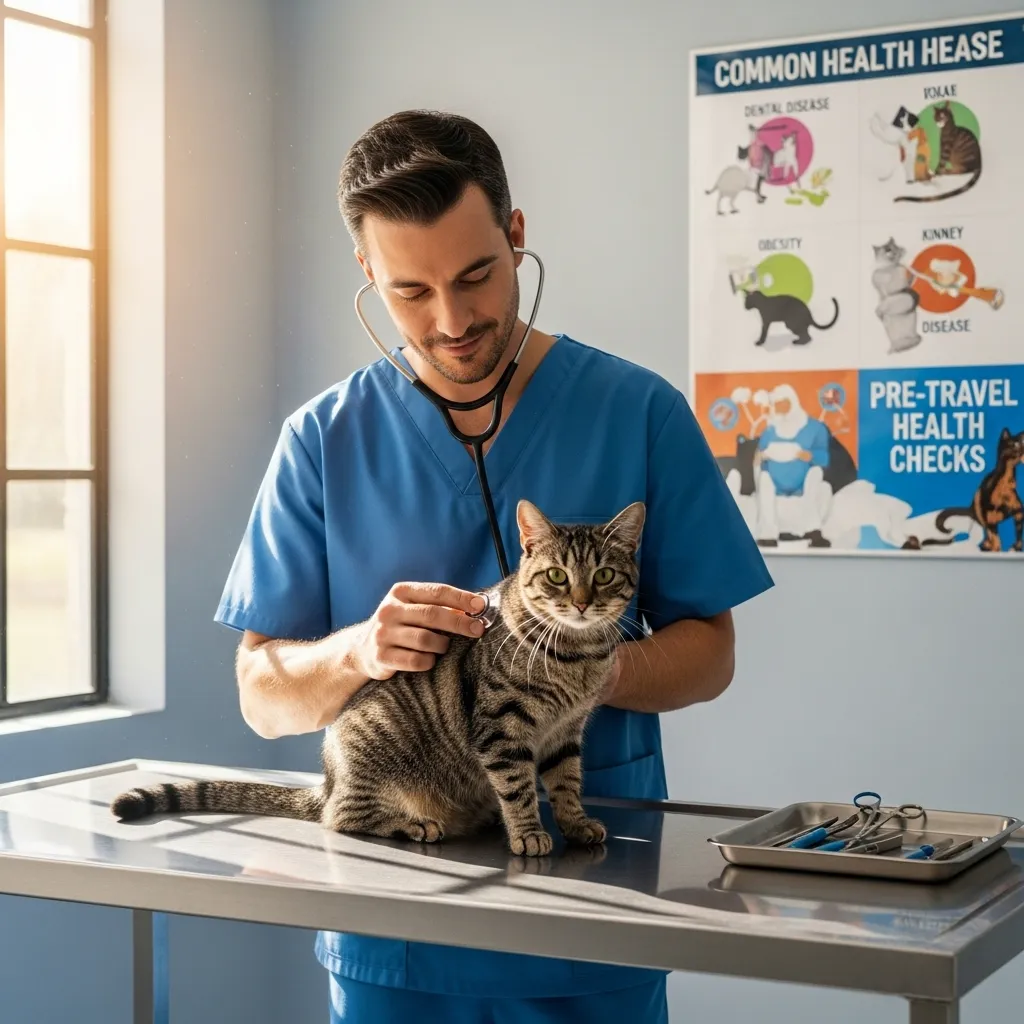
Health issues amplify risks of leaving cats unattended. A cat with urinary issues (common in Munchkins, per our Munchkin cat urinary issues guide) may avoid the litter box if it’s not pristine, leading to accidents. Diabetes or hyperthyroidism (see feeding cats hyperthyroidism) requires consistent feeding schedules. A vet visit before travel rules out hidden issues—60% of sudden behavior changes tie to medical causes, per PetMD 2025.
Breed-Specific Needs
High-energy breeds like Bengals or social Siamese suffer more from cat loneliness and behavior issues than laid-back Persians (see Persian cat breed). Tailor your setup to their personality for best results.
Action Step: Before leaving, consult a vet (tips in our finding the best vet for your cat) and note your cat’s baseline behavior to spot cat behavior problems when left alone.
Risks of Leaving Cats Alone for Too Long
Ignoring how long is too long to leave cats alone can lead to physical and psychological fallout. Here’s what’s at stake:
Physical Risks
- Dehydration or Starvation: A knocked-over water bowl or empty feeder means trouble in 24 hours. Safe feeding for cats when owners are away is critical—use smart pet feeders for cats like PetSafe Smart Feed.
- Litter Box Issues: A dirty box triggers cat peeing outside litter box (see our cat litter box frequency guide). Infections like UTIs can flare up fast.
- Accidents: Curious cats may ingest strings or get stuck in tight spaces. Kittens are especially vulnerable.
Psychological Impact
- Cat Separation Anxiety: Signs include excessive vocalizing, hiding, or overgrooming. A 2025 ASPCA study notes 30% of cats show cat anxiety from being left alone after 48 hours.
- Cat Boredom Signs: Destructive scratching, knocking over items, or lethargy signal unmet needs. Cat enrichment ideas while away like puzzle toys help.
- Territory Stress: Multi-cat homes may see fights over resources, especially if boxes or food are scarce.
Pro Tip: Use a cat camera for monitoring like Furbo 360 to check for cat stress signs (learn more in our cat stress signs guide).

How to Prepare Your Home for a Cat Alone
How to prepare home for a cat alone sets the stage for a stress-free absence. Follow these steps to create a feline-friendly fortress:
Step 1: Safe Feeding for Cats When Owners Are Away
Hunger is a dealbreaker. Safe feeding for cats when owners are away ensures nutrition without mess:
- Smart Pet Feeders for Cats: Devices like PetSafe Smart Feed or WOPET dispense precise portions on a schedule. Fill with kibble (see choosing cat food) for reliability.
- Multiple Water Sources: Place 2–3 bowls or a pet fountain to prevent spills. Cats drink 1–2 cups daily.
- Backup Plan: Leave extra dry food in a sealed container in case of feeder malfunctions.
Real Example: My Norwegian Forest Cat (see Norwegian Forest cat care) tipped a water bowl during a trip. A fountain and a smart pet feeder solved it for future absences.
Step 2: Litter Box Care When Leaving Cats Alone
A clean box prevents litter box problems when left alone. Follow these litter box cleaning tips:
- N+1 Rule: One box per cat plus one, in quiet spots. Avoid noisy laundry rooms (see stop cat peeing in laundry basket).
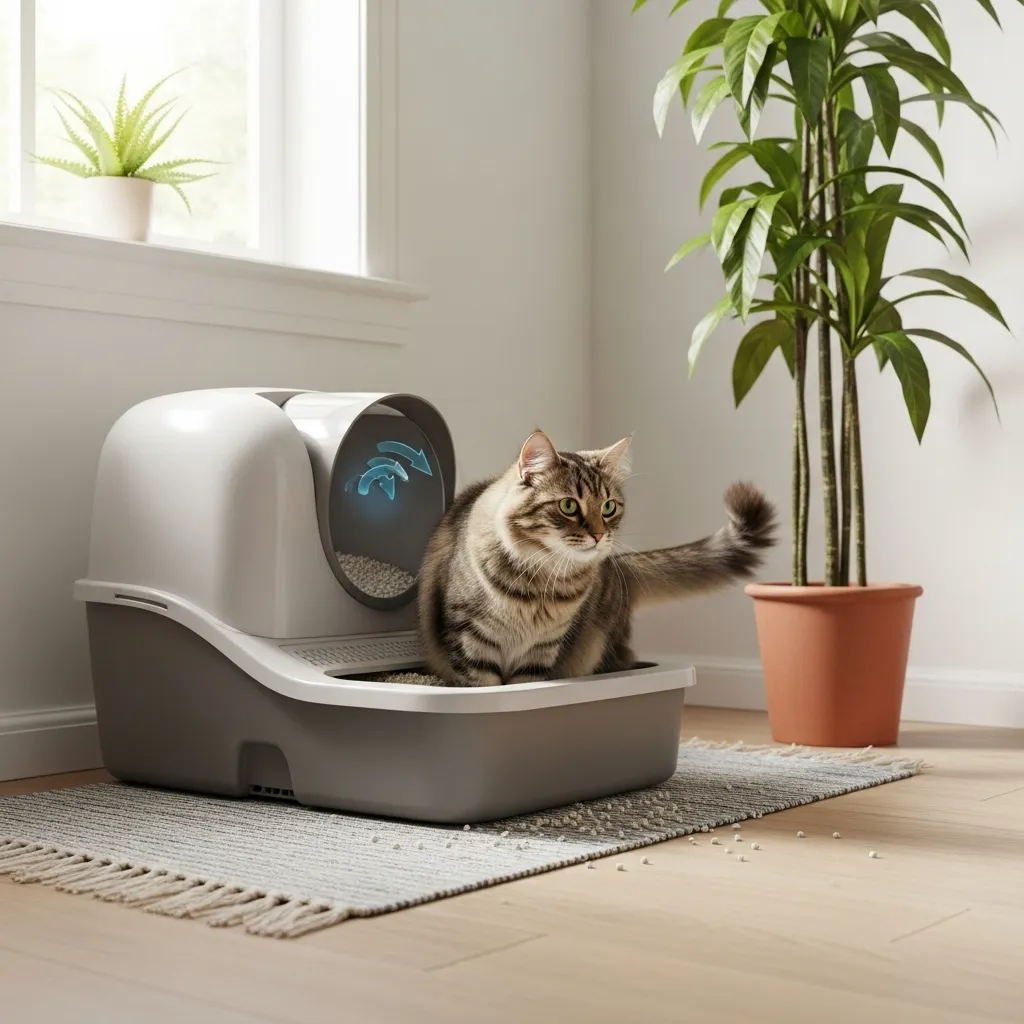
- Best Automatic Litter Boxes: Try Litter-Robot 4 for hands-free cleaning. Scoop manually if using traditional boxes.
- Stock Up: Leave enough unscented, clumping litter for a week (1–2 inches deep).
Pro Tip: Check our cat litter training guide for setup tips.
Step 3: Cat Enrichment Ideas While Away
Boredom fuels cat behavior problems when left alone. Keep them engaged:
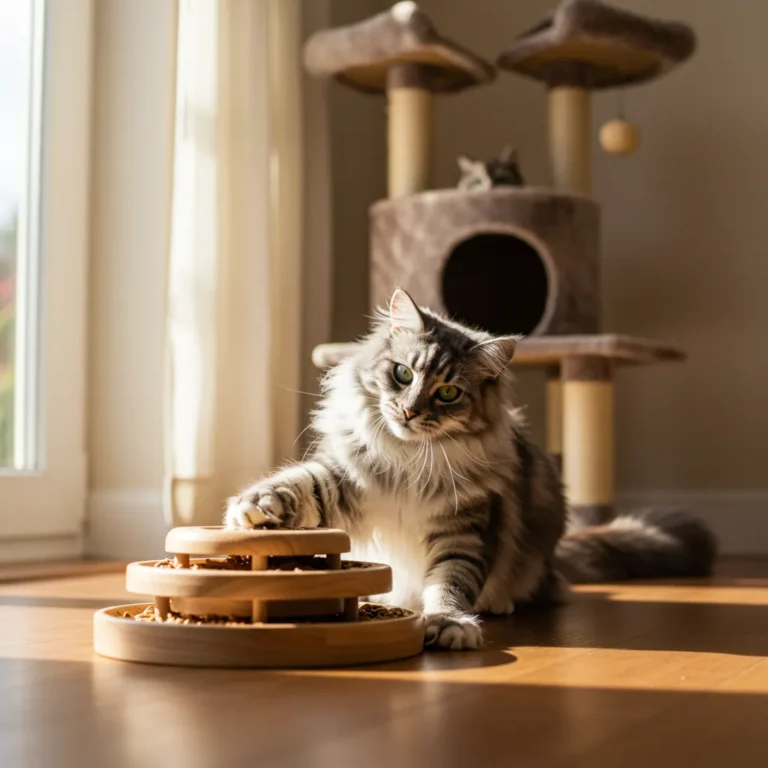
- Puzzle Toys: Treat-dispensing toys like Petstages Puzzle keep cats busy.
- Window Perches: A perch with a bird feeder view mimics hunting (see keep Siamese cats entertained).
- Interactive Tech: Play a looping cat TV video or use a laser toy on a timer.
Step 4: Safety Checks
Cat safety at home prevents disasters:
- Secure cords, toxic plants (see cat ate toxic plant guide), and small objects.
- Close off risky areas like balconies or tight spaces.
- Leave a Feliway diffuser plugged in to reduce cat separation anxiety.
Visualize This: A cozy home with two litter boxes in a quiet corner, a smart pet feeder dispensing kibble, a cat tree by a window, and a Furbo camera streaming peace of mind.
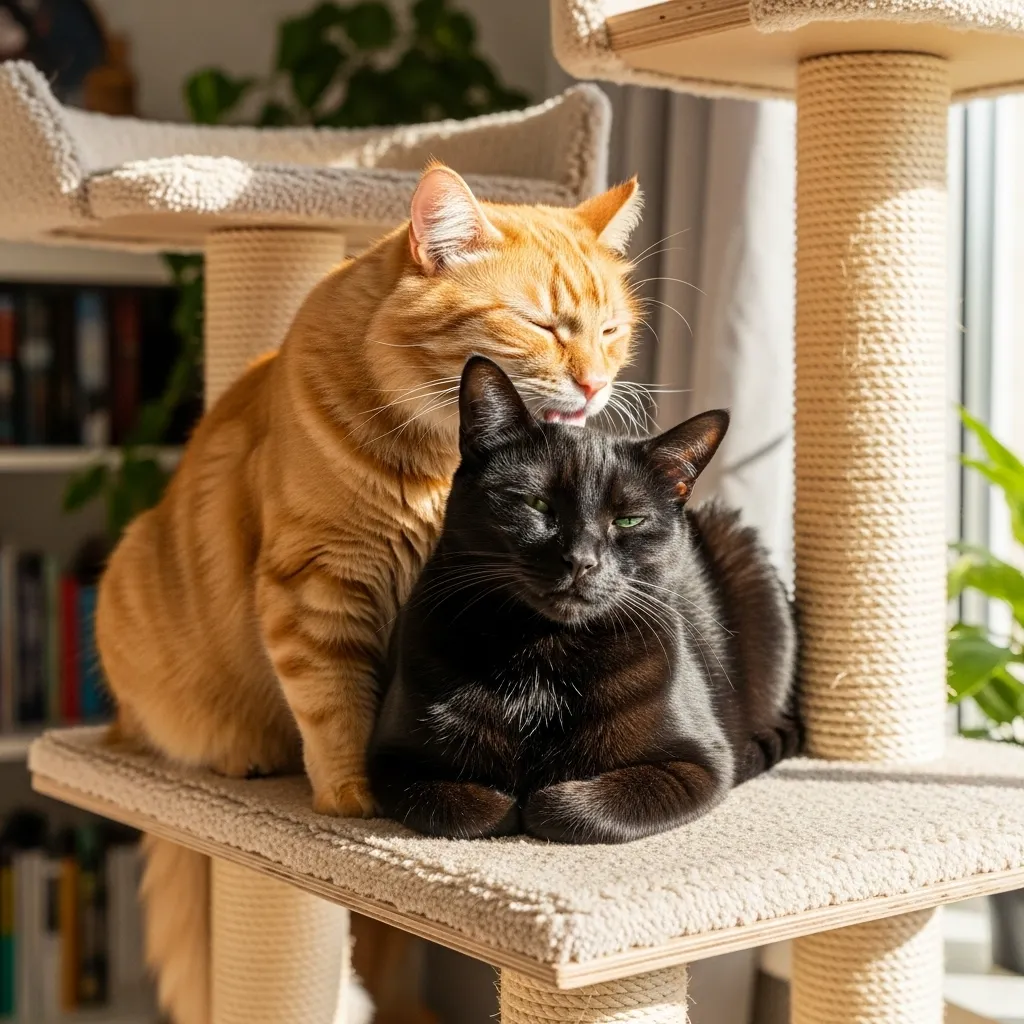
Do Companion Pets Help with Cat Loneliness?
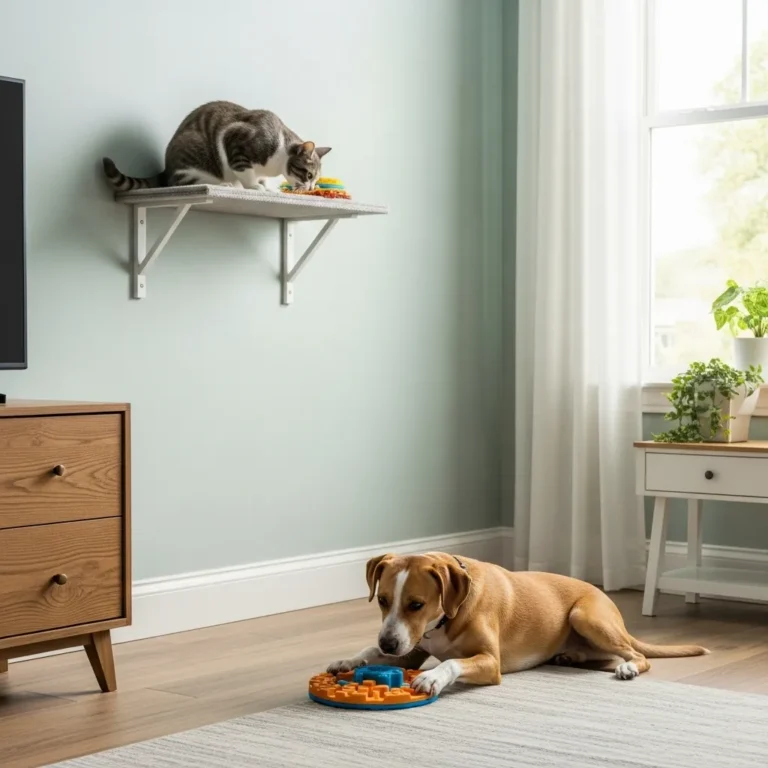
Companion pets for lonely cats can ease do cats get lonely concerns, but it’s not a one-size-fits-all fix. A 2025 study from Purina found 60% of cats in multi-pet homes show less cat anxiety from being left alone with a compatible buddy, like another cat or a calm dog (see Munchkin cats dogs coexistence). However, territorial breeds like Bengals may clash without proper introductions (check Bengal cat introduction tips).
When to Consider a Companion:
- Your cat seeks attention or follows you constantly.
- They tolerate other animals (test with short meet-and-greets).
- You can commit to gradual introductions (1–2 weeks).
Alternative: If a second pet isn’t feasible, double down on cat enrichment ideas while away and check-ins via a pet sitter.
Special Considerations for Working Owners and Cats Alone
Working owners and cats alone face unique challenges. If you’re gone 8–10 hours daily, your cat may show cat boredom signs like excessive sleeping or scratching. Here’s how to adapt:
- Morning Routine: Play for 15 minutes before leaving to tire them out (see teach cat to fetch).
- Midday Check-Ins: Hire a sitter or use a cat camera for monitoring to confirm food and water are accessible.
- Evening Enrichment: Rotate toys weekly to keep things fresh (try cat grass care guide for natural fun).
Pro Tip: For long workdays, best automatic litter boxes like PetSafe ScoopFree save time and keep the box inviting.
Monitoring and Adjusting for Cat Well-Being
Track your cat’s cat behavior and well-being with these tools:
- Cat Camera for Monitoring: Furbo or Blink cameras let you watch for cat stress signs like hiding or pacing.
- Behavior Journal: Note changes like vocalizing or appetite loss to spot cat behavior problems when left alone.
- Vet Follow-Ups: Regular check-ups catch issues early (see cat health care).
If cat separation anxiety persists, consult a behaviorist (see cat training behavior) for tailored plans.
FAQ: Quick Answers to Common Questions
How Long Can Cats Be Left Alone?
Adult cats can manage 24–48 hours with proper food, water, and litter setup. Kittens need check-ins every 4–8 hours.
Do Cats Get Lonely When Left Alone?
Yes, 70% of cats show cat loneliness and behavior issues like meowing or scratching after 48 hours, per Cornell 2025.
Can Cats Be Left Alone Overnight?
Yes, for healthy adult cats, if food, water, and a clean litter box are available. Use a cat camera for monitoring.
How Long Is Too Long to Leave Cats Alone?
Over 48 hours risks dehydration, stress, or cat behavior problems when left alone. Seniors or kittens need shorter times.
What Are the Effects of Leaving Cats Alone for Too Long?
Dehydration, urinary issues, and cat separation anxiety like overgrooming or destructive behavior.
How to Prepare Home for a Cat Alone?
Set up smart pet feeders for cats, multiple litter boxes, enrichment toys, and safety checks (see cat safety at home).
Do Companion Pets Help with Cat Loneliness?
Yes, for 60% of cats, per Purina 2025, but only with compatible pets and proper introductions.
What Are the Best Automatic Litter Boxes?
Litter-Robot 4 and PetSafe ScoopFree top 2025 lists for reliability and ease.
Conclusion: Keep Your Cat Happy When Alone
Leaving cats alone doesn’t have to mean stress or chaos. By debunking the cat independence myth and addressing cat loneliness and behavior, you can ensure cat well-being when left alone. Start with a vet check, set up safe feeding for cats when owners are away, and invest in tools like smart pet feeders for cats and best automatic litter boxes. Watch for cat boredom signs and tailor your setup to your cat’s age and breed whether it’s a playful Munchkin or a chill Ragdoll.
Your cat’s happiness is worth the effort. Explore more expert tips at Cat Bloom Haven to keep your feline thriving, from cat health care to cat enrichment ideas.