Cat Ate a Toxic Plant? Your Ultimate Guide to Protect Your Feline and Prevent Poisoning
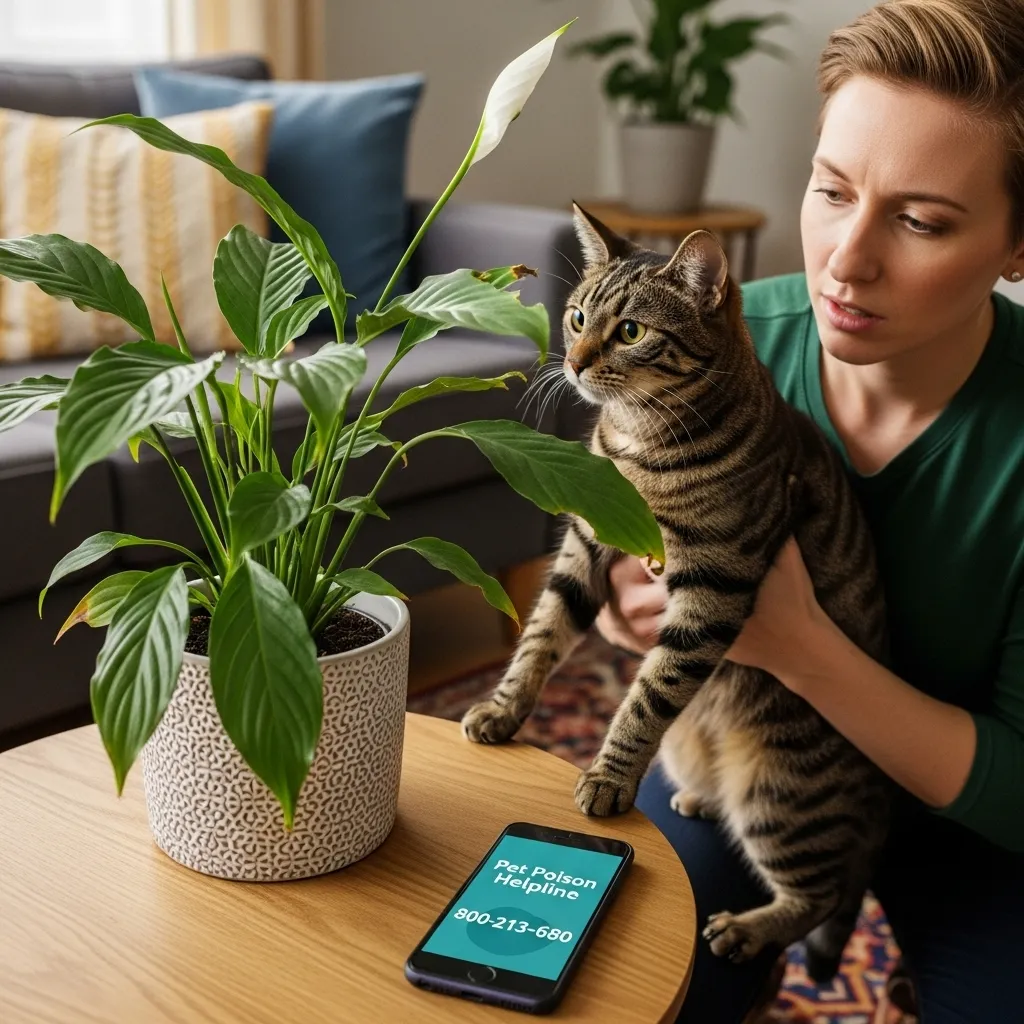
Imagine this: You’re watering your beloved houseplants when you notice your curious Bengal, Whiskers, nibbling on a peace lily leaf. Your heart races as you realize it might be toxic. That sinking feeling is all too real for cat parents cats’ natural curiosity often leads them to chew on plants, and not all greenery is safe. In fact, the ASPCA reports that plant poisoning accounts for 10% of pet poison control calls annually. If your cat ate a toxic plant, swift action is critical to ensure their safety.
At Cat Bloom Haven, we’ve helped countless owners navigate feline emergencies, from Munchkin cat urinary issues to Bengal cat vomiting. In this comprehensive guide, we’ll arm you with everything you need to know about toxic plants for cats, from spotting cat poisoning symptoms to taking immediate steps if your cat ate a toxic plant. You’ll learn about common household plants toxic to cats, cat poisoning treatment, safe plants for cats, and how to prevent cat poisoning for good. Whether you’re dealing with a cat ate peace lily crisis or want to cat-proof your home, we’ve got you covered with vet-backed advice and practical solutions.
Let’s dive in and turn this scary moment into a manageable one, ensuring your feline friend stays safe and your home remains a purr-fect sanctuary.
Key Takeaways for Quick Action
- Act Fast: If your cat ate a toxic plant, remove plant material, confine them safely, and call a vet or the Pet Poison Helpline for cats (1-855-764-7661) immediately.
- Know the Signs: Cat poisoning symptoms include vomiting, drooling, lethargy, seizures, or breathing issues—don’t wait to act.
- Avoid Home Remedies: Cat poisoning home remedies can worsen symptoms; rely on professional cat poisoning treatment.
- Common Culprits: Plants like lilies, aloe vera, and snake plants top the list of common household plants toxic to cats.
- Prevention is Key: Use toxic plants safe alternatives for cats like catnip or spider plants and elevate risky greenery.
- Recovery Timeline: With prompt care, cat toxic plant recovery can take 1–7 days for mild cases, per 2025 veterinary data.
Start with these steps to protect your cat, and read on for a deeper dive into saving your feline from plant poisoning.
Why Cats Chew Plants: Instinct Meets Danger
Cats are natural explorers, and their curiosity often leads them to nibble on houseplants. According to Cornell’s Feline Health Center, this behavior stems from instincts to explore textures, relieve boredom, or even soothe digestive upset. But when they chew on toxic plants for cats, it’s a recipe for trouble. Soft, leafy textures like those of a peace lily or aloe vera are especially tempting, especially for breeds like Siamese cats, known for their curious nature.
The problem? Many common houseplants are dangerous. A 2025 ASPCA report notes that lilies alone cause 20% of feline poisoning cases due to their severe toxicity. Understanding why your cat is drawn to plants helps you prevent incidents and choose safe plants for cats to satisfy their chewing urges.
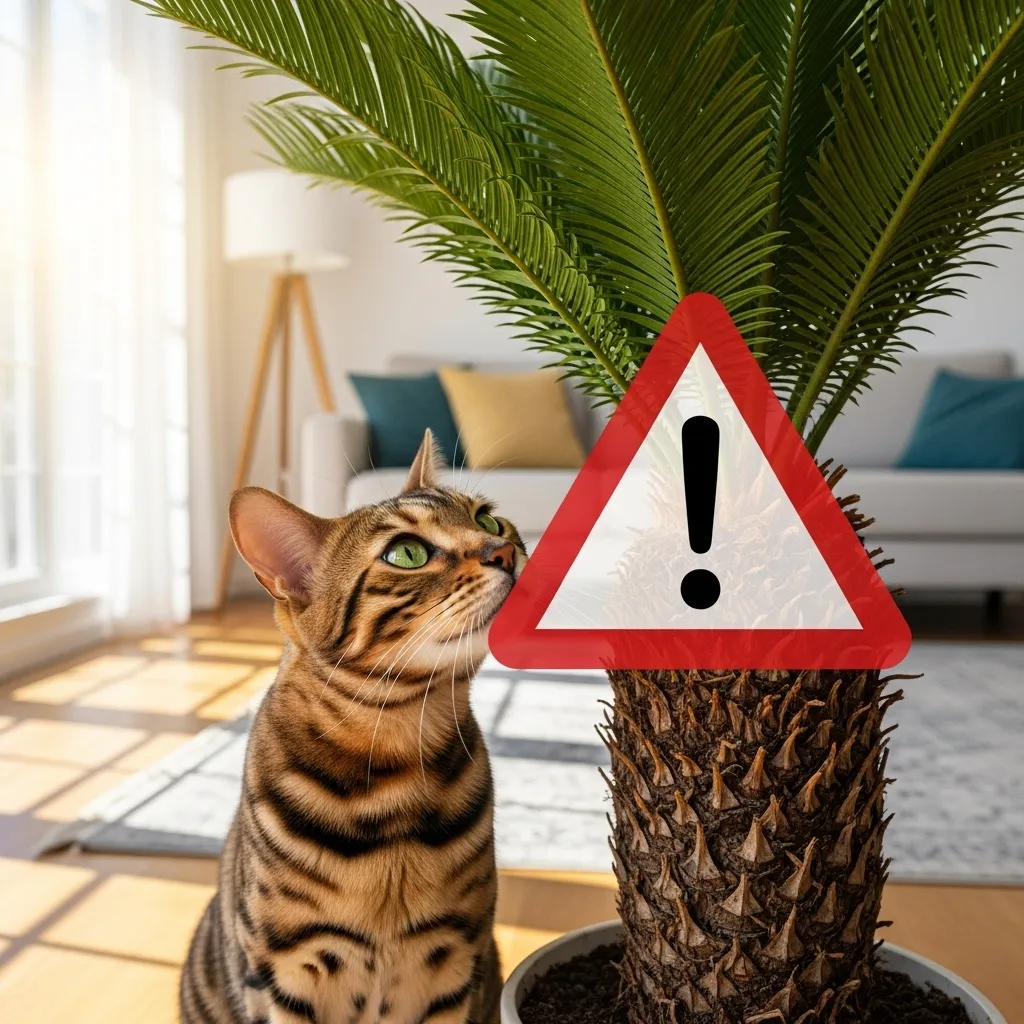
Real-Life Example: My rescue Munchkin, Pippin, once chewed on a pothos vine during a move. A quick vet visit and some cat stress signs knowledge saved the day, but it taught me to double-check my greenery.
Common Household Plants Toxic to Cats
Not all plants are feline-friendly. Below is a detailed list of common household plants toxic to cats, their toxic compounds, and potential effects, based on 2025 veterinary data:
| Plant | Toxic Component | Symptoms |
|---|---|---|
| Lilies (Peace, Easter, Daylily) | Unknown glycosides | Kidney failure, vomiting, lethargy |
| Aloe Vera | Saponins, anthraquinones | Vomiting, diarrhea, tremors |
| Snake Plant | Saponins | Nausea, vomiting, diarrhea |
| Pothos | Calcium oxalate crystals | Oral irritation, drooling, vomiting |
| Dieffenbachia | Calcium oxalate crystals | Swollen mouth, difficulty swallowing |
| Sago Palm | Cycasin | Liver failure, seizures, vomiting |
| Philodendron | Calcium oxalate crystals | Oral pain, drooling, reduced appetite |
Pro Tip: If you’re unsure about a plant, check the ASPCA’s Toxic and Non-Toxic Plant List or snap a photo and consult your vet. For breed-specific risks, like Ragdoll cat allergies, some plants may trigger additional sensitivities.
Why Are These Plants Dangerous?
- Irritants: Plants like pothos and dieffenbachia contain calcium oxalate crystals, causing intense mouth and throat pain.
- Systemic Toxins: Lilies and sago palms affect organs like kidneys or liver, potentially fatal within 48 hours.
- Digestive Disruptors: Aloe vera and snake plants cause gastrointestinal upset, leading to dehydration if untreated.
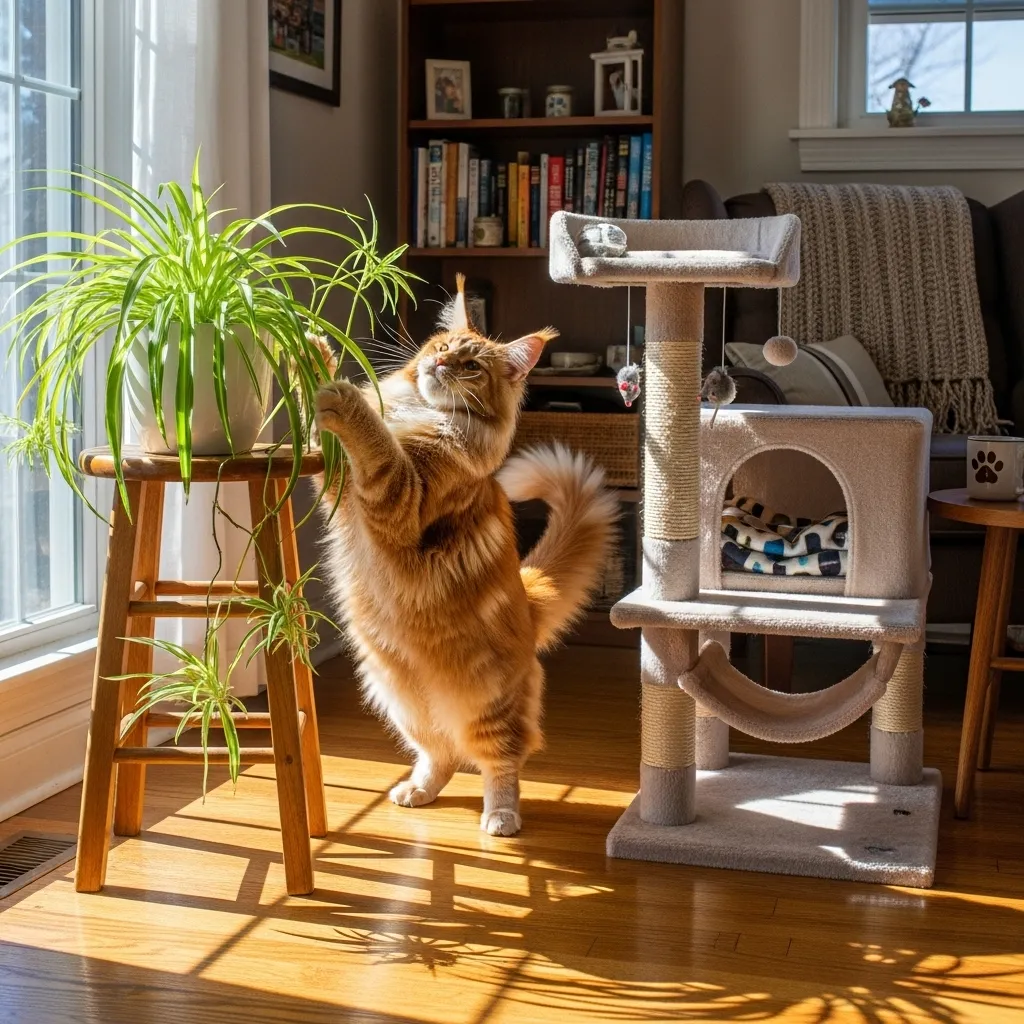
Knowing these risks helps you spot signs of cat poisoning early and act swiftly.
Cat Poisoning Symptoms: Spotting the Red Flags
Recognizing cat poisoning symptoms is critical for timely intervention. Symptoms vary based on the plant and amount ingested but generally fall into three categories:
1. Irritant Effects
- Drooling or Pawing at Mouth: Common with oxalate-rich plants like pothos.
- Swollen Lips or Tongue: Indicates oral irritation.
- Vomiting or Gagging: Often immediate after ingestion.
2. Systemic Symptoms
- Lethargy or Weakness: Seen with lilies or sago palm poisoning.
- Tremors or Seizures: Severe cases, especially with sago palms.
- Rapid Breathing or Heart Rate: Signals organ stress.
3. Organ-Specific Symptoms
- Reduced Urination or Thirst: Kidney issues from lilies.
- Yellowing Skin (Jaundice): Liver damage from sago palms.
- Blood in Vomit or Stool: Severe gastrointestinal damage.
Action Step: If you notice any of these signs of cat poisoning, don’t wait—call your vet or the Pet Poison Helpline for cats (1-855-764-7661). Time is critical, as 80% of untreated lily poisoning cases lead to kidney failure within 72 hours, per 2025 PetMD data.
Real-Life Example: A friend’s Norwegian Forest Cat nibbled a lily and became lethargic within hours. A vet visit and IV fluids led to full cat toxic plant recovery in 5 days, but delays could’ve been fatal.
What to Do If Your Cat Eats a Toxic Plant: Immediate Steps
If you suspect your cat ate a toxic plant, every second counts. Follow these immediate steps if cat ate toxic plant to protect your feline:
- Remove Plant Material: Gently check your cat’s mouth and remove any plant bits. Avoid forcing vomiting—it can worsen irritation.
- Identify the Plant: Take a photo or sample of the plant for your vet. Note the time of ingestion.
- Confine Your Cat: Place them in a safe, quiet space to monitor cat poisoning symptoms and prevent further chewing.
- Call for Help: Contact your vet or the Pet Poison Helpline for cats (1-855-764-7661) immediately. Provide plant details and symptoms.
- Don’t Use Home Remedies: Cat poisoning home remedies like milk or hydrogen peroxide can worsen symptoms, per 2025 AVMA guidelines.
- Rush to the Vet: If advised, bring your cat and the plant sample to the clinic for cat poisoning treatment.
Visualize This: Picture yourself calmly scooping up your cat, securing the plant sample in a bag, and calling the vet while keeping your feline cozy in a carrier. Speed and clarity save lives.
For travel tips to the vet, check our American Shorthair cat travel tips.

Cat Poisoning Treatment: What to Expect at the Vet
Once at the vet, cat poisoning treatment depends on the plant and symptoms. Here’s what typically happens, based on 2025 veterinary protocols:
- Induced Vomiting or Gastric Lavage: For recent ingestion (within 1–2 hours), to remove plant material.
- Activated Charcoal: Absorbs toxins in the gut, often used for lilies or sago palms.
- IV Fluids: Flushes toxins and supports kidney/liver function, critical for cat toxic plant recovery.
- Medications: Anti-nausea drugs, pain relievers, or anticonvulsants for seizures.
- Blood Tests: Monitors organ function, especially for kidney or liver damage.
Cost Insight: Emergency visits range from $200–$1,500, depending on severity. Learn more in our finding the best vet for your cat guide.
Recovery Timeline: Mild cases (e.g., pothos irritation) resolve in 1–3 days with supportive care. Severe cases (e.g., lily poisoning) may require 5–10 days of hospitalization. Regular follow-ups ensure no long-term effects.
Can Cats Vomit Worms After Eating Toxic Plants?
A common question: Can cats vomit worms after eating toxic plants? The short answer is no—plant poisoning doesn’t cause worms. However, vomiting from plant ingestion can reveal existing parasites if your cat is already infected. Per our worms in cats guide, worms are contracted via fleas, prey, or contaminated soil, not plants. If you see worms, schedule a vet visit for deworming alongside plant poisoning treatment.
Toxic Plants Safe Alternatives for Cats
Prevent future scares by swapping toxic plants for cats with safe plants for cats. These alternatives satisfy your cat’s chewing instincts without risk:
- Catnip: Stimulates play and is 100% safe. Great for Bengal cat personality.
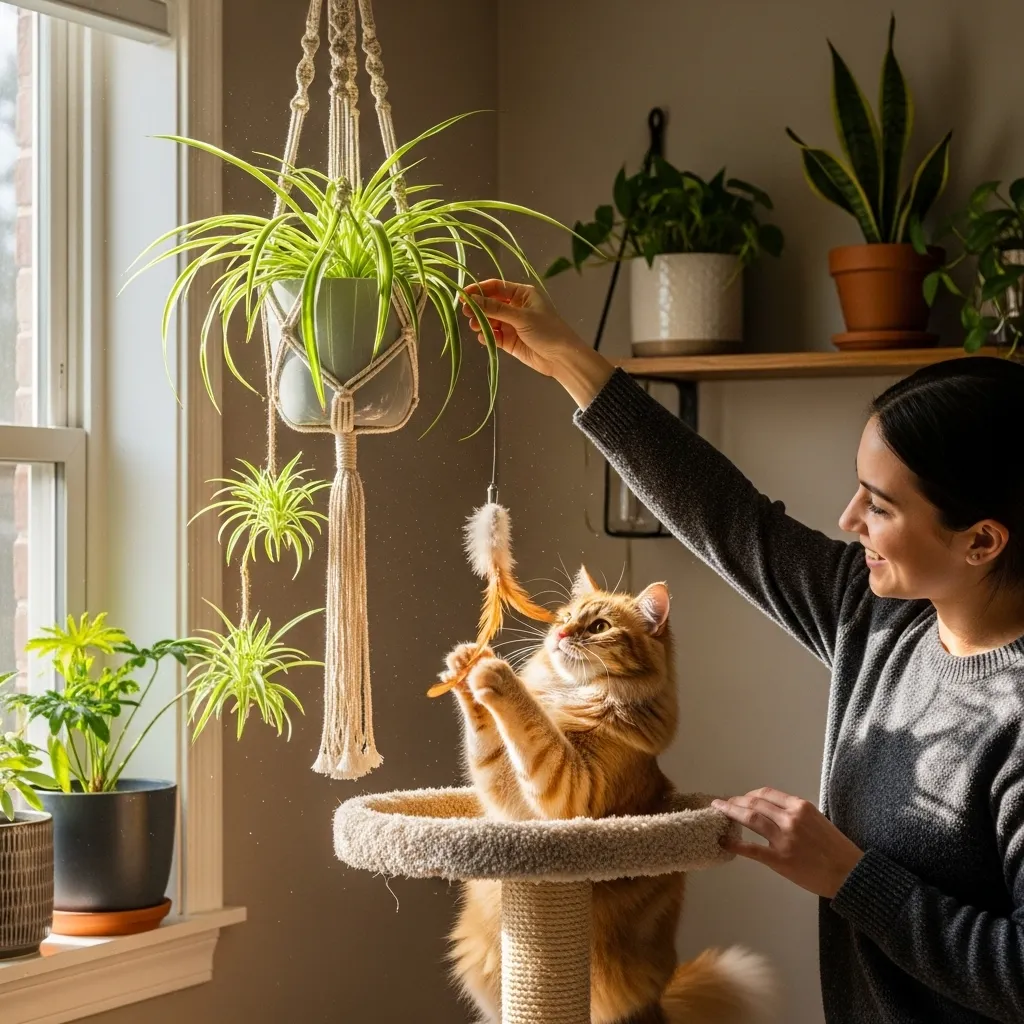
- Spider Plant: Non-toxic, leafy texture cats love.
- Cat Grass: Aids digestion and is vet-approved. See our cat grass care guide.
- Boston Fern: Lush and safe for curious nibblers.
- Valerian: Calming and feline-friendly.
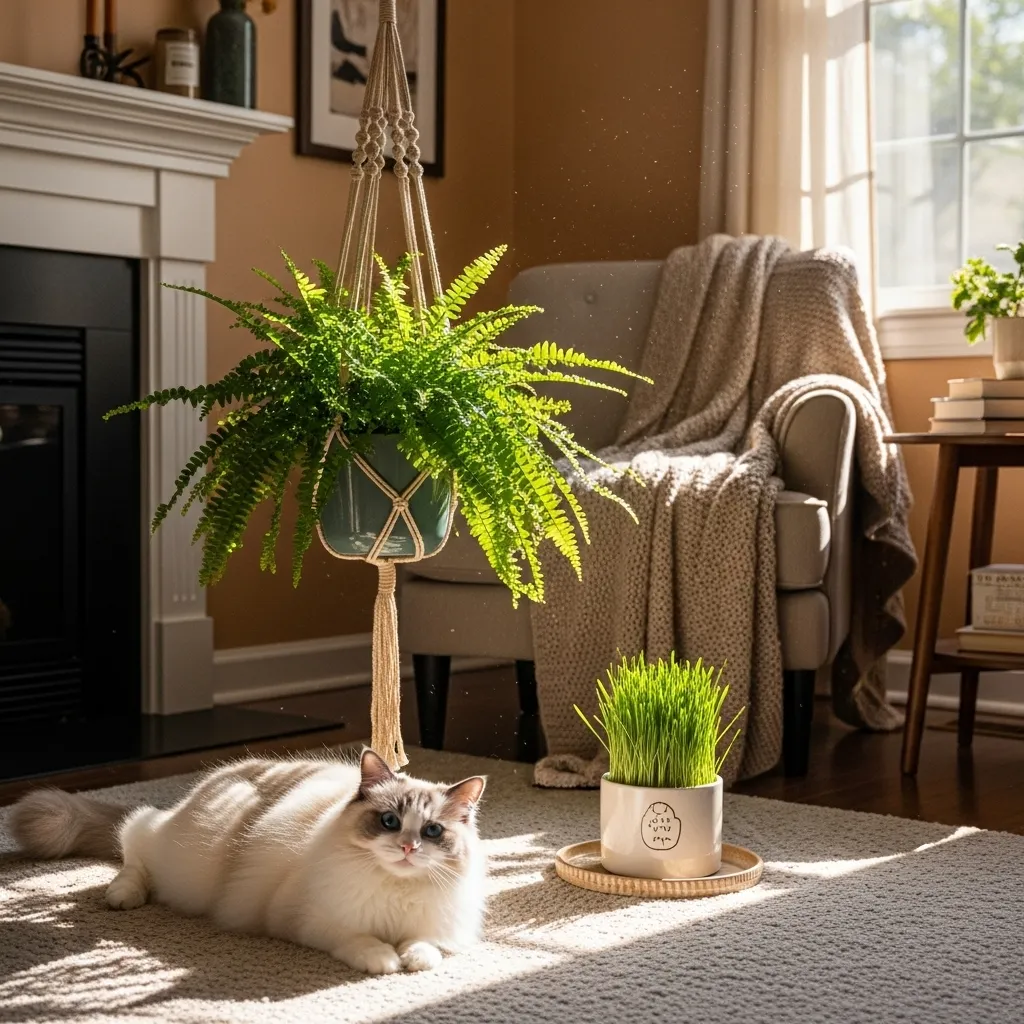
Pro Tip: Grow catnip or grass in low pots to distract from other plants. For Munchkin cat playfulness, these are perfect enrichment tools.
How to Prevent Cat Poisoning: Long-Term Strategies
Preventing cat poisoning starts with a cat-safe home. Here’s how to keep your feline out of trouble:
- Elevate or Isolate Plants: Place toxic plants on high shelves or in cat-free rooms. Use hanging planters for added safety.
- Use Deterrents: Spray citrus or bitter apple on plant leaves—cats dislike the scent. Refresh weekly.
- Enrich the Environment: Add scratching posts, toys, and perches to curb boredom. Explore our keep Siamese cats entertained guide.
- Check New Plants: Before buying, verify safety with our cat health care resources.
- Routine Vet Checks: Annual exams catch underlying issues that increase plant-chewing behavior, like cat stress signs.
Real-Life Success: After my Pippin’s pothos incident, I switched to spider plants and added a Feliway diffuser. No plant nibbling in two years!
FAQ: Quick Answers to Your Burning Questions
What should I do immediately if my cat eats a plant that might be toxic?
Remove plant material from their mouth, confine them safely, and call your vet or the Pet Poison Helpline for cats (1-855-764-7661) with plant details.
How can I tell if a plant in my home is toxic to my cat?
Check the plant against the ASPCA’s toxic plant list or consult our cat health care guide. When in doubt, ask your vet.
What are the common symptoms of cat poisoning from toxic plants?
Cat poisoning symptoms include drooling, vomiting, lethargy, tremors, or reduced urination. Severe cases may involve seizures or jaundice.
How can I prevent my cat from being poisoned by plants?
Use safe plants for cats like catnip, elevate toxic plants, and enrich your cat’s environment with toys. See our cat training behavior tips.
Should I try to treat my cat at home if it has ingested a toxic plant?
No—cat poisoning home remedies can worsen symptoms. Seek professional cat poisoning treatment immediately.
Are there any long-term health effects after a cat ingests a toxic plant?
With prompt treatment, most cats recover fully in 1–10 days. Untreated cases, like lily poisoning, can cause permanent kidney damage.
What are the first signs that may indicate my cat ingested a toxic plant?
Look for drooling, vomiting, pawing at the mouth, or lethargy within hours of ingestion.
Can eating toxic plants cause cats to vomit worms?
No, but vomiting may reveal existing worms. Check our worms in cats guide for deworming advice.
Conclusion: Keep Your Cat Safe and Your Home Green
A cat ate a toxic plant scare is a wake-up call, but with the right knowledge, you can protect your feline and maintain a lush home. From recognizing toxic plants for cats like lilies and aloe vera to acting fast with emergency steps for cat poisoning, you’re now equipped to handle this crisis. Swap risky plants for safe plants for cats like catnip, and use our prevention tips to create a feline-friendly space.
At Cat Bloom Haven, we’re passionate about keeping your cat thriving. Explore our guides on cat health care or cat stress signs for more ways to ensure your kitty’s safety.