Worms in Cats: Symptoms, Treatment, and Prevention
Worms in cats are a common health concern for pet owners, as these cat parasites can cause discomfort and serious health issues if left untreated. Understanding how to protect cats from worms, recognize symptoms of worms in cats, treat them effectively, and prevent worms in cats is crucial for keeping your feline friend healthy. This article covers everything you need to know about worms in cats, with practical tips to ensure your pet stays worm-free.

What Are Worms in Cats?
Worms in cats are internal parasites that live in a cat’s digestive system or other organs, feeding off their host. These cat parasites can be contracted through contaminated food, water, soil, fleas, or contact with infected animals. While worms are treatable, they can lead to serious complications if ignored, making early detection and prevention essential.
Common Types of Worms in Cats
Several types of worms can affect cats, each with unique characteristics and health impacts. Knowing the types of cat parasites helps in identifying and treating them effectively. The most common worms in cats include:
- Roundworms: These are the most prevalent worms in cats, resembling spaghetti and living in the intestines. Cats can contract roundworms by ingesting eggs from contaminated soil or prey, or through their mother’s milk as kittens. Roundworms can cause weight loss, vomiting, and a pot-bellied appearance, especially in kittens.
- Tapeworms: Tapeworms are long, flat worms that attach to the intestinal wall. They’re often transmitted through fleas or by eating infected rodents. Tapeworm segments, which look like small rice grains, may be visible in your cat’s feces or around their anus.
- Hookworms: These small, blood-sucking worms latch onto the intestinal lining, causing anemia, weakness, and bloody diarrhea. Cats can get hookworms by ingesting larvae from contaminated environments or through skin contact with infected soil.
- Whipworms: Less common in cats, whipworms live in the large intestine and can cause diarrhea, weight loss, and inflammation. They’re typically contracted through ingesting eggs from contaminated soil or surfaces.
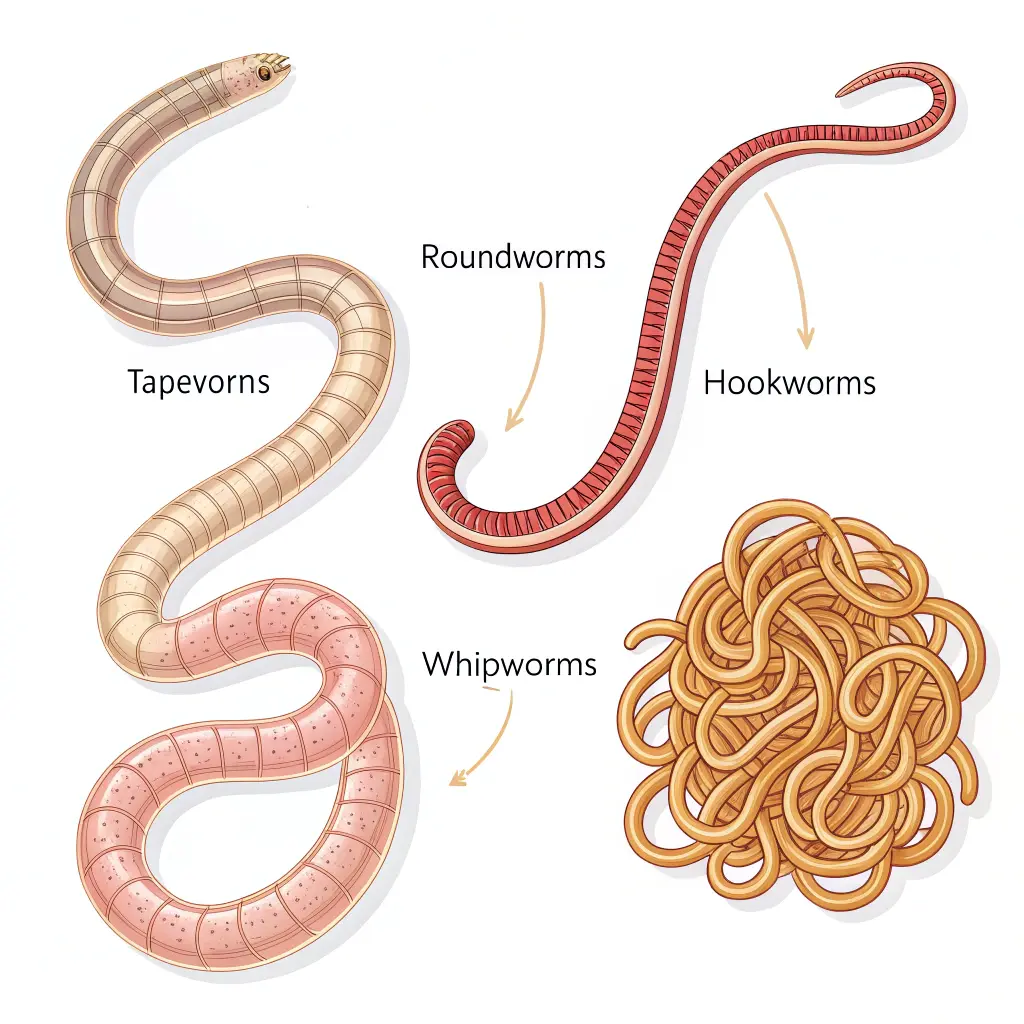
Each type of worm requires specific treatment, so a veterinary diagnosis is critical to target the right cat parasites.
Why Protecting Cats from Worms Matters
Protecting cats from worms is vital for their overall health and well-being. Worms can cause malnutrition, weight loss, and even organ damage in severe cases. Kittens and senior cats are especially vulnerable, as their immune systems may struggle to fight off these cat parasites. Regular preventive measures can save your cat from discomfort and reduce the risk of transmission to other pets or, in some cases, humans, especially in households with children or immunocompromised individuals.
Symptoms of Worms in Cats
Recognizing the symptoms of worms in cats is the first step to addressing the issue. Common signs include:
- Visible worms: You may notice worms or segments in your cat’s feces, vomit, or around their anus (especially with tapeworms, which look like small rice grains).
- Weight loss: Despite a normal or increased appetite, your cat may lose weight due to worms stealing nutrients.
- Lethargy: Cats with worms often appear tired or less playful.
- Bloated abdomen: Particularly in kittens, a pot-bellied appearance can indicate a heavy worm infestation.
- Diarrhea or vomiting: Digestive upset is a frequent symptom of worms in cats.
- Poor coat condition: A dull, patchy, or rough coat can signal a parasite problem.

If you notice any of these symptoms of worms in cats, consult your veterinarian immediately for a proper diagnosis. Early detection can make treatment more effective and prevent complications.
How to Treat Worms in Cats
Treating worms in cats requires a veterinarian’s guidance to ensure the right medication and dosage. Here’s how to treat worms in cats effectively:
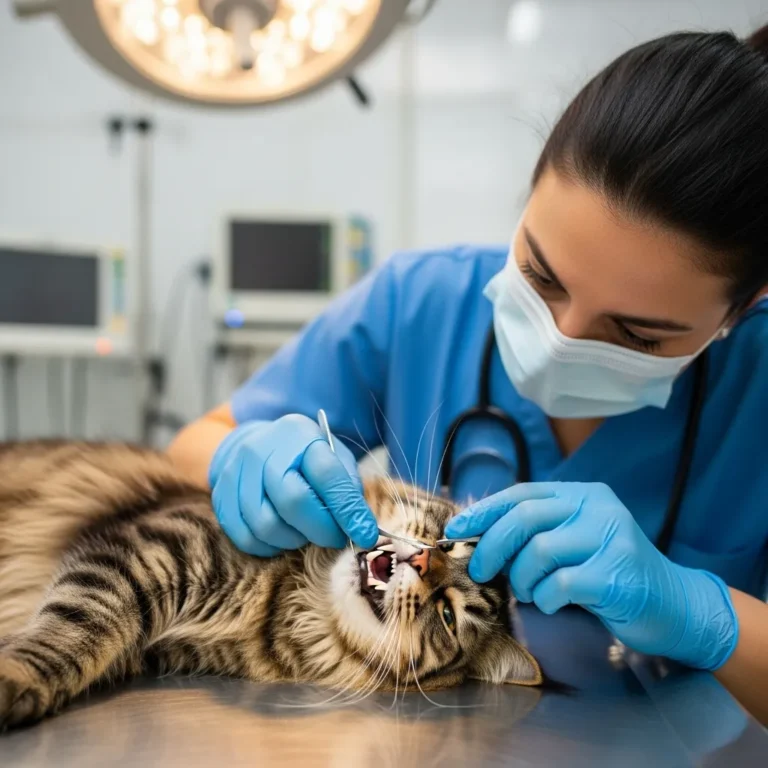
- Veterinary Diagnosis: Your vet will perform a fecal exam to identify the type of worms affecting your cat. This step is crucial, as different worms require specific treatments.
- Deworming Medications: Common treatments include oral or topical medications like praziquantel for tapeworms or pyrantel for roundworms. Follow your vet’s instructions carefully to ensure complete eradication.
- Follow-Up Care: After treatment, your vet may recommend follow-up fecal tests to confirm the worms are gone. Repeat treatments may be necessary for severe infestations.
- Clean the Environment: Wash your cat’s bedding, litter box, and living areas to prevent reinfection. Vacuum carpets and dispose of waste promptly to eliminate eggs or larvae.

Always avoid over-the-counter dewormers without veterinary advice, as incorrect use can harm your cat or fail to address the specific type of cat parasites.
How to Prevent Worms in Cats
Preventing worms in cats is easier than treating an infestation. By taking proactive steps, you can protect cats from worms and keep them healthy. Here are key strategies to prevent worms in cats:
- Regular Vet Checkups: Schedule annual or bi-annual vet visits for fecal exams and preventive care. Early detection of cat parasites can stop infestations before they worsen.
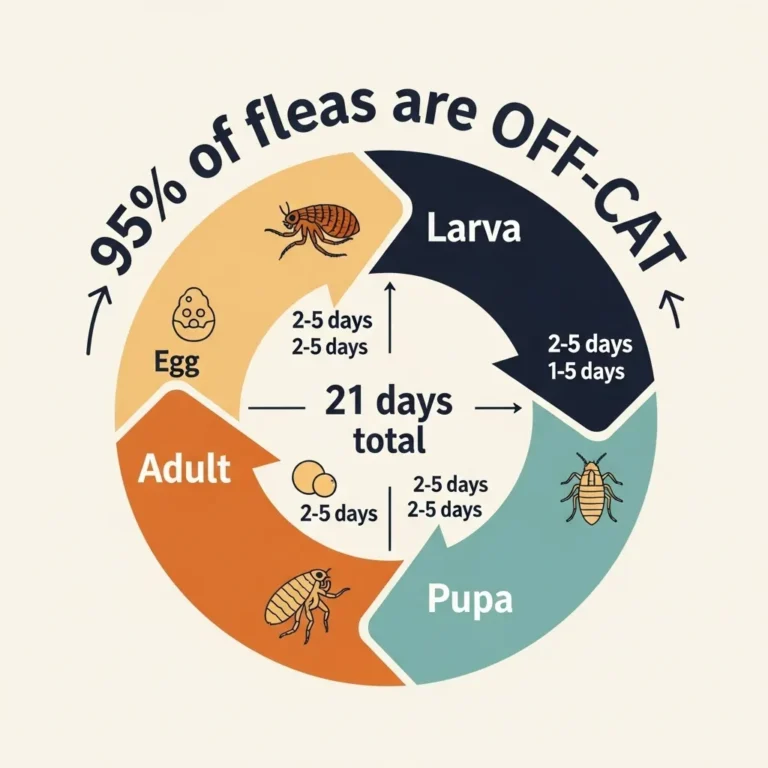
- Flea Control: Since fleas can transmit tapeworms, use vet-recommended flea prevention products like topical treatments or collars.
- Hygiene Practices: Keep your cat’s litter box clean and dispose of feces daily to reduce the risk of worm eggs spreading. Wash your hands after handling litter or soil.
- Avoid Raw Diets: Feeding raw or undercooked meat can expose cats to worms. Stick to high-quality commercial cat food or thoroughly cooked homemade meals.
- Limit Outdoor Exposure: Cats that roam outdoors are more likely to encounter contaminated soil or infected animals. Keeping your cat indoors or supervising outdoor time can lower the risk.
- Preventive Medications: Ask your vet about regular deworming treatments or preventives, especially for kittens or cats with outdoor access.

By incorporating these habits, you can significantly reduce the chances of worms in cats and ensure a healthier environment for your pet.
Spread the Word About Cat Health
Sharing knowledge about worms in cats can help other pet owners keep their felines healthy. Talk to your veterinarian, spread the word about symptoms, treatment, and prevention, and help protect cats from worms and other cat parasites. By raising awareness, you can make a big difference in feline health and well-being.
Conclusion
Worms in cats are a manageable but serious concern for pet owners. By understanding the types of worms, recognizing the symptoms of worms in cats, knowing how to treat worms in cats, and taking steps to prevent worms in cats, you can keep your feline companion healthy and happy. Regular veterinary care, good hygiene, and preventive measures are key to protecting cats from worms and other cat parasites. If you suspect your cat has worms, don’t delay—contact your veterinarian for expert advice and treatment.

For more information on cat health or to schedule a vet visit, reach out to your local veterinarian or trusted pet care resources. Your cat’s health is worth it!