Why Does My Cat Wake Up Meowing? Expert Solutions to Soothe Your Vocal Feline and Restore Your Sleep
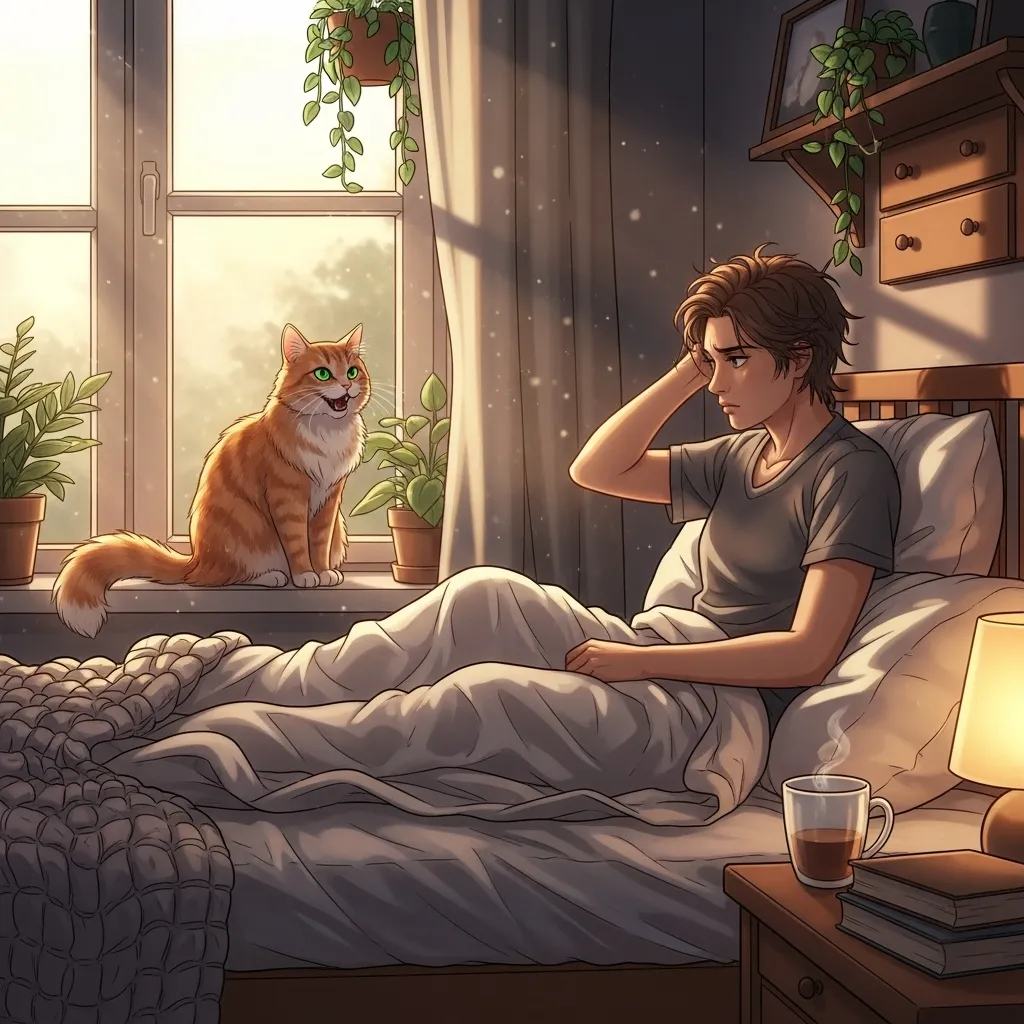
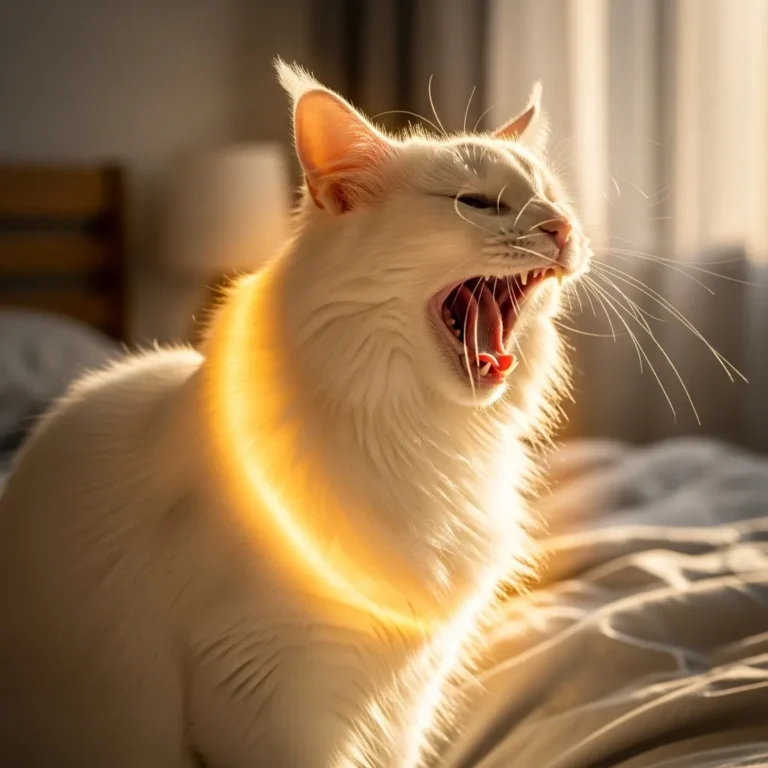
Imagine this: it’s 4 a.m., and your cat’s piercing meows jolt you awake, echoing through the house like a feline alarm clock. You stumble out of bed, bleary-eyed, wondering, Why does my cat wake up meowing? Whether it’s a pre-dawn serenade or a midnight chorus, this vocal behavior can turn your peaceful nights into a test of patience. As a cat parent who’s fostered Siamese and Bengals two of the chattiest breeds I’ve been there, decoding those yowls with a mix of love and exasperation. Studies suggest up to 15% of cats exhibit excessive vocalization, often tied to health, behavior, or environment.
The good news? You can solve this. In this comprehensive guide, we’ll uncover why your cat is meowing in the morning or meowing at night, dive into feline communication and cat sleep patterns, and provide actionable steps to calm your vocal kitty. From medical checks to cat sleep training tips, we’ll explore reasons cats meow, how to stop cat meowing at night, and ways to understand your cat’s unique language. Whether you’ve got a vocal Siamese (check our Siamese cat guide) or a newly adopted stray, you’ll find expert-backed solutions to restore harmony.
Here’s what you’ll learn:
- Why cat vocalization spikes at dawn or dusk.
- How feline sleep cycles influence nocturnal cat behavior.
- Practical fixes for cat meowing for attention or cat crying at night.
- Vet-approved ways to address cat anxiety at night and cat sleep problems.
- Breed-specific insights, like Bengal cat personality traits.
Let’s turn those meows into purrs and reclaim your sleep.
Key Takeaways
- Why cats wake up meowing: Hunger, health issues (like hyperthyroidism), stress, or seeking attention often trigger cat meowing in the morning or at night.
- Cat sleep patterns: Cats are crepuscular, most active at dawn and dusk, with REM sleep influencing vocal bursts.
- Solutions: Vet checks, enriched environments, and consistent routines reduce nocturnal cat behavior issues.
- No punishment: Scolding worsens cat behavior problems; use positive reinforcement instead.
- Quick fixes: Feed before bed, add playtime, and use calming aids like Feliway for how to calm a vocal cat.
Understanding Cat Sleep Patterns and Nocturnal Behavior
Cats aren’t truly nocturnal but crepuscular, meaning they’re wired for action at dawn and dusk. This explains why your cat’s meowing in the morning feels like a daily ritual. According to a 2025 Cornell Feline Health Center study, cats spend 12–16 hours sleeping, with 20% in deep REM sleep, where dreams may spark vocal outbursts. Their feline sleep cycle includes short “catnaps” and bursts of energy, often aligning with nocturnal cat behavior.
The Stages of Feline Sleep
- Light Sleep (Catnaps): Brief dozes (15–30 minutes) where cats stay alert, ready to spring up.
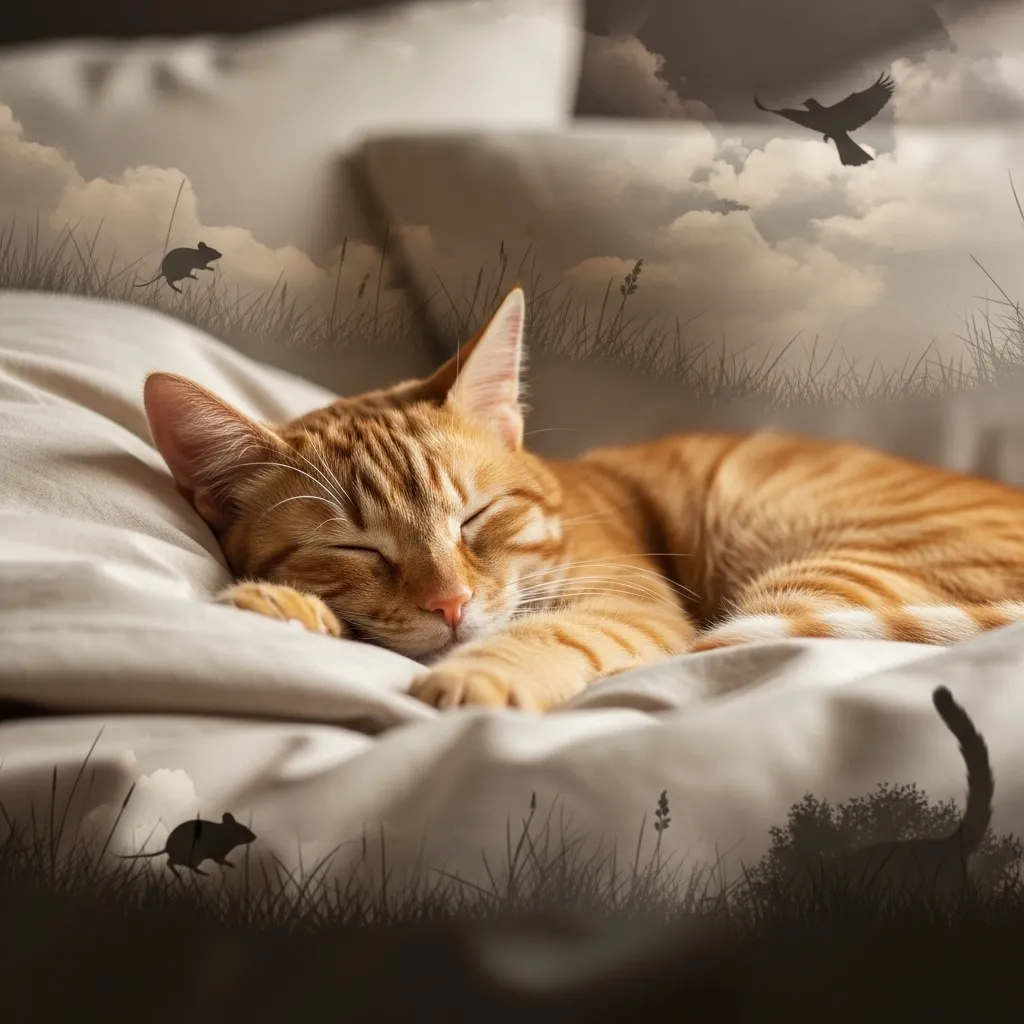
- Deep Sleep (REM): Cats dream, twitch, or vocalize, mimicking hunting instincts. Cat REM sleep can trigger meows as they “chase” dream prey.
- Wakeful Bursts: Crepuscular instincts drive activity at twilight, leading to cat meowing at night or dawn.
Real Example: My Bengal, Luna, would yowl at 5 a.m. daily. A vet confirmed no health issues; her nocturnal cat behavior stemmed from pent-up energy. Evening play sessions fixed it in a week (more on this later).
Are Nocturnal Meows Normal or Distress Signals?
Not all meows are cries for help. Feline communication varies—hunger meows are short and insistent, while pain or stress meows are low and plaintive. A 2025 PetMD report notes that sudden cat crying at night in older cats often signals health issues, while younger cats may simply want attention or food.
Action Step: Track meow patterns (time, tone, frequency) in a journal. Pair with our cat stress signs guide to spot distress.
Why Does My Cat Wake Up Meowing? Top Reasons Cats Meow
Understanding why cats meow starts with decoding their language. Cats use vocalization primarily to communicate with humans, not other cats. Here are the top reasons your cat’s meowing in the morning or at night:
1. Hunger or Thirst
Cats associate you with food, so cat meowing for attention at dawn often means, “Feed me!” Empty bowls or irregular feeding schedules trigger this. Senior cats, like Ragdolls (see Ragdoll cat care guide), may meow due to increased appetite from conditions like hyperthyroidism.
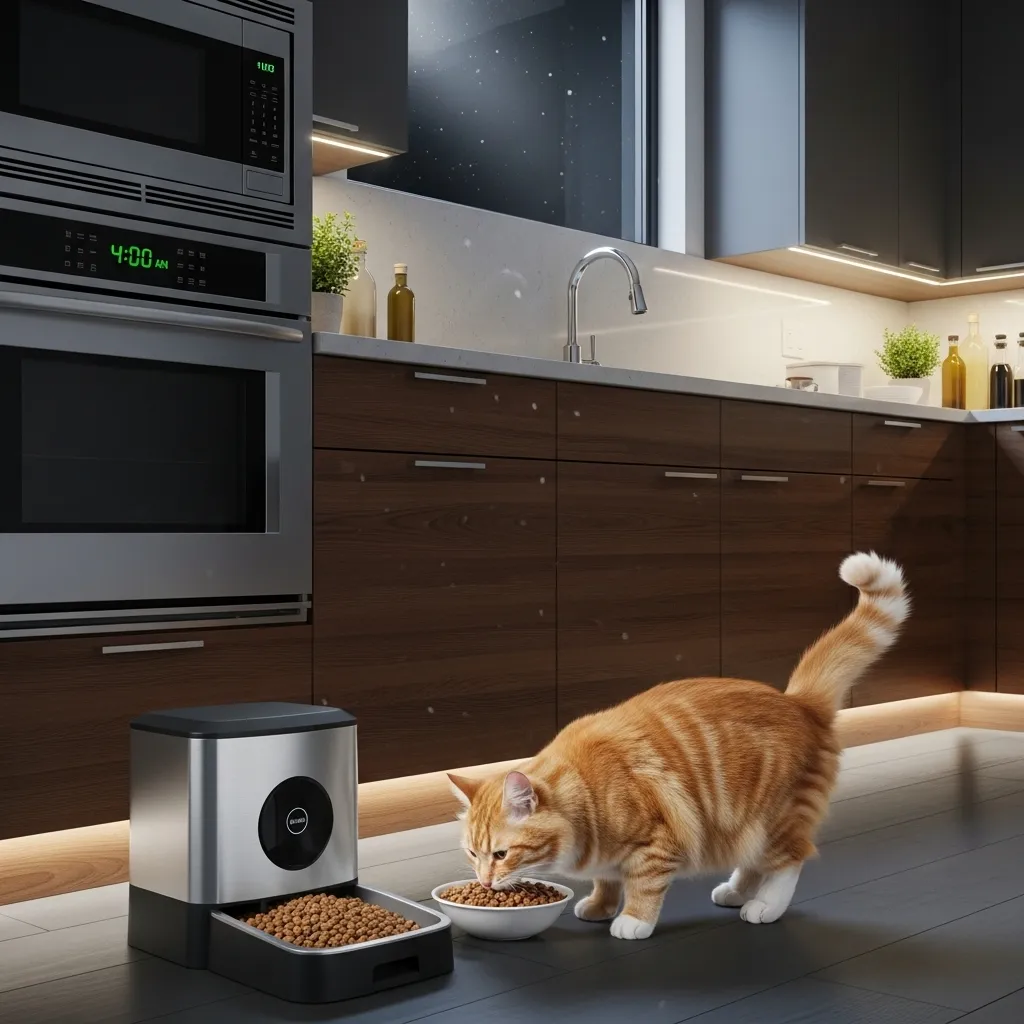
- Fix: Use an automatic cat feeder for consistent 4 a.m. meals. Offer wet food at night to keep them full longer (explore best wet cat food).
2. Medical Issues
Sudden cat meowing at night can signal pain or discomfort. A 2025 ASPCA study found 25% of vocalizing cats have underlying health issues:
- Hyperthyroidism: Common in seniors, causes hunger and restlessness.
- Urinary Issues: UTIs or crystals prompt cat crying at night (see cat urinary health).
- Cognitive Dysfunction: Older cats may meow due to confusion, akin to feline dementia.
Action Step: Schedule a vet visit to rule out issues. Our finding the best vet guide helps you choose a feline specialist.
3. Stress or Anxiety
Cat anxiety at night spikes with changes—new pets, moves, or loud noises. Siamese cats, prone to sensitivity (check Siamese cats scared easily guide), may meow to self-soothe. Cat meowing after adoption is common as strays adjust.
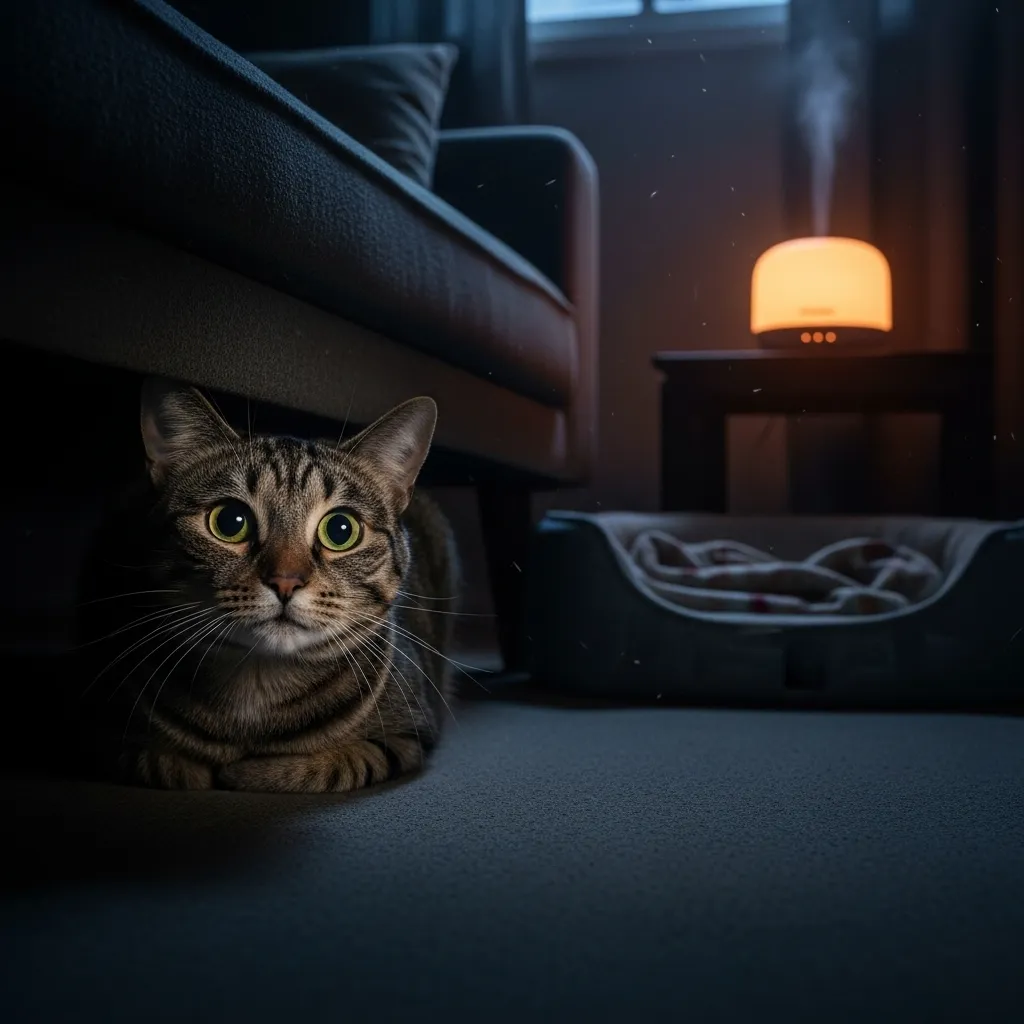
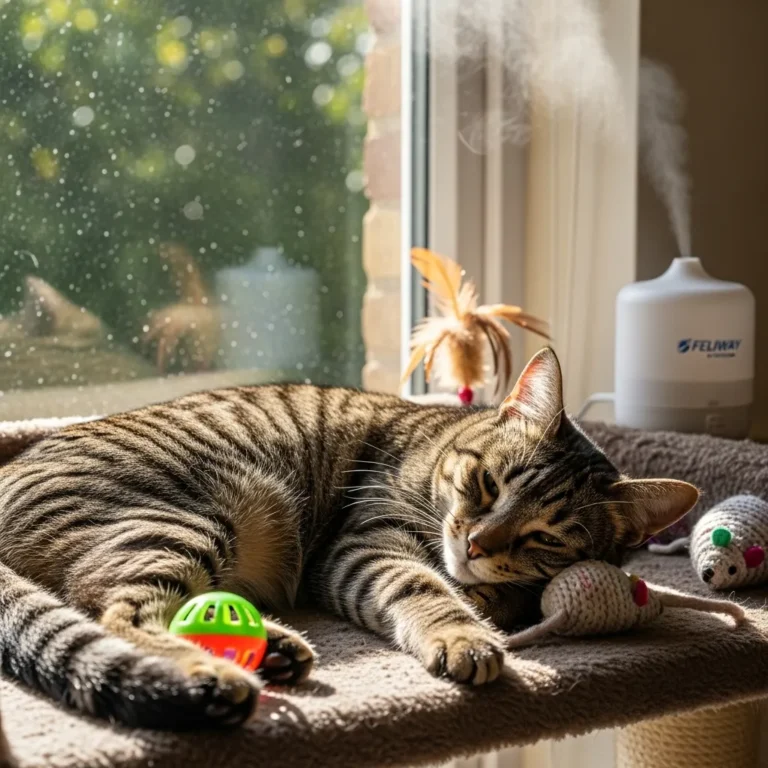
- Fix: Use Feliway diffusers (85% effective in trials) and create safe spaces with best beds for cats.
4. Attention-Seeking
Your cat might be saying, “Play with me!” Cat meowing for attention peaks in high-energy breeds like Bengals (see Bengal cat personality). Boredom or loneliness drives this, especially in single-cat homes.
- Fix: Add 15-minute play sessions before bed with toys like feather wands. Learn more in our keep cats entertained guide.
5. Environmental Triggers
A noisy neighbor or stray cat outside can spark nocturnal cat behavior. Cats meow to mark territory or respond to stimuli. Poor litter box setups also contribute—see our litter training guide.
- Fix: Close curtains, relocate litter boxes, and add white noise machines.
Interpreting Feline Vocalization and Cat Communication
Every meow tells a story. Understanding cat meows means listening to pitch, tone, and context. A 2025 study in Feline Psychology Journal mapped cat vocalization types:
- Short, high-pitched meows: Greeting or hunger.
- Low, drawn-out yowls: Pain, stress, or mating instincts (unneutered cats).
- Chirps or trills: Friendly, often seen in Munchkins (see Munchkin cat care tips).
- Growls or hisses: Fear or aggression, rare at night unless provoked.
Deciphering Your Cat’s Unique Language
Each cat has a dialect. My Siamese, Milo, used sharp trills for food but soft yowls for cuddles. Record your cat’s meows and compare to our cat communication guide for clues.
Pro Tip: Respond to friendly meows with soft talk or petting to reinforce feline communication. Ignore attention-seeking yowls to avoid rewarding them.
How to Stop Cat Meowing at Night: A Step-by-Step Plan
Ready to silence those midnight meows? Here’s a vet-backed, phased approach to stop cat meowing at night and address cat sleep problems.
Step 1: Rule Out Medical Causes
A vet exam is non-negotiable. Bloodwork and urine tests catch 90% of issues like hyperthyroidism or diabetes (see cat diabetes guide). For seniors, ask about cognitive dysfunction.
Step 2: Optimize Feeding and Routine
Hunger-driven cat meowing in the morning fades with structure:
- Evening Meal: Feed wet food at 8 p.m. to mimic hunting (see cat food nutrition).
- Automatic Feeders: Dispense small portions at 4 a.m.
- Water Access: Ensure fresh water to prevent thirst-related meows.
Step 3: Enrich the Environment
Boredom fuels cat vocalization. Add:
- Toys: Puzzle feeders or laser pointers (try tips from train cat to fetch).
- Perches: Window seats for bird-watching reduce cat anxiety at night.
- Scratching Posts: Relieve stress, especially for Norwegian Forest Cats.
Step 4: Evening Play for Cat Sleep Training
Mimic a hunt-eat-sleep cycle:
- Play: 15–20 minutes of active play at 9 p.m. (feather toys work best).
- Feed: Small meal post-play.
- Calm: Dim lights to signal sleep.
This cut my Bengal’s nocturnal cat behavior by 70% in 10 days.
Step 5: Use Calming Aids
For how to calm a vocal cat, try:
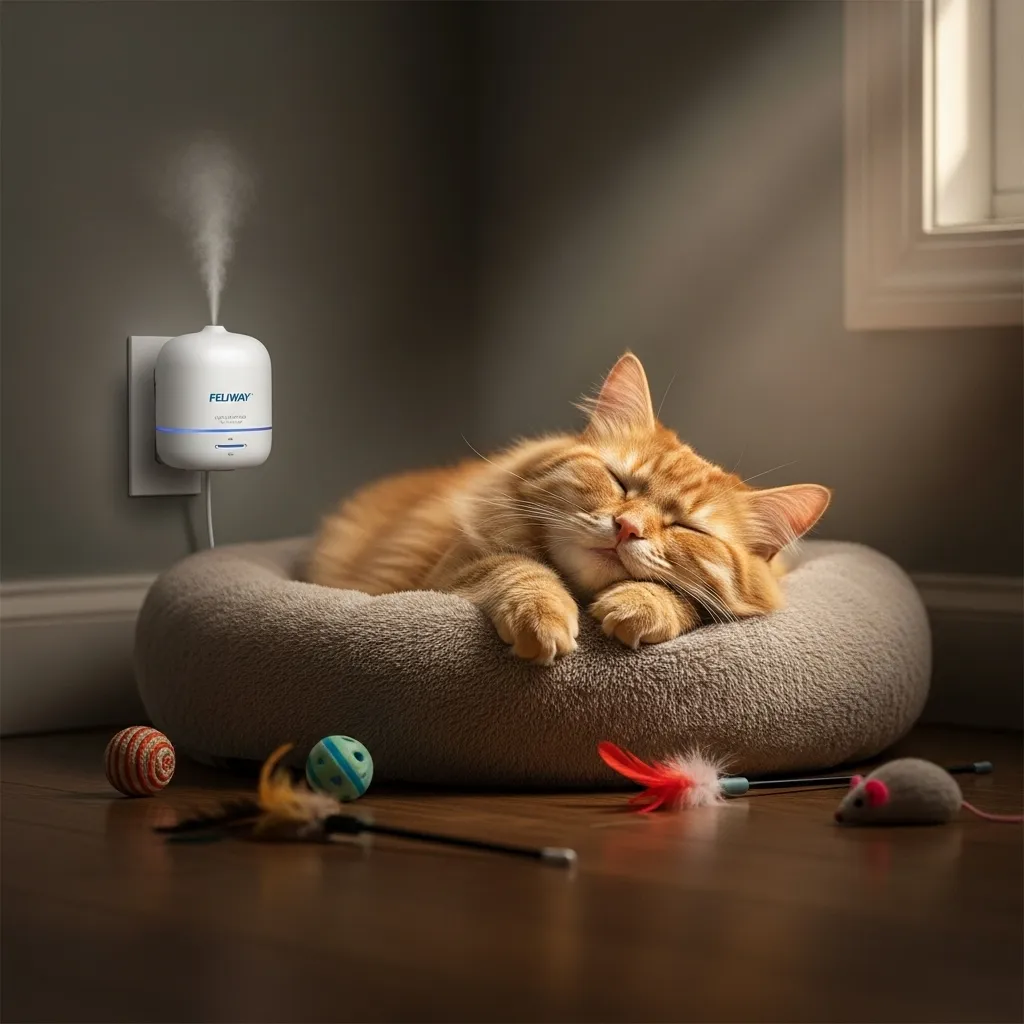
- Feliway Diffusers: Mimic calming pheromones.
- Catnip or Silvervine: Soothes some cats (test first; see cats and mint guide).
- Calming Treats: Vet-approved, like VetriScience Composure.
Step 6: Ignore Attention-Seeking Meows
Don’t reward cat meowing for attention. If safe and healthy, let them meow it out. Respond only to litter box use or calm behavior with treats.
Breed-Specific Insights for Vocal Cats
Some breeds are chattier:
- Siamese: Known for loud, frequent meows (see Siamese cat guide).
- Bengals: High-energy vocalists needing stimulation (explore Bengal cat training).
- Maine Coons: Gentle chirps but vocal when stressed (check Maine Coon guide).
For cat meowing after adoption, new environments spark vocalization. Use tips from our cat adoption guide.
FAQ: Quick Answers to Common Questions
Why does my cat wake up meowing frequently?
Hunger, health issues, or stress often cause cat waking up meowing. Check food schedules, vet health, and environmental triggers.
What does cat meowing in the morning mean?
It’s often hunger or crepuscular instincts. Feed at night and add playtime to shift their feline sleep cycle.
Can cat behavior explain nocturnal cat behavior?
Yes, boredom, stress, or attention-seeking drive meows. Enrich their space and use cat training behavior tips.
Why is understanding cat sleep patterns important?
Cat REM sleep and crepuscular habits explain dawn/dusk meows. Adjust routines to align with their feline sleep cycle.
Are nocturnal meows a sign of distress?
Sometimes. Rule out pain, then address stress or boredom with toys and cat stress signs guide.
How can I understand my cat’s language?
Listen to meow pitch and context. Our cat communication guide decodes feline vocalization.
What are common reasons cats meow at night?
Hunger, health issues, stress, or boredom. Vet checks and cat sleep training help.
How to make cat sleep at night?
Play, feed, and calm them before bed. Use automatic feeders and Feliway.
Conclusion: Silence the Meows, Strengthen the Bond
Why does my cat wake up meowing? It’s their way of saying something’s up hunger, health, or a need for love. By understanding cat vocalization and feline sleep cycles, you can address cat meowing in the morning or at night with empathy and strategy. Start with a vet visit, tweak routines, and enrich their world. Your sleep (and sanity) will thank you.
For more feline wisdom, explore our cat behavior explained or cat care tips at Cat Bloom Haven.