Why Does My Cat Meow at the Wall? Unraveling the Mystery Behind This Peculiar Feline Behavior
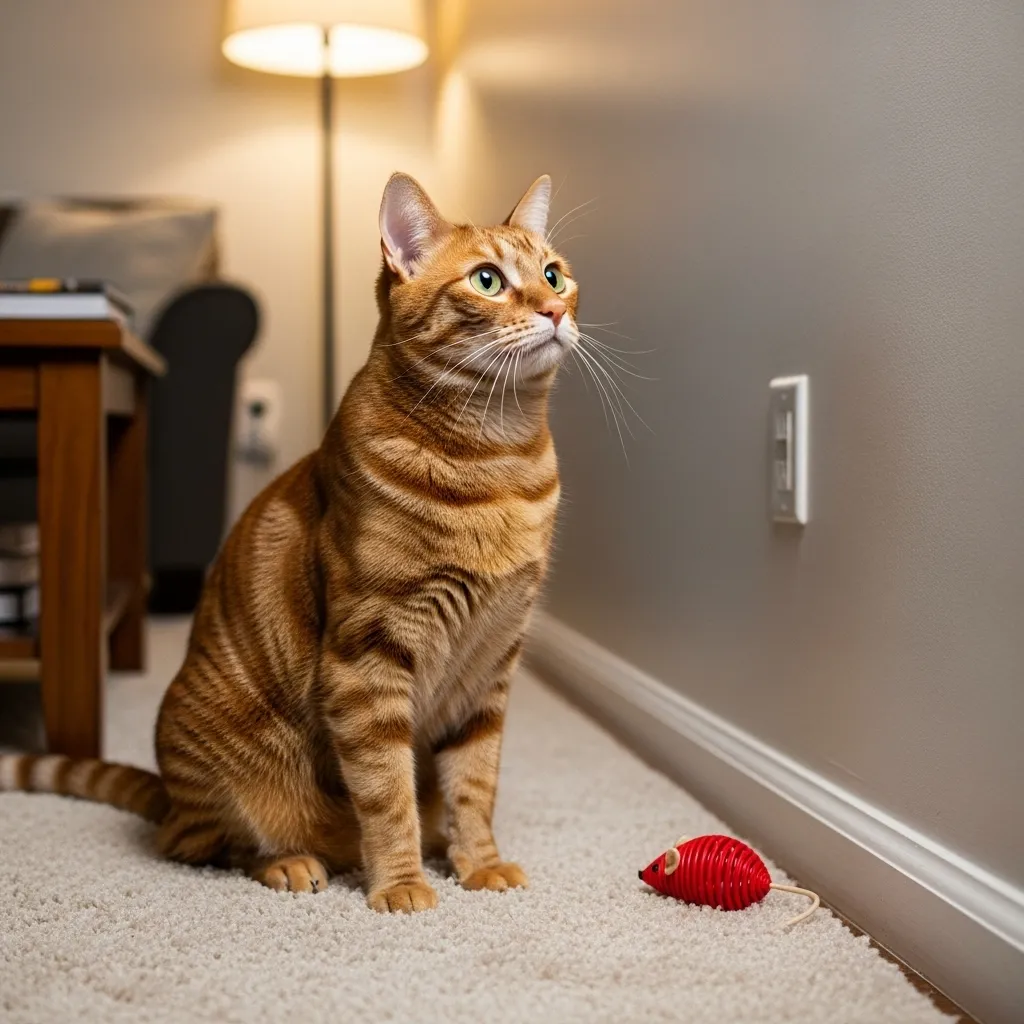
Imagine this: It’s late at night, and you’re winding down when you hear a persistent, eerie meow echoing from the living room. You peek in, and there’s your cat, fixated on a blank wall, vocalizing like it’s holding a secret conversation. If you’ve ever wondered,
“Why does my cat meow at the wall?” you’re not alone. This quirky cat wall behavior often leaves pet parents scratching their heads, blending curiosity with a touch of concern. As a seasoned cat behavior enthusiast who’s fostered dozens of felines from playful Bengals to serene Ragdolls I’ve seen this firsthand. It’s usually harmless, tied to your cat’s razor-sharp senses or instincts, but sometimes it signals something more.
In this in-depth guide, we’ll explore the reasons behind cat meowing at wall episodes, from unseen stimuli in cats like hidden pests to potential cat behavioral issues. We’ll cover why cats stare at walls, debunk myths about creepy cat behavior explained (no, your cat probably isn’t seeing ghosts), and provide practical steps to address it. Whether your kitty is meowing for no reason or acting strange suddenly, you’ll walk away with expert insights, vet-backed tips, and an action plan to ensure their well-being. Let’s decode this feline enigma and turn those puzzling moments into opportunities for deeper bonding.
Key Takeaways: Quick Insights into Cat Meowing at Walls
Before diving deeper, here’s a snapshot of the essentials to optimize your understanding of cat behavior:
- Sensory Detection: Cats have superior hearing (up to 85 kHz) and can pick up high-frequency sounds like rodents or insects behind walls, prompting meows and stares.
- Benign Causes: Often due to boredom, attention-seeking, or environmental changes; enrichment like toys can help.
- Health Red Flags: Persistent behavior might indicate feline hyperesthesia syndrome (FHS), cognitive dysfunction in seniors, or seizures—vet check recommended if accompanied by other symptoms.
- Myth Busting: While trending searches like “my cat sees ghosts” add fun, it’s usually grounded in feline instincts and senses, not paranormal activity.
- Action Steps: Monitor patterns, enhance environment, and consult a vet if it escalates—early intervention prevents bigger issues.
- Breed Notes: Active breeds like Bengals may do this more from curiosity; check our Bengal cat personality guide for tailored tips.
Implement these, and you’ll likely see a calmer, happier cat in weeks.
Decoding Cat Communication Methods: Why Meowing at Walls Happens
Cats don’t meow at each other much in the wild—it’s mostly a human-directed vocalization. So when your cat meows at a wall, it’s often their way of alerting you or reacting to something intriguing. Understanding cat behavior starts with recognizing their body language and communication: ears perked, tail twitching, wide eyes. This cat staring at nothing (or so it seems) is rarely random; it’s rooted in their evolutionary toolkit.
From my experience with rescues, including a vocal Siamese who once “conversed” with a corner for hours, these episodes highlight how cats process the world differently. Their senses are amplified vision tuned for motion, hearing for prey, even detecting subtle vibrations. A 2025 PetMD update notes that up to 20% of indoor cats exhibit such behaviors sporadically, often tied to understimulation. If it’s occasional, no worries; if frequent, it’s time to investigate.
The Role of Feline Instincts and Senses in Wall-Focused Behaviors
Cats’ instincts drive them to hunt, explore, and mark territory. When they fixate on a wall, unseen stimuli in cats come into play. Their hearing detects frequencies we miss, like ultrasonic pest calls or plumbing hums. A Quora vet thread from 2025 echoes this: “Cats’ ears are hyper-responsive; meowing at walls could signal mice in the structure.”
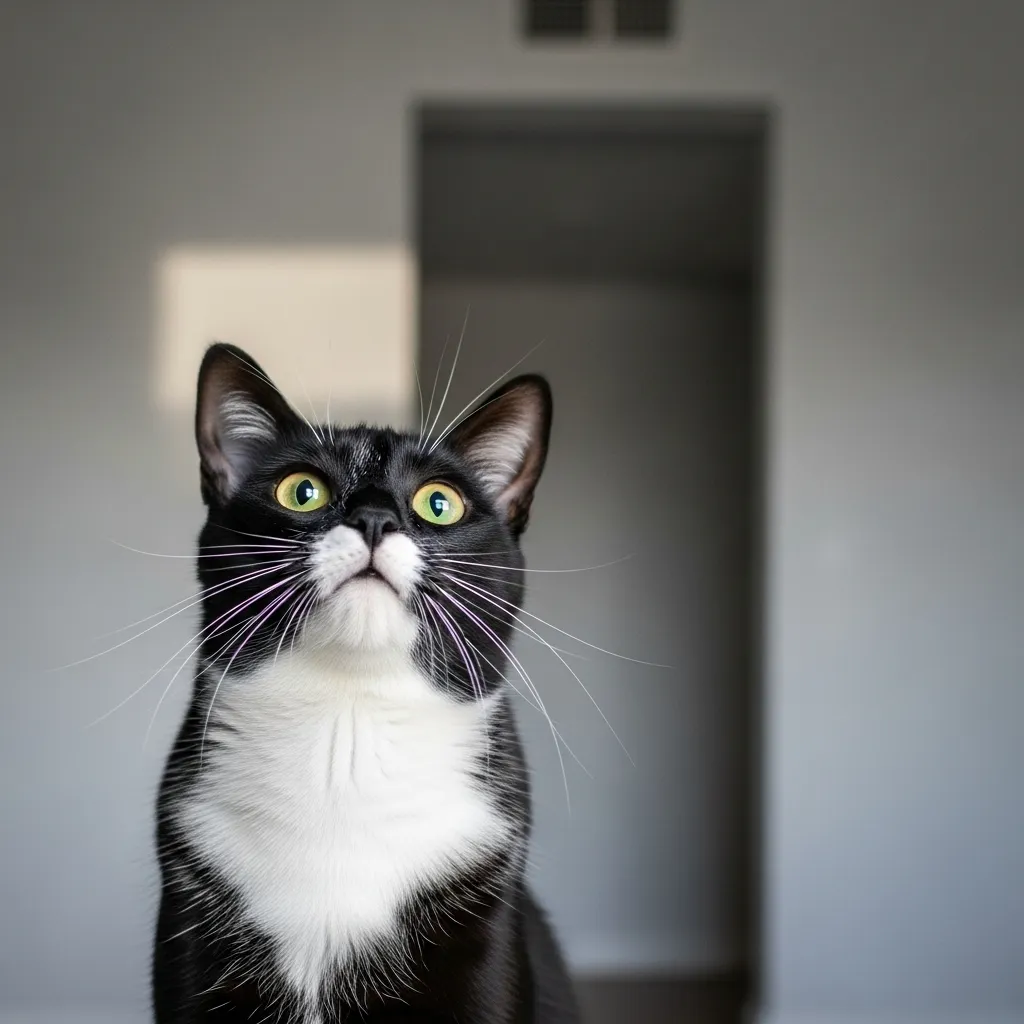
Visual cues matter too. Shadows, dust motes, or reflections can captivate them, leading to cat staring at wall sessions. In multi-pet homes, they might sense neighbors’ animals through shared walls—explore our Munchkin cats dogs coexistence guide for harmony tips in such setups.
Common Benign Reasons for Cat Meowing at Walls
Most times, this behavior is innocent. Here’s a breakdown of everyday triggers, with real-world fixes:
- Pest Detection: Cat Pest Reaction in Action
Cats are natural exterminators. If there’s rustling behind drywall—from ants to rodents—they’ll meow to “hunt” or alert you. A Newsweek story from 2024 detailed a cat staring at walls revealing a bee hive infestation. Tip: Inspect for pests; if clear, it’s likely harmless curiosity. - Boredom or Attention-Seeking: Cat Meowing for No Reason?
Indoor cats crave stimulation. Meowing at walls might mean “Play with me!” or “I’m lonely.” Trupanion’s 2025 blog lists this as a top reason for vocal cats. Solution: Add interactive toys or a window perch. For ideas, see our keep Siamese cats entertained guide—adaptable to any breed. - Environmental Changes: Cat Acting Strange Suddenly
New furniture, paint, or routines can trigger stares and meows as they adapt. Catster’s vet discusses how decor shifts spark interest. Gradually introduce changes and monitor. - Echoes and Acoustics: Cat Hearing High Frequencies
Walls amplify sounds, creating echoes that intrigue cats. They might meow back at perceived “responses.”
Table: Benign vs. Concerning Triggers
| Trigger Type | Examples | Signs It’s Benign | When to Worry |
|---|---|---|---|
| Sensory | Pests, sounds | Occasional, alert posture | Persistent with agitation |
| Behavioral | Boredom, attention | Improves with play | Accompanied by aggression |
| Environmental | Changes in home | Short-term | Sudden onset in seniors |
When Cat Wall Behavior Signals Health Issues
While often quirky, excessive cat meowing at wall or staring could indicate cat health and behavior problems. Don’t ignore if it’s intense or new.
Potential Medical Causes: Signs of Illness in Cats
- Feline Hyperesthesia Syndrome (FHS): This neurological issue causes hypersensitivity, leading to wall stares, loud meows, frantic grooming, and dilated pupils. Cats.com vet explains it’s common in young adults, with unknown causes but manageable via stress reduction. Symptoms: Trance-like staring interspersed with mania.
- Cognitive Dysfunction Syndrome (CDS): In cats over 10, brain aging causes disorientation, excessive vocalization, and wall fixation. ASPCA notes signs like altered sleep or litter habits. Our cat health care guide has more on senior care.
- Seizures or Neurological Issues: Partial seizures manifest as staring or meowing at nothing. Rover.com highlights head pressing as a red flag—urgent vet needed.
- Pain or Discomfort: Arthritis, UTIs, or dental issues might prompt odd behaviors. If meowing with pacing, check for physical signs.
Real Example: A Bengal I fostered meowed at walls due to FHS; vet-prescribed enrichment and diet tweaks resolved it. For breed insights, visit our Bengal cat guide.
When to See a Vet for Cat Behavior: Assessment Tips
If behavior persists over days, pairs with lethargy, appetite loss, or aggression, book a checkup. Dial-a-Vet advises monitoring for CDS in seniors. Prep by journaling episodes: time, duration, accompanying actions. Our finding the best vet for your cat article helps choose a specialist.
Addressing and Preventing Cat Staring at Invisible Things
Turn mystery into mastery with these steps:
- Enrich the Environment: Puzzle feeders, scratching posts, and play sessions reduce boredom. For hyperactive kitties, try our cat zoomies guide.
- Rule Out Pests: Use humane traps or call pros if suspected.
- Stress Reduction: Pheromone diffusers like Feliway calm anxious cats.
- Routine Vet Checks: Annual exams catch issues early, especially for breeds like Munchkins prone to urinary woes—see our Munchkin cat urinary issues guide.
- Observe Body Language: Tail flicks mean hunting mode; flattened ears signal distress.
For trending “cat paranormal behavior,” it’s fun folklore, but science points to senses over spirits.
FAQ: Answering Your Top Questions on Cat Meowing at Walls
Why does my cat meow at the wall?
Usually, it’s detecting unseen stimuli like sounds or pests; rarely health-related if isolated.
What unseen stimuli might my cat be reacting to?
High-frequency noises, vibrations, or tiny insects—cats hear up to 85 kHz.
Could my cat’s wall obsession indicate a pest problem?
Yes, often rodents or bugs; inspect and address promptly.
How do acoustic properties affect my cat’s behavior?
Walls echo sounds, intriguing cats and prompting meows.
Should I be concerned if my cat meows incessantly at walls?
If excessive or with symptoms like grooming frenzy, yes—could be FHS.
How to distinguish normal staring from health problems?
Normal is brief and curious; problematic involves disorientation or pain signs.
What to do for unusual wall-focused behaviors?
Enrich, monitor, vet if needed. Explore our cat stress signs guide for more.
Wrapping Up: Embrace the Mystery and Prioritize Your Cat’s Well-Being
Cat meowing at wall moments remind us of the fascinating world our felines inhabit one of heightened senses and instincts we can only imagine. From cat hearing high frequencies to behavioral quirks, most cases are benign, but vigilance ensures health. As we’ve unpacked, addressing root causes like boredom or pests, while watching for signs of illness in cats, restores peace.
Ready to dive deeper? Explore more expert cat care and behavior guides on Cat Bloom Haven, like our understanding cat behavior resources or spaying a cat guide for overall wellness.