Why Does My Cat Eat Hair? Unraveling the Curious Feline Habit and How to Address It
Ever caught your cat nibbling on your hair while you’re lounging on the couch, or found them batting at loose strands like it’s their new favorite toy? If you’re wondering, “Why does my cat eat hair?” you’re not alone. This quirky behavior can be puzzling, sometimes alarming, and often downright weird.
Whether it’s cat hair chewing behavior, licking your hair, or even attacking hair, there’s a reason behind it—and it’s not just your cat being eccentric. This comprehensive guide dives deep into the causes of feline grooming habits like eating hair, explores the psychology of cat behavior explained, and offers actionable solutions to help you manage or stop this habit.
By the end, you’ll understand your cat’s motivations and have practical steps to keep both of you happy.
What’s Behind Your Cat Eating Hair? The Root Causes
Cats are mysterious creatures, and cat eating human hair is one of those behaviors that can stem from a mix of instincts, emotions, and health issues. Let’s break down the most common reasons your cat might be drawn to your locks.
Instinctual Grooming: A Sign of Affection
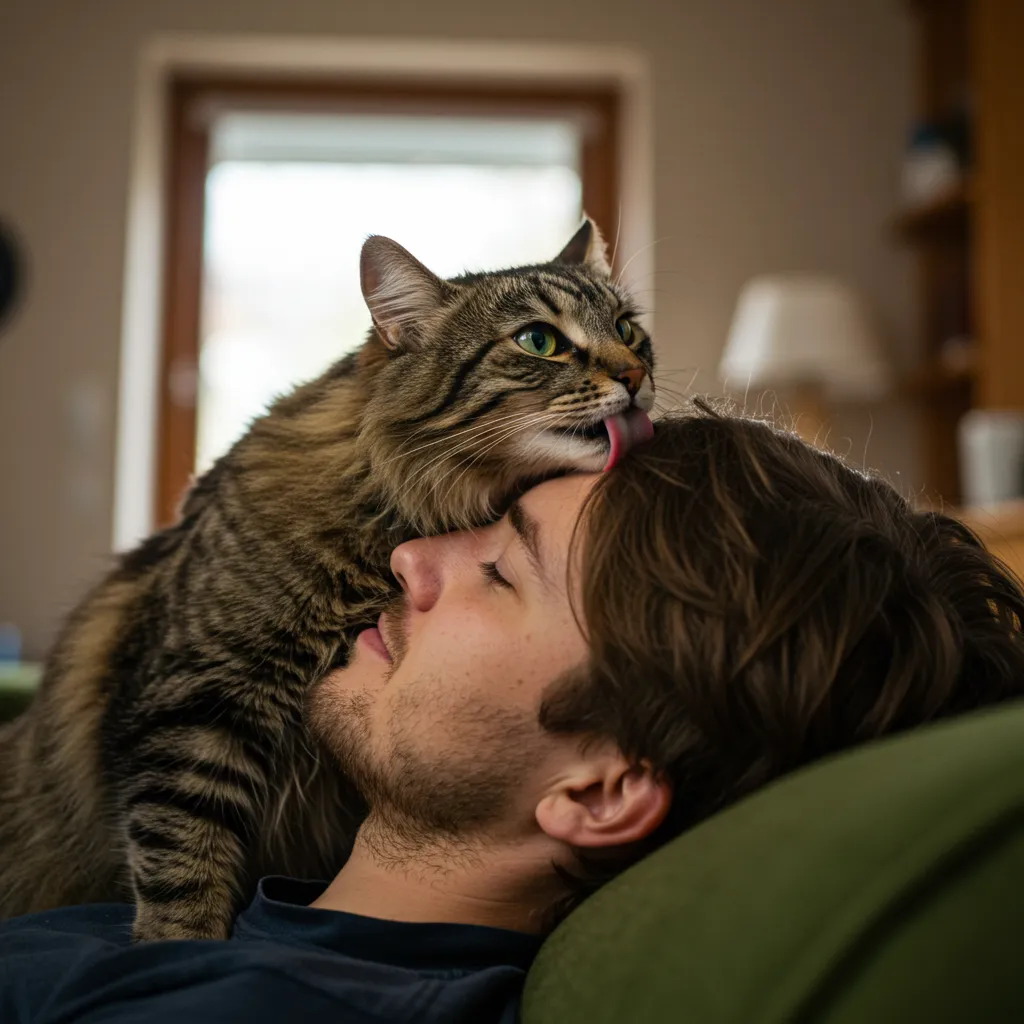
Cats are natural groomers, and cat grooming human hair often mimics their social bonding behaviors. In the wild, cats groom each other to strengthen relationships—a behavior called allogrooming. When your cat licks or chews your hair, they might be treating you like part of their family.
- Scent marking: Your cat may lick your hair to mix their scent with yours, claiming you as part of their territory.
- Mimicking kittenhood: Nursing kittens associate grooming with comfort, and your hair might remind them of their mother’s fur.
- Real-life example: Sarah, a cat owner from Texas, noticed her tabby, Luna, licking her hair during cuddle sessions. After consulting her vet, she learned Luna was expressing affection, a sign of deep cat-human bonding behavior.
Stress and Anxiety: A Coping Mechanism
Cat stress and anxiety signs can manifest in odd ways, and cat hair chewing behavior is sometimes a stress response. Cats under stress may chew or eat hair to self-soothe, similar to how humans bite nails.
- Triggers: Changes like moving homes, new pets, or loud noises can spark cat stress behavior 2025.
- Signs to watch: Excessive grooming, hiding, or aggression alongside hair-eating could indicate cat anxiety solutions are needed.
- Case study: Max, a Maine Coon, started chewing his owner’s hair after a new dog joined the household. A vet recommended environmental enrichment, which reduced his stress and the behavior.
Nutritional Deficiencies or Pica
Sometimes, why cats eat hairballs or human hair points to a condition called pica, where cats eat non-food items. This can stem from nutritional deficiencies or medical issues.
- Possible causes: Lack of fiber, vitamins, or minerals might drive your cat to chew hair.
- Health red flags: If your cat eats hair compulsively or ingests other non-food items (like plastic), consult a vet to rule out deficiencies or underlying conditions like hyperthyroidism.
- Pro tip: Ensure your cat’s diet is balanced. High-quality foods like Royal Canin or Hill’s Science Diet can help address deficiencies.
Boredom or Playful Instincts
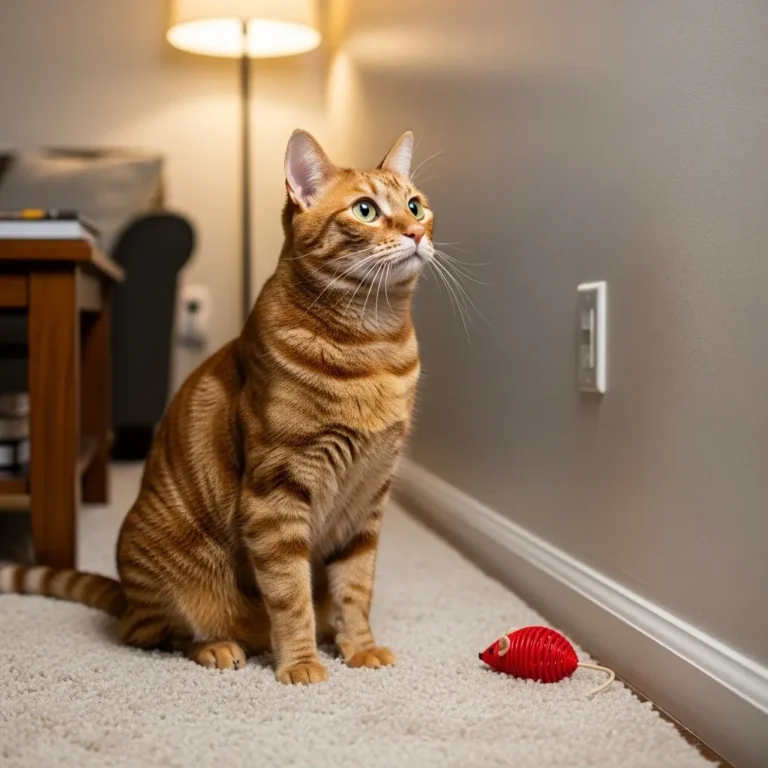
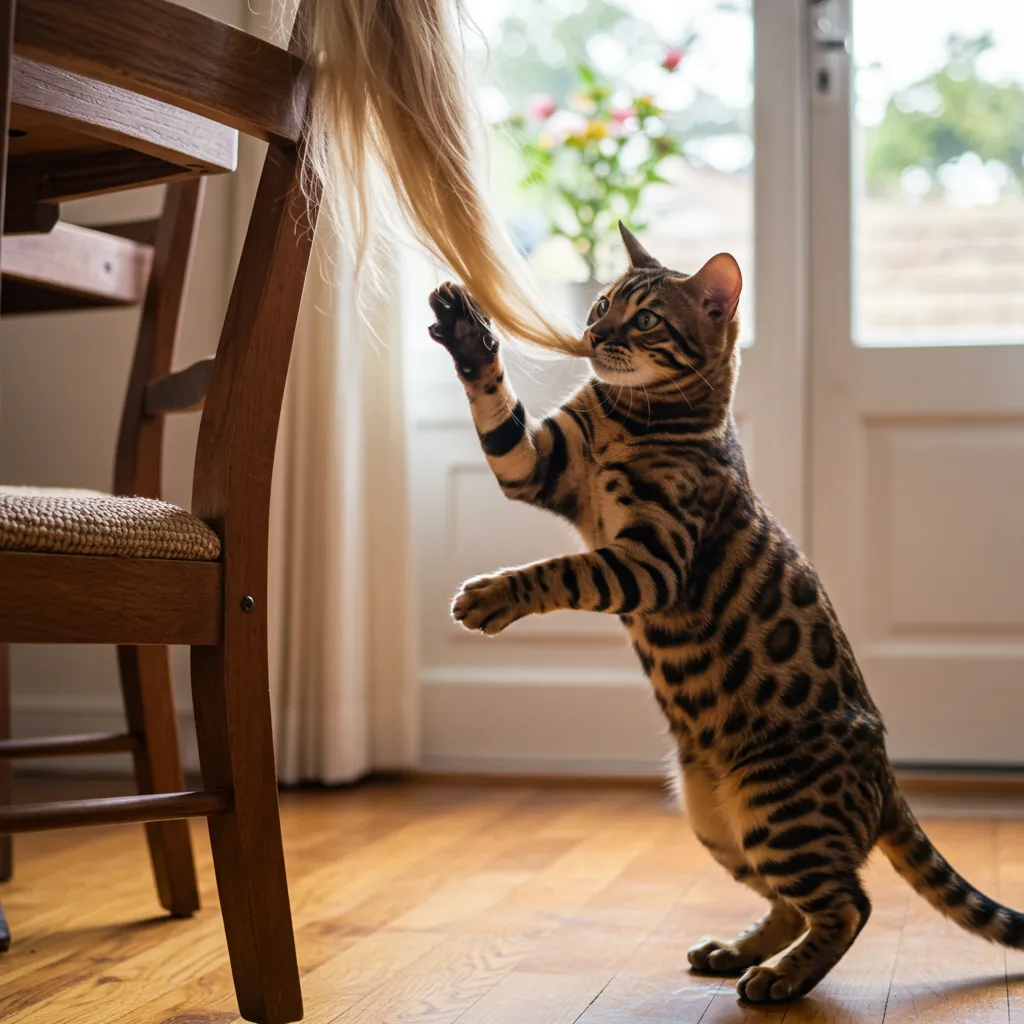
Cats are hunters at heart, and cat attacking hair might just be their way of playing. Loose strands resemble prey, triggering their chase-and-pounce instincts.
- Why it happens: Long, dangling hair mimics a toy, especially for high-energy breeds like Bengals or Abyssinians.
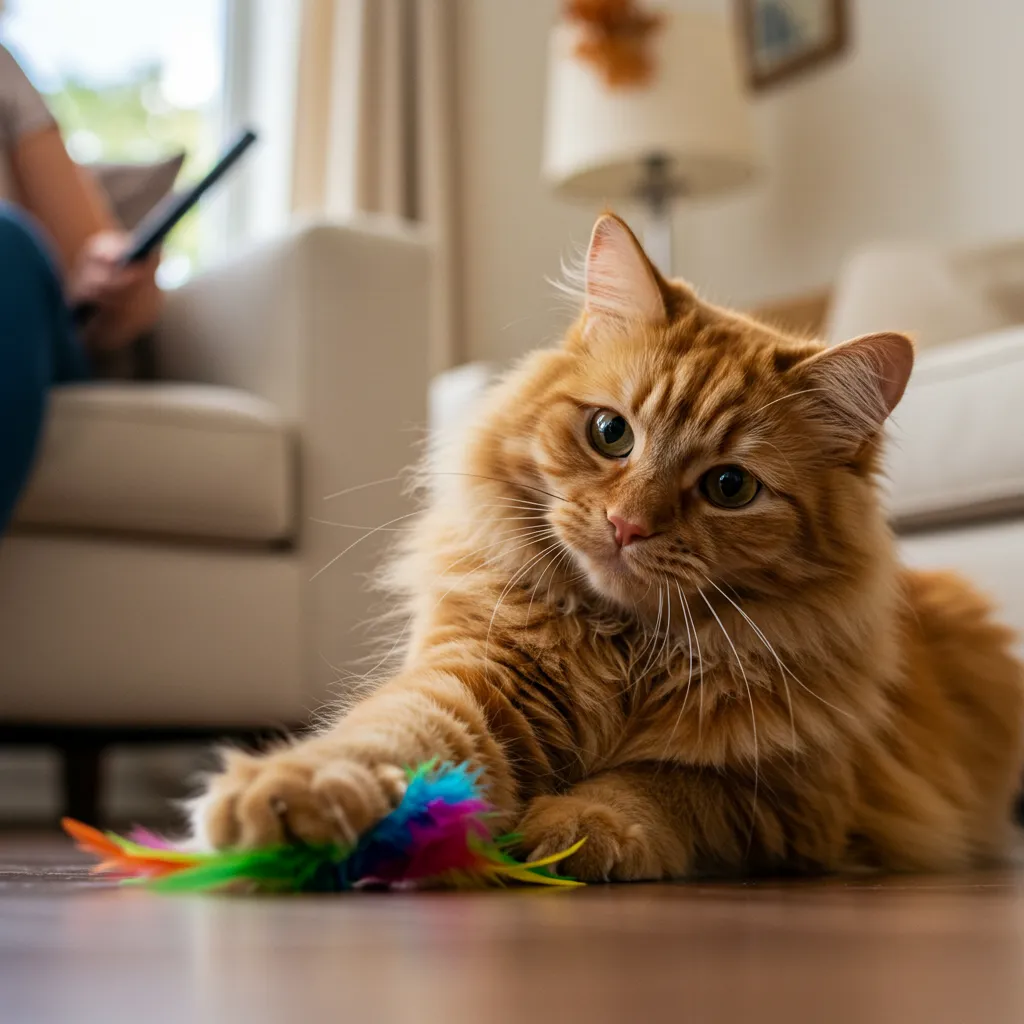
- Solution: Redirect their energy with toys like feather wands or laser pointers to curb weird cat behaviors explained.
Compulsive Behavior or Obsession
In rare cases, cat hair licking meaning can point to obsessive-compulsive tendencies. If your cat fixates on hair to the point of distress, it might be a behavioral disorder.
- Signs: Repeated, intense hair-chewing that disrupts their routine.
- Next steps: A veterinary behaviorist can assess if medication or therapy is needed.
| Cause | Signs | Action |
|---|---|---|
| Affection/Grooming | Gentle licking, purring | Reinforce bonding, monitor frequency |
| Stress/Anxiety | Hiding, aggression, excessive grooming | Reduce stressors, enrich environment |
| Nutritional Deficiency | Eating non-food items, lethargy | Vet checkup, balanced diet |
| Boredom/Play | Pouncing, batting at hair | Provide toys, increase playtime |
| Compulsive Behavior | Obsessive chewing, distress | Consult veterinary behaviorist |
Why Does My Cat Lick or Chew My Hair? The Bonding Connection
If your cat is licking your hair or gently chewing it, it’s often a sign of trust and affection. Cats use grooming to build social bonds, and you’re likely being treated as an honorary cat.
Allogrooming: A Feline Compliment
Cat grooming human hair is a form of allogrooming, where cats groom each other to reinforce social ties. Your hair, with its texture and proximity, is an easy target.
- Why it’s flattering: Your cat sees you as a trusted companion.
- How to respond: Allow occasional licking to strengthen your bond, but redirect if it becomes excessive.
Sensory Appeal: Your Hair’s Unique Allure
Your hair might carry scents from shampoos, conditioners, or even your diet, making it irresistible to your cat.
- Example: Cats may be drawn to coconut-scented products, as some resemble natural oils they’d encounter in the wild.
- Tip: Switch to unscented products to see if the behavior decreases.
Cat Attacking Hair: Play or Aggression?
When your cat swats or pounces on your hair, it’s usually playful, but it can feel aggressive. Cat attacking hair often stems from their hunting instincts.
- Playful signs: Dilated pupils, playful pouncing, and no hissing.
- Aggressive signs: Ears back, growling, or biting hard. This could indicate stress or overstimulation.
- Solution: Redirect with a toy like the Petstages Tower of Tracks to satisfy their hunting drive.
Health Risks of Cats Eating Hair
While occasional cat hair licking meaning is harmless, eating hair can pose risks:
- Hairballs: Ingested human hair can contribute to why cats eat hairballs, causing digestive issues.
- Intestinal blockages: Large amounts of hair could lead to serious blockages, requiring surgery.
- Toxins: Hair products like dyes or gels can be toxic if ingested.
- Action: Monitor your cat’s hair-eating habits and consult a vet if they swallow large amounts.
How to Stop My Cat from Eating Hair: Actionable Solutions
Ready to tackle how to stop my cat from eating hair? Here are practical, vet-approved strategies to curb this behavior while keeping your cat happy.
1. Reduce Stress and Create a Safe Environment
Since cat stress and anxiety signs can trigger hair-eating, addressing stress is key.
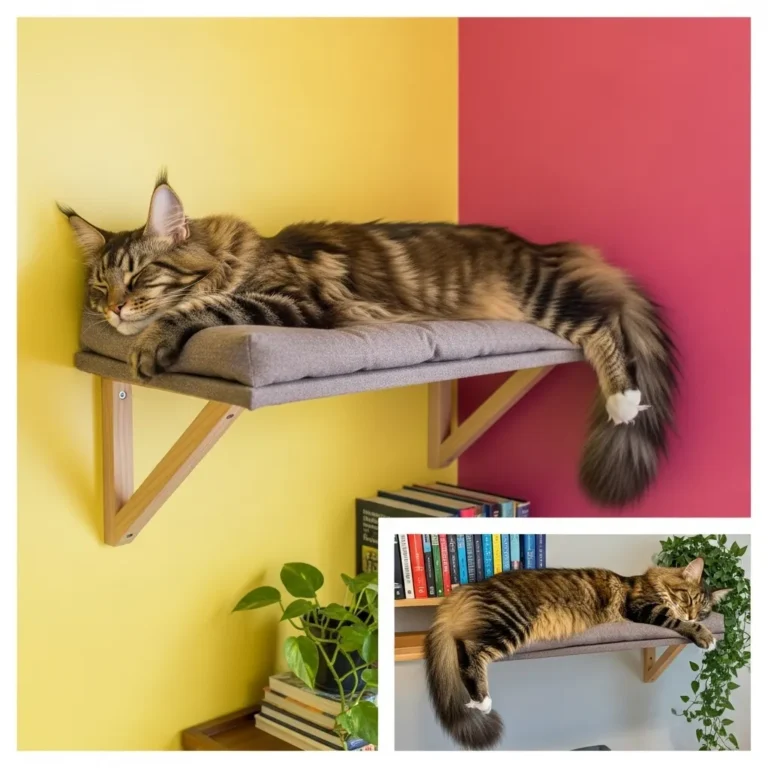
- Create a safe space: Set up a cozy corner with a cat bed, blanket, or perch.
- Use calming aids: Products like Feliway diffusers or calming collars can reduce cat anxiety solutions.
- Example: Jessica in California used a Feliway diffuser for her anxious Siamese, reducing hair-chewing within two weeks.
2. Provide Engaging Distractions
Redirect your cat’s energy with toys and activities to combat cat hair chewing behavior.
- Interactive toys: Try puzzle feeders or motorized toys like the Catit Design Senses Circuit.
- Daily playtime: Spend 15–20 minutes daily with a feather wand or laser pointer.
- Tip: Rotate toys weekly to keep your cat engaged.
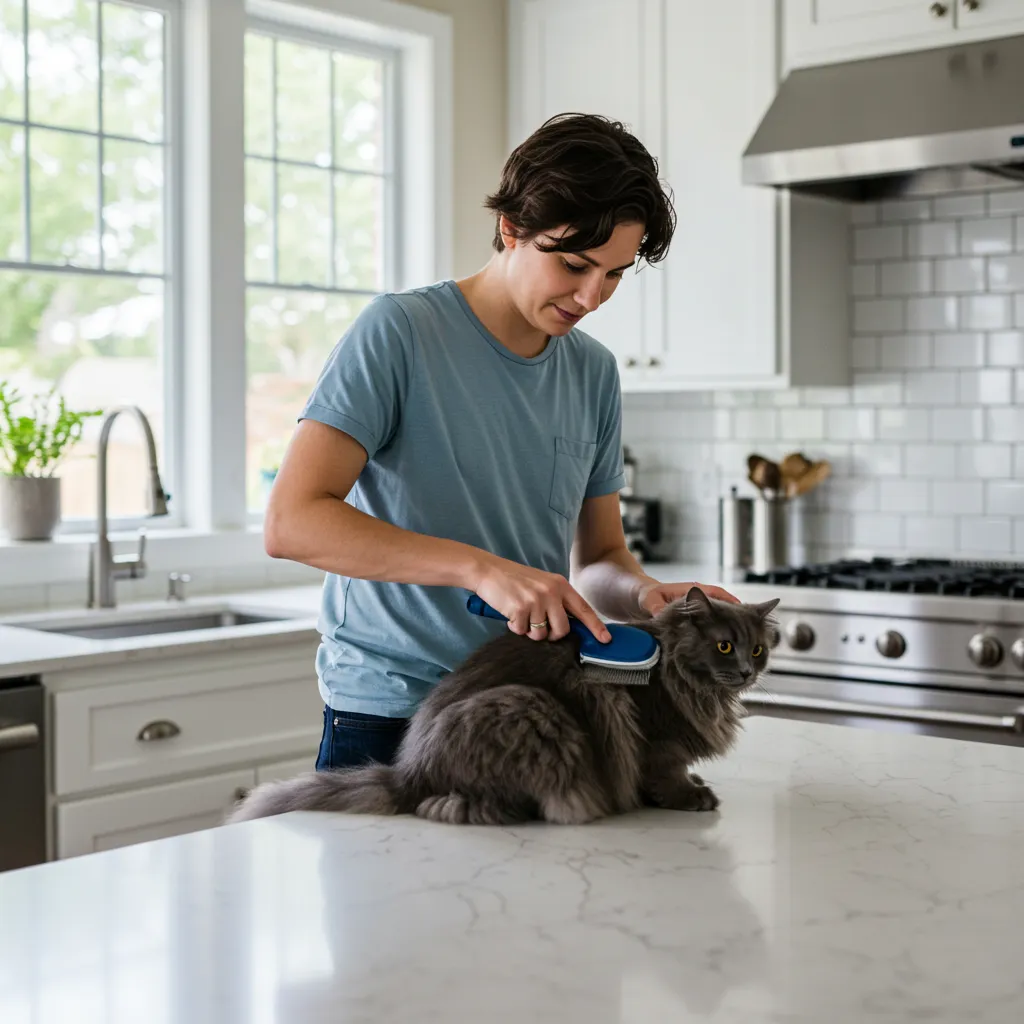
3. Enhance Grooming Routines
Sometimes, feline grooming habits spill over to human hair because your cat craves grooming.
- Brush regularly: Use a brush like the Furminator to reduce your cat’s grooming urges.
- Massage: Gentle petting mimics grooming, satisfying their need for touch.
- Example: Brushing her Persian daily helped Emma reduce her cat’s hair-licking habit.
4. Use Taste Deterrents
Make your hair less appealing to discourage cat eating human hair.
- Safe deterrents: Apply vet-approved bitter sprays (like Bitter Apple) to your hair, avoiding toxic products.
- Switch products: Use unscented shampoos to reduce sensory appeal.
- Caution: Test deterrents on a small hair strand first to avoid irritation.
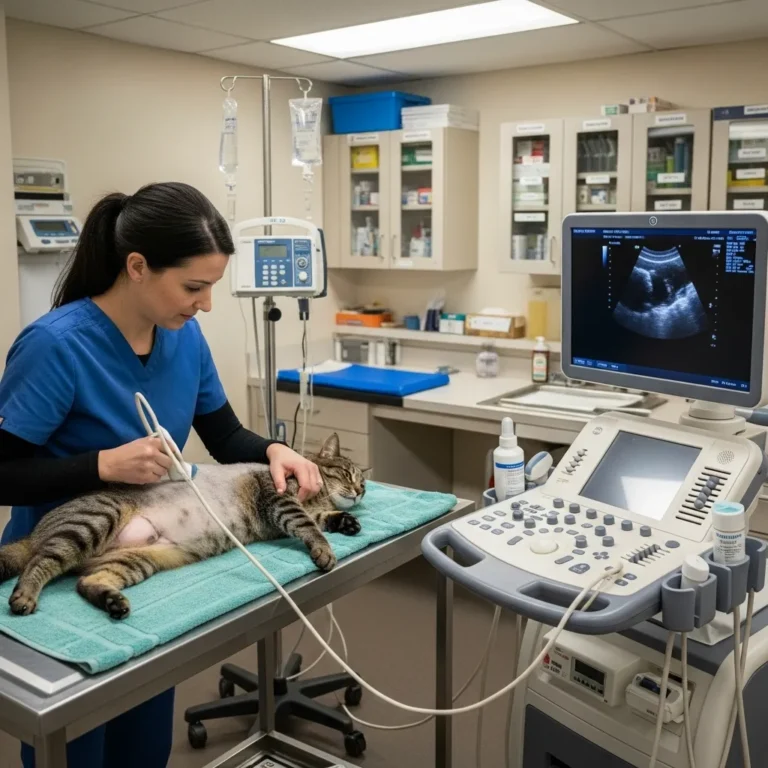
5. Consult a Veterinarian
If the behavior persists, a vet can rule out medical causes like pica or nutritional deficiencies.
- What to expect: Blood tests, dietary analysis, or behavioral assessments.
- When to act: If your cat eats hair compulsively or shows other weird cat behaviors explained, seek professional help.
- Resource: The American Animal Hospital Association (AAHA) offers vet locator tools at aaha.org.
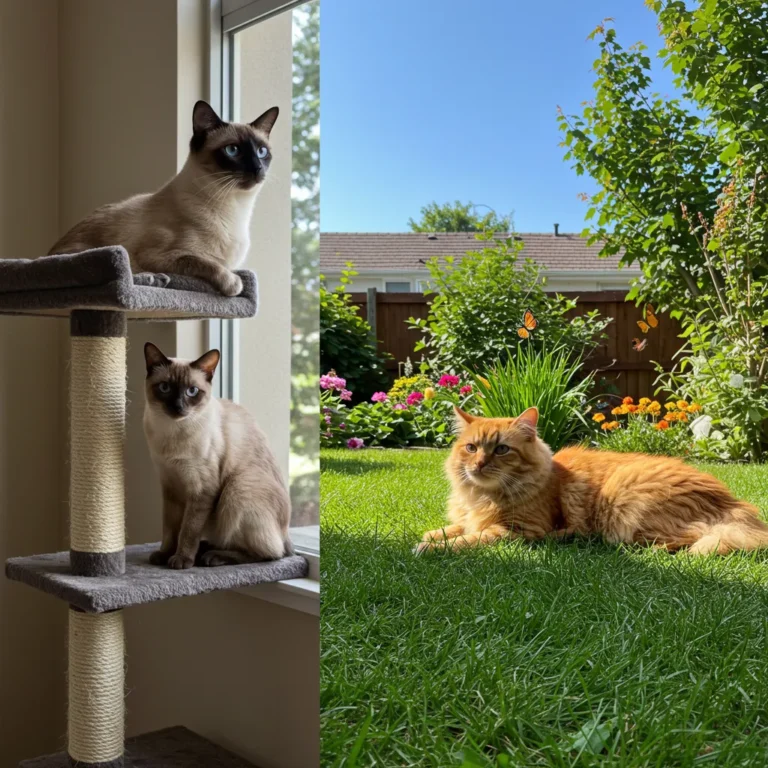
6. Environmental Enrichment
Boredom can drive how to understand cat behavior. Enrich your cat’s environment to keep them stimulated.
- Add vertical space: Cat trees or shelves satisfy climbing instincts.
- Window perches: Let your cat watch birds or outdoor activity.
- Puzzle feeders: Engage their mind with food-dispensing toys.
| Solution | Pros | Cons |
|---|---|---|
| Calming Aids | Reduces stress quickly | May require ongoing use |
| Interactive Toys | Engages natural instincts | Needs regular rotation |
| Grooming Routines | Strengthens bond, reduces urges | Time-consuming for busy owners |
| Taste Deterrents | Quick fix for hair appeal | May not work for all cats |
| Vet Consultation | Addresses medical causes | Can be costly |
Understanding Your Cat’s Behavior: A Deeper Look
To fully grasp cat behavior explained, recognize that hair-eating is often a mix of instinct, emotion, and environment. Cats communicate through actions, and how to understand cat behavior starts with observing patterns.
- Body language: A relaxed cat licking hair is likely bonding, while a tense cat may be stressed.
- Breed tendencies: Breeds like Siamese or Orientals are prone to obsessive behaviors, including hair-chewing.
- Resource: The ASPCA’s guide on cat behavior offers insights into feline psychology.
Preventing Hairballs and Related Issues
Since why cats eat hairballs ties to grooming, managing hair ingestion is crucial.

- Dietary support: Foods like Purina Pro Plan Hairball Control can reduce hairball formation.
- Regular grooming: Brush long-haired breeds daily to minimize loose fur.
- Hydration: Ensure fresh water to aid digestion and reduce hairball risks.
FAQs About Cats Eating Hair
Why does my cat eat my hair?
Your cat may eat your hair due to affection, stress, boredom, or nutritional deficiencies. It’s often a form of cat-human bonding behavior or a sign they need more stimulation.
Why does my cat lick or chew my hair?
Licking or chewing hair is typically a sign of affection, as cats groom loved ones to bond. It can also stem from stress or sensory attraction to your hair products.
Why does my cat attack my hair?
Cat attacking hair is usually playful, mimicking hunting instincts. Long hair resembles prey, but aggressive attacks may indicate stress or overstimulation.
How can I stop my cat from chewing my hair?
Redirect with toys, reduce stress with calming aids, groom regularly, use taste deterrents, and consult a vet if the behavior persists.
Is it dangerous for my cat to eat hair?
Occasional licking is harmless, but eating large amounts can cause hairballs or intestinal blockages. Monitor and consult a vet if ingestion is frequent.
What are signs of cat stress or anxiety?
Cat stress and anxiety signs include hiding, aggression, excessive grooming, or cat hair chewing behavior. Address with enrichment and vet advice.
Conclusion: Take Control of Your Cat’s Hair-Eating Habit
Understanding why does my cat eat hair is the first step to addressing this quirky behavior. Whether it’s a sign of affection, stress, or boredom, you now have a toolkit to manage cat hair chewing behavior. From enriching your cat’s environment to consulting a vet, these strategies can help you curb cat eating human hair while strengthening your bond. Try one or two solutions today—like adding a new toy or brushing your cat—and see what works best. Have a tip or story about your cat’s weird habits? Share in the comments below, and subscribe for more cat behavior explained guides!