Why Cats Show Their Bellies: A Complete Guide to Cat Belly Rubs and Feline Body Language
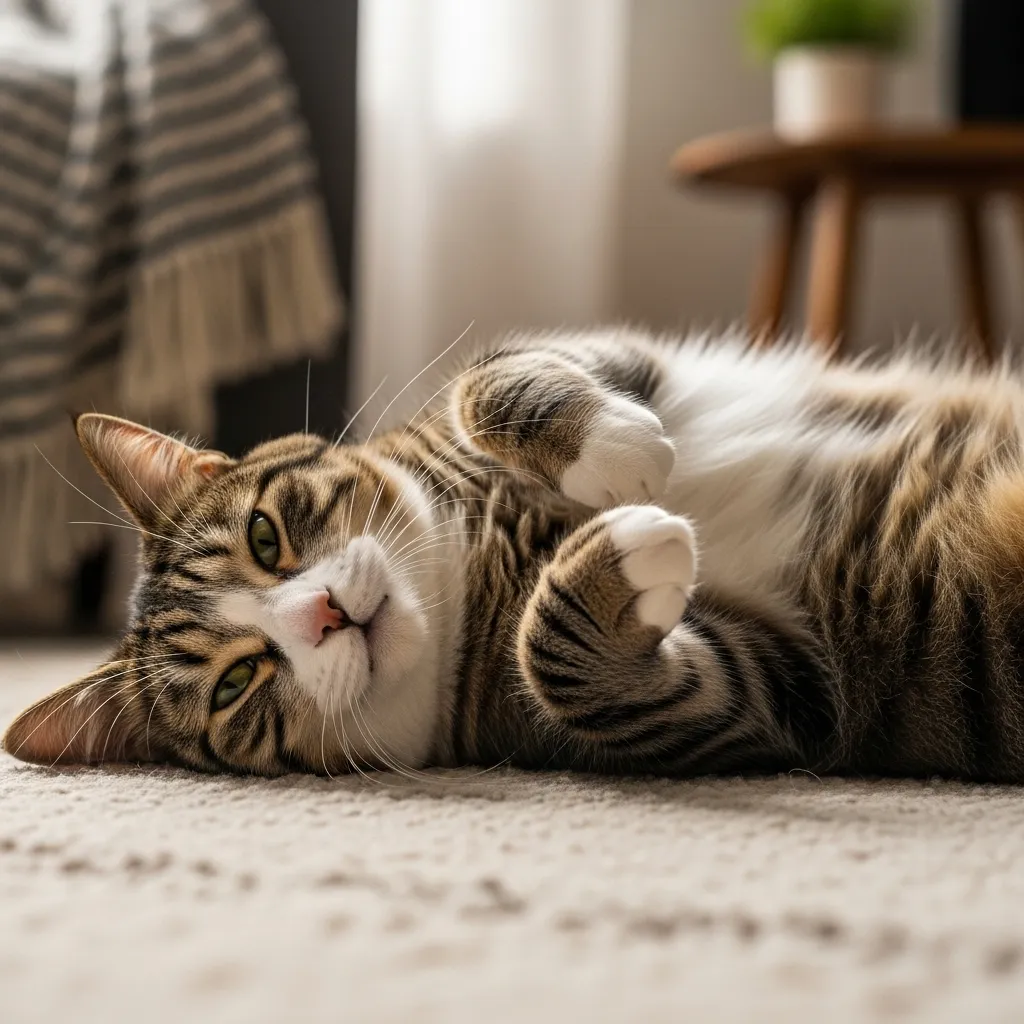
When your cat flops over and exposes their soft, fuzzy belly, it’s hard to resist the urge to give it a rub. But is it an invitation to pet or a subtle warning? Understanding why cats show their bellies is key to decoding cat body language and building a deeper bond with your feline friend. At Cat Bloom Haven, we’re here to unravel the mystery of cat belly language and help you navigate your cat’s signals with confidence.
In this guide, we’ll explore why cats expose their stomachs, what their belly trust signals mean, and how to interpret cat belly petting behavior. You’ll also learn why some cats love belly rubs while others react defensively, plus practical tips for bonding without crossing their comfort zones. Whether you’re a new cat parent or a seasoned feline enthusiast, this article will empower you to read your cat’s signals like a pro.
Key Takeaways
- Trust Signal: A cat showing its belly often indicates trust or comfort, but it’s not always an invitation for petting.
- Body Language Nuances: Slow blinks, relaxed postures, and purring are cat affection signs that suggest they’re open to interaction.
- Defensive Reactions: Swatting or biting during belly rubs may signal overstimulation or discomfort, not aggression.
- Individual Preferences: Every cat is unique—some love belly rubs, while others prefer head scratches or no touch at all.
- Bonding Tips: Respecting your cat’s boundaries strengthens trust and enhances your relationship.
Let’s dive into the fascinating world of feline communication cues and uncover what your cat’s belly reveal really means.
Why Do Cats Expose Their Bellies?
When a cat rolls over to show its belly, it’s one of the most intriguing cat body language signals. This vulnerable posture—exposing the stomach, a sensitive area packed with vital organs—can mean different things depending on the context, your cat’s personality, and their mood.
A Sign of Trust and Comfort
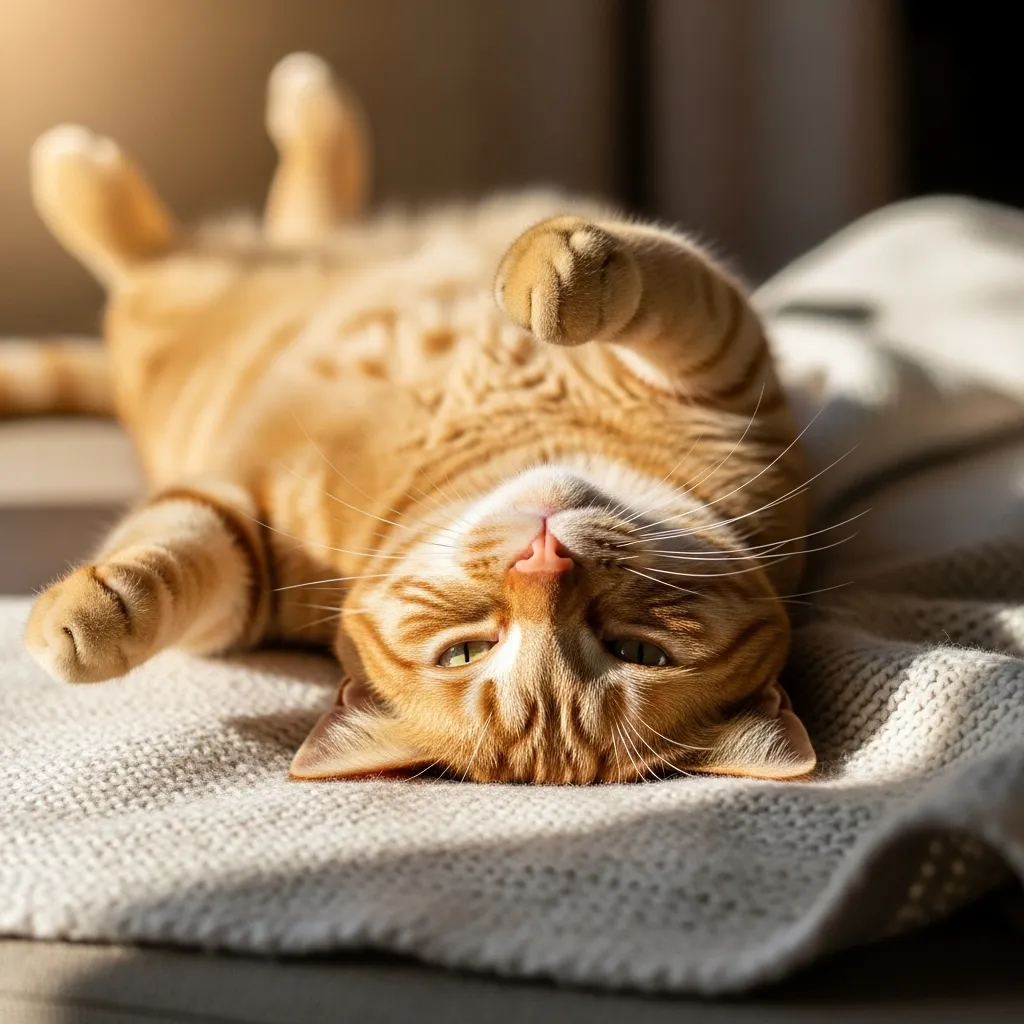
Cats are instinctively protective of their bellies. In the wild, exposing this area could make them vulnerable to predators. So, when your cat shows their belly at home, it’s often a cat belly trust signal. They feel safe enough to let their guard down around you.
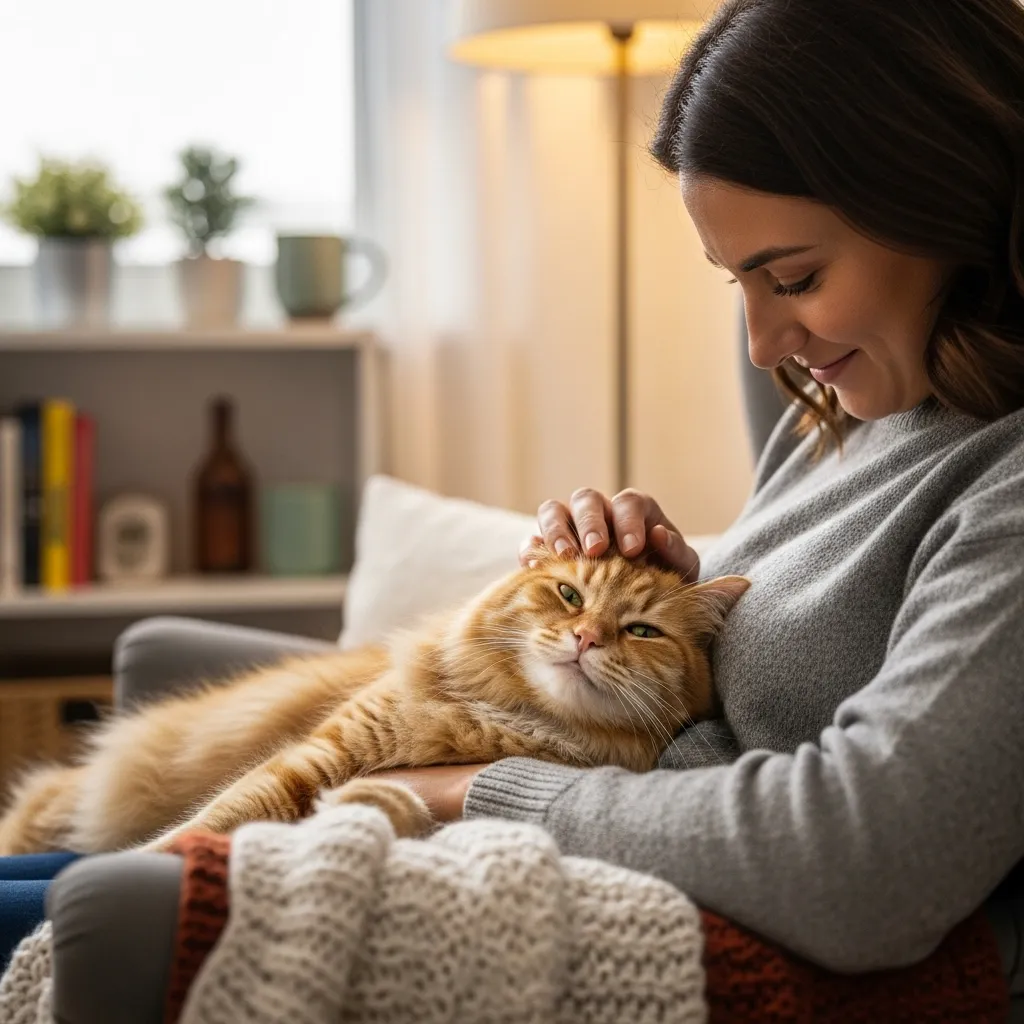
- Relaxed Posture: A cat lying on its back with loose limbs and soft eyes is likely comfortable. Look for slow blinks or half-closed eyes, which are classic signs your cat trusts you.
- Purring or Kneading: If your cat pairs the belly reveal with purring or kneading (like on an American Shorthair’s playful personality), it’s a strong indicator of contentment.
Not Always an Invitation
While it’s tempting to interpret a belly display as a call for cat belly petting behavior, it’s not always a green light. Some cats show their bellies as a defensive or playful gesture, not a request for touch.
- Playful Context: Kittens or high-energy breeds like Bengals (Bengal cat personality) may roll over during play, inviting a mock “attack” rather than gentle petting.
- Defensive Posture: A cat with tense muscles, flattened ears, or a flicking tail might be signaling, “I’m ready to defend myself.” Petting in this moment could trigger cat defensive behavior during petting.
The Role of the Primordial Pouch
That jiggly flap of skin on your cat’s belly? It’s called the primordial pouch, and it’s not just extra fat. This evolutionary feature, common in breeds like the Maine Coon, provides flexibility and protection during fights or fast movements. When your cat shows their belly, they might be highlighting this pouch as part of their feline communication cues, not necessarily inviting a rub.
Decoding Cat Belly Language: What’s Your Cat Really Saying?
Cat belly language is a subset of understanding your cat’s body language. To interpret it correctly, you need to consider the full context—body posture, facial expressions, and environment. Here’s how to break it down:
Signs Your Cat Trusts You
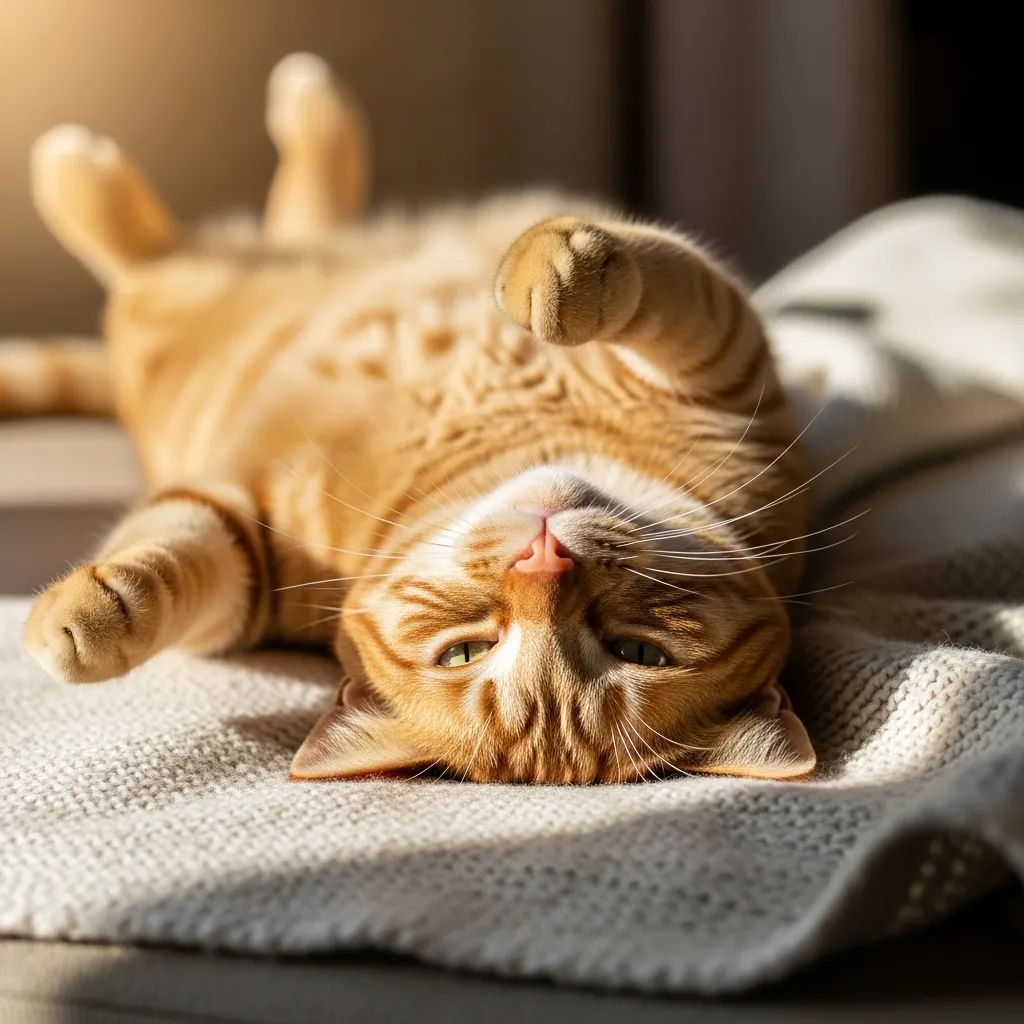
A belly reveal paired with these behaviors often means your cat feels secure:
| Behavior | Meaning | Example |
|---|---|---|
| Slow Blinking | Trust and affection | Your cat gazes at you, blinking slowly while lying on their back. |
| Relaxed Tail | Comfort and ease | A gently curved or still tail signals they’re at peace. |
| Purring | Contentment | Soft purring while exposing their belly shows happiness. |
| Kneading | Bonding and relaxation | Pawing the air or nearby surfaces mimics kitten behavior with their mother. |
If you see these cat affection signs, your cat is likely in a cat comfort zone. You might try a gentle belly rub, but proceed cautiously—more on that later.
Playful Cat Body Language
Some cats, especially younger ones or breeds like the Munchkin, show their bellies as part of play. They might:
- Wiggle or twitch their body, ready to pounce.
- Expose their belly during a play session with toys or other pets (Munchkin cats and dogs coexistence).
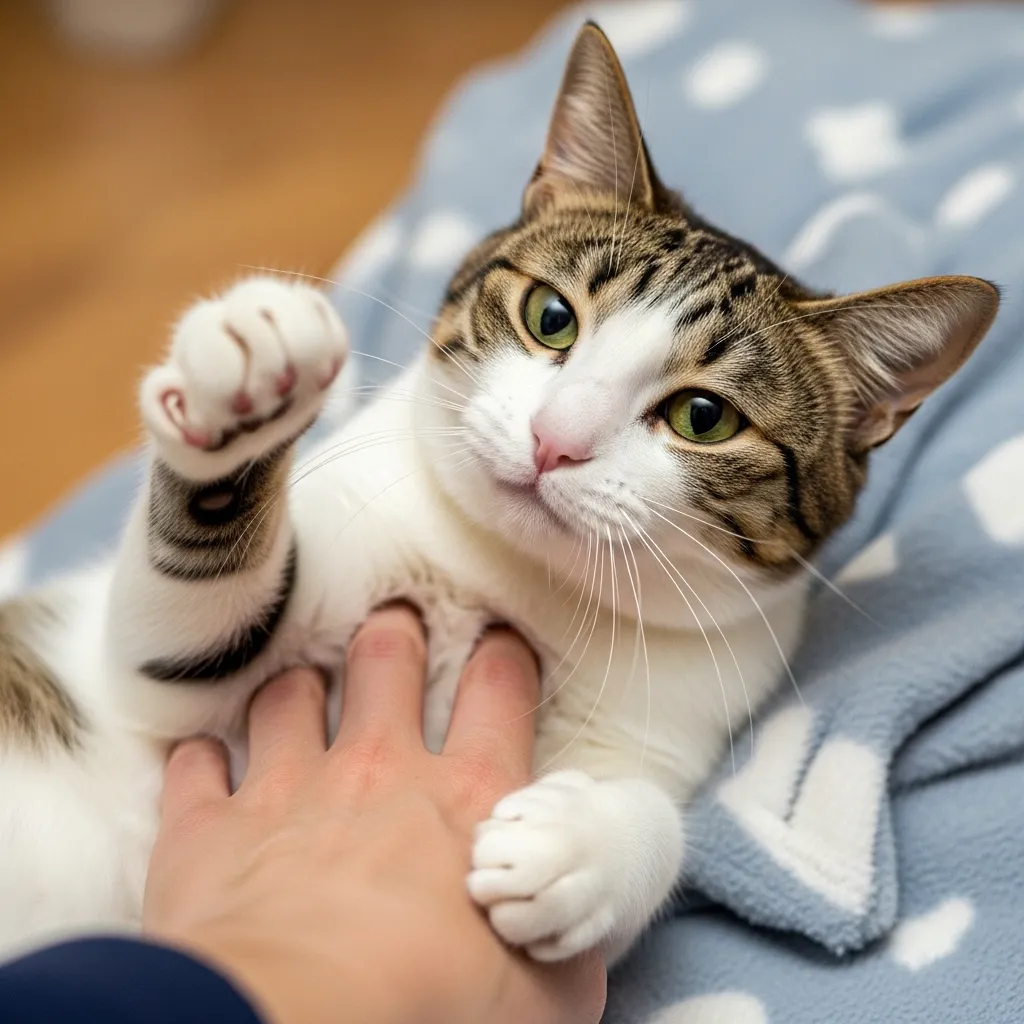
- Use their paws to “grab” your hand lightly, indicating a playful mood.
In these cases, a belly rub might be welcome, but keep it light and watch for signs of overstimulation.
Warning Signs: Defensive or Stressed Reactions
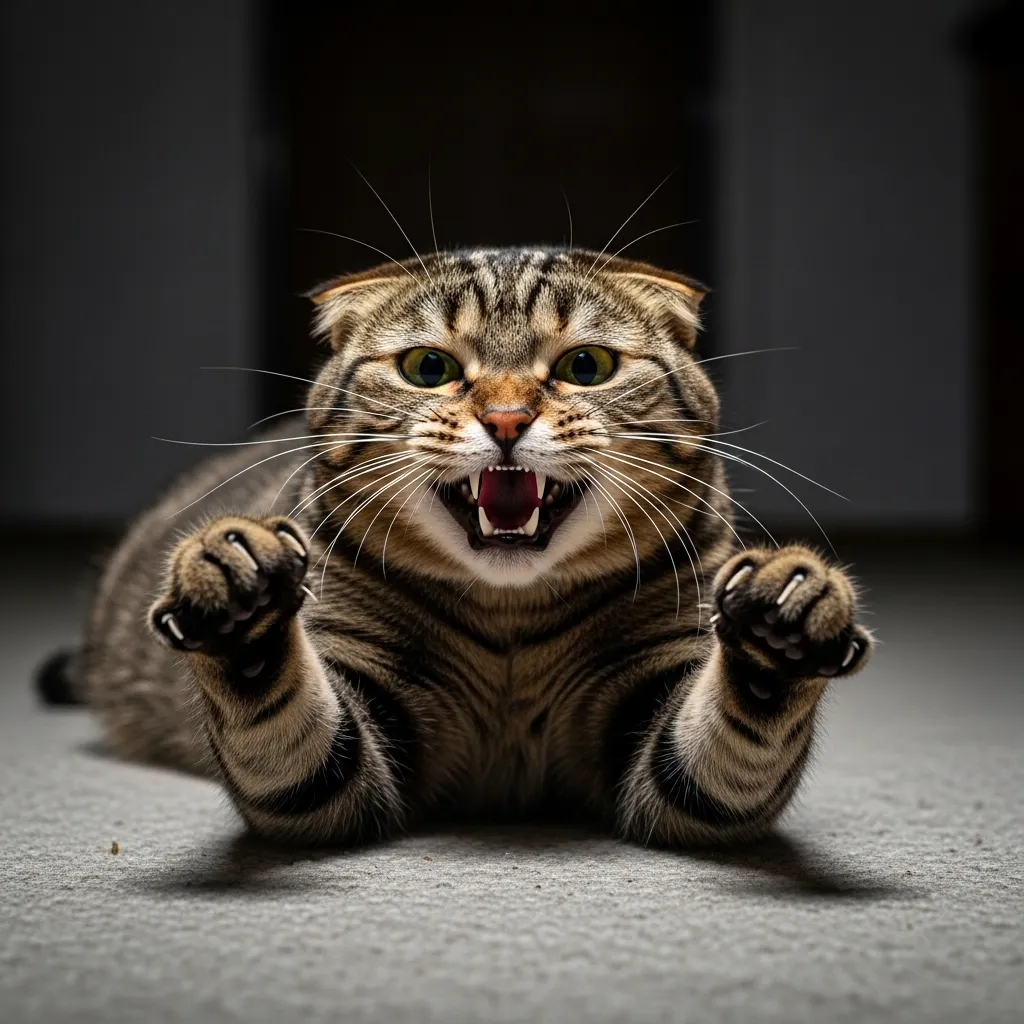
Not all belly displays are friendly. If your cat shows these signals, they might be preparing for cat defensive behavior during petting:
- Ears Back: Flattened or pinned ears suggest discomfort or alertness.
- Dilated Pupils: Wide eyes can indicate stress or agitation.
- Tail Flicking: Rapid tail movements signal irritation or readiness to act.
- Hissing or Swatting: These are clear “back off” signals.
If you notice these, avoid petting the belly. Instead, give your cat space or redirect their attention with a toy. Learn more about calming an upset cat in our guide to calming an angry cat.
Why Don’t Some Cats Like Belly Rubs?
Ever wonder why cats don’t like belly rubs? While some cats melt under a gentle belly scratch, others react with a swat or bite. Here’s why:
Instinctive Protection
The belly is a vulnerable area, and even a trusting cat might instinctively guard it. Breeds like the Siamese, known for their sensitivity, may be particularly prone to cat stress during petting. A sudden touch can trigger a reflex to protect themselves.
Overstimulation
Cats have sensitive nerve endings in their skin, especially around the belly. What starts as a pleasant rub can quickly become overwhelming, leading to a nip or scratch. This is common in cats with lower tolerance for touch, like some Norwegian Forest Cats.
Individual Preferences
Just like humans, cats have unique preferences. Some adore belly rubs, while others prefer head scratches or chin rubs. For example, Ragdoll cats are often more tolerant of belly petting due to their docile nature, while a Bengal might prefer interactive play over physical touch.
Past Experiences
A cat with a history of rough handling or trauma may associate belly touching with discomfort. This is especially true for rescue cats or those with medical issues, like Munchkin cat health issues.
How to Know If Your Cat Loves Belly Rubs
So, how can you tell if your cat is part of the belly-rub-loving club? Look for these cat belly trust test signals:
- Inviting Posture: They roll over slowly, exposing their belly while staying relaxed.
- Soft Purring: A steady purr during petting suggests they’re enjoying it.
- No Defensive Cues: Lack of ear flattening, tail flicking, or tense muscles.
- Repeated Behavior: If they keep showing their belly in similar situations, they likely associate it with positive experiences.
Try this approach to test the waters:
- Start with a gentle stroke on their head or back, areas most cats enjoy.
- If they seem relaxed, lightly brush their belly with one finger.
- Watch their reaction—if they lean into it or purr louder, you’re good to continue. If they tense up or swat, stop immediately.
For more cat petting tips, check out our guide to bonding with your cat.
Building Trust Through Respectful Interaction
Understanding cat belly trust signals is only half the equation—building trust is about respecting your cat’s boundaries. Here’s how to strengthen your bond while navigating their feline bonding behavior:
Respect Their Comfort Zones
If your cat exposes their belly but doesn’t enjoy rubs, try alternative ways to show affection:
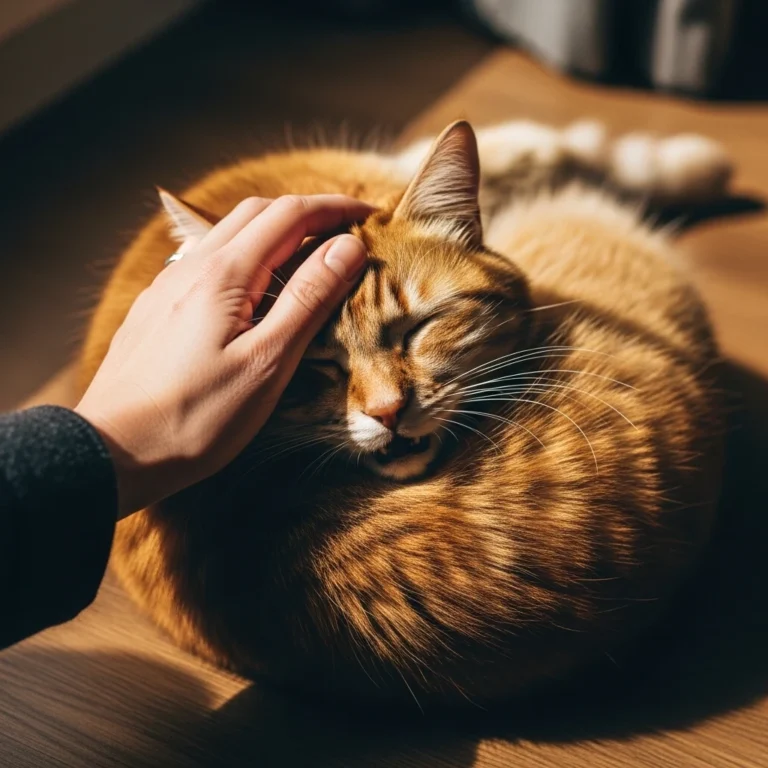
- Head Scratches: Most cats love gentle scratches around the ears or under the chin.
- Slow Blinks: Mimic their slow blinks to communicate trust and affection.
- Playtime: Engage in interactive play with toys like feather wands, especially for high-energy breeds like the Bengal.
Gradual Desensitization
If you want to help your cat become more comfortable with belly touches:
- Start by petting less sensitive areas (head, back).
- Gradually introduce brief, gentle touches to the belly during calm moments.
- Reward with treats or praise to create positive associations.
- Never force it—stop if they show discomfort.
Create a Safe Environment
A cat that feels secure is more likely to show cat affectionate gestures. Ensure their space is stress-free:
- Provide cozy resting spots, like the best beds for Munchkin cats.
- Minimize loud noises or sudden movements.
- Offer hiding spots for shy cats, like those discussed in our Siamese cat hiding behavior guide.
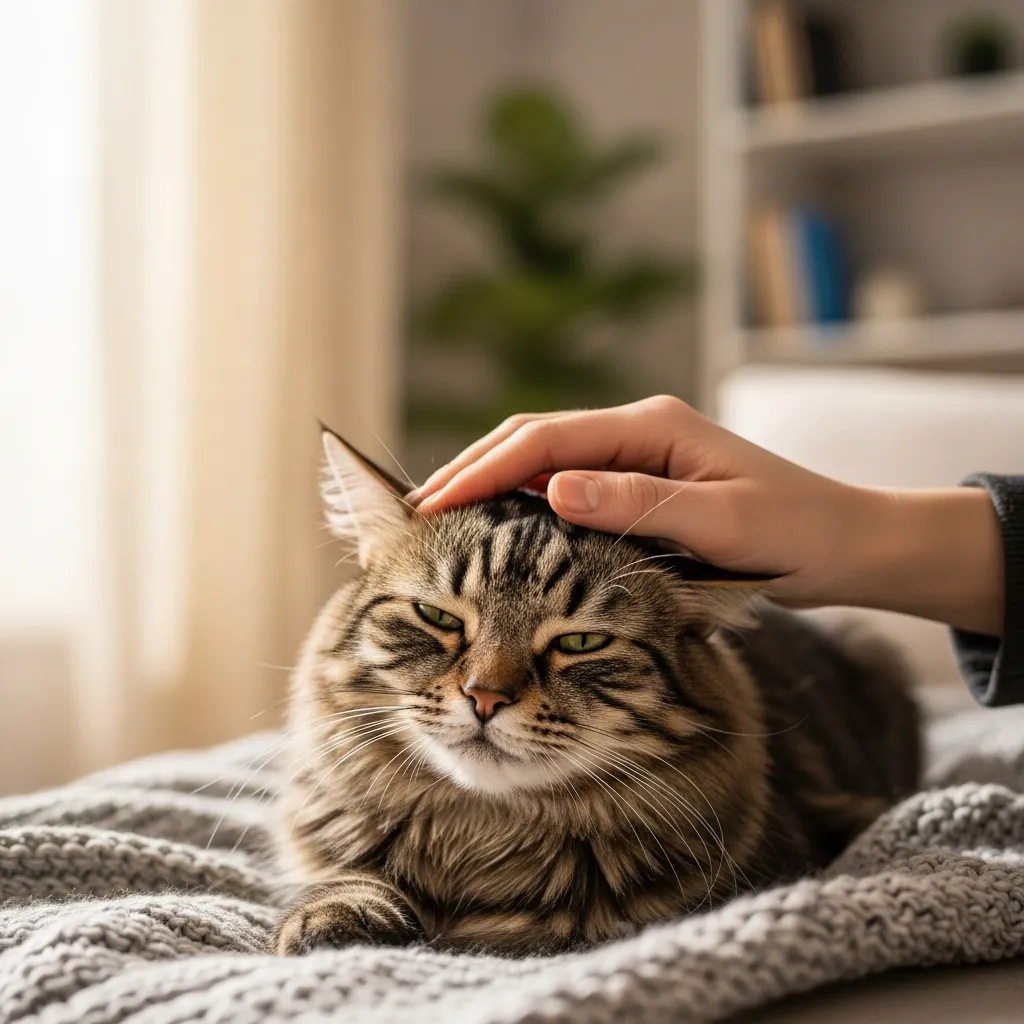
Common Misconceptions About Cat Belly Rubs
Let’s debunk some myths about why cats show their bellies but don’t want rubs:
- Myth: A belly display always means they want a rub.
Truth: It’s often a trust signal or playful gesture, not a direct invitation. - Myth: Cats that swat during belly rubs are aggressive.
Truth: They’re likely overstimulated or protecting a sensitive area. - Myth: All cats hate belly rubs.
Truth: Some cats, like certain Ragdolls, genuinely enjoy them when approached correctly.
FAQ: Your Cat Belly Rub Questions Answered
Why does my cat expose its belly to me?
It’s often a sign of trust or comfort, showing they feel safe in your presence. However, it’s not always an invitation for petting—watch their body language for clues.
Is a cat’s belly rub an invitation for petting?
Not always. Some cats show their bellies as a playful or defensive move, not a request for touch. Look for relaxed postures and purring to confirm they’re open to it.
What should I do if my cat exposes its belly?
Start with gentle petting on less sensitive areas like the head. If they seem relaxed, try a light belly touch, but stop if they show discomfort.
How can I tell if my cat enjoys belly rubs?
Look for purring, relaxed limbs, and no defensive signals like flattened ears or swatting. If they lean into your touch, they’re likely enjoying it.
Why might my cat react defensively when I rub its belly?
The belly is a vulnerable area, and petting can cause overstimulation or discomfort. Some cats instinctively protect it, even if they trust you.
Can petting my cat’s belly cause it stress?
Yes, if they’re not comfortable with belly rubs. Overstimulation or unwanted touch can lead to cat stress during petting. Respect their boundaries to keep them relaxed.
Are there any signs that indicate my cat may want a belly rub?
A relaxed body, soft purring, and repeated belly displays in calm settings suggest they might be open to it. Always test gently and watch their reaction.
Why do some cats like their bellies rubbed and others do not?
It comes down to individual personality, breed tendencies, and past experiences. Docile breeds like Ragdolls may enjoy it more, while sensitive cats like Siamese may not.
Conclusion: Build a Stronger Bond with Your Cat
Understanding why cats show their bellies and decoding cat belly language is a powerful way to deepen your connection with your feline friend. By recognizing cat belly trust signals, respecting their boundaries, and responding to their unique preferences, you’ll create a relationship built on mutual trust and affection.
Ready to learn more about your cat’s quirks? Explore our expert guides at Cat Bloom Haven, including tips on cat training and behavior and how to bond with your cat. Your journey to becoming a cat whisperer starts here!