Black Spots on Cat’s Gums: Causes, Care, and Prevention Guide
Noticing black spots on your cat’s gums can spark concern. Are they harmless quirks or a sign of something serious? At Cat Bloom Haven, we understand how much you care about your feline friend’s health. This comprehensive guide dives deep into the causes of black spots on cat gums, from benign pigmentation to potential health issues, and equips you with practical, vet-backed tips to ensure your cat’s oral wellness. You’ll learn what to look for, when to act, and how to keep your cat’s gums healthy for years to come.
Key Takeaways
- Black spots on cat’s gums are often harmless, caused by lentigo, a benign pigmentation common in orange cats.
- Serious conditions like gum disease or oral tumors can also cause dark spots, so monitoring is key.
- Regular cat dental care, including brushing and vet checkups, prevents issues like gingivitis and periodontitis.
- Healthy cat gums are pink, firm, and spot-free (except for benign pigmentation).
- Early detection of cat oral health problems improves outcomes—watch for signs like bad breath or swelling.
- Explore our detailed guide on cat dental health for more tips.

What Are Black Spots on Cat’s Gums?
Black spots on cat gums can appear as small, flat, or slightly raised dark patches in your cat’s mouth. They might show up on the gums, lips, or even the tongue. For many cat owners, these spots raise questions: Are they normal? Could they signal a health issue? The truth is, black spots can stem from harmless causes like pigmentation or more serious conditions like gum disease or tumors. Let’s break down the most common reasons.
Lentigo: The Most Common Cause of Cat Gum Pigmentation
What is Lentigo?
Lentigo is a benign condition where melanin deposits create dark spots on a cat’s gums, lips, or nose. It’s like freckles in humans—completely harmless and often genetic. Lentigo in cats is especially common in orange, cream, or tortoiseshell cats due to their unique coat genetics.
Why Are Orange Cats Prone to Lentigo?
Orange cats often develop these spots because of their pigmentation genetics. The same genes that give them their fiery coats can lead to melanin clustering in the skin or gums. These spots typically appear between 1–3 years of age and may increase over time but remain benign.
How Lentigo Looks in Cats
- Flat, dark brown to black spots.
- Usually symmetrical and uniform in shape.
- Common on gums, lips, or inside the mouth.
- No swelling, bleeding, or discomfort.
What to Do About Lentigo
No treatment is needed for lentigo—it’s cosmetic. However, always have a vet confirm the diagnosis to rule out other issues. Regular monitoring ensures the spots don’t change in size, shape, or texture, which could indicate a problem. Learn more about cat health care basics to stay proactive.
Other Causes of Black Spots on Cat’s Gums
While lentigo is the most common culprit, other conditions can cause black spots or discoloration. Here’s what to watch for:
- Feline Gum Disease (Gingivitis or Periodontitis): Inflamed gums from plaque or tartar buildup can appear darkened or spotted. Look for redness, swelling, or bad breath.
- Oral Tumors: Rarely, black spots could be melanomas or other growths. These may grow, bleed, or cause discomfort.
- Trauma or Injury: Bites, scratches, or foreign objects in the mouth can cause dark bruising or spots.
- Fungal or Bacterial Infections: Infections may lead to discoloration, often with swelling or pus.
- Foreign Objects or Staining: Food debris or staining from toys can mimic spots but usually wipe away easily.
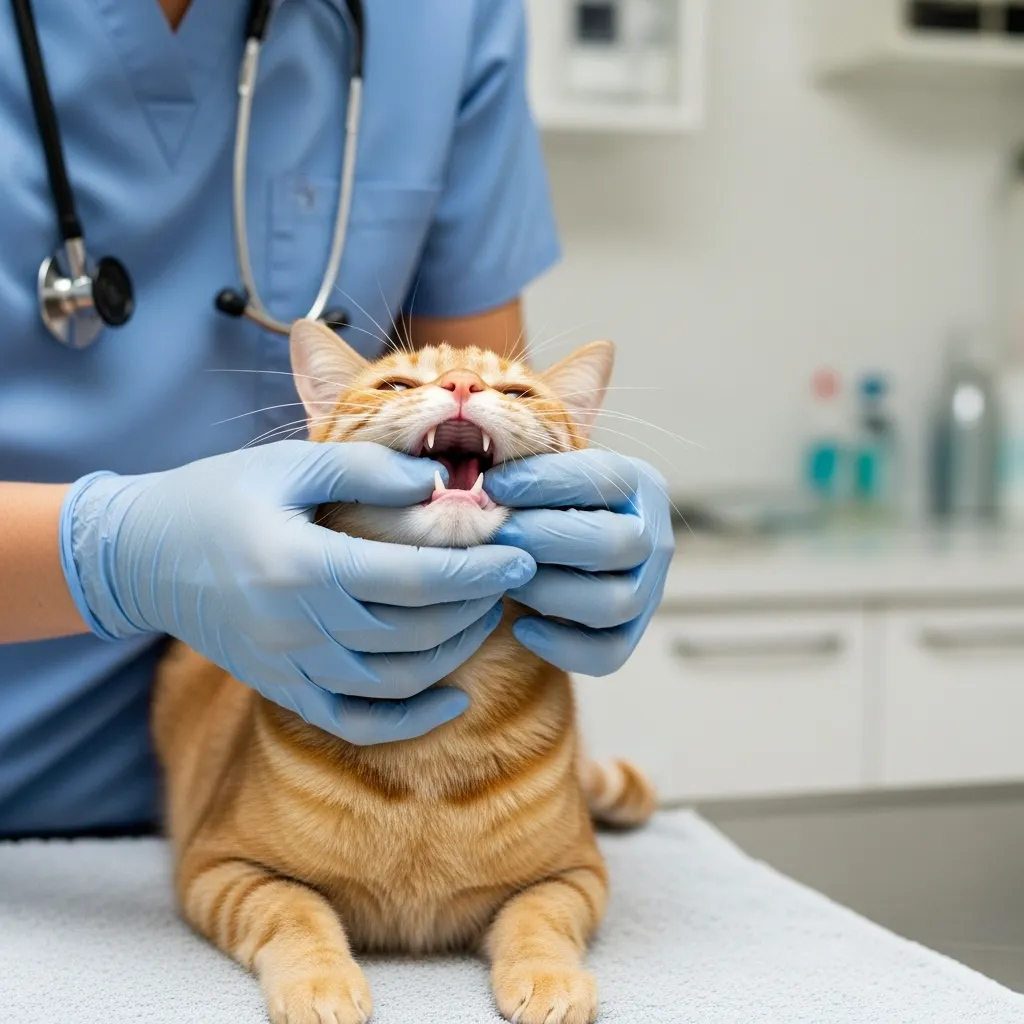
If you’re unsure about the cause, a vet visit is critical. Early detection can make all the difference. Check out our guide on finding the best vet for your cat for tips on choosing a trusted professional.
Recognizing Healthy vs. Unhealthy Cat Gums
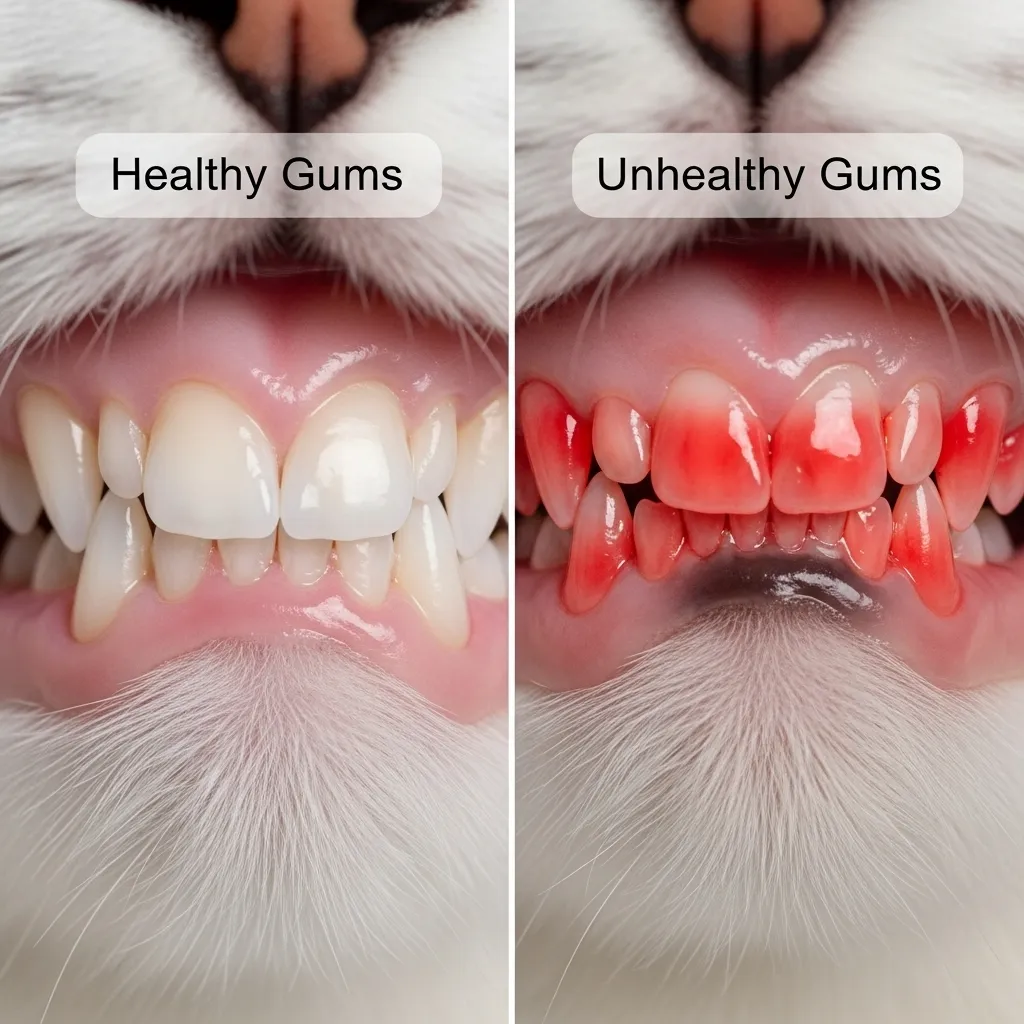
Healthy cat gums are your baseline for spotting problems. Here’s how to tell if your cat’s gums are in top shape:
| Healthy Cat Gums | Unhealthy Cat Gums |
|---|---|
| Pale pink or coral | Red, swollen, or bleeding |
| Firm to the touch | Soft, spongy, or receding |
| No bad breath | Persistent bad breath |
| No pain when eating | Drooling, pawing at mouth, or reluctance to eat |
| May have benign lentigo spots | Dark spots with swelling, asymmetry, or growth |
Pro Tip: Check your cat’s gums weekly during petting sessions. Gently lift their lip to inspect for changes. If you notice signs of unhealthy gums, schedule a cat dental checkup immediately.
Common Cat Oral Health Problems Linked to Black Spots
Black spots can sometimes signal underlying issues. Here’s a closer look at conditions that affect cat gum health:
Feline Gingivitis
Gingivitis is gum inflammation caused by plaque buildup. It’s common in cats and can lead to darkened gums if untreated.
Symptoms: Red or swollen gums, bad breath, drooling, difficulty eating.
Action: Regular brushing and vet cleanings can reverse early gingivitis. Severe cases may need antibiotics or dental procedures.
Feline Periodontitis
Untreated gingivitis can progress to periodontitis, a deeper infection affecting the gums and tooth roots.
Symptoms: Receding gums, loose teeth, dark spots, or pus.
Action: Immediate vet intervention is needed. Learn more in our cat health care guide.
Oral Tumors
Rarely, black spots may indicate melanomas or squamous cell carcinoma. These are serious and require urgent care.
Symptoms: Growing or irregular spots, bleeding, or difficulty eating.
Action: Biopsy and imaging by a vet to diagnose and treat.
Feline Stomatitis
This painful immune-mediated condition causes severe gum inflammation and sometimes dark patches.
Symptoms: Extreme bad breath, drooling, weight loss, or refusing food.
Action: Vet-prescribed anti-inflammatory meds or tooth extraction may be needed. Read about cat stomatitis life expectancy for more details.
Why Cat Oral Health Matters
Your cat’s mouth is a window to their overall wellness. Poor oral health can lead to systemic issues like heart, kidney, or liver problems due to bacteria spreading from the mouth. Regular care prevents pain, tooth loss, and costly treatments. Plus, a healthy mouth keeps your cat purring happily during mealtime!

How to Care for Your Cat’s Gums and Teeth
Preventing cat oral health problems is easier than treating them. Here’s a vet-approved routine to keep your cat’s gums healthy:
1. Brush Your Cat’s Teeth Regularly
Brushing is the gold standard for cat dental care. It removes plaque before it hardens into tartar.
How to Brush Your Cat’s Teeth:
- Use a cat-specific toothbrush or finger brush.
- Choose enzymatic cat toothpaste (never human toothpaste). Our guide on cat dental care recommends top products for 2025.
- Start slow: Let your cat lick the toothpaste, then gently rub their gums.
- Aim for 2–3 times per week, 30 seconds per session.
Tip: Make it fun with treats or praise. Check out how to brush your cat’s teeth for a step-by-step guide.
2. Use Dental Chew Toys and Treats
Dental chews scrape plaque and massage gums. Look for Veterinary Oral Health Council (VOHC)-approved products.
Best Picks for 2025:
- Greenies Feline Dental Treats
- Virbac C.E.T. Oral Hygiene Chews
- Puzzle toys with dental benefits (explore cat toy guides).
Tip: Introduce chews gradually to avoid tummy upset.
3. Schedule Regular Vet Dental Checkups
Annual or bi-annual vet visits catch issues early. Vets can perform professional cleanings under anesthesia to remove tartar and check for hidden problems. Learn how to prepare for cat vet visits.
4. Monitor Diet for Oral Health
Wet food reduces plaque compared to dry kibble, and dental-specific diets (like Hill’s Prescription Diet t/d) can help. Read more in our cat food nutrition guide.
5. Natural Remedies for Cat Gum Health
While not a substitute for vet care, some natural options support oral hygiene:

- Coconut oil: Antibacterial properties; use sparingly on gums (vet-approved).
- Cat-safe herbs like parsley: Freshens breath when added to food.
- Water additives: Look for VOHC-approved products to reduce plaque.
Always consult your vet before trying natural remedies.
Early Signs of Cat Gum Disease to Watch For
Catching problems early saves your cat pain and you money. Watch for these red flags:
- Persistent bad breath (beyond “cat food breath”).
- Red, swollen, or bleeding gums.
- Drooling or pawing at the mouth.
- Reluctance to eat hard food or chew toys.
- Loose or missing teeth.
- Dark spots that grow, bleed, or change shape.
If you spot these, act fast. Our cat health care guide has more on spotting symptoms.
Why Orange Cats Get Black Spots More Often
Orange cats are the poster children for lentigo due to their unique genetics. The same melanin that gives them their vibrant coats can cluster in the gums, creating those signature black spots. While lentigo is harmless, always have a vet confirm it’s not something else, especially if spots appear suddenly or change. Curious about orange cat quirks? Check out our cat breeds guide.
Cat Dental Cleaning at Home: Tips and Tools
Cleaning your cat’s teeth at home is easier than you think with the right approach:
- Tools You’ll Need: Cat toothbrush, enzymatic toothpaste, dental wipes for beginners.
- Frequency: Aim for 2–3 times weekly for brushing, daily for wipes.
- Technique: Focus on outer tooth surfaces; avoid forcing the mouth open.
- Products to Try: Virbac C.E.T. Toothpaste, Petkin Dental Wipes, or Oxyfresh Water Additive.
Discover more in our cat dental care tips.
When to See a Vet for Black Spots on Cat’s Gums
Not all black spots are harmless. Schedule a vet visit if you notice:
- Spots that grow, bleed, or change shape.
- Accompanying symptoms like bad breath, drooling, or eating issues.
- Swollen or red gums around the spots.
- Behavioral changes like lethargy or hiding.
A vet may recommend a biopsy, dental X-rays, or bloodwork to rule out serious issues. For help finding a trusted vet, see our guide on choosing the best vet.
FAQ: Common Questions About Black Spots on Cat’s Gums
Why does my cat have black spots on his gums?
Most likely, it’s lentigo, a harmless pigmentation common in orange cats. However, gum disease, tumors, or infections can also cause spots, so a vet check is wise.
What is lentigo, and why are orange cats more prone to it?
Lentigo is benign melanin buildup, like freckles. Orange cats get it more due to their coat color genetics, which cluster melanin in the gums or lips.
How does lentigo appear in cats, and where is it found?
Lentigo shows as flat, dark brown to black spots on gums, lips, or the nose. They’re usually symmetrical and don’t cause discomfort.
What should I do if I notice black spots on my cat’s gums?
Monitor for changes and consult a vet to confirm they’re benign. Regular dental care prevents related issues.
How can I tell if my cat has gum disease?
Look for red, swollen, or bleeding gums, bad breath, drooling, or reluctance to eat. Early vet care is key.
Are black spots on cat’s gums ever serious?
Rarely, they can signal tumors or infections. If spots grow, bleed, or are paired with other symptoms, see a vet immediately.
How can I prevent dental disease in my cat?
Brush their teeth regularly, use dental chews, feed oral-health diets, and schedule vet checkups. Explore cat dental care tips.
Can I brush my cat’s teeth at home, and what should I use?
Yes! Use a cat-specific toothbrush and enzymatic toothpaste. Start slow and make it positive. See our brushing guide.
Are dental chew toys effective for my cat’s oral health?
Yes, VOHC-approved chews reduce plaque and massage gums. Combine with brushing for best results.

Conclusion: Keep Your Cat’s Smile Bright
Black spots on your cat’s gums are often harmless, especially in orange cats with lentigo, but staying vigilant is crucial. Regular dental care, from brushing to vet checkups, keeps your cat’s mouth healthy and catches issues early. By following the tips in this guide, you’ll ensure your feline friend’s gums and teeth stay in top shape, supporting their overall wellness.
Ready to dive deeper into cat care? Explore more expert guides on Cat Bloom Haven, from cat food nutrition to training and behavior tips. Your cat’s purr-fect health starts with you!