Why Does My Cat Fart on Me? Uncovering the Surprising Reasons Behind Feline Flatulence
Have you ever been cuddling with your furry companion, only to be hit with an unexpected whiff that leaves you questioning your life choices? If you’re wondering “why does my cat fart on me,” you’re not alone. Cat flatulence might seem like a quirky, even humorous issue—think of those viral funny cat fart moments on TikTok—but it often points to deeper feline gas problems.
As a seasoned cat care expert with years of experience helping pet owners navigate everything from cat digestive issues to overall cat health and wellness, I’ve seen it all. In this comprehensive guide, we’ll dive into the reasons behind why cats fart, explore cat farting reasons, and provide actionable tips to help your kitty feel better. By the end, you’ll have the tools to tackle cat gas smell and improve your cat’s digestive health, turning those awkward moments into a thing of the past.
Whether it’s a sudden release during lap time or a persistent issue, understanding cat behavior and gas is key. We’ll cover everything from dietary tweaks to stress management, ensuring your cat’s tummy stays happy. Let’s get started—your nose (and your cat) will thank you.
Key Takeaways
- Cat flatulence is normal in moderation, but excessive gas could signal cat digestive issues like food intolerances or allergies.
- Diet plays a huge role: Switching to the best food for cats with sensitive stomach can reduce cat farts a lot and improve overall cat nutrition and digestion.
- Stress is a sneaky culprit: Changes in routine can lead to stress and cat flatulence, manifesting as accidental cat farting or other behaviors.
- Prevention is possible: Simple steps like gradual diet changes and regular vet check-ups can help stop cat farting and promote healthy cat diet habits.
- When to worry: If cat gas smell is accompanied by vomiting, diarrhea, or weight loss, consult your vet immediately for potential underlying feline gas problems.
- Fun fact for 2025: With cat health awareness on the rise, trends like cat farts meme topic are highlighting these issues in a lighthearted way, encouraging more owners to seek solutions.
The Basics: Why Cats Fart and What It Means for Your Feline Friend
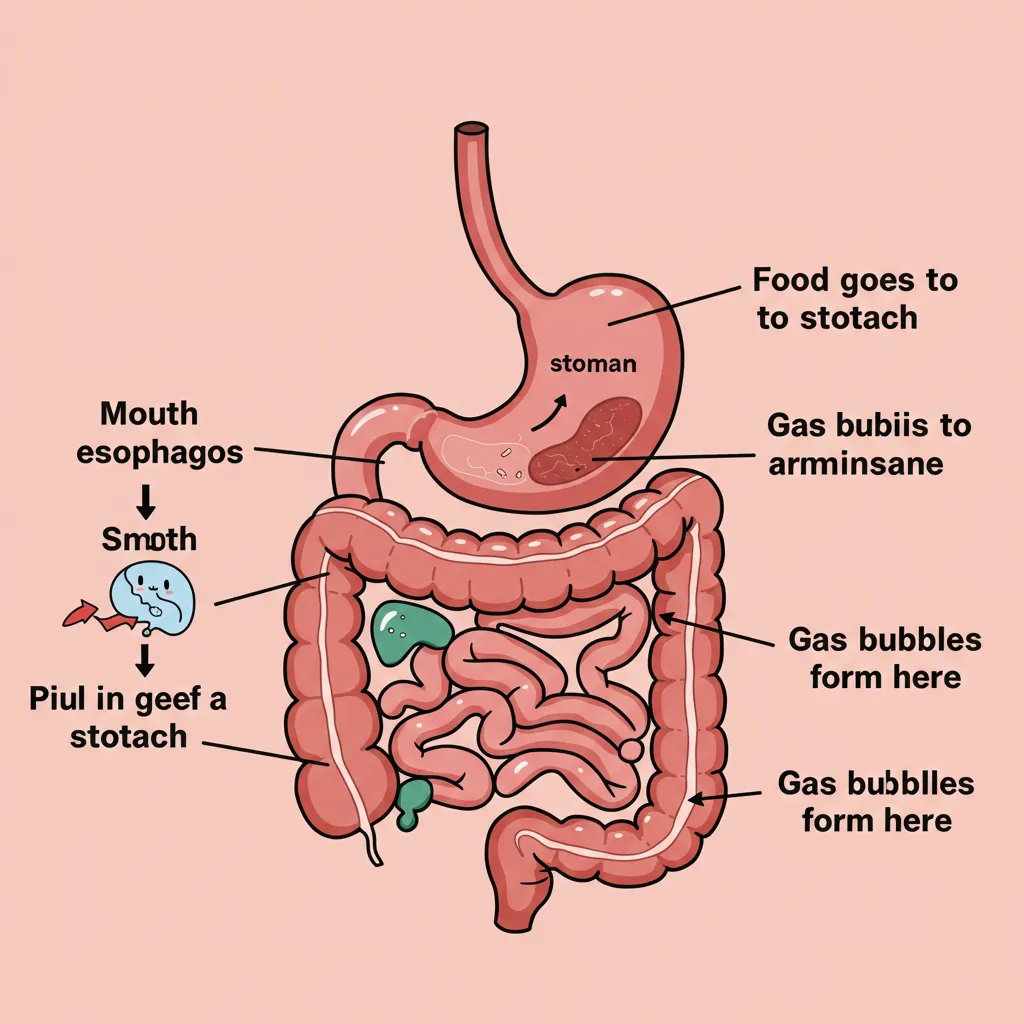
Cats, like humans, produce gas as a natural byproduct of digestion. But why do cats have gas more noticeably sometimes? It all boils down to their unique digestive system. Feline gas problems occur when excess air or fermentation in the gut leads to bloating and release—yes, those silent (or not-so-silent) offenders. According to veterinary insights, occasional flatulence is harmless, but frequent episodes might indicate imbalances in gut bacteria or unsuitable diets.
Think about it: Your cat’s wild ancestors thrived on high-protein, low-carb meals from prey. Modern cat food sometimes strays from this, leading to cat digestive issues. If your cat farts a lot, especially on you during cuddle sessions, it could be accidental cat farting triggered by relaxation or positioning. But don’t dismiss it—persistent gas might link to what causes cat gas, from swallowing air during fast eating to more serious concerns.
For example, I once worked with a client whose Siamese cat was notorious for “gifting” gas during playtime. After a quick diet audit, we pinpointed dairy scraps as the issue. Explore our detailed guide on Siamese cat breed characteristics to learn more about breed-specific sensitivities.
Common Reasons for Cat Farting: Breaking Down the Triggers
Let’s dissect the main cat farting reasons. Understanding these can help you address the root cause and reduce those unpleasant surprises.
Swallowing Too Much Air: A Simple Yet Overlooked Cause
One of the top reasons why cats fart is aerophagia—swallowing excess air. This happens when cats eat too quickly, often due to competition in multi-cat homes or excitement over meals. The air builds up in the stomach and escapes as gas.
- Signs to watch: Rapid eating followed by burping or farting.
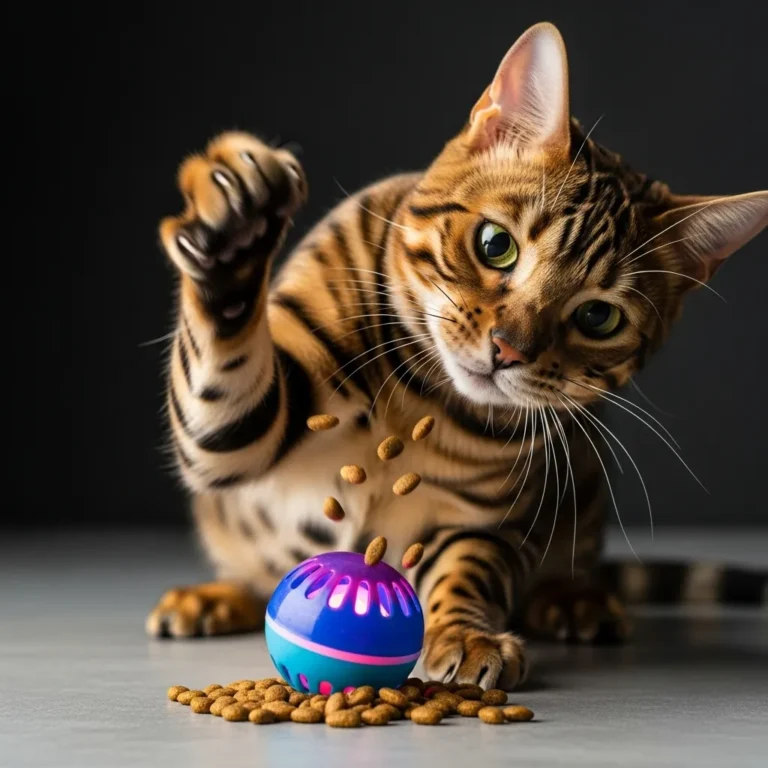
- Quick fix: Use puzzle feeders to slow them down. This not only curbs gas but enhances cat behavior explained through mental stimulation.
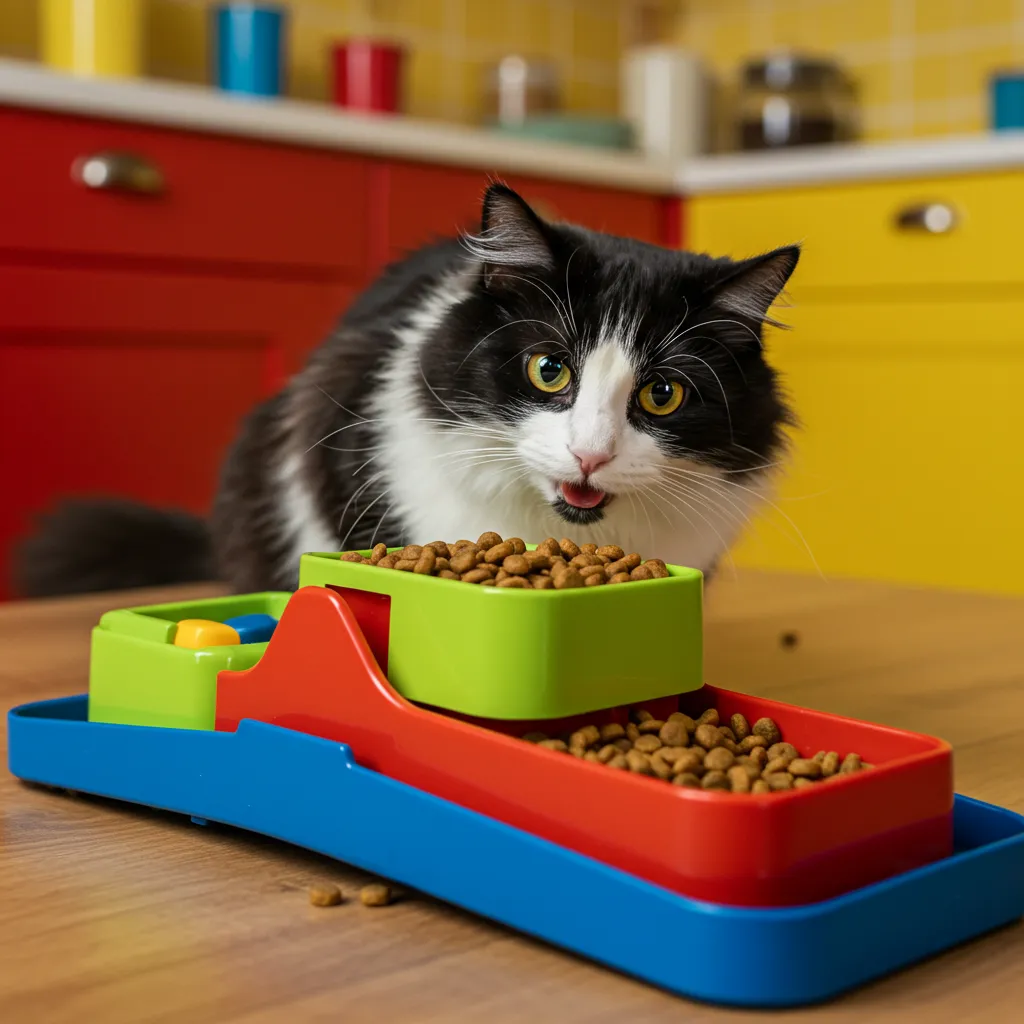
In severe cases, it might tie into cat zoomies guide, where high energy leads to gulping air during play.
Food Intolerances and Allergies: When Diet Goes Wrong
Cat food allergies and cat food intolerance symptoms are major players in feline gas problems. Common allergens like dairy, grains, or certain proteins can ferment in the gut, producing smelly gas. Symptoms include not just flatulence but also vomiting, diarrhea, and itchy skin.
| Common Allergens | Symptoms | Tips to Address |
|---|---|---|
| Dairy (lactose) | Gas, diarrhea, bloating | Avoid milk; opt for lactose-free treats. Learn more in our cat allergies guide. |
| Grains (wheat, corn) | Itchy skin, excessive farting | Switch to grain-free options; see our best wet cat food recommendations. |
| Beef or chicken proteins | Vomiting, fur loss | Try novel proteins like fish; check our Bengal cat guide for allergy-prone breeds. |
Addressing these early can prevent long-term cat digestive health issues. If your Munchkin cat shows signs, our Munchkin cat allergies article has tailored advice.
Stress and Other Health Issues: The Hidden Factors
Stress in cats and digestive issues go paw-in-paw. Changes like moving homes, new pets, or even loud noises can disrupt gut flora, leading to increased flatulence. Stressed cats might exhibit cat stress signs like hiding or over-grooming, alongside gas.
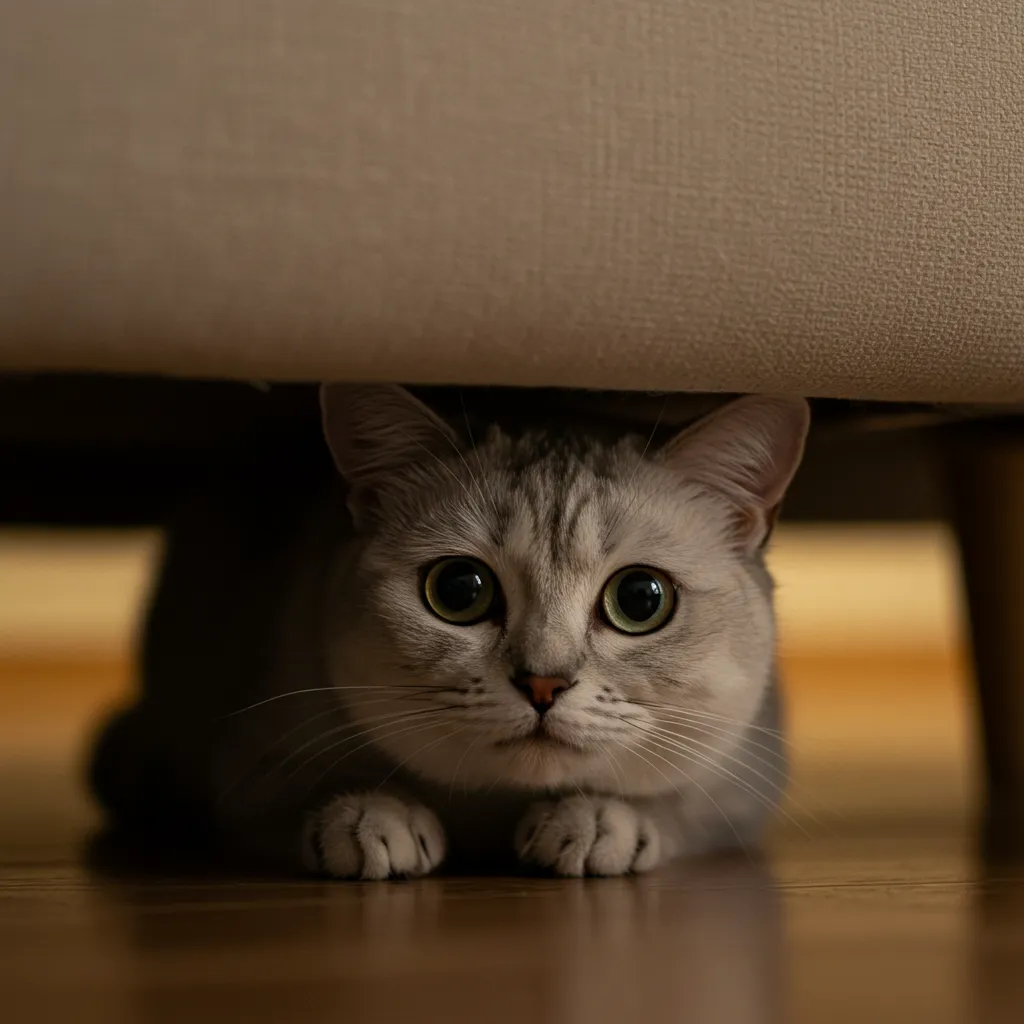
Other health culprits include parasites, IBS, or even cancer in rare cases. If your cat’s fart smells bad persistently, it’s time for a vet visit. Discover more tips in finding the best vet for your cat.
Why Do Cats Fart on Their Owners? Accidental Farting Explained
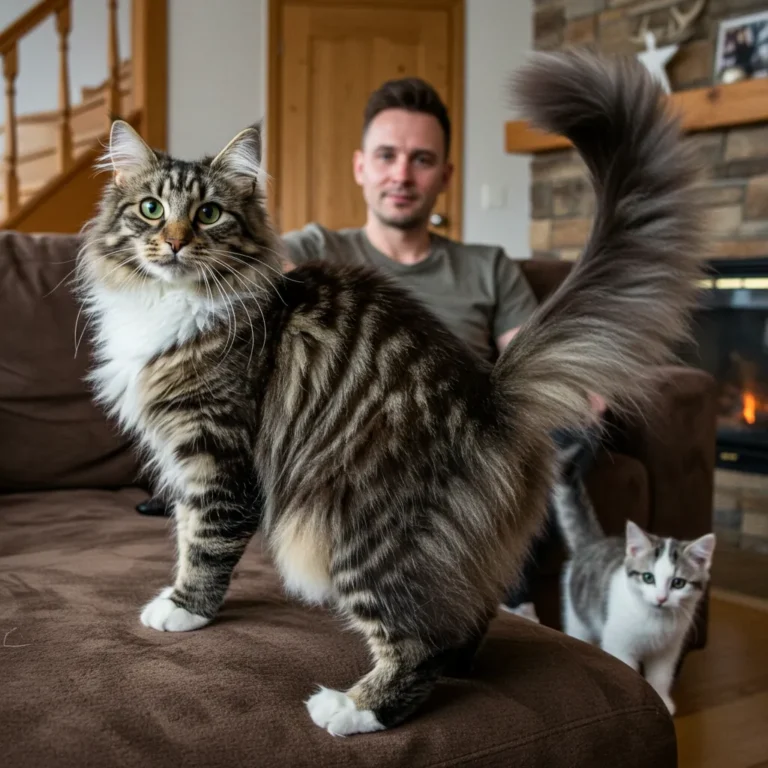
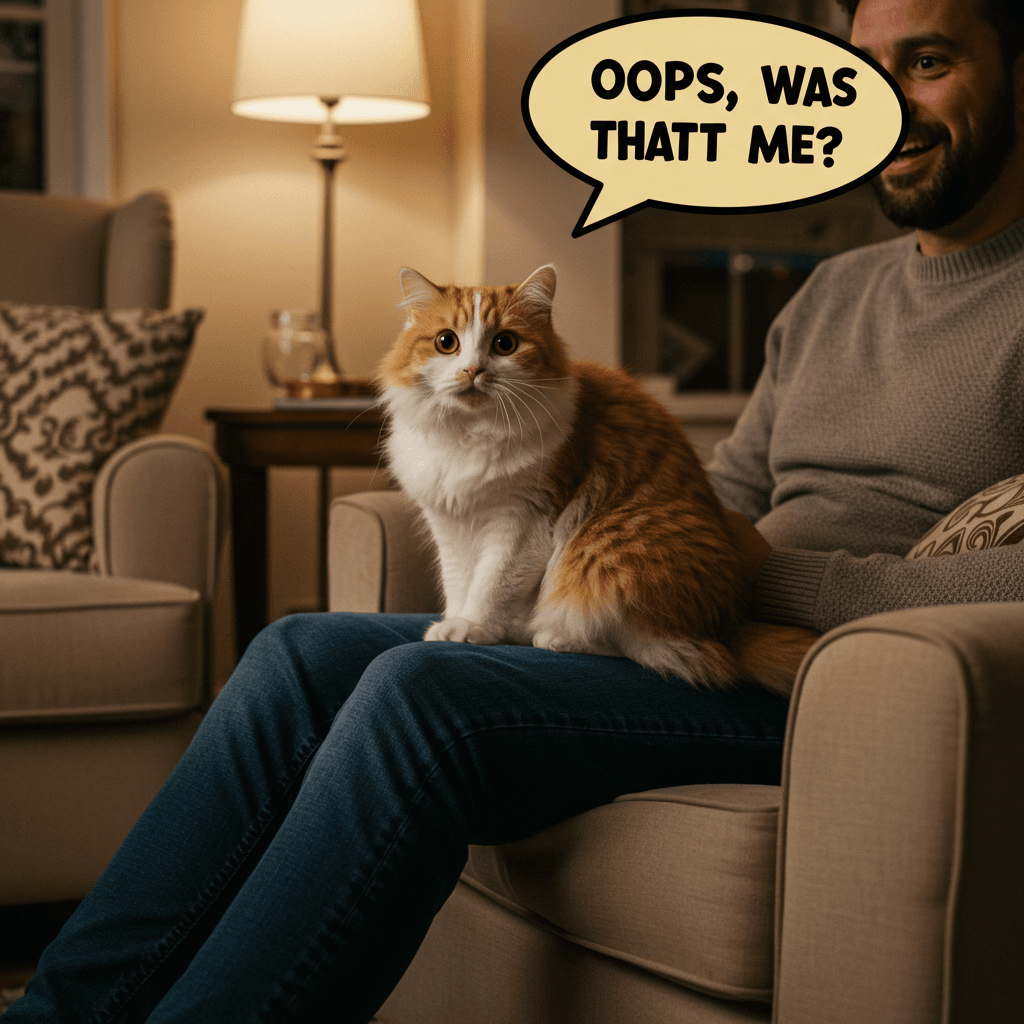
Ah, the million-dollar question: Why does my cat fart on me? Often, it’s purely accidental cat farting. Cats release gas when relaxed, and your lap is their prime chill spot. It’s a sign of trust—they feel safe enough to let loose!
But cat behavior and gas can also be communicative. In rare instances, it might stem from expressing affection or marking territory, though that’s more myth than fact. For breeds like Ragdolls, who love laps, this is common—check our Ragdoll cat care guide for bonding tips.
How to Stop Cat Farting: Practical Solutions for a Gas-Free Home
Wondering how to stop cat farting? Start with these vet-backed strategies to ease cat gas smell and promote cat nutrition and digestion.
Dietary Changes: Choosing the Best Food for Cats with Sensitive Stomach
Switching to a healthy cat diet is crucial. Opt for high-quality, easily digestible foods low in fillers. In 2025, with cat health awareness rising, brands like Royal Canin Digestive Care or Blue Buffalo Blissful Belly top the list for sensitive stomachs.
- Top picks:
- Royal Canin Sensitive Digestion: Prebiotics for gut balance.
- Hill’s Science Diet Sensitive Stomach: Gentle on tummies.
- KOHA Limited Ingredient: Minimal allergens for finicky eaters.
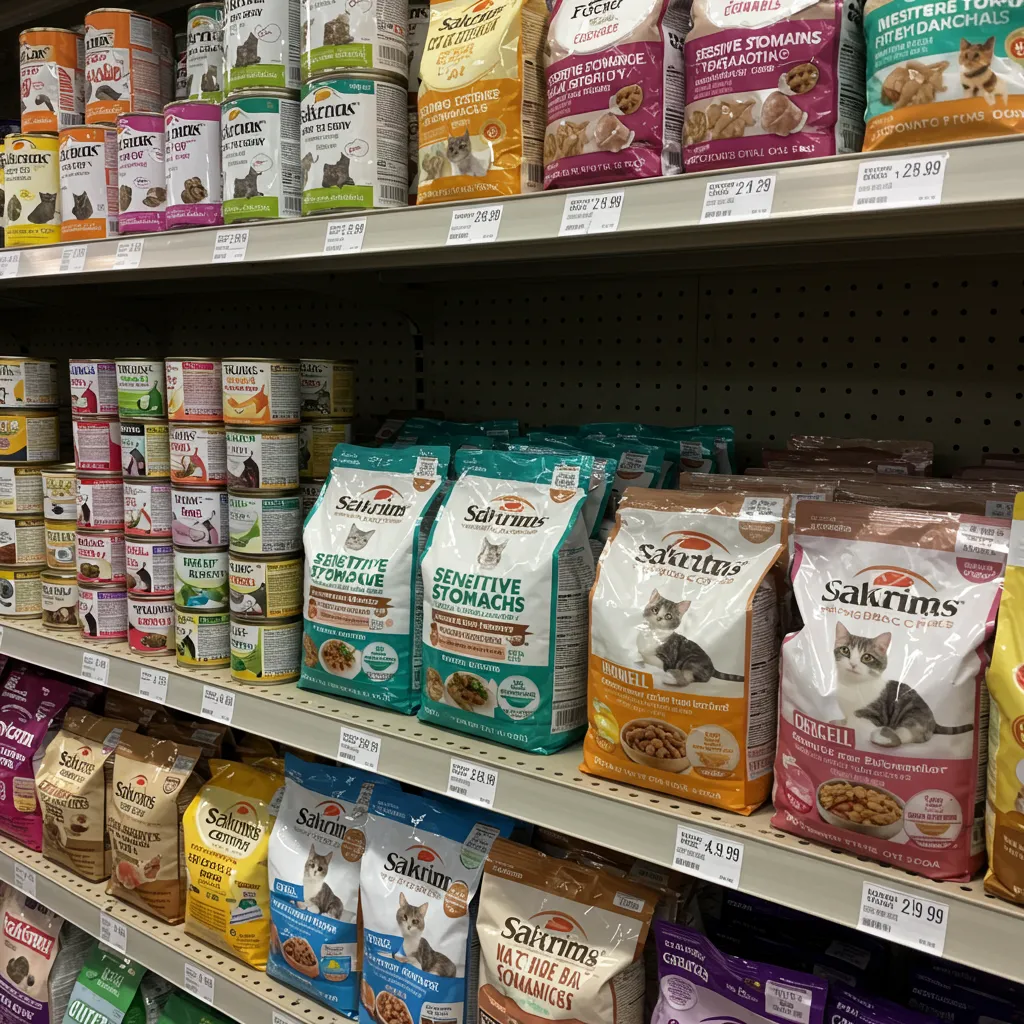
Gradually transition over 7-10 days to avoid upset. For senior cats, see our best foods for senior Bengal cat.
Natural Remedies and Lifestyle Tweaks
To reduce cat farting naturally:
- Probiotics: Add supplements to restore gut bacteria.
- Pumpkin puree: A spoonful aids digestion—pure, not pie filling!
- Exercise: Regular play reduces stress and cat flatulence. Try our teach cat to fetch guide.
- Smaller meals: Feed 3-4 times daily to prevent air swallowing.
If issues persist, rule out worms in cats or other parasites.
Funny Cat Fart Moments: Embracing the Lighter Side
While dealing with cat gas causes can be frustrating, the internet’s full of funny cat fart moments to lighten the mood. From cats farting on owners in viral videos to cat farts meme topic trending on TikTok, these remind us that even our regal felines have goofy sides. (Note: Posts like these highlight community experiences, but always prioritize health.)
Check our hilarious cat memes for more laughs amid the learning.
FAQ
Why does my cat fart on me?
It’s often accidental cat farting when they’re relaxed on your lap. Diet or stress might amplify it—try our cat stress signs article for insights.
What are the reasons for cat flatulence?
Common cat farting reasons include swallowing air, food intolerances, allergies, or stress. Veterinary advice points to diet as the primary fix.
Why do cats accidentally fart on their owners?
Relaxation triggers release; it’s a sign they feel safe. For more on cat behavior explained, see our cat pawing surfaces guide.
How can excessive air swallowing cause cat flatulence?
Fast eating or play leads to aerophagia, building gas. Slow feeders help—explore our cat training behavior tips.
Can food intolerances or allergies cause cat flatulence?
Yes, cat food allergies often result in gas, diarrhea, and more. Switch to sensitive formulas; our cat food nutrition section has details.
Can stress or health issues cause cat flatulence?
Absolutely—stress disrupts digestion, leading to gas. Health problems like parasites amplify it. Learn in our cat health care guide.
How can I prevent cat farting behavior?
Focus on a healthy cat diet, reduce stress, and use probiotics. For care tips, check our cat care tips.
Conclusion
Dealing with why cats fart doesn’t have to be a stinky ordeal. By addressing cat digestive issues through proper nutrition, stress management, and vet check-ups, you can minimize feline gas problems and enjoy more fart-free cuddles. Remember, a happy gut means a happy cat—and that’s the ultimate goal for cat health and wellness.
Explore more expert cat health guides on CatBloomHaven.com. Whether you’re curious about American Shorthair cats guide or Ragdoll cat obesity guide, we’ve got you covered. Your feline friend deserves the best—start today!