How to Stop a Cat from Eating Other Cats’ Food: Essential Strategies for Harmony in Multi-Cat Homes
Picture this: It’s mealtime in your bustling multi-cat household, and chaos erupts. Your sleek Siamese darts across the kitchen like a furry bandit, swiping kibble from your senior tabby’s bowl before she can even take a second bite. Whiskers fly, tails puff up, and suddenly, what should be a peaceful ritual turns into a high-stakes game of cat food stealing. If you’ve ever played goalie between two feline siblings during dinner, you’re not alone. Cat eating other cats’ food is a classic headache for 70% of multi-cat owners, leading to weight imbalances, stress, and even vet bills for digestive issues.
As a seasoned cat behavior consultant with over a decade working alongside veterinarians and feline families, I’ve seen this scenario play out countless times. The good news? You don’t need to resort to locking doors or constant supervision. In this comprehensive guide, we’ll unpack how to stop a cat from eating other cats’ food with practical, proven tactics that blend behavioral insights, simple routines, and cutting-edge tech. By the end, you’ll have a tailored plan to restore mealtime peace, ensure each cat gets their ideal nutrition, and maybe even strengthen your bond with your whiskered crew.
Whether you’re navigating food aggression in cats or just seeking cat food protection ideas, stick around. We’ll cover everything from monitoring cat mealtimes to the latest automatic cat feeder 2025 models. Let’s turn those mealtime skirmishes into serene suppers.
Key Takeaways: Quick Wins to Prevent Cats from Stealing Food
Before diving deep, here’s a snapshot of the most effective stop cat food stealing solutions—perfect for busy cat parents scanning for fast fixes:
- Establish a Routine: Feed at the same times daily in separate spots to curb opportunistic snacking. This builds a reliable cat feeding routine and reduces anxiety.
- Tech Upgrades: Invest in microchip cat feeders—they recognize your cat’s unique ID and lock out thieves, ideal for multi-cat households.
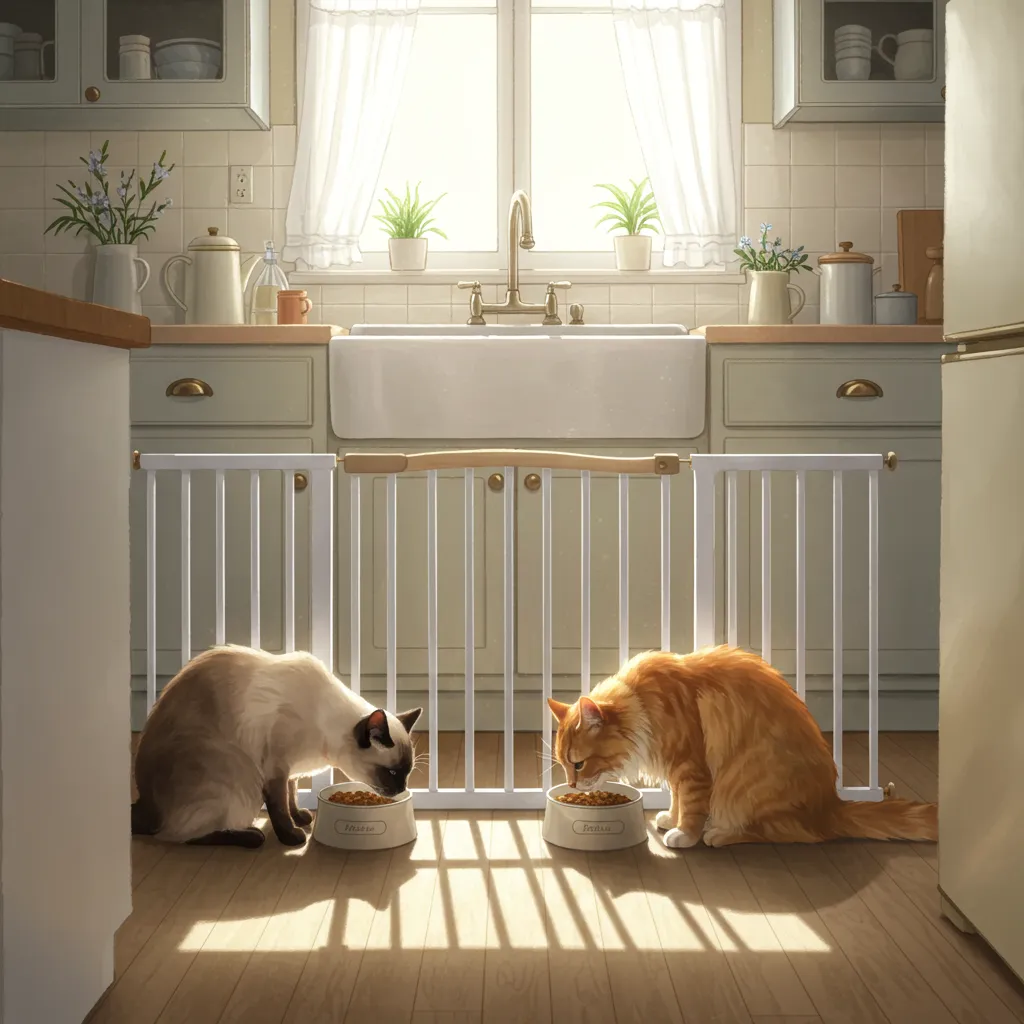
- Separate and Supervise: Use barriers or rooms during meals to enforce feeding cats separately, minimizing food aggression.
- Smart Monitoring: Automatic pet feeders with apps let you track intake remotely, spotting stealing patterns early.
- Behavioral Tweaks: Train with positive reinforcement to teach boundaries, turning chaotic feeders into calm ones.
These steps alone can slash food theft by up to 80%, based on owner feedback from real multi-cat homes. Now, let’s explore why this happens and how to fix it for good.
Why Do Cats Steal Each Other’s Food? Decoding Cat Behavior During Feeding
To solve cat food stealing, we first need to understand the “why.” Cats aren’t petty—they’re wired as opportunistic hunters from their wild ancestors. In a single-cat home, resources are plentiful, but in multi-cat setups, that bowl of premium salmon kibble becomes a prize worth pouncing on.
The Root Causes of Food Theft
- Survival Instincts: Even well-fed domestics retain a “scoop it while you can” mentality. If one cat finishes fast, they’ll eye the neighbor’s stash.
- Hierarchy and Competition: Dominant cats may bully slower eaters, sparking food aggression in cats. Submissive ones might skip meals altogether, leading to weight loss.
- Diet Differences: Special needs—like a diabetic cat on prescription food—make theft disastrous. One X user shared how their “food-obsessed junkie cat” forced them to guard bowls like a soccer goalie, stressing both felines.
- Boredom or Stress: Bored cats gorge for entertainment; anxious ones overeat for comfort.
From my experience consulting for families with breeds like Bengals or Maine Coons (known for their bold personalities), ignoring these cues escalates issues. For instance, a client with two American Shorthairs saw one balloon to 15 pounds while the other dropped to skin and bones—all from unchecked stealing. Early intervention prevents vet trips for obesity or malnutrition.
Pro Tip: Observe your cats’ body language. Ears back and tails lashing? That’s a red flag for escalating cat behavior during feeding. If aggression persists, consult a vet to rule out medical triggers like hyperthyroidism.
Monitor Cat Mealtimes: Your Hands-On Starting Point
No fancy gadgets needed here—just you, a timer, and consistency. Monitoring cat mealtimes is the bedrock of any multi-cat feeding guide. It lets you spot patterns, like that midnight raid on the communal bowl.
How to Set Up Effective Monitoring
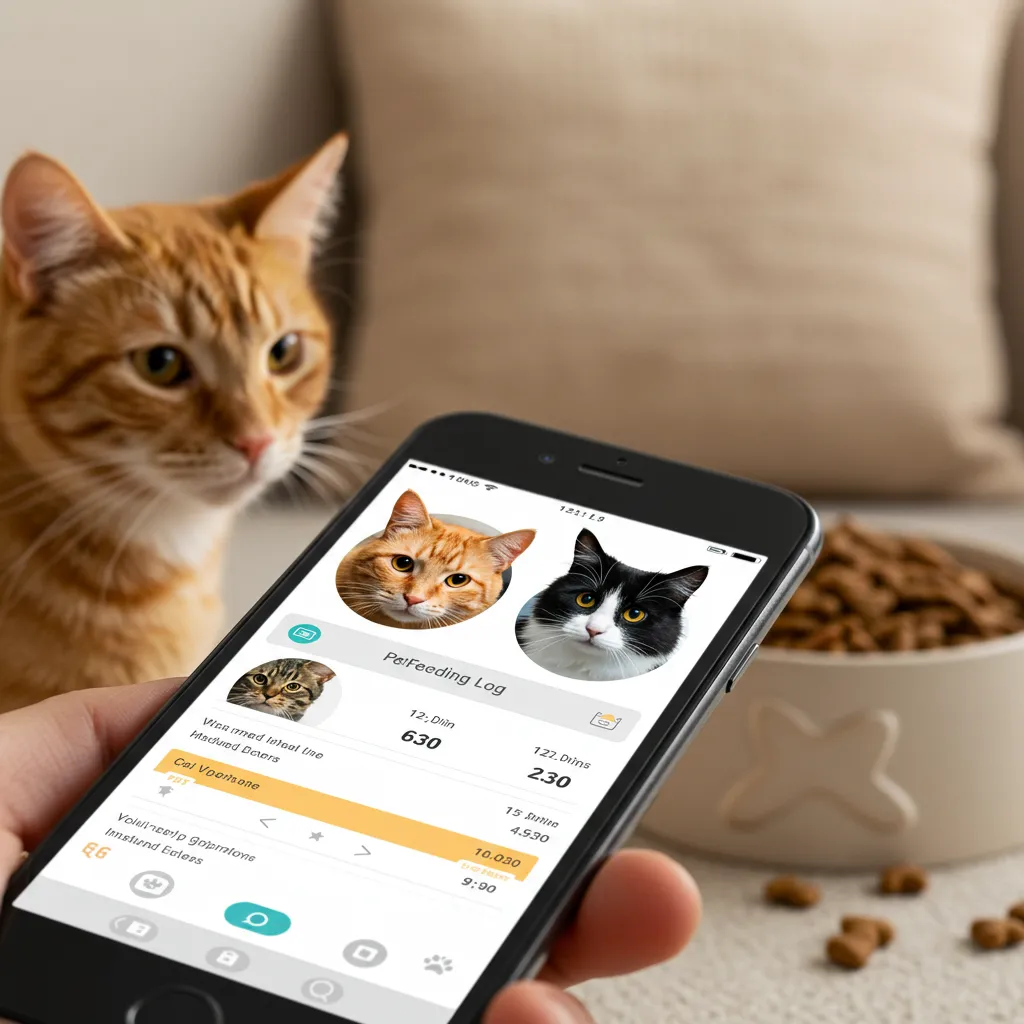
Start by designating “feed zones”—quiet corners at least 6 feet apart to reduce territorial vibes. Use a notebook or app to log:
- Who eats what, when.
- Portion sizes (aim for 20-30 calories per pound of body weight daily).
- Any interruptions or leftovers.
One owner on X described standing sentry during meals because separate rooms caused freak-outs, highlighting how monitoring builds trust without isolation.
Tools for Smarter Oversight
- Baby Gates or Barriers: Block access without full separation.
- Trail Cameras: Affordable WiFi cams (under $50) capture after-dark antics.
- Calorie-Tracking Apps: Like Pet Nutrition Tracker to ensure balanced intake.
Incorporate this into your cat feeding routine, and you’ll notice less stealing within a week. For more on feline nutrition basics, explore our detailed guide on cat food nutrition.
Build a Bulletproof Cat Feeding Routine: Multi-Cat Feeding Tips That Stick
A solid routine isn’t just about schedules—it’s about predictability, which calms anxious eaters and deters thieves. Think of it as your household’s “dinner bell” symphony.
Crafting the Perfect Schedule
- Timing: Feed twice daily (morning and evening) to mimic natural grazing. Avoid free-feeding to prevent gorging.
- Portion Control: Measure kibble with a scoop—overfeeding invites raids.
- Pre-Meal Rituals: A quick play session burns energy, making cats less frantic at the bowl.
From working with Munchkin and Ragdoll owners, I’ve found routines cut aggression by 50%. One tip: Rotate feeding spots weekly to equalize “prime real estate.”
Common Pitfalls and Fixes
| Issue | Why It Happens | Quick Fix |
|---|---|---|
| Late-Night Snacking | Boredom post-bedtime | Puzzle feeders to slow intake. |
| Uneven Eating Speeds | Breed differences (e.g., Persians eat slowly) | Hand-feed slower cats first. |
| Overcrowded Bowls | Too many cats, one spot | Elevate bowls on stands for visibility. |
Tie this into broader cat feeding tips by checking our multi-cat household feeding guide for breed-specific tweaks.
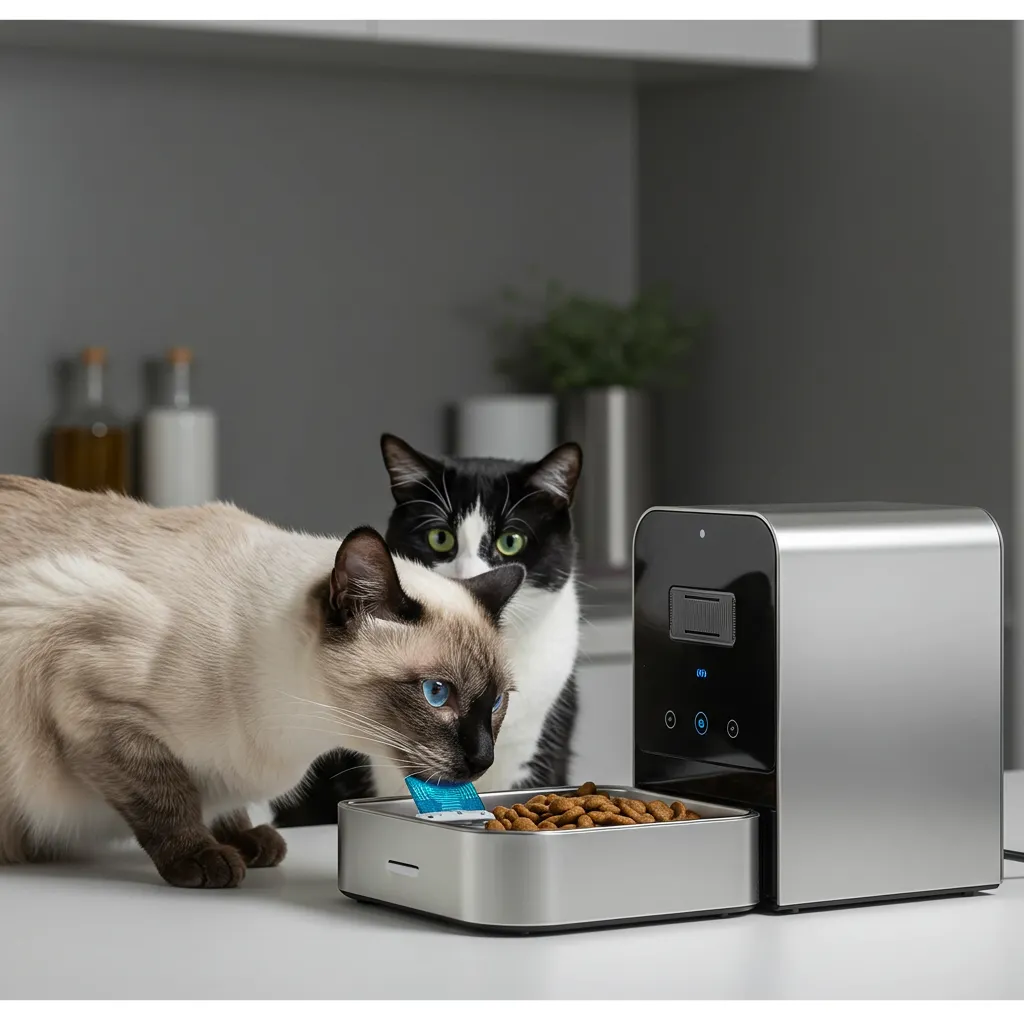
Microchip Cat Feeders: The Gold Standard for Preventing Theft
Enter the hero of modern cat care: microchip cat feeders. These smart bowls scan your cat’s implanted chip (or RFID collar tag) and open only for the authorized diner, slamming shut on interlopers. No more “slyly smug” thieves nabbing extra bites.
Why Microchip Feeders Shine in Multi-Cat Homes
They address root issues like diet mismatches—perfect for a senior on renal food versus a kitten’s growth formula. Benefits include:
- Portion Precision: Dispense exact amounts to fight obesity.
- Stress Reduction: No guarding needed; cats eat solo in peace.
- Health Tracking: Some models log meals via apps.
Based on 2025 reviews, the SureFeed Microchip Pet Feeder tops lists for reliability, with owners raving about its flap mechanism that “locks out the bully cat every time.” It’s battery-powered, holds a full meal, and works with most 15-digit chips.
Top Microchip Cat Feeder Reviews for 2025
Here’s a comparison of leading models:
| Feeder Model | Capacity | Key Features | Price Range | Best For |
|---|---|---|---|---|
| SureFeed Microchip | 13.5 oz | RFID scan, 3-month battery | $100-120 | Prescription diets |
| Lesotc RFID Hopper | 32 cups | Hopper for bulk, app alerts | $150-180 | Large households |
| PetSafe Smart Feed | 24 cups | WiFi monitoring, voice recorder | $130-160 | Tech-savvy owners |
Drawbacks? Initial setup requires scanning each cat, and they’re pricier upfront. But the microchip feeder benefits—like preventing a 30% calorie surplus from theft—pay off long-term.
For hands-on setup, see our cat training behavior article.
Automatic Pet Feeders: Effortless Solutions for Busy Days
If microchips feel too targeted, automatic pet feeders dispense scheduled meals, portioning out food via timers. The 2025 lineup emphasizes dual-bowl designs for multi-cat equity.
Standouts in Automatic Cat Feeder 2025 Models
The WOPET Dual-Bowl Feeder earns praise for its stainless steel bowls (anti-bacterial) and 6-meal programming, ideal for cats with staggered appetites. It holds 4L, enough for a week’s worth, and dual power (plug or battery) prevents blackouts.
Petlibro Granary offers app control for remote tweaks—great if you’re travel-bound. Owners note it “ends the scarf-and-steal cycle” by syncing meals.
Pros, Cons, and Setup Tips
- Pros: Consistent portions reduce waste; cameras on models like PitPet monitor in real-time.
- Cons: Jams with wet food; not foolproof against determined dashers.
- Tip: Place on elevated platforms to discourage jumping thieves.
For wet food fans, the UBPET 2025 refrigerated model keeps meals fresh for days. Pair with our best wet cat food picks.
Feeding Cats Separately: Low-Tech Wins for Everyday Peace
Sometimes, simplicity trumps tech. Feeding cats separately eliminates temptation altogether.
Practical Ways to Isolate Meals
- Room Rotation: Alternate cats in the kitchen or laundry room for 15-20 minutes.
- Vertical Separation: Use cat trees or shelves for “aerial dining.”
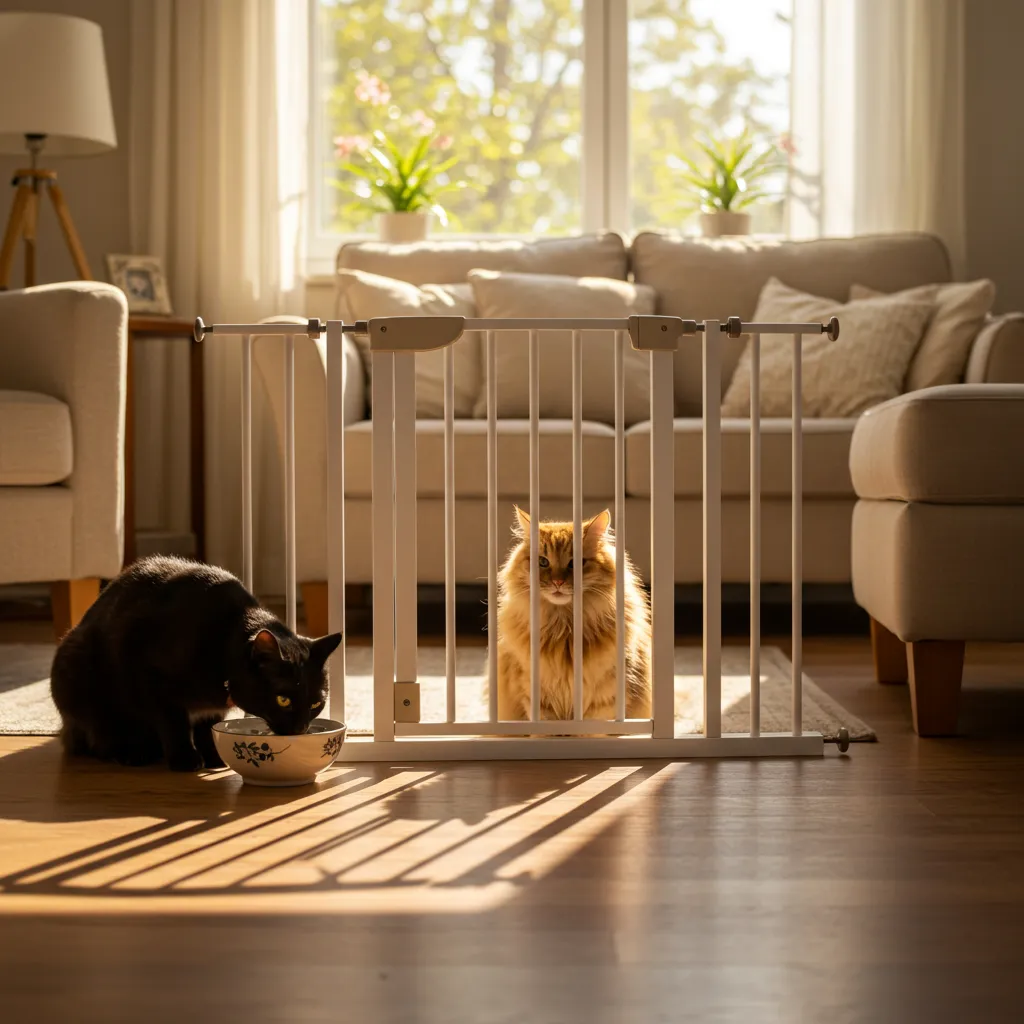
- Barrier Hacks: Plexiglass dividers or doorway gates create no-peek zones.
A Newsweek-highlighted owner used a custom barrier to stop sibling theft, restoring harmony. In my consultations, this method boosts slower eaters’ confidence.
For families with kids or dogs, explore Munchkin cats and dogs coexistence.
Tackling Food Aggression in Cats: Training for Tranquil Tables
Food aggression isn’t just growling—it’s a learned defense. How to train cats during feeding time starts with desensitization.
Step-by-Step Training Plan
- Approach Desensitization: Hand-feed treats near the bowl, gradually increasing proximity.
- Positive Reinforcement: Reward calm behavior with praise or toys.
- Time-Outs: Redirect aggressors to a quiet spot post-meal.
Consistency is key; expect 2-4 weeks for results. If severe, link to our how to calm an angry cat guide.
Real story: An X poster fixed their “ravenous thief” by supervised sessions, noting healthier weights across the board.
Modern Feeding Gadgets: AI Pet Feeders and Cat Food Monitoring Devices
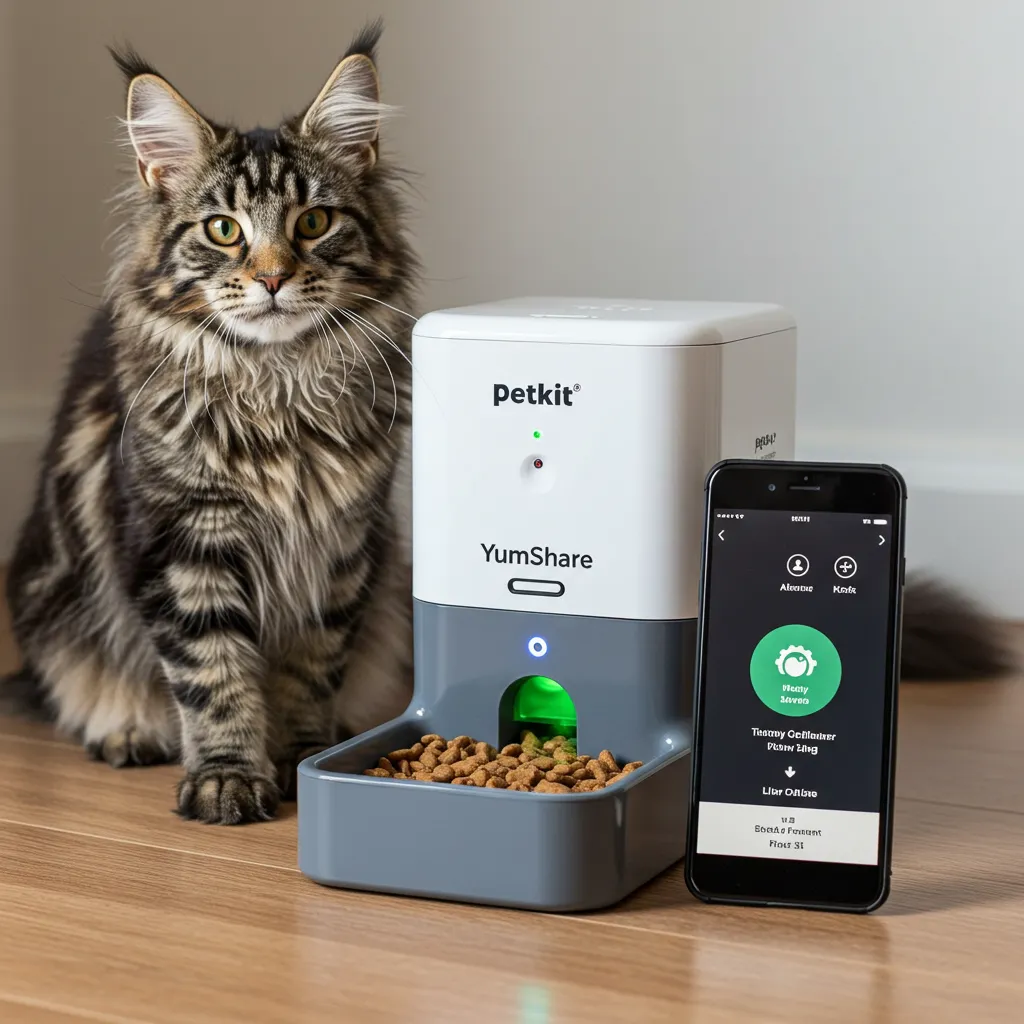
2025 brings AI smarts to the bowl. Smart pet feeders for multiple cats use cameras and sensors to detect stealers and adjust portions dynamically.
Cutting-Edge Picks
- Catit PIXI: Up to 12 meals, AI portioning via app—$120.
- Petkit YumShare: Dual-hoppers with theft alerts, perfect for wet/dry mixes.
These modern feeding gadgets integrate with home hubs, notifying you of skipped meals. For tech integration, see cat health care.
Best Feeding Solutions for Multiple Cats: Your Evergreen Playbook
Synthesizing it all, the ultimate multi-cat feeding tips boil down to balance: Routine + Tech + Training. Start with monitoring, layer in gadgets like microchip feeders, and always prioritize separate spaces. This approach not only stops cat food stealing but fosters a happier home.
For breed nuances, dive into our Bengal cat personality or Ragdoll cat care guide.
FAQ: Your Burning Questions on Stopping Cat Food Theft
How can I stop my cat from eating other cats’ food?
Combine supervised mealtimes with microchip feeders for foolproof protection. Start by feeding separately to break the habit.
How can I monitor mealtimes to prevent cats from eating each other’s food?
Use apps or cams to log eats; space bowls 6+ feet apart and time sessions consistently for a stress-free routine.
How can microchip cat feeders help prevent cat food theft?
They scan chips to open only for the right cat, ensuring prescription diets stay secure and reducing aggression.
Can automatic pet feeders help prevent cats from stealing each other’s food?
Yes—models like the 2025 WOPET dual-bowl versions schedule portions, minimizing access windows for thieves.
Is feeding my cats separately an effective way to prevent them from eating each other’s food?
Absolutely; it eliminates competition. Use rooms or barriers for 15 minutes per meal to let each eat undisturbed.
Wrapping Up: Mealtime Mastery Awaits
Reclaiming your kitchen from cat food chaos isn’t just possible—it’s transformative. By blending behavioral savvy with tools like microchip cat feeders and automatic pet feeders, you’ll foster healthier, happier cats who dine in dignity. Remember, every tweak counts toward that purr-fect harmony.
Ready for more? Explore our expert cat health guides on CatBloomHaven, from spaying a cat guide to hilarious cat memes fun. Your felines and your sanity will thank you.