Best Foods for Munchkin Kittens: Top Picks for 2025!
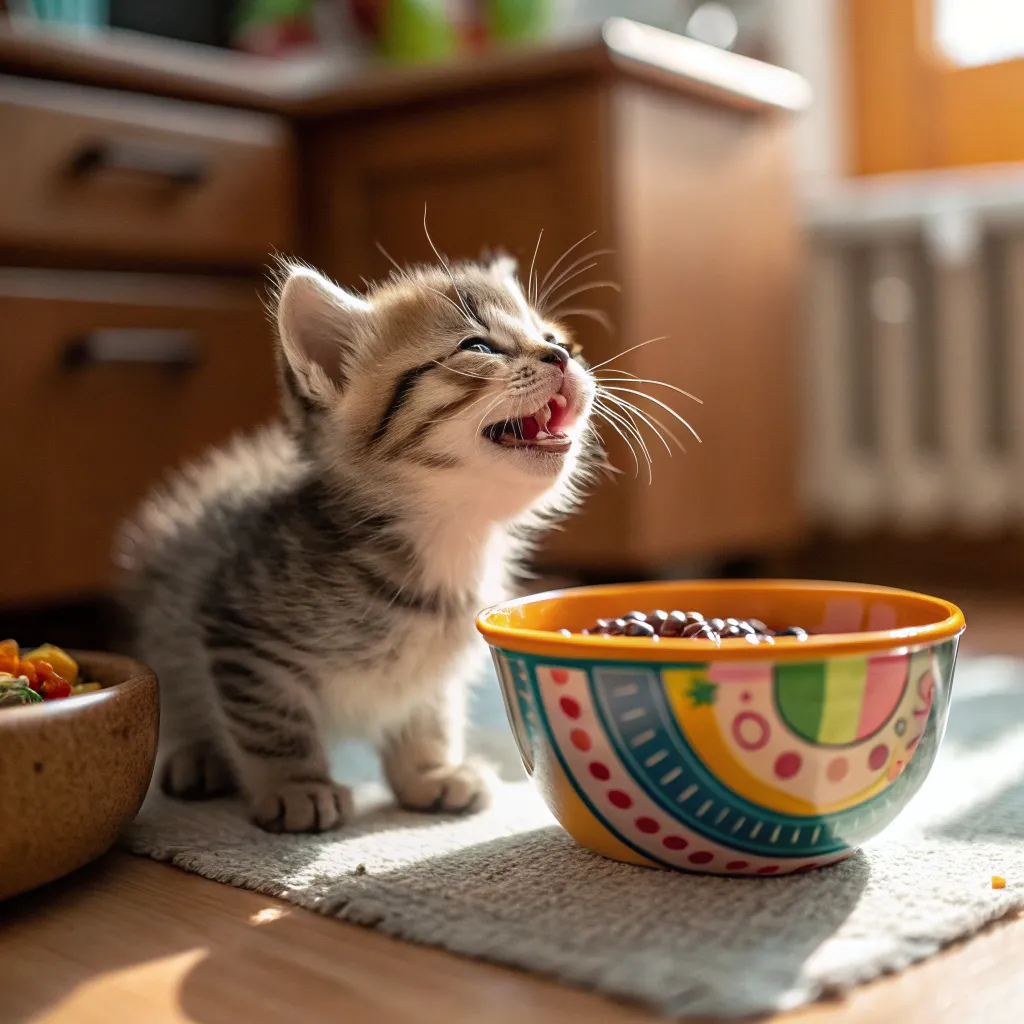
Adorable Munchkin kittens, with their short legs and playful personalities, are like tiny superheroes bounding through your home. But behind that boundless energy lies a need for precise nutrition to support their unique growth and health. As an obligate carnivore breed, Munchkin kittens require a high-protein diet rich in essential fatty acids, taurine, and DHA for brain and eye development. In this comprehensive Munchkin kitten food guide, we’ll explore the best foods for Munchkin kittens, including vet-recommended options, grain-free and organic choices, and even viral homemade kitten recipes that are trending on TikTok. Whether you’re debating wet vs dry food for kittens or seeking trusted kitten food brands, we’ve got you covered with tips to ensure healthy food for Munchkin kittens.
Key Takeaways
- Prioritize high-protein, moisture-rich foods: Munchkin kittens thrive on diets with at least 30-50% protein from animal sources to fuel rapid growth and maintain their playful lifestyle.
- Mix wet and dry for balance: Wet food boosts hydration (crucial for kidney health), while dry kibble aids dental hygiene—aim for 70% wet and 30% dry.
- Watch portions closely: Overfeeding can lead to obesity, a risk for low-legged Munchkins; consult your vet for tailored calorie needs based on age and activity.
- Trending picks for 2025: Grain-free and organic kitten food options like Open Farm and Ziwi Peak are blowing up on Amazon, with best kitten food brands like Royal Canin and Purina Pro Plan leading vet recommendations.
- DIY delights: Viral homemade kitten food recipes, such as simple chicken and organ blends, are safe if balanced with supplements—perfect for budget-conscious pet parents.
Understanding the Munchkin Kitten’s Unique Needs
Munchkin kittens aren’t just cute; their short legs from a dominant gene mutation mean they burn energy differently, often staying kitten-like longer. This Munchkin kitten nutrition guide emphasizes a diet mirroring their wild ancestors: meat-heavy, low-carb, and moisture-packed to prevent urinary issues common in active breeds.
Dietary Considerations
Focus on the Munchkin kitten diet with 35-50% protein (chicken, turkey, salmon) and DHA from fish oil for cognitive growth. Avoid fillers like corn or soy; opt for grain-free kitten food if allergies arise. Trending healthy pet foods in 2025 highlight organic kitten food options with traceable ingredients for transparency. Kittens need 2-3 times more calories than adults—around 200-250 kcal/day for a 2-lb Munchkin—split into 3-4 meals.
Health Factors
Munchkins are prone to joint stress from their build, so include glucosamine-rich foods for mobility. Kitten health and growth depend on balanced fats (20-35%) for coat shine and omega-3s to curb inflammation. Monitor for signs of nutritional deficiency in kittens, like dull fur or lethargy, and adjust promptly.
What Are the Best Foods for Munchkin Kittens?
The best kitten food prioritizes real meat as the first ingredient, meeting AAFCO standards for growth. For Munchkins, choose calorie-dense options to match their high metabolism without excess carbs.
Top Commercial Foods for Munchkin Kittens
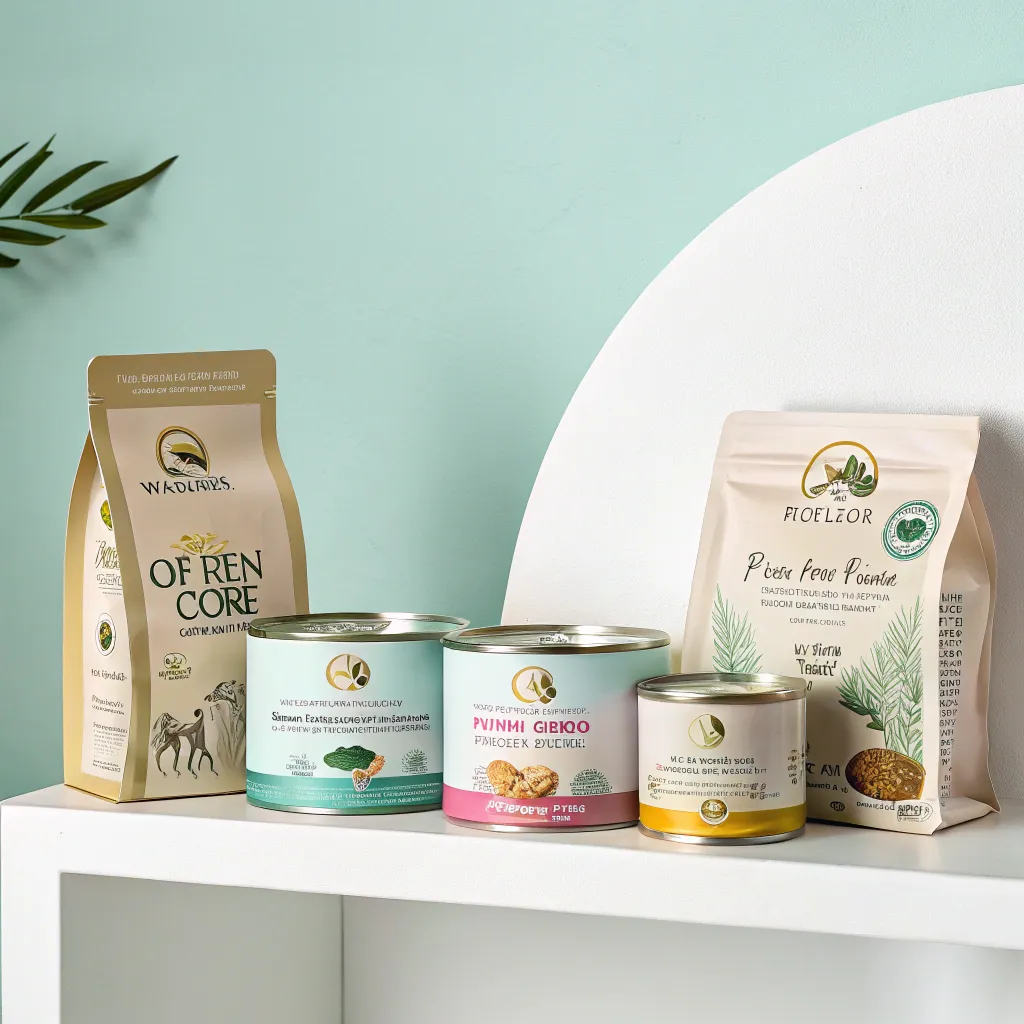
In 2025, best kitten food brands like Wellness CORE and Instinct dominate Amazon’s popular kitten food products, praised for palatability and nutrition. Vet-recommended kitten foods include Royal Canin Mother & Babycat for weaning Munchkins.
Quality Ingredients
Look for deboned chicken or turkey, DHA from salmon oil, and probiotics for digestion—hallmarks of trusted kitten food brands like Hill’s Science Diet.
Trusted Brands
- Wellness CORE Kitten Formula: Grain-free, 45% protein; top for sensitive tummies.
- Open Farm Kitten Dry Food: Organic, traceable ingredients; trending for eco-conscious parents.
- Purina Pro Plan Kitten Shredded Blend: Affordable, vet-backed; best kitten food brands 2025 pick.
Benefits of Wet vs Dry Food for Munchkin Kittens
The wet vs dry food for kittens debate? Wet wins for hydration (78% moisture vs 10%), reducing UTI risks in playful Munchkins. Dry aids teeth but can dehydrate—combine for the win.
| Aspect | Wet Food Pros | Wet Food Cons | Dry Food Pros | Dry Food Cons |
|---|---|---|---|---|
| Hydration | High moisture prevents kidney strain | Spoils quickly | Convenient storage | Low moisture risks dehydration |
| Nutrition | Higher protein, fewer carbs | Messier to serve | Dental scraping | Higher carbs, potential obesity |
| Cost | Nutrient-dense per calorie | More expensive per serving | Budget-friendly bulk | Fillers common in cheap options |
| Palatability | Soft texture for tiny teeth | Shorter shelf life | Graze-friendly | Can be too crunchy for kittens |
Homemade Food Options for Munchkin Kittens
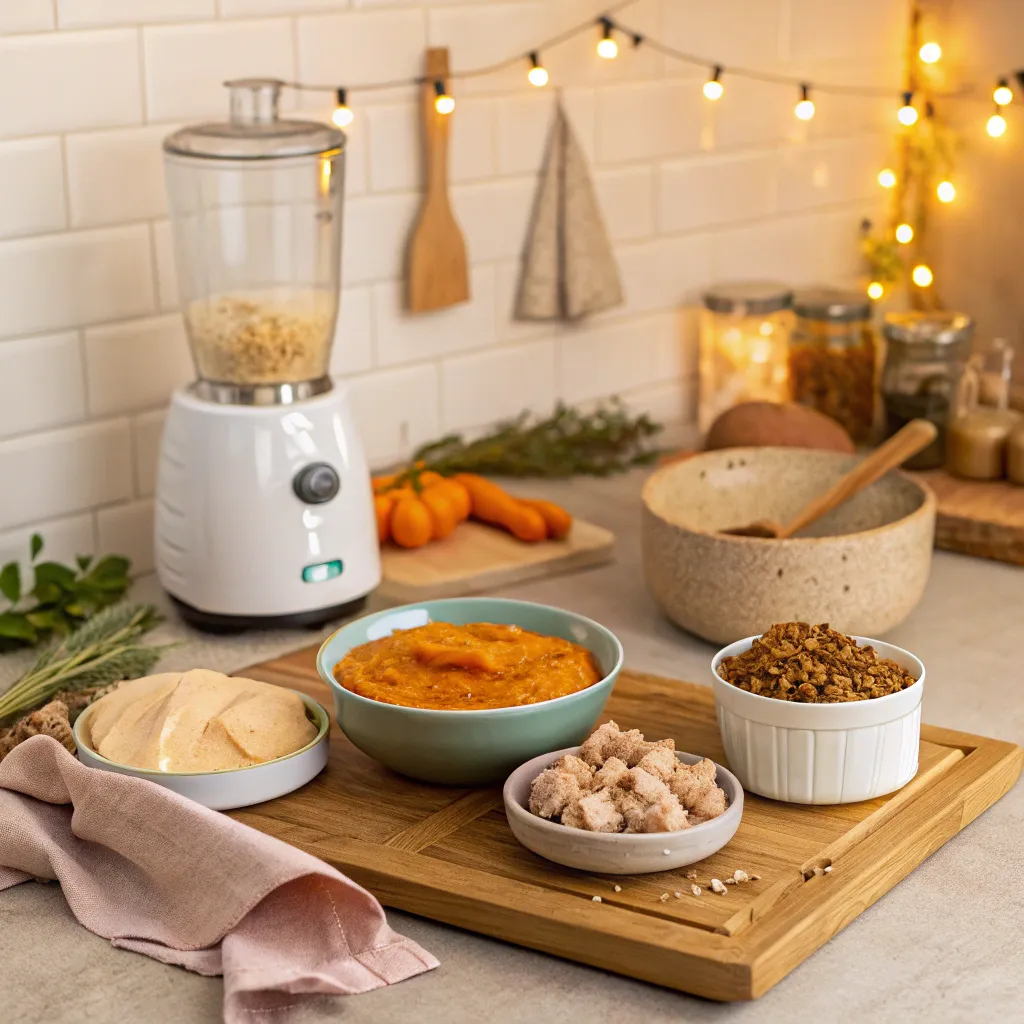
Viral homemade kitten recipes are exploding on TikTok, like simple chicken purees topped with sardines for omega-3s. Always balance with a vet-approved supplement to avoid deficiencies.
Recipes
TikTok Kitten Feeding Hack: Chicken Organ Mash (Serves 4-6 meals; safe for 8+ weeks)
- 1 lb ground chicken (dark meat for taurine)
- 4 oz chicken liver/heart (for vitamins)
- 1 tsp fish oil (DHA boost)
- 1/2 cup pumpkin puree (fiber for digestion)
Blend raw or lightly cooked; freeze in portions. Thaw and serve warm—your Munchkin will pounce!
Nutrition
Homemade ensures freshness but risks imbalances—add calcium powder for bone health in short-legged breeds. Consult a vet for Munchkin-specific tweaks.
How to Promote Healthy Eating Habits
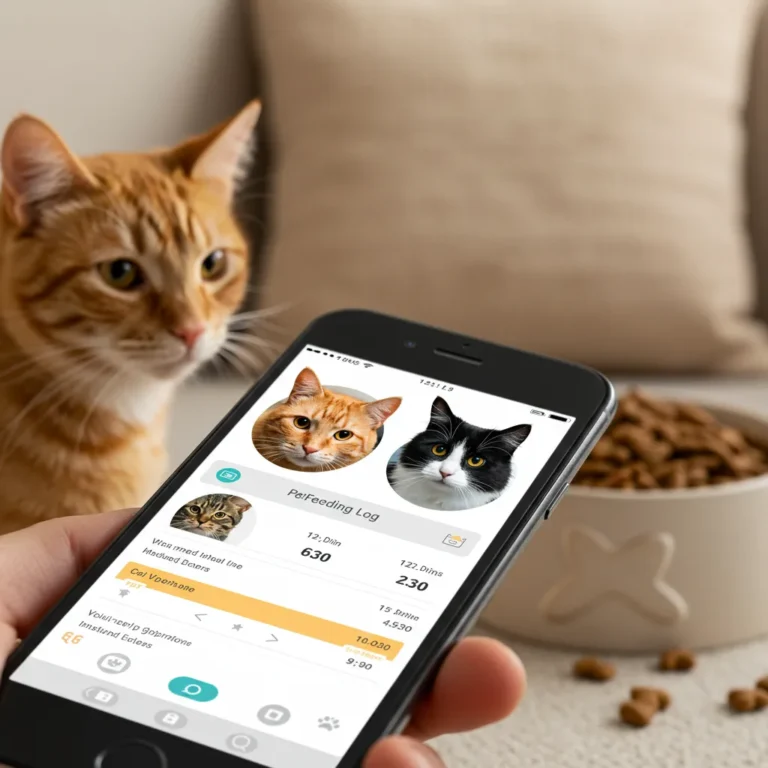
Kitten feeding tips: Feed in elevated bowls to ease neck strain for Munchkins. Use puzzle feeders for mental stimulation, tying into kitten health and growth. Gradually introduce new food to kittens over 7-10 days: 25% new on day 1, increasing slowly to avoid tummy woes.
Signs of Nutritional Deficiency in Munchkin Kittens
Spot early: Dull coat, poor growth, or lethargy signal issues like taurine shortage. Behavioral signs include excessive meowing; physical ones like scaly skin.
Behavioral Signs
- Reluctance to play (energy dip)
- Over-grooming from itchiness
Physical Symptoms
- Hair loss or brittle fur
- Soft stools or weight stalls
Feeding Tips for Munchkin Kittens
Portion by weight: 1/4-1/2 cup dry or 3-5 oz wet daily for 8-12 week olds, adjusting up to 1 cup by 6 months. Fresh water always—consider fountains for hydration hacks.
Common Mistakes to Avoid When Feeding Your Kitten
Steer clear of free-feeding (leads to obesity), human scraps (toxic like onions), or abrupt switches (causes diarrhea). Don’t skip wet food; it’s key for urinary health.
Conclusion
Armed with this Munchkin kitten food guide, you’re set to fuel your furry friend with the best foods for Munchkin kittens. From best kitten food on Amazon like Blue Buffalo’s pate packs to DIY viral homemade kitten recipes, prioritize quality for vibrant health. Remember, a happy Munchkin starts with smart nutrition—consult your vet for personalized tweaks. Watch those Instagram Munchkin kittens eating videos for inspiration; your little one could be next!
FAQ
What are the best foods for Munchkin kittens?
High-protein wet foods like Wellness CORE or Purina Pro Plan, focusing on chicken or salmon for growth.
What specific dietary considerations should I keep in mind for a Munchkin kitten?
Emphasize moisture and joint-supporting glucosamine; avoid grains if sensitive.
How do I promote healthy eating habits in my Munchkin kitten?
Scheduled meals, variety via rotation, and interactive feeders.
What are the benefits of wet vs. dry food for Munchkin kittens?
Wet: Hydration and palatability; dry: Convenience and dental aid—mix for optimal Munchkin kitten nutrition.
Are homemade food options suitable for Munchkin kittens?
Yes, if balanced; try viral recipes with supplements for safety.
How can I tell if my Munchkin kitten has a nutritional deficiency?
Watch for lethargy, dull fur, or poor growth—vet check ASAP.
What common mistakes should I avoid when feeding my Munchkin kitten?
Overfeeding, sudden changes, or dry-only diets.
What top commercial foods are recommended for Munchkin kittens?
Royal Canin Kitten, Open Farm Grain-Free—2025 best kitten food brands.
How important is it to gradually introduce new foods to a Munchkin kitten?
Crucial—over 7-10 days to prevent GI upset and neophobia.
Should I consult a vet before making changes to my Munchkin kitten’s diet?
Absolutely—tailor to their unique needs for optimal health.