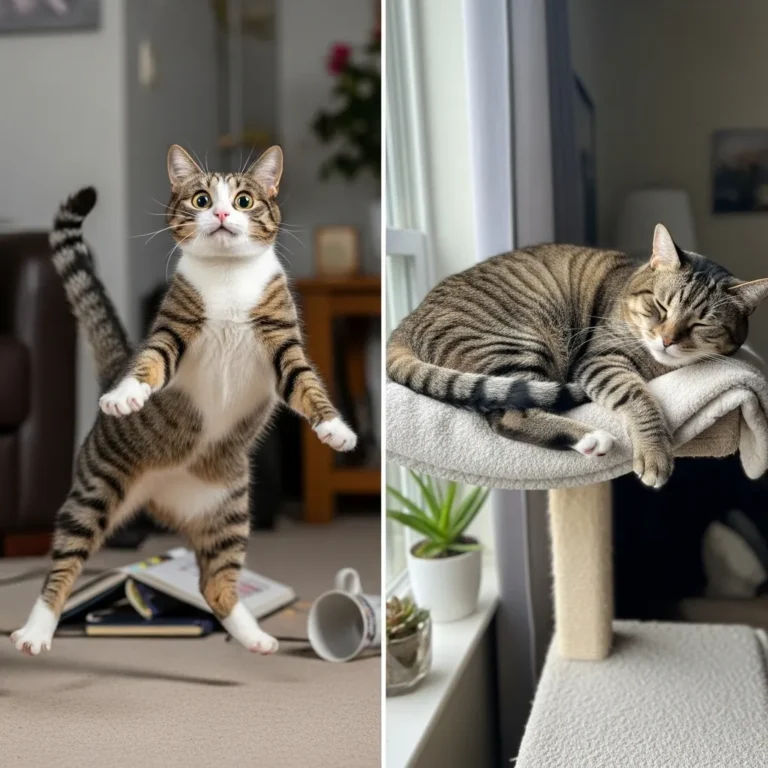
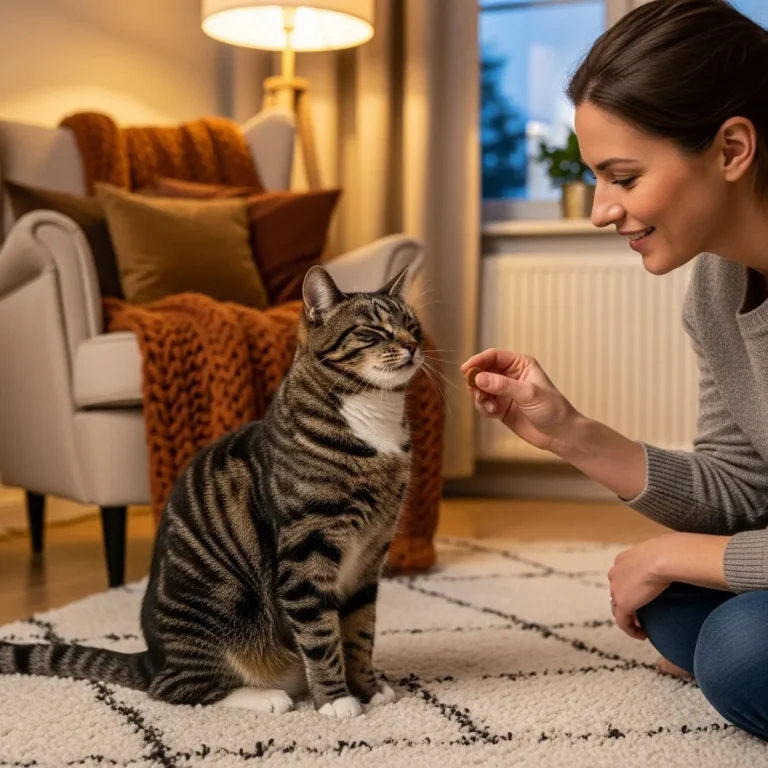
The Art of Aesthetic Cat Corners: Curating Spaces That Elevate Both Feline Happiness and Home Design
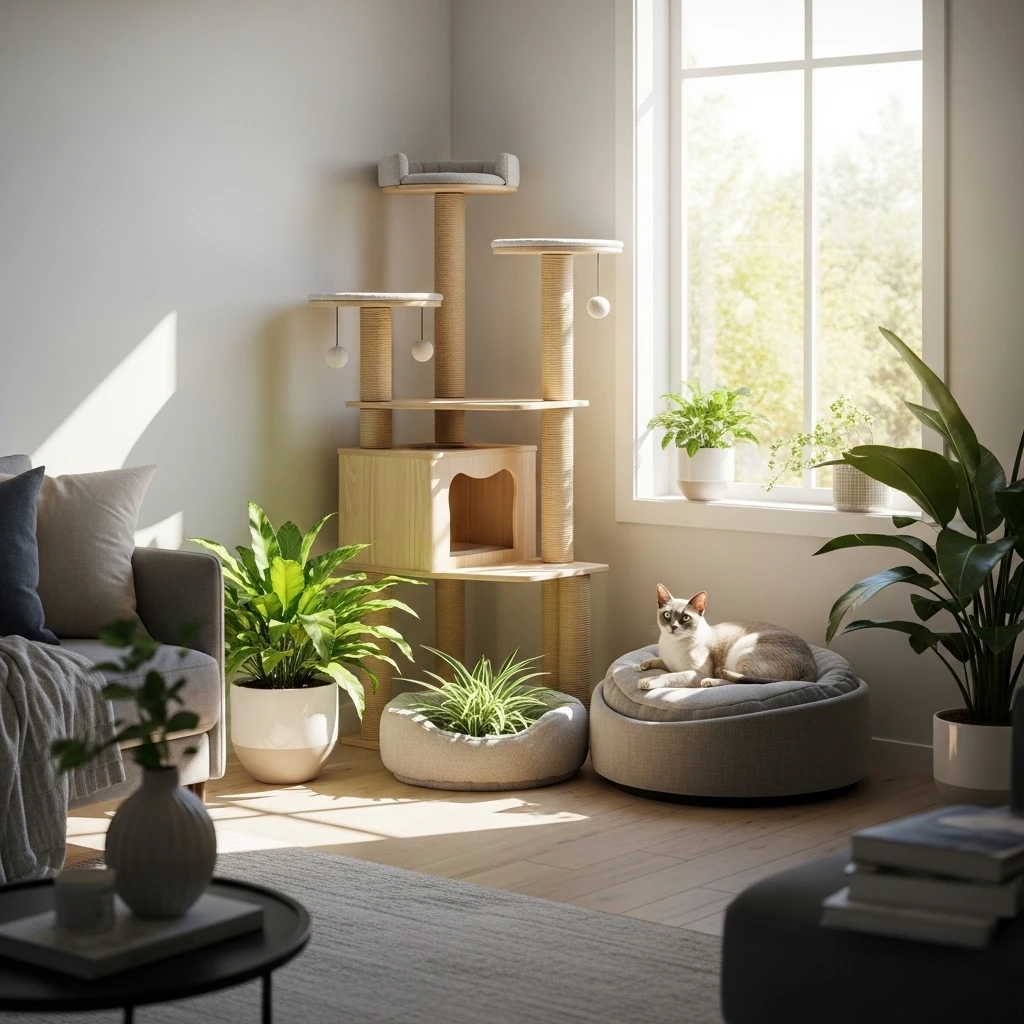
Key Takeaways at a Glance
- Aesthetic cat corners seamlessly blend feline needs with sophisticated home design, creating spaces that serve both your cat’s instincts and your decor vision
- The most successful designs follow feline-first principles: vertical space, security, scratching outlets, and cozy resting spots, disguised within beautiful furniture
- Strategic color palettes, materials, and layouts can create cat-friendly zones that complement rather than clash with your interior aesthetic
- DIY solutions and affordable hacks can achieve high-end looks without compromising on functionality or cat comfort
- Well-designed cat spaces reduce behavioral issues, strengthen your bond with your cat, and enhance overall home harmony
Introduction: Where Feline Instinct Meets Interior Instinct
Every cat owner understands the quiet tension between creating a home that reflects personal style and accommodating the natural, often chaotic, needs of a feline companion. We’ve all experienced the scratched sofa corners, the litter box that defies discreet placement, the cat tree that screams “pet store” in a room of carefully curated decor. This isn’t just about aesthetics; it’s about creating a living environment where both human and cat can thrive without compromise.
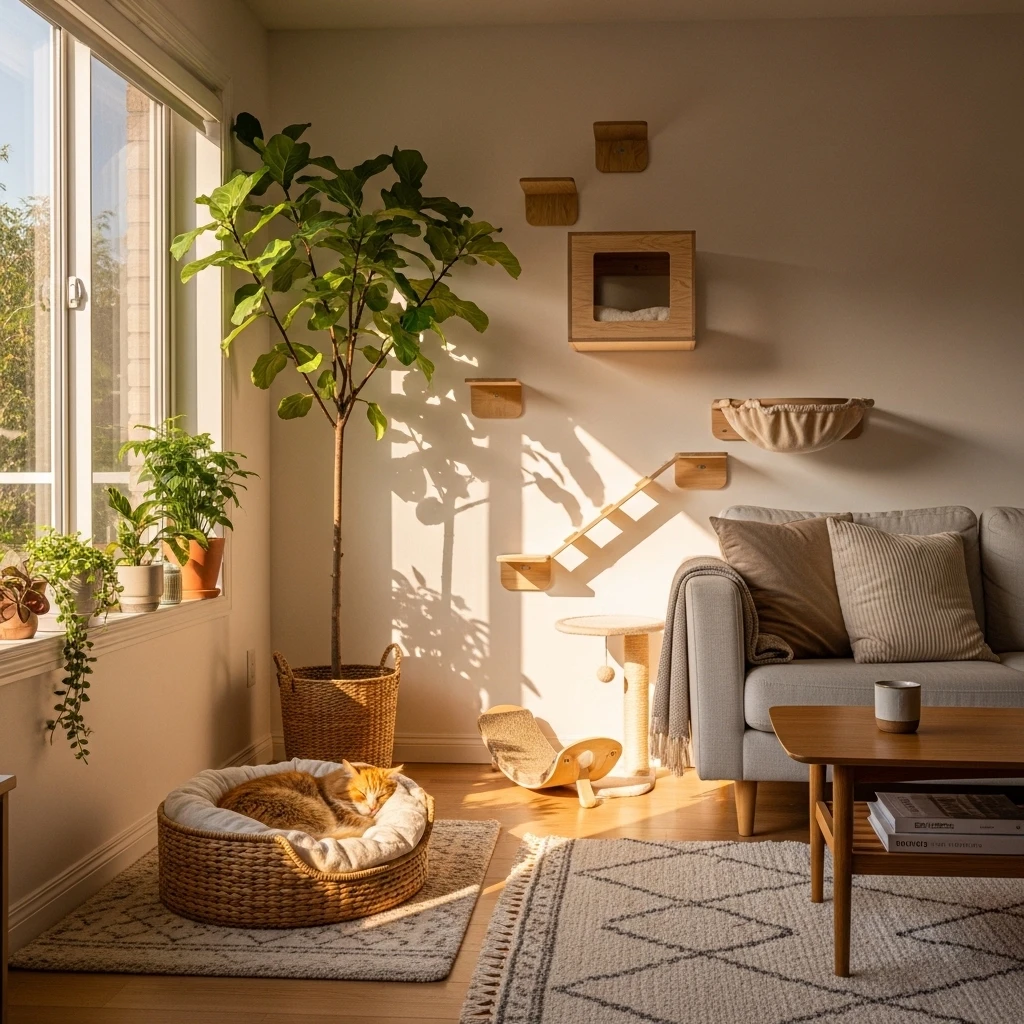
This guide moves beyond basic pet furniture to explore the art of designing aesthetic cat corners that elevate homes. These are intentional, beautiful spaces that satisfy your cat’s deepest instincts for climbing, scratching, hiding, and observing while enhancing your home’s design narrative. Whether your style is minimalist Scandinavian, cozy bohemian, or modern industrial, you can create cat-integrated spaces that feel purposeful, peaceful, and perfectly in tune.
Imagine a nook that isn’t just a “cat area” but a focal point. A climbing structure that doubles as living art. A litter box solution that you’d proudly show to guests. This is the promise of thoughtful design: a happier, more fulfilled cat and a home that feels complete, cohesive, and uniquely yours.
Chapter 1: The Feline Blueprint – Understanding What Your Cat Actually Needs
Before we select a single fabric or shelf, we must become fluent in feline psychology. A beautiful space that your cat ignores is a failure of design. True aesthetic cat corners that elevate homes are built on a foundation of innate feline needs.
The Four Pillars of Feline Environmental Design
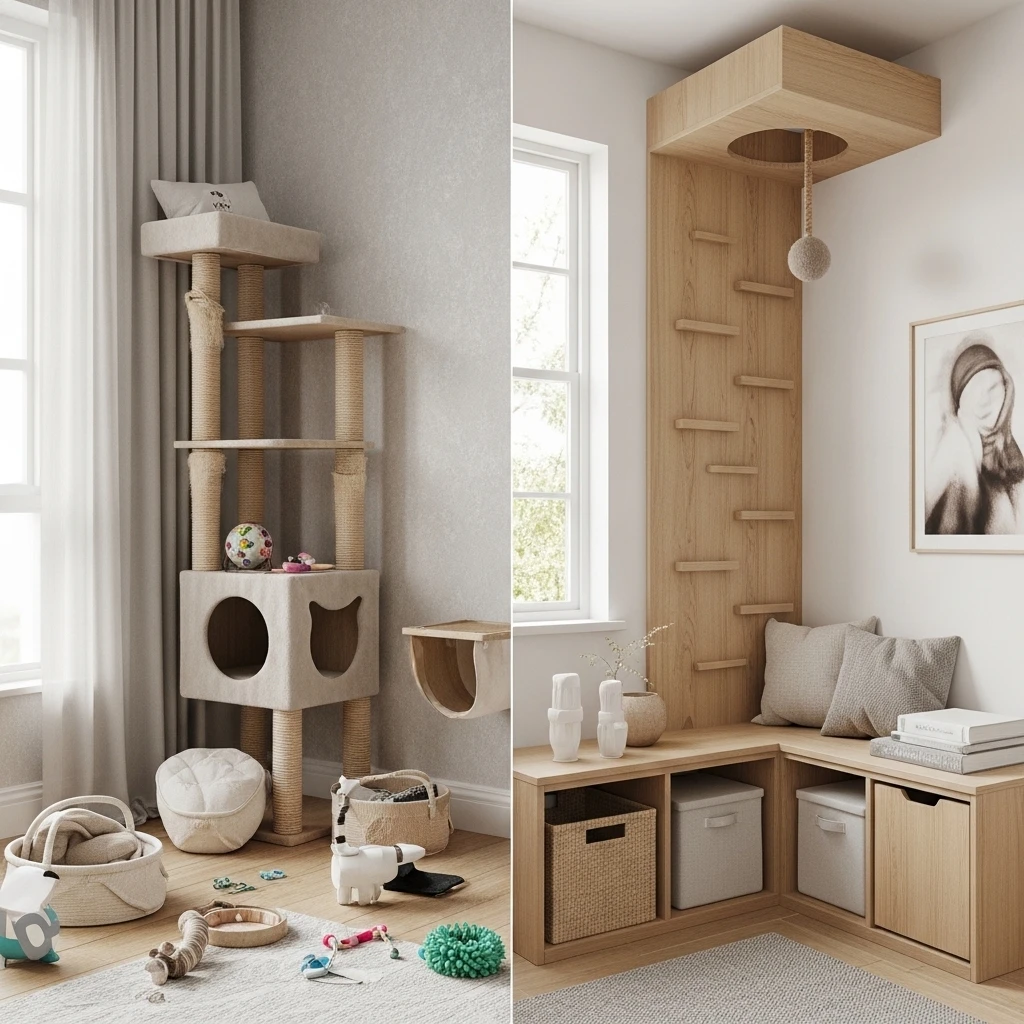
- Vertical Territory: In the wild, height equals safety and advantage. Domestic cats retain this need for vertical space to survey their domain, escape perceived threats (like a roaming vacuum or an enthusiastic dog), and exercise. A single tall cat tree is a start, but think bigger: wall-mounted shelves, window perches at varying heights, and even cleared space on top of bookshelves can create a “superhighway.”
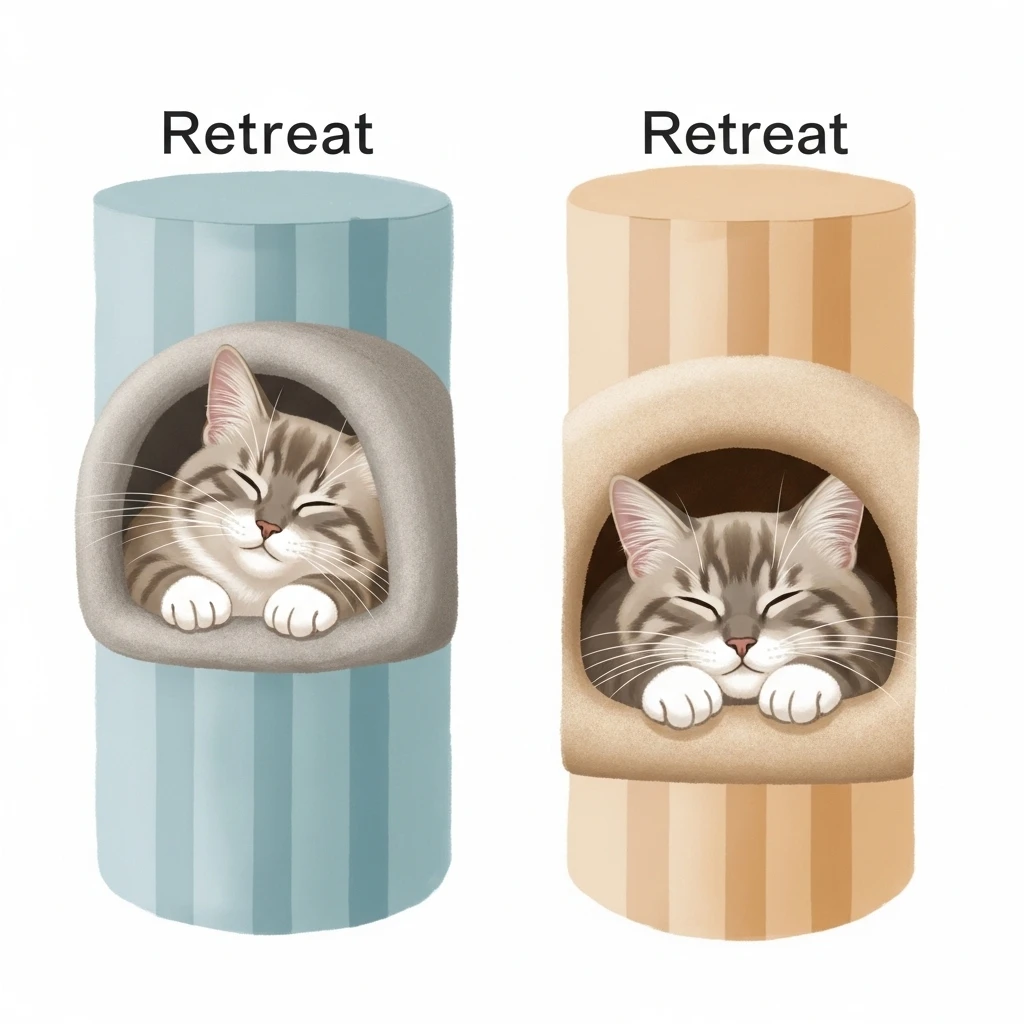
- Secure Retreats: Cats are both predators and prey animals. They require enclosed, cozy spaces where they can relax completely without watchfulness. This is why they cram themselves into boxes. An aesthetic retreat might be a stylish felt cave, a covered bed with one entrance, or a designated cupboard with a cat-sized door.
- Scratching Outlets: Scratching is non-negotiable. It’s communication (visual and scent marking), nail maintenance, and a full-body stretch. Providing attractive, appropriate scratching surfaces in key locations (near resting spots, in high-traffic family areas) is the single best way to save your furniture. The key is to make the correct option more appealing than your sofa arm.
- Observation Posts: Cats are consummate people-watchers and bird-watchers. A prime window seat with a comfortable perch and a clear view is kitty television. Positioning a cat bed or hammock by a window satisfies hours of natural entertainment and mental stimulation.
How your cat’s personality whether they’re a bold Bengal cat or a gentle Ragdoll—influences these needs is profound. A high-energy breed will require a more complex vertical territory than a laid-back companion. Explore our guide on cat breeds and personalities to tailor your space to your specific feline.
Chapter 2: The Design Alchemist’s Toolkit – Materials, Colors, and Styles
This is where function meets form. The goal is to choose elements that serve your cat while aligning with your home’s aesthetic vocabulary.
Material Mastery: Durable, Safe, and Stylish
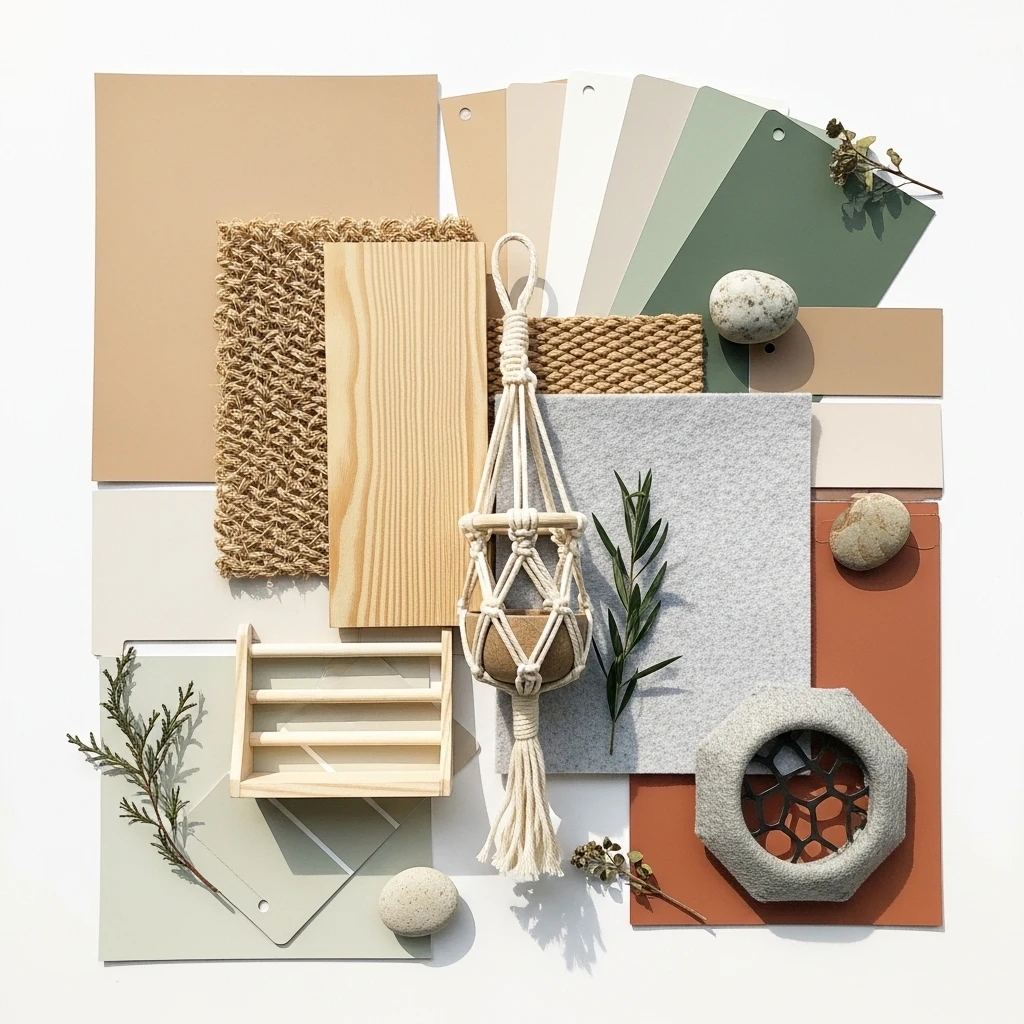
- Natural Woods: Unfinished or lightly sealed oak, maple, and birch are durable, look beautiful, and feel organic. They work for climbing structures, shelf tops, and litter box cabinets. Avoid overly soft woods that splinter easily.
- Sisal & Seagrass: The gold standards for scratching. Natural sisal rope wrapped around posts or panels is highly effective and has a neutral, textural appeal. Seagrass mats can be used as wall coverings or base layers for beds.
- Felt & Wool: These dense, nubby textiles are great for scratching pads (especially horizontal ones) and cozy caves. They come in sophisticated colors and can be cut into modern geometric shapes.
- Concrete & Stone: For a modern or industrial look, concrete planters (for cat grass) or stone-textured litter box enclosures add weight and cool, sleek lines. Ensure surfaces are sealed for easy cleaning.
- Powder-Coated Metal: Used in minimalist climbing frames or as brackets for floating shelves, it provides sturdy support with a clean, contemporary look.
The Color Palette of Calm
Color significantly impacts mood for both you and your cat. While cats see color differently than humans, the feel of a space matters.
- Neutral Grounding: Beiges, warm grays, soft whites (like our inspiration for mocha beige cat spaces), and earthy taupes create a serene, unobtrusive backdrop. They allow cat furniture to blend in rather than stick out.
- Earthy Accents: Sage green, terracotta, ochre, and deep blue-green connect the space to nature, which is inherently calming for animals. These can be introduced through cushions, small rugs, or ceramic accessories.
- High-Contrast Details: If your cat has vision challenges or you simply want to define spaces, use dark sisal on a light wood post, or a dark bed inside a light-colored nook. This isn’t about bright colors, but clear definition.
Style Translations: Making Cat Corners “You”
- Scandinavian Minimalist: Light woods, clean lines, functional simplicity. Think wall-mounted shelves with hidden brackets, a pale felt cat cave, and a neutral-toned scratching lounge. The focus is on airiness and lack of clutter. Discover more in our feature on Scandinavian cat interiors.
- Modern Organic: A blend of raw textures and soft curves. A live-edge wooden shelf, a jute-wrapped scratching post, plenty of cat-safe indoor plants, and linen bedding. The feel is warm, natural, and grounded.
- Urban Industrial: Utilizing piping as a climbing frame, metal mesh enclosures, and concrete elements. It’s bold, functional, and embraces utilitarian materials in a stylish way.
- Cozy Bohemian: Layered textures, macramé hammocks, patterned cushions in earthy tones, and plenty of plush, low-level hideaways. The key is creating inviting, soft nests at various levels.
Chapter 3: Space by Space – Blueprints for Every Home
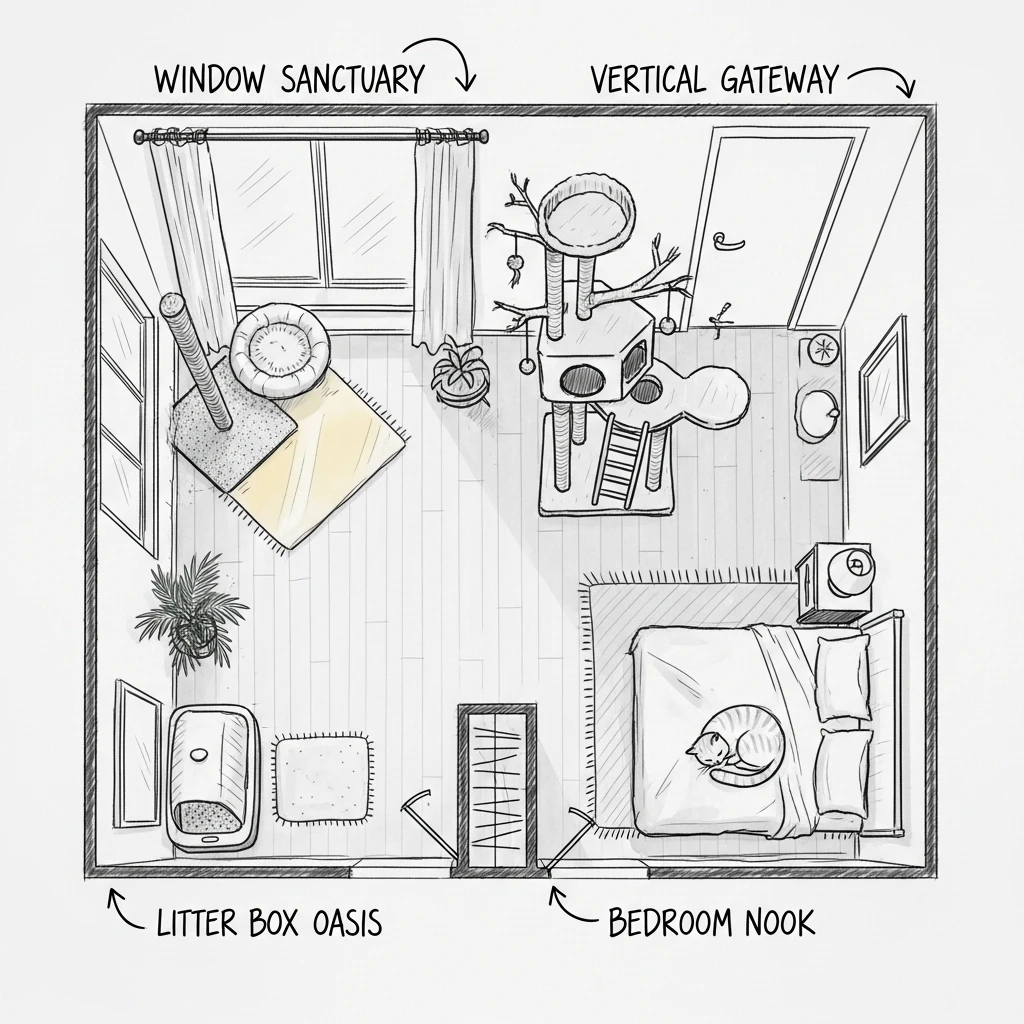
You don’t need a dedicated room. You need intentional corners. Here’s how to claim them.
The Sunny Window Sanctuary
The Prime Real Estate. Every home has that one perfect window.
- Solution: Install a floating shelf wide enough for a cat to sprawl, upholstered with a removable, washable cushion. Add a simple, transparent suction-cup bird feeder to the outside of the window for entertainment. A small, wall-mounted basket next to the shelf can hold a toy or two. For a DIY approach, see our tutorial for a DIY cat window perch.
- Aesthetic Touch: Use a shelf with a color that matches your trim. Choose a cushion fabric that complements your curtains or nearby chair.
The Living Room Vertical Gateway
Integrating activity into shared space.
- Solution: Create a “step-up” system using staggered wall shelves leading to a cleared space on top of a bookshelf or cabinet. Ensure shelves are deep (at least 10 inches) and securely anchored. Place a sisal scratching panel on one wall section along this pathway.
- Aesthetic Touch: Style the shelves with a mix of books, a plant, and a cat bed, making them part of your decor. The cat will use the path; the objects define it as part of the room.
The Discreet Litter Box Oasis
The ultimate design challenge, solved.
- Solution: Use a large, stylish cabinet (like an IKEA hack), an end table with a cut-out entrance, or a woven basket with a lid. Inside, use a top-entry litter box to contain mess. Include a mat inside the entrance to catch litter, a hook for a scoop, and an air filter.
- Aesthetic Touch: The enclosure should look like any other piece of furniture. Top it with a lamp, a plant, or a stack of books. For more ingenious solutions, browse our cat room makeover ideas.
The Bedroom Nook of Tranquility
A private retreat for you and your cat.
- Solution: Dedicate the space under a nightstand or in a bedroom corner. Place a luxurious, enclosed bed or a plush cushion there. Mount a small, soft-sided scratching pad on the nearby wall.
- Aesthetic Touch: This is about coziness. Use textiles that match your bedding. A small, soft nightlight nearby can help your cat navigate at night without disturbing your sleep.
Chapter 4: The DIY Ethos – Building Beauty on a Budget
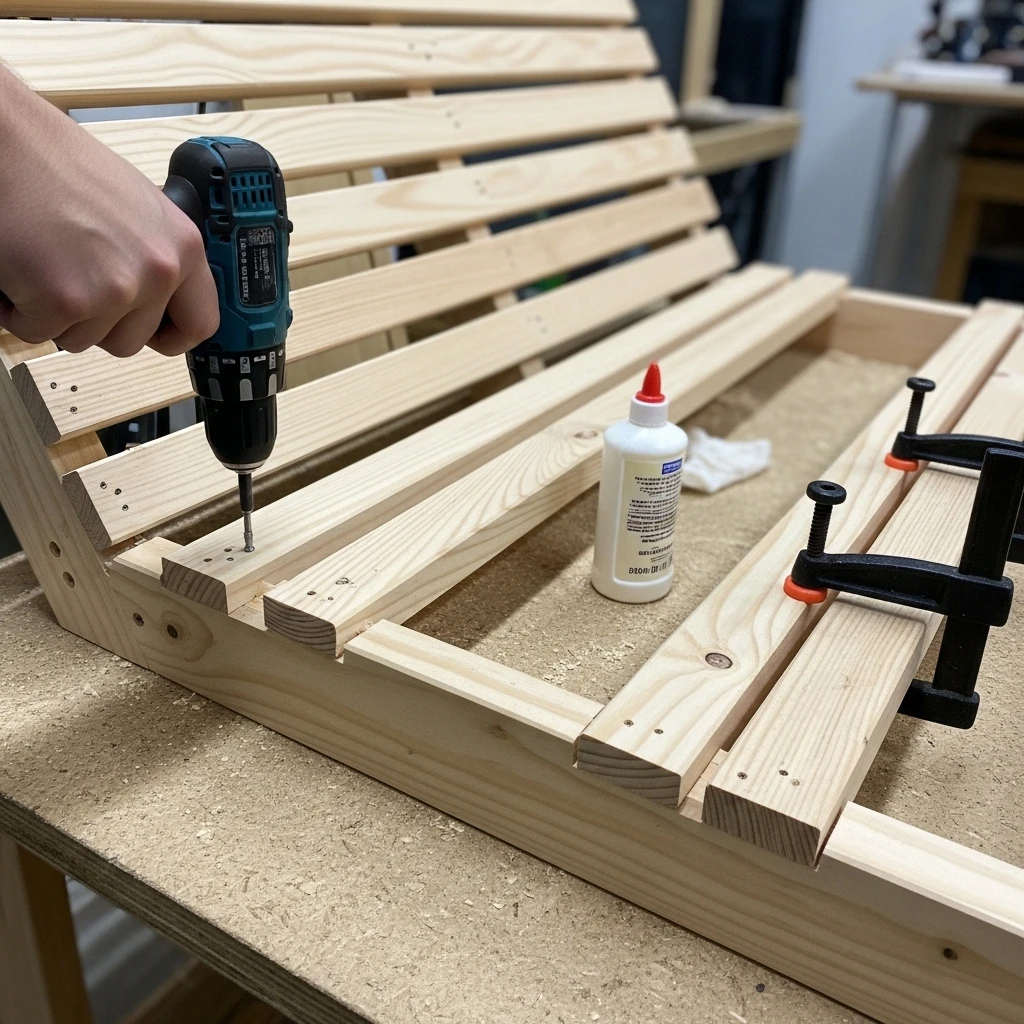
High-end cat furniture can be prohibitively expensive. The good news? With some basic tools and creativity, you can build pieces that rival designer brands.
Project 1: The Modern Floating Scratching Lounge
- Materials: A 24”x24” piece of ¾” plywood, a 24”x24” piece of ½” thick sisal mat, wood stain, heavy-duty adhesive, four large “L” brackets.
- Process: Sand and stain the plywood. Adhere the sisal mat to one side. Once dry, mount the board securely to the wall at a slight downward angle (using the brackets), about 3-4 inches from the floor. This creates a comfortable, wall-hugging scratching pad that looks like modern art.
- Why it Works: It saves floor space, provides an excellent stretching post, and its angled design is ergonomic for the cat.
Project 2: The “Hidden in Plain Sight” Cat Grass Planter
- Materials: A wide, shallow ceramic or concrete planter (neutral color), potting soil, cat grass seeds.
- Process: Plant the grass densely in the planter. Place it among other houseplants on a shelf or windowsill. It becomes a living, edible part of your greenery collection that your cat is allowed to nibble.
- Why it Works: It satisfies your cat’s need to chew on greens, provides micronutrients, and integrates seamlessly into home decor. Learn more about cat grass care to keep it thriving.
These projects align with the principles of slow living lessons from cats mindful, intentional creation over mass consumption.
Chapter 5: The Harmony Equation – Behavior, Bonding, and Wellbeing
A well-designed environment does more than look good; it performs psychological magic.
Preventing Problems Before They Start
Most common behavioral issues scratching furniture, territorial spraying, anxiety-based aggression stem from environmental stress or unmet needs. A home with adequate vertical escape routes, sufficient scratching posts in socially significant areas, and private resting places reduces competition (in multi-cat homes) and gives cats a sense of control. This is the core of creating a calm and enriching cat home environment.
Strengthening the Human-Cat Bond
When you observe your cat using a space you designed for them stretching on the sisal post, sleeping soundly in their nook, watching birds from their perch you engage in a silent dialogue of care. You’re saying, “I see you, I understand you, and I’ve made a place for you in my world.” This deepens mutual trust and affection. Understanding how cats choose their favorite person often boils down to who makes them feel safest and most understood and a well-designed home does exactly that.
The Ripple Effect on Home Life
The peace that comes from a home where everyone’s needs are met is palpable. There’s less frustration over damaged items, less guilt about confining a cat, and more joy in shared coexistence. The home feels whole. This is the ultimate goal of aesthetic cat corners that elevate homes: they elevate the quality of life for every being within them.
For cats showing signs of stress despite environmental improvements, our guide on cat stress signs can help you identify and address deeper issues.
Frequently Asked Questions (FAQ)
Q: My cat ignores the beautiful scratching post and still scratches the couch. What now?
A: Location and material are key. Place the post directly in front of or next to the favored couch corner. Try different materials: sisal, carpet, cardboard. Sprinkle catnip on it. Praise and treat your cat lavishly when they use it. Make the post more appealing than the couch arm.
Q: How can I create an aesthetic cat corner in a very small apartment?
A: Think vertically and multi-functionally. A wall-mounted shelf that doubles as a display and a perch. A stylish storage ottoman that hides toys and doubles as a scratching surface. A cat bed that fits neatly on a bookshelf among your decor. Every piece should serve at least two purposes. Our ideas for cat nooks for small apartments offer more space-saving solutions.
Q: Are there specific plants I should avoid in my cat-friendly home?
A: Absolutely. Many common houseplants are toxic to cats, including lilies, pothos, sago palm, and philodendron. Always opt for cat-safe indoor plants like spider plants, Boston ferns, catnip, and orchids. When in doubt, check the ASPCA’s toxic plant list.
Q: How do I introduce my cat to their new, fancy corner?
A: Gradually and positively. Place familiar blankets or toys in the new space. Use catnip or pheromone spray (like Feliway). Sit near the area and offer treats or gentle play. Never force them. Let curiosity win. Patience is essential, much like the careful process of a cat adoption timeline.
Conclusion: The Home That Grows Together
Designing aesthetic cat corners that elevate homes is not a one-time project but an evolving practice in compassionate cohabitation. It begins with observing your cat their favorite nap spots, their patrol routes, their scratching preferences and then creatively integrating solutions into your living space. It’s a dialogue between your aesthetic desires and their biological imperatives.
The reward is a home that feels authentically yours and respectfully theirs. A place where beauty and function aren’t at odds, but in harmony. Where a sunbeam hits a perfectly placed perch, and a hidden litter box keeps the air fresh. Where your cat isn’t just living in your house, but is a fully integrated, contented part of your home.
Start with one corner. Observe, adapt, and create. Your home and your feline companion will thank you for it.
Explore more expert guides on cat behavior, breed-specific care, and designing a fulfilling life with your feline friend on Cat Bloom Haven. From understanding Siamese cat personality to building the perfect DIY cat tower, we’re here to help you cultivate a beautiful life together.