The Secret Rhythm of Home: How Cats Create Peaceful Daily Routines
There’s a quiet magic that settles into a home with a cat. It’s not just their soft purrs or graceful presence it’s the subtle, powerful structure they weave into the fabric of daily life. While we often think of ourselves as the architects of our schedules, our feline companions are master choreographers of calm, using instinct, affection, and silent communication to establish rhythms that soothe our nerves, ground our days, and transform chaos into harmony. Understanding how cats create peaceful daily routines reveals more than just pet behavior; it unveils a blueprint for mindful living that modern humans desperately need.
This isn’t about training your cat to follow your schedule. It’s about recognizing and aligning with the natural, peace-inducing patterns they instinctively offer. From the morning greeting ritual to the evening wind-down, cats provide consistent touchpoints that anchor us in the present, reduce anxiety, and create a predictable, serene environment beneficial for both species. Let’s explore the profound ways your cat is already orchestrating tranquility in your home, and how you can consciously collaborate to deepen this peaceful partnership.
The Feline Foundation: Why Cats Crave (and Create) Routine
Cats are creatures of exquisite habit. Contrary to their independent reputation, they thrive on predictability. In the wild, routines around hunting, territory patrol, grooming, and rest ensured survival. The domestic cat has translated these instincts into the rhythms of a safe home. A consistent routine minimizes stress a critical factor for feline health by creating a world they can understand and trust. When a cat feels secure, it emanates calmness, and this serenity becomes the baseline atmosphere of your living space.
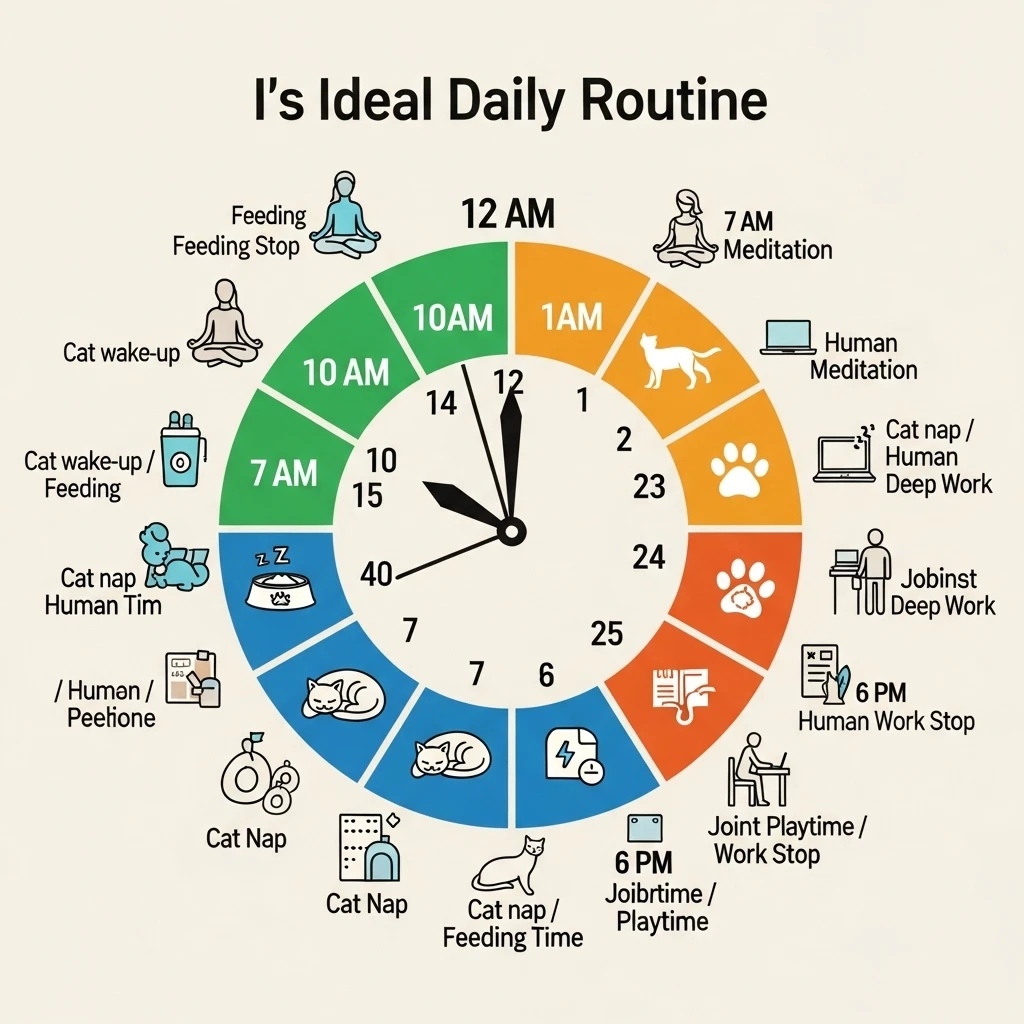
This need for predictable structure is precisely how cats create peaceful daily routines for themselves and, by extension, for you. Their internal clock is remarkably precise, governing their famous breakfast-time paw-to-the-face wake-up calls and their evening couch cuddle sessions. By communicating their needs at consistent times, they inadvertently structure your day with moments of care, interaction, and pause. You stop scrolling to feed them. You halt your work for a petting break. You settle in at a regular time because they’ve already claimed their spot on your lap. Their routine becomes yours, built not on rigidity, but on the gentle, persistent pull of shared habit.
The Architecture of a Cat-Led Day: Key Routines That Foster Peace
1. The Morning Anchor: Synchronized Sunrise Rituals
For many cat owners, the day doesn’t start with an alarm, but with a nudge, a purr, or a deliberate stare. This morning ritual is the first cornerstone of how cats create peaceful daily routines. It’s a shared, quiet moment that begins the day with connection rather than digital bombardment. Instead of jolting awake to a blaring phone, you’re gently pulled into consciousness by a living being that offers affection and a simple, immediate purpose: breakfast.
- Actionable Tip: Embrace this. Place your phone away from the bed. Let your cat’s natural wake-up call be your first interaction. Follow a consistent sequence: greet, feed, then have your own coffee while they eat. This synchronized start builds a harmonious, low-stress foundation for the hours ahead.
2. The Daytime Pulse: Predictable Patterns of Play and Rest
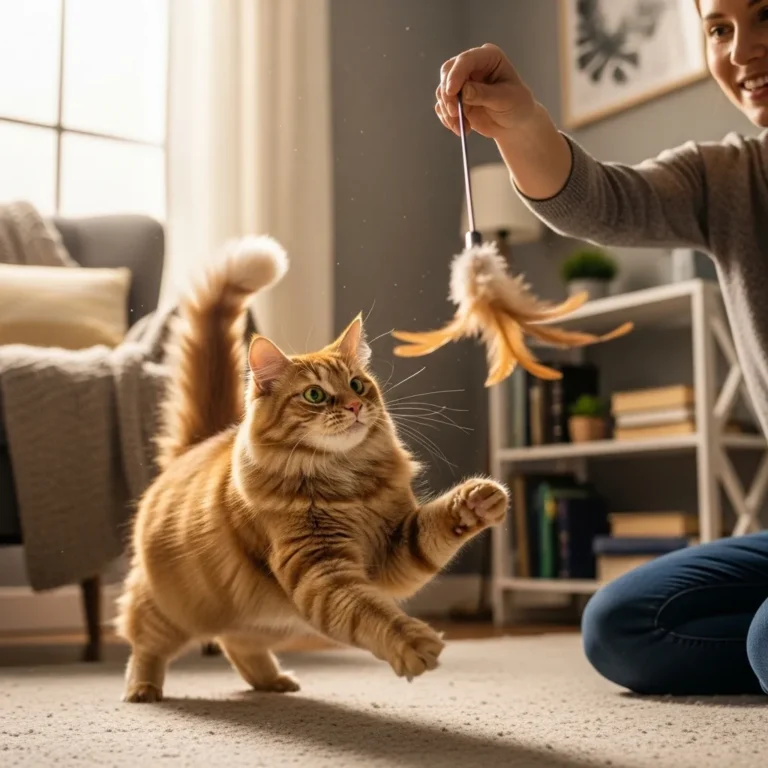
After the morning energy, cats settle into the predictable daytime pulse of activity and deep rest. They often engage in a short play session, followed by a long nap in a favorite sunbeam. This cycle repeats. This rhythm teaches a powerful lesson in balance focused activity followed by genuine rest, not perpetual busyness.
Your cat’s naptime can become a cue for your own focused work block. Their post-nap stretch and alertness signal a natural break time for you to get up, move, and engage in a brief play session. This syncs your work rhythm with a biological one, preventing burnout and injecting moments of joyful pause. It’s a brilliant, non-verbal form of time management that creates peaceful daily routines by punctuating work with mandatory respites.

3. The Evening Transition: The Ritual of Homecoming and Unwinding
Whether you work from home or return from an office, cats excel at marking the transition from “outside world” to “home sanctuary.” The greeting at the door, the vocal demand for dinner, the post-meal grooming session—these are all powerful transitional rituals. They force a shift in energy. You must stop, attend to them, and thereby shed the clutter of the day.
This evening routine is critical for creating a peaceful daily rhythm. The dependable dinner time creates a hard stop to the workday. The subsequent “quiet hour,” where many cats settle into a cuddly or contented state, encourages you to also sit down, relax, and decompress. The television goes on, the book comes out, and the household collectively exhales, led by the cat now purring on the sofa.
4. The Nighttime Seal: Pre-Bed Calm and Security
Finally, cats often perform a last “patrol” or secure a sleeping spot near you before bed. This final check-in reinforces safety and togetherness. Their choice to sleep in your room on the bed, a nearby chair, or even guarding the door is a profound signal of trust. It seals the day with a sense of protected companionship, reducing nighttime anxiety and promoting deeper sleep for both of you. Discover more about feline sleeping habits and their meanings in our guide to cat sleeping habits.
The Science of Serenity: How Feline Routines Affect Human Wellbeing
This isn’t just poetic observation; it’s backed by science. Interacting with cats lowers cortisol (the stress hormone) and boosts oxytocin (the bonding hormone). A predictable routine is a known antidote to human anxiety and depression. When combined, the effect is potent.
Your cat’s routine provides:
- Mindfulness Cues: Their actions pull you into the present moment feeling their fur, listening to their purr, watching their silly play.
- Sensory Regulation: The rhythmic sound of purring (within the 20-140 Hz range) has been suggested to have therapeutic, bone-healing, and stress-relief properties.
- Purpose & Responsibility: Caring for another being on a predictable schedule adds structure and meaningful purpose to daily life, which is crucial for mental health.
- Non-Judgmental Companionship: Their quiet presence during your routines offers comfort without demand, easing loneliness and creating a shared, silent understanding.
Collaborating with Your Cat: How to Optimize Your Shared Routines
To truly harness how cats create peaceful daily routines, become an active partner. It’s about respecting their natural patterns and gently shaping them into mutually beneficial rituals.
- Observe and Map Their Natural Rhythm: For a week, note your cat’s natural peaks of activity, hunger, and affection. Don’t force a schedule; discover theirs.
- Anchor Key Events: Choose 2-3 key events to make highly consistent, like morning feeding and evening playtime. Use these as the pillars of your shared day.
- Create Ritual Cues: Use specific cues they recognize. The same phrase before feeding (“Breakfast time!”), a particular toy for evening play, or a dedicated blanket for cuddles. This builds confident anticipation, not anxious demand. For tips on engaging play, see our article on how to train a cat without punishment.
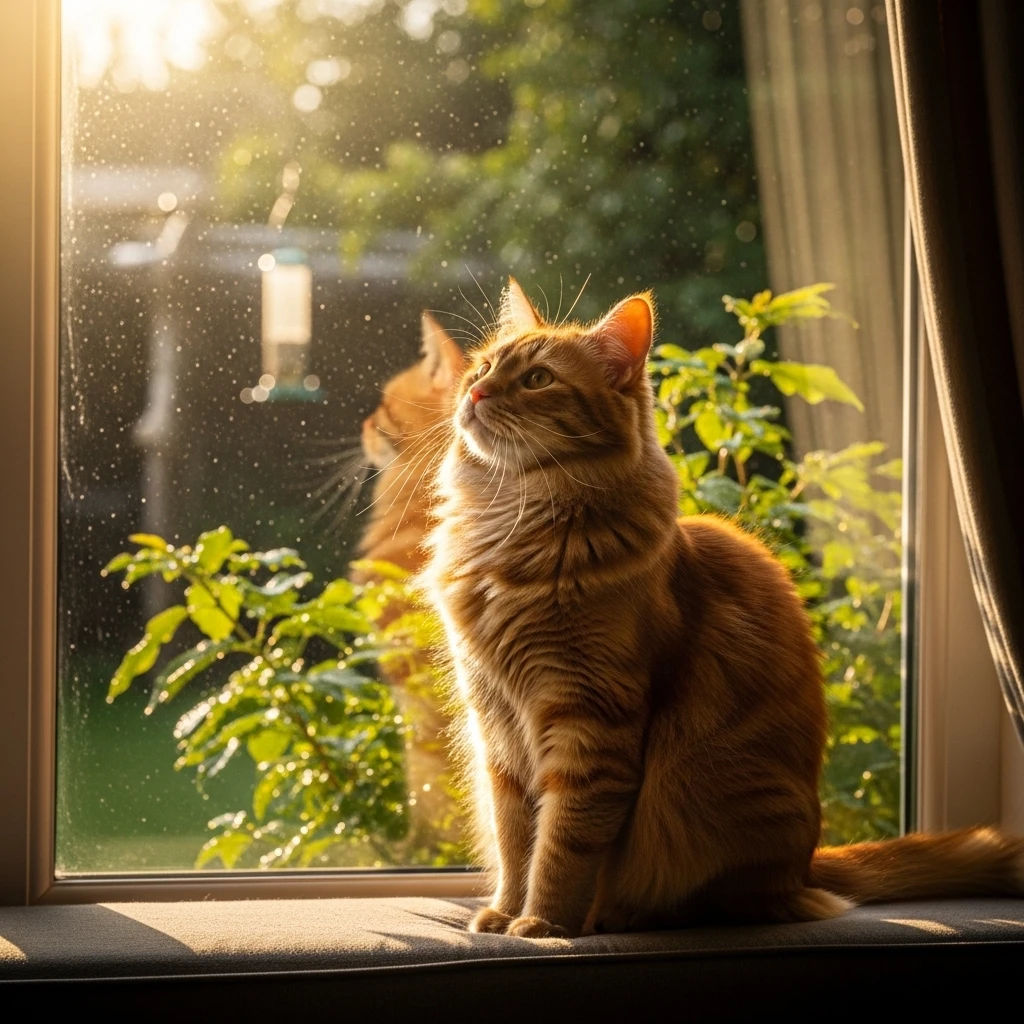
- Design the Environment for Flow: Place their beds, perches, and scratchers in ways that support the routine. A window perch for morning bird-watching, a scratching post near where you drink coffee, a cozy bed next to your evening chair.
- Protect the Wind-Down: An hour before bed, initiate calm. Dim lights, put away exciting toys, and offer gentle petting. This teaches that nighttime is for quiet, reducing the likelihood of disruptive “zoomies” at 2 AM. If nighttime activity is an issue, learn how to calm a hyper cat at night.
Troubleshooting: When the Routine Feels Chaotic
What if your cat’s routine feels disruptive, not peaceful? Inconsistency is usually the culprit. You feed them at 6 AM one day and 8 AM the next. You play intensely right before bed sometimes, confusing their energy cycles. The key is your own consistency. Cats are brilliant adapters, but they need clear, reliable signals from you.
If your cat is vocal at night or seems anxious, assess their day. Are they getting enough mental and physical stimulation during daylight hours? A bored cat will create their own chaos. A structured routine with dedicated play (simulating the “hunt”) followed by a meal (simulating the “kill”) is deeply satisfying and calming. For cats with persistent anxiety, our guide on cat stress signs can be helpful.
The Deeper Lesson: Living in Cat Time
Ultimately, how cats create peaceful daily routines teaches us to live in “cat time.” This means respecting natural cycles of energy and rest, finding joy in simple rituals, and being fully present in the quiet moments. They remind us that peace isn’t the absence of activity, but the presence of predictable, loving rhythm.
Your cat isn’t just a pet following your life; they are a silent partner in co-creating a home atmosphere. By listening to their instinctual need for routine, we don’t just make them happier we unlock a powerful, ancient template for a calmer, more centered, and profoundly more peaceful life for ourselves.
FAQ: How Cats Create Peaceful Daily Routines
Q: My cat is very demanding in the morning. Is this still creating peace?
A: Yes, but it needs refinement. The demand stems from a predictable hunger routine. To make it more peaceful for you, consider an automatic feeder for a small, early breakfast. This satisfies their routine need while allowing you to wake up more gently. Keep the post-feeding cuddle ritual for the shared calm.
Q: I have an irregular work schedule. Can I still have a routine with my cat?
A: Absolutely. Cats adapt to your consistent pattern, even if it’s non-traditional. If you work nights, establish a “morning” routine for when you wake up. The key is consistency within your daily cycle, not the clock’s. They will learn the cues that signal your “start of day” and “wind-down time.”
Q: How long does it take for a cat to establish a peaceful routine?
A: Most cats will adapt to a clear, consistent new routine within 1-2 weeks. Senior cats or those with past trauma may take longer. Patience and unwavering consistency are your most powerful tools.
Q: Do multiple cats disrupt or enhance the peaceful routine?
A: It can do both. Multiple cats will establish social rhythms with each other, which can add another layer of predictable household activity. However, ensure resources (food bowls, litter boxes, perches) are plentiful to prevent competition that breaks the peace. Learn to manage harmony in our guide to multi-cat households.
Q: Can a cat’s routine really help with human anxiety?
A: Numerous studies and anecdotal evidence strongly suggest yes. The combination of tactile comfort (petting), rhythmic stimulation (purring), and the responsibility of a predictable care routine provides structure, distraction from intrusive thoughts, and a source of unconditional, non-judgmental affection all powerful antidotes to anxiety.
Embrace the gentle rhythm your cat offers. Observe, align, and participate. In doing so, you’re not just caring for a pet; you’re co-authoring a daily life of greater presence, balance, and quiet joy. The secret to a more peaceful day may just be curled up on your sofa, waiting for you to follow its lead.
Explore more expert insights on feline behavior and creating a harmonious home with your cat at Cat Bloom Haven. Dive deeper into understanding your cat’s language with our guide to cat tail language, or learn how to design the perfect environment in our article on designing a cat-friendly home.