Cat in Pain When Touched on the Side: Signs, Causes, and How to Help
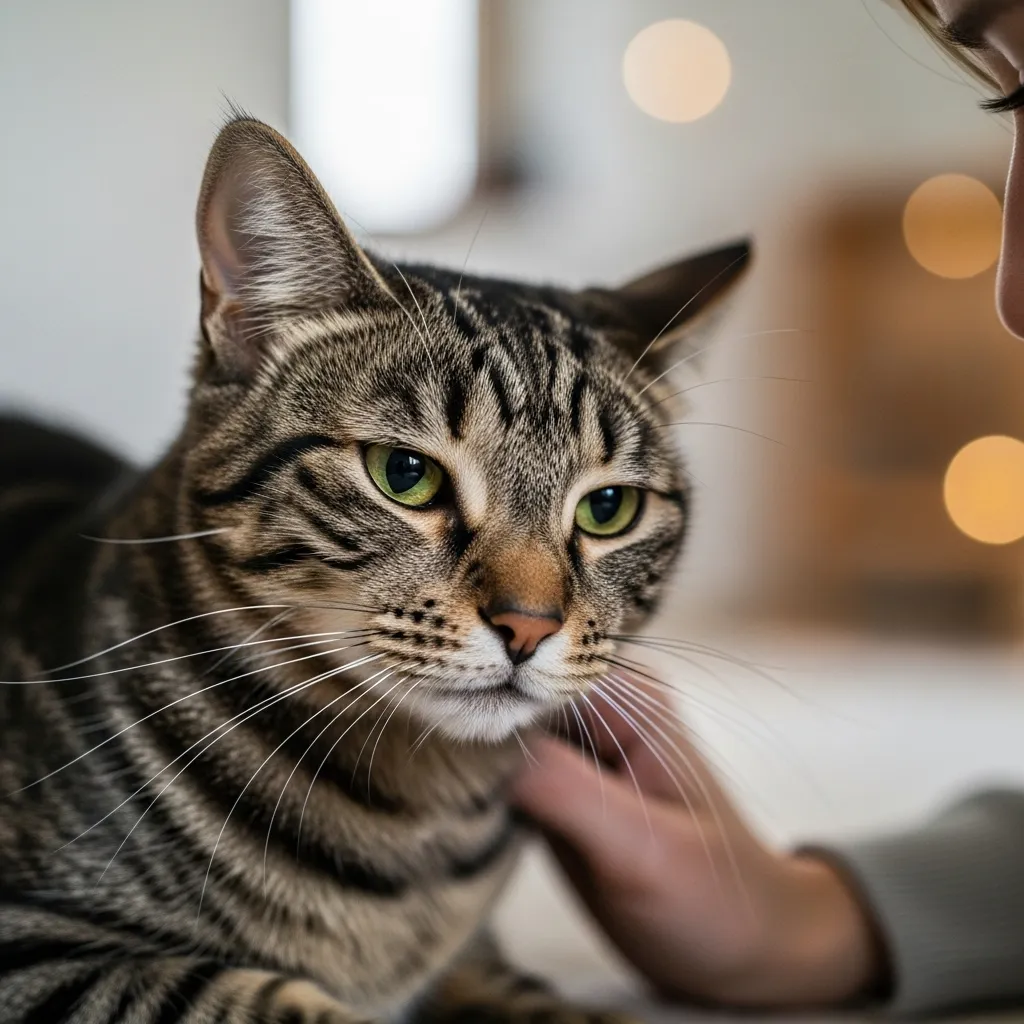
If your cat flinches, hisses, or shows discomfort when you touch their side, it’s a red flag that something’s wrong. Cats are masters at hiding pain, but sensitivity to touch can signal health issues ranging from minor injuries to serious conditions.
This comprehensive guide dives deep into cat pain symptoms, helping you recognize signs your cat is in pain, understand potential causes like cat side pain causes, and take actionable steps to ensure your feline friend’s comfort. Whether it’s cat arthritis pain, cat abdominal pain, or another issue, you’ll learn how to spot cat discomfort signs and provide feline pain management at home while knowing when to seek veterinary care.
Key Takeaways
- Cats often hide pain due to their instincts, making subtle signs like flinching or behavioral changes critical to notice.
- Sensitivity to touch on the side can stem from arthritis, trauma, infections, or internal issues like abdominal distress.
- Look for cat body pain behavior such as reduced activity, vocalization changes, or altered posture.
- Immediate vet consultation is crucial for persistent or severe symptoms to ensure proper diagnosis and treatment.
- Explore our detailed guide on cat health and behavior for more insights on keeping your cat healthy.
Why Cats Hide Pain: Understanding Feline Instincts
Cats are hardwired to mask pain a survival tactic from their wild ancestors. In the wild, showing weakness makes them vulnerable to predators. This instinct means your cat might not cry out or limp obviously, even when in significant discomfort. Recognizing why cats hide pain is the first step to catching subtle cat discomfort signs.
- Evolutionary Advantage: Hiding pain protects cats from appearing weak.
- Subtle Cues: Look for changes in behavior, like reduced grooming or avoiding jumps.
- Stress Response: Pain can make cats withdraw or act aggressively when touched.
For example, Sarah, a cat owner, noticed her 10-year-old tabby, Luna, stopped jumping onto the couch and hissed when stroked on her side. These were early clues of cat arthritis pain, later confirmed by her vet. Understanding these instincts helps you stay vigilant.

Recognizing Signs Your Cat Is in Pain
Cats communicate pain through subtle shifts in behavior, posture, and vocalization. Here’s how to spot signs your cat is in pain, especially when touched on the side:
Behavioral Changes
- Reduced Activity: Less jumping, climbing, or playing.
- Hiding or Withdrawal: Spending more time in secluded spots.
- Aggression or Irritability: Hissing, swatting, or growling when touched.
- Appetite Changes: Eating less or refusing food altogether.
Physical Symptoms
- Flinching or Sensitivity: Pulling away or tensing when you touch their side.
- Altered Posture: Hunched back, tucked abdomen, or reluctance to stretch.
- Limping or Favoring a Side: Moving cautiously to avoid pain.
- Grooming Changes: Over-grooming a painful area or neglecting grooming entirely.
Vocalization Shifts
- Increased Meowing or Yowling: Especially when touched or during movement.
- Quiet or Hoarse Meows: A sign of discomfort or stress.
- Purring as Self-Soothing: Some cats purr to cope with pain, not just contentment.
For instance, a Maine Coon named Max began yowling when his owner touched his lower side. A vet visit revealed cat abdominal pain due to a urinary issue. Learn more about Maine Coon health to spot breed-specific signs.

Common Causes of Cat Side Pain When Touched
When your cat shows cat sensitive to touch behavior, several conditions could be at play. Below are the most common cat side pain causes, from minor to serious:
1. Arthritis and Joint Pain
- What It Is: Degenerative joint disease, common in senior cats, causing stiffness and pain.
- Symptoms: Reluctance to jump, limping, or sensitivity when touched near joints.
- Breeds at Risk: Larger breeds like Maine Coons or older cats of any breed.
- Action: Consult a vet for imaging and pain relief options like joint supplements.
2. Trauma or Injury
- What It Is: Bruises, sprains, or fractures from falls, fights, or accidents.
- Symptoms: Localized swelling, warmth, or cat trauma symptoms like limping.
- Action: Immediate vet visit for X-rays or ultrasound to assess damage.
3. Abdominal Distress
- What It Is: Issues like urinary infections, blockages, or organ inflammation (e.g., pancreatitis).
- Symptoms: Cat abdominal pain, vomiting, or changes in litter box habits.
- Action: Urgent vet care, as abdominal issues can escalate quickly. See our cat urinary health guide for more details.
4. Skin or Muscle Issues
- What It Is: Skin infections, abscesses, or muscle strains causing surface sensitivity.
- Symptoms: Redness, scabs, or cat skin bumps neck near the painful area.
- Action: Check for visible wounds and seek vet care for infections.
5. Organ-Related Pain
- What It Is: Conditions like kidney disease or liver issues radiating pain to the side.
- Symptoms: Lethargy, weight loss, or cat vomiting brown liquid.
- Action: Bloodwork and imaging at the vet to diagnose internal issues.
6. Neurological or Nerve Pain
- What It Is: Nerve irritation or spinal issues causing referred pain.
- Symptoms: Twitching, cat posture pain signs, or sudden sensitivity.
- Action: Neurological exams by a vet to pinpoint the cause.
| Cause | Key Symptoms | Urgency |
|---|---|---|
| Arthritis | Stiffness, limping, joint sensitivity | Moderate |
| Trauma | Swelling, limping, localized pain | High |
| Abdominal Distress | Vomiting, litter box changes, lethargy | Urgent |
| Skin/Muscle Issues | Redness, scabs, or swelling | Moderate to High |
| Organ-Related Pain | Weight loss, appetite changes, lethargy | Urgent |
| Neurological Pain | Twitching, posture changes, sensitivity | High |
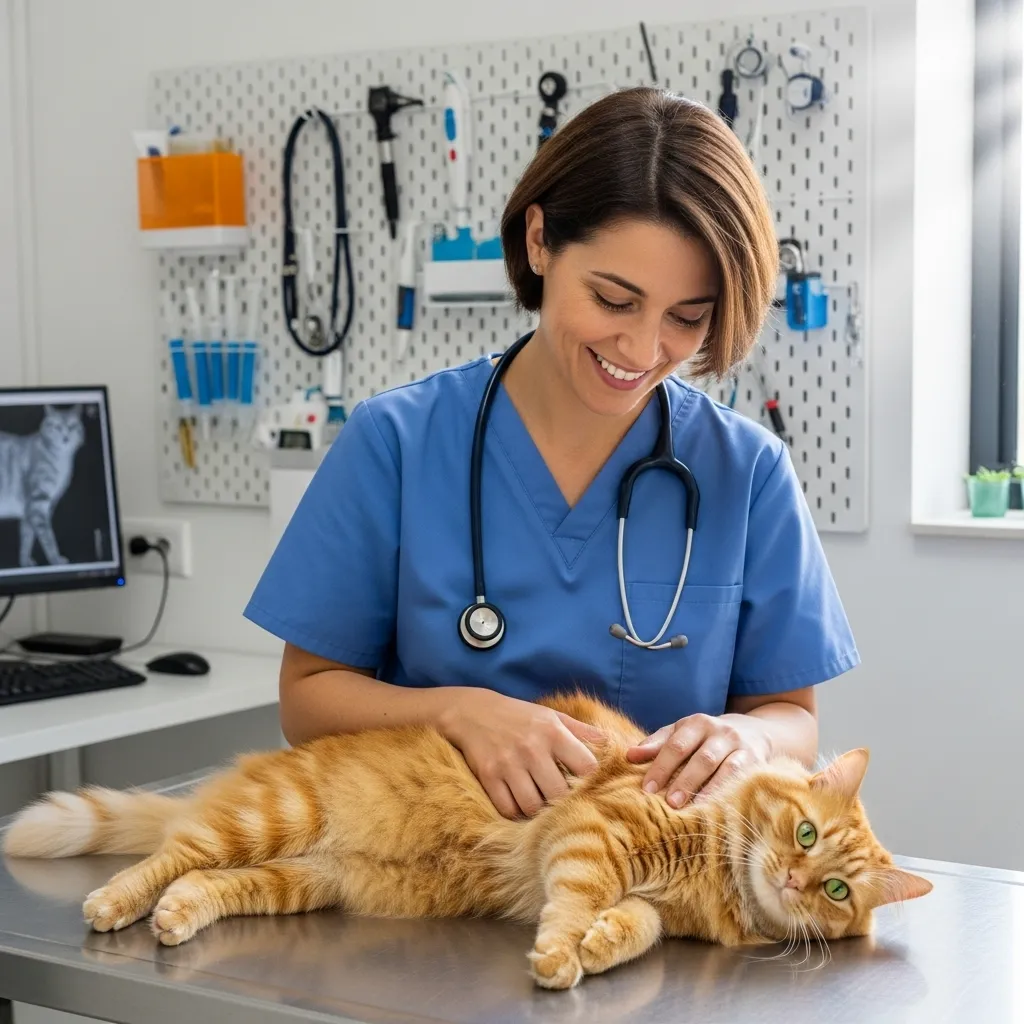
How to Tell If Your Cat’s Side Pain Is Serious
Not all pain requires immediate vet visits, but certain signs demand urgent action. Here’s how to gauge severity:
- Red Flags:
- Persistent flinching or crying when touched.
- Refusal to eat or drink for over 24 hours.
- Blood in urine, vomiting, or difficulty breathing.
- Sudden aggression or extreme lethargy.
- When to Act: If your cat shows any red flags, contact your vet immediately. For milder symptoms, monitor for 24–48 hours but consult if no improvement. Check our guide on finding the best vet for your cat for tips on choosing a trusted professional.
Feline Pain Management: Helping Your Cat Feel Better
Once you’ve identified cat pain symptoms, here’s how to provide feline pain management at home and when to involve a vet:
At-Home Comfort Tips
- Create a Safe Space: Offer a quiet, cozy spot with soft bedding. Explore best beds for cats for ideas.
- Gentle Handling: Avoid touching the painful side and use slow, calm movements.
- Warm Compress: For arthritis or muscle pain, apply a warm (not hot) compress for 5–10 minutes, if your cat allows.
- Hydration and Nutrition: Ensure access to fresh water and high-quality food. See our cat food nutrition guide for diet tips.
Veterinary Interventions
- Medications: Vets may prescribe cat pain relief medication like NSAIDs (e.g., meloxicam) or opioids for severe cases. Never give human pain meds like ibuprofen, as they’re toxic to cats.
- Diagnostics: X-rays, ultrasounds, or blood tests to identify underlying issues.
- Surgery: For conditions like blockages or severe trauma, surgery may be needed.
- Supportive Therapies: Acupuncture, laser therapy, or physical therapy for chronic pain like arthritis.
Long-Term Care
- Weight Management: Obesity worsens joint pain. Learn about cat obesity for weight control tips.
- Joint Supplements: Glucosamine or omega-3s can reduce inflammation.
- Regular Checkups: Schedule routine vet visits to catch issues early. See our cat vet visit schedule for guidance.

Cat Pain Behavior in 2025: What’s Trending?
Recent pet care trends show owners are increasingly proactive about cat pain behavior 2025. With more access to online resources, cat parents are learning to spot why my cat flinches when I touch her side and seeking feline pain management at home. Social media platforms like Pinterest highlight cozy cat setups and natural remedies, but vet-backed care remains essential. For example, a 2025 study noted a rise in cat owners using pet cameras to monitor cat behavioral changes, catching pain signs earlier.
How to Comfort a Cat in Pain
Comforting a cat in pain requires patience and observation. Here are vet-recommended strategies:
- Minimize Stress: Keep their environment calm, avoiding loud noises or sudden changes.
- Enrich Their Space: Offer toys or scratching posts to distract from discomfort. Discover how to keep cats entertained for enrichment ideas.
- Monitor Symptoms: Track changes in behavior or symptoms in a journal to share with your vet.
- Gentle Interaction: Pet only where they’re comfortable and watch for cat posture pain signs like tensing.
For example, when Bella, a Ragdoll, showed cat limping or flinching causes, her owner created a low-stress nook with a heated bed, which eased her discomfort before a vet visit confirmed a minor sprain.
FAQ: Quick Answers to Common Cat Pain Questions
Why does my cat hide its pain?
Cats hide pain due to survival instincts, making them appear strong to avoid predators. Look for subtle signs like reduced activity or grooming changes.
What are the signs my cat is in pain when touched on the side?
Flinching, hissing, pulling away, or changes in posture and vocalization are key cat discomfort signs.
What causes my cat’s pain when touched on the side?
Common cat side pain causes include arthritis, trauma, abdominal issues, skin infections, or organ-related problems.
How can I tell if my cat’s vocalization changes indicate pain?
Increased meowing, yowling, or quieter meows can signal feline vocalization changes due to pain or stress.
When is surgery necessary for a cat in pain?
Surgery may be needed for severe trauma, blockages, or internal issues like tumors. Consult a vet for diagnostics.
What medications are used for cat pain relief?
Vets may use NSAIDs, opioids, or steroids, but cat pain relief medication must be vet-prescribed to avoid toxicity.
How can I make my cat more comfortable if it’s in pain?
Provide a quiet space, soft bedding, and gentle handling. Explore cat care and comfort tips for more ideas.
What behavioral changes indicate my cat is in pain?
Look for cat behavioral changes like hiding, reduced appetite, aggression, or changes in litter box habits.
Conclusion
Noticing your cat in pain when touched on the side is a call to action. By understanding cat pain symptoms, recognizing signs your cat is in pain, and addressing cat side pain causes, you can help your feline friend feel better. From feline pain management at home to knowing when to call the vet, this guide equips you with the tools to act fast. Stay proactive, monitor your cat’s behavior, and trust your instincts if something feels off, it probably is.
Explore more expert cat care and behavior guides on Cat Bloom Haven to keep your cat healthy, happy, and pain-free.