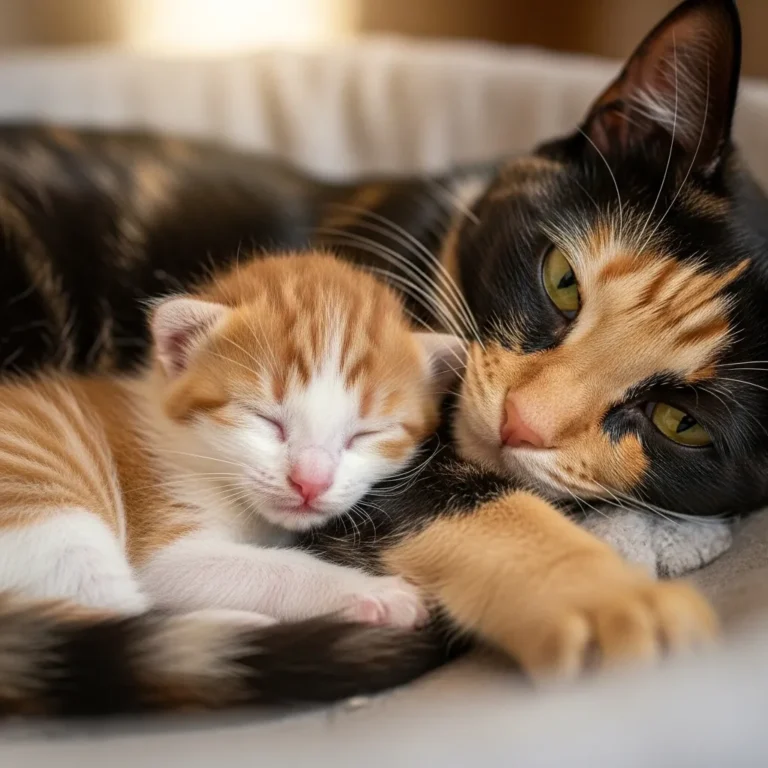
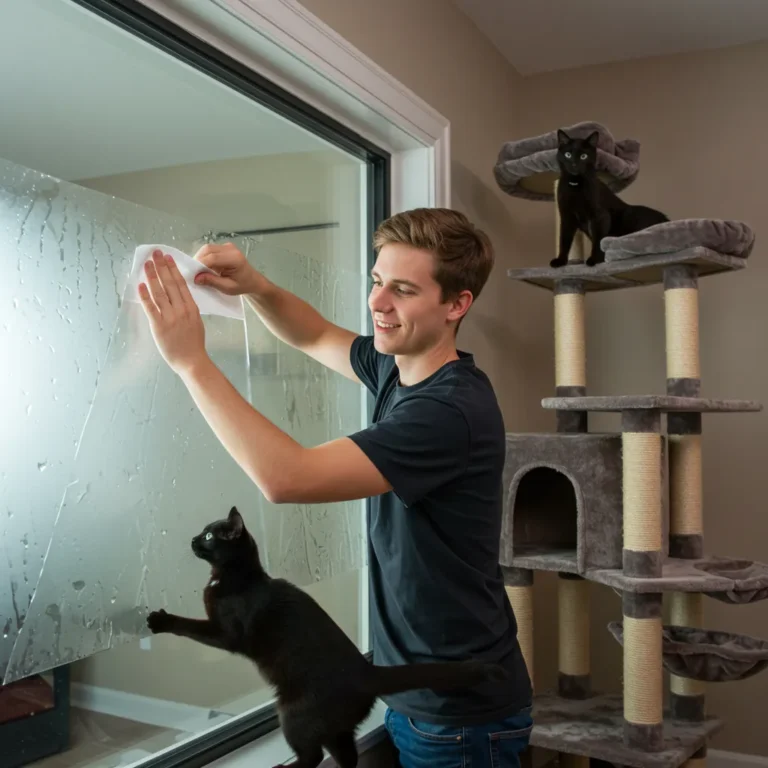
Heartwarming Cat Emotional Moments That Will Melt Your Heart
Cats often get labeled as aloof or independent, but anyone who shares their life with one knows better. These furry companions experience a full range of emotions, from deep affection to profound grief, and they express them in subtle, powerful ways. Cat emotional moments reveal just how attuned they are to their world and the people in it. Whether it’s a slow blink of trust or a quiet presence during tough times, these instances strengthen the bond between cats and their owners.
In this guide, we’ll explore the science and stories behind these touching behaviors. You’ll learn to recognize signs of happiness, love, and even sadness in your cat. By understanding these cat emotional moments, you can respond in ways that deepen your connection and support their well-being.
Key Takeaways
- Cats show love through behaviors like slow blinking, kneading, and headbutting – these are signs of trust and contentment.
- Purring isn’t always about happiness; it can also indicate self-soothing during stress or pain.
- Cats can grieve the loss of a companion, showing changes in appetite, activity, or vocalization.
- Responding to your cat’s emotional cues, like returning a slow blink, builds mutual trust.
- Enrichment and routine help cats process emotions positively.
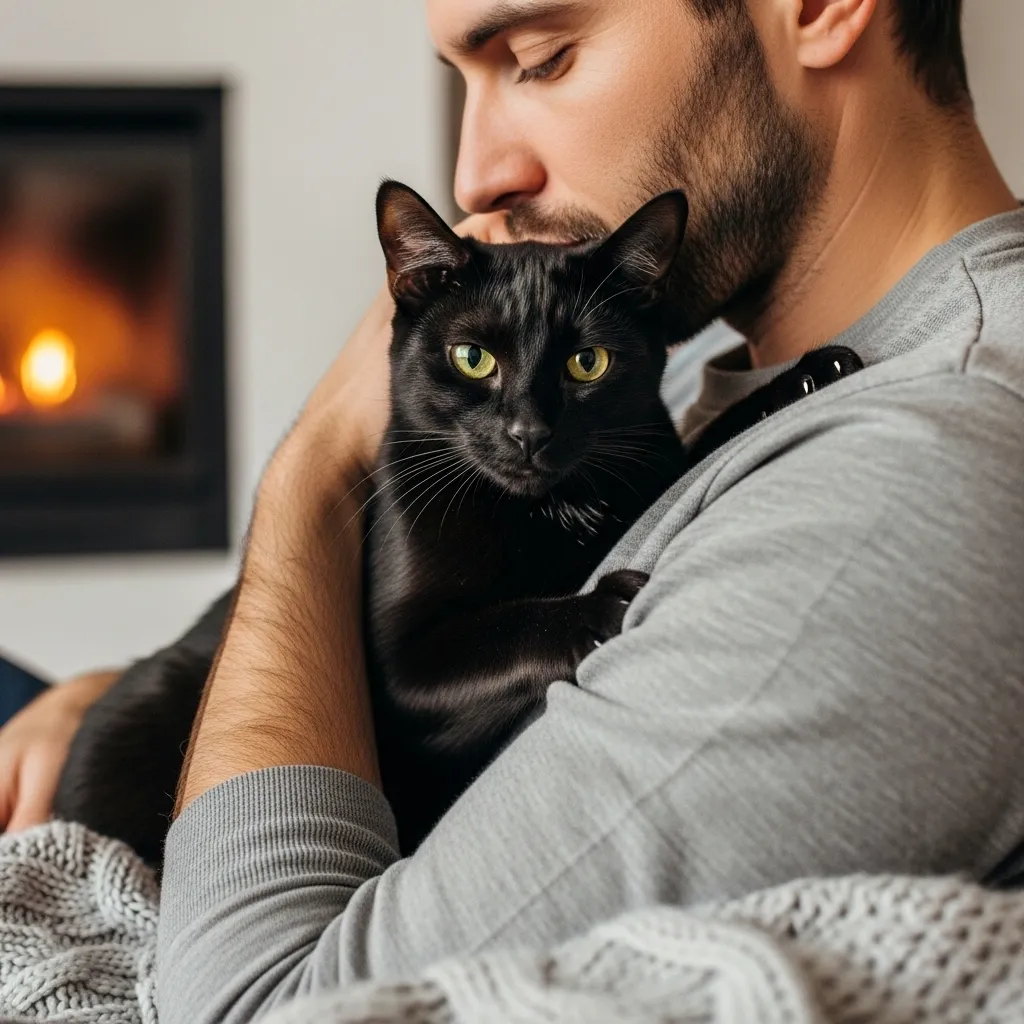
Understanding Cat Emotions: More Than Meets the Eye
Cats feel emotions similar to humans, including joy, fear, sadness, and attachment. Research shows they form strong bonds and even recognize human emotional cues through voice tone, facial expressions, and scents.
Studies indicate cats adjust their behavior based on our moods. If you’re upset, your cat might approach more often or stay close. This sensitivity explains many cat emotional moments we cherish.
Cats don’t express emotions dramatically like dogs. Their signs are subtle: ear position, tail movement, whisker direction, and vocalizations all play a role.
Signs of Happiness and Contentment in Cats
One of the purest cat emotional moments is when your feline friend shows pure bliss.
The Magic of Purring
Purring often signals contentment, especially when accompanied by relaxed body language. Cats purr during petting, feeding, or lounging in a sunny spot.
Interestingly, purring also serves self-soothing. Mother cats purr to calm kittens, and adults may purr when injured or stressed. The vibration frequency (around 25-150 Hz) promotes healing.
Next time your cat purrs on your lap, it’s likely a sign they feel safe and happy with you.
Kneading: A Throwback to Kittenhood
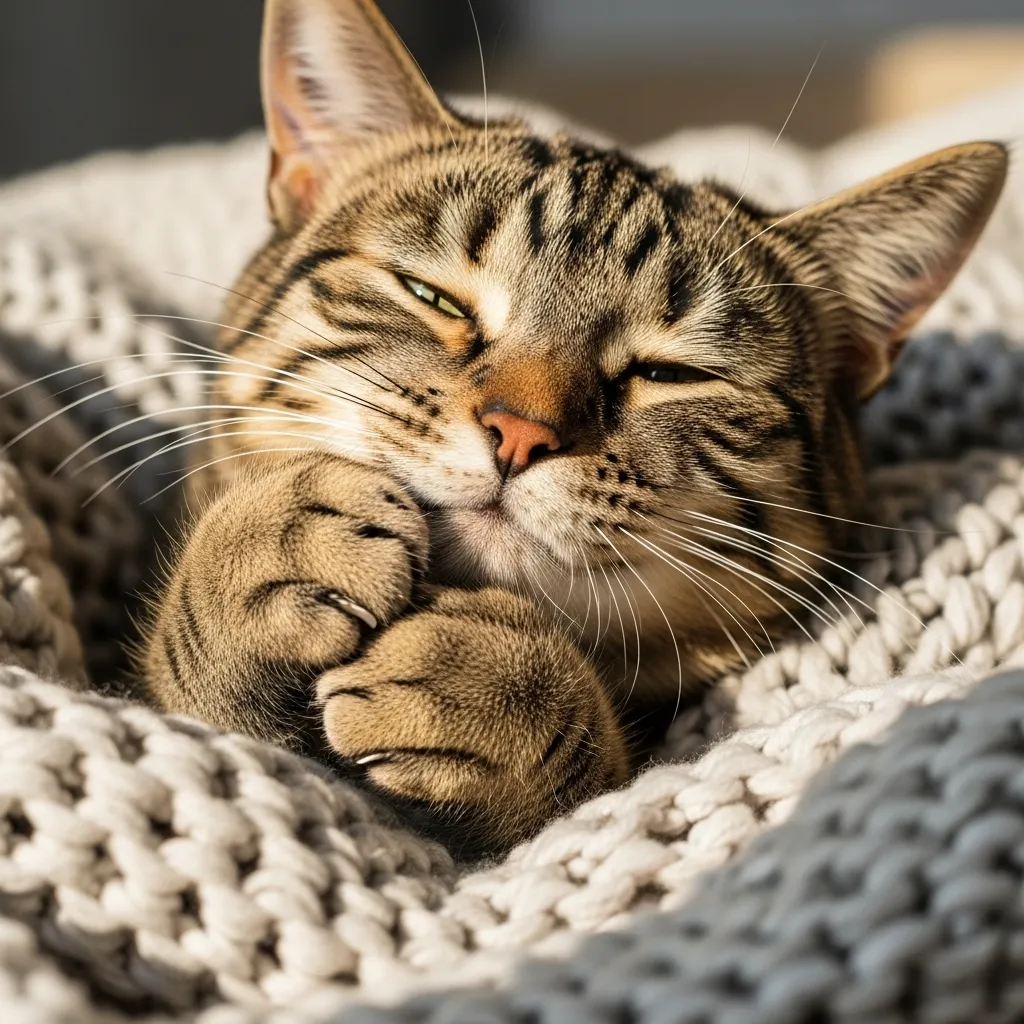
Kneading, or “making biscuits,” happens when cats rhythmically push their paws against a soft surface – often your lap or a blanket.
This behavior stems from kittenhood, when they kneaded their mother’s belly to stimulate milk flow. In adults, it indicates deep comfort and affection.
Tail Up and Curled: The Greeting of Joy
A tail held high with a slight curve at the tip is a classic sign of a happy cat approaching someone they love.
This upright tail posture releases friendly scents from glands at the base, marking you as part of their trusted circle.
Cat Emotional Moments of Affection and Trust
Cats show love in unique ways that speak volumes about their emotional depth.
The Slow Blink: A Cat’s “I Love You”
Few cat emotional moments are as intimate as the slow blink. When your cat gazes at you and slowly closes their eyes, then opens them, they’re saying they trust you completely.
In the wild, closing eyes leaves an animal vulnerable. Doing this around you means they feel utterly safe.
Try returning the gesture: Look at your cat softly and blink slowly. Many cats blink back or approach for cuddles.
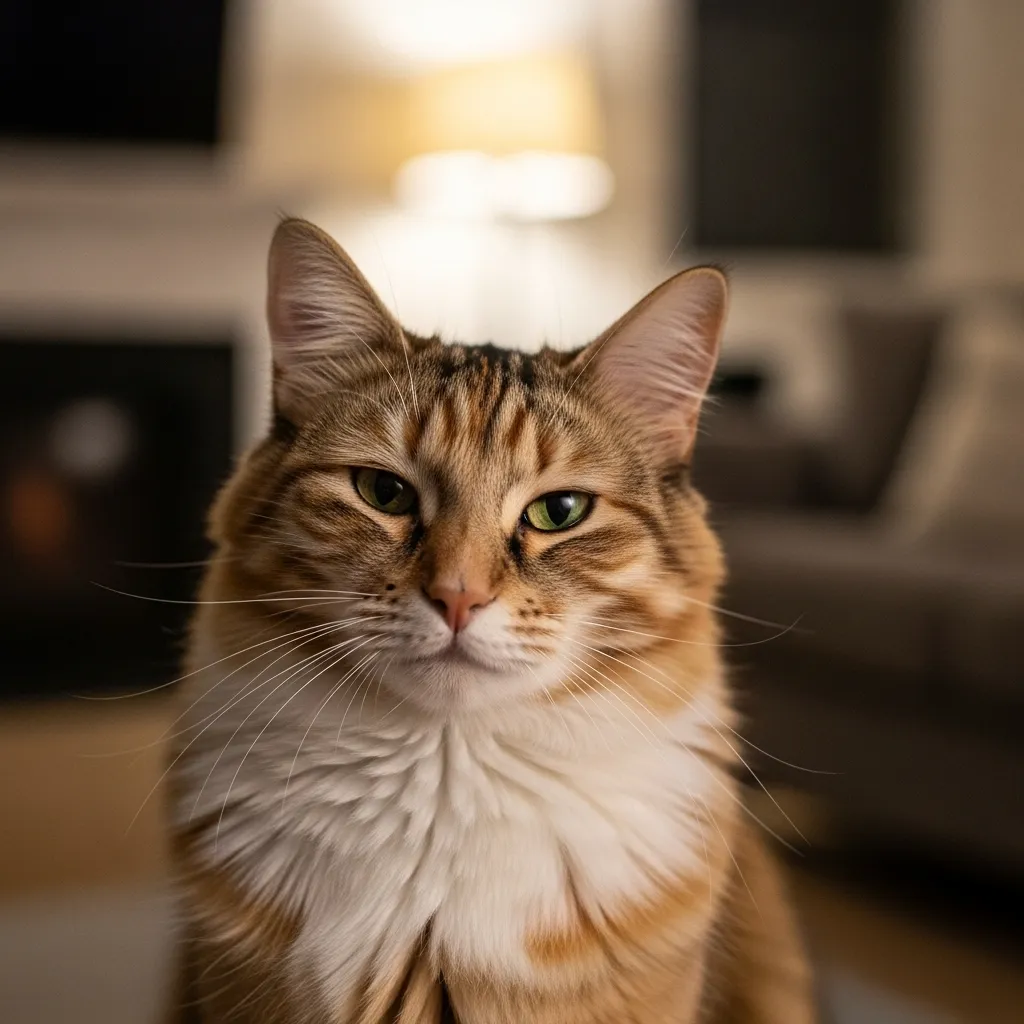
Headbutting and Rubbing: Marking You as Theirs
Headbutts (or “bunting”) and cheek rubs deposit pheromones, claiming you as family.
This behavior mixes scents, creating a shared group smell that provides security.
Cuddling and Lap Time
Not all cats are lap cats, so when yours chooses to curl up on you, it’s a profound display of affection.
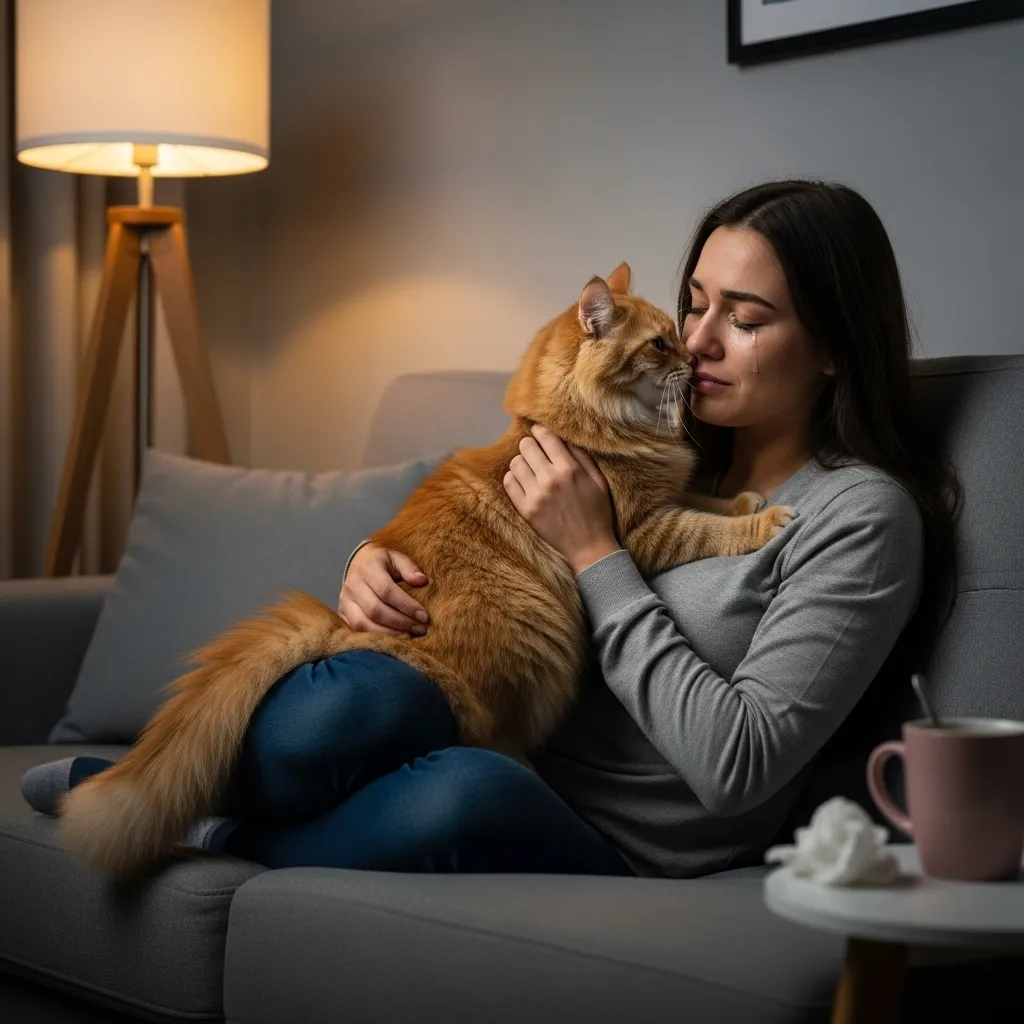
When Cats Comfort Their Humans
Cats sense our distress and often respond with quiet support.
Many owners report their cats staying closer when they’re sad, sick, or anxious. Some purr louder, others nuzzle or simply sit nearby.
This empathy strengthens the human-feline bond. Your cat isn’t just a pet; they’re a companion who cares.
The Flip Side: Cat Emotional Moments of Grief and Sadness
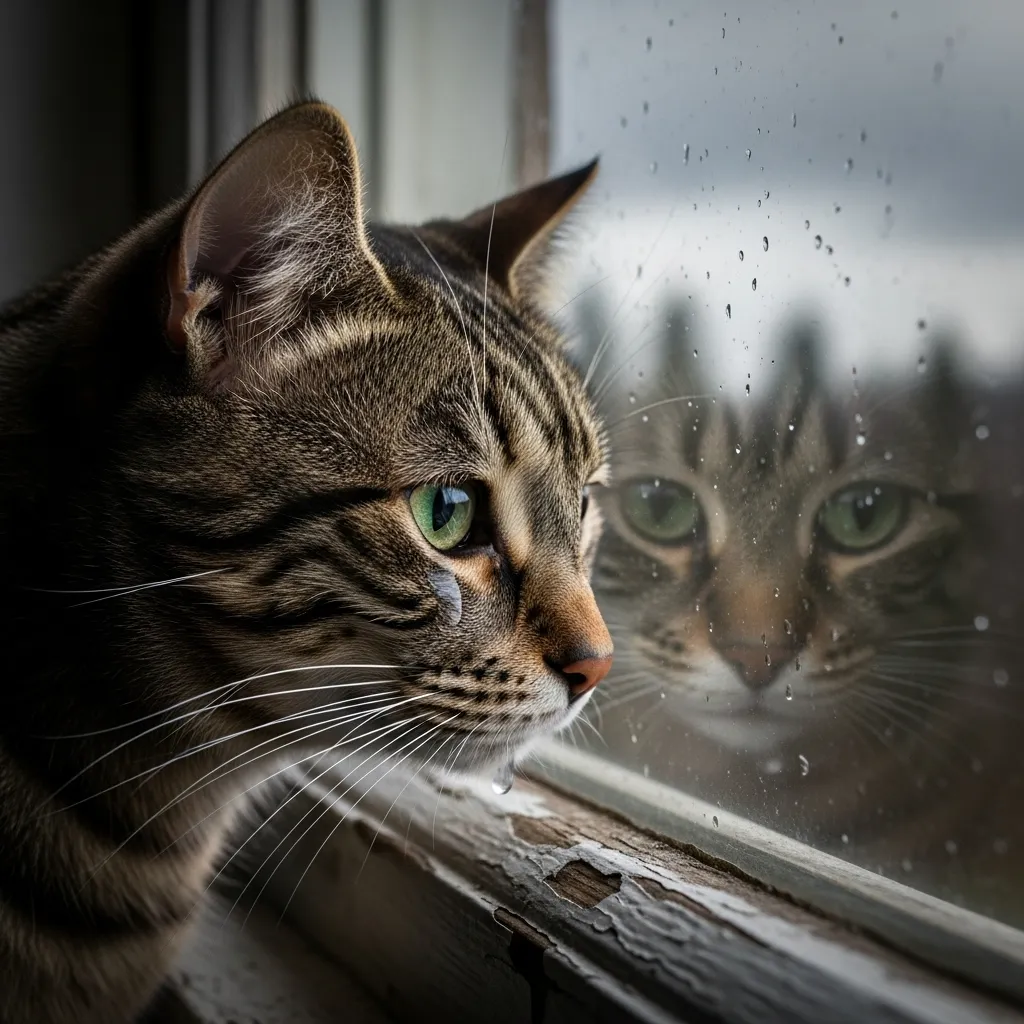
Cats grieve too. Losing a companion human or animal can lead to noticeable changes.
Common signs include:
- Decreased appetite or overeating
- Increased sleeping or hiding
- Searching the home or vocalizing more
- Reduced playfulness
Grief varies by individual and bond strength. Some cats recover quickly; others need weeks or months.
Help your grieving cat by maintaining routine, offering extra play, and providing pheromone diffusers for calm.
How to Nurture Positive Cat Emotional Moments
Build more joyful interactions with these tips:
- Respond to cues: Slow blink back, accept headbutts gently.
- Provide enrichment: Toys, perches, and playtime fulfill instincts and boost mood.
- Routine matters: Consistent feeding and play reduce stress.
- Vet check-ups: Rule out health issues mimicking emotional changes.
For breed-specific insights, explore our guides like the playful personality of American Shorthairs in “Discover more tips in our American Shorthair cats playful personality guide
Or learn about affectionate Ragdolls in our Ragdoll cat breed overview.
FAQ: Common Questions About Cat Emotional Moments
What does it mean when my cat slow blinks at me?
It’s a sign of trust and affection – like a cat kiss. Return it to strengthen your bond.
Why does my cat purr when I cry?
They’re likely comforting you or self-soothing in response to your distress.
Do cats grieve like humans?
Yes, they experience loss and show behavioral changes, though expressions differ.
How can I tell if my cat is happy?
Look for relaxed ears, upright tail, purring, kneading, and slow blinks.
Can cats sense human emotions?
Absolutely. They read tone, body language, and even scents to gauge our mood.
What if my cat seems sad suddenly?
Monitor for other signs and consult a vet to rule out illness. Grief or environmental changes could be factors.
Cherish Every Cat Emotional Moment
These quiet, profound interactions remind us why cats capture our hearts. From joyful kneads to comforting purrs during tough times, cat emotional moments reveal their deep capacity for feeling.
Pay attention to your cat’s subtle signals. Respond with patience and love. You’ll create even more of these treasured experiences.
Explore more expert cat care and behavior guides on Cat Bloom Haven, like our insights on Bengal cat personality or tips for keeping Siamese cats entertained.
Your feline friend has so much love to give – embrace those cat emotional moments fully.